



























The Manufacturers Association of Nigeria (MAN) has expressed concerns over the recently released Gross Domestic Product (GDP) report for the third quarter of 2024 by the National Bureau of Statistics (NBS).
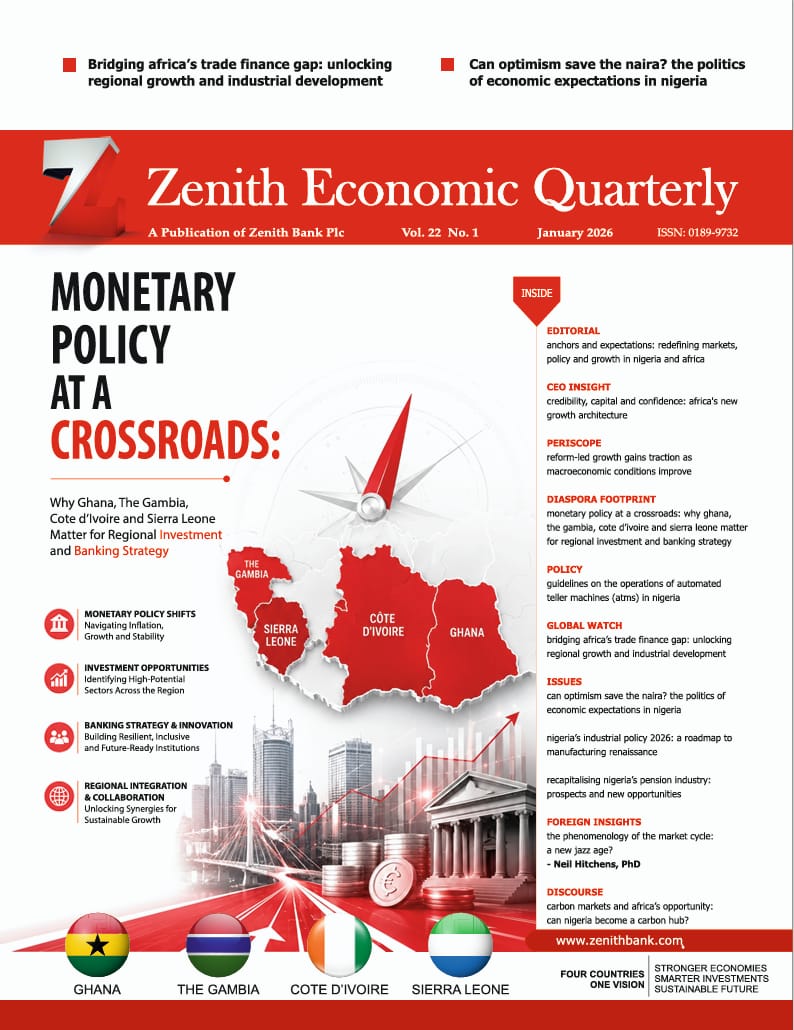 https://www.digital.zenithbank.com/ZEQ/ZEQ-jan-2026/index.html#p=1
While the overall economy recorded a commendable growth rate of 3.46%, surpassing the 2.54% reported in the same period of 2023, the performance of the manufacturing sector remains underwhelming, raising questions about the nation’s industrialization agenda.
Sectoral Overview and Manufacturing Sector Performance
The Q3 GDP report highlighted the dominance of the services sector, which grew by 5.19% and contributed 53.58% to the GDP, followed by agriculture at 28.65% and industry at 17.77%. The manufacturing sector recorded a modest growth of 2.18% year-on-year, reflecting its struggle under challenging macroeconomic conditions.
Specific manufacturing sub-sectors showed varied performance:
- Fastest-growing: Chemical & Pharmaceutical Products (3.97%), Electrical & Electronics (2.61%), and Cement (2.30%).
- Top contributors to manufacturing output: Food, Beverage & Tobacco (6.78%), Chemical & Pharmaceutical Products (6.92%), and Electrical & Electronics (6.03%).
However, overall growth in the manufacturing sector decelerated to 0.92% year-on-year and its contribution to GDP declined to 8.21% from 8.42% in Q3 2023. This slow growth underscores the adverse effects of high interest rates, escalated energy costs, and an unstable foreign exchange environment.
Challenges Facing the Manufacturing Sector
MAN attributes the sector’s lackluster performance to several macroeconomic challenges:
- High Inflation and Cost of Living: Rising inflation and reduced consumer purchasing power have led to unsold inventory and decreased production levels.
- Energy and Infrastructure Deficits: High energy costs and inadequate infrastructure are major barriers to growth.
- Unstable Foreign Exchange Market: Limited access to foreign exchange has stifled manufacturing operations and deterred foreign investment.
- Multiple Taxation and Regulatory Costs: Excessive taxes and fees, such as Environmental Impact Assessment (EIA) and Effluent Discharge (EMP) fees, are placing additional burdens on manufacturers.
Implications for Nigeria’s Economy
The dominance of the services sector at the expense of manufacturing poses significant risks to Nigeria’s industrialization goals. Without a robust manufacturing sector, the country faces difficulties in achieving key economic objectives, including:
- Reducing forex demand pressures.
- Generating mass employment.
- Driving industrial-led growth.
- Realizing the administration’s $1 trillion economy target by 2026.
MAN’s Recommendations to Revitalize Manufacturing
To address these challenges and unlock the potential of the manufacturing sector, MAN calls on the government to implement the following measures:
- Facilitate Affordable Credit Access: Create special windows for single-digit interest loans and recapitalize the Bank of Industry (BOI).
- Strengthen Infrastructure Development: Prioritize budgetary allocations for critical infrastructure and promote public-private partnerships.
- Address Forex Challenges: Clear the $2.4 billion outstanding FX forward contracts to support manufacturers.
- Streamline Import Duties: Review import duty rates for essential inputs and simplify customs procedures.
- Stabilize Energy Costs: Review excessive electricity tariffs and ensure transparent billing while promoting domestic gas supply.
- Reduce Regulatory Burdens: Implement the recommendations of the Presidential Fiscal Policy and Tax Reforms Committee and review NESREA-imposed fees.
Conclusion
While the overall GDP growth is encouraging, a vibrant manufacturing sector is essential for inclusive and sustainable economic growth. MAN urges the government to take decisive action to create a conducive environment for manufacturing to thrive and to drive the nation’s industrialization agenda forward.