

























A major new study published in The Lancet Child & Adolescent Health has revealed that nearly nine million children across sub-Saharan Africa are living with sickle cell disease (SCD), underscoring an urgent yet largely addressable public health challenge across the continent. The research estimates that approximately 8.85 million children under the age of 15 were affected by the condition in 2023, including over one million infants, highlighting the scale of a disease that remains one of the leading genetic causes of childhood illness and mortality in Africa despite the availability of effective, low-cost interventions.
The study, led by Davies Adeloye, Professor of Public Health at Teesside University and Director of the International Society of Global Health, provides one of the most comprehensive and up-to-date assessments of childhood sickle cell disease burden in sub-Saharan Africa. According to Professor Adeloye, the findings highlight a long-standing paradox: sickle cell disease is both diagnosable at birth and manageable with relatively simple interventions, yet millions of children continue to suffer due to gaps in healthcare delivery. He noted that while the scale of the burden is significant, the opportunity to reduce preventable deaths is equally substantial if the right policies and investments are implemented.
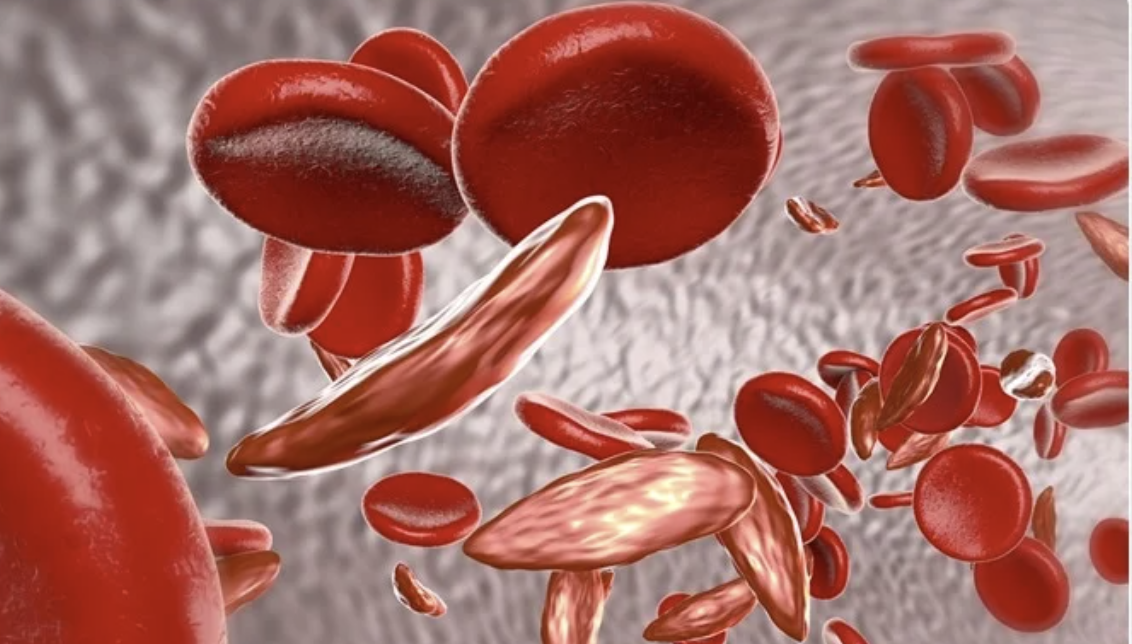
The burden of sickle cell disease is heavily concentrated in sub-Saharan Africa, particularly in West and Central Africa, where a combination of population size and genetic prevalence drives high case numbers. The disease, an inherited blood disorder that affects haemoglobin, can lead to chronic anaemia, severe pain episodes, increased susceptibility to infections, and early death if left untreated. However, proven interventions such as newborn screening, routine vaccinations, penicillin prophylaxis, and basic clinical care have been shown to dramatically improve survival rates, especially when implemented early in life.
Despite this knowledge, the study highlights a persistent gap between what is known and what is currently being done. While high-income countries have significantly reduced childhood mortality associated with sickle cell disease through structured screening programmes and integrated care systems, many African countries still lack the infrastructure, policy commitment, and sustained investment required to deliver similar outcomes. Professor Adeloye emphasized that the challenge is not rooted in a lack of medical knowledge or technology, but rather in the difficulty of scaling existing solutions equitably across health systems.
The study therefore calls for urgent and coordinated action from governments, regional institutions, and global health partners. Key priorities identified include expanding newborn screening programmes, integrating sickle cell care into primary healthcare systems, strengthening the health workforce, ensuring equitable access to essential medicines and diagnostics, and increasing both domestic and international investment. Global organisations such as the World Health Organization, UNICEF, and the Africa Centres for Disease Control and Prevention are expected to play critical roles in supporting the scale-up of these interventions across the continent.
The findings present what experts describe as a defining moment for child health in Africa. With increasing focus on health system strengthening and child survival, the study underscores a clear and achievable opportunity: reducing preventable deaths from sickle cell disease through early detection and accessible care. As Professor Adeloye concluded, decisive action taken now could significantly alter the life trajectory of millions of African children, transforming a long-neglected condition into a public health success story.
This new evidence provides one of the most comprehensive and up-to-date assessments of the burden of sickle cell disease among children in sub-Saharan Africa, offering a critical foundation for policy, planning, and investment.
With growing attention to child survival and health system strengthening across Africa, the study underscores an important opportunity: reducing preventable childhood deaths from sickle cell disease is both achievable and cost-effective.
“This is a defining moment,” said Professor Adeloye. “If we act now, we can change the life trajectory of millions of African children.”
⸻
Notes to Editors
Study: Prevalence of sickle cell disease among children in sub-Saharan Africa
Journal: The Lancet Child & Adolescent Health
Year: 2026
Lead institution: Teesside University, United Kingdom
Corresponding author: Professor Davies Adeloye