










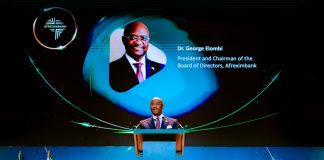



Tag: African Export-Import Bank (Afreximbank)

  • 2026 World Facility Management Day: Built Environment Must Inspire Belonging, Responsible Citizenship — Experts

    2026 World Facility Management Day: Built Environment Must Inspire Belonging, Responsible Citizenship — Experts

    Stakeholders in the built environment and sustainability sectors have reinforced the critical role of facility management in shaping behaviour, fostering community connection, and driving sustainable urban living at the 2026 World Facility Management Day celebration organised by the International Facility Management Association (IFMA) Nigeria Chapter held at the Alliance Française Mike Adenuga Centre, Ikoyi, Lagos state.

    The event, themed “Cultivating Belonging Through Built Environments,” brought together professionals, policymakers, sustainability advocates, and industry leaders to explore how built environments can create stronger, more inclusive, and people-centred communities.

    Delivering the keynote address, the Managing Partner of GYB Cojsults Limited, Architect Olugbenga Onabanjo, explained that built environments go beyond physical structures and must be intentionally designed to foster emotional connection, responsible behaviour, and civic consciousness.

    Onabanjo noted that cultivating belonging requires deliberate investment in community-centred infrastructure, including walkable neighbourhoods, safe public spaces, green environments, and proper maintenance culture.

    “Built environments are not just physical spaces; they are emotional and behavioural systems that shape how people think, interact, and behave. The environment sends messages every day, and when spaces are intentionally designed with safety, walkability, greenery, and proper maintenance in mind, they encourage connection, civic responsibility, and a stronger sense of belonging,” he said.

    Speaking at the event, the President, IFMA, Nigeria Chapter, Engr Sheriff Daramola, explained that facility management has evolved significantly in about three decades from informal maintenance practices into a strategic discipline that delivers measurable value across sectors including banking, healthcare, transportation, education, oil and gas, telecommunications, media, public infrastructure, and the broader built environment.

    Daramola noted that strengthening Nigeria’s facility management sector requires deliberate investment in indigenous skill development, technology adoption, renewable energy systems, professional regulation, sustainable infrastructure practices, circular economy initiatives, shared operational systems, and globally competitive standards to position the sector as a key driver of economic growth, resilience, and sustainable urban development.

    “Facility management plays a crucial role in shaping workplaces and public spaces that foster safety, inclusion, respect, and diversity. Professionalism in facility management is earned through impactful knowledge, value-driven service, process alignment, technology adoption, and sustainable best practices. As we mark World FM Day 2026, we must continue to strengthen recognition for the profession while advancing collaborations that ensure our built environments remain safe, efficient, resilient, and people-centred,” he added.

    With a sense of pride, the President spoke glowingly about the only Nigerian recognized as one of the Top Global FM Influencer, Mr Segun Adebayo, whose recognition has shown that Nigeria is shaping the future of Facility Management through innovation, leadership and measurable impact.

    In his address at the event, the Lagos State Commissioner for the Environment and Water Resources, Tokunbo Wahab, represented by the Deputy Director, Office of Drainage, Services and Water Resources, Mr Akinwumi Babatunde, noted that the environment is the structure that aids human activities. With about 22m persons in Lagos, there is a lot of pressure on the environment in the state, however, the ministry is doing everything to ensure that residents stay healthy within the policy framework. Lagos has accelerated urban green initiative, deepen underground storm water management amongst others. He charged FM professionals to deliberately factor in climate-risk and adopt green facility practice.

    In her goodwill message, the Special Adviser on Climate Change and Circular Economy to the Governor of Lagos State, Titilayo Oshodi, commended IFMA Nigeria for creating a platform that continues to unite professionals across the country while advancing discussions on inclusive and sustainable facility management practices.

    Drawing on the State’s Eco-Circulate initiative, Oshodi noted that sustainable environments can be achieved only when communities are actively connected to and take responsibility for the spaces they occupy.

    Also speaking, the Managing Director, IFMA EMEA, Laura Paeman noted that facility management professionals play a critical role in creating environments that are welcoming, respectful, and supportive of people’s wellbeing. She added that the future of facility management lies in building workplaces and communities that are human-centred, sustainable, and adaptable to evolving societal needs.

    Among the corporate Nigeria, stakeholders and industry representatives present at the event were Femi Owopetu of ST&T; Alaba Fagun of Berger Paints; Olumide Aina of Association of Facility Management Practitioners Nigeria; Oluseun Alabi of African Export-Import Bank (AFREXIMBANK); Emad Yassin of Provast Limited; Engr Aminat Dottie of Julius Berge Facilities Management and Adenike Adekambi of Lagos State Infrastructure Asset Management Agency. Others organisations include LAMATA, The University of Lagos; Almog Engineering, Meditrack, Total Facility Management; Tunde Adejumo & Co and Entaliaz Household Services.

    #

  • Fidelity Bank Takes Lead in Banking Recapitalisation Drive

    Fidelity Bank Takes Lead in Banking Recapitalisation Drive

    As the Central Bank of Nigeria’s (CBN) recapitalisation exercise came to an end March 31, 2026, most banks operating in the country rose to the challenge and met the requirement ahead of time.

    However, Fidelity Bank’s proactive approach paid off, and it continued to demonstrate its commitment to growth and innovation. In a remarkable display of investor confidence, Fidelity Bank opened and concluded a private placement in just one day on December 31, 2025. Leading institutions, including Afreximbank and its subsidiaries, invested in the bank, showcasing their faith in Fidelity’s vision and leadership.

    With the CBN’s verification process complete, Fidelity Bank’s capital base now exceeds the required N500 billion threshold. This milestone positions the bank to expand its footprint, drive growth, and deliver returns to investors.

    Market analysts stated that the successful completion of the private placement underscores strong investor confidence in the bank’s growth strategy, governance framework and long-term fundamentals, even amid tightening regulatory standards and evolving macroeconomic conditions.

    The lender had announced to the investing public that it has surpassed the N500billion regulatory capital threshold following the successful completion of a N259billion private placement of ordinary shares.

    The Company Secretary, Fidelity Bank, Ezinwa Unuigboje in a signed statement on Nigerian Exchange Limited (NGX) disclosed that the private placement, conducted with the approval of the Central Bank of Nigeria (CBN) and the Securities and Exchange Commission (SEC), was opened and closed on December 31, 2025.

    According to her, the proceeds from the exercise lifted Fidelity Bank’s eligible capital from N305.5billion to N564.5billion, subject to final regulatory approvals.

    The latest capital raise positions the lender comfortably above the new minimum capital requirement of N500billion for commercial banks with international authorisation, as stipulated by the apex bank under its banking sector recapitalisation programme. According to the bank, the private placement was carried out pursuant to the mandate granted by shareholders at its Extraordinary General Meeting held on February 6, 2025.

    At the meeting, shareholders authorised the board to issue up to 20 billion ordinary shares through a private placement as part of measures to strengthen the bank’s capital base and enhance its capacity to support economic growth. The N259billion raised through the private placement builds on earlier capital-raising efforts by the bank. Fidelity Bank had stolen the show by taking a bold step in June 2024, launching a Public Offer and Rights Issue to raise capital.

    Fidelity Bank successfully raised N175.85billion via a combination of a public offer and rights issue, which had increased its eligible capital to N305.5billion at the time. That exercise left a capital shortfall of N194.5billion relative to the new regulatory benchmark, a gap now fully covered by the latest transaction. Fidelity Bank’s strategic moves have set it up for success, and the stage is set for the bank to make significant strides in the Nigerian banking sector. Fidelity Bank noted that the strengthened capital position will enhance its balance sheet resilience, support business expansion, and enable it to play a more robust role in financing key sectors of the Nigerian economy, in line with regulatory expectations.

    The bank added that it remains focused on value creation for shareholders, prudent risk management and sustained profitability as it navigates the post-recapitalisation phase of the banking sector. Meanwhile, the stock price of Fidelity Bank closed trading April 10, 2026 at N19.50 per share on the NGX.

  • Beyond the balance sheet: Afreximbank unveils Season II of ‘Impact Stories,’ showcasing transformative projects across two continents

    Beyond the balance sheet: Afreximbank unveils Season II of ‘Impact Stories,’ showcasing transformative projects across two continents

    The series brings to life the impactful outcomes of strategic investments, moving beyond finance to capture the human and economic transformation unfolding across the continent and its diaspora

    African Export-Import Bank (Afreximbank) is pleased to launch the second season of its documentary series, Impact Stories. Building on the success of the inaugural season, the new collection of six films expands the series’ geographic scope to capture the Bank’s growing footprint across Global Africa, featuring stories from the Caribbean and Africa.

    Produced by Afreximbank in partnership with Create, CNN International Commercial’s branded content studio, Season Two takes viewers on location to Grenada, Ghana, Côte d’Ivoire, and Nigeria. The series brings to life the impactful outcomes of strategic investments, moving beyond finance to capture the human and economic transformation unfolding across the continent and its diaspora. Each episode provides an intimate look at the landmark projects and partnerships that are unlocking enterprise, building critical infrastructure, and fostering a new era of prosperity.

    Featuring stories that highlight the breadth and impact of Afreximbank’s interventions — from the expansion of the Silversands Resort in Grenada, a flagship project of deeper Africa-Caribbean cooperation, to the development of Dangote Refinery in Lagos, the films illustrate the scale of ambition driving Africa’s economic future. Viewers will be transported to Aba, Nigeria, to see how the Geometric Power project is revitalising a historic industrial hub with reliable electricity, and to Ghana, where the series follows the journey of cocoa from farm to global market through the Bank’s partnership with Plot Enterprise.

    The series also celebrates the rise of Africa’s creative economy, spotlighting Ghanaian fashion brand Boyedoe as it prepared for its debut on global stage at Paris Fashion Week, supported by Afreximbank’s Creative Africa Nexus (CANEX) programme. The final episode explores the renovation of Abidjan’s iconic Félix Houphouët-Boigny Stadium, showcasing how investment in national infrastructure delivers wide-reaching cultural and economic benefits for local communities.

    Mrs. Anne Ezeh, Director of Communications and Events at Afreximbank, emphasised the series’ role in documenting the Bank’s core mission and impact: “These films are much more than stories about investment and projects; they are portraits of partnership and progress, demonstrating our unwavering commitment to fostering economic independence. By showcasing the entrepreneurs, communities, and national economies we partner with, we are sharing a vision of a prosperous and integrated Global Africa. This showcase is vital because it demonstrates that the building blocks for greater economic integration are already in place or being built now, inspiring businesses and regions to accelerate intra-African trade and encouraging entrepreneurs to forge cross-border collaborations that drive development at home and abroad.”

    Martin Laing, Senior Director of Production and Global Executive Producer at CNN International Commercial’s Create Brand Studio, said: “It’s been a real privilege to work hand in hand with Afreximbank and their incredible team as co producers of Impact Stories again for the second season. Together, we’ve built a compelling, audience first YouTube documentary series dedicated to telling powerful human stories and showcasing the real-world impact of their initiatives across Africa, its global diaspora, and beyond. We are incredibly proud to collaborate on a truly international series that puts people at the heart of the storytelling and connects meaningfully with audiences around the world.”

    The six new episodes which will debut on Afreximbank TV on March 12th and serve as a powerful testament to Afreximbank’s mandate to finance and promote trade, as well as demonstrating how strategic investments are turning opportunity into tangible prosperity for businesses and communities across Africa and the Caribbean. The series will be promoted in high impact formats across CNN.com and in a long-form TV campaign across CNN International.

  • Nigeria signs Intra-African Trade Fair 2027 host agreement; gears up for Africa’s biggest marketplace

    Nigeria signs Intra-African Trade Fair 2027 host agreement; gears up for Africa’s biggest marketplace

    Nigeria to host the fifth Intra-African Trade Fair 2027 (IATF2027) from 5 to 11 November 2027

    The Federal Republic of Nigeria has today signed the host agreement for the fifth Intra-African Trade Fair 2027 (IATF2027), taking over the baton from Algeria which hosted the highly successful fourth edition that recorded US$49.94 billion in trade and investment deals.

    The agreement signing ceremony was held in Lagos, the designated ‘host city’, in partnership with African Export-Import Bank (Afreximbank), the African Union Commission and the African Continental Free Trade Area (AfCFTA) Secretariat, reinforcing Nigeria’s central role in advancing Intra-African trade and economic integration across the continent.

    Scheduled to take place from November 5 – 11, 2027, IATF2027 is targeting over US$50 billion in trade and investment deals, 100,000 visitors, 2,500 exhibitors, and participation from more than 100 countries. The Fair will be held under the theme “Global Africa, Smart Trade- From Market Access to Market Power” featuring diverse programme notably the trade exhibitions; AfCFTA-focused trade and investment forum; the Global Africa Day to strengthen ties with Africa’s diaspora; a B2B (Business-to-Business) & B2G (Business-to-Government) platform; Creative Africa Nexus (CANEX) to showcase Africa’s creative economy; the Sub Sovereign Governments Network for regional and local governments integration; special days for countries, public and private sector to showcase their trade and investment potential, tourism and cultural highlights; Africa Automotive Show; AU Youth Start-up pavilion for African youth start-ups; and the Africa Research & Innovation Hub (ARIH) for academia and researchers.

    In just four editions since 2018, IATF has cumulatively generated over US$167 billion in trade and investment deals and welcomed more than 180,000 visitors from 132 countries. This strategic partnership creates a uniquely African framework that blends policy direction, financial backing, and trade facilitation. IATF benefits from continent-wide institutional alignment, setting it apart in both structure and purpose.

    Delivering his opening remarks, H.E. Chief Olusegun Obasanjo, Chairperson of the IATF2027 Advisory Council and Former President of the Federal Republic of Nigeria, underscored the strategic importance of the Fair in shaping Africa’s economic sovereignty.

    “The signing of this host agreement marks a momentous milestone for Nigeria and for the continent. Bringing IATF2027 to Lagos is historically significant, as this city hosted the Lagos Plan of Action adopted in 1980, which championed Africa’s industrialisation and economic self-sufficiency. We have to work hard to keep moving towards the Africa we want. I am confident that IATF2027 will surpass all previous editions in both scope and impact as we advance our shared goal for a unified African marketplace under the AfCFTA,” he remarked.

    Commenting on Nigeria’s expanding footprint in intra-African commerce, H.E. Dr. Jumoke Oduwole, Federal Minister of Industry, Trade and Investment, highlighted Nigeria’s rising contribution to continental trade flows.

    Today, as the international trading system faces profound challenges, we must remain resolute in our commitment to mutually beneficial, rules-based trade. As we prepare to host Africa’s largest marketplace in Lagos in 2027, we have an opportunity not only to reflect on our reality but to design the future of African trade integration and economic transformation. The work ahead of us under the AfCFTA is not only expansive but also existential for our survival and prosperity. IATF 2027 will therefore be a defining moment in accelerating and transforming intra-African trade and investment. Together, we must align our markets, our industries and our talent to deliver the prosperous Africa we envision,” she affirmed.

    Appreciating Nigeria’s longstanding partnership and leadership in advancing intra-African trade, Dr. George Elombi, President and Chairman of the Board of Directors of Afreximbank, commended the Government’s commitment to the AfCFTA vision, noting that Nigeria’s scale, entrepreneurial depth, and industrial capacity make it a natural host for the 2027 edition.

    “Nigeria’s vibrant entrepreneurial spirit gives us confidence that IATF2027 in Lagos will be a remarkable event that strengthens trade and investment across the continent. The trade fair is about building a strong pan-African single market and expanding intra-African trade beyond the levels we see today. Our collective duty is to use this platform to build value chains, create jobs and generate prosperity for our people. When Africans decide to work together, as they will at IATF 2027, the opportunities for transformation are limitless,” he highlighted.

    Nigeria remains central to the success of AfCFTA, not only because of its market size but also due to its resource base and industrial potential. As a leading producer of oil and gas, solid minerals, including limestone, iron ore, gold, and lithium, and key agricultural commodities, Nigeria combines industrial capacity with a vibrant SME sector and a dynamic role in intra-African trade. This unique mix positions the country to drive value chains that power regional integration and strengthen the continent’s economic resilience.

    Describing Nigeria as a major contributor to African Union growth and regional economic transformation, H.E. Francisca Tatchoup Belobe, AU Commissioner for Economic Development, Trade, Tourism, Industry and Minerals, highlighted the importance of aligning industrial policy, mineral development, and trade facilitation to unlock Africa’s full potential.

    “When we launched the IATF in 2018, it was a bold experiment in connectivity. It was not only a commercial event, but rather a strategic tool to increase intra-African trade, which remains stubbornly low. As we prepare for the fifth edition of the IATF, we must ensure that it propels intra-African trade and helps Africa reposition itself in the global trade landscape. We should therefore aim very high in 2027, especially as the IATF takes place in Nigeria, the most populous African country and one of the continent’s largest economies. Let us make IATF 2027 a defining moment that ignites new momentum for Africa’s investment, industrialisation and trade,” she said.

    Reflecting on the broader continental impact, Cynthia E. Gnassingbé-Essonam, Director of Private Sector Engagement and Communications at AfCFTA Secretariat, who represented H.E. Wamkele Mene, Secretary General, AfCFTA Secretariat, emphasised that Nigeria’s host of IATF2027 reinforces collective efforts to operationalise the AfCFTA and deepen regional value chains.

    “Today’s ceremony marks an important milestone in our collective efforts to advance the objectives of the African Continental Free Trade Area. The Intra-African Trade Fair has established itself as Africa’s premier marketplace for trade and investment, bringing together businesses, investors and policymakers from across the continent and the diaspora. Nigeria’s host of IATF 2027 is both timely and significant, and we are confident it will deliver an impactful trade fair that reflects the ambition of the AfCFTA and the aspirations of African businesses,” she commended.

  • The Africa Energy Bank (AEB) Effect: How the Africa Energy Bank is Re-Writing the Frontier Investment Playbook

    The Africa Energy Bank (AEB) Effect: How the Africa Energy Bank is Re-Writing the Frontier Investment Playbook

    As global upstream capital tightens, the Africa Energy Bank is stepping in to unlock risk capital, crowd in partners and accelerate frontier exploration across Africa’s oil and gas sector

    While global exploration and production capital expenditure is set to reach $504 billion in 2026, the upstream market is also entering a period of heightened discipline. International oil companies are prioritizing capital efficiency, investors are narrowing exposure to hydrocarbons and commercial banks are scaling back long-cycle lending. For Africa – home to some of the world’s most prospective yet underexplored basins – this tightening threatens to stall exploration just as geological momentum is accelerating. However, with the rise of the Africa Energy Bank (AEB), the continent has the chance to redefine how frontier projects are financed, reshaping risk allocation and restoring confidence in Africa’s upstream investment case.

    Financing Africa at a Moment of Constraint

    Spearheaded by the African Petroleum Producers Organization (APPO) and the African Export-Import Bank (Afreximbank), the AEB was established under an overarching goal to address the continent’s energy finance gap – estimated by the African Energy Chamber (AEC) at between $31.5 billion and $45 billion annually. With an initial capitalization of $5 billion, the Bank’s mandate spans upstream, midstream and energy-linked infrastructure, with a core focus on addressing the early-stage financing gap that has historically constrained exploration and appraisal activity. The bank is expected to grow to $120 billion within three to five years, reflecting its potential as a major financing institution in Africa.

    Momentum is already building towards the AEB’s operationalization. As of December 2025, Nigeria completed the fully furnished headquarters of the Bank in Abuja. December 2025 also saw Senegal approve its share of payment for the Bank, with the country joining Nigeria, Angola and Ghana fulfilling their requisite capital shares. Other APPO member states including the Republic of Congo, Algeria, Benin, Equatorial Guinea and Ivory Coast have pledged to make their payments, representing a key step towards realizing the potential of this critical institution.

    Unlocking New Frontiers

    The AEB’s impact is expected to be most visible across Africa’s frontier oil and gas provinces, where exploration interest is strong but financing remains a central challenge. In Namibia, recent deepwater discoveries have transformed geological perceptions, yet advancing appraisal drilling and infrastructure planning requires fresh capital. TotalEnergies hopes to reach a final investment decision for its Venus project in 2026, while Galp is advancing its Mopane discovery toward development. Frontier drilling is currently underway by Shell at PEL 39, Rhino Resources at PEL 85 and Chevron at PEL 82. AEB-backed financing could shorten the timeframe from exploration to development, supporting the creation of a new petroleum province in Africa.

    Over the border, South Africa’s offshore basins are similarly attracting renewed interest, but regulatory complexity and long lead times amplify financing risk – precisely where structured, patient capital becomes critical. TotalEnergies, Impact Oil & Gas and Shell are planning multi-well drilling campaigns, while a moratorium lift on shale gas exploration in 2025 is expected to drive onshore exploration in the Karoo. Zimbabwe is also advancing onshore exploration, with Invictus Energy recently reopening its funding search following a failed agreement with Al Mansour Holdings.

    Further north, countries across the MSGBC Basin are seeking partners and capital to advance frontier exploration. Hoping to mirror offshore success seen in Senegal (Sangomar) and Mauritania (BirAllah), regional neighbours are engaging operators to invest. Home to Africa’s largest discovery of 2021, Ivory Coast has seen explorers return in force in recent years, with companies such as Murphy Oil Corporation set to drill in the coming months. As frontier exploration advances, the AEB not only strengthens balance sheets, but also de-risks early-stage projects and accelerates the path from geological promise to commercial development.

    The AEB on a Global Stage at AEW 2026

    The AEB is expected to take center stage at this year’s African Energy Week conference – taking place October 12-16 in Cape Town. As the continent’s leading energy investment platform, the event will convene policymakers, financiers and operators to examine how institutions like the AEB are reshaping capital flows into frontier markets. At a time of tightening global capital and rising African ambition, the AEB effect is clear: frontier exploration is no longer a leap of faith – it is becoming a structured, financeable pathway to Africa’s energy future.

    “Africa does not lack resources or opportunity – it lacks access to capital that understands its realities. The AEB is about restoring balance, empowering African projects and ensuring the continent controls its own energy destiny,” stated NJ Ayuk, Executive Chairman, African Energy Chamber. 

  • Levene Energy Secures $64M Facility from Afreximbank to Acquire Strategic Stake in Axxela Limited

    Levene Energy Secures $64M Facility from Afreximbank to Acquire Strategic Stake in Axxela Limited

    This landmark transaction provides Levene Energy with direct entry into Nigeria’s regulated midstream and downstream gas sectors

    African Export-Import Bank (Afreximbank) has provided a USD 64 million Acquisition Finance Facility to Levene Energy Development Limited. The facility supports Levene Energy’s equity commitment to Bluecore Gas Infraco Limited (the “Acquirer”) enabling the acquisition of a 30% equity stake in Axxela Limited, one of West Africa’s leading gas and power infrastructure companies.

    This landmark transaction provides Levene Energy with direct entry into Nigeria’s regulated midstream and downstream gas sectors. It marks a significant diversification from its core oil and refined petroleum products trading business into stable, long-term infrastructure-backed earnings, reflecting Levene Energy’s objective to transition to a fully integrated energy company with recurring revenue streams anchored on infrastructure-backed assets.

    Beyond its commercial significance, the investment supports regional energy transition goals by expanding access to natural gas. Axxela is strategically positioned to lead Nigeria’s energy transition through its investments in gas infrastructure, power generation, and cleaner energy solutions. With a robust project pipeline, strong regional partnerships, and a restructured business model, Axxela is well equipped to deliver sustainable growth and deepen its impact across West Africa’s energy landscape.

    Commenting on the financing, Afreximbank’s Executive Vice President for Global Trade Bank, Mr. Haytham Elmaayergihighlighted the transaction’s significance, that it is aligned to Afreximbank’s strategic financing priorities under its Leadership in Global Trade Banking, Intra-African Trade, and Industrialisation Pillars. “Our core strength lies in the strategic partnerships we forge with African champions. This deal reflects the Bank’s commitment to promoting private sector investment into critical infrastructure, fostering energy security across Africa and strengthening regional value chains in oil and gas. By backing Levene Energy’s strategic move into gas infrastructure, we are supporting the critical transition to cleaner energy sources, enhancing regional energy security, and strengthening intra-African value chains.”

    Commenting on the acquisition, the Head of Corporate Development, Levene Energy, Mr. Sam Aofolaju noted that the Afreximbank facility support is a catalyst for Levene Energy’s strategic growth focus moving beyond commodity trading to renewable (solar power) and now into the backbone of West Africa’s gas and power infrastructure—an essential pillar of the continent’s clean‑energy transition. The financing from Afreximbank not only validates our vision but underscores our shared belief that resilient, locally‑owned infrastructure is the foundation for lasting economic development across Africa.

    The partnership between Afreximbank and Levene Energy dates to 2019, beginning with trade finance facilities. It has since evolved into a strategic collaboration supporting Levene’s transformation from a downstream operator into a major pan-African trader and now, a gas infrastructure investor.

  • The African Medical Centre of Excellence (AMCE) completes its first Open-Heart Surgery and delivers West Africa’s first Stereotactic Body Radiation Therapy (SBRT) for lung Cancer

    The African Medical Centre of Excellence (AMCE) completes its first Open-Heart Surgery and delivers West Africa’s first Stereotactic Body Radiation Therapy (SBRT) for lung Cancer

    Landmark procedure strengthens Africa’s capacity for complex cardiac care, reducing reliance on overseas medical travel

    `

     Only six months since its opening in June this year, the African Medical Centre of Excellence (AMCE) in Abuja is redefining top-class medical care in West Africa, achieving two ground-breaking clinical milestones. The world-class tertiary medical facility developed by African Export-Import Bank (Afreximbank) in partnership with King’s College Hospital London, AMCE has successfully completed its first open-heart surgery – a complex Triple Coronary Artery Bypass Grafting (CABG) and delivered the region’s first Stereotactic Body Radiation Therapy (SBRT) for lung cancer. These achievements underscore AMCE’s commitment to providing complex, life-saving treatments in Africa, significantly reducing the critical need for medical travel abroad.

    Building on the quaternary hospital’s recent outpatient and inpatient landmark advancements, AMCE’s clinical teams have rapidly expanded the Centre’s capability to deliver high-acuity care across both cardiovascular medicine and oncology.

    On the oncology front, AMCE successfully delivered West Africa’s pioneer SBRT for lung cancer, a highly advanced radio surgical technique that achieves surgical-level precision without incision. The milestone case involved an octogenarian with a localised lung tumour who received treatment enabled by sophisticated imaging, real-time motion tracking, and highly personalised radiation planning.

    In cardiovascular care, AMCE’s cardiac team continues to scale its interventional and surgical capabilities. In its first six months of operations, the hospital has performed over ten successful cardiac interventions, including coronary angiographies, permanent pacemaker insertions, and percutaneous coronary interventions (PCI). The successful completion of its first CABG now places AMCE among the few centres in Africa offering a fully integrated cardiac care pathway from advanced diagnostics and interventional cardiology to complex open-heart surgery within one facility.

    Together, these achievements underscore AMCE’s commitment to world-class, patient-centred cancer care in West Africa and accelerates its long-term goal of reversing outbound medical tourism and averting brain drain by providing the infrastructure, technology, and training environment needed to support the continent’s most skilled specialists.

    Brian Deaver, Chief Executive Officer of AMCE, commented: ” Delivering our first open-heart surgery and West Africa’s first SBRT treatment represents a defining moment for AMCE and for healthcare on the continent. These milestones reflect the exceptional skill and dedication of our multidisciplinary teams, who have worked tirelessly to ensure that patients can access the most advanced cancer and cardiac care right here in Africa. With our oncology systems, Cath labs, and theatres fully operational, we are closing long-standing gaps in access to high-quality treatment and enabling people to receive life-saving care close to home. Our commitment remains steadfast: to invest in our people, technology, and infrastructure so that Africans no longer need to travel abroad for the highest standards of care.”

    Commenting on these remarkable milestones, Oluranti Doherty, Managing Director of Export Development, Afreximbank said “AMCE’s successful delivery of its first open-heart surgery and West Africa’s first SBRT treatment demonstrates the transformative impact of Afreximbank’s investment in world-class medical infrastructure. These achievements show what is possible when we build capacity locally, reducing the continent’s dependence on outbound medical tourism, retaining vital clinical expertise, and strengthening Africa’s broader health ecosystem. AMCE is advancing a new era of health dignity for Africans, and we are proud to support its continued leadership in complex and innovative care.”

    AMCE is also in the process of preparing patients for further complex procedures, including valve repairs and replacements. By expanding its cardiovascular and specialised services, the hospital is reinforcing its commitment to curb medical tourism by reversing the estimated US$6–10 billion Africans spend annually seeking treatment abroad and stem the long-standing brain drain of medical professionals by creating high-quality career opportunities within Africa’s borders.

    AMCE’s key services include cardiovascular services, haematology, comprehensive oncology, and general medical services. The facility has a current capacity of 170 beds with a plan to expand to 500 beds. It features the largest stem cell laboratory in the region, fifteen post stem cell isolation rooms and three catheterisation laboratories. The facility also includes specialised imaging equipment including an 18 Mev cyclotron, 3 Tesla Magnetic Resonance Imaging, 256 slices computed tomography, brachytherapy machine with iridium source, 4 biosafety cabinets and 128 slices computed tomography machines.

  • Afreximbank Abuja African Trade Centre Achieves LEED Platinum Certification, the highest level in green building certification

    Afreximbank Abuja African Trade Centre Achieves LEED Platinum Certification, the highest level in green building certification

    The United States Green Building Council and Green Business Certification Inc has certified the African Export-Import Bank’s (Afreximbank) Abuja African Trade Centre (AATC) the prestigious LEED Platinum certification, the highest global standard in sustainable building design and construction.

    This milestone establishes the Abuja AATC as the first building in Nigeria, the second in West Africa and the nineteenth across Africa to attain this level of recognition. It is also among the first large-scale trade and business centres on the continent to achieve Leadership in Energy and Environmental Design (LEED) Platinum, highlighting Afreximbank’s commitment to embedding sustainability, innovation, and climate-smart practices into Africa’s trade infrastructure.

    The Abuja AATC comprises two interconnected nine-storey towers designed to create a comprehensive ecosystem for trade, business, and innovation. One tower houses world-class commercial grade A office spaces, a trade and exhibition centre, a conference centre, a technology and SME incubator, a digital trade gateway, and a trade information services hub. The adjoining tower features a 148-room business hotel with seminar and meeting rooms, wellness facilities, a restaurant, and other ancillary amenities. The facility also accommodates offices for local and international financial institutions and policy organizations, providing a full facilitation system for trade and business development across the continent.

    Originally designed to achieve LEED Gold Certification, the Abuja AATC exceeded expectations due to the dedication, expertise, and intentionality of the project team, which included architects, designers, engineers, consultants, contractors, and Afreximbank’s Environmental Sustainability and Governance (ESG) and project management teams. Through meticulous planning, high-level sustainable construction methodologies, and seamless coordination among stakeholders, the project achieved LEED Platinum Certification on 26 November 2025, a recognition that reflects exceptional performance in sustainability, energy and water efficiency, and environmental stewardship. LEED Platinum represents the highest standard for green buildings globally, signifying that the Abuja AATC meets stringent criteria across multiple categories, including energy use, water management, indoor environmental quality, materials selection, and sustainable site development. With 81 points earned, the Abuja AATC exceeds the threshold required for Platinum certification, demonstrating that it is among the most environmentally responsible, resource-efficient, and high-performing buildings in Africa.

    The building integrates advanced sustainability features that reduce operational energy consumption by 40 to 50 percent compared to conventional buildings. High-performance glazing, energy-efficient heating, ventilation and air conditioning (HVAC) systems, light emitting diode (LED) lighting, and intelligent building management controls ensure energy efficiency, while water-saving design elements reduce potable water use by at least 30 percent, promoting resource conservation in a high-demand urban environment. Waste management and recycling protocols support circular economy objectives, and sustainable transport facilities, including electric vehicle charging stations and bicycle infrastructure, which encourage low-carbon mobility. These features contribute to indoor environmental quality and directly align with the United Nations Sustainable Development Goals (SDG), including SDG Seven (7) on clean energy, SDG Nine (9) on industry, innovation, and infrastructure, and SDG 13 on climate action. Globally, green buildings of this standard can lower operating costs by 8 to 9 percent annually, strengthening long-term financial sustainability.

    Director and Global Head, Real Estate and Administration at Afreximbank, Dr Robert Lumbuye Tomusange said: “The Afreximbank Abuja AATC’s attainment of LEED Platinum certification underscores Afreximbank’s unwavering commitment to sustainability, innovation, and climate-smart development. This milestone demonstrates that trade infrastructure can be both commercially competitive and environmentally outstanding, setting a new benchmark for Africa’s green building landscape.”

    The Abuja AATC now stands as a living demonstration of Afreximbank’s vision to integrate commercial competitiveness, innovation, and sustainability into Africa’s trade infrastructure. Its LEED Platinum certification advances Afreximbank’s ESG objectives by reducing the environmental footprint, enhancing social value through healthier and more inclusive workspaces, and reinforcing strong governance through adherence to globally recognized sustainability standards. The building serves as a replicable model for responsible, low-carbon trade infrastructure across Africa, proving that commercial viability and environmental responsibility can coexist, and paving the way for future climate-smart trade and business centres across the continent.

  • Payattitude, PAPSSCARD to Co-Badge Payment Card to be used in Nigeria, Africa and Worldwide

    Payattitude, PAPSSCARD to Co-Badge Payment Card to be used in Nigeria, Africa and Worldwide

    Payattitude, the first-in-kind Nigerian Payment Scheme to pioneer multibank App and USSD Code *569# announces strategic partnership with PAPSSCARD, the Card Scheme initiative of the Pan-African Payment & Settlement System (PAPSS). The partnership will enable Payattitude cards issued by banks and other deposit-taking institutions to be co-branded with PAPSSCARD, Discover, Diners and Pulse for acceptance across their networks in Nigeria, Africa and Worldwide.

    This landmark collaboration will enable seamless, real-time and secure transactions for PAYATTITUDE – PAPSSCARD Cardholders across Africa and the rest of the world. As an initiative of the African Export-Import Bank (Afreximbank) and a key financial infrastructure supporting the African Continental Free Trade Area (AfCFTA), the PAPSSCARD scheme will facilitate instant cross-border payments in local currencies.

    “This partnership reflects our commitment to cross-enterprise alliances and enabling inclusive, efficient, and borderless payments across Africa and the world,” Dr Agada Apochi, Managing Director/CEO, Payattitude reiterated. Furthermore, Dr. Apochi explained that “with Payattitude, Nigerian cardholders and financial institutions can now enjoy the benefits of a Nigerian card that can be used worldwide.

    Mr. John Bosco Sebabi, Acting CEO of PAPSSCARD, explained that: “its mission is to connect African payment ecosystems, reduce the cost and inefficiencies of cross-border payments, and strengthen African sovereignty over payments infrastructure. Collaborating with Payattitude, a key innovator in Nigeria’s payment space, represents a significant step towards a more unified African payment landscape.”

    “At PAPSS, we are dedicated to breaking down barriers and simplifying payments across Africa” commented Mr. Mike Ogbalu, CEO of PAPSS. He also stated that “by bringing together PAPSSCARD’s robust cross-border payment capabilities with Payattitude’s leadership in the Nigerian digital payments, we are taking tangible steps toward building a single African market where individuals and businesses can transact easily and securely, both within and beyond Africa.”

  • Nigeria urged to champion regional transit guarantee scheme in Economic Community of West African States (ECOWAS)

    Nigeria urged to champion regional transit guarantee scheme in Economic Community of West African States (ECOWAS)

    …Under the Afreximbank African Collaborative Transit Guarantee Scheme, a single transit bond is issued to secure customs duties, significantly reducing bureaucratic hurdles and facilitating smoother cross-border trade

    African Export-Import Bank (Afreximbank) has urged Nigeria to champion the implementation of an effective regional transit guarantee scheme under the new transit regulation endorsed by the Economic Community of West African States (ECOWAS).

    Delivering a keynote address at the inaugural session of the Customs Partnership for African Cooperation in Trade (Customs PACT) held in Abuja, Nigeria, from 17 to 19 November, Mrs. Kanayo Awani, Executive Vice President, Intra-African Trade and Export Development, Afreximbank, highlighted the challenges imposed by the current interstate road transit regime in the region. Key among them is the lack of a regional transit guarantee, leading to overdependence on physical escort of goods in transit by customs which drives up costs and results in inefficiencies.

    Mrs. Awani said that Afreximbank was keen on working with Nigeria, ECOWAS and the ECOWAS Bank of Investment and Development to support the region to implement an effective regional transit guarantee system, which would complement the efforts of national insurers and chambers of commerce, and empower them to increase their capacity.

    She said the Bank is currently implementing a US$1-billion transit guarantee scheme to facilitate the movement of goods across Africa by addressing persistent transit challenges and responding to the concerns of customs authorities about the risk of goods entering markets illegally, and about potential loss of customs duties and taxes.

    Mrs. Awani explained that, under the Afreximbank African Collaborative Transit Guarantee Scheme, a single transit bond is issued to secure customs duties, significantly reducing bureaucratic hurdles and facilitating smoother cross-border trade, with the elimination of the need for multiple transit bonds enhancing trade efficiency and substantially lowering business costs.

    She added that the scheme was already being implemented in the Common Market for Eastern and Southern Africa and the East African Community (COMESA) under a US$300-million facility with ZEP RE (PTA Reinsurance Company), a reinsurer based in Nairobi, Kenya. Mrs Awani highlighted that the scheme would save at least US$300 million annually in transit costs when fully implemented at a continental level.

    She said that Afreximbank is open to working with Nigeria and other African countries to establish one-stop-border-posts and related infrastructure, building on its experience at the Beitbridge border post between South Africa and Zimbabwe. The modernisation of that border post, implemented with support of Afreximbank and other partners, resulted in clearance time at the post dropping from 3-5 days to a maximum of 3 – 5 hours.

    Afreximbank, Mrs. Awani told delegates present, supported the event out of the realisation that unresolved soft infrastructure issues, particularly in customs and trade facilitation, would impede free movement of goods under the African Continental Free Trade Area (AfCFTA) if not addressed. According to Africa Union Development Agency (AUDA-NEPAD), she explained, 75 per cent of delays in the movement of goods is due to trade facilitation issues with just 25 per cent attributed to infrastructure gaps.

    She also highlighted the challenge posed by lack of harmonised systems and their interoperability and by national customs systems that do not communicate with each other.

    H.E. Bola Ahmed Tinubu, President of Nigeria, sent a message of endorsement to the Customs PACT, saying that it aligned perfectly with the Nigerian government’s commitment to fostering regional integration, enhancing trade facilitation and positioning Nigeria and Africa as competitive players in the global economy.

    The Customs PACT roundtable was organized to revolutionise customs and business cooperation, promote intra-African trade and position Africa as a formidable force in global trade. It was organised by the Nigeria Customs Service, in collaboration with Afreximbank, the AfCFTA Secretariat and supported by the World Customs Organization.

  • Dr. George Elombi takes over as Afreximbank’s fourth President, pledges deeper impact

    Dr. George Elombi takes over as Afreximbank’s fourth President, pledges deeper impact

    President Elombi announced that, over the next five to ten years, he would prioritise sectors he believed would have the most significant and sustained impact on Africa’s trade and wellbeing

    African Export-import Bank (Afreximbank) on Saturday in Cairo, Egypt, swore in Dr. George Elombi as the Bank’s fourth President and Chairman of the Board of Directors, taking over from Prof. Benedict Oramah as head of the African Multilateral Finance Institution.

    Formalised with an oath administered by Mr. Wale Edun, Chairman of the Annual General Meeting of Shareholders of the Bank and Minister of Finance and Coordinating Minister of the Economy of Nigeria, the investiture ceremony was witnessed by over 2,000 guests, including heads of state, former heads of state, government leaders and representatives from across Africa and the Caribbean, top African business leaders, all former Afreximbank Presidents, members of the Bank’s Board of Directors, shareholders, serving and former staff members, friends and family of Dr. Elombi, and a host of other dignitaries.

    In an inaugural address following the swearing in, Dr. Elombi announced his unwavering commitment to carrying forward the legacy of the Bank’s past, to deepening impact, strengthening partnerships, and continuing the mission of building an Africa that trades with itself and thrives on its own terms.

    He pointed out that the structure of global trade was disfavourable to Africa and therefore, had to change as it was too dependent on the export of commodities, saying: “our mission is therefore, to transform the structure of that trade. To change the structure, we must process. We must produce. Unless we produce, we cannot trade.”

    President Elombi announced that, over the next five to ten years, he would prioritise sectors he believed would have the most significant and sustained impact on Africa’s trade and wellbeing, including promoting and accelerating value addition and strategic minerals processing to curb the export of raw potential.

    “Afreximbank will therefore, create a new, high-impact financing window, specifically for projects that process raw minerals into semi-finished goods or finished goods,” he said. “We will establish a Strategic Minerals Development Programme to finance entire value chains, from extraction and refining to manufacturing finished components, capturing much more value here at home and creating high-skilled jobs for our people.”

    Dr. Elombi added that Afreximbank would prioritise the deepening of intra-African trade and regional integration as the success of its value addition agenda would ultimately depend on its ability to secure markets for the goods produced.

    “We will intensify efforts to break down trade barriers, strengthen cross-border infrastructure, and foster seamless movement of goods, services, people, and capital across our continent,” he said. “Afreximbank will therefore, continue to play a catalytic role in the implementation of the African Continental Free Trade Agreement (AfCFTA) by driving forward key programmes and initiatives developed over the past decade and by introducing new, targeted interventions, where necessary, to accelerate progress.”

    Other priorities outlined by Dr. Elombi include catalysing and building critical trade-enabling infrastructure; leveraging innovation and digital technology, including exploring the creation of a Pan-African Digital Currency, strengthening financial integration and innovation across the continent; and mobilising global African capital.

    The Bank would also prioritise its financial strength in recognition that “only a strong and well-capitalised institution can make the scale of interventions required to transform Africa’s trade and development landscape,” Dr. Elombi said, adding that priority would also go to growing strategic and innovative partnerships since partnerships with relevant development institutions was central to the Bank’s mission of advancing Africa’s trade and economic transformation.

    “We recognize that Africa’s progress depends not only on the strength of individual institutions, but also on the power of collaboration among them,” stated Dr. Elombi.

    President Elombi noted the increasingly hostile narrative targeted at African multilateral institutions owned and controlled by Africans “not because we fail or are seen as another African failure” but “because we are successful” and added that, unlike other multilateral institutions, Afreximbank’s preferred creditor status was not granted out of goodwill or benevolence of governments but was enshrined in the Bank’s Establishment Treaty which is signed by all Member States, Dr. Elombi explained.

    The investiture also featured remarks by Mr. Hassan Abdalla, Governor of the Central Bank of Egypt, Hon. Louis-Paul Motazé, Minister of Finance of Cameroon, Alhaji Aliko Dangote, Founder, Dangote Group, Ms. Selma Malika Haddadi, Deputy Chairperson of the African Union Commission and Hon. Dr. Terrance Drew, Prime Minister of Saint Kitts and Nevis

  • African Export-Import Bank (Afreximbank) Celebrates Outgoing President and Chairman

    African Export-Import Bank (Afreximbank) Celebrates Outgoing President and Chairman

    The legacy conference also featured tributes delivered by Afreximbank staff, members of the business community, political leaders, friends and other people from various walks of life who were impacted by the work of Prof. Oramah

    African Export-import Bank (Afreximbank) in Cairo, Egypt, marked the end of the tenure of Prof. Benedict Okey Oramah as its President and Chairman of the Board of Directors, with a legacy conference where the outgoing President announced that he made the promotion of intra-African trade and investment the arrowhead of the Bank’s strategy when he took office because of a conviction that was the only viable path forward for Africa’s development and economic emancipation.

    The Farewell conference, attended by more than 2,000 guests, attracted heads of state, former heads of state, other government leaders and representatives from across Africa and the Caribbean, top African business leaders, all former Afreximbank Presidents, Afreximbank President designate, members of the Bank’s Board of Directors, shareholders, serving and former staff members, friends and family of Prof. Oramah and Afreximbank as well as a host of other dignitaries.

    In a farewell address, Prof. Oramah stated: “Our philosophy was borne out of the conviction that the only viable path forward for Africa’s development and economic emancipation was one that would aggressively reverse-engineer the colonial strategy of ‘divide-and-rule’ and ‘divide-and-conquer’ that had, for decades, pinned Africa and people of African descent down in the dustbin of despair and desperation.”

    “Accordingly, our philosophy was that Africa’s development dynamo must be powered from within, as hundreds of years of history, had shown us that external interests had been mostly predatory and parasitic, unless engaged from a position of strength and purpose,” he explained.

    Prof. Oramah added that, because Afreximbank fought on all fronts, “we can point to tangible differences the Bank has made; we can now point to those things that now exist, those new institutional arrangements and interventions that have now joined as formidable forces in Africa’s armoury in its fight towards true self-determination – those things that we look up to today, many of which were mere hopes and aspirations, 10 years ago”.

    Earlier, Dr. George Elombi, President Designate of Afreximbank, described Prof. Oramah as “one of the few in the world, the 0.8 per cent, who combines vision and execution”, saying that, under his leadership, Afreximbank and its willing partners built a solid foundation for enhancing intra-African trade and industrial development. 

    “Instruments were created to dismantle the obstacles that have hindered Africa’s progress for nearly seven decades since Africa’s independence. He confronted the challenges of Africa’s industrial underdevelopment head-on, building on the work of those who came before him,” said Dr. Elombi.

    He noted that Afreximbank was now one of the key multilateral financial institutions leading Africa’s development efforts, particularly in implementing the African Continental Free Trade Agreement (AfCFTA) and transforming the continent’s industrial landscape, adding, “Oramah has turned decades and centuries-old political wishes into tangible gains for all Africans.”

    Prof. Oramah’s 10-year tenure, which began in September 2015, saw Afreximbank’s balance sheet and guarantees grow almost eight-fold, from US$6 billion when he took office to almost US$44 billion as at September 2025. It also saw the introduction and implementation of far-reaching products, programmes and initiatives specifically designed to address the challenges facing Africa’s trade and economic growth, helping to cement Afreximbank’s place as Africa’s foremost trade finance institution.

    During his time, Afreximbank’s support played a significant role in putting the implementation of the AfCFTA ahead of schedule. The Pan-African Payment and Settlement System (PAPSS), which it has backed with a US$3 billion clearing and settlement facility, has become operational in 20 countries and has made it possible for African countries to trade across borders in their own local currencies.

    The AfCFTA Adjustment Funds, supported by Afreximbank with a US$1 billion commitment and a partnership with the AfCFTA Secretariat, is enabling AFCFTA participating states to adjust in an orderly manner to the new trading regime.

    The biennial Intra-African Trade Fair, introduced by Afreximbank in 2018, is tackling the challenge of limited access to trade and investment information across Africa and has, in its four editions, attracted over US$170 billion in trade and investment deals and 180,000 visitors. Moreover, the Bank’s digital platform, the Africa Trade Gateway, is using digital technology to break down information barriers, while the Afreximbank Africa Trade Centres, which have sprung up across the continent, are providing solid platforms for intra-African trade and investment information.

    In the area of standards, through the Bank’s testing and certification centres, about 500 standards for pharmaceuticals and medical equipment, agriculture, automobiles, textiles, etc. have been harmonised, enabling smoother intra-African trade as the Bank continues to build more centres across Africa to ensure that there is infrastructure to implement the standards it has helped to harmonise.

    Working with the AFCFTA Secretariat and COMESA, Afreximbank launched the African Collaborative Transit Guarantee Scheme, supported by US$1 billion in guarantee limits, which addresses the transit barriers to the movement of goods across borders.

    In addition, Afreximbank is supporting the development of industrial parks and special economic zones across Africa, creating exports where none existed, including the emergence of heavy industries, such as the Dangote Refinery and Petrochemical plant in Nigeria.

    Also, importantly, the Bank’s work has ignited socio-cultural and economic ties between Africa and the CARICOM and the broader African diaspora and its execution of African Medical Centre of Excellence projects has paved the way for quality healthcare to become accessible to many Africans.

    Other significant accomplishments include the Bank’s COVID-19 intervention when it disbursed over US$10 billion to enable Africa to fend for itself during the COVID-19 Pandemic. The Bank also put up US$2 billion that enabled Africa and the Caribbean to procure COVID-19 vaccines.

    Additionally, under President Oramah, Afreximbank recently launched the African Trade and Distribution Company (ATDC), an institution designed to tackle logistical hurdles in cross-border trade within the continent.

    The legacy conference also featured tributes delivered by Afreximbank staff, members of the business community, political leaders, friends and other people from various walks of life who were impacted by the work of Prof. Oramah.

  • FirstBank Integrates PAPSS into LIT App for Seamless Cross-Border Payments Across Africa

    FirstBank Integrates PAPSS into LIT App for Seamless Cross-Border Payments Across Africa

    FirstBank, the premier bank in West Africa and a leading financial inclusion service provider, is thrilled to announce the successful integration of the Pan-African Payment and Settlement System (PAPSS) into its flagship digital banking platform, the LIT app, enabling customers to make instant, secure, and local currency-based cross-border payments across Africa.

    PAPSS, developed by the African Export-Import Bank (Afreximbank) in collaboration with the African Union and the AfCFTA Secretariat, enables instant, low-cost payments in local currencies between African countries.

    Speaking on the integration, the Group Executive, e-Business and Retail Products at FirstBank, Chuma Ezirim, said, “The integration of PAPSS into the LIT app is a testament to FirstBank’s commitment to delivering innovative, customer-centric solutions that simplify and enhance financial transactions. This milestone aligns with the Bank’s strategic goal of deepening digital capabilities and expanding access to seamless cross-border payment services across Africa.”

    Commenting on this collaboration, Mike Ogbalu, CEO of PAPSS said, “Every time an individual, an SME or a Company sends money instantly within Africa in their own currency, we are not just moving funds, we are connecting ambitions, supporting livelihoods, and bridging dreams across borders. This collaboration with FirstBank and their LIT app brings us a step closer to making African borders invisible to movement of money, so that the continent’s entrepreneurs and families can focus on what matters most: building their future, not battling payment barriers.”

    The LIT App, FirstBank’s innovative digital banking platform, offers a wide range of features including virtual cards, scheduled payments, and multiple transfers in one go, designed to meet the dynamic needs of customers. The addition of PAPSS expands its capabilities to support cross-border commerce, especially for individuals and SMEs engaged in pan-African business.

    With PAPSS now live on the LIT App, FirstBank is breaking down barriers to payments, trade and financial inclusion across Africa. Customers can now send funds conveniently to other countries in Naira, without needing US dollar, GBP or Euro conversions. This landmark integration enables real-time cross-border payments in local African currencies, reduces transaction costs, and improves settlement efficiency. It also expands access to digital banking services, promotes financial inclusion, supports SMEs and fosters growth under the African Continental Free Trade Area (AfCFTA).

    This integration of PAPSS to the LIT app reinforces FirstBank’s leadership in digital banking innovation and supports the African Continental Free Trade Area (AfCFTA) agenda by simplifying intra-African transactions.

  • Fidelity Bank Hosts Black-Tie Gala Honouring Afreximbank President Prof. Benedict Oramah

    Fidelity Bank Hosts Black-Tie Gala Honouring Afreximbank President Prof. Benedict Oramah

    In recognition of his unwavering commitment to Africa’s development, Fidelity Bank Plc recently hosted a grand black-tie dinner to celebrate the retirement of Professor Benedict Okechukwu Oramah, outgoing President and Chairman of the African Export-Import Bank (Afreximbank), after ten years of transformative leadership.

    Held at the Lagos Continental Hotel, the event was themed “Celebrating a Titan” and drew a distinguished gathering of dignitaries, captains of industry and international guests. They came together to honour a man widely regarded as one of Africa’s most influential financial leaders.

    Welcoming guests to the event, Dr. Nneka Onyeali-Ikpe, Managing Director and Chief Executive Officer of Fidelity Bank Plc, described Prof. Oramah as “a towering figure in Africa’s economic renaissance.” She noted that bold ideas, strategic foresight and a relentless pursuit of inclusive growth defined his tenure at Afreximbank. “From Cairo to Kigali, Lagos to Lusaka, his influence has touched lives, empowered businesses and strengthened the very fabric of African integration,” she said. She also highlighted his role in pioneering initiatives such as the Pan-African Payment and Settlement System and his advocacy for intra-African trade and creative industries.

    Among the guests in attendance were the Lagos State Governor, Mr. Babajide Sanwo-Olu; the Ogun State Governor, Prince Dapo Abiodun; the Minister of Art, Culture, Tourism and Creative Economy, Ms. Hannatu Musawa; the Minister of Industry, Trade and Investment, Dr. Jumoke Oduwole; and the Minister of State for Finance, Dr. Doris Nkiruka Uzoka-Anite.

    Special recognition was given to Mrs. Chinelo Oramah, whose steadfast support was acknowledged as instrumental to her husband’s success. “Her dedication to maintaining the home front has been pivotal,” said Dr. Onyeali-Ikpe, “as Prof. Oramah pursued the transformational initiatives that have distinguished his tenure.”

    The evening featured tributes from several guests, including Mr Babajide Sanwo-Olu, Chairman of Vista Group Holding, Mr Simon Tiemtore, and Chairman of Fidelity Bank Plc, Mr Mustafa Chike-Obi, who described Prof. Oramah as “the most consequential African person in the last 10 years.”

    In his remarks, Prof. Oramah expressed deep appreciation for the honour. “I want to thank the board and management of Fidelity Bank for this honour. It is not always that when a leader of an institution gets to the twilight of his tenure, those he works with deem it important to say We appreciate you. I really cherish this event. On behalf of my family and wife as well as the Afreximbank family, I say thank you.”

    He also reflected on the longstanding relationship between Afreximbank and Fidelity Bank. “Our relationship with Fidelity Bank dates back to the 1990s, and it has grown from year to year. Fidelity Bank is one of our trusted partners. Fidelity Bank has helped us to achieve some of the things we have achieved here in Nigeria. When my dear sister, Nneka, took over, she did more than everyone expected. The transformation that we continue to see in Fidelity Bank is something that makes all of us proud. With all of the activities that you do that complement what we do at Afreximbank and the financing that supports what we do at Afreximbank, I believe that the partnership in the years ahead will grow even stronger.”

    The evening was anchored by broadcast journalist Ojinika ‘Ojy’ Okpe and comedian and actor Okechukwu Anthony Onyegbule, popularly known as Okey Bakassi. The celebration reached its climax with a musical performance by Nigerian highlife singer Chinedu Okoli, professionally known as Flavour N’abania.

  • Wale Tinubu, Group Chief Executive, Oando PLC, Receives Lifetime Achievement Award at African Energy Week 2025

    Wale Tinubu, Group Chief Executive, Oando PLC, Receives Lifetime Achievement Award at African Energy Week 2025

    Tinubu’s recognition was a fitting and well-deserved tribute to a leader who has consistently inspired others to believe in the promise of Africa and the power of its people

    Wale Tinubu CON, Group Chief Executive, Oando PLC, has been awarded the prestigious Lifetime Achievement Award at African Energy Week (AEW) 2025, in recognition of his unwavering commitment to building Oando into one of Africa’s foremost integrated energy companies.

    The award, one of the most coveted accolades at AEW, is presented annually to industry leaders whose careers have demonstrated extraordinary vision, resilience, and a lasting impact on Africa’s energy landscape. Past recipients have included trailblazers such as Professor Benedict Okey Oramah GCON, President of Afreximbank, who received the Mohammed S. Barkindo Lifetime Achievement Award in 2024; H.E. Hage Geingob, Former President of Namibia, and H.E. Macky Sall, Former President of Senegal, awarded in 2023; and H.E. Bruno Jean Richard Itoua, Minister of Hydrocarbons, Republic of Congo, in 2022.

    In conferring the award, the African Energy Chamber cited Tinubu’s “dedication to advancing Africa’s energy security, his bold leadership in navigating Oando through periods of uncertainty and transformation, and his pivotal role in demonstrating the power of indigenous companies in driving industrial growth and energy sovereignty across the continent.”

    Throughout his career, Tinubu has been a steadfast champion of Africa, charting its own destiny by harnessing its abundant resources for the benefit of its people. A firm believer that anyone can achieve greatness with vision, determination, and the right team around them, he has led Oando from its modest beginnings as a local downstream operator into a multinational integrated energy player with a robust portfolio spanning exploration and production, power, and renewables. His leadership has not only positioned Oando as a continental leader but also symbolized African ambition, ingenuity, and resilience.

    The Lifetime Achievement Award is widely regarded as a benchmark of excellence at AEW, reserved for leaders whose contributions have left an indelible mark on Africa’s energy sector. It recognizes individuals whose sustained, more than decade-long careers embody remarkable achievements and enduring contributions to the oil, gas, and energy industries. Tinubu’s recognition was a fitting and well-deserved tribute to a leader who has consistently inspired others to believe in the promise of Africa and the power of its people.