























Tag: Chief Executive Officer

  • Fragile Disinflation Under Threat as Energy, Food, and Transport Costs Surge – CPPE Warns

    Fragile Disinflation Under Threat as Energy, Food, and Transport Costs Surge – CPPE Warns

    The Centre for the Promotion of Private Enterprise (CPPE) has expressed concern over renewed inflationary pressures in Nigeria following the release of the March 2026 Consumer Price Index (CPI) report by the National Bureau of Statistics (NBS), warning that the country’s fragile disinflation trend is now under threat.

    According to CPPE, while recent months had shown a gradual moderation in year-on-year inflation, the latest figures point to a worrying resurgence driven largely by rising energy, food, and transportation costs. Headline inflation rose to 15.38 percent in March 2026, while month-on-month inflation climbed sharply to 4.18 percent, nearly double the level recorded in February. This, the organisation noted, underscores the vulnerability of the current disinflation trajectory and highlights persistent structural pressures within the economy.

    The think tank identified escalating energy costs as a major driver of the renewed inflationary trend. Given Nigeria’s heavy reliance on diesel, petrol, and gas for power generation, logistics, and industrial operations, increases in energy prices are quickly transmitted across the economy. This has led to higher transportation costs, rising food prices, and increased production and distribution expenses, reinforcing a cost-push inflation dynamic that remains largely unresolved.

    CPPE further noted that food and transportation continue to dominate inflationary pressures, accounting for an estimated 70 percent of overall price increases when both direct and indirect effects are considered. Food inflation stood at 14.31 percent year-on-year, while core inflation rose to 16.21 percent. These trends are particularly concerning due to their direct impact on household welfare, as both categories represent essential, non-discretionary spending.

    The organisation warned that rising transport costs—driven by fuel price increases and logistics inefficiencies—are amplifying inflation across multiple sectors. The higher cost of moving goods and services nationwide is feeding into broader price increases, further intensifying the burden on households.

    CPPE highlighted the significant welfare implications of this trend, noting that the dominance of food and transport costs in the consumption basket is eroding purchasing power, increasing the cost of living, and deepening poverty and vulnerability, particularly in rural areas. It also warned of widening inequality across regions and income groups, exacerbated by structural challenges in agricultural productivity and distribution systems.

    The policy brief also drew attention to structural weaknesses in Nigeria’s public transportation system, particularly the dominance of private sector operators. According to CPPE, the largely unregulated and highly unionised nature of the sector gives operators considerable pricing power, enabling rapid and often disproportionate fare increases in response to rising fuel costs. This situation, the organisation noted, exposes citizens to price shocks and highlights a critical policy gap in the provision of efficient, affordable, and well-regulated public transportation.

    In response to these challenges, CPPE called for urgent and targeted policy interventions, particularly in the areas of agriculture and transportation. The organisation urged governments at both federal and subnational levels to prioritise improvements in agricultural productivity through enhanced security in farming communities, better rural infrastructure, increased access to financing and inputs, and the promotion of mechanisation and modern farming techniques. It stressed that boosting domestic agricultural output remains the most sustainable pathway to moderating food inflation.

    On transportation, CPPE advocated significant investments in mass transit systems, including bus and rail networks, alongside the introduction of regulatory frameworks to curb exploitative pricing and improve urban mobility infrastructure. According to the organisation, a more structured and efficient public transportation system would help ease inflationary pressures while improving welfare outcomes.

    CPPE also cautioned against further monetary tightening, arguing that the current inflationary pressures are predominantly cost-push in nature rather than demand-driven. It warned that increasing interest rates would not address the root causes of inflation and could instead constrain investment, weaken economic growth, and create additional challenges for the real sector.

    Commenting on the development, CPPE Chief Executive Officer, Muda Yusuf, emphasised the need for a broader and more strategic policy response. He noted that while some progress had been made in moderating year-on-year inflation, the resurgence of monthly inflation pressures indicates that underlying structural issues, particularly in energy, food, and transportation, remain unresolved.

    He warned that without decisive action to address these supply-side constraints, the gains recorded in inflation moderation could prove temporary, leaving households and businesses to contend with sustained cost pressures.

    CPPE concluded that Nigeria’s inflation outlook remains fragile and requires a shift from a narrow reliance on monetary policy tools to a more comprehensive strategy focused on structural reforms. Addressing inefficiencies in critical sectors, the organisation stressed, will be essential to achieving sustainable price stability and improving economic welfare across the country.

  • Access Bank and King’s Trust International Formalise Strategic Partnership to Advance Youth Opportunity across Africa

    Access Bank and King’s Trust International Formalise Strategic Partnership to Advance Youth Opportunity across Africa

    Access Bank Plc and King’s Trust International (KTI) have formally signed a strategic partnership agreement to expand opportunity, entrepreneurship and sustainable livelihoods for young people across Africa.

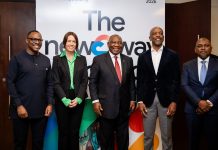
    The partnership agreement was signed by Roosevelt Ogbonna, Managing Director/Chief Executive Officer, Access Bank Plc, for Access Bank, and Will Straw, CBE, Chief Executive Officer of King’s Trust International, on behalf of KTI.

    The signing ceremony was witnessed by senior leaders and representatives from both organisations, alongside distinguished guests including Aigboje Aig‑Imoukhuede, CFR, Co-Chair, King’s Trust International Africa Advisory Board and Chairman, Access Holdings Plc; Ofovwe Aig‑Imoukhuede; Co‑Chair, King’s Trust International Africa Advisory Board, and Lagos State Governor, Babajide Sanwo-Olu.

    The partnership brings together King’s Trust International’s expertise in youth development with Access Bank’s pan‑African reach and long‑standing commitment to inclusive and sustainable growth. Through this collaboration, the two organisations will work to equip young people with the skills, confidence and support needed to build successful futures through employment and entrepreneurship.

    Under the agreement, Access Bank will support the delivery of King’s Trust International programmes that empower young people across several African countries, helping them gain skills and find pathways into meaningful employment and self-employment.

    Speaking at the signing, Will Straw CBE, Chief Executive Officer of King’s Trust International, said: “This partnership with Access Bank reflects a shared commitment to unlocking the potential of young people across Africa. By combining our experience in youth development with Access Bank’s scale and leadership across the continent, we can create meaningful pathways to opportunity and long‑term impact.”

    Roosevelt Ogbonna, Managing Director/Chief Executive Officer of Access Bank, added: “At Access Bank, we believe that empowering young people is fundamental to Africa’s sustainable growth. Our partnership with King’s Trust International reinforces our commitment to entrepreneurship, job creation and inclusive development, while enabling us to play a purposeful role in shaping the continent’s future.”

    The partnership marks a significant milestone in advancing cross‑sector collaboration to address youth unemployment, foster entrepreneurship and drive inclusive growth across Africa.

  • Feature- From Landlocked to Land-Linked: How Access Bank is Bridging Africa’s Trade Financing Gap

    Feature- From Landlocked to Land-Linked: How Access Bank is Bridging Africa’s Trade Financing Gap

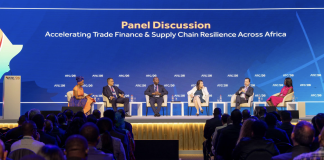
    At the Africa Trade Conference (ATC) 2026 held in Cape Town, South Africa, policymakers, financiers and global business leaders gathered to confront one of Africa’s most persistent economic constraints: the continent’s vast trade financing gap.

    Hosted by Access Bank Plc, the conference brought together stakeholders from governments, development finance institutions and the private sector to explore how Africa can transform its fragmented trade ecosystem and unlock the promise of the African Continental Free Trade Area.

    The central message emerging from the discussions was clear: Africa must move from being a continent of landlocked markets to a network of land-linked economies, connected through finance, infrastructure and digital trade systems.

    Turning Vision into Velocity

    The conference, themed “Turning Vision into Velocity: Building Africa’s Trade Ecosystem for Real-World Impact,” focused on translating policy ambition into practical solutions for businesses across the continent.

    Delivering the welcome address, Roosevelt Ogbonna, Managing Director and Chief Executive Officer of Access Bank Plc, emphasised that Africa must confront the structural barriers that continue to limit intra-continental commerce.

    “The reality is that Africa still controls a small share of global trade,” Ogbonna said. “The corridors are still fragmented and more aspirational than functional, and too many small businesses that aspire to trade across Africa remain constrained.”

    According to him, the conference was convened to continue the conversation begun at its inaugural edition in 2025, focusing on how Africa can expand trade within the continent while strengthening its participation in global markets.

    “This conference must not end as another talking shop,” he said. “It must become the birthplace of a movement that contributes to transforming intra-African trade.”

    For Access Bank Plc, the role of financial institutions in that transformation is evolving.

    “At Access Bank, we see ourselves as financiers and connectors of markets, ideas and opportunities,” Ogbonna noted. “Our role is to help African businesses move from ambition to impact, from local relevance to global competitiveness.”

    Bridging Africa’s Trade Finance Gap

    Despite its abundant natural resources and population of more than 1.3 billion people, Africa remains underrepresented in global trade flows.

    One of the biggest barriers is the lack of accessible financing for exporters, manufacturers and small businesses seeking to expand across borders. The trade finance gap continues to constrain intra-African commerce, which remains significantly below levels recorded in other regional trading blocs.

    To address this, Ogbonna highlighted three strategic priorities that emerged from the previous edition of the conference: breaking down silos between policymakers, financial institutions and businesses; building a trade ecosystem powered by reliable data and analytics, and developing systems that support both large corporations and smaller businesses expanding across borders

    Encouragingly, he noted that progress is already emerging across several sectors.

    “We have seen value chains emerging across agriculture, manufacturing and services, and we are seeing African brands crossing borders and building a global presence,” he said.

    Nevertheless, the gains remain uneven across the continent, with progress concentrated in a few markets and trade corridors.

    Financing the Future of African Trade

    Beyond the structural challenges of trade finance and infrastructure, the conference also explored the evolving financial architecture required to unlock Africa’s full trade potential.

    Keynote addresses were delivered by Kennedy Mbekeani, Director General for the Southern Africa Region at the African Development Bank, and Kwabena Ayirebi, Managing Director of Banking Operations at the African Export-Import Bank.

    Both speakers emphasised the need for stronger collaboration among development finance institutions, commercial banks and governments to mobilise the capital required to drive infrastructure development and support trade across the continent.

    Mbekeani stressed that private capital would be crucial in bridging Africa’s infrastructure financing gap.

    “The mobilisation of private capital remains crucial as many African governments are constrained by limited fiscal space and overstretched balance sheets,” he said.

    “The mobilisation of capital, particularly private capital, is something that we need to work on.”

    The conversation was further enriched by insights from Tolu Oyekan, Managing Director and Partner at Boston Consulting Group, who presented the Africa Trade Outlook 2026.

    His presentation highlighted the macroeconomic forces shaping the future of African trade, including shifting global supply chains, the growing importance of regional value chains and emerging opportunities for African industries to capture greater value in global markets.

    Digital infrastructure and payments were also central to the conversation.

    Mike Ogbalu, Chief Executive Officer of the Pan-African Payment and Settlement System, underscored the importance of payment interoperability in enabling seamless cross-border transactions across the continent.

    Efficient payment systems, he noted, are essential to reducing the cost and complexity of trading across African borders, particularly for small and medium-sized enterprises.

    Policy, Finance and Partnerships

    The conference also convened a high-level ministerial panel that brought together policymakers and financial sector leaders to examine the policy environment required to accelerate Africa’s economic integration.

    Participants included Elizabeth Ofosu Adjare, Ghana’s Minister for Trade, Agribusiness and Industry, and Tiroeaone Ntsima, Botswana’s Minister of Trade and Entrepreneurship, alongside senior executives from international financial institutions.

    Together, they explored how regulatory alignment, infrastructure development and innovative financing structures can accelerate the implementation of the African Continental Free Trade Area and unlock intra-African trade.

    The objective, participants agreed, was not merely dialogue but partnership, bringing together the policymakers, financiers and businesses capable of translating Africa’s trade ambitions into tangible outcomes.

    Reimagining Africa’s Economic Geography

    Beyond policy discussions and financing strategies, the conference reflected a deeper shift in how Africa views its economic geography.

    For decades, the continent’s development challenges have often been framed in terms of physical constraints: landlocked economies, fragmented markets and weak infrastructure.

    But the emerging vision presented in Cape Town suggests a different future,  one where integrated banking networks, digital payment systems and trade finance platforms transform isolated markets into connected trade corridors.

    For Access Bank Plc, that transformation is already underway.

    With operations spanning 25 countries globally, including 16 across Africa, the bank is building financial corridors that link African businesses to each other and to global markets.

    From Potential to Participation

    The conversations at the Africa Trade Conference reinforced a growing consensus across the continent: Africa’s economic transformation will depend on policy reforms and institutions capable of financing and facilitating trade.

    Banks, development finance institutions and payment platforms are increasingly becoming the connective tissue linking African markets.

    For Access Bank, the ambition is clear,  helping reshape the narrative of African trade.

    From isolated markets to integrated corridors. From landlocked constraints to land-linked opportunity. And from economic potential to meaningful participation in the global trading system.

  • Ikeja Electric Celebrates IWD 2026, Inspires Women to Grow Through Service

    Ikeja Electric Celebrates IWD 2026, Inspires Women to Grow Through Service

     Ikeja Electric (IE) has joined the global community to celebrate International Women’s Day (IWD) 2026, reaffirming its commitment to gender inclusion, mentorship, and the advancement of women within the organisation and the broader society.

    The celebration, held as a hybrid session and themed “Give to Gain,” highlighted the power of generosity, mentorship, and collaboration in driving sustainable growth for individuals, organisations, and communities. The event featured an impressive line-up of speakers, including Dr. Chidi Onyedika, Mrs. Jane Ezezobor, Dr. Odiri Oginni and Mrs. Morenike Molehin, who attended in person and shared valuable insights, personal experiences, and inspiring moments with the electricity Amazons.

    In her opening remarks, the Chief Executive Officer of Ikeja Electric, Mrs. Folake Soetan, celebrated the women of the IE and challenged participants to reflect on the power of giving in shaping their personal and professional journeys. She urged women to consider whether someone had once opened a door for them and whether they were doing the same for others.

    According to her, the most influential leaders are those who uplift others, share opportunities, and create pathways for the next generation.

    “At different points in our lives, someone gave so that we could gain. The question we must ask ourselves today is: are we doing the same for others? There is no real power in holding on to opportunities. The women who build things that last do not do so by keeping everything to themselves-they grow by sharing credit, sponsoring others, and creating room for more people to succeed. Legacy is not what you get; it is what you give and what continues to grow long after you have stepped back.”

    In his goodwill message, the Chairman Board of Directors, Ikeja Electric, Dr. Kola Adesina, celebrated the enduring strength and influence of women, drawing inspiration from an African proverb about the palm tree which rises by lifting itself upward.

    He noted that in the same way, women uplift not only themselves but also their families, communities, and nations through their resilience, generosity, and leadership.

    “Every act of generosity, every sacrifice, and every courageous step lifts not just the individual woman but the many lives connected to her. When women give knowledge, societies gain enlightenment; when women give passion, humanity gains healing; and when women give leadership, the future gains direction. When women rise, humanity rises with them.”

    Also speaking at the event, Mrs. Morenike Molehin, CEO of Oak and Teak Interiors, emphasized the importance of self-love and authenticity as the foundation for meaningful contribution. She encouraged women to value themselves, maintain healthy boundaries, and pursue visibility so their voices and talents can create impact.

    “You cannot pour into others from a place of emptiness. The ability to give begins with loving and valuing yourself. When women embrace self-love, stay true to who they are, and set healthy boundaries, they gain the freedom to thrive. From that place of confidence and clarity, they can contribute meaningfully, uplift others, and create impact that extends far beyond themselves.”

    Mrs. Jane Ezezobor, a Marketing Communications and Brand Experience Professional, encouraged women to move beyond effort and focus on measurable impact in their careers. She advised participants to communicate their value clearly, quantify their achievements, and cultivate strong internal advocates who can support their growth.

    “Leadership is not simply about being present or working hard; it is about creating impact and improving the system for those who come after you. Many women do excellent work but do not always communicate the results of such work. It is important to record your achievements, quantify your contributions, and speak in outcomes rather than effort. Ultimately, you want to be known not just for showing up, but for the value you consistently bring.”

    In his presentation, Dr. Chidi Onyedika, CEO of NEM Health Limited, highlighted the critical role of women’s health in sustaining families, workplaces, and society at large. He stressed that while women are often committed to caring for others, it is equally important for them to prioritize their own wellbeing.

    “Women are often the sustaining force within families and communities. They nurture, support, and hold many responsibilities together. But in the midst of caring for everyone else, they must also care for themselves. Protecting the physical, mental, and reproductive health of women is not optional-it is essential. When women are healthy, they preserve the strength and energy that keep families and societies running.”

    Also speaking, Dr. Odiri Oginni, Chief Executive Officer of United Capital Asset Management Limited, underscored the importance of financial independence for women. She encouraged participants to take ownership of their financial decisions by understanding their personal balance sheets, calculating their net worth, and investing intentionally.

    “Financial independence begins with awareness. Every woman should understand her personal balance sheet, know her net worth, and take an active role in managing her finances. Income may provide comfort and a certain lifestyle, but true freedom comes from building wealth through disciplined investing and financial resilience. As the saying goes, a woman’s best protection is a little money of her own.”

    The celebration concluded with a renewed commitment by Ikeja Electric to continue implementing initiatives that empower women, promote professional development, and foster a culture where collaboration and inclusion drive sustainable growth.

  • Delta Air Lines and Junior Achievement (JA) Africa Empower Next Generation of Female Leaders Across Africa

    Delta Air Lines and Junior Achievement (JA) Africa Empower Next Generation of Female Leaders Across Africa

    By collaborating with JA Africa, Delta contributes to building a scalable pipeline of confident, skilled young women prepared to lead in their communities and industries

    Delta Air Lines, in partnership with Junior Achievement (JA) Africa has successfully graduated 61 high-potential African girls from the 2026 LEAD Camp, formally inducting them into the 10 Million African Girls (10MAG) community, a long-term leadership and opportunity platform advancing young women across Africa.

    Held in Accra from March 2–8 in recognition of this year’s International Women’s Day (IWD) theme “Give to Gain,” the 2026 camp convened 61 participants from Eswatini, Ghana, Nigeria, Mauritius, Rwanda, South Africa, Uganda, and Zambia. The initiative reflects Delta and JA Africa’s longstanding commitment to expanding access to leadership development, economic participation, and cross-border exposure for emerging female leaders.

    The LEAD Camp exemplifies Delta Air Lines’ investment in community partnerships that drive educational access and workforce readiness across its international markets. By collaborating with JA Africa, Delta contributes to building a scalable pipeline of confident, skilled young women prepared to lead in their communities and industries.

    “Sustainable progress begins with access — access to knowledge, networks, and opportunity. Our partnership with JA Africa transcends traditional training; it establishes a structured pathway that allows young African women to engage meaningfully in the global economy. Inducting this year’s cohort into 10MAG reflects our long-term commitment to expanding opportunity across the continent.” indicated Ed Bastian, Chief Executive Officer of Delta Air Lines.

    Throughout the week, participants engaged in immersive, skills-based learning designed to strengthen executive presence, decision-making, entrepreneurial thinking, and future-ready competencies. The curriculum integrated leadership development, emotional intelligence, financial capability, advocacy, and career pathway exploration through direct engagement with corporate leaders, policy professionals, and industry practitioners.

    This approach aligns with global development priorities. According to UNICEF’s Skills4Girls framework, investing in life skills, digital literacy, STEM exposure, and leadership development is critical for preparing adolescent girls to participate fully in evolving labour markets. Research consistently shows that equipping girls with both technical and soft skills improves their transition into higher education, entrepreneurship, and the workforce while optimising long-term economic resilience.

    A highlight of the programme was the “Give to Gain” Social Impact Challenge, where participants worked in cross-country teams to design practical solutions addressing tangible community issues. Finalist teams presented their projects during the graduation ceremony, demonstrating problem-solving, collaboration, and measurable impact thinking, while also highlighting creativity, innovation, and a commitment to driving meaningful change in their communities.

    Reflecting on the graduation and induction, Simi Nwogugu, President & CEO of JA Africa, said: “Graduation is just the beginning. LEAD Camp equips young women with leadership capability and strategic exposure, while 10MAG ensures ongoing mentorship, scholarships, and entrepreneurial pathways. By combining these elements, we are cultivating a generation of women prepared to lead in boardrooms, build thriving enterprises, and shape policy across Africa.”

    The graduation ceremony marked not an endpoint but a transition. Each participant was inducted into the 10 Million African Girls (10MAG) community, a structured platform that provides ongoing mentorship, scholarships, entrepreneurial incubation, and professional networking. This ensures sustained engagement and positions participants within a broader ecosystem of opportunity and accountability.

    Since its inception, the LEAD camp platform has evolved into a pan-African convening point for emerging female leaders. The 2026 edition further reinforced the strategic alignment between Delta Air Lines and JA Africa in delivering structured, measurable leadership development across borders.

    As the 61 graduates return to their respective countries, they do so equipped not only with training but with networks, accountability, and a defined pathway to continued growth through 10MAG.

  • Seplat posts 144% revenue growth to $2.73bn

    Seplat posts 144% revenue growth to $2.73bn

    The revenue of Seplat Energy Plc, an independent energy company listed on the Nigerian Exchange and the London Stock Exchange, for the 2025 financial year surged 144.2 per cent to $2.73bn (N4.14tn) compared to $1.12bn (N1.65tn) in 2024, reflecting what the company called a full year of contribution from its offshore assets.

    This was disclosed in its audited results for the year ended 31 December 2025, filed with the Nigerian Exchange Limited on Thursday.

    In the year under review, cash generated from operations stood at $1.17bn, up 276 per cent. Cash capex was $266.8bn. At the end of the year, the balance sheet remained robust, with net debt of $673.3m, down 25 per cent year-on-year from $897.8m. In returns to shareholders, the declared dividend for the fourth quarter was 8.3 cents per share, up 11 per cent quarter-on-quarter and 20 per cent YoY, consisting of 5.0c and 3.3c as special dividends. The total dividend declared for 2025 stood at 25.0c per share, equivalent to $150m and a 52 per cent increase on 2024.

    On the operational front, the group production averaged 131,506 boepd (barrels of Oil Equivalent Per Day), up 148 per cent from 2024 (52,947 boepd), reflecting the first full year of offshore consolidation and within revised guidance. Onshore delivered 14 per cent production growth YoY, supported by the completion of the Sapele Gas Plant and new well inventory. The ANOH gas plant achieved its first gas in January 2026; production is stable at 50-70 MMscfd, with ~60 kbbl of condensate currently in storage. The group recorded only one Lost Time Injury on its operated assets in 2025 and has been at 11.4 million hours without LTI since September (2024: 11.0 million hours).

    On the results, Seplat Energy Chief Executive Officer, Roger Brown said, “In 2025, we clearly illustrated our ability to operate at scale. We benefited from the successful execution of several key offshore activities that kick-started life for Seplat as an offshore operator, while at the same time delivering onshore production performance that was the strongest in recent memory.

    “At our CMD in September, we laid out our long-term ambition to ‘Build an African Energy Champion’, with a clear roadmap to grow working interest production to 200 kboepd by 2030. In 2025, we delivered the IGE replacement project offshore and the Sapele gas plant onshore. In recent weeks we were delighted to achieve first gas at the ANOH Gas Plant and are on track to double joint venture gas volumes at Oso-BRT to 240 MMscfd in 2H2026. Drilling will be a decisive factor in meeting our long-term growth ambitions, and I am pleased to announce that the first jack-up drilling rig is contracted, in-country and set to arrive at Oso in 3Q to commence a multi-year, multi-well drilling campaign.

    “Finally, the cash generative nature of our asset base is clearly evident in our results, and by raising dividends by over 50 per cent to 25 cents per share alongside continued strengthening of our balance sheet and delivery of our work programmes, we are already well positioned to deliver on our planned $1bn cumulative return of capital to shareholders by 2030. Furthermore, the strength of the enlarged group has resulted in a notable lowering of our cost of debt, providing additional scope for long-term value creation.”

  • AfDB Group and African Union renew push for visa-free travel to accelerate Africa’s Economic Transformation

    AfDB Group and African Union renew push for visa-free travel to accelerate Africa’s Economic Transformation

    Participants concluded that achieving a visa-free Africa will require aligning migration policies, digital identity systems, and border infrastructure, alongside sustained political commitment

    African policymakers, business leaders, and development institutions have renewed calls for visa-free travel across the continent, describing the free movement of people as essential to unlocking Africa’s economic transformation under the African Continental Free Trade Area (AfCFTA).

    The call was reinforced at a High-Level Symposium on Advancing a Visa-Free Africa for Economic Prosperity, co-convened by the African Development Bank Group and the African Union Commission on the margins of the 39th African Union Summit of Heads of State and Government in Addis Ababa.

    Participants framed mobility as the missing link in Africa’s integration agenda, arguing that while tariffs are falling under AfCFTA, restrictive visa regimes continue to limit trade in services, investment flows, tourism, and labour mobility.

    Alex Mubiru, Director General for Eastern Africa at the African Development Bank Group, said that visa-free travel, interoperable digital systems, and integrated markets are practical enablers of enterprise, innovation, and regional value chains to translate policy ambitions into economic activity.

    “The evidence is clear. The economics support openness. The human story demands it,” he told participants, urging countries to move from incremental reforms to “transformative change.”

    Amma A. Twum-Amoah, Commissioner for Health, Humanitarian Affairs and Social Development at the African Union Commission, called for faster implementation of existing continental frameworks, describing visa openness as a strategic lever for deepening regional markets and enhancing collective responses to economic and humanitarian crises.

    Former AU Commission Chairperson, Nkosazana Dlamini-Zuma, reiterated that free movement is central to the African Union’s long-term development blueprint, Agenda 2063. “If we accept that we are Africans, then we must be able to move freely across our continent,” she said, urging member states to operationalise initiatives such as the African Passport and the Free Movement of Persons Protocol.

    Ghana’s Trade and Industry Minister, Elizabeth Ofosu-Adjare, shared her country’s experience as an early adopter of open visa policies for African travellers, citing increased business travel, tourism, and investor interest as early dividends of greater openness.

    The Symposium also reviewed findings from the latest Africa Visa Openness Index, which shows that more than half of intra-African travel still requires visas before departure – seen by participants as a significant drag on intra-continental commerce.

    Mesfin Bekele, Chief Executive Officer of Ethiopian Airlines, called for full implementation of the Single African Air Transport Market (SAATM), saying aviation connectivity and visa liberalisation must advance together to enable seamless travel.

    Regional representatives, including Elias Magosi, Executive Secretary of the Southern Africa Development Community, emphasised the importance of building trust through border management and digital information-sharing systems.

    Gabby Otchere Darko, Executive Chairman of the Africa Prosperity Network, urged governments to support the “Make Africa Borderless Now” campaign, while tourism campaigner Ras Mubarak called for more ratifications of the AU Free Movement of Persons protocol.

    Participants concluded that achieving a visa-free Africa will require aligning migration policies, digital identity systems, and border infrastructure, alongside sustained political commitment.

    In a symbolic gesture, attendees signed a “passport wall,” signalling support for accelerated reforms to make movement across African borders easier for citizens.

    The African Development Bank Group and the African Union Commission said they will continue working with member states and regional bodies to advance coordinated approaches to mobility – seen as a cornerstone of Africa’s integration, competitiveness, and long-term growth.

  • Employee Corruption and Occupational Fraud Threaten Nigeria’s MSME Sector – CPPE Raises Alarm

    Employee Corruption and Occupational Fraud Threaten Nigeria’s MSME Sector – CPPE Raises Alarm

    The Centre for the Promotion of Private Enterprise (CPPE) has raised serious concerns over the growing impact of employee corruption and occupational fraud on Nigeria’s Micro, Small and Medium Enterprises (MSMEs), describing the problem as a major but largely invisible threat to economic resilience, job creation, and inclusive growth.

    According to a statement signed by the Chief Executive Officer of CPPE, Dr Muda Yusuf, MSMEs remain central to Nigeria’s economic stability. They account for the overwhelming majority of businesses nationwide, sustain millions of livelihoods, and contribute roughly half of the country’s non-oil GDP. However, beyond the visible pressures of inflation, weak purchasing power, high operating costs, infrastructure challenges, and limited access to finance, a more corrosive internal threat persists—employee corruption and workplace fraud.

    These practices manifest in various forms, including theft of cash and inventory, diversion of sales proceeds, payroll manipulation, procurement kickbacks, customer diversion, collusion with suppliers or clients, abuse of expense reimbursements, and falsification of financial records. While often treated as internal management concerns, CPPE warns that their cumulative economic impact is profound and far-reaching.

    Drawing from global occupational-fraud research, CPPE notes that organisations worldwide typically lose between 5 and 10 percent of annual revenue to employee-related fraud. Small businesses, however, suffer disproportionately higher losses due to weaker internal control systems, heavy dependence on cash transactions, limited audit capacity, lower detection and recovery rates, and a high level of informality. Applying conservative estimates to Nigeria’s MSME sector suggests that annual losses from occupational fraud could range from ₦5 trillion to ₦10 trillion. This, CPPE emphasizes, represents a massive hidden tax on entrepreneurs, eroding profits, weakening investment capacity, and constraining job creation.

    For many MSMEs operating on thin margins—often below 15 percent of turnover—fraud losses of 5 to 10 percent of revenue can eliminate profits entirely, deplete working capital, and accelerate business closure. The Centre notes that this dynamic contributes significantly to the high mortality rate among small businesses, with studies indicating that up to 80 percent fail within five years and over half fail within the first year, with employee fraud as a key contributing factor.

    Beyond profitability, corruption-induced leakages reduce retained earnings available for reinvestment, technology adoption, inventory growth, and productivity-enhancing upgrades. The result is a persistent low-productivity trap that weakens competitiveness and suppresses enterprise scaling. Because many MSMEs are labour-intensive, contraction triggered by fraud often translates directly into job losses, declining household incomes, rising informality, and deeper poverty. CPPE stresses that occupational fraud is therefore not merely a governance issue but a national welfare concern.

    Certain sectors within Nigeria’s MSME landscape are particularly vulnerable. Retail and wholesale trade face risks linked to high daily cash turnover, weak reconciliation systems, and inventory pilferage. Hospitality, food services, and entertainment operations are exposed to stock diversion, revenue understatement, and payroll manipulation in shift-based systems. Agribusiness and produce trading are challenged by informal procurement chains and weak record-keeping. Transport and logistics services face risks such as fuel diversion, ticketing fraud, and limited real-time monitoring. Small manufacturing enterprises grapple with procurement collusion, raw-material diversion, and ghost workers, while personal services and informal businesses often operate with minimal bookkeeping and high dependence on trust-based employment arrangements.

    CPPE attributes the persistence of fraud to structural vulnerabilities, including weak internal governance, poor segregation of duties, inadequate bookkeeping and reconciliation practices, heavy reliance on cash, discretionary procurement authority, informal hiring processes, and slow legal enforcement with low asset-recovery rates. These conditions allow fraudulent activities to remain undetected for extended periods, compounding financial losses.

    The Centre, however, notes that evidence from occupational-fraud prevention research shows that even simple governance improvements can significantly reduce losses. Strengthening basic internal controls—such as separating cash handling from record-keeping and approvals, conducting routine reconciliation of sales and inventory, and instituting periodic independent reviews—can sharply reduce fraud opportunities. Reducing cash dependence through digital payment channels and basic accounting software enhances transaction traceability and makes diversion more difficult. Improved hiring practices, written employment terms, background checks, rotation of sensitive responsibilities, and closer supervision can further limit exposure.

    For smaller enterprises unable to afford dedicated audit structures, CPPE recommends pooled bookkeeping and compliance services through business associations, participation in governance training programmes, and periodic professional reviews to lower oversight costs.

    At the policy level, CPPE calls for coordinated public-sector action, including the development of a national MSME internal-control framework linked to access to credit and government support programmes, accelerated digital financial inclusion, stronger legal enforcement and asset-recovery mechanisms, and expanded governance education for entrepreneurs.

    In conclusion, CPPE states that employee corruption and occupational fraud constitute one of the largest hidden drains on Nigeria’s entrepreneurial economy, with annual losses estimated between ₦5 trillion and ₦10 trillion. These losses silently destroy profitability, suppress investment, eliminate jobs, weaken government revenue, and slow inclusive growth. Addressing the challenge, the Centre asserts, is not merely an ethical or managerial imperative but a strategic economic priority essential for unlocking the full potential of Nigeria’s MSME sector.

  • MasterChef Nigeria launches a nationwide search for the country’s best home cook.

    MasterChef Nigeria launches a nationwide search for the country’s best home cook.

    …The winner will scoop ₦73 million and the coveted title of Nigeria’s first MasterChef.

    MasterChef has officially landed on Nigerian shores. Brought to the country by African media giant Primedia, MasterChef Nigeria, the inaugural local adaptation of the world’s most renowned reality television cooking show, is set to transform the Nigerian culinary landscape – and the lives of passionate home cooks who dream of taking their creative flair in the kitchen to the next level.

    The winner of MasterChef Nigeria will scoop a staggering ₦73 million and make history as the world’s first-ever Nigerian MasterChef.  Entries are now open for this life-changing opportunity, with the closing date on 27 February 2026.

    MasterChef Nigeria, which will be screened on DStv’s Africa Magic Showcase and Africa Magic Family, forms part of the global MasterChef television franchise, represented internationally by Banijay Entertainment, which is also the content powerhouse behind iconic series such as Big Brother and Survivor.  

    The deal for this new version was negotiated by Banijay Rights, the global distribution arm of Banijay Entertainment.

    The MasterChef format, created by Franc Roddam and first launched in 1990, has catapulted the careers of countless culinary stars across 720 countries while showcasing the unique food culture of each territory. As recognised by the authoritative Guinness World Records, it is the most successful cookery show in the world. Over 700 seasons and 16,000 episodes have aired to date.

    MasterChef Nigeria is a major Nigerian television milestone that will celebrate the country’s exquisite cuisine, innovative food culture and vibrant culinary traditions as never before, whilst unearthing, mentoring and nurturing talent with the potential to become Nigeria’s next generation of distinguished chefs,” said Tamara van Eeckhoven, Managing Director at Primedia Africa. “We encourage all home cooks who want to make a name for themselves in the dynamic Nigerian food industry to enter this profound competition.”

    Commenting on the launch, Kemi Omotosho, Chief Executive Officer of Africa Magic said: “MasterChef Nigeria reflects our continued commitment to investing in premium local content that showcases the richness of Nigerian culture and creativity to audiences across Africa and the world.”

    Sarah Mottershead, VP Middle East, Africa, Israel, Greece & Cyprus, Banijay Rights, added: “We are incredibly proud this world-beating culinary format continues to expand its global footprint. Through our wider partnership with Primedia, Nigerian viewers are set for a real treat when they get their first taste of this iconic TV experience.”

     In MasterChef Nigeria, diverse home cooks from across the country will compete in a series of food-making challenges designed to test originality, technique, flavour mastery and presentation. Throughout the season, these contestants will prepare both traditional and contemporary dishes, drawing inspiration from Nigeria’s rich culinary heritage while demonstrating global culinary standards.

    At each challenge, the MasterChef Nigeria judges – esteemed Nigerian chefs who will be announced in due course – will evaluate the dishes to determine the best and least successful servings, and ultimately, the last contestant standing will win the coveted title of MasterChef Nigeria and the ₦73 million prize.

    We are proud to partner with MasterChef Nigeria as the Headline Sponsor of its first-ever edition in the country. MasterChef is a globally respected platform that celebrates culinary excellence, creativity, and skill – values that align strongly with Power Oil’s commitment to quality and healthier cooking- Adeola Amosun, Group Media Manager, Tolaram

    Home cooks who want to enter MasterChef Nigeria must be Nigerian citizens aged 18 or above, hold a valid passport, and have not earned a living as professional chefs.

    Interested applicants can submit their entries through the official website www.masterchefnigeria.com, where the complete eligibility requirements and the application form are available.

  • Dangote Refinery’s Crude Distillation Unit and Motor Spirit (MS) Block Hit 650,000 bpd Capacity

    Dangote Refinery’s Crude Distillation Unit and Motor Spirit (MS) Block Hit 650,000 bpd Capacity

    …First Refinery In The World to Attain This Feat

    The Dangote Petroleum Refinery has achieved a major operational milestone with the full restoration and optimisation of its Crude Distillation Unit (CDU) and Motor Spirit (MS) production block. Both units are now running at optimal performance, further strengthening the steady‑state operations of Africa’s largest oil refining facility.

    Following a scheduled maintenance exercise on the CDU and MS Block, the refinery has commenced an intensive 72‑hour series of performance test runs in collaboration with licensor UOP. These tests are designed to validate operational efficiency and confirm that all critical parameters meet global standards.

    Chief Executive Officer, David Bird, noted that the seamless integration and strong performance of the units demonstrate the refinery’s advanced engineering and robust operational capabilities.

    “Our teams have demonstrated exceptional precision and expertise in stabilising both the CDU and MS Block, and we are pleased to see them functioning at optimal efficiency. This performance testing phase enables us to validate the entire plant under real operating conditions. We are confident that the refinery remains firmly on track to deliver consistent, world‑class output.

    This milestone underscores the strength, reliability, and engineering quality that define our operations. We remain committed to producing high‑quality refined products that will transform Nigeria’s energy landscape, eliminate import dependence, and position the nation as a net exporter of petroleum products.”

    Bird added that the CDU and MS Block, which comprise the naphtha hydrotreater, isomerisation unit, and reformer unit, are now operating steadily at the full nameplate capacity of 650,000 barrels per day. He further confirmed that all remaining processing units will begin their respective performance test runs in Phase 2, scheduled to commence next week.

    During the recent festive period, the refinery supplied between 45–50 million litres of Premium Motor Spirit (PMS) daily. With the CDU and MS Block now fully restored, the refinery is positioned to comfortably deliver up to 75 million litres of PMS to the domestic market as required.
    Expressing appreciation to customers and Nigerians across the country, Bird reaffirmed the refinery’s unwavering commitment to enhancing Nigeria’s energy security while supporting industrial development, job creation, and economic diversification.

  • Dangote appoints MTN CEO Ralph Mupita to Fertiliser Board

    Dangote appoints MTN CEO Ralph Mupita to Fertiliser Board

    Dangote Industries has appointed the Chief Executive Officer of MTN Group, Ralph Mupita, to the board of Dangote Fertiliser Limited.

    This is as the conglomerate accelerates plans to expand the business and list it on the Nigerian Exchange Group (NGX).

    The appointment was confirmed by the Managing Director of Dangote Fertiliser, Vishwajit Sinha, in an email response to enquiries from Bloomberg.

    The move is widely seen as a strategic step ahead of the company’s proposed initial public offering (IPO), which is expected to take place later this year.

    Dangote Fertiliser, one of Africa’s largest industrial projects, is a core part of billionaire Aliko Dangote’s push to deepen the continent’s agricultural value chain while positioning the group to attract long-term institutional capital.

    Bringing Mupita onto the board adds deep capital markets and corporate governance experience at a time when the company is preparing to open its ownership structure to public investors.

    Mupita is credited with spearheading the landmark listing of MTN Nigeria on the Nigerian Exchange in 2019, one of the most significant capital market transactions in the country’s recent history.

    Since the listing, MTN Nigeria’s revenues have more than quadrupled, and the company has grown into one of the NGX’s most valuable stocks. With an estimated market capitalisation of about $8.6 billion, MTN Nigeria currently ranks as the exchange’s second-largest listed company, behind BUA Foods.

    Mupita has led MTN Group, Africa’s largest telecommunications operator by subscriber base, for over five years, having joined the company in 2017 as Chief Financial Officer.

    Prior to MTN, he held senior leadership roles at South Africa-based financial services group Old Mutual. He is also an engineer by training, a background that aligns with the industrial scale and technical complexity of Dangote’s operations.

    Dangote Fertiliser currently produces about 3 million metric tonnes of granulated urea annually from its $2.5 billion production complex in Lagos.

    The company has ambitious expansion plans aimed at making it the world’s largest fertiliser producer by 2028.

    As part of this strategy, Dangote has disclosed plans to expand the Lagos facility and commence construction of a new fertiliser plant in Ethiopia this year, further strengthening the group’s footprint across Africa.

    The appointment comes against the backdrop of rising demand for agricultural inputs across the continent. Africa has the fastest-growing population globally, and according to the African Development Bank, the agricultural sector could grow into a more than $1 trillion market by 2030.

    However, productivity remains constrained by low fertiliser usage, limited access to finance, and weak infrastructure, creating a significant opportunity for large-scale producers such as Dangote Fertiliser.

    Beyond fertiliser, the Dangote Group is also preparing to list its refinery business, according to earlier statements by Aliko Dangote. The planned IPOs are expected to help the group raise fresh capital, deepen transparency, and broaden ownership to include domestic and international institutional investors.

  • Promasidor Nigeria’s Dairy Development Programme set to increase Local Milk Production, Economic Development

    Promasidor Nigeria’s Dairy Development Programme set to increase Local Milk Production, Economic Development

    Promasidor Nigeria, a leading player in the fast-moving consumer goods (FMCG) industry, has reaffirmed its commitment to strengthening Nigeria’s dairy value chain through its alignment with the national dairy development programme, which is delivering measurable results by deepening local milk production and improving access to affordable, high-quality dairy products for consumers nationwide.

    The company’s Chief Executive Officer, François Gillet, disclosed that Promasidor’s investment in the Ikun Dairy Farm has significantly boosted local dairy output while creating a sustainable and inclusive framework that supports national economic development.

    According to Gillet, Promasidor established the Ikun Dairy Farm in 2019 in partnership with the Ekiti State Government, with an initial operational investment of US$5 million, followed by subsequent capital injections to expand operations.

    “As a market leader in quality food and beverage products, the national dairy development programme is a critical part of our long-term strategy to localise raw material sourcing, strengthen Nigeria’s dairy ecosystem, and ensure consistent delivery of nutritious milk products to consumers,” Gillet said.

    Currently, the farm plays host to over 750 high-yielding cattle, which makes the Ikun Dairy Farm the biggest dairy farm in Nigeria. Promasidor’s investment in the farm from inception to date has increased significantly, which points to its dedication to local production.

    Additionally, the Ikun Dairy Farm utilises advanced dairy management systems, including routine artificial insemination techniques, designed to achieve maximum heifer births, thereby supporting the organic and sustainable growth of the herd.

    Beyond milk production, the Ikun Dairy Farm has become a catalyst for socio-economic development in its host community. The farm provides employment for over 200 locals from the area, with more than 1,000 indirect jobs for people in the surrounding communities, thereby enhancing job and wealth creation and further boosting the state’s economy.

    This is supported by experienced veterinary doctors and dairy-trained practitioners.

    To further guarantee sustainability, Promasidor has invested in a robust feed security programme, cultivating over 500 hectares of maize and soya beans, to ensure consistent, high-quality nutrition for the herd.

    It is worth recalling that Promasidor, in March 1993, caused a disruption in the food and beverage industry when it first launched the Cowbell Milk sachet product into the Nigerian market, a move that was soon emulated by competitors.

    In line with its commitment to social impact, the organisation has extended the benefits of its dairy operations to schools nationwide through the “Ikun Milk Day” initiative. Under this programme, fresh milk sourced directly from the Ikun Dairy Farm is distributed weekly to the state government primary school children in the Ikun Community for their well-being and educational performance.

    As a responsible corporate citizen, Promasidor Nigeria remains committed to delivering long-term value to consumers, communities, and the national economy. The company continues to invest in innovation and quality standards in accordance with global best practices across its diverse brand portfolio, which includes Cowbell, Loya, Miksi, Toptea, Onga, Twisco, and Kremela.

    It’s Ikun Dairy Farm, located in Ikun-Ekiti, in Moba Local Government Area of Ekiti State, spans over 500 hectares and stands as a flagship example of how strategic alignment with the national dairy development programme can drive food security, job creation, and sustainable industrial growth in Nigeria.

  • Dangote Refinery reaffirms market stability, assures nationwide PMS supply

    Dangote Refinery reaffirms market stability, assures nationwide PMS supply

    Dangote Petroleum Refinery & Petrochemicals reaffirms its commitment to market stability and uninterrupted nationwide supply of Premium Motor Spirit (PMS).

    During the recent festive period, the Refinery implemented a deliberate and temporary price support intervention to cushion Nigerians at a time of heightened household spending. This marked the second consecutive festive season in which the Refinery absorbed significant costs in the national interest, including logistics support in 2024 and a price reduction in 2025 to promote affordability and market calm.

    Despite the price reduction, many filling stations failed to reflect the new price at the pump, thereby denying Nigerians the benefits of the reduction.

    With the festive period concluded, PMS prices have been modestly realigned to sustainable levels to support long term market stability and affordability. Under the current alignment, the PMS gantry price is N799 per litre, while MRS retail outlets are selling at N839 per litre.

    The Chief Executive Officer of Dangote Petroleum Refinery, David Bird, stated that the Refinery continues to supply the domestic market with approximately 50 million litres of PMS daily, with nationwide evacuation and distribution operating normally.

    He noted that the Refinery’s design flexibility allows it to process a wide range of crude and intermediate feedstocks, enabling continued PMS supply during planned maintenance activities. According to him, this capability ensures that domestic supply remains stable and uninterrupted.

    As a domestic producer, Dangote Petroleum Refinery continues to shield the Nigerian market from import related volatility and external supply disruptions, while remaining a stabilising force in the downstream petroleum sector.

    Dangote Petroleum Refinery remains focused on delivering energy security, price stability, and long-term value for Nigerians.

  • Promasidor Marks International Day of Education, Restates Commitment to Education and Child Nutrition

    In commemoration of this year’s International Day of Education, Promasidor Nigeria, a leading food and beverage company, has reinstated its commitment to promoting education and child nutrition in the country through various initiatives.

    The company has been enhancing educational quality in schools across the country through its high-quality nutritional products and initiatives. Through the ‘Ikun Milk Day’ program, it has also provided its dairy products that contain essential nutrients to students.

    Against this backdrop, the Company’s Chief Executive Officer, Francois Gillet, emphasized the strong link between nutrition and education, stating that proper nutrition is critical to helping children reach their full potential by providing the nourishment they need to learn, grow, and thrive.

    The Promasidor boss affirmed that the company’s dairy products are fortified with key nutrients, including calcium, vitamins, and essential minerals, which are vital for bone development, cognitive function, and overall well-being.

    He stated that the company’s belief that improved nutrition directly contributes to better educational outcomes and long-term societal growth defines the quality of its products.

    For nearly a decade, Promasidor has empowered secondary school students nationwide through its flagship career guidance programme, “Harness Your Dream.” The initiative targets Junior Secondary School 3 (JSS 3) students at a critical stage when career-defining academic decisions are made, equipping young Nigerians with the knowledge needed to pursue sustainable, fulfilling career paths.

    This stems from the Company’s over two decades of mathematics subject development through its programme ‘Cowbellpedia TV Quiz Show.’

    Cowbellpedia,’ themed ‘Mega Minds’ in 2025 has recently been made more comprehensive to cover subjects, such as Science, Technology, Engineering, Mathematics (STEM); to reflect the broader areas of interest for students, with a bigger prize offering of up to ₦100 million, including cash rewards, laptops, other learning equipment, and products.

    The top winners were also offered an all-expense paid educational excursion to South Africa.

    This underscores the company’s mission to contribute meaningfully to the country’s educational development, a practical demonstration of how the private sector can help strengthen educational standards through collaboration.

    Promasidor Nigeria, with a portfolio of unique brands that include Cowbell, Loya Milk, Miksi, Top Tea, Onga Seasoning, Twisco, and Kremela, is committed to connecting with consumers through worthy initiatives.

  • CPPE Warns Against Additional Sugar Tax, Cites Grave Risks to Nigeria’s Manufacturing Sector and Economic Recovery

    CPPE Warns Against Additional Sugar Tax, Cites Grave Risks to Nigeria’s Manufacturing Sector and Economic Recovery

    The Centre for the Promotion of Private Enterprise (CPPE) has expressed serious concern over renewed calls in some quarters for the imposition of additional taxes on sugar-sweetened non-alcoholic beverages in Nigeria, warning that such a policy would be economically damaging, poorly targeted, and misaligned with the country’s current realities.

    CPPE acknowledges that public health challenges such as diabetes and cardiovascular diseases require urgent and sustained attention. However, the organisation maintains that the introduction of a sugar-specific tax is a misplaced response that carries significant economic risks while offering limited public health benefits. The proposal, CPPE notes, is weakly supported by empirical evidence and fails to adequately reflect Nigeria’s prevailing structural, social, and macroeconomic conditions.

    According to the Chief Executive Officer of CPPE, Dr. Muda Yusuf, advocacy for sugar taxation in Nigeria is largely driven by externally derived policy templates, particularly those promoted by global health institutions. While such approaches may appear attractive on paper, global best practice does not support sugar taxation as a sustainable or standalone solution to non-communicable diseases—especially in economies like Nigeria’s, which are characterised by high inflation, weak purchasing power, fragile industrial recovery, and widespread poverty.

    The organisation emphasised that Nigeria’s food and beverage industry remains the largest and most dynamic segment of the manufacturing sector, with the non-alcoholic beverages sub-sector playing a particularly significant role. Data from the National Bureau of Statistics show that the food and beverage industry contributes approximately 40 per cent of total manufacturing output, making it a critical driver of industrial growth, employment, and value creation.

    Beyond factory operations, the sector supports an extensive value chain that includes farmers, agro-input suppliers, processors, packaging companies, logistics providers, wholesalers, retailers, and the hospitality industry. Collectively, these interconnected activities sustain millions of livelihoods across the country. CPPE warned that any policy that undermines this sector would have far-reaching consequences, including job losses, declining household incomes, reduced investment, and setbacks to poverty-reduction efforts.

    CPPE further noted that manufacturers of non-alcoholic beverages are already among the most heavily taxed and cost-pressured businesses in the Nigerian economy. Existing fiscal obligations include a 30 per cent Company Income Tax, 7.5 per cent Value-Added Tax, a ₦10 per litre excise duty, a 4 per cent National Development Levy on assessable profits, a 4 per cent FOB levy on imported inputs, import duties of between 5 and 15 per cent on intermediate raw materials, a 0.5 per cent ECOWAS levy, property taxes at sub-national levels, as well as multiple state and local government levies.

    These fiscal burdens are further compounded by Nigeria’s challenging operating environment, including high energy costs, prohibitive logistics expenses, exchange-rate volatility, and elevated interest rates. The cumulative effect has been rising production costs, shrinking profit margins, subdued investment appetite, and higher consumer prices. CPPE highlighted that retail prices of many non-alcoholic beverages have already increased by approximately 50 per cent over the past two years, significantly eroding affordability even without the introduction of any new taxes.

    From a public health perspective, CPPE argued that available evidence suggests sugar taxes deliver limited benefits unless they are embedded within broader, long-term lifestyle, behavioural, and structural interventions. In Nigeria, the rising incidence of diabetes and related non-communicable diseases is driven primarily by poor overall diet quality—particularly carbohydrate-heavy meals—physical inactivity and sedentary lifestyles, urban designs that discourage walking and cycling, as well as genetic and hereditary factors.

    While taxation may marginally influence consumption patterns, CPPE stressed that it does not address these root causes. In contrast, the economic costs of additional taxation—higher consumer prices, reduced demand, job losses, and weakened industrial investment—are immediate, tangible, and potentially severe.

    The Centre therefore urged policymakers to adopt more sustainable, evidence-based, and development-friendly approaches to improving public health outcomes. These include intensified lifestyle and nutrition education, community-based health awareness programmes, promotion of physical activity and exercise, encouragement of fruit and vegetable consumption, the use of healthy food subsidies rather than punitive taxation, and urban planning that supports walking, cycling, and other forms of active transportation.

    According to CPPE, such measures directly address the underlying drivers of diabetes and cardiovascular diseases, deliver broader social benefits, and avoid undermining a critical pillar of Nigeria’s manufacturing and employment base.

    In conclusion, CPPE cautioned that Nigeria’s economy remains in a delicate recovery phase, and introducing additional sugar-specific taxes at this time risks reversing recent industrial gains, weakening employment outcomes, and undermining the objectives of ongoing manufacturing-friendly fiscal reforms. The Centre reiterated that public health objectives and economic growth are not mutually exclusive, and called for balanced, holistic, and development-conscious policymaking rather than additional fiscal pressure on one of the most important segments of the manufacturing sector.