






















Universal newborn screening needs to be dramatically expanded to improve infant mortality, says the World Health Organization (WHO). Without intervention, many of the estimated eight million infants born worldwide annually with congenital anomalies face severe impairment or death, warns a new technical report.
 https://www.digital.zenithbank.com/ZEQ/ZEQ-jan-2026/index.html#p=1
The WHO report reflects a paradoxical landscape. As low- and middle-income countries (LMIC) successfully reduce deaths in infancy and early childhood by tackling the most deadly infectious disease, birth anomalies are now driving an increasing proportion of under-five mortality.
Between 2000 and 2023, the proportion of under-five deaths linked to birth defects surged from 1% to 4% in sub-Saharan Africa and from 3% to 11% in South Asia, according to new data. Globally, birth defects now account for almost 8% of all deaths among children under five.
“No child should miss the chance for a healthy future because a congenital condition was not detected early enough,” said WHO Director General Dr Tedros Adhanom Ghebreyesus in a news release on Tuesday.
Systemic barriers obstruct lifesaving screening
High out-of-pocket costs and fragmented funding routinely exclude vulnerable infants from essential care. This is exacerbated as LMICs struggle to provide specialised medical care and long-term rehabilitation services that such children often require.
The new report also underscores that testing and diagnosis alone cannot save lives without a functional treatment pathway. Compounding this problem, inadequate emergency transport systems and severe workforce shortages frequently interrupt the continuum of care.
Without reliable data tracking systems to secure short- and long-term follow-up, early detection of treatable – and in some cases curable – conditions like sickle-cell disease, congenital hypothyroidism, and hearing loss often fails to lead to the treatment of vulnerable infants.
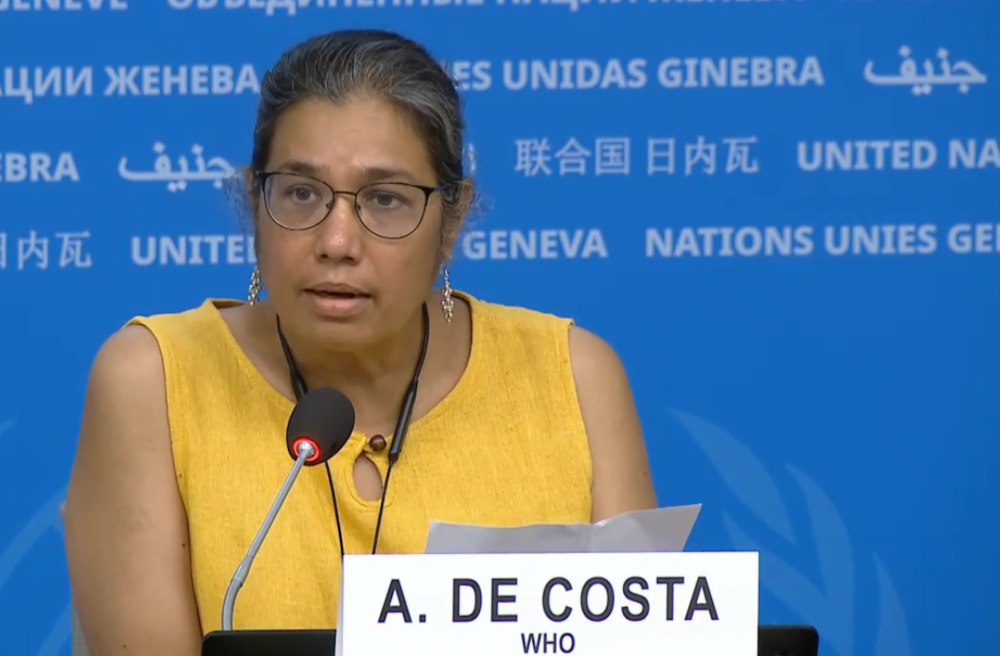
“Newborn screening is one of the best investments a country can make in the future of its children,” said Dr Ayesha De Costa, scientist at the WHO’s Department of Maternal, Newborn, Child and Adolescent Health and Ageing.
Sustainable state funding bridges care gap
To close these dangerous gaps, the WHO urges states to fully fund diagnostic initiatives, shielding impoverished families from catastrophic healthcare costs. For long-term sustainability, policymakers must shift from fragile donor-dependent models to tax-funded national insurance frameworks.
To begin this transition, the advisory proposes that health ministries of member states initiate targeted testing for at least one priority condition. Programmes can then expand incrementally as domestic infrastructural capacity grows.
When financially burdened governments adopt this pragmatic strategy, they can overcome initial limitations and establish effective care models. In India, for instance, a national screening programme reached well over 28 million children over three years, linking nearly 900,000 infants to treatment frameworks.
“Progress is possible even in resource-constrained settings when screening is linked to diagnosis, treatment, referral systems, and long-term care,” stated De Costa.