Tag: collaboration

  • Shyllon Museum Joins TheMuseumsLab Network, Set to Host its first-ever International Residency for Cultural Professionals in 2026

    Shyllon Museum Joins TheMuseumsLab Network, Set to Host its first-ever International Residency for Cultural Professionals in 2026

    The Yemisi Shyllon Museum of Art (YSMA) is proud to announce its inclusion as a partner residency institution in the 2026 cohort of TheMuseumsLab, a leading initiative fostering collaboration, exchange, and professional development among museums across Africa and Europe. Themed “Building Futures from Memory: Museums and Memorial Sites as Agents”, TheMuseumsLab 2026 will focus on transforming museums into spaces of dialogue and social change by fostering community engagement, justice, and reconciliation. The programme is jointly organized by the DAAD (German Academic Exchange Service) and the Museum für Naturkunde Berlin, with funding from the Federal Government Commissioner for Culture and the Media (BKM) and the Foreign Office of Germany.

    Selected as one of 66 partner museums for this year’s edition, YSMA’s entry into this distinguished network marks a significant milestone—not only for the institution but also for Nigeria’s museum landscape. Notably, YSMA becomes the first Nigerian university art museum to join this influential Afro-European platform. 

    As part of this partnership, YSMA will host its first-ever international residency programme in September 2026, welcoming two museum professionals, from Uganda and the UK. The residency will serve as a dynamic space for knowledge exchange, capacity building, and cross-cultural dialogue, reinforcing the museum’s commitment to education, public engagement, and the advancement of museum practice.

    This development aligns closely with YSMA’s mission as an educational museum at the forefront of fostering critical inquiry, creative exploration, and inclusive access to art and culture. By joining TheMuseumsLab network, the museum expands its role as a hub for intellectual exchange and professional training, while strengthening its position within the global museum ecosystem.

    Speaking on the significance of this achievement, Jess Castellote, the Museum Director of YSMA stated:

    “Joining TheMuseumsLab network is a great moment for us. It affirms our commitment to positioning YSMA not just as a repository of art, but as a living institution dedicated to learning, dialogue, and exchange. Hosting a residency of this nature allows us to contribute meaningfully to the development of museum professionals across continents, while also bringing global perspectives into our local context. It is an opportunity to deepen our impact as an educational museum and to amplify African voices within international museum conversations.”

    Also commenting on the partnership, Solveig Rietschel, Head of TheMuseumsLab YSMA into the network:

    “We are delighted to welcome YSMA to our growing network of partner institutions. YSMA’s work reflects a thoughtful and forward-looking approach to the role of cultural institutions in society, with a strong emphasis on education, community engagement, and innovative programming. We are very excited about their upcoming residency, which will provide a vital platform for exchange between African and European professionals. Partnerships like this are at the heart of TheMuseumsLab mission to build sustainable, collaborative futures for museums across both continents.”

    YSMA’s inclusion in this network underscores its growing influence as a key player in Africa’s cultural and educational landscape. Over the years, the museum has distinguished itself through its robust programming, exhibition initiatives, and commitment to bridging academic and public audiences.

    By participating in this Afro-European network, YSMA not only elevates its global visibility but also contributes to shaping new narratives around African art, heritage, and museology. The residency programme, in particular, is expected to catalyze new ideas, partnerships, and practices that will resonate far beyond the museum’s walls.

    As YSMA continues to expand its reach and deepen its impact, this collaboration with TheMuseumsLab signals a bold step forward—one that reinforces its role as a leading institution for knowledge production, cultural exchange, and the future of museum practice in Africa and beyond.

  • African Marketplace 2026 Returns To Dubai In October

    African Marketplace 2026 Returns To Dubai In October

    African Marketplace (AMP) is set to return for its highly anticipated second edition from October 10–12, 2026, at the prestigious Conrad Hotel Dubai, following the success of its landmark 2025 debut. The three-day event will once again convene some of the finest products, services, creatives, and innovators from Africa and the Caribbean, connecting them with global buyers, investors, policymakers, distributors, and cultural enthusiasts in one of the world’s most strategically connected trade capitals.

    African Marketplace is a pan-continental trade and cultural platform designed to spotlight Africa’s and the Caribbean’s finest export-ready brands, SMEs, and innovators, empowering them to scale internationally, unlock investment opportunities, and achieve global relevance. African Marketplace 2026 will showcase the richness of African and Caribbean heritage alongside contemporary innovation across fashion, furniture, art, cuisine, music, technology, wellness, and intellectual capital.

    Speaking on the announcement, Ibukun Awosika, Founder of African Marketplace and the Ibukun Awosika Leadership Academy (IALA), said: “African Marketplace 2025 was proof of concept. What the world witnessed in Dubai was not potential, it was excellence in full expression.” “For 2026, we are going even further. We are building on that foundation with greater scale, sharper commercial focus, and an even stronger declaration that Africa and the Caribbean are not waiting to be discovered. We are here. We are globally ready. And we are building our own tables. Dubai is where we invite the world to experience who we truly are.” She added.

    Through curated exhibitions, business networking, investment conversations, cultural showcases, and strategic partnerships, African Marketplace continues to position itself as a leading platform connecting Afro-Caribbean excellence to global opportunity. More than an exhibition, AMP serves as both a commercial gateway and cultural platform; creating meaningful opportunities for trade, investment, collaboration, and cross-cultural exchange on a global scale.

    As the platform grows year after year, AMP remains committed to building a lasting ecosystem where commerce, culture, innovation, and identity converge.

    EXHIBITOR REGISTRATION IS NOW OPEN

    Businesses, investors, partners, and attendees interested in participating in African Marketplace Dubai 2026 can learn more at:

    www.theafricanmarketplace.org

    For media inquiries, sponsorship opportunities, or partnership proposals, please contact:

    info@theafricanmarketplace.org

  • SIFAX Group Chairman Backs Call for African Businesses to Build Large Corporations

    SIFAX Group Chairman Backs Call for African Businesses to Build Large Corporations

    Dr. Taiwo Afolabi, Chairman, SIFAX Group, has called on African entrepreneurs, investors, and business leaders to prioritise the growth of large, sustainable corporations capable of competing globally, rather than operating fragmented and small-scale enterprises that limit the continent’s economic potential.

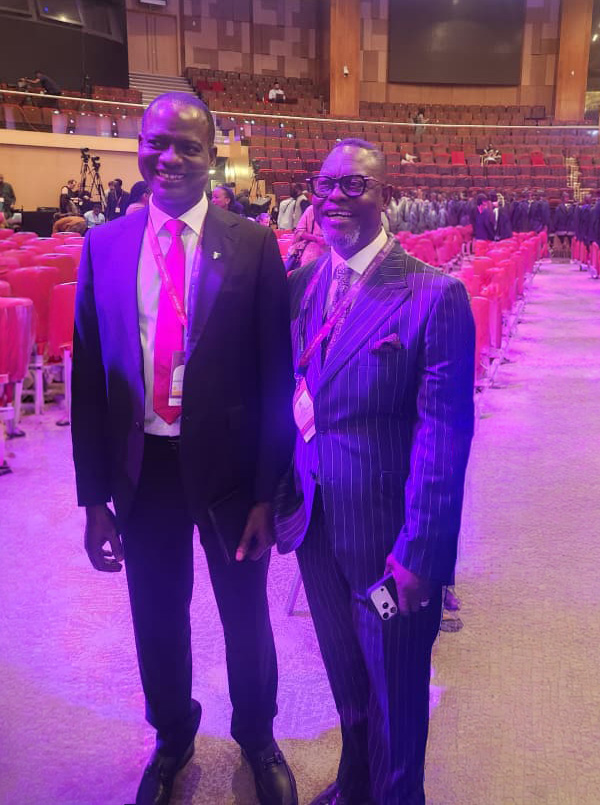
    Speaking at the sidelines of the Africa CEO Forum held in Kigali, Rwanda, Afolabi said Africa’s economic transformation would depend significantly on the emergence of strong indigenous corporations with the scale, structure, and capacity to drive industrialisation, create jobs, attract investment, and compete internationally.

    According to him, discussions at this year’s forum reinforced the urgent need for African businesses to embrace collaboration, long-term thinking, regional integration, and strategic expansion.

    He said: “Africa cannot achieve its full economic potential with thousands of weak and fragmented businesses operating in silos. What the continent needs are strong institutions and large corporations that can survive beyond their founders, scale across borders, attract global capital, and compete with the best companies around the world.

    Afolabi noted that while entrepreneurship remains critical to Africa’s growth story, the continent must deliberately move beyond subsistence and lifestyle businesses towards building enduring enterprises with robust governance systems, innovation capacity, and continental reach.

    He stressed that African governments, financial institutions, and private sector stakeholders must create enabling environments that support business scalability through improved infrastructure, access to finance, favourable regulations, and intra-African trade.

    “The conversations at the Africa CEO Forum clearly showed that Africa’s future lies in integration and scale. The African Continental Free Trade Area (AfCFTA) presents a historic opportunity for businesses to expand beyond national borders and build truly pan-African enterprises,” he added.

    Afolabi noted that SIFAX Group’s long-term vision is anchored on strengthening intra-African trade and supporting the successful implementation AfCFTA through investments in logistics, ports, transportation, and digital finance solutions across Africa.

  • Delta Air Lines and Junior Achievement (JA) Africa Empower Next Generation of Female Leaders Across Africa

    Delta Air Lines and Junior Achievement (JA) Africa Empower Next Generation of Female Leaders Across Africa

    By collaborating with JA Africa, Delta contributes to building a scalable pipeline of confident, skilled young women prepared to lead in their communities and industries

    Delta Air Lines, in partnership with Junior Achievement (JA) Africa has successfully graduated 61 high-potential African girls from the 2026 LEAD Camp, formally inducting them into the 10 Million African Girls (10MAG) community, a long-term leadership and opportunity platform advancing young women across Africa.

    Held in Accra from March 2–8 in recognition of this year’s International Women’s Day (IWD) theme “Give to Gain,” the 2026 camp convened 61 participants from Eswatini, Ghana, Nigeria, Mauritius, Rwanda, South Africa, Uganda, and Zambia. The initiative reflects Delta and JA Africa’s longstanding commitment to expanding access to leadership development, economic participation, and cross-border exposure for emerging female leaders.

    The LEAD Camp exemplifies Delta Air Lines’ investment in community partnerships that drive educational access and workforce readiness across its international markets. By collaborating with JA Africa, Delta contributes to building a scalable pipeline of confident, skilled young women prepared to lead in their communities and industries.

    “Sustainable progress begins with access — access to knowledge, networks, and opportunity. Our partnership with JA Africa transcends traditional training; it establishes a structured pathway that allows young African women to engage meaningfully in the global economy. Inducting this year’s cohort into 10MAG reflects our long-term commitment to expanding opportunity across the continent.” indicated Ed Bastian, Chief Executive Officer of Delta Air Lines.

    Throughout the week, participants engaged in immersive, skills-based learning designed to strengthen executive presence, decision-making, entrepreneurial thinking, and future-ready competencies. The curriculum integrated leadership development, emotional intelligence, financial capability, advocacy, and career pathway exploration through direct engagement with corporate leaders, policy professionals, and industry practitioners.

    This approach aligns with global development priorities. According to UNICEF’s Skills4Girls framework, investing in life skills, digital literacy, STEM exposure, and leadership development is critical for preparing adolescent girls to participate fully in evolving labour markets. Research consistently shows that equipping girls with both technical and soft skills improves their transition into higher education, entrepreneurship, and the workforce while optimising long-term economic resilience.

    A highlight of the programme was the “Give to Gain” Social Impact Challenge, where participants worked in cross-country teams to design practical solutions addressing tangible community issues. Finalist teams presented their projects during the graduation ceremony, demonstrating problem-solving, collaboration, and measurable impact thinking, while also highlighting creativity, innovation, and a commitment to driving meaningful change in their communities.

    Reflecting on the graduation and induction, Simi Nwogugu, President & CEO of JA Africa, said: “Graduation is just the beginning. LEAD Camp equips young women with leadership capability and strategic exposure, while 10MAG ensures ongoing mentorship, scholarships, and entrepreneurial pathways. By combining these elements, we are cultivating a generation of women prepared to lead in boardrooms, build thriving enterprises, and shape policy across Africa.”

    The graduation ceremony marked not an endpoint but a transition. Each participant was inducted into the 10 Million African Girls (10MAG) community, a structured platform that provides ongoing mentorship, scholarships, entrepreneurial incubation, and professional networking. This ensures sustained engagement and positions participants within a broader ecosystem of opportunity and accountability.

    Since its inception, the LEAD camp platform has evolved into a pan-African convening point for emerging female leaders. The 2026 edition further reinforced the strategic alignment between Delta Air Lines and JA Africa in delivering structured, measurable leadership development across borders.

    As the 61 graduates return to their respective countries, they do so equipped not only with training but with networks, accountability, and a defined pathway to continued growth through 10MAG.

  • African Marketplace Dubai 2025 Opens, Showcasing Africa and the Caribbean’s Finest to the World

    African Marketplace Dubai 2025 Opens, Showcasing Africa and the Caribbean’s Finest to the World

    The African Marketplace Dubai 2025 officially opened at the Grand Hyatt Hotel, Dubai, bringing together about 200 export-ready brands, creators, and SMEs from Africa and the Caribbean for a four-day exhibition focused on trade, culture, and enterprise.

    Exhibitors from Nigeria, Ghana, Togo, Senegal, Seychelles, Tanzania, Rwanda, the UAE, the UK, and the US are showcasing products across fashion, beauty, wellness, agriculture, technology, art, and lifestyle, reinforcing the region’s growing influence in global trade and creativity.

    Speaking at the opening ceremony, Mrs. Ibukun Awosika, Founder of the Ibukun Awosika Leadership Academy and convener of the marketplace, said, “Dubai represents the world, a nation of nearly 200 nationalities, built on trade, structure, and inclusivity. It offers the right environment to showcase Africa’s excellence to global buyers and investors. I believe it’s the perfect stage for us to build a mother platform that carries the weight of Africa’s productivity to international markets.”

    DSC_5755 (2).JPG

    Delivering a keynote address on Exploring the African Tech Story – Past, Present, and Future, Juliet Ehimuan, Founder of Beyond Limits Africa, highlighted the role of innovation and youth enterprise in Africa’s digital evolution. “The African tech ecosystem is no longer emerging, it’s maturing. We’ve moved from isolated success stories to building strong, interconnected systems powered by innovation, local partnerships, and resilience. The next decade will be defined by African solutions transforming global industries.”

    Ody Akhanoba, Director of SME Development at Afreximbank, reaffirmed the bank’s commitment to enabling trade and entrepreneurship across the continent. “SMEs are the backbone of Africa’s economic transformation. At Afreximbank, our commitment to advancing Africa’s trade vision goes far beyond words. In 2024 alone, we disbursed over $18.7 billion across Africa, including 111 trade lines that enabled 127,000 SME subloans, we are building the ecosystems that will power Africa’s industrialization and global competitiveness.”

    African Marketplace Dubai 2025 is powered by the Ibukun Awosika Leadership Academy (IALA) and supported by sponsors including Afreximbank, Access Bank, Lagos State (through Lagos State Tourism), Wema Bank (SARA), Bank of Industry, GText Holdings, Moniepoint, Nexim Bank, and Sterling Bank. Partners include the Dubai Department of Economy and Tourism (DET), African Business Heroes (ABH), TVC Communications, Togo Mall, Ecobank Ghana, and FCMB (SheVentures).

    The exhibition runs from November 12–15, 2025, featuring product showcases, business sessions, and cultural exchanges aimed at driving investment, collaboration, and global market access for African and Caribbean enterprises.

  • Building a Circular Nigeria: How Private Sector Collaboration is Transforming Plastic Waste into Opportunity

    Building a Circular Nigeria: How Private Sector Collaboration is Transforming Plastic Waste into Opportunity

    Nestlé is the first company in the country to attain any level of recycled PET inclusion, with 50% representing the highest permissible standard under current regulatory guidelines

    Across Nigeria’s bustling cities and growing peri-urban communities, the signs of progress are everywhere – expanding markets, rising consumption, and a youthful population driving demand. Yet this growth brings with it a familiar challenge: plastic waste. From busy Lagos streets to the creeks of the Niger Delta, discarded packaging often clogs drains, litters markets, and seeps into waterways, threatening livelihoods and ecosystems alike.

    Nigeria generates an estimated 2.5 million tonnes of plastic waste each year, with less than 10% effectively recycled. Across West Africa, more than 80% of plastic waste remains mismanaged, posing risks to public health, biodiversity, and coastal economies. But amid these challenges, a quiet transformation is underway, driven by collaboration, innovation, and policy reform.

    Private Sector Leadership: Strengthening the Recycling Ecosystem

    The private sector is increasingly at the forefront of efforts to address Nigeria’s plastic challenge. Not only through corporate initiatives but by shaping the systems that make circularity possible.

    One of the most notable of these collaborations is the Food and Beverage Recycling Alliance (FBRA), a coalition of forward-looking companies working to accelerate sustainable waste management across the country. Established as the first Producer Responsibility Organisation (PRO) in Nigeria, FBRA plays a pivotal role in advancing Extended Producer Responsibility (EPR) and ensuring that producers and importers of packaged goods take active responsibility for the post-consumer stage of their packaging materials.

    Through partnerships with government regulators such as the National Environmental Standards and Regulations Enforcement Agency (NESREA), FBRA is driving the institutionalisation of EPR in Nigeria. Its advocacy and technical support have informed the development of national policies, standard operating frameworks, and recycling models that are now being replicated across sectors.

    Driving Impact Together: Private Sector Commitment in Action

    FBRA’s strength lies in collective responsibility. Its member companies are not only funding and expanding recovery systems but also building scalable solutions that make recycling work in the real world. Across the value chain, organisations are investing in aggregation networks, supporting collection agents, developing recycling infrastructure, and creating demand for recycled materials, turning plastic waste into economic opportunity for thousands of Nigerians.

    One example of this commitment in action is Nestlé Nigeria, a founding member of FBRA, whose investments in community-based recycling and circular packaging innovation are helping shape industry standards.

    Nestlé Nigeria: Advancing Circularity Through Collaboration and Innovation

    As a founding member of FBRA, Nestlé Nigeria continues to play an integral role in expanding the recycling ecosystem and promoting responsible waste management nationwide.

    Since 2019, the organisation has facilitated the diversion of over 61,000 tonnes of plastic waste from landfills through its partnerships with FBRA, recyclers, and local social enterprises such as Chanja Datti, Wecyclers and Maladase Ecopreneur Management Ltd. One of its key initiatives, the Plastic Advantage Programme, empowers 43 mini-aggregators through training, equipment support, and access to stable off-take markets. This approach not only strengthens local collection systems but also enables inclusive economic participation for waste entrepreneurs.

    Today, some of the plastics recovered through these initiatives are rechanneled into Nestlé Nigeria’s 50% rPET inclusion project for its water brands – a first-of-its-kind achievement in Nigeria, Nestlé is the first company in the country to attain any level of recycled PET inclusion, with 50% representing the highest permissible standard under current regulatory guidelines. This milestone underscores Nestlé’s leadership in advancing circular packaging solutions, setting a benchmark for the industry while inspiring broader adoption of sustainable practices. Beyond reducing dependence on virgin plastics, the initiative contributes meaningfully to the national circular economy agenda, where waste is transformed into value and innovation supports environmental resilience.

    Complementing these efforts is the Nestlé Employee Plastics Collection Scheme, which encourages employees to bring their recyclables to the office for recycling . The initiative drives sustainable behaviour change and allows employees to actively support Nestlé’s vision of a waste-free future. It reflects the company’s belief that true circularity starts from within

    Policy, Partnership, and Purpose: The Path Ahead

    The progress achieved by FBRA, Nestlé, and other industry leaders underscores a vital truth: sustainability thrives where collaboration exists. Through shared responsibility, clear policy direction, and private-sector investment, Nigeria is gradually building the foundations of a circular economy, one capable of turning plastic waste into social and economic opportunity.

    Yet, the journey is far from over. Without sustained action, plastic pollution could continue to outpace growth, threatening the very ecosystems that support communities and commerce. The path forward demands continued multi-stakeholder engagement, stronger enforcement of EPR regulations, and scalable innovations that make recycling accessible to every household.

    Nestlé’s experience demonstrates that with commitment and collaboration, meaningful progress is not just possible,  it is already taking shape. What started as focused efforts in waste recovery has grown into a model of shared value creation, where environmental stewardship, business growth, and community development advance hand in hand toward a more sustainable future.

  • Comptroller Aliyu M Alkali strengthens ties with stakeholders In Onne Sea Port

    Comptroller Aliyu M Alkali strengthens ties with stakeholders In Onne Sea Port

    The Customs Area Controller (CAC) of Port Harcourt II Area Command, Aliyu M Alkali, has embarked on a series of strategic visits to stakeholders operating within Onne Sea Port. The visits aimed to foster synergy, collaboration and intelligence sharing among government agencies to achieve common goals and enhance compliance with existing regulations.

    During the visits, Comptroller Alkali met the Commander of Narcotics, National Drug Law Enforcement Agency, Port Harcourt Ports Command, Omerio Mathias Odo, the Director of State Security, Port Harcourt Ports Command and the Commandant, Nigerian Navy Basic Training School Onne, Rear Admiral Victor D Choji.

    The CAC emphasised the importance of teamwork and synergy among agencies to propel progress in achieving their respective organisational objectives and goals. He reiterated his commitment to keying into the Comptroller-General of Customs’ policy thrust of consolidation, collaboration, and innovation.

    Comptroller Alkali stated, “I believe that active engagement with stakeholders will build strong relationships and enhance compliance with extant regulations. I pledge to sustain and improve on the existing cordial relationships, as I request for robust synergy from you”.

    The stakeholders reciprocated by working closely with the Customs Area Controller to achieve common goals. The Commander of Narcotics, in his remark, pledged to synergize with the CAC in the Port to ensure that illicit drug supply is reduced to its barest minimum. 

    The Director of State Security, Port Harcourt Ports Command, expressed his commitment to sharing useful and timely intelligence that would enhance the command’s operations. The Commandant of the Navy Basic Training School reaffirmed the Navy’s commitment to securing the maritime domain and making it safe for economic activities. He also pledged to support Customs operations within the legal framework.

    These visits are ongoing to provide continual stakeholder engagement, demonstrating Comptroller Alkali’s proactive approach to building strong relationships with stakeholders and his commitment to optimal revenue collection, enhanced compliance with extant regulations, and ensuring security within the seaport.

  • Telecom, Fintech Leaders Agitate for Strategic Partnership and Inclusive Policies at WATISE 2025

    Telecom, Fintech Leaders Agitate for Strategic Partnership and Inclusive Policies at WATISE 2025

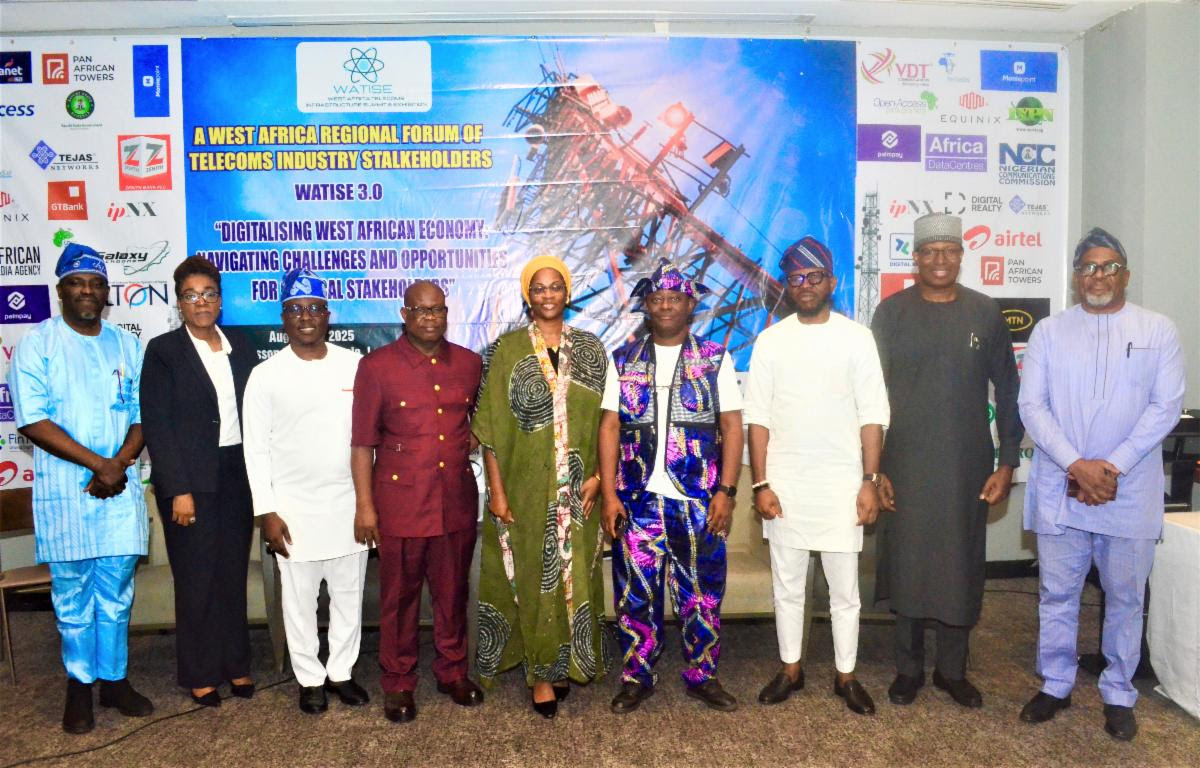
    The 2025 edition of the West Africa Telecommunications Infrastructure Summit & Exhibition (WATISE) has ended in Lagos with a strong call for governments, regulators, and industry players to deepen collaboration, protect telecom infrastructure, and prioritise inclusive digital access across the region.

    The event, held at the Radisson Blu Hotel, Lagos, brought together critical stakeholders from the telecommunications, technology, and financial services sectors under the theme “Digitalising West African Economy: Navigating Challenges and Opportunities for Critical Stakeholders.”

    In his address, Engr. Gbenga Adebayo, Chairman of the Association of Licensed Telecommunications Operators of Nigeria (ALTON), said the telecom sector in West Africa is witnessing renewed growth, with investments at their highest since before the COVID-19 pandemic.

    He noted that telecoms remain the backbone of the digital economy, enabling banking, fintech, telemedicine, education, commerce, and emergency services across the region.

    Adebayo, however, warned against vandalism, multiple taxation, and Right of Way restrictions that continue to stifle expansion. He commended the federal government’s ongoing tax reforms, which were set to reduce over 56 levies by January 2026, and urged states across West Africa to create enabling conditions for faster digital rollout.

    In his goodwill message, the President of the Association of Telecommunications Companies of Nigeria (ATCON), Mr Tony Emoekpere said that, the next ten years will define West Africa’s place in the global digital economy stressing ‘If we build the infrastructure, harmonize policies, and encourage collaboration, we will unlock unprecedented economic growth, create millions of jobs, and give our young population the tools to compete globally.

    He noted that investors must recognize that while risks exist, the upside of digital West Africa is unmatched saying that this is a frontier market with the potential of doubling its digital economy contribution to GDP within a decade.

    Dr. Nnenna Achife, Head Commercial Business, Business Development, AfriGo Payment Financial Services Limited, speaking on one of the lead presentations, Leveraging Connectivity And Technology To Transform Card Payment System In Africa, revealed how AfriGO is powering card payments through technology and inclusion.

    He AfriGo has helped to reduce operating expenses through transparent pricing and billing settlement in local currency as well as support welfare and social Intervention programs via providing access to government social intervention programs.

    She added that AfriGo has been supportive of Instant merchant credit and same-day settlement, ensuring steady cash flow for business operations, including promoting a cashless economy by encouraging the adoption of affordable electronic payment options, which are cards.

    Achife said that AfriGo is instrumental for the enhanced offline payment to support authorisation where there is limited or unreliable internet access, saying that the Embedded NIBSS Quick Response Code (NQR) has been formidable for the for P2P & P2M payment and collection capabilities.

    And in his keynote speech, Mr Adewunmi Adesina, Managing Director of Trade Lenda, the digital bank for SMEs said that there are opportunities for Stakeholders to unlock the full potential of digitalisation, we must act collectively but that Governments must invest in infrastructure and harmonise digital policies across ECOWAS.

    He called for private sector players collaboration to build scalable platforms that serve the underserved adding that development Partners must support capacity-building and digital inclusion programs.

    Adesina said entrepreneurs must continue to innovate boldly, solving local problems with global ambition saying that at “Trade Lenda, we are proud to be part of this movement providing micro and small businesses with access to credit through digital channels, enabling them to grow sustainably.”

    Jameelah Sharrieff-Ayedun, Vice President of FintechNGR and MD/CEO of CreditRegistry, cautioned against the risk of “digital apartheid,” where millions of Africans remain excluded as “digital ghosts” from the formal economy.

    She stressed the need for inclusive access to data and credit through innovative use of alternative data sources such as mobile usage and e-commerce, warning that failure to act could turn Africa’s youthful population into a lost economic opportunity.

    A fireside chat led by the Chief Executive Officer of WTES Project Limited, Mr Chidi Ajuzie and panel session led by a robotic engineer, Mrs Racheal Anorue highlighted the pressing challenges of rising USSD costs, poor connectivity, and risks faced by mobile agents. Panelists agreed that stronger collaboration, public sensitisation, and technology-driven infrastructure security are key to driving financial inclusion and lowering transaction costs.

    At the close of the summit, participants called for:

    Protection of telecom infrastructure against vandalism.
    Harmonised and enabling policies across ECOWAS states.
    Urgent steps to reduce the cost of USSD and digital transactions.
    Greater investment in workforce training and digital security.
    Regional collaboration to unlock West Africa’s trillion-dollar digital economy potential.

    The summit concluded with optimism that with sustained investments, regulatory reforms, and inclusive strategies, West Africa’s telecom and fintech sectors are well-positioned to drive economic transformation across the sub-region.

  • Feature- The Entertainment Business in Nigeria: A Model For Export

    Feature- The Entertainment Business in Nigeria: A Model For Export

    • .

    The Nigerian entertainment industry at its nascence in the 1990s was highly under-resourced, but has metamorphosed over the years into a multibillion-dollar global industry. Nollywood, the movie industry in Nigeria churns out over 2500 movies annually, attracting over 100 million viewers globally. Afrobeats, the popular music genre that was hitherto a local art, has become a global sensation and now dominates global charts, with notable artists headlining international events, performing on the biggest stages in the world and raking in huge revenue. Similarly, the comedy industry, which started as local stand-up performances in clubs in the 1990s has expanded through all the spaces in social media with comedians earning revenue through digital platforms and sold-out international shows, proving the global appeal of Nigerian humour.

    The digital age has introduced new monetization strategies for Nigerian artists through Streaming Royalties, Digital Sales, Internet Advertising, Brand Partnerships and Sponsorships. The hitherto traditional sources of revenue such as physical sale of tickets, CDs and cassettes, local live performances, and appearances, have been supplanted by modern business structures aided by the internet and mobile penetration that allow the artists to reach their audience in a wider space within a short time. This digital shift, made possible by private investments and partnerships, has become a cornerstone of the modern Nigerian entertainment business model.   

    Despite there being very minimal government incentives for the entertainment industry, it has continued to contribute significantly to the country’s Gross Domestic Product (GDP), lifting millions of Nigerian youths out of poverty, and creating jobs for a wide spectrum of the population. The sector’s labour-intensive nature suggests that it offers employment for artists and performers and a wide spectrum of experts, including sound engineers, event managers, marketers, and technicians. Available data from 2024 shows that the entertainment industry contributed around N154bn to Nigeria’s GDP, and created about 4.2 million jobs, a 200% increase from 1.4 million people that were employed in the sector in 2023. The report further notes that the Nigerian music industry has become “a critical component of Nigeria’s economy, providing employment, attracting investments, and stimulating entrepreneurship.” Alone, it generated an estimated amount of 10.8 billion in U.S. Dollars to the economy in 2024.

    Suffice it to say that, in addition to the music, movie, comedy and digital content sectors becoming powerhouses for youth empowerment, creating large income and job opportunities across the value chain, it has also emerged as a powerful platform for internationalizing the nation’s rich culture and lifestyle. The entertainment industry has “established Nigeria as a global centre of creativity and culture,” redefining its global identity.

    “This cultural export is not merely a source of national pride; it also provides enormous economic value, increases Nigeria’s soft power, and opens prospects for commerce and tourism,” notes the report.

    The industry has remained dynamic and resilient despite numerous challenges, including minimal government support, poor infrastructure, piracy, limited investment, and regulatory bottlenecks. The report has recommended significant government involvement through subsidies for creative endeavours, tax breaks for content creators, and investments in digital infrastructure.

    It is noteworthy that the success of the Nigerian entertainment sector is largely due to the creative ingenuity of the individual artists and stakeholders. This has been demonstrated through collaboration, excellence, originality, market agility, and strategic marketing which other sectors, such as Agriculture and Oil, looking to increase their export can emulate.

    By embracing collaboration, excellence, originality, market agility, and strategic marketing, industries including agriculture, manufacturing, technology, and fashion may strengthen their worldwide competitiveness. These concepts, founded in the entertainment sector’s triumphs, present a path for converting local industries into global powerhouses,” stated the report.

    It is therefore projected that the entertainment industry in Nigeria will experience exponential growth in the coming years. Afrobeats will continue to rule the world and will be one of the most-streamed genres worldwide by 2030. Nollywood is expected to create more than 3,000 films a year by 2030, with a greater focus on high-calibre projects and increased global partnerships and co-productions. AI-driven post-production and virtual production, which would improve Nigerian films’ quality and increase their competitiveness in international markets and novel digital monetisation techniques, will propel the industry’s revenue growth and contribution to GDP, among other factors.  

    “From the streets of Lagos to clubs in London and New York, Nigerian music is everywhere. But it doesn’t end with music. With its rich narrative and profound link to Nigerian customs, Nollywood has captivated millions throughout Africa, the Caribbean, and beyond. Nigerian culture is creating waves in more ways than one—food, fashion, and dance styles that originated at home are now being embraced internationally due to the reach of the entertainment industry,” added the report.

  • Not Using Unified Collaboration Platform Resulting in Productivity Loss for Nigerian Businesses, Reveals Zoho’s Survey

    Not Using Unified Collaboration Platform Resulting in Productivity Loss for Nigerian Businesses, Reveals Zoho’s Survey

    Zoho, a leading global technology company, has unveiled the results of its study, “The State of Productivity and Collaboration in Nigeria, 2024”, which surveyed over 500 organisations with more than 50 employees across the country. The findings reveal critical workplace productivity challenges, including the overwhelming impact of data silos resulting from fragmented systems and inefficient app usage. The survey study also highlights the growing demand for unified platforms, which can help businesses streamline employee collaboration.

    “Nigerian businesses have adopted a variety of cloud tools over the years to support their digital transformation journey. However, they are beginning to recognise that these disconnected tools often lack integration with their existing technology stack, creating silos that hinder collaboration and lead to productivity losses. As this issue gains attention, the demand for unified collaboration platforms with advanced AI capabilities has surged, as corroborated by the survey findings. In Nigeria, we’ve observed a notable increase in the adoption of Zoho Workplace, reflecting this trend. Zoho Workplace set the standard for a unified experience as early as 2017, well ahead of the industry giants. It offers not just a unified interface, but brings contextual data to the forefront, saving time, and enabling users to focus on what truly matters,” said Kehinde Ogundare, Country Head, Zoho Nigeria.

    Key Findings from the Study

    The study shows that 55% of Nigerian businesses have adopted a fully on-site work model, while 31% operate in a hybrid setup, and the remaining 14% were in completely remote roles. Most remote roles are held by individual contributors with limited collaboration requirements, while hybrid workers face significant barriers in maintaining effective communication.

    The survey also revealed that 51% of employees use 1–5 apps daily, 35% use 6-10 apps, while 14% rely on more than 10 apps. App usage is higher among senior executives, with 81% of the C-Suite employees using more than 10 apps, while 72% of junior employees use 1-5 apps. The most commonly used tools are for productivity and collaboration (68%), followed by project management (47%), business intelligence (47%), and accounting (43%). Despite widespread app usage, only 50% of the respondents track their tasks in a unified view, with higher adoption rates among the C-Suite (78%) and senior leadership (63%).

    Productivity Challenges and Opportunities

    For the Nigerian workforce, the biggest collaboration challenge is poor WiFi/data connectivity (80%), across demographics. This indicates the need for solutions that have an offline mode and can work in lower data connectivity.

    Other collaboration challenges are digital fatigue (54%), and information spread across too many apps (45%). For middle managers, the second biggest challenge, after poor WiFi, is communication with employees in a remote or hybrid setup. According to the respondents, the most effective way to improve productivity in Nigerian workplaces is to enable quick access to necessary information from different apps (78%), followed by adoption of new technologies like AI (72%), and the ability to communicate from within business apps (55%).

    There is a clear demand for unified collaboration platforms bolstered with AI capabilities that can be integrated into existing software ecosystems. Such solutions will not only help in reducing the time taken to do the job, but can also reduce digital fatigue as one will not have to juggle multiple apps.

    The Economic Outlook

    As per the survey, 51% of the respondents said their organisation had adopted new technology to prepare themselves for the economic challenges. Those who said their companies had adopted new technology were more positive about the ability of their company to deal with the competition (rating 4 out of 5) than those who said their company had not adopted new technology (rating a little over 3 out of 5). However, largely, respondents feel their companies are adequately prepared to face economic challenges (57%).

    In fact, according to the findings, slow adoption of emerging technologies like AI emerged as the most significant factor hindering their ability to stay ahead in a rapidly evolving market, cited by 46% of the respondents. Other reasons cited as causing competitive disadvantages were low adoption of digital tools (45%), and employees switching between too many apps (41%).

    Zoho Workplace

    Zoho Workplace is a unified collaboration platform that brings together communication, collaboration, and productivity applications, showing all relevant information and tasks in a single view. It comprises email, chat, online meeting, webinar, office suite (word processor, spreadsheet, and presentation), file storage, and social intranet.

  • Feature: Halilu’s Next One Year in Office: NASENI to Upscale Commercialization of Technologies, Products

    Feature: Halilu’s Next One Year in Office: NASENI to Upscale Commercialization of Technologies, Products

    By Chinyere Obiora-Ekwuazi, Henry Ukwadia, Hadiza Abdul Abubakar

    The National Agency for Science and Engineering Infrastructure (NASENI) was strategically established in 1992 as the only purpose-built intervention agency of the Federal Government, having the mandate of nurturing an appropriate and dynamic science and engineering infrastructure base for achieving home-initiated and home-sustained industrialization of Nigeria.

    Without the application of Science, Technology and Innovation (STI), it is difficult for any nation to optimize the benefits of her possession of both human and material resources. Against this background, NASENI has continued to make giant strides in Nigeria’s technological landscape through its eleven (11) Development Institutes, each contributing to the development of STI for economic development of the nation. Nevertheless this is not without some attendant challenges ranging from funding to human capacity building and development.

    However, the Agency heaved a sigh of relief when in September 2023, President Bola Ahmed Tinubu appointed a young, energetic technopreneur, Mr. Khalil Suleiman Halilu who has brought to bear his wealth of experience from the private sector to administer NASENI, giving it a new result-based orientation with market in focus. 

    On assumption of office, he set his goal of transforming the Agency, saying he would make it a central player in Nigeria’s technology revolution by adopting, adapting and domesticating cutting-edge technologies. To build a national brand, going forward, every household in Nigeria will have one NASENI product or the other.

    Today, NASENI stands as hope for Nigeria’s indigenous technological advancement, aligning with its core mission of fostering needed dynamic science and engineering Infrastructure for national progress. The Agency under Halilu has articulated a bold vision and promoted shared management-staff philosophy hinged on 3Cs principles of Creation, Collaboration and Commercialization to fuel Nigeria’s innovation and sustainable future.

    This approach has indeed opened more doors to result-oriented NASENI partnerships with both national and international corporate communities to foster EVC/CEO’s commitment toward the commercialization of NASENI’s products. In just one year, KSH as he is fondly called, spearheaded unprecedented collaborations cutting across many sectors with local and international partners in both public and private sectors, resulting in numerous groundbreaking agreements, making his vision for viable commercialization and rolling out innovative products for public consumption.

    Briefing newsmen recently in Abuja, in commemoration of his one year in office, Mr. Halilu reiterated his resolve to make NASENI “the number One Technology Transfer Agency in the country.” This stems from his earlier promise in 2023 to take NASENI products from the shelves to the market. So far, not less than 36 products from NASENI are already in the corporate market.

    During the media briefing, he disclosed the plans to have a showroom where people can walk in and buy NASENI products in retail, explaining that there are already plans to this effect. Halilu further noted that all the products of the Agency developed in the last one year are products of collaborations with strategic partners and Original Equipment Manufacturers (OEMs) with local content inputs.

    The Agency has in the past one year introduced about 36 market-ready products which includes Solar Irrigation pumps, electric cars (EV), Android Smartphone, Solar Home System, Smart Prepaid Meters, Power Stove, Hatchbox, Pick-Up vehicle, Power Storage, Car Battery, Laptop, CCTV, Solar Street Lamp, Solar Wall Light, Electric Tricycle, Mobile Science kit, amongst others.

    In addition, NASENI has established one of Nigeria’s largest CNG reverse engineering centre at Utako in Abuja to help Nigeria save cost on fuel products as well as cut fossil fuel emission in line with the SDGs on renewable energy. Also, under one year in office, the NASENI EVC/CEO made sure that the Agency carried out several administrative reform initiatives, such as Rebranding the Agency’s vision; introduced a new vision for NASENI’s brand identity, reposition NASENI with the 3Cs, increased NASENI’s valued investments to USD3.25 billion and launched the accelerated Technology Transfer Framework.   

    The initiatives also included the development of the Agency’s 2023-2027 strategic launchpad, reformed NASENI’s governance structure, enhanced staff welfare, established an Innovative Hub at NASENI HQ, launched Hatch Box for STEM education, digitalized Agency services and operations and positioned the Agency as Nigeria’s technology transfer agency, provided policy recommendations and contributing to economic growth, reduced dependency on imports and promoted domestic production.

    Having attained these milestones, NASENI now is focusing on innovations and homegrown solutions that will contribute to the Agency’s job creation drive and the growth of the economy. Hence the mandate of NASENI to support the diversification of the Nigerian economy and strengthen the Agency’s position in the global technology and manufacturing landscape remain viable options through its accelerated technology transfer initiatives.

    Moreso, NASENI has mapped out strategic plans that will upscale commercialization of the Agency’s technologies and products and drive the Nigeria economy in 2025.  Some of these upcoming projects include; NASENI Renewable Industrial Park, MTS (spare parts support), NASENI Holding Company, NASENI Technologies Limited, NASENI Asset Recovery, CGIWC – Land awarded, Lekki FTZ Partnership, Vehicles refurbishment, Small arms assembly, Ammunition production, NASENI Innovation Hub, NASENI Xceler8, Future-Makers by NASENI – 2025, NASENI Public Challenge – 2025, Global Return Programme – 2025, DELT-Her v2.0 – 2025, NASENI Governing Council and NASENI Campus. All these are geared towards economic growth, job and wealth creation for Nigerians.

  • NASENI and Imose Rollout Made-in Nigeria Laptops, Tablets

    NASENI and Imose Rollout Made-in Nigeria Laptops, Tablets

    The National Agency for Science and Engineering Infrastructure (NASENI) and Imose Technologies Ltd, an indigenous Nigerian company, are rolling out made-in-Nigeria laptops and tablets for use by Nigerians.

    The 14-inch laptops and 10.5-inch tablets are manufactured in the NASENI brand name.  This move aligns with the agency’s mission to drive indigenous industrialization, local content and to promote job creation in fulfillment of President Bola Ahmed Tinubu’s Renewed Hope Agenda, which emphasizes local content development and cooperation amongst economic players in order to revamp the economy.

    The NASENI Zedon X-Pro laptop comes with a Core i5 processor and a 14-inch screen which offers a blend of power, portability, and practicality, making it an attractive choice for a wide range of users including students, professionals, or anyone who needs a reliable laptop or tablet on-the-go.

    Similarly, the 10.5-inch tablet strikes a balance between portability and functionality, making it ideal for various use cases such as document editing, drawing, video streaming, or gaming.

    The Executive Vice Chairman/ CEO of NASENI, Khalil Suleiman Halilu, said the partnership is “a strategic move which aligns with the Agency’s 3Cs principles of Collaboration, Creation and Commercialization to work with like minds. We are working with Imose Technologies to bridge the technological gap by reducing importation bills.

    “We are transforming the Agency by making it a central player in Nigeria’s technology revolution by adopting, adapting and domesticating cutting-edge technologies. At NASENI, we are building a national brand that going forward, every household in Nigeria will have one NASENI’s product or the other,” Halilu added.  

    Also, Chairman of Imose Technologies, Osayi Izedonmwen said, “For ten years, we have had a relentless focus on solving uniquely Nigerian problems by championing the local manufacturing of mobile and computer devices to improve lives and transform local institutions.”

    Speaking further, “We are proud that NASENI has chosen to partner with us for the domestic production of laptops to bridge the digital divide and improve access to technology for education and work.”

    The NASENI and Imose Technologies brands share similar values and beliefs of innovation and nationalism. It is envisaged that government ministries, departments, agencies, public institutions and private organizations and consumers can buy NASENI laptops

  • Ijaiye Housing Estate Grammar School and Dom Domigos College Emerge Victorious at the 24th Milo Basketball Championship National Finals

    Ijaiye Housing Estate Grammar School and Dom Domigos College Emerge Victorious at the 24th Milo Basketball Championship National Finals

    The eagerly awaited national finals of the 24th Milo Basketball Championship (MBC) wrapped up at the Indoor Sports Hall of the National Stadium in Lagos. Ijaiye Housing Estate Grammar School of Lagos State and Dom Domigos College of Delta State emerged as champions in the male and female categories, respectively.

    In an intense and thrilling match in the male category, Ijaiye Housing Estate Grammar School triumphed over Father O’Connell, Niger State. The game, which ended 38-38 in the fourth quarter, went into extra time, where Ijaiye Housing Estate Grammar School finally edged out the boys from Niger State with a score of 49-45.

    The female category saw Dom Domigos College from Delta State defeating the 2023 champions, Topfield College, Ajegunle, with a final score of 44-38 to emerge as the national champions.

    In his statement, Managing Director of Nestlé Nigeria Plc, Wassim El-Husseini, praised the participants for their competitive spirit and congratulated everyone on their journey. He said, “The participants embodied a spirit of competition that this championship fosters. To every player, coach, and supporter, your journey here is a testament to your hard work and commitment. I congratulate everyone.”

    He added, “At Nestlé, we are deeply committed to our values. We believe in a culture of inclusivity, collaboration, and excellence. Our passion constantly drives us to innovate and create a positive impact in the lives of young athletes through initiatives like the Milo Basketball Championship as we strive to empower the next generation by instilling values of perseverance, endurance, and teamwork.”

    The championship also featured a special category for young people with disabilities, highlighting its commitment to diversity and inclusion.

    The winners walked away with a championship trophy, cash prizes, basketball kits, and an array of MILO goodies.

  • Feature- Like China & Japan: NASENI is Pathway to Nigeria’s Industrial Economy

    Feature- Like China & Japan: NASENI is Pathway to Nigeria’s Industrial Economy

    Nigeria cannot have real development without sustainable industrial growth and manufacturing capacity, which is the solution to poverty, unemployment and insecurity. No doubt, having an industrial goods production base and or a competitive industrial economy is the only remedy to Nigeria’s dependence on the importation of goods, technologies and services from other nations.

    What is an industrial economy? Simply put, it is the prevalent use of machines, equipment, or technologies in industry and all business concerns that combine other factors of innovation, production, facilities, supplies, work, and knowledge to produce material goods or services intended for the market.

    The complex and functional nature of infrastructures and investments in science, technology and innovation system put in place by a nation to drive own industrial production and manufacturing techniques determine the relative presence or lack of apparent competitiveness in the production of processed and manufactured goods that are being connected between industrial activity and the activity in the primary sector, local or international trade and service activity.

    When a nation significantly lacks the above-mentioned factors for economic efficiency, it faces industrial underdevelopment with all the associated deplorable social and economic conditions. 

    Countries like Japan and China, initially not among European nations that experienced the first and second industrial revolutions in the 17th, 18th, and 19th centuries, respectively, rapidly advanced to join the league of industrialized nations of the West because those nations deliberately invested in research and development (R&D), innovation, science, and technology over time.

    “Similarly, the newcomers to the global industrial arena, known as the Asian Tigers—Malaysia, Singapore, Thailand, and others—discovered the secret of substantial investments in science and innovation much earlier than many African nations, including Nigeria”

    Science and technology, engineering research and innovation are the essential bedrock for any meaningful industrialization endeavour to take place.  The implication for Nigeria is that if engineering, science, technology and Innovation are not given due priority in our nation’s economic recovery and growth plans, any success expected to be achieved will soon be short-lived or unsustainable. Countries like Japan, U.S.A, China, Germany, Indonesia others have over-gained their reputation as “Economic Giants” due to the priority which the leaders gave previously to R&D investments, earmarking 5-6 per cent of their gross domestic products (GDP) for the development of science, technology and innovation (STI). Investment in STI is a core factor of development and therein lies the secret of advanced nations’ leadership, pursuit and commitment.

    The founding fathers of the National Agency for Science and Engineering Infrastructure(Presidency) in 1992 established the agency with the aim of establishing and nurturing an appropriate and dynamic Science and Engineering Infrastructure base for achieving home-initiated and home-sustained industrialization process through the development of relevant processes, appropriate local machine design and machine building capabilities for capital goods and equipment manufacture to guarantee job creation, national economic well-being and progress.

    Previous R&D efforts and other activities within NASENI’s mandate areas had translated into various technology interventions leading to the attainment of capacities and capabilities in local mass production of capital goods, tools and equipment in critical sectors of the economy like agriculture, power, water resources, automotive industry, ICT, health, aviation, education, transportation, scientific equipment and manufacturing, chemical and other engineering materials. The list is boundless.

    NASENI was strategically established to produce relevant technologies, set up industrial plants and stimulate knowledge-based entrepreneurship for the socio-economic advancement of the country.  Its major challenge in the past were lack of patronage of its products and technologies by local entrepreneurs or businesses, exacerbated by low commercialization attempts of its R&D results, leaving most of them wasting away on the shelves.

    However, with the coming on board of a new chief executive, Mr. Khalil Suleiman Halilu, a techpreneur and businessman, there has been a dramatic change of focus toward full commercialization of NASENI’s resources, making them available in the market to end users of its R&D products, machines and other equipment to boost the economy. NASENI today stands as a beacon of indigenous technological advancement, aligning with its core mission of fostering dynamic Science and Engineering Infrastructure for national progress.

    The agency under the leadership of Halilu has articulated a bold vision to fuel Nigeria’s innovation for a sustainable future through the 3Cs principle of Collaboration, Creation and Commercialization which have indeed opened more doors to result-based partnerships with national and international communities.

    According to Halilu, “our new model at NASENI is to do everything to conserve resources, avoid duplication of efforts, and shorten go-to-market time. What this means is that wherever we find serious partners who are already operating in our areas of interest, we will work with them to improve our products and take these products to the market. As a government agency, we are not out to compete with the private sector. Instead, we are here as partners and enablers, helping with everything from design to testing, or helping companies in scaling-up production capacity and to seek out new markets.”

    The agency recently unveiled to the general public some branded technological products manufactured in collaboration with its partners. They included solar irrigation systems, electric vehicles (ranging from tricycles to motorcycles), NASENI home solar system, animal feed milling machines, laptop, smartphone, solar streetlamp and lithium battery. All these efforts were geared towards creating jobs and to reduce import bills.

    NASENI is not only promoting the development of digital technologies such as mobile financial transaction platforms to bring more people into the formal economy, the agency is also carrying out additive manufacturing, using 3D printing and other advanced manufacturing technologies to produce goods locally. NASENI has   developed an electronic voting solution to help reduce electoral malpractices during elections. The organization is also working on other projects such as smart prepaid meter and unmanned aerial vehicles (UAVs) to promote economic development in Nigeria.

    Over time, NASENI envisions that its domestic products and manufacturing initiatives will transition from “Semi-Knocked Down” (SKD) to “Completely Knocked Down” (CKD) assembly”.

    In addition, concerted efforts will be made to increase the inputs of locally sourced materials in all product components. NASENI will also work to ensure full transfers of all required Intellectual Property (IP) and technology elements, including licensing for domestication and adaptations.

    Halilu has pledged to keep the public updated about the progress in the industrial transformational journey of Nigeria, which is a direct manifestation of the Agency’s triple principle of Collaboration, Creation and Commercialization.  “As the only purpose-built agency of the Federal Government in Nigeria with a technology transfer mandate, NASENI will always focus on progressively scaling up local content sourcing and strengthening domestic technical and production capacities,” says Halilu.

    Going forward, the agency will continue to play crucial roles in Nigeria’s economic transformation not only now, but also serve as leader in the promotion of science and technology, developing indigenous solutions to foster economic growth, provide capital goods and services based on sound engineering practices, support infrastructure development that are essential for manufacturing and economic growth, including driving technological advancement through R&D amongst other initiatives.

    Let all hands be on deck at this critical time in the life of our nation as the agency and its team of stakeholders, partners and collaborators continue to assist in pulling Nigeria out of her socio-economic difficulties through STI. According to recent statistics by National Bureau of Statistics (NBS), Nigeria’s investment in science and technology has led to significant growth in sectors like telecommunications, IT, and e-commerce, contributing around 10-15 per cent to gross domestic product (GDP). However, compared to other developed nations whose economic growth is dependent on STI, Nigeria is still lagging behind. China’s investment in STI contributes around 30-40% to its GDP; UK’s investment contributes around 20-25%; USA’s investment contributes 30-40% to its GDP while Indonesia’s STI contributes around 10-15 percent.

    The lasting solution to our country’s economic dilemma now is for us to turn determinedly toward a continuous investment in science, technology and innovations as we journey toward industrialization, and regarding this particular endeavour for Nigeria, the National Agency for Science and Engineering Infrastructure (NASENI) is on the driver’s seat.

    Mr. Olusegun S. Ayeoyenikan is the Director of Information, National Agency for Science and Engineering Infrastructure (NASENI) Headquarters, Abuja

  • AMVCAs Impact on Revenue Streams, Market Expansion for African Content

    AMVCAs Impact on Revenue Streams, Market Expansion for African Content

    The thrill of the recently concluded 10th Africa Magic Viewers’ Choice Awards (AMVCA) might be winding down after a 2-day celebration aimed at recognizing outstanding talents in Africa’s film and movie industry. However, the positive impact of this prestigious event will resonate for years to come. The reason is clear: the AMVCA has and will persist in fostering a positive influence on the African film industry and the Nigerian economy as a whole.

    AMVCA has made substantial economic contributions that continue nourishing and nurturing the African film ecosystem. According to the first impact report of the annual awards published in 2023, over 27,000 jobs have been created by the AMVCA since its inception in 2013. The report also states that over 3,000 direct and indirect jobs are created each year during the award ceremony. These include jobs in event management, set design, art direction, technical crew, fashion design, makeup, hair, photography, public relations, and more.

    The 10th AMVCA saw a lineup of A-list sponsors such as Amstel Malta, Pepsi, and Onga Seasoning, including first-time sponsors such as Martell and Nivea. Their contributions to the event, including their showcase on the Cultural Day, contributed not just to the ambiance and reputation of the event but also resulted in job creation creating a multiplier effect. The 10th AMVCA had 18 sponsors who in one way or another employed no fewer than 10 people to make their presence at the Cultural Day and Award Night a success.

    Apart from the obvious employment contributions, AMVCA has also acted as a significant catalyst for economic growth in Africa’s film industry. The direct sector beneficiaries include actors/actresses, filmmakers, screenwriters, cinematographers, editors, production designers, sound designers/engineers, composers, marketers, and so on.

    Another remarkable impact of the AMVCA is the increased recognition and exposure of African films on the global stage. This has created new opportunities for co-production, collaboration, and distribution deals with major players in the film industry. This has also resulted in a surge of production activities, leading to income generation from actors, filmmakers, crew members, and supporting industries such as catering, logistics, equipment rentals, stage building and management, etc.

    African designers, musicians, and artists have also found new avenues to showcase their talents thanks to the positive ripple effect caused by the ever-growing influence of African films on the international community.

    The AMVCA has over the years played a significant role in the promotion of tourism and destination marketing across the African continent. Apart from the stories the nominated films portray, the viewers are also exposed to Africa’s cultural richness and historical landmarks, sparking the curiosity and interest of potential tourists.

    The Africa Magic Viewers’ Choice Awards continues to move on an upward trajectory in its mission to showcase the richness of our cultures and talents to the world through African films. Looking ahead, there is an anticipation for increased commitment towards accelerating the socio-economic impact of the sector. This entails fostering talent, broadening industry exposure, and attracting investment.  With Africa currently contributing only 1% to the global creative industry valued at $2.2 trillion, there is a pressing need for stakeholders to support the AMVCA to bridge the financial disparity between Africa and other continents.