





















- .
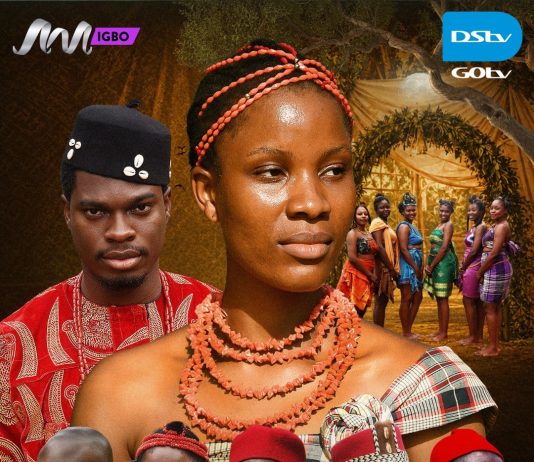
The Nigerian entertainment industry at its nascence in the 1990s was highly under-resourced, but has metamorphosed over the years into a multibillion-dollar global industry. Nollywood, the movie industry in Nigeria churns out over 2500 movies annually, attracting over 100 million viewers globally. Afrobeats, the popular music genre that was hitherto a local art, has become a global sensation and now dominates global charts, with notable artists headlining international events, performing on the biggest stages in the world and raking in huge revenue. Similarly, the comedy industry, which started as local stand-up performances in clubs in the 1990s has expanded through all the spaces in social media with comedians earning revenue through digital platforms and sold-out international shows, proving the global appeal of Nigerian humour.
The digital age has introduced new monetization strategies for Nigerian artists through Streaming Royalties, Digital Sales, Internet Advertising, Brand Partnerships and Sponsorships. The hitherto traditional sources of revenue such as physical sale of tickets, CDs and cassettes, local live performances, and appearances, have been supplanted by modern business structures aided by the internet and mobile penetration that allow the artists to reach their audience in a wider space within a short time. This digital shift, made possible by private investments and partnerships, has become a cornerstone of the modern Nigerian entertainment business model.

Despite there being very minimal government incentives for the entertainment industry, it has continued to contribute significantly to the country’s Gross Domestic Product (GDP), lifting millions of Nigerian youths out of poverty, and creating jobs for a wide spectrum of the population. The sector’s labour-intensive nature suggests that it offers employment for artists and performers and a wide spectrum of experts, including sound engineers, event managers, marketers, and technicians. Available data from 2024 shows that the entertainment industry contributed around N154bn to Nigeria’s GDP, and created about 4.2 million jobs, a 200% increase from 1.4 million people that were employed in the sector in 2023. The report further notes that the Nigerian music industry has become “a critical component of Nigeria’s economy, providing employment, attracting investments, and stimulating entrepreneurship.” Alone, it generated an estimated amount of 10.8 billion in U.S. Dollars to the economy in 2024.
Suffice it to say that, in addition to the music, movie, comedy and digital content sectors becoming powerhouses for youth empowerment, creating large income and job opportunities across the value chain, it has also emerged as a powerful platform for internationalizing the nation’s rich culture and lifestyle. The entertainment industry has “established Nigeria as a global centre of creativity and culture,” redefining its global identity.
“This cultural export is not merely a source of national pride; it also provides enormous economic value, increases Nigeria’s soft power, and opens prospects for commerce and tourism,” notes the report.
The industry has remained dynamic and resilient despite numerous challenges, including minimal government support, poor infrastructure, piracy, limited investment, and regulatory bottlenecks. The report has recommended significant government involvement through subsidies for creative endeavours, tax breaks for content creators, and investments in digital infrastructure.
It is noteworthy that the success of the Nigerian entertainment sector is largely due to the creative ingenuity of the individual artists and stakeholders. This has been demonstrated through collaboration, excellence, originality, market agility, and strategic marketing which other sectors, such as Agriculture and Oil, looking to increase their export can emulate.
By embracing collaboration, excellence, originality, market agility, and strategic marketing, industries including agriculture, manufacturing, technology, and fashion may strengthen their worldwide competitiveness. These concepts, founded in the entertainment sector’s triumphs, present a path for converting local industries into global powerhouses,” stated the report.
It is therefore projected that the entertainment industry in Nigeria will experience exponential growth in the coming years. Afrobeats will continue to rule the world and will be one of the most-streamed genres worldwide by 2030. Nollywood is expected to create more than 3,000 films a year by 2030, with a greater focus on high-calibre projects and increased global partnerships and co-productions. AI-driven post-production and virtual production, which would improve Nigerian films’ quality and increase their competitiveness in international markets and novel digital monetisation techniques, will propel the industry’s revenue growth and contribution to GDP, among other factors.
“From the streets of Lagos to clubs in London and New York, Nigerian music is everywhere. But it doesn’t end with music. With its rich narrative and profound link to Nigerian customs, Nollywood has captivated millions throughout Africa, the Caribbean, and beyond. Nigerian culture is creating waves in more ways than one—food, fashion, and dance styles that originated at home are now being embraced internationally due to the reach of the entertainment industry,” added the report.