























On a typical Saturday morning in Lagos, Mr. Ade is preparing for his usual breakfast. He has had a long week at work and is looking forward to a generous plate of yam and egg sauce, washed down with a bottle of soft drink. His wife reminds him that he has been drinking a lot of water lately and waking up several times during the night to urinate. He laughs it off. Perhaps the Lagos heat is responsible. Perhaps he is simply getting older.
At 48, Ade considers himself relatively healthy. He goes to work, attends meetings, watches football with his friends and occasionally plays catch-up with old schoolmates over drinks. He has no reason to believe anything is wrong. After all, he is not in pain.
What Ade does not realise is that his body may have been sending him warnings for months.
His story is fictional, but the circumstances are familiar to many Nigerians. Diabetes often develops quietly, hiding behind symptoms that are easily dismissed as tiredness, stress, ageing or the demands of everyday life. And by the time some people finally seek medical attention, the condition may already have begun affecting parts of their bodies.
Diabetes is no longer a health concern that can be comfortably discussed as somebody else’s problem. It is becoming prevalent in Nigerian households, workplaces and communities.
According to the International Diabetes Federation’s (IDF) 11th edition Diabetes Atlas, released in 2025, approximately 3 million Nigerian adults aged 20–79 were living with diabetes in 2024. This represents an estimated 3% of the adult population within that age group. The wider African picture is equally concerning. The IDF estimates that 25 million adults across Africa were living with diabetes in 2024, with approximately 73% unaware that they had the condition. The number of adults living with diabetes across the continent is projected to reach almost 60 million by 2050.
These figures point to a challenge that goes beyond the number of people diagnosed. Millions may be living with a condition they have not yet identified, missing opportunities for early intervention and proper care.
Food supplies the energy needed to keep everything running, while glucose (a form of sugar) is one of the body’s main sources of fuel. When we eat carbohydrates such as rice, bread, yam, garri and other foods, the body breaks them down into glucose, which enters the bloodstream. But glucose needs help getting into the body’s cells. That is where insulin comes in.
Insulin is a hormone produced by the pancreas. Think of it as the key that opens the door, allowing glucose to move from the blood into the cells where it can be used for energy.
Diabetes occurs when the body does not produce enough insulin or cannot use the insulin it produces effectively. As a result, glucose builds up in the bloodstream instead of being properly used by the body. Over time, persistently high blood sugar can damage vital organs, including the heart, kidneys and eyes, as well as nerves and blood vessels.
There are three major types of diabetes. Type 1 diabetes occurs when the body’s immune system mistakenly attacks the cells in the pancreas responsible for producing insulin. People living with this condition produce little or no insulin and require insulin treatment to survive. While Type 2 diabetes is the most common form, accounting for more than 95% of diabetes cases globally, according to the World Health Organization. It develops when the body becomes resistant to insulin or gradually loses the ability to produce enough of it. It is associated with a combination of genetic, age-related and lifestyle factors. The last one is Gestational diabetes develops during pregnancy when blood sugar levels become higher than normal. It may disappear after childbirth, but women who experience it have a greater risk of developing type 2 diabetes later in life. Their children may also have an increased risk.
Some important risk factors include being overweight or obese, physical inactivity, a family history of diabetes, increasing age, high blood pressure and unhealthy eating patterns. Previous gestational diabetes also increases future risk, equally genetics and other biological factors matter too.
The important distinction is that certain everyday habits can increase risk, and making healthier choices can help reduce it.
One of the most dangerous things about diabetes is that it does not always announce itself loudly. Some people experience excessive thirst, frequent urination, unusual hunger, unexplained weight loss, persistent tiredness and blurred vision. This is why waiting until something feels seriously wrong is not a reliable approach to protecting one’s health.
A simple blood glucose test can provide important information about a person’s blood sugar status. Healthcare professionals may also recommend fasting blood glucose, an oral glucose tolerance test or an HbA1c test, which provides an indication of average blood sugar levels over approximately two to three months.
A 2026 analysis of Nigeria’s 2023–2024 Demographic and Health Survey published in Drugs – Real World Outcomes highlights the screening gap. Among adults aged 15–49, only 18.6% of women and 17.6% of men reported ever having their blood sugar measured. Although these figures do not represent every age group, they reveal how easily routine screening can be overlooked.
Knowing one’s status is therefore an important first step. People with risk factors should discuss appropriate screening with a healthcare professional rather than wait for symptoms to appear. With proper care, people living with diabetes can continue to work, raise families, travel, pursue their ambitions and enjoy fulfilling lives.
It begins with making informed food choices. This does not mean abandoning every familiar Nigerian meal. Rather, it involves paying attention to portions, balancing meals with vegetables and appropriate protein sources, choosing high-fibre foods, reducing excessive sugar and limiting highly processed foods.
Knowing how blood sugar levels respond to food, physical activity, medication and other daily activities helps people and their healthcare providers make better-informed decisions and regular checks using a blood glucose monitoring device.
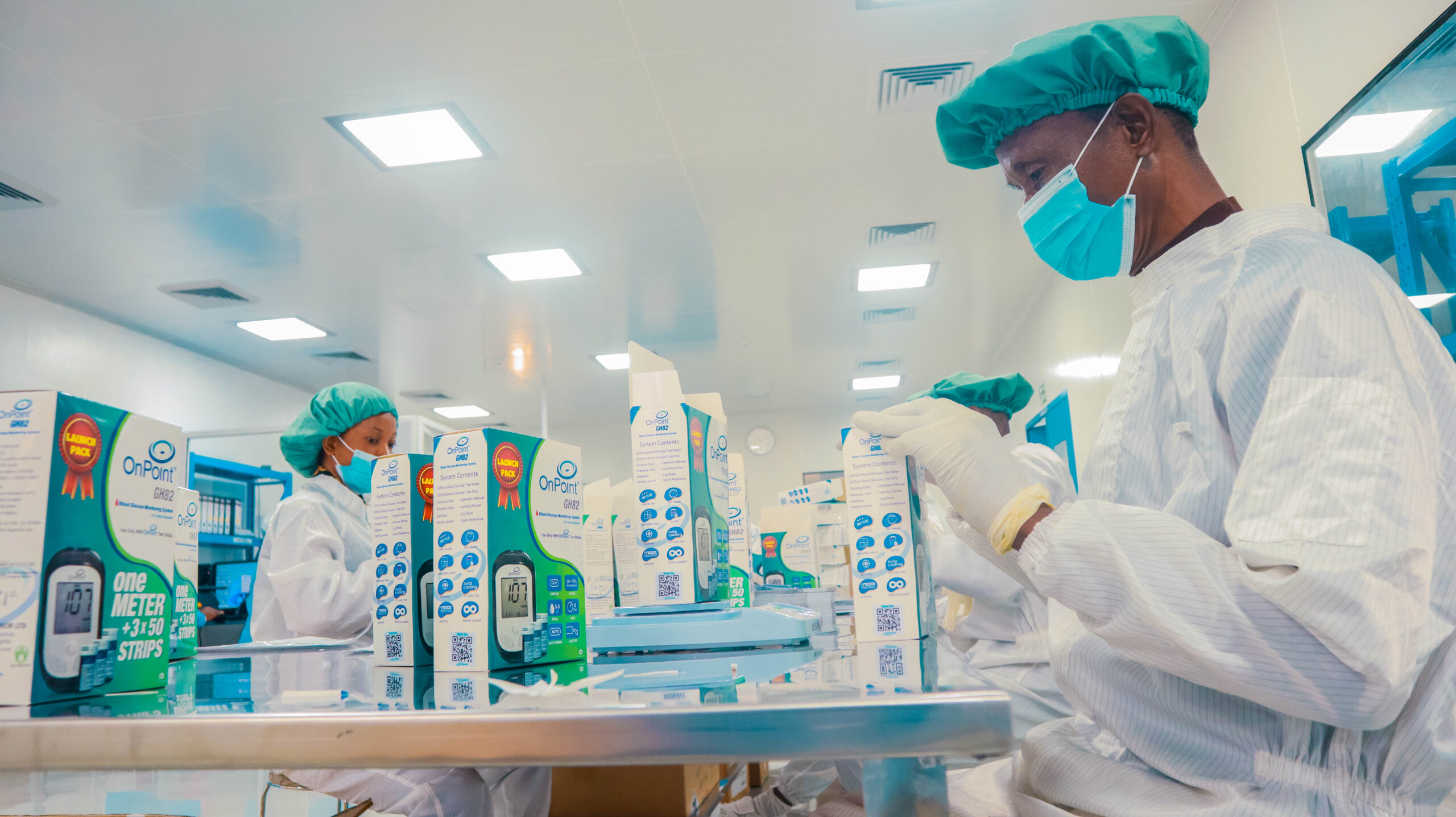
Effective diabetes management depends not only on awareness and access to treatment but also on the availability of reliable monitoring tools. For a country like Nigeria, where healthcare delivery can be affected by supply chain disruptions, dependence on imported medical devices presents an important challenge. Strengthening local manufacturing capacity offers an opportunity to improve the consistency and availability of essential healthcare products, reduce exposure to international supply disruptions and build a more resilient healthcare system. This is particularly relevant as the Federal Government, through initiatives such as the Presidential Initiative for Unlocking the Healthcare Value Chain (PVAC), continues to push for a more industrialised healthcare sector, with greater local production capacity and reduced dependence on imports.
In the area of diabetes care, this ambition has practical implications. Locally manufactured diagnostic and monitoring solutions can contribute to a more dependable supply of tools that help people track their blood glucose levels and make informed decisions about their health. Companies such as Colexa Biosensor, through their involvement in Nigeria’s indigenous diagnostics manufacturing ecosystem, reflect the growing role of local industry in strengthening healthcare access and self-reliance. Beyond producing medical devices, building this capacity represents an investment in a healthcare system better equipped to meet the needs of its population, while creating opportunities for innovation, employment and sustainable industrial growth.
Regular medical reviews are equally essential. People living with diabetes should have appropriate checks for their eyes, kidneys, feet, blood pressure and cholesterol to identify complications early and reduce their risk.
This World Diabetes Day, the conversation must move beyond simply telling people to avoid sugar. It must encourage Nigerians to understand the condition, recognise potential warning signs, know their risk factors, get tested and support those already living with diabetes.
Because sometimes, the most important health decision is not the one we make when we are sick. It is the one we make before we realise anything is wrong.