













Tag: Director

  • Sierra Leone’s Telecoms Regulator Visits NCC for Benchmarking

    Sierra Leone’s Telecoms Regulator Visits NCC for Benchmarking

    Nigeria’s global ranking as a model in telecom regulation, and her status as a leading light of operational efficiency, solidarity, and collaborative partnering in sub-regional and Continental telecommunication sphere, received a boost recently when a delegation from the National Telecommunications Commission (NATCOM) of Sierra Leone, paid a visit to the Nigerian Communications Commission (NCC) for benchmarking of NCC’s regulatory policies, programmes, and activities.

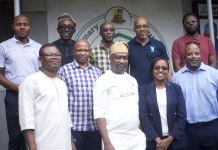
    The Sierra Leonean delegation, led by Amara Brewah, NATCOM’s Deputy Director-General, was received at NCC’s head office by Engr. Ubale Maska, NCC’s Executive Commissioner Technical Services (ECTS), on behalf of the Executive Vice Chairman (EVC) of NCC, Prof. Umar Danbatta.

    Brewah expressed gratitude to NCC for the reception despite the short notice given, and stated that NCC’s gesture resounded the value it accords the relationship that exists between the two organisations. He thanked the Management of NCC for the opportunity offered his team and described their interaction with many departments of the NCC as very engaging, quite rewarding and very contextual, considering that the two countries operated under similar circumstances and have had to contend with similar operational issues. Brewah regretted that the short notification was due to an equally engaging session he and his team had at a recent forum of the West African Telecommunications Regulators Assembly (WATRA).

    Maska, who warmly received the visitors, informed them that the EVC was scheduled to carry out an important international assignment before the planned visit of the Sierra Leonean counterpart was received by the Commission. He told the visitors that, otherwise, the EVC would have loved to personally receive them because the NCC attaches great importance to visitations and exchanges by its counterparts, especially in the sub-region and on the Continent.

    The ECTS said that the value NCC bestows on sub-regional and continental collaboration and partnership explained EVC’s gracious approval of the request and directive to him to receive the Sierra Leonean delegation despite the short notice. Maska said the NCC Management was pleased by the fact that the NATCOM delegation found the visit and the engagement with many departments of NCC quite rewarding. He said the Nigerian Communications Commission is quite appreciative of the trust and confidence reposed in it and in Nigeria by institutions like NATCOM, and the NCC looks forward unreservedly “to also learn how Sierra Leone handled some of its challenges in telecom regulation and other matters of similar interest because we are also seeking ways of improving our operations.”

    Engr. Bako Wakil, the Director of Technical Standards and Network Integrity (DTSNI) at NCC, also expressed joy at seeing the Sierra Leonean delegation. He thanked them for the visit and expressed NCC’s willingness to share more information with the visitors, especially on Quality of Service (Qos) matters, one of the central issues on which NCC never rested its oars in ensuring continuous improvement. The NCC Management team that received the visitors include Reuben Muoka, Head Special Duties, whose Department co-ordinated the reception for the NATCOM team, Hafiz Shehu, Chief of Staff to the EVC, and Dr. Omoniyi Ibietan, Head Online Media, who represented the Director Public Affairs, Dr. Ikechukwu Adinde.

    Other members of the delegation from Sierra Leone were: Hon. Brima Mansaray, Member of the Information and Communications Committee of the Parliament of Sierra Leone; Paul Squire Esq., Member of NATCOM Board of Commissioners; Abdul Bah, Director Information Technology at NATCOM; Harding Tommy, Director Policy and Government Relations; and Shaka Sasha, Manager, Fraud Management Systems. The delegation had engaging interactions with many arms of NCC including, the Departments of Digital Economy, Licensing and Authorization, Legal and Regulatory Services, TSNI, and Policy, Competition and Economic Analysis.

  • NCC, other Telecom Regulators Set to Combat e-Fraud, Standardise Regional Roaming Tariffs

    NCC, other Telecom Regulators Set to Combat e-Fraud, Standardise Regional Roaming Tariffs

    The Nigerian Communications Commission (NCC) and other telecoms regulators under the auspices of West African Telecoms Regulators Assembly (WATRA) are set to develop technical and regulatory modalities aimed at combating the rising wave of electronic frauds and standardising regional roaming tariffs in the sub-region.

    This was the crux of a two-day meeting organised by WATRA in collaboration with the Economic Community of West Africa States (ECOWAS), which started on Tuesday, October 26, 2021 at Rockview Hotel in Abuja.

    The meeting, which was attended by representatives of telecoms regulators from countries across West Africa, provided a platform for key participants and stakeholders to deliberate on building a unified market in telecommunications services in West Africa, to combat roaming and cyber-related frauds, and achieve the standardisation of roaming tariffs among ECOWAS member-states.

    Addressing stakeholders at the meeting, Executive Vice Chairman of NCC, Prof. Umar Garba Danbatta, who is also the Chairman of WATRA, underscored the centrality of the meeting by emphasising that, as businesses move online, the fraudsters are also going digital.

    Danbatta, who was represented by NCC’s Director, Technical Standards and Network Integrity, Bako Wakil, said, based on this fact and in order to give West African citizens and businesses the confidence to fully take advantage of the enormous benefits of Information and Communications Technology (ICT), there was a need for regulators to tame and outpace the fraudsters.

    “About 75 percent of trade within ECOWAS is informal, and thus poorly recorded. Therefore, digitizing this trade through employing many forms of electronic payments is a significant step towards formalizing, governing and boosting intra-ECOWAS trade activities. Our ambitions are to formalize informal trade, including agricultural commodities as well as boosting intra-regional trade and this requires us to improve collaboration on combating electronic fraud,” Danbatta said.

    Danbatta informed the delegates to the forum that electronic fraud is not just an African or a West African issue but a global phenomenon. He cited studies that revealed 54 percent of consumers in the European Union said they are most likely to come across misleading/deceptive or fraudulent advertisements or offers on the Internet.

    On the regional roaming service, the WATRA Chairman said the Assembly has the vision of a ‘Digital ECOWAS’ where improved sub-regional roaming regulation can help to facilitate economic integration in the region.

    “Our citizens, traders, and companies will trade better when they can use their telephones to call contacts in other ECOWAS countries and when they can use their data subscriptions at no extra cost while travelling or doing business within the region. So, reducing and eventually eliminating the cost of roaming will also be a very significant contribution towards boosting trade within the region,” Danbatta said.

    The EVC expressed satisfaction at the level of collaboration among national regulatory authorities in the sub-region on the one hand; and between WATRA and ECOWAS, to achieve a common goal, on the other hand, describing such synergy as a great indicator of progress and internalisation of best global practices.

    “I am very pleased to see the excellent collaboration and the sharing of workload between the telecommunications body and personnel within ECOWAS and WATRA. Their roles have become complementary and mutually reinforcing-policies legislative frameworks that have been designed at the ECOWAS level, while WATRA does the follow-up work of information-sharing, dialogue and learning dispersal amongst regulatory authorities. It is indeed becoming a well-articulated symphony,” he added.

    Earlier in his welcome address, the Executive Secretary of WATRA, Aliyu Aboki, emphasised the value of a trusted digital economy to any nation. He cited a study by Accenture, which concludes that “a trusted digital economy would stimulate 2.8 percent additional growth for major firms, with the new transactions generated totaling $5.2 trillion of value creation in the economy,” hence, the establishment and operationalization of national and regional anti-fraud committee.

    Aboki commended ECOWAS for “allowing this regional sharing of the enormous task of building Digital ECOWAS to work very well through WATRA, which is a regional manifestation of this collaborative structure”. The WATRA Chief restated that WATRA, as a mechanism for regional regulatory collaboration, will work in unison and ensure its vision is speedily executed by making sure that no nation in the region is left behind.

    Speaking at the forum, the Acting Director, Digital Economy and Post, ECOWAS, Dr. Raphael Koffi, noted that while e-fraud in the provision of communication services has always been an issue being collectively tackled, variance in termination rates agreed in commercial roaming agreements has also constituted an obstacle to harmonization of roaming tariffs which, he said, the collaboration between WATRA and ECOWAS is set to achieve.

    Participants at the event were updated on the status of the implementation of the Removal of Surcharges on International Traffic (SIIT) on ECOWAS countries; establishment of a uniform tariff cap for roaming call termination in the ECOWAS region, among others.

  • IFMA Nigeria Advocates for Effective Maintenance of Public Facilities, Infrastructure

    IFMA Nigeria Advocates for Effective Maintenance of Public Facilities, Infrastructure

    …Fashola receives an award of Excellence

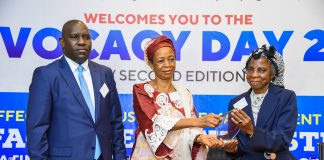
    The International Facility Management Association (IFMA) Nigeria Chapter called for the effective maintenance and sustainable management of public facilities and infrastructure. The Association made this call at its second edition of Facility Management Advocacy day held on Thursday, October 21, 2021, in Lagos.

    Speaking the president of IFMA (Nigeria Chapter), Mr. Segun Adebayo stated that the thought behind the initiative of Advocacy Day by the Association is to create a platform for critical stakeholders and operators in the built environment to have strategic conversations and discussions on matters of utmost importance to the collective interest and concerns as a professional body, a progressive State and as a Nation with huge potentials for growth with the capacity to progressing Nation, saying that “This is our way of changing the narratives and the trajectory of the industry and the built environment.”

    He noted that “Our maiden edition held on December 13, 2019, where we spoke about Sustainable Facility Management as a panacea for nation-building has provided us with positive feedbacks which have also propelled us into doing more towards a better operating environment.

    “The consistent implementation of the takeaway from the maiden edition has equally translated to the theme of today’s event with sustainability as a common word in both themes.

    He added that “This event will equally afford us the possibilities of evaluating the reality around the state of public facilities and infrastructure, the huge and continuous investment of the federal government in public facilities and infrastructure, the efforts of the Federal Ministry of Works and Housing in providing impactful direction in the management of federal facilities and infrastructure.”

    Representing the Minister of Works and Housing, Mr. Babatunde Fashola, the director, Federal Public Asset Management, Arch Tina Onokwai stated that the theme of the second edition of this advocacy day is ‘Effective and sustainable Management of Public Facilities and Infrastructure – evaluating the reality to explore the possibilities, is very important to sustainable public facilities and infrastructure management.

    He said that public facilities and infrastructure development are one of the bases of assessing the achievements of governance and also an indicator of the quality of governance, saying infrastructure is the basic physical and organizational structures needed for the operation of this society.

    According to Fashola, sustainable cities and communities are the 11th of the 17th Sustainable Development Goals (SDGs). It identifies sustainable infrastructure and facility management as a pertinent index that instigates response to sustainability as a universal code to preserving what you have for tomorrow’s generation, how to preserve what you have for tomorrow’s generation, simply through continuous maintenance of existing public facilities and infrastructure.

    “It is worthy to note that the management of public facilities and infrastructure, enhances performance, durability, and sustainability across the entire infrastructure from roads, buildings office, accommodation, industrial buildings, hospitals among others.

    “Sustainable maintenance creates improved efficiency, optimizes utility and longevity of infrastructure. Sustained and public maintenance or facilities does not only create a friendly environment, which is visually appealing but generates constant jobs and wealth for a significant part of the population, particularly the youth, thereby growing the economy.”

    He also noted maintenance is a sector of an economy that significantly impacts the Gross Domestic Product (GDP) index of a nation.

    He said that the federal government has created a new department of Federal Public Assets Maintenance in the Federal Ministry of Works and Housing to pursue the ideas of national public building maintenance policy, which in the long run will be embraced and extended to the state and local governments.

    He added that the federal government is committed to addressing the infrastructure gap in all sectors of the Nigerian economy through the development of the National Integrated Infrastructure Master Plan (NIMP), saying that the maintenance of existing public facilities and infrastructure is also key to the bridging of infrastructure gap, and there are numerous opportunities in infrastructure jobs.

    During the event, the Honourable Minister, Mr. Babatunde Raji Fashola, was given an award of Excellence because of his contributions to Facility Management while serving as the Governor of Lagos and for his noble strides in the ministry since he became the Minister of Works and Housing.

    Other speakers are the event are Mrs. Amin Sarah Dottie, Technical Manager, Julius Berger; Arc. Dhikrullah Har-Yusuph, the Managing Director, Lagos State Development and Property Corporation (LSDPC); Ms. Adenike Adekanbi, General Manager. Lagos State Infrastructure Assets Management Agency; Mr. Yassin Emad, General Manager Operations Provast Limited; Eneni Halim, Head, Special Projects, Afriland Properties PLC; Dr. Charles Oniha, Head, Clinical Services, Federal Medical Centre, Ebute-Metta among others.

  • Don’t Allow your NIN to be Linked to Another Person’s SIM – NCC

    Don’t Allow your NIN to be Linked to Another Person’s SIM – NCC

    The Nigerian Communications Commission (NCC) has strongly warned telecoms consumers to ensure they do not allow their National Identification Number (NIN) to be linked to another person’s Subscriber Identity Module (SIM) cards, no matter how close the person is to them.

    The Commission gave the warning during its third run Telecom Consumer Town Hall on Radio (TCTHR) programme, broadcast live on Human Rights Radio, 101.1 FM in Abuja recently. The event was hosted on the platform of ‘NCC Digital Signature on Radio’.

    The NCC Digital Signature on Radio is the flagship radio programme of the Commission created to educate the general public on the mandates of the Commission and for sharing salient, consumer-centric and up-to-date information on how NCC is delivering on its mandates.

    Speaking during the radio programme focused on ‘the Benefits of NIN-SIM Integration’, NCC’s Director, Consumer Affairs Bureau, Efosa Idehen said “On no account should a telecom consumer, however circumstanced, allow another person to register a SIM with another person’s NIN.”

    Idehen said compliance with this advice will protect the true owner of the NIN from any liabilities or negative consequences arising from the use of other person’s SIM.

    “If the person, whose SIM is linked to your line use his own SIM to commit crimes or any form of atrocities, it is easy to be traced to you and then, you will be dealt with because the SIM is linked to your NIN,” he said.

    During the phone-in segment of the radio programme, which lasted two hours, consumers within Nigeria and in the diaspora, especially from the United Kingdom (UK), Russia and neighbouring countries like Ghana, among others, were able to call and get clarifications on concerns they had regarding the ongoing NIN-SIM integration in Nigeria.

    Discussions largely focused on educating consumers on NIN and its purpose, process of obtaining NIN, why consumers are being asked to submit their NIN to their Mobile Network Service Providers, the benefits of NIN-SIM linkage, relationship between NIN and Bank Verification Number (BVN) registration, the step-by-step approach to linking NIN to SIM, and the role and uses of Unstructured Supplementary Service Data (USSD) *346# in the NIN-SIM integration activities.

    Efosa was joined in the studio by NCC’s Director, Public Affairs, Dr. Ikechukwu Adinde, who was represented by an Assistant Director in the department, Dr. Omoniyi Ibietan; and a Deputy Director, Projects Department of NCC, Mrs. Nnenna Ukoha, who jointly educated consumers on the various aspects of NIN-SIM integration exercise.

    Other panelists include NCC’s Head, Consumer Information and Education, Mistura Aruna; Head, Corporate Communication,  National Identity Management Commission (NIMC), Kayode Adegoke, as well as representatives of mobile operators, including MTN, Airtel, Globacom, and 9Mobile.

    During the radio programme, telecoms consumers were reminded repeatedly of the October 31, 2021 deadline for NIN-SIM integration. The Federal Government had extended the deadline earlier giving for the completion of the NIN-SIM linkage to 31st October 2021.

    The two-hour discussion programme, which was also live-streamed on social media, recorded broader participation than its forerunners due to a combination of the regular radio listenership with viewership on Human Rights Radio’s social media assets. Thus, it achieved NCC’s objective of using a mass medium to expand its reach to telecom consumers to enhance their protection through information sharing, and education in order to improve the quality of consumer experience with telecom services in Nigeria.

  • Comply with Telecoms Regulations, License Conditions- NCC task Licensees

    Comply with Telecoms Regulations, License Conditions- NCC task Licensees

    The Executive Vice Chairman and Chief Executive Officer of NCC, Prof. Umar Garba Danbatta has enjoined telecom licensees to always comply with the provisions of extant laws, subsidiary legislations and other regulatory frameworks put in place by the Commission to ensure a more competitive and sustainable telecoms sector in Nigeria.

    The EVC gave the charge at a two-day tripartite dialogue of the Commission tagged, ‘Talk To The Regulator (TTTR) Forum’ which was held in the ancient city of Kano on Friday, October 15, 2021.

    The programme had in attendance representatives of more than 104 telecoms licensees in different categories and segments of the Nigerian telecoms market as well as consumers of telecoms services.

    Prof. Danbatta said while the Commission continues to engender an effective regulatory environment, there is a need for licensees to support several initiatives carefully designed to enhance market opportunities for all its licensees.

    “Telecoms industry sustainability can only be guaranteed where all licensees ensure full and effective compliance with licence conditions and other regulatory prescriptions. So, this forum provides an opportunity to discuss areas where some of our licensees are falling short of their licence obligations, and how we can collectively improve on the present situation,” he said.

    The EVC highlighted some of the key policies that have been articulated by the Federal Government, including the National Digital Economy Policy and Strategy (NDEPS, 2020-2030); the Nigerian national Broadband Plan (NNBP, 2020-202), the Revised national Digital Identity Policy for SIM Registration, among others, and sought the licensees’ full and unalloyed commitment to ensure their successful implementation.

    Danbatta also briefed the licensees about some activities which the Commission is pursuing to further facilitate the achievement of its regulatory mandate.

    These include the recently-launched NCC’s five-pillar Strategic Vision Plan (SVP, 2021,2025); commencement of a comprehensive review of its licensing frameworks; ongoing reviews of other key regulatory instruments to align with the rapidly emerging contemporary developments; ongoing National Identification Number (NIN) and Subscriber Identity Module (SIM) linkage exercise; as well as the ongoing efforts to launch the Fifth Generation (5G) network in Nigeria.

    The NCC CEO said, as the regulator, the NCC provides the enabling environment for healthy competition in the industry.

    Executive Commissioner, Stakeholder Management, NCC, Adeleke Adewolu, who amplified Danbatta’s voice on the need for strict compliance with telecoms regulations by the licensees, said telecoms has continued to lead national economic growth through effective regulation and adherence to rules of engagement by the licensees.

    Thus, Adewolu said the sector has consistently driven growth of the Nigerian economy and has provided the critical infrastructure required for the digital transformation of practically all spheres of life. He declared that in the second quarter of 2021, the Information and Communication Technology (ICT) sector sustained its trajectory of growth and contributed 17.9 percent to the nation’s Gross Domestic Product (GDP).

    Adewolu, however, identified three key factors driving the sector’s performance to include a stable policy environment engendered by various digital economy policies; a consistent tradition of firm, fair, forthright, transparent and developmental regulatory oversight provided by the NCC; as well as long-term infrastructure investment and service commitments of telecoms licensees.

    “The NCC has, therefore, organized this forum to enable us to strengthen collaboration along these three lines, to enable our valued stakeholders to give us feedback on ongoing initiatives, and to enable you to seek clarifications on issues of concern,” Adewolu told the forum.

    In his remarks, Director, Licensing and Authorisation, NCC, Mohammed Babajika, said while the Commission is fully aware and committed to discharging its mandate, especially in facilitating a conducive telecoms environment and guiding the industry to sustain the achievement already recorded in the industry, these can only be possible with the cooperation and support of the licensees.

  • GB Foods celebrates Rural Women, the Backbone of Nigeria’s Agricultural system

    GB Foods celebrates Rural Women, the Backbone of Nigeria’s Agricultural system

    There’s a quote from famous the poet and human rights activist Maya Angelou, that goes; “Each time a woman stands up for herself, she stands up for all women.” As today marks International Day of Rural Women, let’s stand up for women and applaud their equal contributions to society, while also shedding light on the existing opportunities and untapped potential of this mostly disenfranchised group. We also want to use this opportunity to applaud the work that GBfoods: makers of Gino Tomatoes, Gino Cubes, Gino Thyme, Gino Curry, Bama Mayonnaise and Jago Mayonnaise are doing to lift Nigerians, especially Nigerian Women, out of poverty through agriculture.

    This year’s theme for International Day of Rural Women (IDRW) is “Rural Women Cultivating Good Food for All”. This theme was selected from the necessity to showcase the essential role that rural women and girls play in the food systems of the world. 

    In some regions of sub-Saharan Africa, women may cultivate as many as 120 different plants alongside the cash crops that are managed by men. Statistics kept by Nigeria’s Federal Ministry of Agriculture & Rural Development indicate that women in Nigeria account for 75% of the farming workforce either as farm managers or suppliers of labor. This significant gender disparity suggests that to achieve optimum efficiency within the context of food security and poverty eradication, women especially those in rural areas, need to be empowered.

    Empowerment through Initiatives and structures that increase their capacity and overall wellbeing are essential, some of which include; access to necessities like water and medication; access to information and training that enhances operational and technological expertise.

    Despite these easily identifiable factors to progress stated above, it seems only a handful of organizations in Nigeria understand that the empowerment of women, especially those in rural areas is a key factor that drives food security and helps to eradicate poverty. In the past, and in more recent times, FMCG Manufacturer, GB food, makers of Nigeria’s favorite Tomato Paste Gino, have constantly reinforced their commitment and appreciation of women. The socially responsible company recently provided over 1,000 farming jobs, at their tomatoes integrated farm and factory in Kebbi State, with over 70% of them being women, all of whom have never had a paying job before.  In many cases, the spouses of these women were reluctant to allow them to go out to work, but GBfoods was able to successfully persuade them on the benefits of allowing their wives and daughters work and generate additional income for the family.

    According to Dr. Teddy Ngu, Corporate Affairs, Director, GB Foods Africa, “This is a step in the right direction in support of all women, but more needs to be done to reach the entire country.. We understand that there exists a myriad of challenges that face rural women and that’s why we’re also working to ensure access to potable water in all communities in which we operate. So far we have constructed over 24 boreholes and restored an additional 10. What pulled on our heartstrings, was the fact that some of these communities had never had clean drinking water— a basic and essential necessity of life.

    Mr Vincent Egbe, the Managing Director, GBfoods Nigeria added that: “The boreholes have reduced infant mortality in the viscinity, whilst also assisting to reduce illness in especially lactating mothers and families due to better water hygiene. We have also trained many pregnant and lactating women in the communities with good pre- and post-natal practices”.

    From planting and harvesting crops to the distribution and supply of food to the grassroots, women are truly critical actors in the agricultural value chain -— having within them the power to grow, nurture and transform. Whether compensated or not for their labour, women still find a way to feed their family, community, and the world.

    Compensation in this context is not limited to cash remuneration but in providing some sort of value, that not only empowers women but also their communities and families. In this regard, GB food offered training on good agricultural practices to over 500 farmers, with ~30% of them women, in the 2020/21 tomatoes season. In the 2021/22 season, GBfoods will be training over 3,000 smallholder farmers, with women making up over a quarter of them.

    According to the United Nations, improving and supporting the lives of women in rural communities is a crucial factor in fighting poverty and hunger.

    Giving women equal access to the same opportunities as men could raise agricultural production by 2.5 to 4 percent in the poorest regions and reduce the number of malnourished people significantly

    So with this year’s IDRW theme of  “Rural women cultivating good food for all“, let’s recognize the work of heroines in the food systems and give rural areas equal opportunities available in other parts.

  • NCC Upbeat on Plans for 5G Deployment

    NCC Upbeat on Plans for 5G Deployment

    …Restates 97% readiness level.

    The Nigerian Communications Commission’s (NCC’s) plan for Fifth Generation (5G) technology deployment in the country continues to gather momentum with the Commission confirming that its readiness to begin full implementation is at 97 per cent.

    The Executive Vice Chairman of NCC, Prof. Umar Garba Danbatta, re-affirmed the status of the Commission’s 5G technology deployment at the annual African Tech Alliance Forum (AfriTech 2021) held in Lagos on Wednesday, October 13, 2021 with the overarching theme: “Embracing Changes and Digital Transformation in the New Normal.”

    Focusing his presentation on “NCC as a Digital Transformation Crusader and Nigeria’s in-Road to 5G Deployment,” Danbatta stated that, following the advent of COVID-19 pandemic, there has been a change in the dynamics of people’s interaction, especially on the Internet. According to him, almost every means of communication has become virtual in one way or the other.

    Danbatta, however, stated that this paradigm shift in communication has led to a significant increase in network connectivity requirements as a result of the unprecedented upsurge in Internet traffic, occasioned by the use of a plethora of web applications such as Zoom, Microsoft teams, WebEx, Goto, Webner and so on. He said this has made remote work, virtual meetings, virtual studies and virtual healthcare delivery, among others, the new normal.

    According to Danbatta, even though, the network infrastructure in Nigeria has demonstrated some capacity to contain the surge in internet traffic, a lot of work is being done by the Commission to boost network capacity, sensitise the public and ensure accessibility to affordable connectivity during the period of the pandemic and beyond.

    Due to the network traffic demand, the EVC said the NCC is working with operators to implement a number of initiatives to ensure network expansion. These, he said, include ongoing plan to auction spectrum in 3.5 gigahertz (Ghz) band to operators for the deployment of 5G network in Nigeria.

    “Consistent with our mandate as enshrined in the Nigerian Communications Act 2003 (NCA-2003) and other guiding legislations, we have been working to ensure the penetration of broadband services in line with Federal Government’s targets, as contained in Nigerian National Broadband Plan (NNBP), 2020 to 2025.

    “Already, we are set for the auction some spectrum slots in 3.5GHz band. The other day I was at the National assembly, I informed the senate that we were 95 percent ready for 5G. Today as we speak, I am delighted to tell you that we are already at 97 percent completion,” Danbatta said.

    “The Committee set up to auction the Spectrum has already developed and Information Memorandum (IM) which is already published for inputs and comments from all industry stakeholders. Prior to this, a 5G deployment plan was developed and we have since secured Federal Government’s approval,” he said.

    He said this is in addition to a lot of other initiatives being put in place by the Commission to improve broadband connectivity in Nigeria, adding that the surge in Internet traffic induced by Covid-19 has continued to challenge National Regulatory Authorities (NRAs) and other arms of governments to ensure deployment of adequate resources such as spectrum and other forms of support to increase network resilience and accessibility to telecommunication services.

    “Emerging technologies such as 5G, which NCC is driving aggressively in Nigeria, Internet of Things (IoT); Cloud Computing; Quantum Computing Augmented/Virtual Reality, and similar emerging technologies are playing a critical role in improving remote communication over the internet with great user experience. The NCC is committed to promoting this inevitable change and enhance user experience through effective regulation of the telecoms sector,” the EVC said.

    The EVC was represented at the event by Engr. Oluwatoyin Asaju, Director, Spectrum Administration. Also in attendance was The Director, Public Affairs, Dr. Ikechukwu Adinde.

    Other key industry stakeholders participated at the one-day Forum, which also featured ex

  • NCC partners NESG to Boost Telecoms Impact on Nigeria’s Economy

    NCC partners NESG to Boost Telecoms Impact on Nigeria’s Economy

    The Nigerian Communications Commission (NCC) and the Nigeria Economic Summit Group (NESG) are considering possible areas of increasing collaboration to enhance the impact and contribution of telecommunications sector on Nigeria’s socio-economic development.

    This was the crux of deliberations during a recent courtesy visit by a delegation of the National Assembly Business Environment Round Table (NASSBER), a policy unit at NESG led by Nnanna Ude and a member of the technical committee of NASSBER, Yemi Keri.

    The need for stakeholder collaboration and engagement between the Commission and other stakeholders in order to conduct an impact assessment and gap analysis of the Nigerian Communications Act (NCA) 2003, which will lead to improvement of the legal instrument and reflect new trends,  especially in a post-pandemic world, was the primary focus of the visit.

    The two entities also considered synergy in the area of Research and Development (R&D); while NESG has expressed its desire to have the Commission feature prominently in the forthcoming Nigeria Economic Summit (NES), an annual summit organised by the NESG, scheduled to hold in October this year.

    While receiving the delegation on behalf the Executive Vice Chairman of NCC, Prof. Umar Garba Danbatta, the Director, Public Affairs, NCC, Dr. Ikechukwu Adinde, stated that the meeting was a welcome development, as it aligns with the telecom regulator’s strategic partnership and collaboration objectives.

    Adinde stated that the NCA 2003 is a robust regulatory instrument, which has given the NCC the mandate to regulate the telecom sector effectively, as seen in the contribution to the overall economic development of the country.

    He stated further that, by virtue of Section 70 of the NCA 2003, the Commission has developed various regulations and issued guidelines that have helped in addressing critical issues pertaining to its regulatory activities.

    Other senior management staff of the Commission, including the Director, Licensing & Authorisation, Muhammed Babajika; Director, Technical Standards & Network Integrity, Bako Wakil and representatives of the departments of Legal & Regulatory Services; Policy Competition & Economic Analysis; and Financial Services of the Commission, took turns to talk about the activities of the Commission in implementing its regulatory mandate for the benefit of the country.

    Mr Babajika spoke on the licensing regime of the Commission and its impact on innovation in the economy, while Engr Wakil spoke about NCC’s regulatory efforts and collaborations with various stakeholders, such as the Nigeria Governors’ Forum (NGF) towards addressing challenges to quality of service (QoS) in telecom industry.

    The impact of these challenges such as multiple taxation and regulations, fibre cuts, vandalism, high cost of Right of Way (RoW), theft of telecoms facilities and the need for the passage of the Critical National Infrastructure (CNI) Bill into law.

    Speaking earlier on behalf of the Chief Executive Officer of NESG, Laoye Jaiyeola; Ude acknowledged the critical role NCC is playing in the provision of essential digital support for the Nigerian economy. He noted that, in 20 years of telecoms liberalisation, the Commission has been contributing significantly to the country’s Gross Domestic Product (GDP).

    Ude explained that the visit was part of the efforts of the NESG to strengthen collaboration with key institutions of government such as the NCC. He extolled the role of the Commission in driving telecommunications sector growth through efficient and result-oriented regulations, noting that the impact of the regulations are evident in industry performance indicators which have shown upward trajectory over the recent years.

    “The NCC is key to the digital transformation agenda of the government and we can see the footprints of the readiness of the country on that journey, in terms of the level of broadband penetration, internet subscription, teledensity and other critical indicators,” he said.

    Meanwhile, Adinde stated that the Commission was excited by the prospects of partnering with NESG and NASSBER, noting that such partnership will further enhance telecoms contribution to Nigeria’s socio-economic growth. He added that “all the issues discussed will be articulated in a memorandum, which will be submitted to Management for consideration.”

  • Danbatta set up Committee on Spectrum Auction for 5G Deployment

    Danbatta set up Committee on Spectrum Auction for 5G Deployment

    Following the Senate investigative hearing which gave the Fifth Generation (5G) technology a clean bill of health, the Nigerian Communications Commission (NCC) has taken a major proactive regulatory step by setting up a committee to develop the Information Memorandum (IM) for the auction of 3.5 gigahertz (GHz) spectrum band which will be used for early deployment of 5G services in the country.

    The Executive Vice Chairman (EVC) and Chief Executive Officer (CEO) of NCC, Prof. Umar Garba Danbatta, recently inaugurated the 18-member Committee in Abujawith NCC’s Executive Commissioner, Technical Services, Ubale Maska as Auction Adviser while the Director, Spectrum Administration, NCC, Oluwatoyin Asaju, is the Committee Chairman.

    Speaking during the inauguration, Danbatta said, apart from developing the IM for auctioning of C-band spectrum for 5G deployment in Nigeria, the Terms of Reference (ToR) of the committee will include the development of an award process to be used pursuant to which the grant of Spectrum licenses may be made.

    The Information Memorandum (IM) defines the process that the Commission has decided to adopt for the auctioning of the 3.5GHz spectrum band. It will provide information on the Nigerian telecommunications market, details of the Spectrum to be made available, the pre-qualification process, the Auction process and indicative timetable.

    Other ToRs reeled out for the committee by Danbatta include the auctioning of the C-band spectrum for 5G deployment in Nigeria in line with the award process; as well as report regularly/fortnightly to the EVC through the Office of the Executive Commissioner, Technical Services of the Commission on the progress made by the Committee.

    While expressing delight at the current stage of 5G deployment process in Nigeria, especially with respect to established mutual understanding among stakeholders that 5G service poses neither security nor health risk to users, Danbatta said the outcome of the work of the Committee is a major step towards realisation of 5G services in Nigeria.

    According to him, the NCC, in line with its mandate, has committed enormous resources to ensure harmonised spectrum is secured and released in a timely manner for present and future deployment of services that will underpin the fourth industrial revolution, including International Mobile Telecommunication (IMT-2020) services.

    This, according to him, is in recognition of relevant provisions of the Nigerian Communication Act (NCA-2003) and its strategic plan for effective communications resource management, facilitating broadband penetration and improving Quality of Service (QoS) amongst others.

    Speaking further, the EVC said the Commission had ensured the participation of relevant staff in international fora, especially in the International Telecommunication Union Radio Telecommunication Sector (ITU-R) study groups, to enable the allocation of strategic Spectrum to IMT services, especially IMT 2020, which, he said, has been in the front burner in the last two ITU-R study cycles towards World Radio Communication Conference (WRC-15 & WRC-19).

    “Arising from these efforts, which include engagements with relevant governmental and non-governmental organisations during preparatory meetings at National, Regional and Continental level, we have been able to secure harmonised frequencies for 5G deployment in Nigeria,” he said.

    He, however, stated where NCC desired premium spectrum like the 3.5GHz with good propagation characteristics suitable for capacity and coverage with good device ecosystem but did not have sufficient allocation, “we put in extra efforts and secured additional 160MHz in the 3.5GHz band by making huge commitment of resources to secure additional Spectrum from Nigerian Communication Satellite Limited (NigComSat),” culminating in a recent Memorandum of Understanding (MoU) between NCC and NigComSat.

    “Having put in these efforts and resources to secure, amongst others, contiguous Spectrum in a premium band like the 3.5GHz band that is being adopted as the best Spectrum for early deployment of 5G with about 70 per cent of 5G global deployment so far, it has become imperative to immediately re-purpose the 3.5GHz band in Nigeria for auction in accordance with best practices.

    “In view of this, Danbatta said NCC Management deemed it necessary to constitute the committee with clear ToRs, adding that the committee members are expected to demonstrate strong commitment required to carry out these tasks and in a timely manner,” he said.

    Meanwhile, Danbatta stated that even though some successful auctions have been conducted by the Commission in the past, “extra effort is required of us to ensure the success of this particular exercise since the 5G technology is just being adopted around the globe.”

    The EVC tasked the committee to consider benchmarking its activities against other countries where 5G has been successfully deployed through successful auction of relevant spectrum band like 3.5GHz.

    In his remarks, Asaju as the Chairman of the Committee, amplified the EVC’s voice on the MoU with NigComSat. Asaju stated that the Commission had, in line with the NCA- 2003, filled request for bulk allocation of 380 MHz bandwidth (3.52 – 3.9) GHz in the 3.5 GHz band from National Frequency Management Council (NFMC).

    While assuring the EVC of the Committee’s readiness to deliver on its ToR, Asaju said the outcome of the actions will, no doubt, form the basis and put NCC on right pedestal for 5G deployment in Nigeria.


    The Executive Commissioner, Technical Services of the Commission, Engr Ubale Maska, who doubles as the Auction Adviser, assured the EVC that the Committee will deliver on its mandate, noting, however, that work of the Committee is without prejudice to the approval of the National Frequency Management Council (NFMC), which, he said, must be in place before 5G deployment can take commence in the country.

  • Huawei named Computer Laboratory in honour at Prof Umar Danbatta at his alma mater

    Huawei named Computer Laboratory in honour at Prof Umar Danbatta at his alma mater

    The Executive Vice Chairman (EVC) of the Nigerian Communications Commission (NCC), Prof. Umar Garba Danbatta, has urged stakeholders in Nigeria to support the Commission in its noble quest to ensure ubiquitous adoption and use of Information and Communications Technology (ICT), with a view to transforming the nation’s economy.

    This is just as the EVC pledged the commitment of NCC to continue to be in the vanguard of implementing the Federal Government’s policies aimed at digitalising the nation’s economy.

    Danbatta made the call at the weekend while commissioning “Prof Umar Garba Danbatta Computer Laboratory” donated by Huawei Technologies Company Nigeria Limited to the Government Senior Secondary School (GSS), Danbatta, Kano State.

    The historic school is the alma mater of Prof. Danbatta, who, himself, has consistently implemented many philanthropic and people-oriented projects in his Danbatta community in addition his strides in driving the development of ICT adoption and usage, via numerous initiatives as the country’s Chief Telecoms Regulator.

    Danbatta expressed his gratitude to the company for choosing his alma mater for the important ICT project. He noted that the facility will not only bring invaluable benefits to the students and teachers of the GSS in Danbatta, but also impact other neighbouring schools.

    The schools will utilise the tech facility for preparing their pupils for the Joint Admission and Matriculation Board (JAMB) and other educational purposes.

    He charged the students and others desirous of acquiring for upgrading their knowledge of ICT to avail themselves of the ample opportunity provided by the new facility within their own domain.

    Restating the NCC’s commitment toward digitising Nigeria’s economy, Prof. Danbatta said the Commission will continue to be at the forefront of implementing Federal Government’s policies aimed at achieving the goal.

    Speaking earlier, the Director, Public Relation of Huawei Nigeria, Lola Fafore, observed that the fully-fledged computer laboratory donated to the school is equipped with free 4G internet service for 90 days as well as computer-based testing (CBT) training applications for JAMB installed in the computers for the benefit of the students.

    She said, as part of the company’s contribution to Nigeria through corporate social responsibility, the firm would continue to promote digital inclusion, especially through provision of access to technology.

    “As a company, Huawei looks forward to making more contributions to Nigeria by supporting the NCC in bridging the digital connectivity divide, training talents, building capacity, knowledge transfer and supporting the process of achieving a fully-digital economy,” she said.

    Also speaking at the occasion, the Chairman of Danbatta Charity Foundation (DCF), Alhaji Nasiru Danguda, commended the NCC for attracting major development projects to the community, thereby opening unprecedented windows of opportunity for the people.

    Danguda said, “This is not the first time Huawei is donating this kind of project in Danbatta as Maimunatu Girls Secondary School is also a previous beneficiary. We, the people of Danbatta, are grateful to you and are also proud that we have Prof Danbatta making us proud with his outstanding performance at NCC, which has attracted us to global giants like Huawei.”

    Only recently, traditional rulers and concerned community leaders commended Prof. Umar Garba Danbatta for his role in boosting security and supporting other initiatives aimed at stepping up the tempo of development in Danbatta Local Government Area, Kano State and its environs vis-a-vis concerted effort towards national development.

    The inauguration ceremony was organised by DCF in conjunction with four other organisations, namely Zauren Tuntuba, a non-for-profit organisation; Danbatta Academic Forum (DAF); Danbatta Reporters; and, Duniya Ba Hutu.

    Also at the event, 10 (ten) female students from Muslim Community College of Health Sciences and Technology, Funtua, and another 20 (twenty) female beneficiaries of the vocational training empowerment programme with a bias for tailoring and fashion designing, all under the sponsorship of Prof. Danbatta, celebrated their graduation.

    The event, which featured the presentation of sewing machines and other fashion designing items to the two sets of qualified trainees, also saw Prof. Danbatta being conferred with a special recognition award for his immense contribution to the security of Danbatta community, among other community development initiatives

  • NCC Concludes Cost-Based Study on International Termination Rate Determination

    NCC Concludes Cost-Based Study on International Termination Rate Determination

    The Nigerian Communications Commission (NCC) has concluded the process for determining the cost-based price of Mobile International Termination Rate (ITR) to ensure healthy competition on traffic handling for voice services between local and international operators in Nigeria.

    The Commission made this known at the final Stakeholders’ Forum for the presentation of the study on cost-based pricing of mobile ITR, undertaken by Messrs Payday Advance and Support Services Limited, held at the Commission’s Head Office in Abuja on Tuesday, June 8, 2021 with Management Staff of the Commission physically in attendance while other critical industry stakeholders participated virtually.

    The forum was convened by the NCC to formally present the findings from the study, which commenced in March, 2020, to industry stakeholders and to solicit further perspectives, insights and other input on the findings towards a mutually realistic termination rate for international voice traffic in Nigeria.

    Speaking at the forum, the Executive Vice Chairman of NCC, Prof. Umar Garba Danbatta, said the cost-based study became imperative, following previous efforts at finding an optimum price for the termination of international voice services that will be beneficial to all relevant industry stakeholders.

    Danbatta said that the “overriding need for regulatory options and intervention in relation to the international termination rate in the voice market segment is predicated on some intractable challenges, most common with economies with severe macroeconomic volatility such as ours.”

    Going down memory lane with respect to MTR determination in the Nigeria’s telecom industry, the EVC said, in 2013, the Commission issued a Determination stating that mobile Termination Rates (MTR) are the same irrespective of where the call originated. He, however, stated that this was misconstrued by operators at that time to mean that ITR should be the same rate as the MTR, consequently ignoring the international cost portion.

    “Arising from these is the persistent fact that Nigeria’s ITR is below that of most countries with which it makes and receives the most calls, making Nigerian operators perpetual net payers. The obvious implication of this is seen in the attendant undue pressure on the nation’s foreign reserves, which continue to get depleted by associated net transfers to foreign operators on account of this lopsidedness,” Danbatta explained.

    Danbatta further stated that regulating the ITR is imperative for developing countries, such as Nigeria, with volatile currencies in order to prevent or mitigate the imbalance of payments with international operators. He also said the Commission was faced with the challenge of arriving at a rate that will balance the competing objectives of economic efficiency while, at the same time, allowing operators the latitude to generate reasonable revenues.

    He informed the forum however, that “where ITR is not regulated, it tends to converge to the MTR and for a market like Nigeria with major supply side challenges, the socio-economic implications and attendant backlash can only be imagined.”

    In her comments, the Director, Policy, Competition and Economic Analysis, NCC, Yetunde Akinloye, corroborated the EVC, noting that the study was intended to compliment and consolidate the initial work done by the Commission which had also culminated in the MTR Determination published in June 2018.

    According to her, the ITR previously determined was based on actual benchmarking with countries of similar characteristics to Nigeria, but the findings from that study were faced by major national macroeconomic management challenges, ultimately pointing to the need for an ITR that is cost-based, consistent with the MTR.

    ITR is the rate paid to local operators by international operators to terminate calls in Nigeria as contrasted with MTR, which is the rate local operators pay to another local operator to terminate calls within the country.

    Meanwhile, Danbatta has reiterated the NCC’s commitment “to continuously provide a conducive environment and level playing field for the effective interplay of factors that would engender sustained market development and growth, while ensuring the provision of qualitative and efficient telecommunication services to the consumers”.

    The Nigerian Communications Commission (NCC) has concluded the process of determining the cost-based price of Mobile International Termination Rate (ITR) to ensure healthy competition on traffic handling for voice services between local and international operators in Nigeria.

  • Feature: Lessons from the NCC IMEI Submission Controversy

    Feature: Lessons from the NCC IMEI Submission Controversy

    By Elvis Eromosele

    Nigerians are in a peculiar mode right now. Too many of us are poised for the first hint of trouble. No one wants to give an inch. “One day, one trouble” would aptly describe how a lot of Nigerians now view government policies.

    It was therefore not surprising when news broke last week that the Nigerian Communications Commission (NCC) wanted to mandate Nigerians to submit the International Mobile Equipment Identity (IMEI) of their phones to the commission from July, people went berserk on the digital streets. The response was immediate, the backlash was furious and the rebuttal, thankfully, was equally prompt.

    The NCC in a statement noted that the news reports “emanated from a section of the Revised National Identity Policy for SIM Card Registration recently launched by President Muhammadu Buhari and which has been uploaded on the Commission’s website.”

    This statement is in itself cause for worry. Was the language used in the said documents so obtuse that several media platforms went to press based on poor understanding of the text? Or is there perhaps more to the issue?

    The commission then revealed that “it is in the process of deploying a Device Management System (DMS). The DMS will essentially protect subscribers against phone theft and will identify and enable the elimination of fake devices from the networks.”

    “The system will capture IMEI automatically without any requirement for subscribers to submit same,” it added.

    Dr. Ikechukwu Adinde, Director, Public Affairs, NCC, who signed the statement, advised Nigerians to disregard the publications which created the erroneous impression that telephone subscribers would be required to register their IMEI with their service providers.

    Why is IMEI important? The IMEI number is the mobile phone’s fingerprint. It is a 15-digit number unique to each phone. With the IMEI number, a phone can be tracked and located irrespective of the cellular number in it.

    Good came from the controversy. The commission revealed that it is set to established a DMS. So, Nigerians can look forward to a safer phone ownership regime. This is good news.

    In the meantime, any cursory observer would agree that there are lessons to glean from this episode.

    Foremost, Nigerians are tired of registrations of any and every sorts. This much is obvious. The hassle around the SIM registration, NIN and BVN sapped Nigerians.

    The vehemence with which people kicked against the very idea of submitting anything to any operator showed the depth of frustration with registrations of any sort. The feeling in many quarters was that the IMEI submission was another wild goose chase, a beating after the winds and a vexation of the spirit.

    Another thing this incidence brought to the fore is the glaring lack of trust. The news reported that the NCC wants Nigerians to submit IMEI but telecom consumers quickly perceived it as a project for one of the boys. There were already talks online about how the usual billions of naira would be earmarked to achieve the project along with unnecessary suffering for the poor citizens. Some swore that these grandiose projects are usually draped to appear altruistic and, in this case, made to look like contributing to efforts to improve safety. One thing, many argued online that there would be a way to make revenue for the government from the process.

    An important lesson is that Nigerians need reassurance. The economic challenges and security concerns are real. Getting Nigerians to register anything now should not be a priority. Some argued that if you have mobile apps installed on your smartphone then your IMEI is already essentially in the public domain. Nigerians need to be educated.

    The truth is that the Nigerian phone market is largely unregulated and awash with duplicate IMEIs. Besides, the IMEI can be masked, so how effective was the policy supposed to be?

    As it is, the NCC urgently has to step up its game. It should look to improving collaboration with the operators to boost its operations.

    In Nigeria today, the phone is about the only thing that is working for the majority of the people. No one wants to lose it for any reason, especially for something as mundane as the fear of having personal data out on the streets. The lessons must be taken. Importantly, it is time to let the everyday Nigerian live.

     Elvis Eromosele, a Corporate Communication professional and public affairs analyst lives in Lagos.

  • Babcock VC lauds Nigeria’s first set of Church Admin diplomates

    Babcock VC lauds Nigeria’s first set of Church Admin diplomates

    The Vice-Chancellor and President of Babcock University, Prof. Tayo Ademola, has lauded the 17 pioneer graduates of Church Administration (Executive Diploma) the first of their kind in the history of professional Christian education in Nigeria. He called them first fruits of the university in its collaboration with the Church Administration Society of Nigeria (CASON).

    In his address at the graduation ceremony held Thursday in Babcock’s Ilishan-Remo, Ogun State campus, Ademola said, “I wish to congratulate the graduands for sticking to the battle to the end. They are the first fruits of our relationship with CASON in their bid to foster greater professionalism in the administration of churches in Nigeria.”

    He further affirmed, “If there is a need for church workers to get or receive more training, the time is now. The world is getting more sophisticated and so are the members of our different churches.”

    In his own remarks, CASON President, Pastor Seyi Oladimeji said, “By providence, our partnership with Babcock University was birthed in August 2017, followed by two years of intense preparation and today, we witness the graduation ceremony of the first set of university diplomates in Church Administration; a first in the history of the Church in Nigeria.”

    Oladimeji concluded by saying, “The Church is a critical stakeholder in the building and development of a nation; to give direction towards peace and progress. Therefore, the Nigerian Church must rise to the challenges of our country. Hence the need for the upscaled training of church workers and stakeholders.”

    The 17 diplomates, sourced by CASON, comprise of general overseers, pastors and career-minded church administrators. Already the second stream of candidates have been admitted for the 2021 Executive Diploma in Church Administration with registration ongoing, while the partners, CASON and Babcock hope to institute an Executive MBA in Church Administration a few years into the future.

    Others at the ceremony were the Senior Vice President, Academics, Prof. Philemon Amanze; the Registrar, Prof. Jonathan Nwosu; and the Director, Babcock Centre for Executive Development, Prof. Johnson Egwakhe for the university.

    CASON Board members in attendance were the Vice President, Pastor Steve Akoni; Secretary, Pastor Ayo Daniels; Treasurer, Mr. Segun Shelleh; Registrar, Pastor Segun Adegoke; Director of Media & Communication, Dr. Kunle Hamilton and Pastor Sunkanmi Obisesan.

  • NCC to Balance Competition with Disruptive Technologies for Sustainable Telecoms Growth

    NCC to Balance Competition with Disruptive Technologies for Sustainable Telecoms Growth

    The Nigerian Communications Commission (NCC) has emphasised that in light of disruption in the technology world, it is keen on balancing healthy competition with entry of disruptive technologies to ensure sustainable telecoms industry growth and development in Nigeria.

    The Executive Vice Chairman (EVC) of NCC, Prof. Umar Garba Danbatta, stated this during a presentation to the Commission by a delegation from SpaceX, an American aerospace manufacturer and space transportations services company, in Abuja on Thursday, May 6, 2021.

    SpaceX is in the process of launching a low-earth orbiting (LOE) constellation of satellites to provide low latency, high bandwidths Internet to all corners of the globe and has identified Nigeria as a critical market.

    SpaceX has been in discussion with NCC virtually over the past several months to begin the process of pursuing all necessary licenses to bring Starlink, its satellite-based broadband services to Nigeria.

    Having made substantial progress in the discussion, the Commission granted SpaceX’s request for a face-to-face discussion to gain better insights on the prospects of their proposal.

    Led by SpaceX’s Starlink Market Access Director for Africa, Ryan Goodnight and supported by the company’s consultant, Levin Born, the company provided an overview of its plans, expectations, licensing requests and deployment phases during the meeting.

    After the presentation by SpaceX team, the Executive Commissioner, Technical Services, NCC, Ubale Maska, who stood in for the EVC, said NCC will work on necessary modalities to ensure that it balances the need for healthy competition vis-a-vis the entry of new technologies, in order to protect all industry stakeholders.

    “As the regulator of a highly dynamic sector in Nigeria, the Commission is conscious of the need to ensure that our regulatory actions are anchored on national interest. We have listened to your presentation and we will review it vis-à-vis our regulatory direction of ensuring effective and a sustainable telecoms ecosystem where a licensee’s operational model does not dampen healthy competition among other licensees,” Maska told the SpaceX delegation.

    Maska further stated that the Commission is interested in making necessary regulatory efforts to drive the coverage of rural, unserved and underserved areas of the country through the accomplishments of the lofty targets contained in the Nigerian National Broadband Plan (NNBP), 2020-2025. He noted that the plan’s target of 70 per cent broadband penetration target, covering 90 per cent of the population by 2025 is also in line with government expectations in the National Digital Economy Policy and Strategy (NDEPS), 2010-2030.

    Other Senior Management staff of the Commission, at the briefing, include the Executive Commissioner, Stakeholder Management, Adeleke Adewolu; Director, Licensing and Authorisation, Mohammed Babajika; Director, Technical Standards and Network Integrity, Bako Wakil; Director, New Media and Information Security, Dr. Haru Alhassan and Director, Spectrum Administration, Oluwatoyin Asaju, among others.

    Section 70 (2) of the Nigerian Communications Act (NCA), 2003, empowers the Commission to regulate the provision and use of all satellite communications services and networks, in whole or in part within Nigeria or on a ship or aircraft registered in Nigeria.

    This is for the purpose of ensuring a well-developed and organised satellite communications market with appropriate legal framework that meets international best practices, encourages innovation, promotes competition and guarantees public safety in the rendering of commercial satellite services.

  • CBN extends “Naira for Dollar Scheme” indefinitely

    CBN extends “Naira for Dollar Scheme” indefinitely

    The Central Bank of Nigeria has extended its “Naira 4 dollar scheme” earlier scheduled to end on May 8, 2021 indefinitely.

    It disclosed this in a circular to all Deposit Money Banks, International Money Transfer Operators and the general public titled ‘Re: Introduction of the CBN’s “Naira 4 dollar scheme” for diaspora remittances ‘ on Thursday.

    The circular which was signed by A.S Jibrin for the director, trade & exchange department read, “Further to the CBN circular referenced TED/FEM/PUB/FPC/01/003 dated 05 March 2021 on the above subject matter, which was originally scheduled to end on 08 May 2021, we hereby announce the continuation of the scheme until further notice.

    “All aspects of the operationalisation of the programme remain the same. Please take note and ensure compliance.”

    In March, as part of its reforms to boost the inflow of foreign currency in the country, the CBN introduced an incentive of N5 for every $1 of fund remitted to Nigeria through International Money Transfer Organisations in its forex policy.