









Tag: energy transition

  • FDI: Invest in Lagos 3.0 to attract N4tr

    FDI: Invest in Lagos 3.0 to attract N4tr

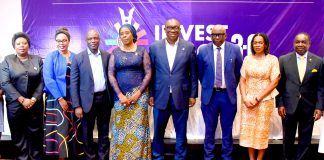
    The Lagos State Government is set to host the third edition of its flagship investment forum, ‘Invest in Lagos 3.0’, with the target to attract both local and foreign direct investment worth N4trillion. The summit is scheduled to be held from Monday, June 08 to Tuesday, June 09, 2026, at Eko Hotels and Suites, Victoria Island, Lagos state, in partnership with the Commonwealth Enterprise and Investment Council (CWEIC).

    The summit, which will attract experts and business leaders from the fifty-six Commonwealth nations, is conceived to position Lagos as Africa’s leading sub-national hub for capital flows, trade integration, financial innovation, and infrastructure development.

    Speaking during a press conference held on Tuesday, May 12, 2026 at Eko Hotel & Suites, the Co-Chair, Local Organising Committee (LOC), Invest Lagos Summit 3.0 & Honourable Commissioner for Commerce, Cooperatives, Trade and Investment, Folashade Bada Ambrose-Medebem declared that outcomes from Invest in Lagos Summit 3.0 will build on and surpass the achievements of the previous editions with greater depth, stronger global engagement, and clearer implementation pathways”.

    Ambrose-Medebem explained the high-level forum, themed “Lagos: The Business Gateway to Africa -Where Innovation Meets Capital” is expected to feature investment opportunities across key priority sectors including infrastructure, industrialisation, the digital economy, agriculture, energy transition, logistics, financial services, real estate, and SME development.

    “Lagos sits at the centre of the African economic story. With a population in excess of 23 million people, a GDP that ranks among the largest city economies on the continent, expanding infrastructure, a vibrant innovation ecosystem, a growing industrial base, and one of the busiest seaports in Africa, Lagos remains uniquely positioned as the preferred destination for investment, trade, manufacturing, finance, technology, and enterprise development”, she said.

    In his remarks at the conference, the Co-Chair of the Local Organising Committee & Deputy Chief of Staff to Lagos State Governor, Mr. Sam Egube, disclosed that more than twenty-nine global speakers from across the different countries of the world and industries have confirmed attendance

    “This summit will move conversation into measurable outcomes. In fact, the summit will spotlight key sectors including technology, infrastructure, healthcare, transportation, energy, environment, and the creative economy “, he added.

    With this Summit, Lagos is determined to translate investment conversations into deployable channels and maintain commitment to the Lagos State Development Plan 2052 as well as the T.H.E.M.E.S+ policy framework of the current administration designed to stimulate socio-economic development in the state.

    It is expected that the 500 to 600 high-level delegates comprising innovators, global institutions, sovereign wealth funds, development finance institutions, multilateral institutions, structured finance specialists, trade networks across the Commonwealth, and senior public officials confirmed for attendance will share perspectives that will ease movement of conversations into measurable outcomes.

    Among the key guests already confirmed for the summit are the Governor of Lagos State, Babajide Sanwo-Olu; Deputy Governor, Lagos State, Dr. Kadri Obafemi Hamzat; Hon. Minister of Industry, Trade & Investment, Dr. Jumoke Oduwole; the Chair, Commonwealth Enterprise & Investment Council (CWEIC), Lord Marland; The Secretary-General, Commonwealth, Hon. Shirley Botchwey; the Co-Chair, Lagos Finance & Investment Council (LFIC) Mr. Aig Imoukhouede; Chief Growth & AI Officer, Middle East & Africa, Microsoft, Tomiwa Williams; MD/CEO, First Bank of Nigeria, Olusegun Alebiosu; MD/CEO, Sterling Bank, Abubakar Suleiman; MD/CEO, Lagos Free Zone, Adesuwa Ladoja; Chairman, Nigeria Sovereign Investment Authority (NSIA), Segun Ogunsanya; Vice President, Adani Group, Shahzad Athar and CEO, Benoy, Tom Cartledge.

    As a summit designed to drive private sector investment, stimulate enterprise growth, expand value chains, strengthen the fiscal sustainability of Lagos, Invest in Lagos 3.0 is more than a mechanism for economic growth acceleration, but also a platform for showcasing the investment sustainability of Lagos and a catalyst for structured engagement with capital providers.

  • Huawei: Automation, Digitalization, and AI as Key Drivers for Modernizing Power Grids

    Huawei: Automation, Digitalization, and AI as Key Drivers for Modernizing Power Grids

    In 2025 alone, more than 10 major power outages disrupted electricity supplies worldwide, affecting over 1.2 billion people. Ensuring system stability has remained a top priority for global power companies.

    Stability is not their only concern, however; the drive toward carbon neutrality is accelerating the adoption of renewable energy and electrification. Integrating large amounts of new energy sources and managing unpredictable new loads requires flexibility from power systems.

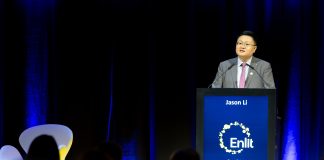
    Jason Li, President of the Marketing & Solution Sales Dept of Huawei Electric Power Digitalization BU, explained that “In the past, we relied mostly on automation to address issues in power grids. In the future, however, power grids will transform from mere transmission systems into pivotal players in the energy transition. Digitalization and AI are shifting from optional upgrades to essential elements in core power generation. Together with automation, they form the key drivers for modernizing power grids.”

    He added, “We believe that deeply integrating digital technologies into power scenarios and reshaping production and operations with telecommunications and AI will enable grids to achieve both ultimate stability and flexibility.”

    Intelligent Electric Power Booth
    The large-scale integration of distributed PV, energy storage, and charging piles into the grid, coupled with growing user interaction and potential load-side transactions, presents new challenges for maintaining the balance, stability, and security of distribution networks.

    “The breakthrough for future power systems lies in the distribution network,” Jason noted. “And the key to addressing distribution challenges is transparency at the 400 V low-voltage level. To achieve this, Huawei and partners have jointly developed the intelligent distribution solution (IDS) for transparent low-voltage management.”

    At Mobile World Congress 2026 in Barcelona, Huawei will showcase its latest AI applications in power digitalization, including innovative solutions for intelligent power distribution, substations, and power plant inspections. To explore successful digital transformation in the power sector, visit the Huawei booth at stand 1H50, Fira Gran Via Hall 1.
  • NLNG positions AI as a Game-Changer for Efficiency and Sustainable Energy

    NLNG positions AI as a Game-Changer for Efficiency and Sustainable Energy

    NLNG has outlined its strategic direction for adopting artificial intelligence (AI) across its operations.  The plan is to integrate smart technologies to keep the business future-ready while reinforcing its Health, Safety and Environment (HSE) Goal Zero aspirations.

    Speaking at the 2025 GASTECH Conference in Milan on Wednesday during a panel session titled “Operational Excellence through the Application of Artificial Intelligence Technologies,” NLNG’s Deputy Managing Director, Olakunle Osobu described AI as the new driver of efficiency, reliability, and sustainability in the energy sector.

    “Artificial intelligence is no longer a concept of tomorrow; it is today’s driver of efficiency, reliability, and sustainability in the energy sector. At NLNG, we’re embedding AI across our value chain to ensure our business is future-ready. Importantly, our ‘Goal Zero’ safety policy and operational efficiency targets are being significantly enhanced by AI. This has improved our safety and business performance across the company’s entire value chain,” Osobu stated.

    According to him, AI has become indispensable for managing complex processes, particularly in a company that promotes a culture of continuous improvement.

    Osobu stated that virtual reality tools and AI agents are being used to accelerate staff onboarding and enhance knowledge retention, while smart cameras and satellite technologies provide advanced visual analytics for more precise monitoring of operations and safety compliance.

    The NLNG boss added that process automation and predictive maintenance tools are enabling production and enhancing asset reliability, while AI-driven optimisation is strengthening emissions monitoring to support NLNG’s energy transition commitments. He stressed that integrating AI into existing platforms is the critical first step for any organisation, as it unlocks predictive, preventive, and corrective maintenance strategies to keep plants running at peak performance.

    Osobu noted that NLNG takes a value-first approach, upskilling staff through its Centre of Excellence to align AI with business needs for real value delivery.

    As part of its strategic agenda, NLNG continues to champion innovation and technology adoption in alignment with global efforts to ensure cleaner, more secure, and sustainable energy solutions.

    The company’s participation at Gastech 2025 showcases its leadership stance in shaping conversations on the future of energy and its commitment to harnessing technology in delivering on its vision of being “a globally competitive energy company, improving lives sustainably.”

  • Indigenous Capacity, Innovation, Investor Confidence Boosting Fortunes of Energy Sector- Ezugworie

    Indigenous Capacity, Innovation, Investor Confidence Boosting Fortunes of Energy Sector- Ezugworie

    Seplat Energy Plc, Nigeria’s leading indigenous energy company and a prominent voice in the country’s energy transition, reinforced its commitment to responsible leadership and sector transformation through active participation in the 13th Annual BusinessDay CEO Forum Nigeria, held on Thursday, July 10, 2025, at the Federal Palace Hotel, Lagos.

    With the theme “Nigeria: From Reform to Recovery,” the 2025 edition of the CEO Forum brought together senior government officials, investors, corporate leaders and experts to discuss Nigeria’s ongoing reforms, and share strategic insights for national renewal and sustainable economic growth.

    Seplat Energy’s Chief Executive Officer, Mr. Roger Brown, represented by the company’s Chief Operating Officer, Mr. Samson Ezugworie, was a panelist at one of the high-level sessions with the sub-theme, “Oil and Gas in Transition – Reforms, Recovery and Deals That Matter”.

    He shared perspectives on Nigeria’s oil and gas transformation, the increasing role of indigenous companies, and how Seplat has been leveraging technology to enhance operations and build in-country capacity.

    “If you look at the trajectory, I would personally say that the outlook is very excellent, and we are well-positioned for a transformative oil and gas industry,” Mr. Brown stated. “Nigeria is rich in both oil and gas resources — with over 200 trillion cubic feet of gas — we are in the right place. We are also seeing international oil companies exiting the onshore and shallow water areas and transferring them to indigenous players. We have demonstrated both the capacity and financial strength to take on these assets and run with them. It’s like the stars are aligning — the outlook is even better than what we had before.”

    He also pointed out the rise in rig activity as a strong indicator of sectoral growth. “Rig count in Nigeria was 8 in 2021. Today, it stands at about 46. That tells you a lot about the level of activity, investor interest, and capital flowing back into the country. It is a strong signal of recovery and momentum in the sector,” he submitted.

    Earlier, Frank Aigbogun, Publisher and CEO of BusinessDay Media Ltd, welcomed guests with a compelling address that framed the tone of the forum. He noted that the theme of this year’s CEO Forum — “Nigeria: From Reform to Recovery”, as BusinessDay has a duty not only to report, but also to point the way to the future.

    The forum featured a distinguished line-up of speakers including Aliko Dangote of Dangote Group; Haresh Aswani of Tolaram Group; Kofo Akinkugbe of SecureID; Ainojie Irune, MD of Oando Energy Resources; Tony Attah, MD/CEO at Renaissance Africa Energy Company; Gbite Falade, MD/CEO at Aradel Holdings Plca nd others ably represented.

    Seplat Energy’s participation at the event reflects its dedication to shaping Nigeria’s energy future through responsible leadership, innovation, and inclusive growth. As the country navigates the path from reform to recovery, Seplat remains firmly committed to delivering sustainable value to stakeholders, communities, and the broader economy.

  • Gas must replace dirtier fuels to drive energy transition in Africa – NLNG MD

    Gas must replace dirtier fuels to drive energy transition in Africa – NLNG MD

    The Managing Director and Chief Executive Officer of NLNG, Philia Mshelbila, on Wednesday, called for deliberate efforts for the displacement of dirtier fuels, like biomass, by natural gas to drive energy transition in Africa.

    Mshelbila made the call during a panel session titled “Diversity of Gas Development Globally” at the 29th World Gas Conference in Beijing, China which held from 19th May to 23rd May 2025.

    He remarked that the most important factors for energy, especially natural gas, were availability and affordability, stressing the need to solve infrastructure challenges to ensure that critical energy is getting to where it’s needed, at affordable rates.

    “Today, Africa’s population is about 1.4 billion, and most people still use biomass for cooking and liquid fuels for transportation. Power generation comes from a mix of hydro, natural gas, and, in many cases, diesel. This is where natural gas has a major opportunity, to displace dirtier fuels. Africa’s population is expected to grow to 2.5 billion in the next 25 years, adding over a billion people. For the existing population, we need to shift from biomass to gas. For the next billion, we must ensure that natural gas becomes the primary energy source before transitioning to renewables. But none of this will happen without solving access and affordability,” he said.

    Mshelbila emphasised the significance of Nigeria’s Decade of Gas initiative as a strategic pathway for replacing high-emission fuels with cleaner low carbon fuels.

    “The Decade of Gas is Nigeria’s strategic roadmap to replace high-emission fuels with cleaner, more affordable gas solutions. Gas is not just a bridge; it is a foundation for achieving energy access, industrialisation, and environmental sustainability.

    “For the past 25 years, there’s been significant focus on exports because the country needed the revenue, which is critical for development. However, domestic utilisation has lagged. The Decade of Gas looks at supply, demand, infrastructure, and commercial frameworks to unlock gas utilisation. Considerable work has gone into removing bottlenecks and challenges that have hampered gas utilisation, both for domestic use and export.

    “One example is the push for Compressed Natural Gas (CNG) in transportation, which is now gaining momentum. Another focus area is LPG, which NLNG has spearheaded. We have decided that our production of over 500,000 tonnes per annum will be entirely deployed for domestic use. The goal is to displace biomass and kerosene used for cooking. This isn’t just about the cleanliness of natural gas, it’s also about addressing health issues related to indoor air pollution, which causes over 100,000 deaths annually among women and children. All these aspects are part of the Decade of Gas initiative. Our aim is that by 2030, we will have significantly increased natural gas utilisation to displace dirtier fuels and create a new foundation for future growth,” he added.

    Addressing the continent’s diverse energy landscape, Mshelbila underscored the need for localised solutions. He said while countries such as Nigeria, Algeria and Egypt possess abundant reserves, gas utilisation rates remain low due to a lack of enabling infrastructure and policy clarity.

    He called for deliberate policies to foster infrastructure expansion, local content development, and innovation.

    “From a developing world perspective, I believe it starts with creating the right investment environment. We speak from real experience here. Although we have had natural gas for decades, it was only last year, as part of the Decade of Gas initiative, that we established clear fiscal terms for deepwater gas. Before that, investors took on significant risks because the fiscal terms weren’t defined. This is a clear example of government providing necessary clarity, so investors know exactly what they’re committing to.

    Mshelbila stated that infrastructure development could be driven by policy and emphasised that the right investments could promote gas infrastructure expansion. On pricing, he expressed complete opposition to government price regulation. However, he acknowledged that significant vulnerable populations in the developing world needed protection. He stressed the importance of ensuring affordability and access to natural gas for these groups.

    On the conversation on energy transition and sustainability, he stated that policy played a crucial role, noting that policies varied globally with the EU leaning toward regulation and the US favouring incentives. He added that there was a role for policy in stimulating the energy transition appropriately, though the approach would differ across regions.

    Mshelbila was on the panel with Jack Fusco, President and CEO of Cheniere, U.S.A, Peter Wong, Managing Director of Hong Kong and China Gas Company Limited and Andrea Stegher, Senior Advisor at SNAM and Vice President of the International Gas Union, organisers of the conference.

  • British International Investment to partner with City of London’s institutional investors to consolidate the UK’s position as global leader in climate finance

    British International Investment to partner with City of London’s institutional investors to consolidate the UK’s position as global leader in climate finance

    …New initiative will reduce risk for private institutions to inject capital to combat climate emergency.

    The City of London can consolidate its position as a global capital for climate finance by working with British International Investment (BII), the UK’s development finance institution and impact investor, in the battle to combat the climate emergency. 

    Last year, the UK Prime Minister, Keir Starmer, announced BII would manage a new £100 million Mobilisation Facility to boost the flow of private capital into emerging economies that are considered too risky by global investors.  

    Today, BII announced that up to £50 million of the facility has been ring-fenced for a groundbreaking new initiative. BII is partnering with Mercer, a global investment firm, to encourage the asset manager community to develop investment solutions, which will help to unlock private investment into climate related projects in emerging economies. It will also seek to address the gap between the risk appetite and return thresholds of institutional investors.  

    Emerging economies are expected to play a crucial role in global economic growth. They currently represent over 60 per cent of the world’s GDP and are projected to account for 74 per cent of global energy consumption by 2050. This creates investment opportunities in sectors like clean energy and infrastructure, offering potential for growth, diversification and impact. 

    Minister for Development, Anneliese Dodds welcomed the initiative: “Countries exposed to the climate crisis are facing extreme weather events which destabilise economies, hinder growth and displace people. Those countries need urgent access to finance to tackle and adapt to this crisis.

    “At the same time UK financial institutions are ideally placed to provide global leadership in climate finance and tap into these emerging markets, generating growth at home and providing much needed finance abroad.

    “By bringing together private and public expertise and capital, the UK is leading the world in mobilising the finance countries need to tackle the impacts of the climate crisis.”

    Asset Managers in the UK and globally, with a demonstratable track record in climate finance and interest in emerging economies, are invited to submit proposals to partner with BII. Proposals with a strong potential for accelerating private investment and which demonstrate large-scale climate impact will be granted access to concessional capital of up to £50 million from the facility. They will also have the opportunity to access non-concessional investment funding from BII. 

    Leslie Maasdorp, BII CEO said: “BII is the UK’s primary vehicle for delivering climate finance into our markets. But the scale of the climate emergency means we have to unlock the vast pools of capital that are held by private institutions. The partnership we have unveiled today is a truly innovative way of doing that.”

    Benoit Hudon, Mercer’s UK President and CEO said: “This initiative has the potential to encourage investment into new projects in emerging economies to support their economic development. Mercer will play a key role in identifying innovative asset manager proposals that support the energy transition and address some of the hesitancy institutional investors have about investing in emerging economies.” 

    For more information about the Mobilisation Facility initiative, please visit BII or Mercer websites.  

  • Africa Practice and Environmental Defense Fund forge Strategic Partnership to Advance Climate Action in Africa

    Africa Practice and Environmental Defense Fund forge Strategic Partnership to Advance Climate Action in Africa

    Africa Practice (AP), a mission-led strategic consulting firm, and Environmental Defense Fund (EDF), a global nonprofit organisation tackling climate change, have signed a Memorandum of Understanding (MoU) to work together to address climate challenges and promote sustainable energy solutions across Africa. The partnership was officially announced by Richard Kiplagat, Director at Africa Practice, at the Global Africa Hydrogen Summit taking place in Windhoek, Namibia.

    The MOU aims to support a successful energy transition in Africa by accelerating the reduction of methane emissions from the oil and gas sector, while ensuring that new green hydrogen projects achieve their potential as climate solutions. The MoU outlines several key objectives:

    1. Elevating climate policy discourse: The partnership will focus on disseminating EDF’s research findings to local audiences, promoting more informed debate on critical issues such as hydrogen development and methane reduction.
    2. Amplifying African voices: Africa Practice will work to share African perspectives with global policymakers, ensuring that international climate initiatives are better adapted to local contexts and dynamics.
    3. Methane abatement strategy: A joint advocacy strategy will be developed to address methane abatement opportunities in Africa’s oil and gas sector, including efforts to secure additional signatories to the Oil and Gas Decarbonization Charter. Cutting methane emissions could slow down climate change by avoiding more than 0.2°C of global warming, improve air quality and public health, enhance agricultural productivity by preventing millions of tons of crop losses and strengthen Africa’s role in global climate leadership.
    4. Stakeholder engagement: The partnership will convene key stakeholders to advance conversations on methane abatement opportunities across the continent.

    According to the International Energy Agency Methane Tracker for 2024, the aggregate methane emissions from Africa’s Oil & Gas sector were approximately 9,200 kilotons in 2023; this equates to 67% of all energy sector methane emissions for the region. Methane poses severe health risks as high-emitting companies and processes pollute the air, often in areas where marginalised communities live and work.

    “This partnership builds on the Environmental Defense Fund’s long history of effective collaboration globally and locally and commitment to turn science into action to stabilise the climate. We look forward to working with Africa Practice to help put sound science at the heart of Africa’s energy and climate policy discourse and to focus on two immediate action areas: cutting climate-warming methane emissions from Africa’s oil and gas sector and getting its emerging hydrogen systems right,” said Mark Brownstein,  EDF Senior Vice President, Energy Transition.

    Richard Kiplagat, Managing Director of East Africa and Group Chief Commercial Officer at Africa Practice, commented on the partnership: “This MoU with the Environmental Defense Fund marks a significant step in our commitment to driving sustainable development in Africa. Green hydrogen is poised to be a significant catalyst for Africa’s sustainable development. This clean energy carrier offers immense potential to transform Africa’s energy landscape, drive economic growth, and contribute significantly to global decarbonization efforts. By combining our local expertise with EDF’s global experience, we are in a unique position to make a real impact on climate policy and action across the continent.”

    The announcement of this MoU at the Global Africa Hydrogen Summit underscores the growing importance of collaborative efforts in addressing climate challenges and shaping the future of clean energy in Africa.

  • NLNG reiterates commitment to delivering Train 7 benefits to Nigerians

    NLNG reiterates commitment to delivering Train 7 benefits to Nigerians

    Nigeria LNG Limited (NLNG) has reaffirmed its commitment to delivering economic benefits through the Train 7 project on Bonny Island, Rivers State.

    Speaking at a reconvened session of the Senate and House of Representatives’ Joint Committee on Gas, officials of the Company provided necessary information and clarifications to address issues raised by the Committee.

    NLNG confirmed that the project, with a total contract sum of $4.3 billion, has reached an overall progress of 67% completion, achieving significant construction milestone of over 45 million manhours without any Lost Time Injury (LTI). The Company noted that the project was already delivering on one of its benefits with over 9,000 Nigerians working in the project on Bonny Island, and numerous indirect jobs and businesses emerging and booming as a result of the construction. 

    NLNG emphasised that the Train 7 project is a strategic initiative that will support the diversification of the country’s revenue sources, revenue generation during the Energy Transition, and aid the country in achieving a net-zero future.

    It also noted that the project remained crucial for monetising Nigeria’s vast gas resources, estimated at over 200 trillion cubic feet (tcf) of proven reserves and it remains an inspiration to other gas development initiatives aimed at enhancing gas monetisation and utilisation in the country.

    The Company equally stressed the significance of the project to the Federal Government’s Decade of Gas initiative. It emphasised that the project is aligned with Nigeria’s gas development aspirations, as the outlined initiative is both timely and essential to secure the nation’s future, particularly as the global movement towards a net-zero future accelerates.

    NLNG expressed its respect for the National Assembly and committed to collaborate with the legislature to transform Nigeria’s energy landscape. It called on all stakeholders including the Federal Government and all well-meaning Nigerians to support the preservation of an enabling environment for its successful completion and the attraction of more transformational projects to Nigeria.

  • AfDB’s Desert-to-Power Initiative to Bring Solar Energy to 250 Million People by 2030

    AfDB’s Desert-to-Power Initiative to Bring Solar Energy to 250 Million People by 2030

    The Desert to Power initiative aims to bring energy to one of the least developed and most marginal parts of the continent

    Desert-to-Power involves 11 countries across Sahelian belt; 250 million people set to benefit with 10 gigawatts of solar by 2030.

    The African Development Bank is the driving force behind one of the world’s most ambitious energy projects: the Desert to Power initiative aims to bring energy to one of the least developed and most marginal parts of the continent.

    This transformative and bold effort aims to turn Africa’s vast, sun-drenched Sahel region – one of the most vulnerable regions in the world – into a powerhouse of solar energy, targeting 11 countries: Burkina Faso, Chad, Djibouti, Eritrea, Ethiopia, Mali, Mauritania, Niger, Nigeria, Senegal, and Sudan.

    By harnessing the region’s immense solar potential, Desert to Power seeks to generate 10 gigawatts of solar power by 2030, thereby facilitating access to electricity for 250 million people.

    The ground-breaking project is the brainchild of Bank President Dr Akinwumi Adesina who has termed it the Bank’s “baobab”.  

    “Desert to Power is what I call the baobab of projects. It will require all our efforts if we are to effect change,”​ he told a COP meeting.

    Last December, the Bank approved the 225 kV Mauritania-Mali Power Interconnection and related Solar Power Plants Development Project (PIEMM) which is a priority operation under that Desert to Power Initiative. The project will help develop regional electricity trade in the Sahel, allow Mali to import about 600 GWh of electricity from renewable energy sources from Mauritania each year and enable both Mali and Mauritania to increase their national electricity access rate and to improve the performance of their electricity sub-sector by reducing fuel consumption, and shutting down several generators with exorbitant operating costs thus reducing greenhouse gas emissions. Ultimately, the project is expected to connect 100,000 new households (80,000 in Mauritania and 20,000 in Mali).

    The initiative presents a major step along the way to solving Africa’s critical energy access issues and reducing dependence on fossil fuels like heavy fuel oil. These are key drivers of environmental fragility in the region, worsening climate warming behind many of the dramatic weather events now regularly hitting the continent.

    The Bank has also successfully leveraged climate finance from international sources like the Green Climate to blend with the Bank’s own resources to support the Desert to Power initiative.

    Additionally, the Bank’s Sustainable Energy Fund for Africa (SEFA), the Bank’s largest in-house blended finance facility with commitments of over US $500 million from 10 donors, including Denmark, the United States, the United Kingdom, Italy, Norway, Spain, Sweden, Germany, the Nordic Development Fund, and the Global Energy Alliance for People and Planet, is providing catalytic capital for private sector projects across the Desert to Power countries and beyond.

    Today, the Desert to Power portfolio counts 10 investment projects and over 15 technical assistance operations across 7 of the 11 countries of operation.

    The initiative has drawn plaudits from policymakers, diplomats, politicians and media commentators.

    The authoritative British newspaper, Financial Times (FT) recently hailed it as a showcase example of imaginative development projects of the type Africa needs to engage its populations and prevent regional unrest exploited by anti-state actors.

    In an article, endorsed by its editorial board, the FT called on Western governments to back the project along with similar initiatives directed at improving people’s daily lives. Development brings stability, it argued.

    The initiative is part of a broader effort to transition Africa towards more sustainable energy sources, helping mitigate deforestation and its associated impacts.

    In Africa, deforestation is a significant issue, with an area equivalent to the size of Switzerland being cleared of forest annually, largely for cooking and heating purposes. This loss of forest exacerbates dust storms, disrupts rain patterns, and accelerates desertification, posing severe threats to biodiversity and local climates.

    The Bank’s investment in solar energy is crucial for several reasons. Firstly, reliable and affordable energy is essential for reducing reliance on charcoal, which is not only a leading cause of deforestation, but also an expensive option for many households. The continent’s rapid population growth has intensified energy demands, with the population doubling and doubling again to at least 1.2 billion, nearly half of whom lack access to electricity.

    While there are ongoing reforestation projects in countries like Kenya, Congo, Madagascar, and Malawi, the rate of forest loss far outpaces these efforts. The immediate need is to electrify the continent quickly, choosing sustainable energy sources such as solar, wind, and hydro over more harmful fossil fuels.

    Africa’s potential for renewable energy is vast but largely untapped. The continent has an almost unlimited solar capacity (11 TW), significant hydro resources (350 GW, with only between five and six percent currently harnessed), wind power (110 GW, with only two percent utilized), and geothermal energy sources (15 GW).

    Despite this potential, 600 million people in Africa live without access to electricity. The continent accounts for just six percent of global energy demand and slightly over three percent of electricity demand. This underscores the importance of scaling up renewable energy investments to meet the continent’s energy needs sustainably.

    From 2016 to 2022, the AfDB approved US $8.3 billion in energy commitments, with 87 percent directed towards renewable energy projects. This investment has already generated 3.4 GW of electricity, including 2.6 GW from renewable sources. The Bank is also developing an African Green Mineral Strategy to capitalize on the continent’s abundant critical minerals, such as cobalt, manganese, and platinum, which are essential for facilitating the energy transition. the entire Sahel region and forever changing the face of one of Africa’s most neglected areas.

  • EAIF completes $294m debt raise in one of the largest blended finance debt packages for African infrastructure

    EAIF completes $294m debt raise in one of the largest blended finance debt packages for African infrastructure

    • EAIF announces ambitions to expand loan portfolio to south and south-eastern Asian markets
    • Moody’s reaffirms EAIF’s A2 credit rating

    Private Infrastructure Development Group (PIDG) company, the Emerging Africa Infrastructure Fund (EAIF), has successfully raised $294 million of additional debt facilities, achieving over half of the Fund’s target to raise $500 million by 2025. The finance facilities demonstrate the Fund’s ability to mobilise private sector debt in one of the largest capital raises in recent years, led by a blended finance debt fund advancing infrastructure development across Africa.

    Backed by prominent financial institutions, the package unlocks fresh capital to advance EAIF’s strategic, operational, and financial capabilities – enabling its investment portfolio to expand and meet rising opportunities in frontier and developing economies. The Fund will invest across various infrastructure assets, including those aligned with the energy transition, low-carbon economies, and energy-efficient smart cities. As a PIDG company, EAIF fulfils the Group’s key strategic priorities, focusing on pioneering infrastructure projects that offer an innovative, agile, and sustainable approach to delivering essential infrastructure services for economic development. 

    Allianz Global Investors led the financing on behalf of Allianz Group, one of the world’s leading insurers and asset managers, committing a further €75m and $50m to EAIF. Standard Bank, Africa’s largest lender by assets, provided a $75m multicurrency revolving credit facility with sustainability-linked features and a $25m sustainability-linked term debt facility. KfW, the German state-owned development bank, committed a further €60m loan to EAIF. 

    EAIF secured $385 million of debt capital in 2018, with KfW and Allianz among the participating lenders in the funding round, committing €75 million plus $50 million and €75 million and $25 million, respectively. The new finance package marks the maturity of Africa’s debt capital markets and illustrates the Fund’s ability to take on and manage risk while delivering sustainable returns and economic impact.

    Since EAIF’s establishment in 2001, the Fund and its partners have completed 96 projects and mobilised total investment commitments of over $2.1 billion across 20 African countries and 10 infrastructure sectors. Reinforcing its leading position as an attractive vehicle for investors seeking exposure to the growing African infrastructure asset class, Moody’s reaffirmed EAIF’s foreign currency long-term issuer rating of A2 with a stable outlook as a testament to its strong capital position, diverse portfolio, and track record of success in Africa. 

    PIDG plays a unique catalytic role in increasing private investors’ appetite for investing in emerging market infrastructure and responding to macroeconomic trends and the climate crisis. To create impact on an even greater scale, EAIF plans to start investing in Asian markets this year and work even more closely with PIDG’s guarantee arm GuarantCo, development arm InfraCo, and PIDG Technical Assistance as the Fund progressively expands its Asia portfolio over the coming years.

    Martijn Proos, Co-Head of Emerging Market Alternative Credit at Ninety One, the fund manager for the Emerging Africa Infrastructure Fund, said: “Over the last 20 years, we’ve developed a diverse portfolio, a unique business model and a distinct approach to investing for impact and returns, whilst maintaining a minimal default rate. The debt financing is a significant milestone and sign of private investor confidence that strengthens our ability to pioneer new models for infrastructure development – enabling the delivery of transformative projects in dynamic geographies, sectors and complex environments that otherwise would not be bankable. We thank Allianz, Standard Bank and KfW for their continued support. “

    Philippe Valahu, CEO of PIDG, said: “Action on climate and nature, together with sustainable development, through new and improved access to infrastructure are the central focus of everything we do at PIDG. Marking this significant milestone means we are contributing to the goal of improving climate resilience and economic opportunities for 100 million people by 2030, as outlined in our strategy. But the challenges ahead are too great for any single organisation or country and will require more collaboration. We look forward to being part of this journey alongside our key partners.”

    Aislinn Baker, Portfolio Manager, Development Finance, at AllianzGI, said: “We are delighted to see how the EAIF has been helping to unlock Africa’s potential over the last five years which underlines the decisive role private capital plays in blended finance. As one of the early movers in this area, we look forward to seeing how the projects financed by the EAIF will contribute to the further development of infrastructure assets and the energy transition on the continent and facilitate Allianz’s sustainable investment objectives in emerging markets.”

    Andrew Pearce, Head of Leveraged Finance, Corporate and Investment Banking at Standard Bank, said: “Standard Bank’s sustainability-linked loans for EAIF reaffirm our commitment to the sustainable economic development of Africa and align with Standard Bank, EAIF and Ninety One’s shared ambition. Our footprint and expertise across the continent demonstrate that we see Africa’s development as intricately tied to advancing its infrastructure. Through our partnerships, we provide innovative solutions that offer value and transform Africa’s economy. This facility aligns with our strategic objective to deliver structured capital solutions that combine our clients’ sustainability strategy with our banking solutions and enhance value for our clients, businesses, and society.”

    Dr. Thomas Duve, Director of Southern Africa at KfW Development Bank, said: “KfW has been financing EAIF since 2006 in various financing rounds as we strongly believe in the developmental impact that EAIF achieves. EAIF has clearly demonstrated that private sector financing can be mobilised to meet the substantial infrastructure needs in Sub-Saharan Africa if projects are structured adequately and experienced partners, such as EAIF, are part of the financing consortium.

    As the mobilisation of private capital is an important target for KfW, we are very pleased to notice that KfW’s financing share in the recent financing rounds is constantly decreasing as private sector institutions, such as AllianzGI and Standard Bank, are gradually taking over the financing of EAIF.”

  • Report: South Africa and UAE are Africa, Middle East Sustainability Leaders

    Report: South Africa and UAE are Africa, Middle East Sustainability Leaders

    In Africa, Egypt, Morocco, Uganda also perform well in key environmental areas

    South Africa, the United Arab Emirates, Egypt and Saudi Arabia are doing the most to combat climate change in the Middle East and Africa, according to a new report that compares government and business sustainability policies, investment and actions.

    Download document: (https://apo-opa.co/49FTzKm)

    The Middle East and Africa Environmental Sustainability Scorecard, released on Thursday, a detailed examination of country performance in environmental sustainability outcomes, government policies, and corporate practices in the two regions.

    The report concludes that the 17 countries covered “are relative ‘late comers’ to global sustainable development but at the same time represent regions that are rapidly stepping-up their sustainability strategies, programs and investments.”

    The report was commissioned by Agility, a global supply chain services company based in Kuwait. It was compiled by Horizon Group, a Geneva-based firm that specializes in research and analysis for governments, international organizations, and leading businesses worldwide.

    South Africa is among the leaders in four of six pillar categories. It is 2nd in Sustainable Energy & Transport; 5th in Energy Transition; 2nd in Environmental Ecosystems; and 2nd in Circularity. Among African countries, South Africa is 3rd in Green Investment & Technology behind Morocco and Egypt.

    Among the factors driving South Africa’s performance: a national Biofuel Industrial Strategy; formal code of corporate governance; ESG reporting requirements and transparency and accountability standards for companies listed on the Johannesburg Stock Exchange; a World Bank energy transition partnership to decommission a coal-fired power plant and replace the power supply with renewable energy and batteries; and steps to protect habitat and cut pollution.  

    Egypt ranks 3rd overall in the scorecard. It is 5th in Green Investment & Technology; 7th in Sustainable Infrastructure & Transport; 5th in Governance & Reporting; 3rd in Environmental Ecosystems; and 1st in Circularity, which measures resource use and waste management.

    A food security and African displacement launched by Egypt contributed to its ranking and participation in a Qatar-led carbon credit program.

    Other top performers in Africa: Morocco is 3rd in Green Investment & Technology and 3rd in Governance & Reporting; Rwanda and Kenya are 5th and 6th in Sustainable Infrastructure & Transport.

    African countries dominate the energy transition, mainly on the strength of their green transport and energy conservation efforts. Uganda, Nigeria, Rwanda, Kenya, South Africa, Ghana, Tanzania, Mozambique, Cote d’Ivoire, Egypt and Morocco are Nos. 1 through 11 in Energy Transition.The scorecard uses 48 performance and progress indicators to compare countries. The indicators include data, regulatory frameworks, policy assessments, incentives and corporate practices across six pillar areas: green investment and technology; sustainable infrastructure and transport; governance and reporting; energy transition; environmental ecosystems; and circularity. To capture corporate practices and progress, Horizon surveyed 647 business executives in the 17 countries.

    Overall, 1 through 17, here’s how the countries rank: South Africa, UAE, Egypt, Saudi Arabia, Rwanda, Kenya, Uganda, Ghana, Morocco, Qatar, Tanzania, Nigeria, Bahrain, Kuwait, Cote d’Ivoire, Oman, Mozambique.

    Key Findings

    Business isn’t paying attention to COP. Eighty-two percent of African businesses and 49% of Middle East businesses are not aware of the UN-led COP process that nations are using to push and measure efforts to tackle climate change. Few companies use COP to set their sustainability targets.

    Climate change is hurting businesses. Ninety-seven percent of companies say their business has been affected by climate change, and 49% say climate change has caused “severe damage” or has a “significant and growing” impact on them.

    Governments are leading as businesses play catch up. When it comes to climate action, governments are outpacing the private sector in both the Middle East and Africa. 

    No one size fits all. Different countries have different sustainability priorities based on income, economic strengths, energy dependency, and other factors. High-income, energy-producing Gulf countries generally invest more in sustainable infrastructure and ecosystems. African economies perform best in energy conservation and consumption.

    Green investment is expensive. High- and middle-income countries are investing the most: Qatar, UAE, Morocco and Saudi Arabia. 

    Africa is focused on green transport. African countries topped the scorecard in the move to non-fossil fuels for transport. Hydrocarbon producing Gulf countries are focused more on green buildings. For Gulf countries, the transition to cleaner energy is complicated by energy-intensive national priorities: the desire to boost manufacturing and the need for desalinated water.

    Waste management, consumption are tied to wealth. High-income countries are doing more to manage waste sustainably. Poorer ones do more to constrain consumption. Overall Egypt, South Africa, Bahrain and UAE perform best in “circularity” – cutting waste, encouraging recycling and sustainable production, and lowering consumption.

    Agility was recently named the No. 3 Middle East “Sustainability Leader” for Transport & Logistics by Forbes Middle East. Vice Chairman Tarek Sultan said the company’s strategy and investment decisions are increasingly shaped by the urgency of the climate fight.

    “As a supply chain operator and investor in the Middle East and Africa, we want to know what governments and businesses are prioritizing, and where they’re putting resources in the climate change battle,” Sultan said. “We want to know who we can partner with in green infrastructure and transport, alternative fuels, and supply chain services that reduce environmental impact without sacrificing performance.”

    Horizon, which compiled the scorecard report for Agility, said its intent was to look “beyond the selective characteristics of the Middle East being fossil fuel-dependent with high greenhouse gas emissions per capita, and African countries being low emitters of greenhouse gases but taking relatively little action on the environment.”

    The scorecard report comes on the eve of COP28, the UN-led global climate change conference convening from Nov. 30 to Dec. 12 in Dubai. Its findings amplify those in a World Economic Forum (WEF) report, issued in October, on decarbonization and energy transition in the Middle East and North Africa.

    The WEF report concluded that “MENA countries trail behind comparable regions in terms of their sustainability progress. While local governments have pledged in the past 24 months to bring 60% of MENA’s emissions under the net zero ambition, businesses overall have yet to follow suit and bridge the gap with comparable global markets –12% have set up a net zero target and 6% have established a roadmap to reach net zero.”

  • The African Energy Chamber (AEC) Urges African Union (AU) and the Africa Climate Summit to Prioritize Labeling Natural Gas and Nuclear as Green Energy/Renewable

    The African Energy Chamber (AEC) Urges African Union (AU) and the Africa Climate Summit to Prioritize Labeling Natural Gas and Nuclear as Green Energy/Renewable

    Representing the voice of the African energy sector, the African Energy Chamber (AEC) has long been a fierce advocate for the role oil and gas plays in Africa. While climate activists have dubbed these resources as ‘dirty’, oil and gas stand to significantly advance energy security across the continent, increasing access to electricity, fueling industrialization and opening up economic opportunities for millions continent-wide. The AEC calls on the African Union (AU) to align policies with demand, embracing gas and nuclear energy as green solutions, as the European Union (EU) has for its own continent.

    Last year, the EU made a decision, supported by the European parliament in July 2022, to label natural gas and nuclear energy as ‘green.’ The move essentially gave foreign investors and project developers the greenlight – excuse the pun – to fund and develop such projects. However, following the advent of the policy, it was clear that the EU’s recognition of gas as green was only directed at Europe, and that African gas resources were to remain ‘dirty.’ At a time when the international community continues to villainize African gas, the AEC calls on the AU to implement its own gas and nuclear-friendly policies.

    Currently, over 600 million people are without access to electricity in Africa while 900 million are without access to clean cooking solutions. At the same time, the continent has one of the youngest and fastest-growing populations. As demand for energy grows, Africa’s gas resources stand to fuel the economy. The continent’s proven gas resources are measured at 620 trillion cubic feet, most of which remain undeveloped. Lack of investment in the gas industry has largely restricted monetization, despite the potential of the resource to alleviate energy poverty. Domestic gas utilization is also still in its infancy stage, with the majority of Liquefied Natural Gas (LNG) exported to European markets. While the AU has put in place policies such as the African Continental Free Trade Agreement (AfCFTA), intra-African trade cannot be fully implemented if gas is not identified as a green energy source.

    To alleviate energy poverty and bolster industrialization, Africa requires substantial investments to be made in pipeline, power infrastructure, LNG terminals and applications. An AU-led ‘gas is green’ policy will galvanize financing for the continent’s gas projects while kickstarting the development of small- and large-scale LNG and power generation facilities. And the timing could not be more important. Sizeable oil and gas discoveries continue to be made across the continent. Namibia, for example, made five hydrocarbon finds in 2022 and 2023 while major projects have or are poised to come online in Senegal and Mauritania (Greater Tortue Ahmeyim); Mozambique (Coral Sul); Nigeria (Nigeria LNG); and many more countries. While the AfCFTA has essentially removed barriers to trade and market entry, unless supported by an AU-led ‘gas is green’ policy for Africa, the benefits of the continent’s resources as well as its trade structures will not be realized.

    This week, the AU’s Inter-Institutional Coordination Meeting for the Implementation and Domestication of the African Commodity Strategy will take place in Addis Ababa. The meeting, held under the theme, ‘Commodity-led Industrialization for One African Market,’ falls under the flagship project of the AU’s Agenda 2063, ‘The African Commodity Strategy,’ which aims to develop Africa’s commodities as a driver of structural, social and economic transformation. Central to these commodities should be gas, the products of which have the potential to drastically change the socioeconomic landscape in Africa. For a continent that produces less than 2% of global greenhouse gas emissions, it is unjust for the AU to sit by and allow this product to not be used while the same resource continues to drive development and improve the standard of living in Europe.

    “The AU should not villainize the very resources that offer the continent the chance to industrialize, electrify and grow, but rather, should provide the regulatory tools that enable the trade of gas-based products on a continental basis. Africa has abundant natural gas resources: a sustainable energy solution lying in arms reach of many countries continent-wide. Developing these resources is no longer simply an exciting or challenging investment opportunity, but rather, investing in gas and nuclear has become one of the only ways Africa will industrialize and make energy poverty history,” states Ayuk.

    Gas and nuclear energy can undeniably act as a pivotal lifeline for numerous African nations. By mirroring the policies of the EU, the AU could set the stage for a substantial influx of foreign investment, which, in turn, could serve as a catalyst for propelling commodity-driven and gas-centric industrialization efforts across the African continent. Africans deserve to have the same advantage as European have. By implementing a ‘gas is green’ policy for Africa, the AU stands to usher in a new era of investment and development in Africa, while spearheading a just and inclusive energy transition.

  • SLB Opens New Regional Office in Lagos

    SLB Opens New Regional Office in Lagos

    Global technology company, SLB (formerly known as Schlumberger), officially opened its new West Africa regional office in Lagos, Nigeria. In October 2022, the company launched a new identity focusing on energy innovation and decarbonization to address today’s world’s energy needs and forge the road ahead for the energy transition. The new West Africa office reflects this new identity and will optimize employee experience and create a sustainable business environment for all stakeholders.

    Its modern design embodies the company’s bold sustainability roadmap through daylight harvesting, interactive and collaborative hotspots for employees, disability access and other exciting features that bring forward the company’s evolved identity and culture.

    Delivering his speech at the opening in Lagos, Sopiribo Ideriah, managing director for SLB in West Africa countries, said,” As a technology leader, our unmatched market breadth, differentiated performance, and unique portfolio of products and service, has always positioned us for growth and advancement in the energy industry. All of this is owed to our people, who are the backbone of our organization. I want to thank all SLB staff – past and present – for their commitment and passion in delivering high quality services to our customers.”

    The ceremony coincided with the celebration of the 70th Anniversary of SLB’s presence in Nigeria. “For seven decades, SLB has worked in Nigeria as a local company.  In 1952, SLB logged Nigeria’s first commercial oil well in Oloibiri, Bayelsa State, and has since logged several other historic wells in the country.  Our ability to continuously drive technology innovation has led to the development of new oilfield technologies that enhance our customers’ operational performance, while maintaining the highest standards in HSE, ultimately delivering value to all our stakeholders. Investing in local socio-economic projects and developing local talent through our borderless career culture, we have significantly contributed to the capacity development of Nigeria and are confident that we will continue to do business in ways that benefit our people, society, and the country.” Ideriah added.

    Also speaking at the event, Wallace Pescarini, president of the Offshore Atlantic Basin at SLB, said “I would like to take this opportunity to express my gratitude to our various stakeholders for their support over the years, including our clients, suppliers, contractors, and other business partners. We are thrilled to live our purpose of creating amazing technology to unlock access to energy for the benefit of all and could not have achieved this without your trust. As we look to the future and its evolving energy landscape, we remain committed to creating value for our customers and key stakeholders in Nigeria.”

    Following the opening of its regional head office, SLB hosted key stakeholders at a dinner ceremony where the company’s historic past and innovative present were recognized and celebrated.

  • “Crude Oil, Petroleum Products will Continue to be Important in Africa”- Wale Ajibade

    “Crude Oil, Petroleum Products will Continue to be Important in Africa”- Wale Ajibade

    With dual challenges of meeting rising demand while transitioning to a cleaner energy future, Africa’s downstream sector has been in the spotlight, and during the 2023 edition of the African Refiners & Distributors Association (ARDA) Conference – where the African Energy Chamber (AEC) is participating – this very challenge is being explored.

    During ARDA Week 2023, Wale Ajibade, Executive Director of Sahara Group, delivered a presentation on ‘Meeting Africa’s Growing Energy Requirements in the Evolving Global Landscape,’ with insight given into the continent’s downstream opportunities, future energies and the role Sahara continues to play in expanding the market.

    Kicking off his presentation, Ajibade emphasized that projected growth trends in Africa indicate an increase in energy demand over the next few decades, with demand expected to be driven by industrialization and urbanization and is expected to coincide with the global energy transition. Additionally, the rise in demand is projected to accelerate Africa’s deployment of downstream infrastructure to enable the continent’s energy independent and sustainability while serving to address energy poverty.

    According to Ajibade, Africa faces five challenges across the downstream sector. Specifically, the over-reliance on product importation, supply chain issues, oil theft and vandalism, fuel subsidy, and the energy transition. However, there are clear solutions to these challenges, which include, “investing in the construction of new refineries and the modernization and expansion of existing infrastructure; the creation of enabling environments for investment in infrastructure; leveraging technology to address pipeline theft and vandalism – such as drones and the internet of things –; regulating fuel subsidies; and pushing for gas to be used more predominantly including liquefied natural gas (LNG), liquefied petroleum gas (LPG) and compressed natural gas for power, energy and transportation while adapting existing refineries to the changing landscape.”

    In addition to oil, Ajibade provided insight into the viable solutions for the future of Africa’s energy sector. Drawing attention to natural gas while identifying the role solar, wind and hydro will also play, Ajibade stated that with roughly 13% of global natural gas reserves based in Africa, the continent is expected to embrace gas in the coming years.

    According to Ajibade, while fossil fuels will continue to remain the major source of Africa’s energy demand, particularly through oil, it is expected that there will be a major shift towards a cleaner and more sustainable energy mix through the use of gas. In this scenario, natural gas will begin to play the role of bridging between more polluting fossil fuels and zero-carbon technologies, such as wind and solar. With factors such as a growing population, increased urbanization and economic expansion, as well as growth across the industry, commerce, manufacturing and agricultural sectors, Africa is projected to rely more and more on gas. However, challenges associated with a lack of investment, limited infrastructure, foreign exchange issues and limited knowledge on gas technologies continue to hinder resource maximization in some gas-rich countries such as Nigeria – which has put in place its Decade of Gas initiative to monetize resources.

    As the transition to cleaner sources of energy become increasingly important, Ajibade shared insight into Sahara Group’s operations and agenda, stating that as part of the company’s broader Environmental, Sustainability and Governance initiatives, Sahara continues to make investments along the entire gas value chain. On the upstream, the company invests in a gas-heavy portfolio and has begun the process of eliminating gas flaring across all its upstream assets. On the midstream front, the company has stakes in several LNG and gas ventures including four LPG vessels focusing on increasing LPG supply into West Africa. Meanwhile, on the downstream and consumption side, gas demand to the company’s power plants is expected to increase significantly by 2026.

    Additionally, Ajibade made note that over the past two decades, global investment in renewable energy has grown rapidly. However, Africa receives less than 3% of this investment. As such, Ajibade stated that to attract more investment and create enabling environments, a series of financial options can be implemented, including blended finance, green bonds, risk mitigation instruments, innovation and carbon markets. According to Ajibade, the creation of carbon markets in Africa could help countries develop mitigation projects while receiving climate-related investment, and with 24 countries already conveying an interest in this area, opportunities for trading carbon credit across several exchanges is in sight.

    Natural gas, downstream investment and carbon markets all represent key themes at the 2023 edition of the continent’s premier event for the oil and gas industry: African Energy Week (AEW). Taking place in Cape Town from October 16-20, this year’s edition of AEW is centered on deals, networking and collaboration, with a series of high-level panel discussions and presentations – similar to that of Ajibade’s – as well as investor summits and networking functions driving new engagement among financiers and project developers. Representing the AEC’s annual energy conference, AEW 2023 represents a not-to-be-missed event.

  • IFC and World Bank to Help Nigeria Pave the Way for Domestic Carbon Storage

    IFC and World Bank to Help Nigeria Pave the Way for Domestic Carbon Storage

    The International Finance Corporation (IFC) and the World Bank have begun to work with the Government of Nigeria to develop a domestic market for carbon capture, utilization, and storage for industrial emissions – an area that could accelerate the energy transition and help Nigeria reach its emissions targets.

    The initiative will produce a nationwide atlas of CO2 emissions sources and potential sites for underground sequestration. IFC will work with the government to identify the most promising sectors and private companies that can pilot new technologies for capturing, using, and storing carbon.

    In parallel, the World Bank will collaborate with the Nigerian Government to outline policies and regulations that can accelerate the technologies’ uptake while helping the local CCUS industry meet international standards. The project is funded by the World Bank’s CCS Trust Fund under the Energy Sector Management Assistance Program (ESMAP). The Trust Fund is supported by the Governments of the United Kingdom and Norway.

    “The Federal Government, through the Office of the Vice President, is excited to work with the World Bank Group towards developing and implementing Carbon Capture, Utilisation, and Storage (CCUS) as part of the country’s pathways to accelerate energy transition by 2060,” said the Office of the Vice President of the Federal Government of Nigeria.

    “The country believes that with the World Bank Group’s support and partnership with Nigeria, it’s only a matter of time before CCUS becomes an important force in global technology, innovation policy for climate action and deep decarbonization, especially for hard-to-abate-sectors.”

    “If we can combine carbon capture with a decisive push on renewables, countries like Nigeria could be poised for a real breakthrough,” said Vivek Pathak, IFC’s Global Head for Climate Change. “For developing countries, imagine what a game-changer a financially-viable carbon capture industry could be.”

    In 2021, Nigeria’s updated Nationally Determined Contribution (NDC) set a target of at least 20% and up to 47% reduction of greenhouse gases compared to business as usual by 2030.  Capturing carbon, which could help reduce emissions across a range of sectors, has become a key element of the government’s climate plan.

    In addition, the West African country is likely to have significant space for geological carbon storage, in part due to the widespread availability of depleted oil and gas fields. Their potential will be mapped using government and industry data. The project will also use geological surveys and closely examine the issue of obtaining the rights to conduct the sequestration.

    IFC will work closely with local industries throughout the process. The engagement will not support the development of carbon capture, utilization, and storage in association with fossil fuel productio