Tag: Engineering

  • Promasidor Nigeria and Cowbell Earn Triple Industry Recognition

    Promasidor Nigeria and Cowbell Earn Triple Industry Recognition

    Promasidor Nigeria, a leading player in Nigeria’s fast-moving consumer goods (FMCG) industry, has recorded another significant milestone with three major industry recognitions that further reinforce its leadership in the dairy and consumer goods sector.

    At the Industry Awards, Promasidor Nigeria was named “Outstanding Dairy Company of the Year,” while its flagship brand, Cowbell, won “Dairy Brand of the Year.” The company also received a Corporate Social Responsibility Award at the Advertisers Association of Nigeria (ADVAN) Awards for Marketing Excellence in recognition of its impactful community initiatives.

    The Industry Awards are regarded as one of the platforms dedicated to recognising excellence, innovation, and outstanding contributions across key sectors of the Nigerian economy.

    The recognitions highlight Promasidor Nigeria’s continued commitment to quality, strong consumer connection, and real social impact.

    Speaking on the achievement, the Chief Executive Officer of Promasidor Nigeria, François Gillet, described the awards as a reflection of the company’s enduring promise to Nigerian consumers.

    “These recognitions reflect the trust Nigerians continue to place in our brands and our dedicated commitment to delivering quality products that support everyday nutrition and wellbeing. We are also honoured to see our efforts towards community development and youth empowerment acknowledged,” he said.

    Cowbell remains one of Nigeria’s most trusted dairy brands, widely recognised for its nutritional value, affordability, and accessibility. Alongside other brands in Promasidor Nigeria’s portfolio including Loya Milk, Onga, Top Tea, Kremela, Twisco, Miksi, the company continues to provide nourishing products that support healthy lifestyles for millions of Nigerians.

    Beyond its products, Promasidor Nigeria has sustained several initiatives focused on education, nutrition, and youth development. Through its Ikun Milk Day programme, the company provides schoolchildren with fresh milk sourced from its Ikun Dairy Farm, helping improve nutrition and learning outcomes.

    For nearly a decade, Promasidor has also empowered secondary school students across the country through its flagship career guidance initiative, Harness Your Dream, targeted at junior secondary schools.

    This commitment builds on more than two decades of educational support through the Cowbellpedia TV Quiz Show, now rebranded as Mega Minds, a broader STEM-focused platform covering Science, Technology, Engineering, and Mathematics. The initiative offers prizes worth over ₦100 million, including cash rewards, laptops, learning tools, and product gifts aimed at encouraging academic excellence among Nigerian students.
  • Junior Achievement (JA) Africa and ExxonMobil Foundation Launch Science, Technology, Engineering, and Maths (STEM) Africa 2.0 to Equip the Next Generation of African Innovators

    Junior Achievement (JA) Africa and ExxonMobil Foundation Launch Science, Technology, Engineering, and Maths (STEM) Africa 2.0 to Equip the Next Generation of African Innovators

    The 2026 edition, dubbed STEM Africa 2.0, is an initiative that integrates AI learning pathways and aims to equip 4,000 additional students aged 14–17 with the skills needed to thrive in a rapidly evolving digital economy

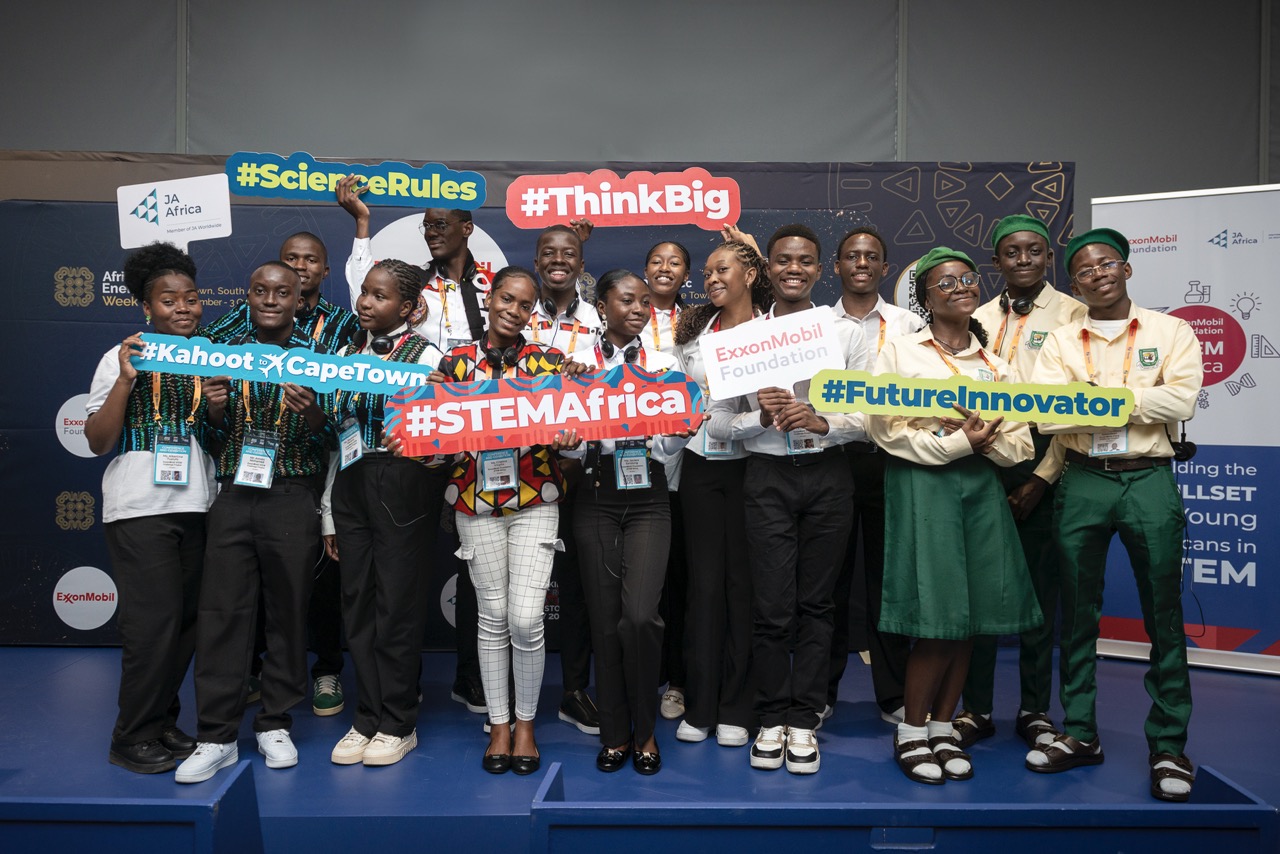
    JA (Junior Achievement) Africa, with support from the ExxonMobil Foundation, announces the launch of the 2026 ExxonMobil Foundation STEM Africa Program, an initiative designed to equip young Africans with critical science, technology, engineering, and maths (STEM) and artificial intelligence (AI) skills.

    The program builds on a successful partnership that has already reached more than 10,000 young people across Angola, Mozambique, Namibia, and Nigeria. The 2026 edition, dubbed STEM Africa 2.0, is an initiative that integrates AI learning pathways and aims to equip 4,000 additional students aged 14–17 with the skills needed to thrive in a rapidly evolving digital economy.

    The launch comes at a pivotal moment for Africa, where the youth population continues to grow rapidly, yet access to STEM and digital skills remains limited. By combining hands-on learning, mentorship from industry professionals, and real-world problem-solving, the program positions young people to participate meaningfully in emerging sectors such as energy, sustainability, and digital innovation.

    Through a structured, four-phase learning experience, participants engage in STEM and AI quizzes, zonal competitions, national innovation camps, and a final continental showcase at the Africa Energy Week Conference. These experiences move beyond classroom theory, enabling students to develop practical solutions to real-world challenges while building confidence, collaboration, and critical thinking skills.

    “The future of Africa will be shaped by the ideas, ingenuity, and leadership of its young people,” said Simi Nwogugu, President and CEO of JA Africa. “Through STEM Africa 2.0, we are not only strengthening STEM competencies but also opening pathways into artificial intelligence and innovation. This is about ensuring that young people across the continent are prepared to lead, create, and solve problems that matter, both locally and globally.”

    Alvin Abraham, President of the ExxonMobil Foundation, added: “We believe that investing in young people is one of the most powerful ways to drive long-term economic growth and resilience. By supporting STEM Africa 2.0, we are helping to bridge the skills gap and enabling young people to engage with emerging technologies that will define the future of work.”

    The significance of the 2026 launch lies in its forward-looking approach. By integrating AI literacy into secondary school STEM education, the program directly addresses global workforce trends while ensuring young Africans are not left behind. It also strengthens the connection between education and employability, exposing participants to career pathways in high-growth sectors and building a pipeline of future innovators.

    In addition to technical skills, the program emphasizes inclusion, ensuring participation from underserved communities and promoting gender balance across all activities. A strong monitoring and evaluation framework will track learning outcomes, behavioural shifts, and long-term progression into STEM-related pathways.

    Young people, educators, and partners interested in participating or learning more about the ExxonMobil Foundation STEM Africa Program 

  • JMG Strengthens Industrial, Retail, and Logistics Footprint in Q1 2026

    JMG Strengthens Industrial, Retail, and Logistics Footprint in Q1 2026

    JMG Limited, Nigeria’s leading integrated electromechanical solutions company, has reinforced its market leadership with a series of high-impact engineering and infrastructure projects delivered in the first quarter of 2026. Spanning industrial manufacturing, retail operations, and nationwide logistics, the projects collectively reflect a deliberate strategy to build interconnected systems that drive efficiency, resilience, and scale.

    This integrated approach is evident in the company’s recent work across critical sectors. In industrial space, operations at the Dangote Cement Gboko plant were significantly enhanced through a comprehensive compressed air system upgrade by JMG Industrial, the Air Compressor division of JMG Limited. Following a detailed system audit, airflow mapping, and performance evaluation, the intervention introduced eight Kaeser compressors rotary lobe blower units tailored for continuous-duty cement production, where compressed air stability plays a vital role in material handling and pneumatic conveying systems.

    The result is a marked improvement in operational performance, with airflow efficiency increasing by 23 per cent and peak airflow capacity rising by up to 47 per cent. These gains have translated into improved pressure stability across production lines, reduced energy losses, and stronger overall reliability within the plant’s production processes.

    Building on this momentum in industrial engineering, the company extended its systems expertise into the retail sector with a fully integrated infrastructure upgrade for Quick Buy Supermarket. Designed to support uninterrupted 24/7 operations, the project combined JMG Power, the power generation division; JMG Clima, the HVAC climate division; and JMG Electra, the electrical division of JMG Limited, into a unified framework, allowing the customer to benefit from fully integrated solutions delivered under one company.

    At the core of the installation is a synchronised power configuration featuring two FG Wilson 550kVA generators and a 330kVA unit powered by a Perkins engine, integrated with a grid supply, ensuring redundancy and seamless load management. This is complemented by a hybrid HVAC design incorporating Trane rooftop units, VRF zoning systems, ducted airflow networks, and inverter-based split and cassette units, all working together to maintain optimal temperature control across retail and storage environments. The redesigned electrical architecture further enhances load stability, system protection, and long-term scalability, enabling smooth coordination between power and cooling infrastructure.

    Beyond infrastructure delivery, JMG’s expansion into logistics underscores its commitment to supporting end-to-end value chains. Through JMG Haulage, the company has scaled its operational capacity with the addition of 20 heavy-duty trucks, strengthening its ability to move goods efficiently across Nigeria’s major commercial corridors.

    Each truck is configured to carry up to 24 pallets and a payload of 45 tons, enabling large-scale distribution across FMCG and industrial supply networks. The expansion also introduces a dual-energy fleet structure, combining CNG-powered trucks with a range of up to 1,400 kilometers and diesel-powered units to ensure flexibility and operational resilience across diverse routes.

    Commenting on the company’s performance, Chief Commercial Officer, Rabi Jammal, noted that the Q1 results highlight JMG’s focus on delivering integrated, scalable solutions across sectors.

    “Our focus is on strengthening systems that improve efficiency, reliability, and operational performance for our clients across industrial and logistics value chains,” he said.

    Taken together, these projects reflect a consistent, systems-driven engineering philosophy, one that integrates power, HVAC, compressed air solutions, electrical infrastructure, and logistics into cohesive, high-performance ecosystems. The outcomes are evident in the measurable gains achieved across industrial production, retail operations, and nationwide distribution networks.

    JMG Limited’s expertise spans power generationelectrical infrastructurevertical transportationcooling systems, and air compressors, alongside clean energy solutions including solar and cost-effective hybrid systems.

  • Affordable Housing: FG Partners China to Unlock Innovative and Scalable Solutions

    Affordable Housing: FG Partners China to Unlock Innovative and Scalable Solutions

    The Federal Government is advancing a strategic partnership with China to accelerate affordable housing delivery and close Nigeria’s widening housing gap through technology-driven, scalable solutions.

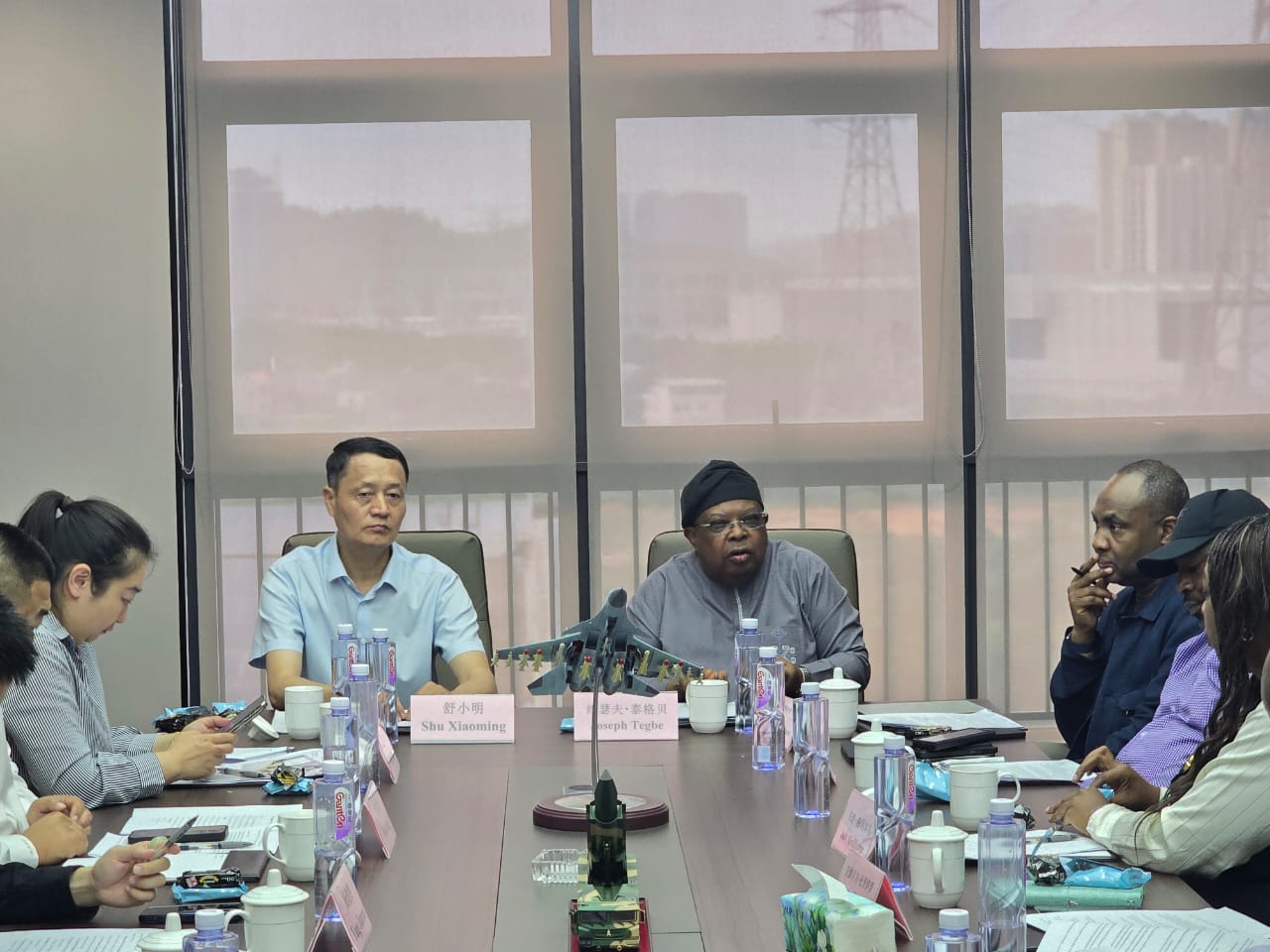
    This follows a high-level technical study tour to Guangzhou led by Joseph Tegbe, Director-General and Global Liaison of the Nigeria-China Strategic Partnership, alongside a delegation from Family Homes Funds Limited. The delegation included the Managing Director, Abdul Mutallab Mukhtar, and the Executive Director of Operations, Emeka Henry Inegbu.

    The engagement focused on unlocking strategic partnerships to integrate modular and prefabricated housing technologies into Nigeria’s construction ecosystem—an approach expected to significantly reduce building costs, shorten delivery timelines, and improve quality at scale. With Nigeria’s housing deficit estimated in the millions, the Federal Government is increasingly prioritising industrialised construction methods and international collaboration to drive sustainable housing delivery. Discussions also explored potential partnerships with leading engineering, procurement, and construction (EPC) firms to strengthen execution capacity for large-scale social housing projects. In parallel, the delegation engaged prospective financing partners to mobilise long-term capital required to fund affordable housing initiatives and expand access for low- and middle-income earners.

    The meetings were facilitated by Joerno Conceptions Limited and the E-Link Group in China. The engagements were further strengthened through the cooperation of Zou Gang, Executive Deputy Director of the China-Africa Economic and Trade Enterprises Working Committee, underscoring the depth of institutional collaboration supporting the initiative.

    The move signals a broader shift toward results-oriented bilateral engagement, where technical expertise, capital mobilisation, and policy alignment converge to deliver measurable outcomes. By leveraging China’s advanced construction capabilities to meet Nigeria’s urgent housing needs, the partnership is positioned not only to expand access to affordable homes but also to stimulate job creation, strengthen local value chains, and enhance urban resilience.

    The initiative further reinforces ongoing Nigeria–China cooperation across key sectors, with housing emerging as a critical pillar within the Renewed Hope Agenda of President Bola Ahmed Tinubu, GCFR.

  • Vertiv Acquires BMarko Structures to Expand Capacity for Manufactured and Converged Infrastructure Solutions

    Vertiv Acquires BMarko Structures to Expand Capacity for Manufactured and Converged Infrastructure Solutions

    Acquisition strengthens in-house structural fabrication, engineering control, and customisation capabilities

    Vertiv (NYSE: VRT), a global leader in critical digital infrastructure, today announced the acquisition of BMarko Structures LLC(“BMarko”), a U.S.-based provider of custom-engineered structural fabrication.

    As AI data centre deployments accelerate, the infrastructure layer is under growing pressure to deliver faster and at scale. This acquisition vertically integrates a critical structural fabrication specialisation into Vertiv’s Infrastructure Solutions business in North America, which is expected to strengthen supply capability, rapidly expand engineering and manufacturing capacity, and enhance Vertiv’s ability to deliver scalable manufactured, prefabricated, and converged infrastructure with greater speed, control, customisation, and executional discipline.

    BMarko has demonstrated its differentiated structural fabrication capabilities, engineering depth, and ability to support highly customised infrastructure requirements, during prior, long-term project experience with Vertiv. Bringing this capability in-house is expected to strengthen execution, improve material and process control, and enhance Vertiv’s ability to support customers as infrastructure requirements continue to evolve.

    “AI is reshaping infrastructure requirements, with customers placing greater demands on time-to-capacity, flexibility, and efficiency across the infrastructure layer,” said Gio Albertazzi, CEO of Vertiv. “This acquisition strengthens Vertiv’s ability to help customers move faster, with better systems-level performance and control, as infrastructure demands continue to grow in complexity.” 

    Founded in 2014 and headquartered in Williamston, South Carolina, BMarko specialises in high-quality, custom-engineered builds, including steel and wood frames that align well with AI factory and data centre requirements. BMarko recently expanded its engineering and fabrication facility to approximately 560,000 square feet. This facility is located in proximity to Vertiv’s Infrastructure Solutions manufacturing operations in the region.

  • NEPL/ Seplat JV Commissions More STEAM Laboratories in Edo Schools, Advocates Sustainability

    NEPL/ Seplat JV Commissions More STEAM Laboratories in Edo Schools, Advocates Sustainability

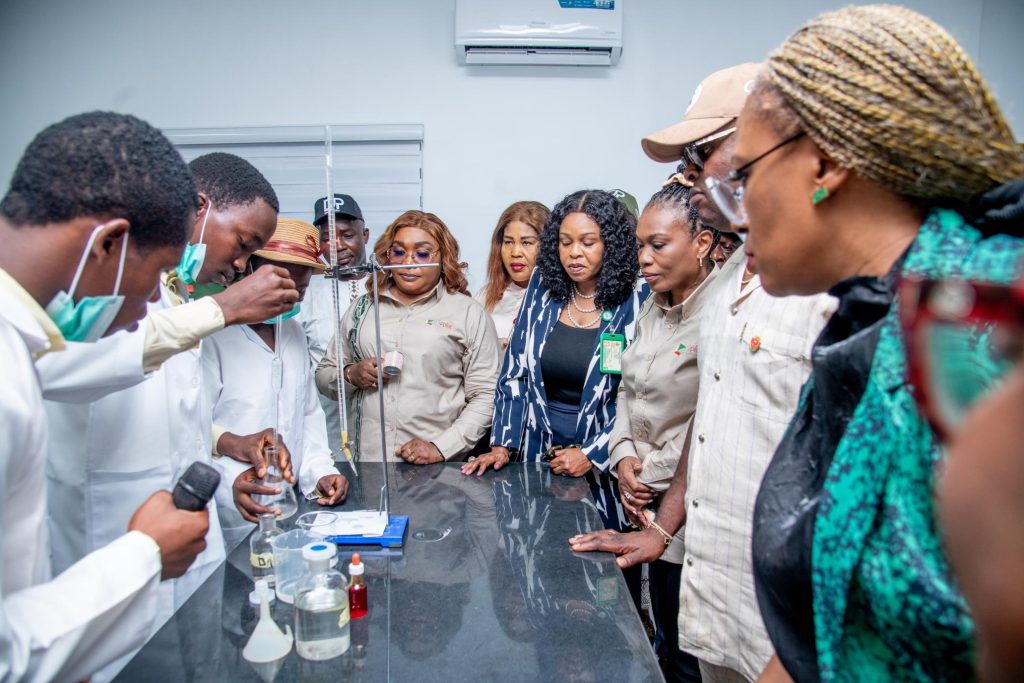
    The NNPC Exploration and Production Limited (NEPL)/Seplat Energy Joint Venture has commissioned two Science, Technology, Engineering, Arts and Mathematics (STEAM) laboratories built at the Ogbe and Uselu Secondary Schools in Oredo and Ikpoba Okha Local Government Areas of Edo State

    The laboratories, which were commissioned on Wednesday, April 8, 2026, in Benin, the Edo State capital, aim to drive educational sustainability in the state and promote excellence amongst students.

    Speaking at the commissioning, Mrs Chioma Afe, Director, External Affairs and Social Performance, Seplat Energy Plc, said the Joint Venture has so far built and commissioned nine STEAM Laboratories in the state, thereby increasing the number of STEAM laboratories established in Edo and Delta States to 14.

    She said the STEAM Labs were part of the organisation’s commitment to sustaining education in Edo and Delta States, whilst assuring that the same development would soon be extended to other states where the company operates.

    According to her, the Joint Venture had successfully executed various educational programs in the States, which include the Seplat Teachers Empowerment Program, the Pearls Quiz competition, inclusive of the STEAM Labs and Access to Energy Projects.

    Afe said: “The STEAM Lab is one where we want to further inculcate STEAM within the curriculum of basic education and secondary schools.

    “The NNPC Limited and Seplat Energy took a decision years ago to start putting in place STEAM Labs. This allows the children and the teachers to practically use all the learnings that they have taken from the various activities and programs.”

    Afe added that the laboratories are equipped with state-of-the-art equipment and solar power to ensure the centres have 24-hour continuous power.

    She commended the Edo State Government for providing the enabling environment and NEPL for its support in establishing the laboratories.

    While assuring that the gesture would be extended to other parts of the state, she, however, urged the teachers and students of the benefiting schools to make judicious use of the facilities as well as protect them against misuse and vandalism.

    In the same vein, the Managing Director of NEPL, Mr. Nicolas Foucart, said the laboratories are designed to promote practical learning, creativity, critical thinking, and innovation in Science, Technology, Engineering, Arts, and Mathematics.

    Foucart represented by Mr. Reginald Duke, Lead Community Relations Western Assets, NEPL, noted that the expectation of the management is that the laboratories would help equip students with relevant skills to succeed in a fast-changing world.

    He also added that the facilities in the schools reflected the NEPL/Seplat JV shared commitment to quality education and sustainable community development.

    “We believe that investing in education is one of the most meaningful ways to shape the future of our young people and our nation”, he stated.

    Dr. Paddy Iyamu, a former Commissioner for Education, Edo State, described the STEAM Labs as one of the best investments any investor can make in the life of the Nigerian children.

    He urged other corporate organizations in the state to emulate Seplat in fulfilling their Corporate Social Responsibilities.

    He said: “Please, let’s celebrate and appreciate the leadership of Seplat energy. Together, you have also helped us in training our teachers. The list is endless. We have other companies that drill oil in the state, but when it comes to corporate social responsibility they fail.

    “The NEPL/Seplat JV has always responded positively and responsibly in the environment where you operate. We are grateful. On behalf of my Governor, we thank you.”

    On her part, Mrs. Edith Ebomoyi, Permanent Secretary, Edo State Ministry of Education, described the Labs commissioning as a milestone in the collective and committed efforts to the future of education in the State.

    In their separate remarks, the Principal of Ogbe Secondary School, Mrs. Itohanmwen Augustina and Mrs. Obaretin Osayanmo of Uselu Secondary School, commended the State Government, Seplat Energy and NEPL for the investment and promised to take ownership of the facilities against any act of vandalism.

    They also promised to make judicious use of the facilities to achieve the purpose for which they are established.

  • Adeleye Falade Assumes Office as NLNG’s MD/CEO

    Adeleye Falade Assumes Office as NLNG’s MD/CEO

    Adeleye Falade has officially assumed office as the Managing Director and Chief Executive Officer of NLNG. He took up the role on Wednesday at the company’s Corporate Head Office in Port Harcourt, Rivers State, succeeding Philip Mshelbila, who was recently appointed Secretary-General of the Gas Exporting Countries Forum (GECF).

    Falade brings nearly three decades of experience in the global oil and gas industry, with extensive leadership exposure across the LNG and petroleum value chain. Over the course of his career within the Shell Group, he has built a distinguished record across upstream and midstream operations in Europe, Asia, the Middle East, Russia, and Africa.

    His professional expertise spans gas and petroleum operations, production optimisation, engineering, operational excellence, business improvement, and change management. He has also held several senior technical and leadership roles within Shell and its affiliated companies, gaining broad exposure to complex operational environments, multinational joint ventures, and the management of diverse, multicultural teams.

    Prior to his appointment as Managing Director and Chief Executive Officer of NLNG, Falade served as Managing Director of Brunei LNG Sendirian Berhad, a position he assumed in April 2024. In that role, he led one of the world’s established LNG producers and oversaw strategic operational delivery within Brunei’s LNG sector.

    Earlier in 2023, he was appointed Country Chair for Shell Namibia, where he provided strategic leadership for Shell’s operations and stakeholder engagement in the country.

    Before taking on these international leadership assignments, Falade held key senior roles at NLNG. Between May 2019 and September 2023, he served as General Manager, Production, where he was responsible for ensuring production reliability, plant performance, and operational safety across NLNG’s world-class LNG facilities on Bonny Island.

    Earlier in his career, he served as Operations Manager at NLNG from July 2015 to May 2018, overseeing plant operations and operational performance. He later moved to the Netherlands as Regional Asset Management System (AMS) Implementation Manager at Shell in The Hague between May 2018 and April 2019. In that role, he led the deployment of asset management systems aimed at improving operational efficiency and reliability across Shell’s global assets.

    Falade has a Bachelor’s degree in Electrical/Electronics Engineering from the University of Ibadan. He also obtained a Master of Business Administration (MBA) from Henley Business School, University of Reading, United Kingdom, further strengthening his strategic and leadership capabilities in the global energy sector.

    Falade is a Fellow of the Nigerian Society of Engineers (FNSE) and a registered member of the Council for the Regulation of Engineering in Nigeria (COREN). He is also a member of the Society of Petroleum Engineers (SPE).

    Falade assumes leadership of NLNG at a pivotal time for the company and the global LNG industry. The company recently secured long-term Gas Supply Agreements (GSAs) with six third-party suppliers to strengthen feedgas supply to its Bonny Island trains. This comes as the Train 7 expansion project nears completion, a development expected to significantly boost NLNG’s production capacity and reinforce Nigeria’s position in the global LNG market.

    Fadale joins a fully Nigerian management team at NLNG, demonstrating the company’s sustained commitment to developing indigenous leadership and strengthening local capacity within the organisation.

  • Chevron’s Local Engagement Strategy in Africa Sets the Standard for International Oil Companies (IOC) Operating on the Continent

    Chevron’s Local Engagement Strategy in Africa Sets the Standard for International Oil Companies (IOC) Operating on the Continent

    From Nigeria to Angola, Chevron’s sustainability reporting outlines ambitious commitments – but whether those promises translate into real economic participation will be under the spotlight at African Energy Week 2026

    As global energy companies expand local engagement reporting frameworks, a central question remains: how closely do sustainability commitments align with on-the-ground impact? For IOCs operating in Africa, the answer increasingly depends on whether local engagement principles translate into local economic participation, infrastructure development and technology transfer. For Chevron, one of the continent’s longest-standing operators, that balance is particularly visible across its operations in Nigeria, Angola and the wider region.

    Chevron’s sustainability reporting highlights community investment, environmental protection and workforce development. In Angola – where the company has operated for nearly 70 years through its subsidiary Cabinda Gulf Oil Company – more than 90% of the workforce is Angolan, reflecting long-term efforts to localize employment and technical expertise. Over the years, Chevron and its partners have invested more than $250 million in social and community development programs across the country, supporting healthcare, education and economic initiatives.

    Similarly, in Nigeria, Chevron has made local supply chains a central pillar of its local engagement commitments. Over the past decade, Chevron has spent an estimated $1 billion annually on Nigerian suppliers and service providers, directing more than $10 billion to domestic contractors and businesses. The spending supports Nigeria’s local content framework while helping build indigenous capacity across engineering, logistics and oilfield services.

    Across Africa, however, local engagement reporting by IOCs is often criticized for emphasizing corporate social responsibility projects rather than deeper economic integration. While community investment and environmental initiatives remain important, African policymakers increasingly prioritize local participation in project development, procurement and energy infrastructure.

    Chevron’s project portfolio illustrates both the opportunities and the challenges of bridging this gap. In Angola, the Sanha Lean Gas Connection Project – linking offshore gas fields in Blocks 0 and 14 to the Angola LNG facility – demonstrates how major energy infrastructure can contribute to domestic value creation. The project allows associated gas to be monetized rather than flared while strengthening Angola’s gas value chain and supporting long-term energy security.

    Beyond Angola, Chevron continues to expand its footprint across the continent. The company maintains active exploration programs in Nigeria, holds stakes in producing assets in Equatorial Guinea and is evaluating offshore opportunities in markets such as Namibia and Algeria. As African countries look to expand oil and gas development while building stronger domestic industries, pressure is growing on international operators to ensure local engagement commitments translate into tangible economic impact.

    This growing focus on implementation is one reason industry platforms are playing a larger role in shaping the conversation.

    “Africa doesn’t need more sustainability reports sitting on shelves,” says NJ Ayuk, Executive Chairman of the African Energy Chamber. “What we need are partnerships that build industries, train African workers and keep more of the value from our resources on the continent. African Energy Week provides a platform for stakeholders not only to promote projects, but to ensure sustainability commitments translate into measurable outcomes.” Adding that Chevron is leading the way through its actions on the continent.

    “We need partnerships that build industries, and that is exactly what Chevron is doing.”

    As local engagement expectations continue to evolve, international operators like Chevron face increasing scrutiny over whether sustainability commitments translate into real economic participation. In Africa’s energy sector, the most meaningful local engagement metric may ultimately be local content – and the extent to which global companies help build lasting industries alongside their projects.

    “Chevron’s training and development initiatives across Africa have significantly empowered local communities. Many individuals trained by Chevron have gone on to assume roles in public service, bringing enhanced capabilities and best practices to their work,” Ayuk states.

    Furthermore, a substantial number of alumni have entered the private sector, successfully leading world-class companies, a testament to the valuable skills acquired during their time with Chevron.

    “By fostering entrepreneurship, Chevron is inspiring many Africans to establish and manage their own businesses,” he concludes.

  • Moniepoint launches Second Cohort of DreamDevs Initiative to double down on Africa’s Tech Talent Pipeline

    Moniepoint launches Second Cohort of DreamDevs Initiative to double down on Africa’s Tech Talent Pipeline

    Moniepoint Inc, Africa’s leading digital financial services provider, today announced the opening of applications for the second cohort of its flagship DreamDevs initiative, a transformative program designed to bridge the tech talent gap in Africa by equipping recent graduates with industry-ready skills and real-world experience.

    With applications open to graduates across Nigeria, DreamDevs is designed as a national talent search for the next generation of world-class engineers. Each year, just 20 high-potential candidates are selected into an intensive bootcamp, with the strongest performers progressing into internship and full-time roles at Moniepoint. Last year’s cohort delivered four hires – three interns and one full-time engineer – validating the programme’s role as a high-impact talent pipeline.

    Targeting graduates from technology, computer science, engineering, and related fields with foundational programming knowledge in HTML, CSS, and JavaScript, DreamDevs offers a rigorous nine-week boot camp that immerses participants via hands-on training from leading software engineers. Standout performers will secure six-month internship placements at Moniepoint, with potential progression to full-time employment based on performance.

    “The results from our first cohort validated our belief that with the right training and support, Africa’s young tech talent can compete globally,” says Felix Ike, Co-Founder and Chief Technology Officer at Moniepoint Inc. “This year, we’re doubling down on our commitment by aiming to convert half of our participants into full-time employees. For us, DreamDevs is all about creating sustainable career pathways that drive Africa’s digital economy forward.”

    The initiative aligns with Moniepoint’s broader vision of using technology to power the dreams of millions and engineer financial happiness across Africa. It complements the company’s existing talent development programs, including HatchDev – a collaboration with NITHub Unilag that produces 500 specialised developers annually across software engineering, intelligent systems, and IoT/embedded systems as well as its hugely popular, Women-in-Tech which is now in its fifth year. The initiative is also in tandem with the Federal Government’s 3 Million Technical Talent (3MTT) programme, for which Moniepoint serves as a key sponsor. While the 3MTT programme focuses on mass technical skills training across Nigeria, DreamDevs provides a specialised pathway that takes graduates from foundational training through to employment, creating a complete talent development ecosystem.

    “We’re proud to support the government’s vision of building three million technical talents while also creating direct employment opportunities through initiatives like DreamDevs. This multi-faceted approach ensures we’re contributing to national goals while simultaneously addressing our industry’s immediate talent needs. By investing in young people and providing them with practical experience, startup incubation support, and product development opportunities, we are not only creating high-impact jobs and driving sustainable economic growth across the continent,” Ike said. 

    For Victor Adepoju, a member of the first cohort and now a Backend Engineer at Moniepoint, “The organisation of the program was top-notch. The training covered a wide range of topics and provided a solid foundation I could continue to build on. I learned a great deal about cloud technologies, particularly Google Cloud Platform. The program also emphasised valuable soft skills, including planning, organisation, and prioritisation, which have been very useful in my day-to-day work.”

    Selection will be based on technical aptitude, learning potential, and alignment with Moniepoint’s values of innovation and excellence. Interested and qualified recent graduates are encouraged to apply before the January 20th deadline via the official portal at dreamdevs.moniepoint.com.

  • FUNATO Receives NUC Accreditation for 30 Undergraduate Programmes, Announces Pioneer Student Admission for 2025/2026 Session

    FUNATO Receives NUC Accreditation for 30 Undergraduate Programmes, Announces Pioneer Student Admission for 2025/2026 Session

    The Federal University of Agriculture and Technology, Okeho (FUNATO) has officially announced the commencement of admission into 30 accredited undergraduate programmes for the 2025/2026 Academic Session, following successful resource verification by the National Universities Commission (NUC).

    Successful Accreditation Exercise

    The announcement comes after the NUC completed a comprehensive resource verification exercise at the institution on Monday, held on 16 November, 2025. Out of 34 programmes initially presented for accreditation, 30 programmes received full approval, positioning FUNATO to admit its pioneer students across six colleges. Four programmes unapproved programmes include: B.Tech. Agricultural and Biosystems Engineering, B.Tech. Biomedical Engineering, B.Tech. Mechatronics Engineering and B.Tech. Food Science and Technology.

    The Vice-Chancellor, Professor Olaniyi Jacob Babayemi, expressed satisfaction with the outcome, describing it as a significant milestone for the young institution and the agricultural education sector in Nigeria.

    Approved Academic Programmes

    The 30 accredited programmes span six colleges:

    College of Livestock Development & Environmental Sciences (4 programmes)

    • B.Sc. Animal Science
    • B.Sc. Fisheries & Aquaculture Management
    • B.Sc. Forestry & Wildlife Management
    • B.Sc. Environmental Management & Toxicology

    College of Agricultural Development & Human Ecology (5 programmes)

    • B.Sc. Agricultural Economics
    • B.Sc. Agribusiness
    • B.Sc. Agricultural Extension & Rural Development
    • B.Sc. Human Nutrition & Dietetics
    • B.Sc. Hospitality & Tourism Management

    College of Engineering & Technology (3 programmes)

    • B.Eng. Electrical & Electronics Engineering
    • B.Eng. Mechanical Engineering
    • B.Eng. Civil Engineering

    College of Science & Computing (10 programmes)

    • B.Sc. Chemistry
    • B.Sc. Microbiology
    • B.Sc. Biology
    • B.Sc. Physics with Electronics
    • B.Sc. Statistics
    • B.Sc. Mathematics
    • B.Sc. Biochemistry
    • B.Sc. Computer Science
    • B.Sc. Software Engineering
    • B.Sc. Cyber Security

    College of Plant Science & Crop Production (4 programmes)

    • B.Sc. Soil Science
    • B.Sc. Crop Science
    • B.Sc. Horticulture & Landscape Management
    • B.Sc. Plant & Environmental Biology
      College of Environmental Design & Geospatial Technology (4 programmes)
    • B.Tech. Architecture
    • B.Tech. Surveying & Geoinformatics
    • B.Tech. Industrial Design
    • B.Tech. Urban & Regional Planning

    Vision for Excellence

    Professor Babayemi stated that FUNATO is committed to promoting academic excellence, advancing research, strengthening technological innovation, and developing highly skilled manpower in agriculture, engineering, environmental sciences, computing, and related fields.

    “As a new and forward-focused Federal University, we aim to produce graduates equipped with practical competence and the capacity to contribute meaningfully to national development,” the Vice-Chancellor noted.

    The University’s strategic focus on agriculture and technology aligns with national priorities for food security, technological advancement, and sustainable development.

    Admission Process

    The Management announced that detailed admission procedures, screening requirements, and application guidelines will be released to the public in due course through the University’s official communication channels.

    Prospective applicants, parents, and guardians are advised to remain attentive to upcoming announcements from the institution.

    Important Notice to the Public

    The University emphasized that:

    • Only the 30 programmes approved by the NUC for the 2025/2026 Academic Session will be operational
    • The University does not currently offer part-time programmes
    • Prospective students should verify information through official channels only

    Background

    FUNATO, established by the Federal Government of Nigeria, represents a strategic investment in agricultural and technological education. The successful accreditation of 30 out of 34 presented programmes demonstrates the institution’s readiness to commence full academic activities and contribute to the nation’s human capital development in critical sectors.

    The University is expected to play a significant role in addressing the country’s agricultural challenges through research, innovation, and the training of qualified professionals.

  • Governor Soludo Affirms Uga Smart School Project Would be Completed Soon

    Governor Soludo Affirms Uga Smart School Project Would be Completed Soon

    Governor Charles Chukwuma Soludo of Anambra State has stated that Uga Boys High School, one of the 22 schools being upgraded into model smart schools by his administration, would be completed by the end of the year.

    The governor made this known during an unscheduled inspection visit to the school recently, where he expressed satisfaction with the pace and quality of work at the site.

    Governor Soludo further commended the workforce for their dedication and speedy work on the contract, which was awarded a few months ago.

    During the inspection, it was observed that while some existing structures were being reconstructed, new multi-storey buildings, a gatehouse, drainage systems, and internal roads were also under development within the school premises.

    Governor Soludo is transforming 22 secondary schools into smart schools, with many to come, setting a standard for what an ideal school should be.

    This is across the 21 Local Government Areas of the state, and through the Anambra State Universal Basic Education Board (ASUBEB) programme, with the approval of the Anambra State Executive Council (ANSEC).

    According to the Anambra State Commissioner for Information, Law Mefor, Governor Soludo’s administration will continue to strengthen the state’s free education policy and enhance existing programmes to provide quality education to students in the State.

    He said the state has extended its free education policy to Senior Secondary School Year 3 (SS3) and recruited an additional 3,115 teachers, increasing the number to 8,115. It has equipped 60 secondary school laboratories with the required Science, Technology, Engineering, and Mathematics (STEM) equipment. It has also increased the operational budgets for primary and secondary schools to ensure they can deliver the quality education promised, among other initiatives.

    Governor Soludo’s administration is also enhancing digital skills among youths in the state by empowering millions of young minds and encouraging tech-innovative communities.

    This is through the One-Youth-Two-Skills Scheme, which has recorded a huge success with the Cohort One, where 7,163 out of 11,000 trainees have excelled in 65 skill areas. Additionally, 235 apprentices from the Local Enterprise Development of 21 local governments in the state were successful, with over 1,000 millionaires emerging from the graduates, with the process of Cohort Two already approved.

  • Moniepoint DreamDevs Bootcamp Supports Nigeria’s Digital Economy Agenda

    Moniepoint DreamDevs Bootcamp Supports Nigeria’s Digital Economy Agenda

    Moniepoint Inc, Africa’s leading digital financial services provider, has taken a significant step in shaping the future of African tech talent with its DreamDevs initiative. Designed to nurture the brightest minds on the continent, this transformative program aims to equip recent graduates with practical tech skills and invaluable real-world experience, addressing the persistent challenges in tech talent sourcing across Africa. Targeting graduates from technology, computer science, engineering, and related fields with foundational programming knowledge in HTML, CSS, and JavaScript, DreamDevs offers a rigorous nine-week boot camp that immerses participants via hands-on training from leading software engineers and experience building impactful products for millions of people.

    The DreamDevs initiative comes at a pivotal moment for Nigeria’s digital economy, which has seen remarkable growth over the past two decades. The Information and Communications Technology (ICT) sector contributed 18% to Nigeria’s GDP in 2024, underscoring its importance as a backbone for economic diversification. However, the global tech workforce faces a significant challenge, with 4.5 million unfilled tech jobs worldwide—a gap that is expected to widen as demand for skilled workers outpaces supply. Initiatives like DreamDevs aim to address this shortage by nurturing local talent capable of competing on both domestic and global stages.

    The program officially launched following a competitive hackathon that identified 20 exceptional young talents who earned their place in the boot camp. Over the course of nine weeks, these participants will undergo intensive training in topics such as Java Refresher, Google Cloud Platform, Kafka Fundamentals, Google Cloud ML/AI, and Advanced Java, ensuring they develop the technical proficiency required to thrive in today’s digital economy. At the end of the boot camp, standout participants will earn internship opportunities, opening doors to further professional development, while all participants have the potential to secure full-time positions with Moniepoint.

    Felix Ike, Co-Founder and Chief Technology Officer of Moniepoint Inc, emphasized the company’s commitment to Africa’s future, stating that investing in young talent is crucial for driving technological advancement across the continent. He highlighted that DreamDevs goes beyond just training; it is a strategic effort to create a pathway for ambitious graduates to become key players in Africa’s evolving tech landscape. “We have always envisioned a transformative approach to technology, using it to power the dreams of millions and engineering financial happiness across the land,” Ike said. “By providing practical experience, upskilling opportunities, startup incubation, and product development support, DreamDevs equips participants to become invaluable assets to the tech industry while contributing to the government’s vision for a thriving digital economy in Nigeria.”

    Moniepoint’s program complements existing government efforts such as the 3 Million Technical Talent (3MTT) initiative under President Bola Tinubu’s “Renewed Hope” agenda, which aims to create two million digital jobs by 2025 and position Nigeria as a net exporter of tech talent.  Together, these programs are building Nigeria’s technical talent backbone—a foundational pillar in the Ministry of Communications, Innovation & Digital Economy’s strategic blueprint.

    With a track record of investing in tech talent across Africa, with previous initiatives such as Moniepoint HatchDev, a specialized nine-month training program in partnership with NITHub Unilag, and its hugely popular Women in Tech initiative, Moniepoint has consistently demonstrated its commitment and dedication to leveraging digital technology for growth across all sectors while prioritizing infrastructure development and positioning itself as a driving force in the continent’s technological evolution. 

  • Nigerian govt to implement drill or drop policy on IOCs

    Nigerian govt to implement drill or drop policy on IOCs

    …urge companies to develop assets

    The federal government has called on International Oil Companies (IOCs) operating in Nigeria to ensure development and utilization of their assets, as it disclose plans to begin implementing the drill or drop provisions of the Petroleum Industry Act (PIA) where necessary.

    Heineken Lokpobiri, minister of Petroleum Resources (Oil), stated this at the Cross Industry Group (CIG) meeting organized by IOCs operating in Nigeria, held in Florence, Italy.

    According to Lokpobiri, industry players are expected to explore collaborative measures such as shared resources for contiguous assets, farm-outs, and the release of underutilized assets to operators ready to invest in production.

    “We cannot continue to have assets sitting idle for 20 to 30 years without development. If you are not utilizing an asset and it remains underdeveloped for decades, it neither adds value to your books nor to us as a country.

    “We encourage industry players to explore collaborative measures such as shared resources for contiguous assets, farm-outs, and the release of underutilized assets to operators ready to invest in production. Otherwise, like any responsible government, we will take back these assets and allocate them to those willing to go to work,” he said in a statement issued to journalists on Tuesday.

    The Minister urged operators to consider farm-out agreements where assets are close to existing infrastructure, rather than incurring high costs on new Floating Production Storage and Offloading (FPSO) units.

    Lokpobiri also noted that while IOCs have pointed to Engineering, Procurement, and Construction (EPC) contractors as a challenge, EPCs will only commit when they see strong investment decisions from industry players.

    “The Government has done its part by providing the requisite and investment-friendly fiscal policies, including the President’s Executive Order incentivizing deepwater investments. Now, the ball is in the court of the IOCs and other operators to make strategic investment decisions that will drive increased production and sustainability in the sector.

    “The Federal Government remains committed to ensuring a thriving oil and gas industry and expects operators to match its commitment by making tangible investment decisions that will drive growth, sustainability, and national energy security,” the Minister stated.

    He further emphasized the need for IOCs to support local refining efforts, noting that more refineries are coming on stream and will require a steady supply of crude oil. To make this easy and possible, he stressed that ramping up production will enable Nigeria to meet both local and international obligations.

    In his remarks, Osagie Osunbor, Chairman of the Oil Producers Trade Section (OPTS), commended the Minister for his direct engagement with industry players and for the Federal Government’s continued efforts in advancing the sector.

    “We appreciate the government’s commitment to creating a conducive environment for investment. The Minister’s engagement has provided critical insights and has also challenged us as industry players to step up efforts to increase production,” Osunbor stated.

  • Seplat Energy Drives Gender Equity in STEM at SPEWLLS 2025

    Seplat Energy Drives Gender Equity in STEM at SPEWLLS 2025

    Seplat Energy reaffirmed its leadership in driving gender equity in STEM at the Society of Petroleum Engineers Women Leadership Lecture Series (SPEWLLS) 2025, themed “March Forward: Advancing Equity and Creating Opportunities in STEM and Beyond”.

    The event which held on March 21, 2025 at the Capital Club, Victoria Island Lagos brought together industry leaders, changemakers, and young professionals to push for greater female representation in science, technology, engineering, and mathematics (STEM).

    Delivering the keynote address, Eleanor Adarelegebe, Chief Financial Officer, Seplat Energy Plc, called attention to the stark gender disparity in STEM, particularly in the oil and gas sector, where women make up just 15% of junior-level positions, with even fewer rising to leadership roles. “At Seplat Energy, we are actively addressing these gaps through mentorship and sponsorship programmes designed to support women at the early to mid-levels of their careers,” said Adarelegebe. “By providing guidance on navigating cultural barriers, we create an enabling environment for female professionals to progress in STEM. Today, Seplat Energy proudly has five women on our 14-member board and four women in our 12-person senior management team. These numbers reflect the effectiveness of our mentorship initiatives and the remarkable contributions of Seplat’s women in STEM.”

    She concluded by emphasising the need for collective action  saying: “Driving gender diversity in STEM requires the commitment of everyone, particularly those in leadership—both men and women—to ensure a more inclusive and innovative industry.”

    A thought-provoking panel session followed, featuring leading industry voices, including Chioma Afe, Director of External Affairs and Social Performance, Seplat Energy, who highlighted the need to encourage young girls to pursue STEM education and providing visible role models to inspire future generations. “Innovation thrives in environments that embrace diverse perspectives,” she said. “To build a truly inclusive industry, we must start advocacy at the foundational level, encouraging young girls in basic education to explore STEM pathways

    Addressing cultural barriers, Afe stressed the importance of male allyship. “Men currently occupy most leadership spaces that women aspire to enter. Their support is crucial in fostering inclusive workplaces. However, women must also develop the competence needed to break these barriers,” she remarked.

    She also highlighted Seplat’s proactive approach to gender equity, noting that the company ensures all perspectives are valued in decision-making processes. She outlined key initiatives such as the Seplat Women Awesome Network, a structured mentorship platform supporting female professionals, and a 40% female participation target for university undergraduates with outstanding academic records. She also spoke about the Seplat Teachers’ Empowerment Programme, which has trained over 1,300 educators, with 60% of beneficiaries being women in Delta and Edo states. She concluded by celebrating a historic milestone—Seplat’s appointment of its first female Managing Director for its Eastern Asset.

    The event ended with a resounding ovation for Seplat Energy’s unwavering commitment to advancing women in STEM. As the official sponsor of SPEWLLS 2025, Seplat Energy continues to lead the charge in fostering inclusion, innovation, and a more equitable future in STEM.

  • Empowering Women in STEM: Tosin Eniolorunda Foundation Hosts Financial Literacy Initiative at Obafemi Awolowo University

    Empowering Women in STEM: Tosin Eniolorunda Foundation Hosts Financial Literacy Initiative at Obafemi Awolowo University

    As part of activities to mark this year’s International Women’s Day (IWD),  the Tosin Eniolorunda Foundation, in collaboration with Moniepoint Group and the Association of Professional Women in Engineering (APWEN) Ile-Ife chapter, hosted a financial literacy session for female students in science, technology, engineering, and mathematics (STEM) at Obafemi Awolowo University (OAU). This initiative aligns with the year’s theme, “Accelerate Action,” focusing on dismantling systemic barriers that perpetuate inequality, such as unequal pay, limited access to education, and under-representation in leadership and promoting gender equality.

    The session drew a dedicated group of over two hundred and fifty young women from STEM-related courses in OAU, eager to learn and prepare for their future careers. The event aimed to equip these students with essential tools to thrive in fields where women are often underrepresented, such as finance and STEM. The session also provided tangible resources to support their professional aspirations while helping them network and gain insights into solving real world problems. 

    This effort is part of a broader commitment by the Tosin Eniolorunda Foundation to enhance STEM education in Nigeria. Recently, the foundation donated a CAD/CAM laboratory to further support STEM initiatives, reflecting its dedication to fostering innovation and inclusivity in these critical fields.

    Speaking on the import of the initiative, OAU alum and Group CEO of Moniepoint Inc, Tosin Eniolorunda noted that against the backdrop of data from the Central Bank of Nigeria (CBN), which suggests that only 38% of Nigerian adults are financially literate, there is a strong and urgent imperative to bridge the financial literacy gap while adding that there can be no sustainable financial inclusion without financial literacy as the cornerstone. 

    “Financial inclusion represents a fundamental pillar of economic development, ensuring that everyone can access affordable formal financial services, including payments, credit, and savings. As technology and financial products become pervasive, it becomes important that we take financial literacy more seriously as it is a strong determinant of financial inclusion. For young ladies pursuing STEM careers, financial literacy empowers them to prudently navigate aspects of their education, professional development, and entrepreneurial endeavors. By understanding concepts like budgeting, investing, and saving, they can make informed decisions about their education and securing their financial future,”  Eniolorunda said. 

    The event was graced by prominent members of the university community including Dean, Faculty of Technology, Prof Lasisi Umoru, HoD, Mechanical Engineering, Prof. Obayopo, APWEN Coordinator Ile Ife, Prof. Mrs. Bello Sururah, HoD Civil Engineering Dept, Dr Kemi Ayodele, who was chairperson of the occasion, and  Prof Omotayo Aregbesola who delivered an exciting lecture titled, Now and Beyond: Excelling as females in STEM

    Learning and Development Specialist, Moniepoint Inc, Yomi Ojute took the students and guests on an exciting discourse around winning strategies for developing financial literacy with the feedback from the financial literacy session overwhelmingly positive, reinforcing the transformative impact of investing in knowledge. 

    As the world continues to strive for gender parity, initiatives like these serve as an exemplar and  beacon of hope, inspiring future generations of women to pursue careers in STEM with confidence, determination and a passion to transform Nigeria into a country that we all can be proud of.