


















Trending Now


DON'T MISS
- All
- Africa
- Agribusiness
- Agriculture
- AI
- AMA
- APO
- Aquatic
- Arts
- Aviation
- Award
- Brand
- Built Industry
- Competition
- Construction and Environment
- Culture and Tourism
- Dairy
- Data Centre
- Dental
- Device Manufacturer
- e-commerce
- Economy
- Education
- Electronics
- Energy
- Entertainment
- Facility Management
- Fashion
- Features
- Festival
- Finance & Analysis
- Financial Institutions
- Fine Dining
- Fintech
- FMCG
- Food and Nutrition
- Food Security
- Foundation/NGOs
- Global
- Health
- Hospitality
- Housing & Environment
- ICT
- Insurance
- International Trade & Investment
- Interview
- Judiciary and Legal
- Lifestyle
- Literature
- Maritime
- Marketing Communications
- Motoring
- Movies & Music
- MSMEs
- Multinational
- National
- News
- Oil & Gas
- Opinion Article
- Opportunities
- Pension
- Pharmaceuticals
- Politics
- PR NEWSWIRE
- Private Sector
- Promo
- Public Sector
- Reality TV Show
- Relationship and Family
- Religion
- Science & Innovention
- Security
- Sports
- Spotlight
- Start-Ups
- Sustainability/CSR
- Telecoms
- Transport
- Travel
- Waste Management
More
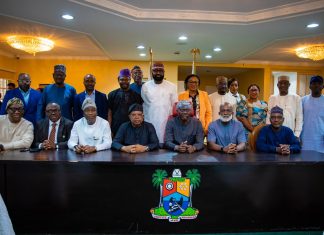
FG, Lagos State Government Synergize to Deliver 24/7 Power as Energy...
In a move to end the blackouts that have long weighed on households, businesses and industry, the Federal Government and Lagos State have agreed...




SPORTS
- All
- Africa
- Agribusiness
- Agriculture
- AI
- AMA
- APO
- Aquatic
- Arts
- Aviation
- Award
- Brand
- Built Industry
- Competition
- Construction and Environment
- Culture and Tourism
- Dairy
- Data Centre
- Dental
- Device Manufacturer
- e-commerce
- Economy
- Education
- Electronics
- Energy
- Entertainment
- Facility Management
- Fashion
- Features
- Festival
- Finance & Analysis
- Financial Institutions
- Fine Dining
- Fintech
- FMCG
- Food and Nutrition
- Food Security
- Foundation/NGOs
- Global
- Health
- Hospitality
- Housing & Environment
- ICT
- Insurance
- International Trade & Investment
- Interview
- Judiciary and Legal
- Lifestyle
- Literature
- Maritime
- Marketing Communications
- Motoring
- Movies & Music
- MSMEs
- Multinational
- National
- News
- Oil & Gas
- Opinion Article
- Opportunities
- Pension
- Pharmaceuticals
- Politics
- PR NEWSWIRE
- Private Sector
- Promo
- Public Sector
- Reality TV Show
- Relationship and Family
- Religion
- Science & Innovention
- Security
- Sports
- Spotlight
- Start-Ups
- Sustainability/CSR
- Telecoms
- Transport
- Travel
- Waste Management
More

SuperSport Set for Chaos in the Ring Independence Day Showdown
The prominent boxing show, Chaos in the Ring, returns to Lagos on October 1, with a line-up that pits celebrities against each other in...

CANAL+ Secures AFCON 2027 Qualifiers, Finals Broadcast Rights
CANAL+ has secured the rights to the TotalEnergies CAF Africa Cup of Nations PAMOJA 2027 qualifiers and tournament finals, with the competition to be...


LATEST ON TECHNOLOGY
LG Electronics donates 21st Community Solar-Powered Borehole to Osa Agba, Ondo State
The intervention brings sustainable access to clean and reliable water closer to residents, reinforcing LG Electronics’ commitment to improving lives and supporting communities.
What began...

Spotify Fresh Finds Africa: From Campus Discovery to 3M+ Monthly Listeners
Spotify is releasing a new video following its Fresh Finds Africa campus tour, which took some of the artists shaping Africa’s next wave of...

Free Daily Data for Learners: NCC, ALTON Roll Out Zero Rated Access to Educational...
The Nigerian Communications Commission (NCC), in collaboration with the Association of Licensed Telecommunications Operators of Nigeria (ALTON), will on October 1, 2026, roll out...

New Controls to Help Parents Guide Their Teens on WhatsApp
As teens grow up, so does the way they communicate. Parents have told us they want to be there to guide them without reading...

FirstBank Reassures Customers on the Security of FirstMobile Application
FirstBank has issued a statement regarding the recent WhatsApp voice message alleging that the FirstMobile application has been compromised. We wish to state unequivocally...
LATEST OPPORTUNITIES
- All
- Africa
- Agribusiness
- Agriculture
- AI
- AMA
- APO
- Aquatic
- Arts
- Aviation
- Award
- Brand
- Built Industry
- Competition
- Construction and Environment
- Culture and Tourism
- Dairy
- Data Centre
- Dental
- Device Manufacturer
- e-commerce
- Economy
- Education
- Electronics
- Energy
- Entertainment
- Facility Management
- Fashion
- Features
- Festival
- Finance & Analysis
- Financial Institutions
- Fine Dining
- Fintech
- FMCG
- Food and Nutrition
- Food Security
- Foundation/NGOs
- Global
- Health
- Hospitality
- Housing & Environment
- ICT
- Insurance
- International Trade & Investment
- Interview
- Judiciary and Legal
- Lifestyle
- Literature
- Maritime
- Marketing Communications
- Motoring
- Movies & Music
- MSMEs
- Multinational
- National
- News
- Oil & Gas
- Opinion Article
- Opportunities
- Pension
- Pharmaceuticals
- Politics
- PR NEWSWIRE
- Private Sector
- Promo
- Public Sector
- Reality TV Show
- Relationship and Family
- Religion
- Science & Innovention
- Security
- Sports
- Spotlight
- Start-Ups
- Sustainability/CSR
- Telecoms
- Transport
- Travel
- Waste Management
More