













Tag: Gates Foundation

  • VIYA Health Takes lead as Exclusive Distributor of Incepta’s WHO-Prequalified DMPA-SC (Self-Inject) in Nigeria

    VIYA Health Takes lead as Exclusive Distributor of Incepta’s WHO-Prequalified DMPA-SC (Self-Inject) in Nigeria

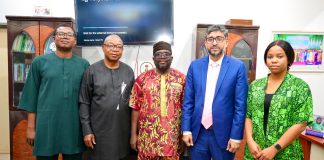
    VIYA Health Nigeria, in partnership with Incepta Pharmaceuticals Ltd, has reaffirmed its commitment to supporting the Government of Nigeria in expanding access to high-quality family planning solutions. This follows a strategic engagement with the Federal Ministry of Health and Social Welfare on Thursday, April 16, 2026, at the Office of the Director of Family Health in Abuja. The meeting highlighted the critical role of private-sector partners, such as VIYA Health and Incepta, in expanding access to affordable, innovative contraceptive options.

    In October 2025, the World Health Organisation (WHO) granted its first-ever prequalification for a generic version of subcutaneous depot medroxyprogesterone acetate (DMPA-SC), developed by Incepta Pharmaceuticals under the brand Medogen SubQ. Supported by the Children’s Investment Fund Foundation (CIFF) and the Gates Foundation, this prequalification confirms the product meets global standards for safety and effectiveness.

    VIYA Health, a global women’s health organisation offering personalised digital care, products, and services, serves as Incepta’s sole representative for DMPA-SC in Nigeria, Ghana, and some other African markets. The organisation is committed to leveraging technology and data to empower women throughout their health journeys.

    Representing the Director of Family Health, Federal Ministry of Health and Social Welfare, Dr Oyeniyi emphasised Nigeria’s target of achieving a 27% Modern Contraceptive Prevalence Rate (mCPR) by 2030. He noted that, given the extensive work already undertaken by partners and the growing demand for DMPA-SC, the product is expected to make a significant contribution toward meeting this national goal.

    Speaking on the development, Pharm. Billy Shoaga, Business Lead, VIYA Health, described the partnership with Incepta as a reflection of VIYA’s mission to help women own their health and unlock economic, social, and personal power. He highlighted that the introduction of a WHO-prequalified generic DMPA-SC breaks the long-standing single-source supply bottleneck, improves affordability, and enables millions more women to access a discreet, convenient contraceptive option they can use independently.

    Pharm. Shoaga further noted that VIYA Health’s role extends beyond distribution. Working with federal and state health ministries and implementing partners, VIYA is focused on equipping healthcare providers and stakeholders with the knowledge and support needed to integrate DMPA-SC into existing family planning programs. These efforts aim to strengthen health systems, advance self-care, and close access gaps to meet the rising demand for DMPA-SC in Nigeria.

    He added that Medogen SubQ will serve the public sector, while VIYA’s brand, Meuri-SubQ, will be available in the private sector—both representing the same WHO-prequalified DMPA-SC. This dual-brand strategy is designed to strengthen Nigeria’s family planning market, build stakeholder confidence, and support national efforts to improve maternal and reproductive health indicators.

    VIYA Health’s engagement underscores its commitment to leveraging global partnerships and innovative healthcare solutions to address critical needs in Nigeria’s health sector. Pharm. Shoaga reaffirmed VIYA’s readiness to collaborate with all stakeholders—including federal and state ministries of health, primary healthcare boards, donors, implementing partners, healthcare providers, and channel partners—to ensure the availability of Medogen SubQ and Meuri-SubQ across both public and private sectors.

  • As Global Health Faces Its First Reversal in Progress in a Generation, Gates Foundation CEO Details a 20-Year Push to Save and Improve Lives

    As Global Health Faces Its First Reversal in Progress in a Generation, Gates Foundation CEO Details a 20-Year Push to Save and Improve Lives

    Suzman says the setback shouldn’t be permanent and lays out a roadmap to reclaim momentum and accelerate progress through 2045, even amid significant financial constraints globally

    Today, Gates Foundation CEO Mark Suzman released his 2026 Annual Letter, The Road to 2045, warning that the recent reversal in global health progress raises urgent moral choices and outlining a 20-year agenda to accelerate impact as the foundation works toward completing its mission.

    Suzman’s reflections come at a consequential moment for global health and development and for the foundation itself. After years of stalled progress, foreign aid has fallen sharply by more than 25 per cent, with low-income countries also facing mounting debt that is constraining investment in their people. Against this backdrop, the Gates Foundation has moved to accelerate its work and sharpen its focus at a moment when global need is growing.

    “In 2025, for the first time this century, it’s almost certain that more children died than the year before. That’s a sentence I hoped I’d never have to write,” Suzman says. “It’s not as if the world forgot how to save children’s lives. It just wasn’t prioritized.”

    
    Suzman notes that while recent setbacks driven by declining development assistance and growing debt burdens are serious, they are not permanent and can be addressed through renewed political will, sharper prioritization, and sustained investment.
    

    Reflecting on what is at stake, Suzman writes, “Over the years, I’ve held fast to the conviction that poverty is not a sad inevitability but a solvable problem, one we have a moral obligation to take on.”
    
    Building on Bill Gates’ May 2025 announcement committing the Gates Foundation to spend a total of $200 billion over the next 20 years before closing in 2045, Suzman reaffirms three core goals that will guide the foundation’s work:
    

    • No mother or child dies of a preventable cause
    • The next generation grows up in a world without deadly infectious diseases
    • Hundreds of millions of people break free from poverty, putting more countries on the path to prosperity


    Suzman’s Annual Letter argues that achieving these ambitions is possible if resources are focused on areas where they save the most lives. He writes that the foundation will concentrate its accelerated spending on scaling proven interventions such as immunization, nutrition, and maternal health care, while investing in new tools to combat malaria, tuberculosis, and other infectious diseases.

    
    Suzman points to the foundation’s recent announcement of a historic $9 billion annual payout as evidence of both urgency and disciplined stewardship. His letter also highlights how responsibly deploying innovation, including generative AI, can help limited resources go farther by strengthening delivery systems, improving decision-making, and expanding access to care.


    As one example, Suzman highlights the foundation’s recent investment to expand access to AI tools in global health and development, including new partnerships focused on strengthening primary health care systems in Africa. He emphasises that technology must be paired with equity, strong public institutions, and local leadership to deliver lasting impact.

    Suzman underscores that progress at this scale depends on deep partnerships. “None of the progress of the last 25 years would have been possible without our partners,” he writes. He emphasises the foundation’s role as a catalyst that takes risks others cannot or will not take and works alongside governments, businesses, and communities to ensure solutions last long after its funding ends.

    
    Looking ahead, Suzman frames the coming years as a pivotal time. “My hope is that future generations will look back on this period as a small spike, an almost forgotten moment when progress hung in the balance before the world got back on track.”
    

    “When the foundation closes its doors,” Suzman adds, “I’m confident that where a child is born will no longer determine whether they live, learn, and thrive.”
    

  • Africa No Filter announces inaugural Council as it expands its reach on the continent and beyond.

    Africa No Filter announces inaugural Council as it expands its reach on the continent and beyond.

    -It takes a village to shift a narrative — and Africa No Filter’s village just got stronger.

    
    Africa No Filter (ANF) today announced the formation of its inaugural Council: a collective of eight highly respected leaders whose expertise spans media, finance, philanthropy, law, advocacy and research. Their appointment signals a new chapter for the organisation, which is now an independent, African-led and registered entity in Mauritius after five years as a U.S-based project.
    

    The ANF Council brings together people who have not only excelled in their fields, but who Moky Makura, Executive Director of Africa No Filter, deeply admires for the way they show up for the continent.
    

    “Narratives shape everything, from policy and reputation to investment and opportunity,” Makura says. “As Africa No Filter steps into this new era of independence, this Council strengthens our governance and sharpens our strategic direction. These are people who understand the stakes, believe in Africa’s potential and are committed to ensuring that Africa tells its own, more truthful story.”

    
    Over the last five years, Africa No Filter has committed more than US$7.5 million to the African creative and media ecosystem, supporting storytellers, researchers and platforms that challenge reductive, outdated portrayals of the continent.
    
    Its work has attracted some of the world’s most influential funders, including the Gates Foundation and the Mastercard Foundation, alongside its founding funders – the Ford Foundation, Luminate and the Hilton Foundation, Hewlett Foundation, and Mellon Foundation – who continue to support ANF’s mission to shift global narratives about Africa.
    

    At this pivotal moment, the Council will serve as a strategic sounding board and leadership body, strengthening governance, accelerating impact and expanding the organisation’s reach on the continent and beyond.

    
    The members of the 2025 Africa No Filter Council are:
    

    Richard Addy — a multi-award-winning strategist and co-founder of international audience strategy consultancy AKAS, recognised as one of the world’s Top 100 media experts.
    

    Nousrath Bhugeloo — a seasoned senior executive in financial services and Executive Director and Chairperson at Nexus Global Financial Services.
    

    Yacine Djibo — Founder and Executive Director of Speak Up Africa, whose advocacy has reshaped policy conversations on health, sanitation and sustainable development across the continent.
    

    Ferdinand Mokete — Director at KPMG South Africa and MBA lecturer at Wits Business School, representing the next frontier of African economic leadership and governance excellence.
    

    Françoise Moudouthe — CEO of the African Women’s Development Fund and founder of Eyala, an online platform amplifying African feminist voices.
    

    Nicolas Pompigne-Mognard — Franco-Gabonese entrepreneur and founder of APO Group, an award-winning pan-African communications consultancy and press release distribution service, listed among the Top 100 Most Influential Africans in 2023 and 2024.
    

    Anshi Saminaden — Senior Legal Counsel at the African Leadership University, renowned for her leadership in institutional governance, negotiation and investment management.
    

    Natasha Kofoworola Quist — Founder of Quest Advisory Africa, with over 25 years’ experience spanning humanitarian work, conservation, philanthropy and the private sector.
    

    Each member brings a distinct lens, yet all share a common conviction: that Africa’s story must be told more fully, more fairly and by Africans themselves.
    

    Yacine Djibo believes the future narrative must finally reflect reality — “a continent of creativity, innovation and possibility, where African voices define the story and inspire confidence, investment and ownership from within and beyond the continent.”
    

    For Nicolas Pompigne-Mognard, countering stereotypes is not only ethical, but strategic. By promoting authentic stories of progress, he says, “the media can unlock investment and help transform Africa’s economic prospects.”
    
    Anshi Saminaden echoes this, pointing to the power of authentic storytelling to “direct investment and support to where they are most needed, unlocking Africa’s human power and transformation.”

    Nousrath Bhugeloo noted that strong governance is part of how Africa tells its story, and that ANF’s commitment to building resilient, African-led institutions is as important as the narratives it amplifies.

    With strengthened governance, expanded continental expertise and a growing global footprint, Africa No Filter’s transition to an independent entity marks far more than an organisational change. It is a statement of intent: a new era in which Africa commands its own narrative, on its own terms.

  • With Child Deaths Projected to Rise for the First Time This Century, Gates Foundation Urges Global Leaders to Target Scarce Resources Where They Save the Most Lives

    With Child Deaths Projected to Rise for the First Time This Century, Gates Foundation Urges Global Leaders to Target Scarce Resources Where They Save the Most Lives

    …New Goalkeepers Report models impact of global health funding cuts, offers roadmap of best buys and most effective investments to slow this reversal

    The number of children dying before their 5th birthday is projected to rise for the first time this century, reversing decades of global progress, according to new data published today in the Gates Foundation’s 2025 Goalkeepers Report.

    In 2024, 4.6 million children died before their 5th birthday. According to modeling in the report, conducted by the Institute for Health Metrics and Evaluation (IHME), that number is projected to rise by just over 200,000—to an estimated 4.8 million children this year. At the same time, global development assistance for health fell sharply this year—26.9% below 2024 levels.

    Beyond this year’s drastic funding cuts, countries face mounting debt, fragile health systems, and the risk of losing hard-won gains against diseases like malaria, HIV, and polio.

    The report, We Can’t Stop at Almost, warns that if global health funding cuts persist, up to 16 million more children could die by 2045. It offers a roadmap for how targeted investments in proven solutions and next-generation innovations can save millions of children’s lives, preventing a reversal in progress in today’s constrained budget environment.

    “I wish we were in a position to do more with more because it’s what the world’s children deserve. But even in a time of tight budgets, we can make a big difference,” writes Bill Gates, chair of the Gates Foundation and the report’s author. “I’ll continue to advocate however and wherever I can for increased funding for the health of the world’s children—and for efficiencies that improve our current system. But with millions of lives on the line, we have to do more with less, now.”

    A Critical Turning Point

    Projections by the IHME show that if global health funding cuts of 20% persist, an additional 12 million children could die by 2045. A 30% permanent cut would bring that toll to 16 million.

    Gates describes this moment as a turning point for global health, when the right choices can still save millions of lives.

    “We could be the generation who had access to the most advanced science and innovation in human history—but couldn’t get the funding together to ensure it saved lives,” Gates writes. “By making the right priorities and commitments, and investing in high-impact solutions, I’m confident we can stop a significant reversal in child deaths and help ensure millions more children are alive in 2045.”

    In the report, Gates identifies investments with the greatest potential to save millions of young lives. He calls for doubling down on the most effective interventions—primary health care, routine immunizations, better vaccines, and new uses of data—to stretch every dollar. For example:

    For less than $100 per person per year, strong primary health care systems can prevent up to 90% of child deaths.
    Every $1 spent on vaccines returns $54 in economic and social benefits. Through Gavi, the Vaccine Alliance, more than 1.2 billion children have received lifesaving vaccines since 2000.

    The work of the Global Fund to Fight AIDS, Tuberculosis and Malaria is also evidence of what sustained investment can achieve. As one of the most effective engines in health, the Global Fund has saved 70 million lives and reduced deaths from malaria, TB, and HIV by more than 60% since 2002. Late last month, leaders pledged $11.34 billion to the Global Fund’s Eighth Replenishment, underscoring continued global commitment to fighting these diseases while laying bare the risks of stepping back.

    According to Gates, investment in the development of next-generation innovations could end some of the deadliest threats to children, such as malaria and pneumonia, for good. Modeling in the report projects that sustained funding in these innovations could save millions of children by 2045.

    Next-generation vaccines for respiratory syncytial virus and pneumonia could save 3.4 million children.
    New malaria tools could save another 5.7 million children, while long-acting HIV prevention tools like lenacapavir could help drive infections and deaths toward zero in high-burden countries.

    Local Leadership, Global Action
    The report also features essays with firsthand perspectives from leaders, health workers, and researchers in Africa and Asia who are advancing solutions to sustain progress:

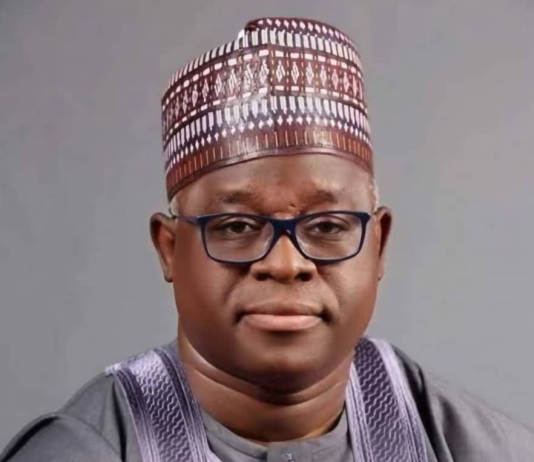
    In Nigeria, Muhammad Inuwa Yahaya, governor of Gombe State, prioritized primary health and education amid a budget deficit. “You don’t need perfect conditions to make progress. You need clarity, and the courage to stick to it.”

    In Kenya, community health worker, Josephine Barasa continued volunteering in her community after losing her paid position, providing care and education to mothers and children. “They could take away the money, but they couldn’t take me away from my women… The support systems may have disappeared, but the need has not. And neither have I.”

    In Uganda, entomologist, Krystal Mwesiga Birungi is developing next-generation tools to combat malaria. “Ending malaria is not only possible, but it is also urgent,” she said. “We African researchers know this—and we are leading the way.”

    In India, Dr. Naveen Thacker, a pediatrician, underscored the importance of affordable and accessible vaccines. “If we want to see more healthy children, affordability of vaccines is key.”

    Gates implores governments, philanthropies, and citizens to act on the report’s findings by safeguarding or expanding funding, increasing philanthropic giving, and reminding leaders that every child deserves the chance to survive and thrive, no matter where they are born.

    “We can’t stop at almost,” Gates writes. “If we do more with less now—and get back to a world where there are more resources to devote to children’s health—then in 20 years we’ll be able to tell a different kind of story: how we helped more kids survive childbirth—and childhood.”

  • Gates Foundation Announces New Commitment for Smallholder Farmers on the Frontlines of Extreme Weather

    Gates Foundation Announces New Commitment for Smallholder Farmers on the Frontlines of Extreme Weather

    $1.4B investment expands access to evidence-backed tools to help farmers in some of the world’s poorest regions adapt and build more resilience to droughts, floods, heat waves

    The Gates Foundation today announced a new commitment to advancing climate adaptation, helping smallholder farmers build resilience to a warming world and protect hard-won gains against poverty.

    Announced at COP30 in Belém, Brazil, where leaders are emphasizing locally driven adaptation, the four-year, $1.4 billion investment will expand access to innovations that help farmers across sub-Saharan Africa and South Asia adapt to extreme weather. In these regions, where food security and livelihoods depend on agriculture, smallholder farmers and the communities they feed are among the most exposed to droughts, floods, and rising temperatures. Yet less than 1% of global climate finance targets the growing threats to these vital food systems.

    “Smallholder farmers are feeding their communities under the toughest conditions imaginable,” said Bill Gates, chair of the Gates Foundation. “We’re supporting their ingenuity with the tools and resources to help them thrive—because investing in their resilience is one of the smartest, most impactful things we can do for people and the planet.”

    The commitment supports Bill Gates’ vision, outlined in his recent COP30 memo, of prioritizing climate investments for maximum human impact and advances the foundation’s goal of lifting millions of people out of poverty by 2045.

    Addressing a global funding gap

    Farmers in low-income countries produce one-third of the world’s food but face mounting climate threats. Without greater adaptation investment, these shocks will continue to drive food insecurity and reverse hard-won gains against poverty.

    World Bank research shows that targeted adaptation investments could boost GDP, particularly in small island and developing states, by up to 15 percentage points by 2050. The World Resources Institute estimates that every dollar invested in climate adaptation will yield more than $10 in social and economic benefits within a decade.

    “Climate adaptation is not just a development issue—it’s an economic and moral imperative,” said Mark Suzman, CEO of the Gates Foundation. “This new commitment builds on our support for farmers in Africa and South Asia who are already innovating to withstand extreme weather. But they can’t do it alone—governments and the private sector must work together to prioritize adaptation alongside mitigation.”

    Scaling farmer-led innovation

    While climate shocks continue to intensify, the financing needed to help farmers adapt to them is not keeping up. According to the 2025 UN State of Food Security and Nutrition report, Africa was the only region where hunger and malnutrition increased this year. Without urgent adaptation, the Intergovernmental Panel on Climate Change warns that agricultural productivity in parts of Africa could drop by up to 20% by 2050.

    The foundation’s new investment will scale farmer-led, evidence-backed innovations that strengthen rural livelihoods and food systems amid growing climate threats. It will expand technologies and approaches already showing results, including:

    Digital advisory services: Mobile apps, SMS, and other platforms that deliver timely, tailored information to help farmers make informed planting decisions and manage risk, including support for the AIM for Scale initiative, which aims to reach 100 million farmers across Africa, Asia, and Latin America by 2030

    Climate-resilient crops and livestock: Varieties that withstand drought, heat, and emerging pests while improving yields and nutrition

    Soil health innovations: Approaches that restore degraded land, enhance productivity, and reduce emissions—supported by a $30 million partnership with the Novo Nordisk Foundation to advance soil science research

    Partnerships driving global impact

    The new commitment builds on partnerships that were expanded or launched through the foundation’s COP27 pledges and are already reaching millions of farmers. Examples include:

    AIM for Scale: Launched in 2023, this global partnership delivered AI-powered SMS weather forecasts to nearly 40 million farmers across 13 Indian states during the 2025 monsoon season, helping protect millions of acres of crops.

    TomorrowNow and KALRO: Together with the Kenya Agricultural and Livestock Research Organization (KALRO), TomorrowNow is providing hyper-local weather alerts to more than 5 million Kenyan farmers, improving yields and reducing crop losses, with expansion underway in Tanzania, Malawi, and Zambia.

    The Gates Foundation is working alongside local researchers, governments, and private sector partners to scale such efforts—strengthening rural economies and food systems for the long term.

    Collaboration at COP30

    This investment reflects a shared global commitment—led by African leaders and Brazil’s COP30 presidency—to put food, livelihoods, and health at the center of resilience planning. Brazil’s own experience linking social programs with sustainable agricultural innovation shows how inclusive adaptation can drive equitable growth.

    Together with Brazil’s Ministry of Agriculture and Livestock, Embrapa, AGRA, AIM for Scale, CGIAR, the Forum for Agricultural Research in Africa (FARA), and the United Arab Emirates, the foundation will co-host the Agricultural Innovation Showcase at COP30. Both a high level event on November 10 and a physical exhibition, the showcase will highlight affordable, climate-smart solutions designed for and, in many cases, by farmers

  • CNN announces new speakers and additional sponsor for Global Perspectives: On Africa event

    CNN announces new speakers and additional sponsor for Global Perspectives: On Africa event

    … New speakers include representatives from DP World, the Gates Foundation, the United Nations, African Futures Institute and Ministry of International Cooperation, Egypt

    Convening CEOs, changemakers and industry innovators, CNN’s inaugural Global Perspectives event, on 3 November, is a new forum that will cover the big ideas, bold leadership, and dynamic economies at the frontlines of global transformation.

    In addition to previously announced speakers, the stellar line-up for the first of these events, Global Perspectives: On Africa now also includes:

    ·       Sultan Ahmed bin Sulayem, Group Chairman & Chief Executive Officer, DP World

    ·       Mark Suzman, CEO and Board Member, Gates Foundation

    • H.E. Dr. Rania A. Al-Mashat, Minister of Planning, Economic Development & International Cooperation, Egypt

    ·       Cristina Duarte, UN Under-Secretary-General and Special Adviser on Africa to the United Nations Secretary-General

    ·       Professor Lesley Lokko OBE, Founder and Chair, African Futures Institute

    ·       Chimamanda Ngozi Adichie, Author

    ·       Tsitsi Masiyiwa, Co-founder and Chair, Higherlife Foundation

    ·       Ralph Mupita, Group President and CEO, MTN

    Conversations will be moderated by CNN journalists from Africa, Europe, the United States and the Middle East, with Anchor & Correspondent Eleni Giokos now joining Christiane Amanpour, Richard Quest, Jim Sciutto, Zain Asher and Larry Madowo on the network’s roster on the day.  They will anchor proceedings on stage across an agenda covering Africa at a turning point, the shape of the new global order, and how to build the next transformation economy.

    Highlights from the event and news-making interviews will also feature across CNN platforms, followed by a dedicated show to be broadcast for worldwide audiences on CNN International.

    Along with informative discussions and valuable networking, the event offers opportunity for commercial partners. MTN, Africa’s largest mobile network operator, is announced as sponsor of Global Perspectives: On Africa which will see their branding throughout the event, across marketing collateral as well as advertisements aligned with Global Perspectives, reaching audiences around the world.

  • With Millions of Children’s Lives on the Line, Bill Gates Says Humanity Is at a Crossroads

    With Millions of Children’s Lives on the Line, Bill Gates Says Humanity Is at a Crossroads

    At 2025 Goalkeepers event, Gates lays out roadmap for saving millions more children’s lives by 2045 if governments stretch every dollar and scale a pipeline of affordable, lifesaving innovations

    At its 2025 Goalkeepers event, Gates Foundation Chair, Bill Gates stood before an audience of more than 1,000 global government, community, philanthropy, and private-sector leaders and issued a stark but hopeful call to world leaders: save millions of children’s lives and make some of the deadliest diseases history by 2045.

    “Humanity is at a crossroads. With millions of children’s lives on the line, global leaders have a once-in-a-generation chance to do something extraordinary,” said Gates. “The choices they make now—whether to go forward with proposed steep cuts to health aid or to give the world’s children the chance they deserve to live a healthy life—will determine what kind of future we leave the next generation.”

    This year, donor countries dealing with domestic challenges, high debt levels, and aging populations made dramatic funding cuts to global development assistance for health (DAH). According to a recent study by the Institute for Health Metrics and Evaluation (IHME), global DAH fell by 21% between 2024 and 2025, and is now at a 15-year low. With key global health funding decisions expected before the end of the year, total funding levels could rise. However, if the current cuts hold, they threaten decades of progress that saw child mortality cut in half since 2000—from 10 million children to less than 5 million children a year—one of humanity’s greatest achievements.

    During the annual event, which this year focused on reigniting a shared commitment to saving children’s lives, Gates announced his foundation’s pledge of $912 million over three years to the Global Fund to Fight AIDS, Tuberculosis and Malaria’s 2026-2028 replenishment. The Global Fund is one of the most effective lifesaving initiatives of the 21st century. Its fundraising replenishment cycle ends this November, underscoring the urgency for governments to make pivotal decisions in the coming weeks and months for the lives of millions of people.

    “What’s happening to the health of the world’s children is worse than most people realize, but our long-term prospects are better than most people can imagine,” said Gates. “I don’t expect most governments to suddenly restore foreign aid to historic levels, but I am an optimist, and I believe governments can and will do what’s needed to save as many children as possible,” said Gates.

    With shrinking global health budgets as the backdrop, the Goalkeepers event highlighted the people, science and innovations, and policies that are accelerating solutions for how leaders can do more with less.

    A Roadmap to a Healthier Future

    “We have a roadmap for saving millions of children and making some of the deadliest childhood diseases history by 2045,” Gates asserted. “I’m urging world leaders to invest in the health of all people, especially children, to deliver this future.”

    Results from work by the Gates Foundation and the IHME indicate that sustaining global investments in child health and scaling lifesaving innovations could cut child deaths in half again over the next 20 years.

    The roadmap includes:

    • Renewing investments in proven initiatives, such as the Global Fund and Gavi, the Vaccine Alliance, to help countries make smarter, more cost-effective health decisions; gain access to proven vaccines, medicines, and treatments; and focus on sustainability and transitioning to self-reliance
    • Prioritizing primary health care systems—even in the face of challenging budget decisions—to prevent, detect, and treat childhood illnesses early
    • Investing in further R&D and effectively rolling out breakthrough innovations that include:
    • A suite of new approaches to combating malaria, including innovations that prevent mosquitoes from carrying parasites and single-dose treatments to accelerate eradication of the disease
    • Long-acting HIV drugs and prevention options that replace daily pills to drive AIDS deaths down to single digits
    • New maternal vaccines against respiratory syncytial virus (RSV) and group B streptococcus (GBS) that have the potential to protect babies from deadly respiratory illnesses
    • Artificial intelligence to leverage smarter, faster, and cheaper delivery of safe, cost-effective medicines to dramatically improve lives

    A New Three-Year Commitment to the Global Fund

    Since 2002, the Global Fund has saved more than 70 million lives; reduced deaths from AIDS, TB, and malaria by more than 60%; and strengthened global health security. Each dollar invested in the Global Fund delivers an estimated $19 in health and economic returns.

    The foundation’s new pledge brings its total commitments to the Global Fund to $4.9 billion since 2002, making it one of the foundation’s largest investments. The pledge aims to galvanize governments, philanthropists, and the private sector to come to the table with significant investments for the fund’s Eighth Replenishment, which is co-hosted by South Africa and the United Kingdom. With millions of lives on the line, the level of investment in the Global Fund over the next three years will determine whether the world saves millions of lives; curbs HIV, TB, and malaria; and bolsters economies and global health security.

    “An entire generation is alive today thanks to the world’s generosity, smart investments, and the hard work of governments and Global Fund partners,” Gates said. “Now, we must go further so the next generation grows up in a world where no child dies from preventable causes.”

    Celebrating Goalkeeper Award and Champions

    In recognition of his continued commitment to advance the Global Goals, the foundation announced President of the Government of Spain, Pedro Sánchez as the winner of its 2025 Global Goalkeeper Award. Under Prime Minister Sanchez’s leadership, Spain increased contributions to the Global Fund this year by nearly 12% and to Gavi by 30%, expanded official development assistance (ODA), and hosted the landmark International Conference on Financing for Development in June 2025.

    The event also honored Goalkeepers Champions—experts, innovators, and advocates driving progress in child survival worldwide. They include:

    • Dr. Abhay Bang and Dr. Rani Bang (India) – Pioneering community-based health care in India
    • David Beckham (UK) – Advocating for child health and education
    • Krystal Mwesiga Birungi (Uganda) – Championing youth-centered policies and equitable health access across Africa
    • Toni Garrn (Germany) – Mobilizing resources to expand education and health care for girls
    • John Green (USA) – Using storytelling and advocacy to spark vital conversations on tuberculosis and mental health among young people
    • Osas Ighodaro (Nigeria) – Driving awareness and action in the fight against malaria
    • Dr. Donald Kaberuka (Rwanda) – Advancing global health financing for effective health system strengthening and expanding access to health care worldwide
    • Jerop Limo (Kenya) – Advancing HIV awareness and care for children and families across Africa
    • Reem Al-Hashimy (United Arab Emirates) – Championing investments in health and education through initiatives like Dubai Cares
    • Dr. Naveen Thacker (India) – Advancing child health through community-based innovations

    “We Can’t Stop at Almost”

    The Goalkeepers event was co-hosted by singer, songwriter, and composer, Jon Batiste, who returned as musical curator for the second year with the PS22 elementary school choir, and actress and director, Olivia Wilde. Together, they urged the audience to remember that while the world has made progress, “we can’t stop at almost,” which was the event’s theme.

    Community champions, scientists, health workers, faith leaders, and activists from Bangladesh, Indonesia, Kenya, Madagascar, Nigeria, Senegal, South Africa, Uganda, and the United States shared powerful stories of resilience and innovation. Several showcased breakthrough technologies already saving lives and moving the world closer to eradicating deadly diseases.

    “Every year, Goalkeepers unites changemakers to inspire and push one another forward,” said Dawda Jobarteh, deputy director of the foundation’s Goalkeepers campaign. “Together, we can reimagine a future without preventable child deaths and unlock the next wave of breakthroughs for the world’s children.”

    Event session presenters included Rick Warren, pastor and author; El Hadji Mansour Sy, co- president of World Council of Religions for Peace; Ingrid Silva, ballet dancer and activist; Krista Tippett, journalist and author; Latif Nasser, co-host of “Radiolab”; and Budi Gunadi Sadikin, Indonesia’s minister of health.

    Looking Ahead

    Later this year, Goalkeepers will expand to the Middle East for the first time, convening leaders, innovators, and changemakers from across the region and beyond in Abu Dhabi on December 8.

    Ahead of that, the foundation will release its 2025 Goalkeepers Report, focusing on the impact that leaders’ choices between now and the end of the year will have on saving children’s lives.

    Earlier this year, Gates made a historic announcement that he would give away virtually all of his wealth to the foundation to advance progress on saving and improving lives. He also announced the foundation would spend $200 billion over the next 20 years, working with its partners to make as much progress as possible towards three primary goals: end preventable deaths of moms and babies; ensure the next generation grows up without having to suffer from deadly infectious diseases; and lift millions of people out of poverty, putting them on a path to prosperity. At the end of the 20-year period, the foundation will sunset its operations.

  • FG gets $600,000 relief fund from Gates Foundation

    FG gets $600,000 relief fund from Gates Foundation

    The Nigerian government has secured a $600,000 relief fund and commitments from the Bill and Melinda Gates Foundation.

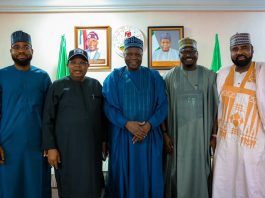
    The donation was announced when Vice President Kashim Shettima met with the Bill and Melinda Gates Foundation led by its head of the Global Development Programme, Dr Christopher Elias, on the sidelines of the 79th United Nations General Assembly in New York.

    The relief fund is to “hasten relief efforts for victims of the devastating floods, as well as for health and agricultural sectors’ reforms,” the Senior Special Assistant to the Vice President on Media and Communications, Stanley Nkwocha, revealed in a statement he signed Thursday.

    The statement is titled ‘Nigeria secures $600,000 for flood relief, health, agric sectors’ reforms.’

    The announcement comes days after the Federal Government established a Disaster Relief Fund that, it says, would enable it to “build greater resilience” in preventing and responding to natural disasters nationwide, especially floods.

    The Minister of Finance and Coordinating Minister of the Economy, Mr Wale Edun, who announced the fund on Monday said the DRF would consider the unique threats posed by climate change by pooling funds from a broad spectrum of public and private sector players and international donors.

    Specifically, the Bill & Melinda Gates Foundation pledged $600,000 for flood relief in Borno State and other health sector initiatives, with an additional $5m grant approved for Lagos Business School and partners to develop the agricultural economics of industrial cassava.

    Shettima reaffirmed the administration of President Bola Tinubu’s commitment to making health, nutrition, and agricultural development the forefront of the nation’s agenda.

    “We are deeply committed to addressing the pressing developmental challenges facing our nation, particularly the significant malnutrition crisis,” he stated.

    He emphasised the Nigerian government’s dedication to integrity and effective leadership in tackling these issues, pointing out that there is an urgency in securing locations for maize production under the Telemaze programme.

    Promising swift action on import permits for certified seeds, the VP said, “We recognize the critical importance of food security and industrial agricultural development.

    “The cassava accelerator programme, in particular, holds immense potential for our economy.

     “We are pursuing a whole-of-government approach to digitisation and data exchange systems, which we believe will revolutionise our public services,” the VP added while reiterating the government’s focus and commitment to digital transformation.

    Shettima further expressed firm belief that “with the expertise” of Nigeria’s ministers, “and the continued support of partners like the Gates Foundation,” the nation remains confident in its “ability to drive meaningful change and improve the lives of all Nigerians.”

    On his part, the President of the Global Development Programme at the Gates Foundation, Dr Christopher Elias, said the Foundation is deeply worried about the severe flooding in Borno and is “committed to supporting Nigeria in times of crisis.”

    The Foundation also pledged support for Nigeria’s health sector reforms, particularly in the fight against polio.

    “We’re impressed by the national task force’s efforts to eliminate variant polioviruses by year-end,” Elias noted.

    Also, the President of the Global Growth & Opportunity Division at the Bill & Melinda, Rodger Voorhies, detailed plans for scaling up drought-tolerant maize production and advancing the Nigeria Cassava Investment Accelerator programme.

    He disclosed that a $5m grant has been approved for Lagos Business School and partners to develop the agricultural economics of industrial cassava.

    “Industrial cassava presents a multi-billion-dollar opportunity for Nigeria,” Voorhies explained.

    He requested import permits for 5,000 metric tons of certified maize seed to build a foundation seed system in the country.

    On his part, the Director of the Nigeria Country Office at the Gates Foundation, Uche Amaonwu, expressed appreciation for the ongoing partnership, particularly highlighting a $60m investment in sector-wide programmes and collaborations on reproductive health issues.

  • Sterling One Foundation Commits to the African Union Year of Education (AUYoE) Alongside African Education Ministers and Other Stakeholders

    Sterling One Foundation Commits to the African Union Year of Education (AUYoE) Alongside African Education Ministers and Other Stakeholders

    The Sterling One Foundation has reiterated its commitment to investing in foundational learning and working with the Association for the Development of Education in Africa (ADEA) and partners to boost education in Africa.

    This commitment was made at the 2023 High-Level Policy Dialogue hosted in Zambia by ADEA and the Zambian Ministry of Education to inform policy and decisions on foundational learning, foster dialogue and peer learning, and share good practices on what works in foundational learning in support of the African Union Year of Education scheduled for 2024.

    Over the years, development experts have bemoaned the dire situation facing Africa’s youth, given the inefficient education system in place to cater to them, coupled with the rapid rise in their population. In Sub-Saharan Africa, the State of Global Education Update reports that only 10% of 10-year-olds are able to read basic story texts or solve simple arithmetic problems, thus placing the region as the lowest in terms of numeracy skills and foundational literacy in the world.

    With this challenge at the front burner, ten African Ministers of Education and some other country representatives agreed to prioritize foundational learning and develop a foundational learning starter pack model for the 2024 African Union Year of Education (AUYoE) and beyond, as an urgent step towards tackling the challenge.

    The starter pack is expected to serve as a uniform resource material that will help the participating countries develop a sustainable solution for the problem. Furthermore, the model will prioritize data collection and analysis of the data in partnership with ADEA and other key policy partners to improve laws and bring to fore policies that foster more efficiency, peer learning and best practices in support of the AUYoE.

    Sharing her perspective on the resolutions from the Dialogue, Mrs. Olapeju Ibekwe, CEO of the Sterling One Foundation hailed the ideas and strategies put forward, stating that it will strengthen the work of private sector and civil society organizations contributing to the solutions.

    “Policies are crucial to sustainable development work in Africa and we are glad that the deliberations here have fashioned out ways to improve the work being done across the early childhood and primary education value chain. At our Foundation, we support the work of different stakeholders through grants, technical support and strategic engagements, and we are excited to see how the mainstreaming of the resolutions here will improve that work,” she added.

    Some of the key aspects the decision-makers at the Policy Dialogue hope to address in the immediate future include adoption of structured pedagogy for the continent, introduction of more age-appropriate teaching methods and use of technology to improve teacher quality, through training and performance monitoring and improvement.

    The Minister of Education of Zambia, Hon. Douglas Munsaka Syakalima while stressing the importance of all stakeholders taking the resolutions seriously mentioned that education, especially foundational learning is at the base of what will drive Africa’s development.

    “It is by building people that we will derive the resources to craft a new vision and bring such a vision to life. Without foundational skills in numeracy and literacy, there can be no further learning quality,” he said.

    Participants at the High-Level Policy Dialogue got the opportunity to review some of the solutions and insights from the participating countries to see what works and where improvements and adaptations are possible. School visits were organized for participants to get some first-hand experience of play-based learning and other important concepts made possible by the right policies.

    During his remarks, the Executive Secretary of ADEA, Mr. Albert Nsengiyumva highlighted the need for a collective commitment to tackling the crisis the continent faces, stating that: “Africa is the continent most affected by the learning crisis, and it is where the solutions must be developed.”

    He thanked the participating Ministers of Education and other stakeholders for the work they have done so far, and urged them to continue on that momentum to ensure the acceleration of progress.

    Some other leaders who spoke at the Policy Dialogue include Dr. Obiageli Ezekwesili, Founder of Human Capital Africa and Co-convener of the Foundational Learning Ministerial Coalition, and Dr Benjamin Piper, Director of Global Education at the Gates Foundation, both of whom advocated strongly for data-driven decisions and scaling what has worked.