Tag: Inclusion

  • FirstBank Partners NTA, others on 2026 Children’s Day Engagements to Inspire Future Leaders

    FirstBank Partners NTA, others on 2026 Children’s Day Engagements to Inspire Future Leaders

     FirstBank, West Africa’s premier financial institution and the leading financial inclusion service provider, is set to commemorate Children’s Day 2026 with a series of sponsored nationwide engagements designed to educate, inspire, and empower children across Nigeria. Through its sponsorship of initiatives organised by the Nigerian Television Authority, Nigeria Future Leaders Festival, Lexicon the Bank reaffirms its commitment to nurturing the next generation of leaders and strengthening its role in sustainable community development.

    The celebrations will kick off with the sponsorship of the NTA Abuja Children’s Day in Abuja and the Youth Edutainment Theatre (YET) Festival in Lagos on 25 May, followed by support for the Nigeria Future Leaders Festival on 26 May. On 27 May, FirstBank will support multiple activities including the Lexicon Children’s Day Games, the NTA Channel 10 Lagos and the NTA Yola Children’s Day Party. Each of these programmes is designed to foster creativity, inclusion, and confidence among children from diverse backgrounds, while promoting learning and aspiration.

    Commenting on the Bank’s support for the initiatives, Olayinka Ijabiyi, Group Head, Marketing and Corporate Communications, FirstBank, noted that the engagements align with the Bank’s strategy on youth development and empowerment. “Children are the foundation of a sustainable and prosperous future. Our support for children on their special day is an intentional investment in nurturing creativity, building confidence, and empowering the next generation with opportunities they need to grow and thrive. We are happy to partner with the Nigerian Television Authority, Nigeria Future Leaders Festival and Lexicon on these engagements to create meaningful experiences that inspire tomorrow’s leaders across the country.”

    The sponsorship of the Children’s Day engagements aligns with FirstBank’s broader Sustainability framework, which prioritises education, health and welfare as key pillars of its impact strategy. The commitment is further reinforced through flagship youth-focused products such as KidsFirst, MeFirst, and Xplore First, which promote financial literacy, encourage savings culture, and empower young people at different stages of growth, ensuring that financial inclusion begins early and evolves with their needs. Beyond Children’s Day, FirstBank will also support the ReadBug Literature Festival 2026, which will be held in Abuja in July.

    FirstBank will continue to invest in initiatives that empower children, enrich families, and contribute to national development, ensuring that every engagement creates value-driven experiences and inspires brighter futures.

  • Junior Achievement (JA) Africa and ExxonMobil Foundation Launch Science, Technology, Engineering, and Maths (STEM) Africa 2.0 to Equip the Next Generation of African Innovators

    Junior Achievement (JA) Africa and ExxonMobil Foundation Launch Science, Technology, Engineering, and Maths (STEM) Africa 2.0 to Equip the Next Generation of African Innovators

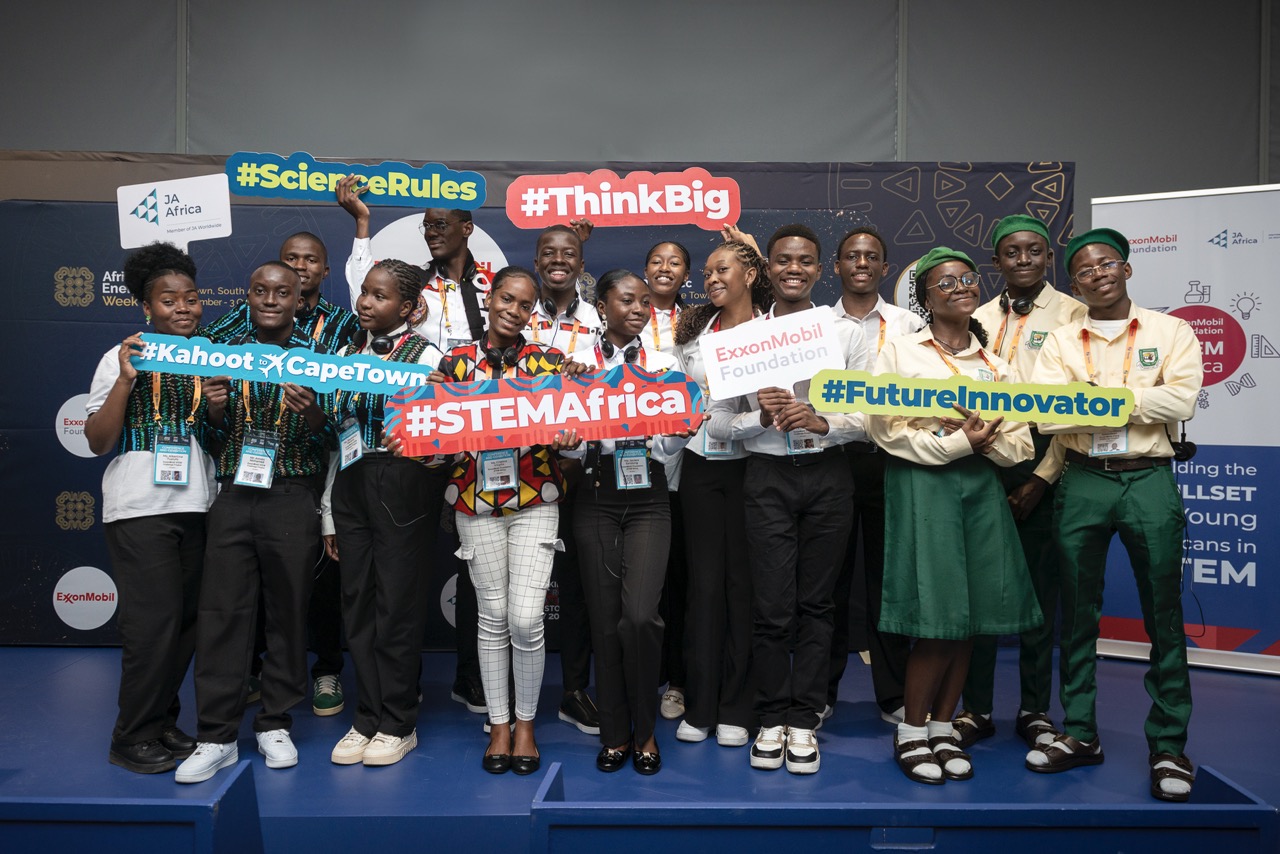
    The 2026 edition, dubbed STEM Africa 2.0, is an initiative that integrates AI learning pathways and aims to equip 4,000 additional students aged 14–17 with the skills needed to thrive in a rapidly evolving digital economy

    JA (Junior Achievement) Africa, with support from the ExxonMobil Foundation, announces the launch of the 2026 ExxonMobil Foundation STEM Africa Program, an initiative designed to equip young Africans with critical science, technology, engineering, and maths (STEM) and artificial intelligence (AI) skills.

    The program builds on a successful partnership that has already reached more than 10,000 young people across Angola, Mozambique, Namibia, and Nigeria. The 2026 edition, dubbed STEM Africa 2.0, is an initiative that integrates AI learning pathways and aims to equip 4,000 additional students aged 14–17 with the skills needed to thrive in a rapidly evolving digital economy.

    The launch comes at a pivotal moment for Africa, where the youth population continues to grow rapidly, yet access to STEM and digital skills remains limited. By combining hands-on learning, mentorship from industry professionals, and real-world problem-solving, the program positions young people to participate meaningfully in emerging sectors such as energy, sustainability, and digital innovation.

    Through a structured, four-phase learning experience, participants engage in STEM and AI quizzes, zonal competitions, national innovation camps, and a final continental showcase at the Africa Energy Week Conference. These experiences move beyond classroom theory, enabling students to develop practical solutions to real-world challenges while building confidence, collaboration, and critical thinking skills.

    “The future of Africa will be shaped by the ideas, ingenuity, and leadership of its young people,” said Simi Nwogugu, President and CEO of JA Africa. “Through STEM Africa 2.0, we are not only strengthening STEM competencies but also opening pathways into artificial intelligence and innovation. This is about ensuring that young people across the continent are prepared to lead, create, and solve problems that matter, both locally and globally.”

    Alvin Abraham, President of the ExxonMobil Foundation, added: “We believe that investing in young people is one of the most powerful ways to drive long-term economic growth and resilience. By supporting STEM Africa 2.0, we are helping to bridge the skills gap and enabling young people to engage with emerging technologies that will define the future of work.”

    The significance of the 2026 launch lies in its forward-looking approach. By integrating AI literacy into secondary school STEM education, the program directly addresses global workforce trends while ensuring young Africans are not left behind. It also strengthens the connection between education and employability, exposing participants to career pathways in high-growth sectors and building a pipeline of future innovators.

    In addition to technical skills, the program emphasizes inclusion, ensuring participation from underserved communities and promoting gender balance across all activities. A strong monitoring and evaluation framework will track learning outcomes, behavioural shifts, and long-term progression into STEM-related pathways.

    Young people, educators, and partners interested in participating or learning more about the ExxonMobil Foundation STEM Africa Program 

  • Feature- Women Empowerment in the Construction Industry: The BuildHer by Lafarge Example

    Feature- Women Empowerment in the Construction Industry: The BuildHer by Lafarge Example

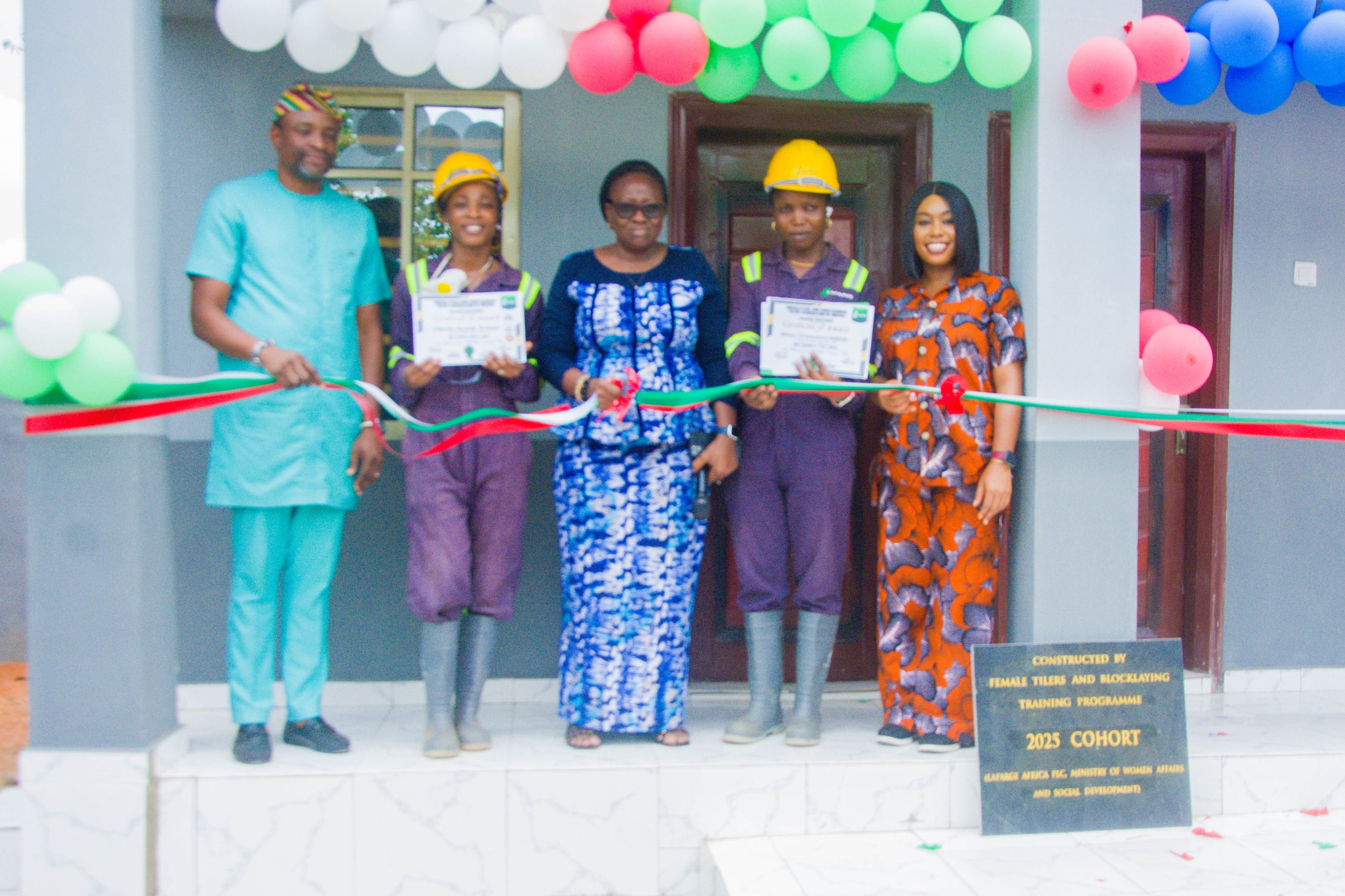
    The 2025 edition of the BuildHer by Lafarge Female Tilers and Block-Laying Training Programme, a specialised empowerment initiative aimed at increasing female participation in the Nigerian construction industry, is a strong testament that with the right support, the 21st-century woman is ready to take on the world.

    Launched in 2021 as part of Lafarge Africa’s broader corporate social responsibility efforts, the initiative began in Lagos and has grown significantly while maintaining its core objective of equipping women from underserved communities with technical, entrepreneurial, and financial skills. Each participant undergoes hands-on training in tiling and block laying using Lafarge Africa’s flagship products, Supafix and Supaset.

    In addition, participants receive professional support, including automatic enrolment into the Block Makers and Tilers Association of Nigeria, providing access to a network that facilitates their entry into the workforce. Graduates are also awarded certificates and essential working tools, such as cutters and other equipment, to help kickstart their professional journey.

    The success of the programme is evident in the 2025 edition, which recorded its highest participation yet, with 100 participants across three states: Lagos, Ogun, and Cross River. This expansion builds on the achievements of previous editions held in Lagos. A notable milestone is the strengthened collaboration with government institutions, including the Lagos State Ministry of Youth and Social Development, the Lagos State Employment Trust Fund (LSETF), the Ogun State Ministry of Women Affairs and Social Development, and the Cross River State Ministry of Women Affairs.

    True to its name, BuildHer reflects Lafarge Africa’s commitment to diversity, inclusion, and gender equality. Beyond developing a skilled female workforce for the construction sector, the initiative empowers women to discover their potential, achieve self-reliance, and attain economic independence while breaking gender stereotypes in vocational trades. According to Viola Graham-Douglas, Director of Communications, Public Affairs & Sustainable Development (CPASD), the programme aligns with the company’s sustainability goals and long-term vision of building a better future for generations.

    At the event, participants were encouraged to strive for excellence by the Head of Sustainability and Sponsorships at Lafarge Africa Plc, Gabriel Pollyn, who commended their dedication and resilience. He stated, “At Lafarge Africa, we believe that empowering women is key to building stronger communities and a more inclusive future. Through this initiative, we are not just training women in technical skills; we are investing in their confidence, capability, and long-term growth.”

    Beyond the training, the programme aims to inspire a ripple effect, where beneficiaries go on to influence and uplift others. It is expected that the skills acquired will empower participants to pursue sustainable livelihoods and entrepreneurial opportunities within the construction value chain.

    The Permanent Secretary of the Lagos State Ministry of Youth and Social Development, Oluwatoyin Oke-Osanyintolu, noted that the initiative is already expanding economic opportunities for women and encouraging them to explore viable career paths within the construction sector. Similarly, Mrs. Feyisayo Alayande, Executive Secretary of LSETF, highlighted the programme as an opportunity for women in Lagos State to feel supported and empowered to achieve their goals. In Ogun State, the Director of Administration and Supply at the Ministry of Women Affairs and Social Development, Kehinde Idowu, encouraged participants to remain resilient and leverage their newly acquired skills.

    One of the trainers, Olabanjo Ganiu Babatunde, affirmed the long-term societal impact of the initiative, emphasizing that empowering women ultimately strengthens future generations. He urged participants to remain diligent and focused as they apply their skills.

    Commendations also came from Hon. Mobolaji Ogunlende, Commissioner for Youth and Social Development, Lagos State, who noted that the initiative aligns with the state government’s social inclusion and gender equality agenda. He also appreciated the increase in participant numbers from previous editions and reaffirmed the state’s continued support.

    Participants shared inspiring testimonials. Sandra Okolo from Lagos State described the programme as a dream come true, expressing her desire to build a career in the construction industry. Another participant, Ogedengbe Mary Damilola, who specialised in tiling, expressed her intention to establish herself as a professional tiler and mentor other women.

    While the immediate outcomes of the programme are evident, its long-term social and economic impact remains even more significant. As highlighted by Viola Graham-Douglas, empowering these women extends beyond individual success to community transformation, reinforcing the message that no profession is beyond the reach of women who are determined and resilient.

  • Leadership, Technology, Inclusion will define the Future of Finance in Nigeria, Africa – GTBank MD

    Leadership, Technology, Inclusion will define the Future of Finance in Nigeria, Africa – GTBank MD

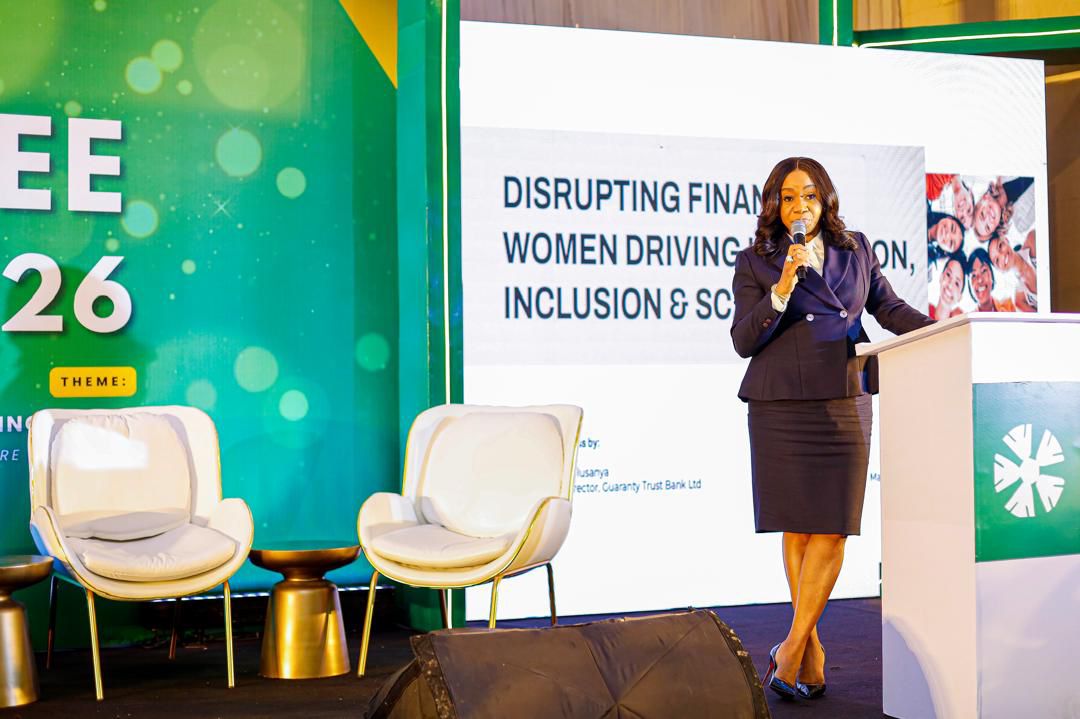
    The Managing Director of Guaranty Trust Bank, Miriam Olusanya has identified Leadership, Technology and Inclusion as the forces that will define true disruption in African finance ecosystem.

    Speaking recently as the Keynote speaker at the 2026 Marquee event of the Association of Professional Women Bankers, on the theme, “Disrupting Finance: Women Driving Innovation, Inclusion & Scale”, Olusanya opined that Leadership, Technology, Inclusion and Strength of Institutions will define true disruption in African finance.

    According to the GTBank Boss, the future of finance will not be defined by technology alone, but by the quality of leadership guiding that technology—leadership that understands that growth without discipline is risk, leadership that recognises that access without trust is unsustainable, leadership that is willing to take a long-term view in a world that increasingly rewards short-term thinking.

    Speaking earlier, Olusanya noted that, “We must be clear about the forces that will define true disruption in African finance. The first is technology, but not technology for its own sake. It must expand access, simplify engagement, and enable institutions to serve customers more efficiently and at scale.

    The second force she opined is inclusion. Inclusion understood not as a social obligation, but as a growth strategy.

    Her words, “If innovation is about building new systems, inclusion is about ensuring those systems work for everyone. In light of this, women are not just participants; they are multipliers. When a woman gains access to finance, household income stability improves, children’s education outcomes improve, health outcomes improve, and entire communities become more resilient.

    To overlook these segments is a missed opportunity. Inclusion, when approached strategically, expands markets, deepens engagement, and drives sustainable growth”, she stated.

    Still speaking on the forces that will define disruption in the African financial ecosystem, Olusanya noted that, “The third force is the strength of institutions themselves”.

    “Innovation, on its own, does not create lasting impact. Scale does. And scale requires more than ambition. It requires capital strength, governance discipline, operational excellence, and credibility. Financial systems are built on trust, and trust cannot be improvised. It must be earned, reinforced, and protected over time”, she added.

    On the barriers limiting women’s disruptive impact on the continent’s financial ecosystem, Olusanya noted that, “The narrative of women driving finance cannot ignore the barriers that persist. Cultural barriers continue to limit women’s financial autonomy. Digital barriers, with limited access to smart phones and internet, as well as lower levels of digital literacy. Representation barriers, as too few women occupy leadership roles in finance and fintech or influence policy and capital allocation decisions”.

    “If we are serious about disruption, we must be serious about dismantling these barriers. True disruption is not simply about building new systems. It is about challenging old assumptions and reshaping who has the power to decide, build, and serve.

    Closing the digital gap and increasing female representation in leadership, investment committees and policy-making bodies is essential because who sits at the table determines what gets built and who ultimately benefits”.

  • From Policy to People: How NCC’s Digital Awareness Forum, Broadband Push Redefined Nigeria’s Connectivity Debate

    From Policy to People: How NCC’s Digital Awareness Forum, Broadband Push Redefined Nigeria’s Connectivity Debate

    When the Nigerian Communications Commission (NCC) convened stakeholders in Abuja for the maiden edition of its Digital Awareness and Sensitisation Fora, the conversations went beyond familiar talking points about faster internet and emerging technologies. Instead, the gathering marked a deliberate attempt to place inclusion, equity and infrastructure protection at the centre of Nigeria’s digital transformation agenda, an ambition reinforced weeks earlier at a high-level business roundtable on broadband investment and critical national infrastructure.

    Held on November 13, 2025, the inaugural Digital Awareness and Sensitisation Fora brought together regulators, policymakers, academics, industry leaders, development partners, civil society organisations and community representatives under the theme “Leaving No One Behind: Digital Assets, Equity, and Empowerment.”

    The forum was conceived as a practical platform to bridge the persistent gap between digital policy, infrastructure deployment and everyday realities for millions of Nigerians still on the margins of the digital economy.

    Across panel discussions and exhibitions, participants interrogated how inclusive digital policies can be designed and implemented in a country where access remains uneven. Conversations focused on the need for accessible infrastructure, adaptive digital literacy programmes, and affordability in digital services, especially for women, persons with disabilities, rural communities and young people. Innovators, fintech organisations and students showcased solutions that reflected both the creativity and constraints of Nigeria’s digital ecosystem, underscoring the message that innovation thrives where access exists.

    The NCC framed the forum against a compelling demographic backdrop. Africa has the world’s youngest population, with about 60 per cent under the age of 25, and Nigeria contributes significantly to that figure. For the Commission, this youth population represents an untapped national asset rather than a looming burden. Officials stressed that without deliberate inclusion, however, the same demographic advantage could quickly turn into a liability, widening inequality and unemployment in a rapidly digitising global economy.

    That urgency was evident in the breadth of institutions represented at the forum. Partners included the Universal Service Provision Fund (USPF), National Orientation Agency (NOA), National Council of Women Societies (NCWS), Association of Telecommunications Operators of Nigeria (ATCON), FintechNGR, Korea International Cooperation Agency (KOICA), Association of Nigerian Inventors (ANI), Joint National Association of Persons with Disabilities (JONWAD), and key education regulators such as the National Universities Commission (NUC), National Board for Technical Education (NBTE) and Secondary Education Boards. Their presence reinforced a shared understanding that digital inclusion cuts across education, gender, disability, innovation and economic policy.

    While the forum focused on awareness and empowerment, it also reflected a wider national debate already unfolding around broadband connectivity—the backbone of Nigeria’s digital economy. That debate had been sharpened in October 2025, when the NCC hosted a business roundtable on improving investments in broadband connectivity and safeguarding critical national infrastructure at its Digital Economy Complex in Mbora, Abuja.

    At that roundtable, NCC Executive Vice Chairman, Dr. Aminu Maida, challenged participants to rethink the value of connectivity, not as a convenience but as an economic and security necessity. From manufacturers coordinating global supply chains to entrepreneurs running online businesses and security agencies relying on live intelligence, he argued that connectivity has become the “quiet enabler” of modern life. When networks fail, productivity stalls, opportunities disappear and, in critical situations, lives can be put at risk.

    Nigeria’s digital progress, Dr. Maida acknowledged, has been tangible. By August 2025, broadband penetration stood at approximately 48.81 per cent, with over 140 million Nigerians connected to the internet. The ICT and telecommunications sector has emerged as one of the leading contributors to national GDP. Research cited at the roundtable showed that a 10 per cent increase in broadband penetration could drive about 1.38 per cent GDP growth in developing economies, highlighting the scale of opportunity still ahead.

    Yet ambition has often collided with structural and regulatory constraints. Nigeria’s National Broadband Plan (2020–2025) set targets of 70 per cent broadband penetration and 90,000 kilometres of fibre optic backbone by the end of 2025. Under the administration of President Bola Ahmed Tinubu and the leadership of the Minister of Communications, Innovation and Digital Economy, Dr. Bosun Tijani, these targets became rallying points for reform. The NCC, as sector regulator, translated them into a mix of advocacy, regulation and enforcement.

    One of the most consequential outcomes was the Critical National Information Infrastructure (CNII) Presidential Order, signed in June 2024, which formally designated telecommunications infrastructure as critical national assets, where he detailed how the NCC, in collaboration with the Office of the National Security Adviser, had begun operationalising the order through stricter site security standards, public awareness campaigns and coordinated enforcement. These efforts, he said, had already led to the dismantling of organised cartels involved in telecom equipment theft.

    Despite this progress, the scale of disruption remained sobering. Between January and August 2025, Nigeria recorded more than 19,000 fibre cut incidents, over 3,200 cases of equipment theft and thousands of site access denials. The economic cost of these disruptions through outages, delayed restorations and rising security expenses has been borne by operators and consumers alike, threatening service quality and investor confidence.

    Another persistent challenge highlighted at the roundtable was the fragmented regime governing Right of Way (RoW) fees for fibre deployment. Although the Nigerian Governors Forum agreed on a benchmark rate of N145 per linear metre, implementation has varied widely. The NCC reported that 11 states had waived RoW fees entirely, while 17 others had capped charges at the agreed rate. Still, inconsistent enforcement, multiple taxation and slow permitting processes continue to delay rollout in many parts of the country.

    To counter these headwinds, the Commission pointed to recent regulatory interventions that had begun to restore investor confidence. Earlier in 2025, the NCC approved cost-reflective tariff adjustments, a move that operators said enabled them to commit more than $1 billion in additional broadband investments. The Commission also commissioned a wholesale fibre study aimed at opening backbone infrastructure on transparent terms, reducing duplication and accelerating last-mile expansion.
    Transparency emerged as another theme linking the roundtable and the Digital Awareness Forum.

    The NCC announced expanded performance disclosures, including outage reporting and quality-of-service maps, to strengthen accountability across the value chain. Plans were also unveiled for an Ease of Doing Business Portal and a Nigeria Digital Connectivity Index, designed to publicly rank states on digital readiness and competitiveness.

    In this context, the Digital Awareness and Sensitisation Fora served as a human-centred complement to infrastructure and investment debates. Participants repeatedly stressed that broadband expansion must translate into real empowerment, better access to education, healthcare, markets and government services, if it is to justify the scale of public and private investment required.

    Without digital literacy, affordability and trust, connectivity risks becoming another layer of inequality rather than a tool for inclusion. By the close of the forum, a consistent message had emerged: Nigeria’s digital future depends on alignment. Federal and state governments, regulators, operators, educators, security agencies and communities must move in step. States that have waived RoW fees and supported infrastructure protection were cited as examples where policy coherence had already begun to unlock faster network expansion.

    Taken together, the NCC’s recent engagements signalled a maturing digital policy conversation—one that recognises both the transformative power of connectivity and the hard realities that threaten its reach. As Dr. Maida observed at the roundtable, pipelines of oil are steadily giving way to pipelines of fibre, and prosperity in the 21st century will be defined less by physical resources than by data, connectivity and human potential.

    The question now confronting Nigeria is not whether the digital revolution will continue, but whether its benefits will be broadly shared. The Digital Awareness and Sensitisation Fora, paired with renewed efforts to protect and expand broadband infrastructure, suggested that the NCC is betting on inclusion as the measure of success, and on collaboration as the only viable path forward.

  • Savannah Energy Wins Great Place to Work Award

    Savannah Energy Wins Great Place to Work Award

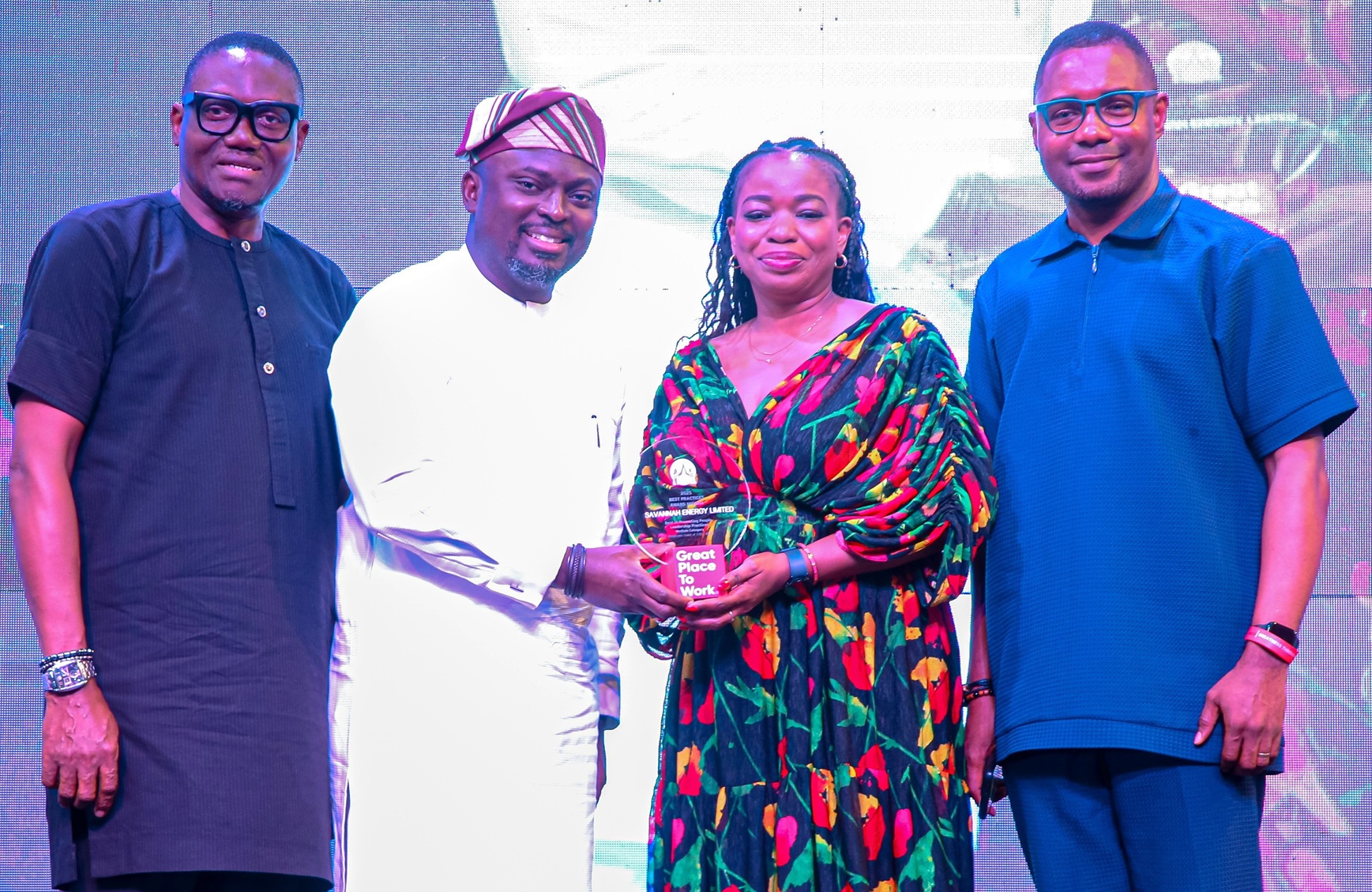
    Savannah Energy PLC, the British independent energy company focused around the delivery of Projects that Matter, is delighted to announce that Savannah Energy, Nigeria has won the “Best in Promoting People Leadership Practices (Medium Category)” award at the 2025 Great Place to Work Institute’s Best Practices Awards held in Lagos.

    In addition to this recognition, Savannah Energy Nigeria has also achieved a Great Place to Work® certification for 2025-6, further reinforcing its commitment to fostering an inclusive and high-performing work culture.

    The Best Practices Awards in Nigeria are organised annually by the Great Place to Work Institute, the global authority on workplace culture for over 30 years. The awards celebrate organisations that demonstrate outstanding achievements in fostering trust, innovation, leadership, and employee engagement.

    According to the Great Place to Work Institute, Savannah was recognised for its excellence in “nurturing individuals’ talents to foster personal growth and development that improve the organisation as a whole.”

    The Great Place to Work® certification followed a rigorous evaluation of Savannah Energy, Nigeria’s workplace culture, employee experience, leadership competence and organisational values, among other metrics.

    Otamere Elegon, Country Manager, Great Place to Work, Nigeria and Kenya, said, “Savannah Energy’s Award as the “Best in Promoting People Leadership Practices (Medium Category)” and the recent certification as a Great Place to Work reflect its leadership’s commitment to nurturing a culture where people truly thrive. This milestone reaffirms the company’s belief that when employees feel valued, trusted, and inspired, extraordinary results naturally follow.”

    Pade Durotoye, Managing Director, Savannah Energy, Nigeria, said, “I want to thank the Great Place to Work Institute for this recognition. We take immense pride in the award and certification because they are about our people. This is an acknowledgement of our unrelenting focus on employee well-being, learning and development and an inclusive culture across our operations.”

    Yetunde Onabule, Head of Human Resources, Savannah Energy, Nigeria, said, “We are honoured to receive this award and the Great Place to Work® certification, and are even more excited about the responsibility it places on us to keep raising the bar for our people. ‘Supporting and Developing our Employees’ is one of the key pillars of our sustainability strategy and aligns with our commitment to the United Nations Sustainable Development Goals 4 (Quality Education) and 8 (Decent Work and Economic Growth). We will continue to invest in leadership development, inclusion, safety, and career growth to sustain a high-performance culture where employees can do their best work.”

  • Efe Ukala named Global Heroes Executive Role Model 2025

    Efe Ukala named Global Heroes Executive Role Model 2025

    Efe Ukala, President and Founder of ImpactHER, has been named as the global Heroes Role Model for 2025 in the Executive Category by INvolve in partnership with YouTube.

    The global Heroes Role Model Lists which is put together by INvolve and supported by YouTube is meant to showcase leaders who are breaking down barriers at work and smashing the ceiling for women within global business. These inspirational leaders are paving the way when it comes to increasing representation and driving inclusion even in the workplace.

    In her acceptance speech, Ukala noted that being named on the 2025 Heroes list is more than a recognition but a testament to the tireless work ImpactHER has put into empowering over 200,000 African women entrepreneurs with access to trainings, resources and global opportunities. Through the great work being executed by ImpactHER across African and the Caribbean, Ukala has been a driving force for inclusion, equity and economic transformation across Africa.

    “I am deeply humbled to be named to the 2025 HEROES Executive Role Model List supported by Youtube. This recognition belongs to every woman working quietly yet powerfully to create space for others. My selection as a YouTube Hero highlights what we already know: that leadership is about creating lasting change, turning challenges into opportunities and paving the way for women-led businesses to thrive. This achievement is proof that when vision, courage and service come together, the impact resonates far beyond borders”, she hinted.

    Earlier, Suki Sandhu OBE, Founder and CEO of INvolve says: “I’m so thrilled to be celebrating this global group of trailblazing Executives, Future Leaders and Advocates who are working to ensure women in the workplace can thrive. All the individuals featured in our Heroes Role Model Lists supported by YouTube are championing inclusion and leveraging their expertise and knowledge to drive impactful initiatives and strategic change within their organisations. It’s vital that women across global organisations can succeed and achieve career success and these Role Models are essential drivers of change who are smashing barriers to progress. We could not effect change without them leading the way.

  • FirstBank Set to Launch Tailored Financial Services for Blind and Physically Challenged Customers

    FirstBank Set to Launch Tailored Financial Services for Blind and Physically Challenged Customers

    FirstBank, the premier West African bank and a leading financial inclusion service provider, is set to introduce tailored financial services for blind, partially sighted, and physically challenged customers across its operations.

    This initiative is part of FirstBank’s broader continuous commitment to promoting Financial Inclusion and Diversity, which is shown in its policies, partnerships and initiatives such as its employees’ ratio of female to male (about 41%:59%; and 37% women in management roles) as well as the FirstBank Women Network, an initiative that seeks to address the gender gap and increase the participation of women at all levels within the organisation. In addition, the Bank’s membership of the UN Women is an affirmation of a deliberate policy that is consistent with UN Women’s Women Empowerment’s Principles (WEPs) ─ Equal Opportunity, Inclusion, and Nondiscrimination.

    Commenting on the proposed launch, the Chief Risk Officer and Chairman of the FirstBank Sustainability Committee, Patrick Akhidenor, said, “Everyone deserves access to financial services whether physically or digitally. We recognise this, and we are providing financial services that are both accessible and affordable to visually impaired and physically challenged customers at all our touchpoints. We are making it possible for them to manage their accounts independently and securely.”

    The initiative will be implemented in phases across all subsidiaries and locations of the FirstBank Group. Transaction documents will be made available in braille, audio, large print, and digital formats. ATMs will be upgraded with high-contrast screens and voice-prompt commands, while cards issued will feature tactile motifs and braille inscriptions for easy recognition. Already existing soft PINs and tokens would be enhanced to boost secure access to banking channels. Product brochures will also be made available in braille and audio formats to support customer understanding and engagement.

    FirstBank’s efforts align with the Central Bank of Nigeria’s financial inclusion strategy and the United Nations Convention on the Rights of Persons with Disabilities, which advocate equal access to financial services.

    With this initiative, FirstBank is shaping a future where every individual, regardless of physical ability, can manage their financial affairs without third-party assistance. By embedding accessibility into its core operations, the Bank is setting a new standard for ethical, inclusive, and impactful banking.

  • Tinubu approves $100m investment in African Energy Bank

    Tinubu approves $100m investment in African Energy Bank

    President Bola Tinubu has approved a $100m investment by Nigeria for class A shares in the proposed African Energy Bank, the Federal Ministry of Petroleum Resources announced on Friday.

    It said the approval now positions Nigeria favorably to win the bid to host the multilateral $5bn Africa Energy Bank, which will finance Africa’s hydrocarbon deposits of oil, gas, and condensates and support energy transition and net zero 2060 commitments.

    Announcing this in a statement signed by the Permanent Secretary, FMPR, Nicholas Ella, the ministry said, “President Bola Tinubu has approved a $100m investment from four agencies of the Ministry of Petroleum Resources, exceeding the minimum equity requirement of $83.33m for class A shares.

    “This decision positions Nigeria favorably to win the bid, potentially reshaping the country’s oil and gas ecosystem.”

    The ministry further stated that on Friday, the technical inspection team from the African Petroleum Producers Organisation, and Afrexim Bank – the joint promoters for the establishment of the African Energy Bank, completed their mission to validate Nigeria’s readiness to host the headquarters of the bank, set to be established in July 2024.

    Following the first bidding round in early 2024, Nigeria, Ghana, Benin, and Algeria were pre-qualified to proceed to the final round of bidding.

    These countries will compete for the right to host the supranational multilateral $5bn Africa Energy Bank.

    “In our preparation for the bid, the Ministry of Petroleum Resources sought and obtained expert opinions from the Federal Ministry of Justice and consultants in January 2024,” the FMPR stated.

    It added, “They reviewed and approved the bank’s proposed Charter, Establishment Agreement, ‘The Treaty,’ and Headquarters Host Agreement. This approval provided the impetus to proceed, and the Federal Executive Council and National Assembly are currently finalising the ratification process. This will ensure that the AEB receives the necessary privileges and immunities to operate in line with its global vision.

    “To demonstrate the country’s commitment, Nigeria has identified a prestigious building in Abuja for the temporary headquarters and opened a secured data room for the technical team’s review. The application form for land for the permanent headquarters in the Central Business District of Abuja has been submitted for approval.”

    The ministry also confirmed that the Federal Government was working diligently with Nigerian National Petroleum Company Limited, and the Nigerian Content Development Monitoring Board, to meet all eligibility criteria.

    “Thus, the $5bn Africa Energy Bank, when headquartered in Nigeria, shall be the largest single foreign direct investment inflow into Nigeria in over two decades with its benefits including:

    “The Africa Energy Bank ecosystem shall rank as the third largest bank in Africa and shall be the most prominent bank in Nigeria in terms of shareholders’ funds. It will significantly boost Nigeria’s Gross Domestic Product, employment, financial architecture, inclusion, and propel our economic diversification while supporting foreign exchange management strategies,” the ministry stated.

    It said the bank would pivot the development exploration and investment initiatives by independent petroleum producers, commercial service providers, legal and local content drivers, and technology and skills development that would leverage the bank’s proximity to the market and scale up production and capacity

  • Orange renews partnership with the CAF to support African football, diversity and inclusion in Africa

    Orange renews partnership with the CAF to support African football, diversity and inclusion in Africa

    Orange has been a sponsor and exclusive worldwide telecommunications partner of the Confédération Africaine de Football (CAF) since 2008. Today, this long-standing partnership has been renewed with CAF, reinforcing the shared commitment around football development, diversity and inclusion in Africa.

    The scope of the renewed partnership will include, amongst others, three of the most anticipated tournaments in Africa:

    • TotalEnergies CAF Africa Cup of Nations 2023, Cote d’Ivoire from 13 January to 11 February 2024 and will see 24 African teams compete, including 11 qualified Orange countries. Orange is also the Technology and Telecommunications Provider for COCAN/CAF.
    • TotalEnergies CAF Women’s Africa Cup of Nations 2024, Morocco
    • CAF Africa Cup of Nations 2025, Morocco

    A partnership centered around connectivity, diversity and inclusivity

    The Group’s sponsorship strategy is based on the power of sports to connect customers and fans across Africa and the Middle East, relying on three key pillars:

    Diversity – a commitment to deliver 50/50 representation of male and female sports across Orange’s sponsorship portfolio, promoting equal access and opportunity. This builds on our active partnership of the Women’s Africa Cup of Nations and specific programmes since 2018.

    Inclusion – by leveraging the footprint of Orange Digital Centers, Orange is dedicated to engaging, educating and connecting young people. Through this partnership with CAF, Orange will develop dedicated programmes to support young players develop their digital skills and training.

    For example, Orange will teach coding skills to youth by using football content and challenges to inspire them. From simple football games to tournament stats, we can use the sport they love to engage them in coding while building valuable digital skills.

    Orange Tous Connectés – a commitment to always be by the side of its customers, ensuring that Orange customers benefit from seamless service continuity and connectivity to enjoy, share and participate in the sport they love.

    Jérôme Henique, CEO of Orange Middle East and Africa comments: “Orange is a long-term and loyal partner of football in Africa and the Middle East. Our commitment to African football spans more than 20 years, and we’re proud to host over 40 football partnerships in countries across the region, including national teams as well as numerous various youth, academy and university programmes across several countries. We’re delighted to continue this important work with CAF to co-create and drive real change through common objectives.”

    Caroline Guillaumin, Executive Vice President of Communication at Orangeconcludes: “Football partnerships represent over 85% of local sponsorship investments in Africa and the Middle East. We invest in football at all levels because we fundamentally believe in the power of sports for mass inclusion. With CAF, we have a real opportunity to drive more gender equality, more inclusion, and more skills and development by bridging digital transformation with the passions loved by our customers and fans.”

    CAF President, Dr Patrice Motsepe, says: “Orange has been a great supporter and partner of African Football for many years. We are excited to continue working together with Orange to make African Football amongst the best in the world and self-supporting. The TotalEnergies CAF Africa Cup of Nations in Cote d’Ivoire is expected to be watched by over 880 million people and we are delighted that Orange is our partner for this Competition and the CAF Africa Cup of Nations Morocco 2025. Our partnership with Orange will also support the development and growth of Women’s football on the African Continent.”

  • Feature: How Unilever Is Harnessing Purpose for Business And Societal Good

    Feature: How Unilever Is Harnessing Purpose for Business And Societal Good

    Unilever Nigeria is a century in Nigeria this year. This makes it the longest-serving manufacturing organisation in the country. Unilever Nigeria is committed to utilizing its business as a force for good. Its goal is to generate positive outcomes for both the environment and society. The company is currently implementing various initiatives to minimize its ecological footprint, enhance the well-being of consumers, and foster a more diverse and inclusive work environment. By prioritizing sustainability, health, hygiene and inclusion, Unilever Nigeria is actively contributing to a brighter future for the planet and its inhabitants.

    Introduction

    In today’s interconnected world, businesses have the unique opportunity and responsibility to drive positive change. There are pressing societal challenges that only the innovative acumen of businesses can hope to relieve. This is precisely why business and purpose is the new mantra to drive change, engender transformation and ensure sustainability.

    Business and purpose go beyond financial success. It emphasizes the need for companies to actively contribute to solving societal issues such as poverty, epidemic outbreaks, illiteracy, unemployment, and more. Businesses that price sustainability appreciate the need to embrace and indeed embed purpose in their business model.

    The Unilever Compass

    One company that seems to be ahead of the curve with its strategy of business and purpose is Unilever. Through its Compass commitments that drive its sustainability strategy, it has demonstrated that merging business with purpose is possible.

    Unilever today presents a compelling case for embracing the idea of business as a force for good. Its operation highlights the benefits of pursuing both profit and purpose. The Unilever Compass is the group’s strategy to implement its business and purpose agenda through innovation. The Compass is founded on three core pillars: Brands with Purpose Grow; Companies with Purpose Last; and People with Purpose Thrive. Building on these pillars, the Compass has three commitments: Improve the health of the planet; Improve people’s health, confidence, and well-being; and Contribute to a fairer, more socially inclusive world. The three commitments are subdivided into eight commitments and 32 further commitments.  

    In Nigeria, these commitments are localized and tracked year on year and reported in the annual sustainability report. 

    Improve the Health of the Planet (Climate Change)

    Unilever’s urgency to tackle climate change, reduce plastic waste and protect nature has never been greater than it is today. Specifically, it aims to reach net zero emissions by 2039. To achieve this, it is transitioning to renewable energy across its operations, finding new low-carbon ingredients and expanding its plant-based product range.

    Unilever Nigeria has embarked on a multifaceted decarbonization journey to reduce emissions from its operations and products. The company is transitioning to renewable energy sources at its various plants to reduce CO2 emissions on site. 

    To efficiently manage emissions data, the company has implemented measures such as metering all utility usage points and providing training to technical operators responsible for handling environmental data. In 2022, it achieved significant progress in energy savings, with 14,461 GJ saved and CO2 emissions were reduced by 1,257,746.67 kg. 

    Waste-Free World

    Unilever’s commitment to plastic solutions by 2025 is in three stages: to cut the use of virgin plastic by 50 per cent; to collect more plastics than the company puts out in the environment; and achieve 100 per cent reusable, recyclable and compostable plastics across its operations by 2025.

    In line with this commitment, Unilever Nigeria has partnered with Wecyclers since 2014. The partnership has effectively created sustainable collection mechanisms that have led to consistent growth. Over the years Wecyclers has championed its kiosk collection model, accounting for over 5,000 tons of recyclables being diverted from oceans and landfills. Also, it contributed to the growth of the Unilever franchise model, which has accounted for an additional 4,000 tons of recyclables collected and the creation of new jobs. 

    In a demonstration of its resolve to provide more opportunities for plastic waste to wealth, Unilever Nigeria and impact investor Bridges Fund have signed a 2-million-dollar funding agreement with social Wecyclers to expand plastics recycling in Nigeria. It is a new and highly innovative finance mechanism called a “Development Impact Bond” arranged with the French investment bank Societe Generale. This will create thousands more jobs turning the plastics waste that commonly ends up on the streets into raw material for industry.

    Improve People’s Health, Confidence and Wellbeing 

    This compass commitment in Nigeria aims to improve people’s health, confidence, and well-being through actions related to reducing salt intake and improving food diversity.

    Unilever aims to help people reduce their salt intake. To achieve this, it strives for 85 per cent of its food portfolio to ensure that consumers do not consume more than 5g of salt per day. This is being driven through the “Eat for Good” campaign. The target of reaching 25 million consumers with the message was exceeded, as 28 million consumers were reached by the end of 2022. Additionally, the company launched 100 per cent natural bouillon cubes in the Knorr portfolio to cater to the needs of consumers seeking healthier alternatives.

    To improve food diversity and encourage the incorporation of vegetables into staple dishes, several initiatives have been undertaken. These include teaching consumers how to make top dishes healthier through recipe inspirations, activating the top dish jollof with diverse and healthy recipes, and conducting low-cost wet sampling initiatives to offer healthy meals to low-income earners. The targets include influencing a shift in behaviour towards consuming more diverse and nutritious meals and reaching 1 million adults with the Knorr Eativist Campaign.

    Pepsodent Brush Day and Night School Programme

    The Pepsodent Brush Day and Night School Programme aim to promote good oral hygiene among children and adults in Nigeria. In commemoration of World Oral Health Day in 2022, Pepsodent reached 952,275 children in primary schools with free oral health education and products, including toothpaste and toothbrushes. Since the programme’s inception over seven years, Pepsodent has educated over 6 million children in Nigeria on the importance of brushing daily with free products and oral kits to encourage the habit.

    Pepsodent continues to promote good oral hygiene in Nigeria through various initiatives such as school programmes, mobile dental clinics, oral health education conferences, and consumer engagement through digital and traditional media. 

    Contribute to a Fairer, More Socially Inclusive World

    Unilever Nigeria is committed to creating a socially inclusive workplace and promoting equity, diversity, and inclusion. The company aims to have five per cent of its workforce comprised persons with disabilities (PWDs) by 2030, starting with a one per cent target in 2022. To achieve this, the firm partnered with associations and non-profits advocating for the inclusion of PWDs and established an employee support network called “Enable” for colleagues with disabilities.

    It has implemented the Africa Disability Pathway programme to build the capability of its employees to work with PWDs and made accessibility enhancements on its sites. Unilever Nigeria also encouraged self-declaration of disability status on the HR management platform.

    Pioneering New Work Models

    Unilever is pioneering new models to provide employees with flexible employment options by 2030. It plans to increase the FLEX platform’s usage, allowing employees to have flexible job experiences and acquire skills from other Unilever companies without changing their physical location. The FLEX platform has seen a total of 51 per cent registered users, with 40 per cent actively engaging with the platform. The organisation is committed to increasing FLEX opportunities and roles created and filled in Nigeria by 10 per cent in 2022.

    Additionally, Unilever focuses on reskilling or upskilling their employees with future-fit skills by 2025. The goal is to have 80 per cent of employees with a future fit plan, which identifies relevant future career skills. The firm provides vocational training for shopfloor employees, emphasizing entrepreneurial skills, and offers capability building in e-commerce for the sales team. The target is to achieve a 20 per cent increase in learning through the degree platform.

    Conclusion 

    The concept of business as a force for good benefits society as a whole, fosters long-term success, enhances brand reputation and ensures sustainability. Unilever, with its Compass strategy and unwavering commitment to sustainable practices and achieving key targets, exemplifies its dedication to building a brighter future for the planet, its customers, and its employees.

    The firm is harnessing the power of its people, brands and partnerships to help tackle the most pressing issues and make sustainable living commonplace. 

  • Feature: Women in Public Relations: Thoughts for International Women’s Day 2023

    Feature: Women in Public Relations: Thoughts for International Women’s Day 2023

    By Elvis Eromosele 

    Every day is public relations day. This is because the business of strategy and planning, communications and positioning never sleeps or stops. March 8, International Women’s Day, a day set aside to celebrate women, is a good time to recognize the role of women in public relations practice and the opportunity for growth. 

    You would agree that public relations is an exciting and challenging field, one that offers a variety of opportunities for women to grow and thrive. It is equally engraced and enriched through the practice of women. 

    While it is true that women in public relations face unique challenges, there are also many opportunities for women to contribute, excel and make a significant impact. 

    My goal is to explore opportunities for growth in public relations for women, with a particular focus on the skills and qualities that women bring to the table.

    One of the biggest opportunities for growth in public relations for women is the increasing demand for diverse voices and perspectives. According to a recent survey by the Public Relations Society of America (PRSA), diversity and inclusion are among the top trends that are shaping the public relations industry. This means that companies and organisations are looking for public relations professionals who can bring a fresh perspective and a diverse range of experiences to their work.

    Also, the reality is that women are uniquely positioned to meet this demand for diversity and inclusion in public relations. Women bring a range of experiences and perspectives to the table, and they are often skilled at building relationships and communicating effectively with a variety of stakeholders. These skills are particularly valuable in the field of public relations, where building and maintaining relationships with the media, clients, and other stakeholders is essential.

    Another opportunity for growth in public relations for women is the increasing focus on social media and digital communications. According to a report by the Pew Research Center, women are more likely than men to use social media platforms like Facebook and Instagram. This means that women in public relations are well-positioned to help companies and organisations navigate the complex world of social media and digital communications.

    In addition, women are skilled at storytelling and creating engaging content, which is essential in the field of public relations. Women are often natural storytellers, and they have a talent for creating content that resonates with their target audience. This skill is particularly valuable in the digital age, where creating compelling content is essential for engaging audiences and building relationships with stakeholders.

    Furthermore, there are many opportunities for women to take on leadership roles in the field of public relations. According to a recent report by PRWeek, women make up a significant portion of the public relations industry, but they are underrepresented in leadership positions. This means that there is a significant opportunity for women to step up and take on leadership roles in the field. Many women are already taking up this challenge. 

    Aside from everything else, women tend to excel at multitasking, managing multiple projects and clients simultaneously, and navigating complex situations with tact and diplomacy. These skills are essential for success in the public relations industry, where professionals are often juggling various responsibilities and work in high-pressure environments.

    Undoubtedly, with a focus on developing leadership skills and taking advantage of the opportunities available, women in public relations can achieve great success and make a meaningful contribution to the industry.

    As we celebrate the achievements of women today, it is also a call to action to create more opportunities for women to succeed as entrepreneurs, leaders, and changemakers. 

    I salute every woman in public relations. Thank you for your contributions. Specifically, I’ll love to mention the best public relations strategist that I know, Funmi Onajide. She is a teacher, mentor, and coach. Thank you for ALL that you do. 

    Happy International Women’s Day 2023! 

    Elvis Eromosele, a Corporate Communication professional and public affairs analyst lives in Lagos.

  • Feature: 5 Public Relations Trends To Watch Out For In 2023

    Feature: 5 Public Relations Trends To Watch Out For In 2023

    By Elvis Eromosele 

    Every end of year, we look forward to the new year with expectations. We expect the new year to be, well new and different. 2023 is no exception, it will be new and different. 

    While everyone will like to have a sense of what to expect in the new year, I wrote this piece for public relations practitioners, it is a sneak preview of how the practice will evolve in 2023.

    Here are my top 5 public relations trends to watch out for in 2023 (there is a surprise for you at the end. Please don’t spoil it by rushing to the end to read it). 

    1. Increased focus on virtual and hybrid events: As the COVID-19 pandemic continues to impact how we gather and communicate, there is likely to be a greater emphasis on virtual and hybrid events in public relations. This includes virtual press conferences, webinars, and online product launches.
    2. Emphasis on diversity, equity, and inclusion: There has been a growing focus on diversity, equity, and inclusion in recent years, and this trend is expected to continue in 2023. Public relations professionals must consider the diversity of their target audience and ensure their message is inclusive and representative of the communities they are trying to reach.
    3. Rise of influencer marketing: Influencer marketing, which involves partnering with social media influencers to promote a product or service, has become an increasingly popular marketing tactic. This trend is expected to continue in 2023, as influencer marketing can be a powerful way to reach and engage with audiences.
    4. Greater emphasis on data and analytics: Public relations professionals are expected to pay more attention to data and analytics in 2023, as they seek to understand and measure the impact of their campaigns. This includes tracking metrics such as website traffic, social media engagement, and media mentions.
    5. Use of artificial intelligence and automation: Artificial intelligence (AI) and automation are expected to play a greater role in public relations in 2023. This includes the use of AI for tasks such as media monitoring, sentiment analysis, and content creation, as well as the use of automation for tasks such as social media posting and email marketing.

    Here is the surprise that I spoke about – this piece was written entirely by ChatGPT. I simply added the introduction and this conclusion.

    Clearly, number 5 is already in play. With AI, content creation has entered a new and revolutionary phase. 

    It is now almost bye bye content writer, welcome AI. 

    This is wishing you a Merry Christmas and a great new year! 

    Elvis Eromosele, a Corporate Communication professional and public affairs analyst lives in Lagos.

  • Feature: It is a Great honour to be the first Nigerian and African Executive Director leading a U.S. Non-Profit- Damilola Akinyele

    Feature: It is a Great honour to be the first Nigerian and African Executive Director leading a U.S. Non-Profit- Damilola Akinyele

    Damilola Akinyele is the Executive Director at Princeton in Africa where she leads the organization that develops young leaders of tomorrow. An international training, development and education professional driven by quality education, social impact, inclusive and equitable projects, design, and innovation, she has spent her career cultivating strong leaders, strengthening institutions and developing high-impact programmes across the world.

    Her professional experience spans a decade and her donor experiences include the U.S. Department of State, U.S. Embassies, state and Local Councils in Nigeria. In recent years, she has been providing vision and leadership on social justice, equity, and inclusion practices for dozens of faith-based non-profits in the U.S, U.K and Africa. During her career at World Learning, she co-chaired and pioneered the Diversity, Equity, and Inclusion task force, which managed the vision, strategy and execution of the organization’s DEI efforts.

    Damilola received her BA in Sociology from Morgan State University and her MA in International Training and Education at American University, Washington, DC. As the founder of ETRAssociates, she applies her skills, knowledge and experiences to serve the Nigerian society by developing programmes that are relevant, context-specific, transformative and sustainable. In this exclusive interview with News Wings NG, she speaks on her journey to becoming the first African woman executive of a major non-profit organization, getting more women into executive positions, and how to improve education and the lives of Nigerian women.

    News Wings: Tell us a bit about your growing up years, would you say it influenced your journey significantly?

    DA: I attribute a significant part of my life and career trajectory to the values of empathy, integrity, and hard work I saw my parents exemplify growing up. I was born and raised in Lagos, Nigeria. My parents did business internationally and had unique opportunities to interact with the world and different cultures, which afforded us some of those experiences. My mother is an endless volunteer for social causes, and my father was an active social commentator on Nigerian institutions and leadership – I was always privy to some of these conversations with his friends and grew up fascinated by our institutions and the life of service.

    My family also has a history of men who loved & practiced Law, so I naturally would become a lawyer (or so I thought). Instead, I ended up in the United States, where you have to get an undergraduate degree first before attending law school. Reminiscing on the first week of a course I took in my sophomore year of college, I recall the deep feeling of compulsion to actively fulfill the 2nd Millennium Development Goal: Achieving universal primary education. I also remember the sense of responsibility that consumed me and changed the course of my life forever. I had access to good schools growing up, but I was acutely aware that others did not always have the same or equal opportunities. For example, in my obsessive research and discovery in college, I learned that over 10 million Nigerian children were out of school. So, I started volunteering at education centers in the United States, during my holidays in Lagos, attending conferences around education, and engaging more intellectually with development issues.

    After college, I worked at DLA Piper, one of the biggest global law firms, while studying for the LSAT, but I was now aware that this was not my purpose. I finally summoned the courage to tell my Nigerian parents that I was changing my career trajectory and going to graduate school for ‘International Training, Education, and Development instead of Law. My father didn’t understand or agree with why I chose this path for a long time, but he was supportive. Since then, I have spent my career cultivating strong leaders, strengthening institutions, and developing high-impact programs in Africa, the United States of America, the Middle East, and Asia.

    Paradoxically, in 2017, I discovered a piece of history I never knew about my family- My Father’s Grandfather, whose picture hung/ still hangs in the house I grew up in and whom I knew as a lawyer, and the former Western Minister of Works in The Great Awolowo’s time was also an educator and academic- He was a teacher and a principal, to be exact. So, although I seemed a rebel who chose a non-profitable path for many years, the apple did not fall too far from the tree with my quest to be an educator.

    News Wings: Take us a bit through your career and professional journey till date?

    DA: That’s a bit hard to summarize, but I’ll try and take it from where I am currently to where I have been through the years.

    I am an International Training, Development, and Education Professional driven by quality education, social impact, inclusive and equitable projects, design, and innovation. I have spent my career cultivating strong leaders, strengthening institutions, and developing high-impact programs in Africa, the United States of America, the Middle East, and Asia. My professional experience spans over the course of 10 years, and my donor experiences include the U.S. Department of State, U.S. Embassies, state and local governments in Nigeria, West Africa.

    I currently live and work in New Jersey. I am the Executive Director at Princeton in Africa where I lead the organization that develops young leaders of tomorrow as they contribute to some of the most impactful organizations in Africa today.  In this role, I maintain a preeminent fellowship program that aligns with the core values of ethical and responsible engagement on the African continent, Management of Princeton in Africa Staff, Financial Oversight, Donor Relations, Development and Communications, and Board Governance. Prior to this role, I worked at a church/ faith-based non-profit where I co-developed leadership structures, developed inclusion practices, and organized sustainable community engagement and fundraising initiatives.

    A significant part of my career was at a global non-profit based in Washington D.C. I held different roles at the organization through the years, all of which can be summarized as designing and implementing youth, leadership, exchange, and developmental programs funded by the U.S. Department of State. I have managed a special envoys program that covered 160+ countries, designed and implemented educational learning experiences for Iraqi Young Leaders on peacebuilding and reconciliation, youth activism and civic engagement, reintegrating refugees and IDP’s, and managed continued professional development for a network of 2,000+ alumni. During my career at this global non-profit in Washington D.C., I also co-chaired and pioneered the Diversity, Equity, and inclusion Taskforce which managed the vision, strategy, and execution of the organization’s DEI efforts.

    At the beginning of my professional journey, I had the opportunity to work as a TA/RA (research and teaching assistant) at Morgan State University in my final year of college. I started by going to graduate school at American University, Washington D.C. While in graduate school, I worked multiple internships at D.C. non-profits focused on International Development and Education.  In 2016, I co-founded ETRAssociatesng, where I apply my skills, knowledge and experiences to serve the Nigerian society by developing programmes that are relevant, context-specific, transformative, and sustainable. Through the years, I have also consulted with the ministry of education in a southwestern Nigerian state. I have hosted youth leadership and teacher training workshops, developed active learning strategy manuals.

    My educational background has been diverse, as I attended a HBCU (Historically Black College and University) and PWI (Predominantly White Institution) which gave me a diverse outlook on racial, social, and political experiences.  My BA is in Sociology from Morgan State University, and my MA in International Training and Education at American University, Washington, DC.  My volunteer experiences vary from research institutions to tutoring and training Black youth and public-school students in Baltimore, Maryland and Lagos, Nigeria.

    News Wings: As an immigrant and black woman, would you say you have faced profiling and discrimination in any way?

    DA: That’s a fascinating question. Yes, I have been profiled and discriminated against in academic and professional settings in covert or overt ways. These are stories I would rather not recount on the pages of a newspaper as they do not diminish who I am or the experiences of freedom, opportunity, acceptance, and love I have also experienced in those spaces and the U.S. I very much resonate with Toni Morrison when she says, “The function, the very serious function of racism is a distraction. It keeps you from doing your work. It keeps you explaining, over and over again, your reason for being. Somebody says you have no language, and you spend twenty years proving that you do. Somebody says your head isn’t shaped properly so you have scientists working on the fact that it is. Somebody says you have no art, so you dredge that up. Somebody says you have no kingdoms, so you dredge that up. None of this is necessary. There will always be one more thing.”

    Although I can choose not to give into despair sometimes, I do have to say that I have friends and acquaintances who have been stripped of life, dignity, opportunity, and property because of race. Daily, we see people dehumanized and disenfranchised due to race. Racism (structural or individual) kills. As an immigrant, you initially think that it doesn’t affect you- It does. You learn very quickly that no one distinguishes you by being Nigerian or Kenyan- you are identified and grouped by your race before your ethnicity.

    However, America is not a static country. Daily, you see people acknowledging and embracing the history of racism but not becoming victims of it; you see people fighting for justice and equality in healthcare, education, and jobs and demanding more from the system, leaders, and the institutions. There is despair, but there is hope and progress. It’s getting easier and easier to say that people can write their destinies, which gives me hope.

    NewsWings: What would you say has been the most challenging moment of your career till date?

    DA: The most challenging moment of my career so far is not an exceptional story per se, but I think it speaks to the experiences of millennials and how we are redefining what success means to us separate from the expectations our parents set for us or how the boomer generation approached work and life. The most significant and most challenging times of my career have been when I asked myself: What is my purpose? What are my values? Where can I have an impact?

    These questions have led me to take the risk and co-found, run, and attempt to grow my international development and education nonprofit in Nigeria. We have had successes with leadership, training, and education consultancy opportunities- it also comes with various challenges of bureaucracy in Nigeria and seeking local investors and partners. While running my nonprofit with my co-founders, I also must balance my full-time job in the United States, which I happen to be highly passionate about and keeps me functioning in a highly capitalistic society.

    In my employment journey, after working on programmes in regions in the Middle East and Southeast Asia for so long and taking a personal pivot to work in faith-based nonprofits, I am now back to fully running a nonprofit in the United States that focuses solely on Africa. Due to the magnitude of responsibility in this role, it is challenging to juggle with anything else, so my consultancy role in Nigeria has paused since 2021. I have found that very hard because of my personal life’s mission to the leadership and intuitions in Nigeria. However, I am also grateful that I can build systems and further African development in as many ways as they present themselves.

    News Wings: As the first African Executive Director of a U.S non-profit working in Africa, what does this mean to you and other black women?

    DA: My life’s mission is a commitment to the development of Africa by contributing to the leadership and institutions through my work. Which is why I am deeply honored and humbled to be Princeton in Africa’s Executive Director. Princeton in Africa has built a solid reputation across the United States and Africa over the last 23 years. In the last 23 years, this programme has placed over 600 Fellows with more than 100 organizations in 36 African countries where our Fellows, through their work, have made contributions to Africa’s institutions in Business and Economic Development, Education & Youth Capacity Building, Public & Community Health, Advocacy, Research, Civil Society, and so much more.

    President Bill Clinton described us as a model: “Princeton in Africa’s mission to allow young leaders to serve in Africa is a model. . . Working in every field from public health to conservation to conflict resolution, PiAf Fellows improve the lives of everyday Africans in tangible and significant ways.”

    As a Nigerian woman and an African, it is an absolute honor to lead the organization at a pivotal time in reshaping our organization where we recognize the importance of responsible and ethical engagement with the continent. I came on as the first African Executive Director of this organization last year, and one area of my strategic focus is centering African ingenuity, leadership, agency, and achievement as we foster equal and beneficial partnerships in both Africa and the United States. 

    Let me tell you a bit about Black women in the United States. Black women were the unsung heroes of the suffrage movement, they led the way for civil rights in America, and they remain the most consistent group that shows up through their voting for the rights of marginalized people. Recent studies have also shown us as the most educated demographic in the United States. We are not underqualified or undereducated; we are under-selected for some high-level opportunities. For example, Judge Kentaji Brown Jackson is the first Black woman on the nation’s highest court in its 232-year history. How incredible, but also bizarre is that.

    Women of color make up just 4% of C-suite executives, a percentage that hasn’t changed for several years. There are various barriers, such as double standards, lack of advocacy, and unconscious bias. In my career through the years, from entry-level to now, I try to do my work exceedingly well, so women of color can continue to have the opportunity and ensure that I am advocating for policies and systems that provide access for more Black women and people of color. In my career trajectory as a Black woman, it often feels like I have two jobs- my actual job description and the role of ensuring a more inclusive culture where I work. It’s never just about me. 

    News Wings: How are you using your work to impact positively in the lives of people here?

    DA: Africa, and Nigeria to be specific, is faced with the task of education, and nation-building, both formal and informal, as this plays a major role in the development of our continent. In a continent of rapid change, we have made tremendous progress in the field of education: the elementary population has doubled, over 60% of school-age children are now receiving education, and universities have sprung up in countries that previously had none.

    However, Nigeria must stop playing catch-up in teacher education, elementary and secondary curriculum, in adult education, science, and technology. In the words of Nyerere, the first president of Tanzania, “We must run while others walk.”

    In 2016, my colleagues and I from graduate school combined our passion for Nigeria, Sub-Saharan Africa, training, and education to build an organization that is committed to providing quality education, and training programs for intrinsic and instrumental purposes, enabling individuals and institutions to function at their highest potential. We do youth development trainings, leadership and institutional development trainings, and education consultancy. We have worked with organizations, private schools, and state ministry of education since our founding.

    News Wings: What is the importance of having black people in executive roles and how can we work towards achieving this?

    DA: I always tell people that I never struggle to see Black people in executive roles. This is because I have a unique layered experience of being born and raised in Nigeria, a predominantly Black country. I’ll give you an example; In the history of the Fortune 500 list in the United States, there have been only 19 Black CEOs out of 1,800 chiefs. Currently, there are only 4 Black Fortune 500 CEOsThasunda Brown Duckett of TIAA, Rosalind Brewer of Walgreens, Rene F. Jones of M & T, and Kenneth Frazier of Merck. In Nigeria, There’s Mike Adenuga, Segun Agbaje, Nneka Onyeali-Ikpe, Herbert Wigwe, Oluwatomi Somefun, Emeka Emuwa, Abubaker Suleiman, and so much more, and all these people are Black. The Black excellence, competence, professionalism, and adequacy are in abundance. It is also the same abroad, but Black people are under-selected for these opportunities. These things are interconnected to the systems of exclusion we talked about earlier in the interview. In the wake of George Floyd’s death, we saw the glaring lack of representation in Corporate America and organizations pledging to do better.

    There must be a commitment to diversity, equity, and inclusion. Organizations must commit to a plan of action that includes bias training for managers and decision managers, clear standards for hiring and promoting, and hiring diverse decision-makers. I always tell people that a Pakistani-American man led one of the most diverse teams I ever worked on and it was reflected in hiring, language, communication, and compensation. In this same organization, he and I co-founded a Diversity, Equity, and Inclusion Taskforce that managed the vision, strategy, and execution of the organization’s DEI efforts. Companies have a duty to not have racial exclusivity at the top of the organization with black workers unable to rise through the ranks. It is important to have Black people in executive roles because people must have equal opportunity- to be treated similarly, unhampered by artificial barriers, prejudices, or preferences. Companies must look like the country they serve. There should be equal opportunity in the class and wealth divide in America. 

    News Wings: With less than 20 percent of women in executive roles, what kind of support would you say is needed so that more women can get and thrive in these positions?

    DA: First, I would like to establish that women bring different skills, imagination, creativity, strategic thinking, and effectiveness to the workforce. There is no shortage of qualified women to fill leadership roles either, and women are educated and makeup half of the labor force. However, some issues keep women out, such as stereotypes about our credibility and competence, our ability to have connections and mentors that help us rise, the bias and discriminations based on our sex, and workforces that lack flexibility in allowing women to balance their lives as wives or mothers with leadership roles. As Ruth Bader Ginsburg said, women belong in places where decisions are being made. For women to succeed in the workforce, we need mentors committed to us, leadership and skill-building training opportunities, employers and bosses committed to an equitable workforce, and clear growth opportunities that support our work-life balance and allow us to be flexible.

    Through this pandemic, if there’s anything we learned, we saw those countries with women at the head, such as Denmark, Finland, Iceland, New Zealand, Germany, and Slovakia, had exceptional and effective responses to the pandemic. So, how’s that for women in leadership?

    News Wings: Would you say that the Nigeria’s educational sector is living up to its rightful potential?

    DA: This is a difficult conversation, and I often try to sugarcoat my answer to this question, but these are the facts. Although they are difficult to confront, we must confront them for the future of our nation. We have made significant progress as a nation, and Nigeria has a population of 200 million people, almost equally divided between Muslims and Christians. Our GDP is estimated at around $432.3 billion, making us the biggest economy in sub-Saharan Africa. We have the potential to truly build a prosperous economy, significantly reduce poverty, and provide good systems and structures that meet the needs of the population, including education. Unfortunately, our formal education system is not as strong because of our history of military rule, corrupt political systems, lack of accountability, and poor public sectors. We have made some strides in our education systems, but our education is still primarily a European-style system education that does not meet the needs of our society. The quality of education is poor in many schools, and there is still a low enrollment rate in our education systems. There are over 10 million Nigerian children out of school- the highest number in the world. There are dilapidated structures, a lack of basic education materials, a high rate of underqualified or underpaid teachers, and under-resourced schools.

    I think our governments on the federal, state, and local levels have a duty to firstly, fund our schools and provide adequate learning tools for our students and teachers. Secondly, revise and update our curriculums to reflect the global society we live in and allow Nigerians access to knowledge, skills, and experiences to survive in today’s world. Thirdly, invest in training our teachers and creating basic standards on hiring them to ensure the quality gap for our students. Fourthly, eradicate corruption in our schools. Fifthly, ensure that our societies are safe for our children to learn- the majority of the children out of school are in the North and have been heavily impacted by the insurgency in that region.

    News Wings: With hindsight to the ENDSARS saga and youth restiveness all across the country, what should the government do to foster peace building and reconciliation and civic engagement?

    DA: Nigeria is a very political nation encompassing 350 to 400 ethnic groups of varied beliefs, cultures, practices, and social attitudes. Nigeria faces the challenge of nation-building. Many years of postcolonialism, several events like the Nigerian Civil War, Conflict in the Niger Delta, Boko Haram, Herdsmen’s killings and attacks, ENDSARS, and hundreds of thousands of ethnical, tribal, and religiously charged terrorism, community disputes, and neighbor to neighbor distrust, It is crucial to build a safe space and community of trust, respect and shared values amongst Nigerians.

    We can all collectively agree that the ENDSARS movement was a manifestation of the dissatisfaction with systems and leaders that are failing our society- even if we disagree on how citizens should have expressed that dissatisfaction. Various academic research findings from across the world show that education and civic engagement activities and initiatives play a role in helping us find expressions of collaboration between each other for a more stable, democratic, and peaceful future. I have professional experience designing and implementing civic engagement programmes. The most notable and challenging, I will say, has been developing educational learning experiences for Young Iraqi Leaders on peacebuilding and reconciliation, youth activism, and civic engagement.

    I will tell you for free that you cannot only build intervention programs to address deep-seated issues that holistic policy changes and adequate systems and processes should fix. For example, the efforts of civil rights movements and protests in the United States brought about legislation to end segregation, Black voter suppression, and discriminatory employment and housing practices. Although professionals like me can help build programs that can be structured around civic engagement and peacebuilding, very tangible legislative demands and results must also be addressed by the government.

    News Wings: Living the busy life you do; how do you strike a perfect work-life balance?

    DA: To be honest, my work and faith have taken precedence in my life through the years. My work and faith are a significant part of how I make meaning of my life, so I never stop. My well-being and some of my relationships have taken the backseat due to this. The pandemic taught me a great lesson in slowing down and prioritizing my well-being. Although my routine is not set in stone because my work through the years has often involved travel, I dedicate my mornings to praying, journaling, and catching up with my family in Nigeria or England. I get dressed every day because that makes me feel powerful. I work exceedingly long hours beyond my 9-5, but I make up for it by visiting my family in Nigeria as often as I can, traveling to new cities on vacation when I have time off, sitting at a local bookstore, or hiking a new trail at least once a week, going to the theatre monthly, kayaking/canoeing when the weather is warm, and finding moments of joy daily. This year, I am committing to working less on weekends and scheduling more activities that take me out of my comfort zone in my daily routine.

    News Wings: What advice do you have for younger women looking to walk down this path which you’re on?

    DA: I was fortunate to grow up with a mother who has an entrepreneurial, never give up spirit. An astute businesswoman, she always tries something new even if she fails- she doesn’t give up. From her, I learned the value of hard work. So, I will say this- Beautiful Girl, you can do hard things. My path has not always felt easy as an immigrant navigating a new continent as an international student. However, I committed to focusing on college and graduate school, finding my tribe of like-minded people, charting a new course different from the one my parents imagined for me, and building the skills, knowledge, and experiences required to thrive in professional spaces.

    I learned to be humble enough to learn from others, work hard, find mentors in the workplace, do my work exceedingly well, maintain my integrity, and exercise my stickability even when many of the roles or experiences I did not seem profitable. Purpose can feel uncomfortable. I’ve found myself in different, challenging, and unusual places, but a defined purpose gave me hope through those experiences and enhanced the meaning of those stages. It may not look like it at the moment, but the courage to take meaningful action and lead meaningful lives is always rewarded. I do not have my journey all figured out yet, but I know that women deserve the same rights, power, and opportunities as men, and I hope you never give up in your quest for self-actualization even if you feel an imposter syndrome.