


















Tag: Managing Director

  • Unilever Nigeria Plc Sustains Double-Digit Growth Momentum in Q1 2026 Unaudited Results

    Unilever Nigeria Plc Sustains Double-Digit Growth Momentum in Q1 2026 Unaudited Results

    Unilever Nigeria Plc has announced its unaudited financial results for the first quarter ended 31 March 2026, delivering a 26% increase in revenue to ₦59.2 billion, compared to ₦46.9 billion in the same period last year. Operating profit rose by 39% to ₦11.5 billion, up from ₦8.3 billion in the prior year, while net profit increased by 26% to ₦7.0 billion.

    Commenting on the performance, the Managing Director, Tobi Adeniyi, remarked, “Our Q1 2026 results represent a strong start to the year and a clear signal that the momentum we delivered in 2025 is being sustained. Growth in the quarter was driven primarily by increased volume, underpinned by innovation and strong marketplace execution. This performance reflects our continued operational discipline and commitment to delivering sustainable value.”

    He added “We will continue to elevate the consumer experience while reinforcing a ‘play-to-win’ culture where we focus on winning with Nigerians, strengthening the proposition & desirability of our brands, and executing with speed & excellence across all categories.”

    With over a century of manufacturing heritage in Nigeria, every Unilever product reflects a legacy of quality and trust. Through their portfolio of beloved brands, the company reaffirms its commitment to brightening everyday life for all.

  • Gaps in cybersecurity policies and employee commitment leave organisations vulnerable, Kaspersky survey shows

    Gaps in cybersecurity policies and employee commitment leave organisations vulnerable, Kaspersky survey shows

    Without robust cybersecurity management and oversight, organisations face heightened exposure to ransomware attacks, data leaks, and regulatory penalties

    A recent Kaspersky survey undertaken in the Middle East, Turkiye and Africa (META) region entitled “Cybersecurity in the workplace: Employee knowledge and behaviour”, showed that 39% of professionals consider cybersecurity rules in their company to be excessive or not fully appropriate. In Kenya, this figure was 25% and in South Africa, 23%. Furthermore, the survey highlighted that 7% of respondents in the META region, 4% in Kenya and 10% in South Africa noted that their organisations do not have cybersecurity rules or that they are not aware of them. These results show a disconnect between corporate cybersecurity policies and employee commitment to these rules, underscoring the risks associated with shadow IT and unmanaged device usage in the workplace.

    Shadow IT is defined as the use of unauthorised software, devices, or services without IT oversight, and it has evolved into a critical business risk. While often driven by employee productivity needs, it creates blind spots for IT departments. The rise of hybrid work environments, increased reliance on cloud-based tools and the spread of AI tools have accelerated this trend. Without robust cybersecurity management and oversight, organisations face heightened exposure to ransomware attacks, data leaks, and regulatory penalties.

    19% of all survey respondents said there are no policies regarding the use of non-corporate devices in their company. 35% admitted that they can use their own devices to access business information, provided they have some type of cybersecurity protection, even consumer-grade software. On the positive side, 21% of all respondents said they can use their own device, but these must first pass more stringent corporate IT security checks; while 25% indicated that only devices provided by the IT function can be used for work purposes.

    The situation is significantly better with permissions for employees to install software on corporate devices without IT department’s approval. 50% of all survey participants reported that only IT specialists in their company are allowed to install software, while in 31% of organisations only top management or designated users can do so. 11% of employees can install software that is approved by the IT team. However, 8% of respondents said that all users can install any software they need without IT agreement in their organisation.

    At the same time 21% of professionals surveyed in the META region, 29% in Kenya and 17% in South Africa acknowledged that within the past year they installed software on their work devices without IT supervision. That highlights a persistent shadow IT challenge that continues to expose organisations to security vulnerabilities, compliance risks, and data breaches.  

    “Shadow IT is now a mainstream operational risk. When one in five employees installs software without IT oversight, it signals a policy gap. Many organisations already have security policies in place, but employee perception must also be considered. Organisations should move beyond restrictive controls and instead implement intelligent, user-centric cybersecurity strategies that combine strategies that integrate technology with employee awareness and responsible use,” said Toufic Derbass, Managing Director for the META region at Kaspersky.

    To help organisations strengthen their defences, Kaspersky recommends the following:

    • Conduct a Shadow IT audit to identify all unauthorised software, cloud services, and personal devices accessing corporate data.
    • Implement robust monitoring and cybersecurity solutions, for example from the Kaspersky Next product line with EDR and XDR tiers, to gain visibility into unsanctioned app usage and device behaviour.
    • If employees are allowed to use personal devices, define clear minimum security requirements and enforce them through such solutions as mobile device management (MDM) or endpoint management tools.
    • Complement user-friendly cybersecurity policies for employees with trainings that demonstrates real-life risks and ways to avoid them. Solutions such as Kaspersky Automated Security Awareness Platform can help.

    For employees Kaspersky experts advise:

    • Understand your company’s cybersecurity policies. If anything is unclear, ask for clarification.
    • Only use applications that have been approved by your IT department and request access to specific IT resources when needed.
    • Use only authorised devices for work. If personal devices are allowed, make sure they meet all required security standards and have appropriate cybersecurity solutions installed.
    • Store and share work files only through approved platforms.

    *The survey was conducted by Toluna research agency at the request of Kaspersky in 2025. The study sample included 2800 online interviews with employees and business owners using computers for work in seven countries: Türkiye, South Africa, Kenya, Pakistan, Egypt, Saudi Arabia, and the UAE.

  • She-Fix 2.0: NNPC Retail Champions Inclusion, Impact, Opportunities for Women

    She-Fix 2.0: NNPC Retail Champions Inclusion, Impact, Opportunities for Women

    In its bid to advance inclusion, celebrate female excellence, and strengthen women’s participation across technical and professional sectors, the NNPC Retail Limited (NNPC Retail), a subsidiary of the NNPC Ltd., hosted the second edition of She-Fix 2.0, its flagship, women-focused initiative, in Abuja, on Saturday.

    The event, held under the theme “Driving Diversity, Powering Progress”, was attended by over 300 women professionals, business owners, young technicians, and energy industry leaders.

    In her address, Minister of Women Affairs, Hajiya Imaan Sulaiman-Ibrahim, who described inclusion as central to national growth, called for more opportunities for women in technical and STEM-related fields.

    While commending NNPC Retail for its vision in establishing the initiative, the Minister called for sustained collaboration between government and the corporate sector to scale the programme further.

    In her keynote address, Executive Vice President, Business Services, NNPC Limited, Sophia Mbakwe, noted that women’s contribution within NNPC Ltd. permeates every level, stressing that NNPC Retail, the company’s daily point of contact with ordinary Nigerians, is a space where diversity holds significant weight.

    Managing Director of NNPC Retail Limited, Huub Stokman, who was represented by Valentina Kojo, Executive Director, Finance, NNPC Retail, stressed that women empowerment must be practical, visible, and sustainable.

    In his remarks, Chief Corporate Communications Officer, NNPC Limited, Andy Odeh, said women in today’s energy sector are leading change, building institutions, and shaping the narrative of an industry already in transition. He reiterated that when women lead, value follows, and when value follows, organisations grow and society prospers.

    Highlights of the She Fix 2.0 initiative include a panel session, live car care demonstrations, a marketplace showcasing female-led businesses, interactive sessions, networking activities, and special discounts on Oleum Lubricants and NR-GAS LPG products, reaffirming NNPC Retail’s commitment to gender equity and inclusion across the entire energy value chain.

    The panel featured five senior women from across energy, finance, technology, and corporate governance namely: Emmanuella Arukwe, Managing Director, NNPC Foundation; Maryamu Idris, Managing Director, NNPC Trading Limited and OPEC National Representative for Nigeria; Oremeyi Akah, Chief Customer Officer, Interswitch Limited; Toyin Alasi, Founder and CEO, Money Wise International; and Adaeze Nwakoby, General Manager, Governance, Risk & Compliance, NNPC Retail Limited.

    The She-Fix 2.0 initiative builds upon the momentum of the 2025 edition held in Lagos. It symbolises a deliberate expansion of the programme’s reach and reaffirming NNPC Retail’s commitment to growing a platform which produces lasting outcomes for women across the nation’ energy sector.

  • Guinness Nigeria Holds 75th Annual General Meeting Amidst Growing Investor Confidence

    Guinness Nigeria Holds 75th Annual General Meeting Amidst Growing Investor Confidence

    Nigeria’s leading total beverage alcohol company, Guinness Nigeria Plc, on Wednesday, April 15, hosted shareholders at its 75th Annual General Meeting in Lagos, reaffirming its strong performance and clear path to sustained growth.

    The meeting followed the release of the Company’s Q1 FY2026 financial results, which included an interim dividend of ₦2.00 per ordinary share, signaling a return to rewarding shareholders and reinforcing confidence in the Company’s financial position.

    At the AGM, shareholders reviewed the Company’s 18-month financial performance, reflecting a period of strategic transition, disciplined execution, and a return to profitability. The results underscore Guinness Nigeria’s focus on building a more agile and resilient business amid a dynamic operating environment.

    Shareholders unanimously approved all resolutions presented, including the election and re-election of directors, as well as the appointment of Ernst & Young as Independent External Auditors, effective January 1, 2026, demonstrating continued confidence in the Company’s governance and leadership.

    Speaking at the meeting, Chairman of the Board, Prof. Fabian Ajogwu, OFR, SAN, described the period as a defining phase in the Company’s journey, marked by resilience, transformation, and renewed momentum.

    He noted that despite a challenging macroeconomic environment, the Company successfully navigated its transition phase and is now firmly on a path of sustainable growth and value creation.

    “Earlier in April 2025, our Company attained the milestone of its 75th anniversary in Nigeria, a feat very few companies have achieved in Nigeria. This year also marked Guinness Nigeria’s turnaround with return to profitability.  Worthy of note is the Company’s change of financial year end dates from 30th June to 31st December, starting this financial year.”

    Managing Director, Girish Sharma, reaffirmed management’s focus on execution and long-term growth, highlighting the team’s clarity of direction and commitment to consistently delivering improved performance.

    “My first AGM happened when I was less than a month old in Guinness Nigeria. We made a commitment that at the next AGM, we will declare a dividend. We’ve done that, and we’ve just started. The team understands the business, and the team knows what they need to do. I think we have absolute clarity about where we want to go over the next five years. I think from here, it’s only going to get better,” he said.

    Shareholders also expressed strong confidence in the Company’s outlook, commending its performance and expressing optimism about sustained returns in the years ahead. One of them, Barrister Adetutu Siyanbola said she believes the company is on solid footing and moving in the right direction. “Next year, we are going to get a bigger and better final dividend added to the entire dividend that the chairman mentioned,” she said, and expressed her admiration of the quality of the board and the management team, and in their ability to deliver.

    With a strengthened foundation, renewed profitability, and the continued trust of its shareholders, Guinness Nigeria remains firmly focused on delivering long-term value for all stakeholders while building on its 75-year legacy in Nigeria.

  • IMF Highlight Slowing Growth Outlook Amid Global Uncertainty

    IMF Highlight Slowing Growth Outlook Amid Global Uncertainty

    Finance ministers and central bank governors from across Africa have warned of a projected slowdown in the continent’s economic growth, as global uncertainties, rising debt pressures, and geopolitical tensions continue to weigh on development prospects.

    This position was contained in a joint statement issued at the conclusion of the African Consultative Group meeting by Mr. Seedy Keita, Chairman of the African Caucus and Minister of Finance and Economic Affairs of The Gambia, alongside Ms. Kristalina Georgieva, Managing Director of the International Monetary Fund (IMF).

    The meeting brought together African policymakers and IMF management to assess the evolving global economic environment and its implications for African economies. Discussions were held against the backdrop of the ongoing conflict in the Middle East, which participants noted could significantly dampen global growth prospects even in the event of a ceasefire holding and gradual stabilisation.

    According to the statement, global economic growth is projected to moderate to 3.1 percent in 2026 and 3.2 percent in 2027 under a relatively stable scenario. However, the outlook remains highly uncertain, with the possibility that prolonged conflict or disruptions to production and transport networks could further weaken global performance.

    For Africa, the meeting noted that despite recent stabilisation gains achieved in 2025, growth momentum is expected to ease. Real GDP growth across the continent is projected to decline from 4.5 per cent in 2025 to 4.2 per cent in 2026. Sub-Saharan Africa is expected to slow to 4.3 per cent, while North Africa is projected at 4.1 per cent over the same period.

    Participants expressed concern that high debt service burdens, constrained access to affordable financing, and increasing development needs continue to limit fiscal space, particularly in low-income, fragile, and conflict-affected countries. They further warned that ongoing global tensions could exacerbate inflationary pressures, disrupt food supply chains, and heighten social vulnerabilities across the continent.

    In response to these challenges, the African Consultative Group agreed that policymakers must strike a careful balance between managing immediate shocks and strengthening long-term resilience. Near-term priorities include anchoring inflation expectations and protecting vulnerable populations through targeted, time-bound interventions. Fiscal policy, they emphasised, must remain credible yet flexible, with oil-exporting countries encouraged to save temporary revenue windfalls and rebuild fiscal buffers, while oil-importing countries are advised to safeguard essential social and development spending alongside efforts to mobilise domestic revenues and improve public financial management.

    The statement also highlighted the need for accelerated structural reforms to boost growth and diversification, deepen regional integration, strengthen domestic financial markets, and invest in critical infrastructure, such as power and digital systems, to support productivity and innovation.

    Additionally, the Group underscored the importance of ongoing reforms to the Low-Income Country Debt Sustainability Framework, noting that enhancements to debt assessment methodologies would improve transparency, comparability, and policy effectiveness. These reforms are expected to help countries and development partners better identify vulnerabilities and support sustainable financing decisions, including clearer treatment of state-owned enterprise-related obligations where relevant.

    The African Consultative Group further emphasized the importance of the ongoing Comprehensive Surveillance Review, urging the IMF to continue delivering tailored policy advice, strengthen its assessment of global spillovers, and enhance support for shock management while streamlining surveillance processes.

    The IMF reaffirmed its strong commitment to its African member countries, pledging continued collaboration to support sound macroeconomic policies, mobilise financing, strengthen resilience, and advance inclusive development across the continent in an increasingly complex global environment.

  • Lekki Port, Chinese Consulate Partner to Deepen Capacity Development through China Training Programme

    Lekki Port, Chinese Consulate Partner to Deepen Capacity Development through China Training Programme

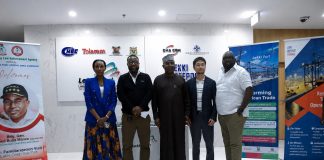
    The management of Lekki Port, promoters of Lekki Deep Seaport, in collaboration with the Consulate General of the People’s Republic of China in Nigeria, has strengthened its human capital development efforts through an international training programme in China for selected staff to enhance technical capacity, operational efficiency, and global best practices in port management.

    A Knowledge Sharing Session was subsequently held on Friday, April 10, 2026, at the port, providing an opportunity for participants who recently participated in the training programme to share how the experience has broadened their perspectives and equipped them with practical knowledge that can be applied to enhance operational efficiency and drive innovation at Lekki Port.

    The training provided participants with firsthand exposure to China’s advanced port infrastructure, technological systems, and industrial development. Participants gained insights into efficient logistics operations, innovation-driven processes, and the integration of modern technologies in port management.

    Speaking at the Knowledge Sharing Session, the Managing Director of Lekki Port, Wang Qiang, expressed his appreciation to the Chinese Consulate for their continued support and for providing valuable training opportunities that have significantly enhanced the capacity and exposure of Lekki Port’s workforce.

    Qiang noted that the training programme reflects Lekki Port’s commitment to public-private partnerships, cross-cultural exchange, and continuous workforce development to meet evolving industry demands while deepening global partner relationships.

    “At Lekki Port, collaboration is at the core of our business model, and cultural exchange is a key part of that commitment. We will continue to promote initiatives like this to strengthen our operations and global outlook.  We will continuously send our people for such training in the future,” he said.

    In her remarks, Consul General of the People’s Republic of China, Yan Yuqing, explained that the initiative reflects China’s commitment to strengthening bilateral cooperation through knowledge exchange and capacity building, with Nigeria playing a key role as a strategic partner.

    Yuqing added that the programme is designed not only to expose participants to China’s development and culture, but also to create a platform for mutual learning and stronger institutional ties.

    “China and Africa share a strong and growing relationship, and talent development is a key part of that partnership. Through programmes like this, we aim to provide opportunities for participants to understand China’s development, culture, and innovation, while also strengthening cooperation between our countries. These participants are not just learners; they are ambassadors of China-Nigeria friendship, and we hope they will apply what they have learned to drive development in their respective organisations,” she added.

    Expressing his gratitude, a participant of the China Training Programme, Mattew Oloyede, said that the training provided invaluable exposure to advanced port operations, cutting-edge technologies, and structured systems that drive efficiency in global maritime hubs. He noted that the knowledge gained will be applied to improve processes, strengthen teamwork, and support Lekki Port’s ambition to remain a leading maritime hub in Africa.

    Underscoring its commitment to innovation and excellence, Lekki Port consistently capitalises on global synergies and human capital investment to foster sustained maritime advancement.

  • 15 Female Truck Drivers in Ashaka Graduate from Lafarge’s Women on Wheels Programme

    15 Female Truck Drivers in Ashaka Graduate from Lafarge’s Women on Wheels Programme

    Lafarge Africa Plc, a leading manufacturer of cement, ready-mix, mortar, and Plaster of Paris products, celebrated the graduation of 15 female truck drivers alongside 5 community drivers under its flagship Women on Wheels initiative. The graduation ceremony was held on Thursday, April 9, 2026, at the company’s Ashaka Cement Plant in Gombe State.

    The newly inducted female drivers underwent rigorous technical and safety training. They were equipped with the competencies required to operate heavy-duty vehicles efficiently while upholding industry best practices. Beyond addressing driver shortages, the initiative is strengthening road safety standards and setting new benchmarks for diversity and inclusion within Nigeria’s construction logistics sector.

    Delivering the keynote address, the Deputy Governor of Gombe State, Dr Mannasseh Jatau, commended Lafarge Africa Plc for its continued commitment to empowering communities through impactful initiatives. He noted that the company has demonstrated a commendable approach to addressing societal challenges by creating opportunities for young women through this transformative programme.

    In his opening remarks, the Group Managing Director and Chief Executive Officer of Lafarge Africa Plc, Lolu Alade-Akinyemi, described the graduation as a defining moment that reflects progress, hope, and the evolving future of Nigeria’s construction and logistics landscape.

    According to him, the initiative is redefining the logistics value chain by challenging long-standing stereotypes and demonstrating that excellence knows no gender. He congratulated the graduands and encouraged them to carry themselves with courage, confidence, and professionalism.

    “I extend my warmest congratulations to you. You should be proud of yourselves. You have broken barriers and shattered glass ceilings. As you step into this next phase, remain courageous, take pride in your work, and continue to represent excellence. You are role models, and what you are doing is truly exceptional,” he said.

    In his welcome address, the Logistics Director of Lafarge Africa Plc, Osazemen Aghatise, stated that the Women on Wheels initiative has not only broken barriers but also marked a new chapter in the company’s history.

    He noted that the programme is redefining possibilities by creating access where none existed, giving ambition a platform, and reinforcing that competence has no gender. He described the initiative’s success as the result of intentional investment in people, capability, and inclusion as a driver of performance. He further urged the graduates to uphold the highest standards of discipline, professionalism, and safety, emphasizing that safety remains non-negotiable.

    “We are proud of these 15 exceptional women and the 5 male community drivers who have been part of this programme. The female drivers now join a growing community of over 100 women currently working as Drivers for Lafarge Africa. This is just the beginning. From Ewekoro to Calabar and now Ashaka, we are expanding this initiative to ensure that transformation is widespread. To our graduands, you have earned your place in a space where many believed you did not belong. You are pioneers and proof that limits are meant to be challenged,” he said.

    Also speaking at the event, the Managing Director of Ashaka Cement Limited, Ibrahim Aminu, described the graduation of the 15 women as a significant milestone, not only for Ashaka Cement but for the entire North East region of Nigeria. He noted that integrating these women, alongside the five community drivers, into the company’s operations will help address driver shortages while improving the efficiency of the logistics network.

    “By becoming certified heavy truck drivers, these women are redefining possibilities in a traditionally male-dominated profession and proving that determination and skill know no gender,” he said.

    Aminu also expressed appreciation to the Gombe State Government for providing an enabling environment for the initiative. He described the programme as a strategic social investment that promotes sustainable employment and fosters an inclusive workforce. He added that the graduates completed a rigorous six-month training programme at the Lafarge Drivers Institute, where they were equipped with advanced vehicle handling skills, defensive driving techniques, fuel efficiency practices, safe and economical driving methods, customer service excellence, and simulation-based training.

    Speaking on behalf of the graduating cohort, the best graduating driver, Judith Baka, expressed appreciation to Lafarge Africa Plc for the opportunity to participate in the programme, noting that it has positioned her to achieve her aspirations. She also commended the logistics team and trainers for their dedication, patience, and resilience throughout the training period.

    The event was attended by several dignitaries, including the Emir of Funakaye, Gombe State, Alhaji Yakubu Muhammad Kwairanga; the Sector Commander of the Federal Road Safety Corps, Gombe Command, Samson Kaura; and other top government officials.

    Since its inception in 2019, Lafarge Africa Plc has trained over 100 female truck drivers. The company remains committed to driving sustainable impact by empowering women, fostering inclusivity, and shaping the future of Nigeria’s building and construction industry.

  • NEPL/ Seplat JV Commissions More STEAM Laboratories in Edo Schools, Advocates Sustainability

    NEPL/ Seplat JV Commissions More STEAM Laboratories in Edo Schools, Advocates Sustainability

    The NNPC Exploration and Production Limited (NEPL)/Seplat Energy Joint Venture has commissioned two Science, Technology, Engineering, Arts and Mathematics (STEAM) laboratories built at the Ogbe and Uselu Secondary Schools in Oredo and Ikpoba Okha Local Government Areas of Edo State

    The laboratories, which were commissioned on Wednesday, April 8, 2026, in Benin, the Edo State capital, aim to drive educational sustainability in the state and promote excellence amongst students.

    Speaking at the commissioning, Mrs Chioma Afe, Director, External Affairs and Social Performance, Seplat Energy Plc, said the Joint Venture has so far built and commissioned nine STEAM Laboratories in the state, thereby increasing the number of STEAM laboratories established in Edo and Delta States to 14.

    She said the STEAM Labs were part of the organisation’s commitment to sustaining education in Edo and Delta States, whilst assuring that the same development would soon be extended to other states where the company operates.

    According to her, the Joint Venture had successfully executed various educational programs in the States, which include the Seplat Teachers Empowerment Program, the Pearls Quiz competition, inclusive of the STEAM Labs and Access to Energy Projects.

    Afe said: “The STEAM Lab is one where we want to further inculcate STEAM within the curriculum of basic education and secondary schools.

    “The NNPC Limited and Seplat Energy took a decision years ago to start putting in place STEAM Labs. This allows the children and the teachers to practically use all the learnings that they have taken from the various activities and programs.”

    Afe added that the laboratories are equipped with state-of-the-art equipment and solar power to ensure the centres have 24-hour continuous power.

    She commended the Edo State Government for providing the enabling environment and NEPL for its support in establishing the laboratories.

    While assuring that the gesture would be extended to other parts of the state, she, however, urged the teachers and students of the benefiting schools to make judicious use of the facilities as well as protect them against misuse and vandalism.

    In the same vein, the Managing Director of NEPL, Mr. Nicolas Foucart, said the laboratories are designed to promote practical learning, creativity, critical thinking, and innovation in Science, Technology, Engineering, Arts, and Mathematics.

    Foucart represented by Mr. Reginald Duke, Lead Community Relations Western Assets, NEPL, noted that the expectation of the management is that the laboratories would help equip students with relevant skills to succeed in a fast-changing world.

    He also added that the facilities in the schools reflected the NEPL/Seplat JV shared commitment to quality education and sustainable community development.

    “We believe that investing in education is one of the most meaningful ways to shape the future of our young people and our nation”, he stated.

    Dr. Paddy Iyamu, a former Commissioner for Education, Edo State, described the STEAM Labs as one of the best investments any investor can make in the life of the Nigerian children.

    He urged other corporate organizations in the state to emulate Seplat in fulfilling their Corporate Social Responsibilities.

    He said: “Please, let’s celebrate and appreciate the leadership of Seplat energy. Together, you have also helped us in training our teachers. The list is endless. We have other companies that drill oil in the state, but when it comes to corporate social responsibility they fail.

    “The NEPL/Seplat JV has always responded positively and responsibly in the environment where you operate. We are grateful. On behalf of my Governor, we thank you.”

    On her part, Mrs. Edith Ebomoyi, Permanent Secretary, Edo State Ministry of Education, described the Labs commissioning as a milestone in the collective and committed efforts to the future of education in the State.

    In their separate remarks, the Principal of Ogbe Secondary School, Mrs. Itohanmwen Augustina and Mrs. Obaretin Osayanmo of Uselu Secondary School, commended the State Government, Seplat Energy and NEPL for the investment and promised to take ownership of the facilities against any act of vandalism.

    They also promised to make judicious use of the facilities to achieve the purpose for which they are established.

  • Nigeria Records Macro Stability Gains in Q1 2026, But Cost Pressures and Global Risks Persist – Muda Yusuf

    Nigeria Records Macro Stability Gains in Q1 2026, But Cost Pressures and Global Risks Persist – Muda Yusuf

    Nigeria’s economy showed encouraging signs of macroeconomic stability in the first quarter of 2026, but persistent cost pressures, structural challenges, and rising geopolitical risks continue to pose significant threats to sustained growth, the Managing Director of the Centre for the Promotion of Private Enterprise (CPPE), Dr Muda Yusuf has said.

    In its latest Policy Brief titled “Q1 2026 Economic Review and Q2 Outlook: Macro Stability Gains Amid Persistent Cost Pressures and Rising Geopolitical Risks,” the CPPE noted that while key economic indicators have improved, the real economy remains under strain.

    According to the report, inflation continued its downward trend, easing to about 15.06 per cent by February 2026 from over 24 per cent in early 2025. The relative stability of the naira, which traded within the ₦1,340 to ₦1,430 per dollar band during the quarter, also contributed to moderating imported inflation and improving business confidence.

    The CPPE further highlighted a significant boost in Nigeria’s external reserves, which rose above $50 billion in early 2026, driven by improved oil earnings and enhanced foreign exchange liquidity. Economic growth also remained positive, supported by recovery in the oil sector and sustained expansion in non-oil activities, with business indicators such as the Purchasing Managers’ Index (PMI) remaining above the 50-point benchmark for growth.

    Despite these gains, the organisation stressed that the high cost of living remains a major concern for Nigerians. Elevated transportation and energy costs continue to erode household purchasing power, while businesses grapple with rising production expenses due to unreliable electricity supply and dependence on expensive alternative energy sources.

    “Insecurity in key agricultural regions continues to disrupt food supply, sustain inflationary pressures, and weaken rural economic activities,” the report stated, adding that high lending rates and weak consumer demand are further constraining economic expansion.

    Looking ahead to the second quarter of 2026, the CPPE expressed cautious optimism but warned of increasing downside risks. It noted that the current disinflation trend is fragile and could be reversed by rising global oil prices triggered by ongoing geopolitical tensions, particularly in the Middle East.

    While higher crude oil prices may boost Nigeria’s export earnings and government revenue, the report warned that the immediate impact would likely be higher domestic fuel costs, increased logistics expenses, and renewed inflationary pressures.

    The think tank also cautioned that the economy faces a growing risk of stagflation, where rising prices coincide with slowing growth, driven by persistent cost pressures and weakening consumer demand.

    On monetary policy, the CPPE advised caution, noting that while the Central Bank of Nigeria has begun a modest easing cycle, further aggressive tightening could be counterproductive. It argued that the current inflationary trend is largely cost-driven rather than demand-induced, and additional rate hikes could stifle investment and economic recovery.

    The report also flagged emerging political risks ahead of the 2027 general elections, warning that increasing political activities could distract from economic governance and slow down critical reforms.

    In addition, the CPPE raised concerns about the implementation of the 2026 federal budget, estimated at about ₦68 trillion, citing potential challenges such as weak revenue performance, delays in capital releases, and rising political influence on spending priorities.

    For businesses and investors, the organisation advised a shift towards resilience and efficiency, emphasising cost control, energy diversification, foreign exchange risk management, and cautious investment strategies.

    “Success in the current environment will depend on strong operational efficiency, prudent financial management, and strategic positioning in sectors with resilient demand and growth potential,” the report noted.

    The CPPE described Q1 2026 as a critical turning point for Nigeria’s economy, with clear gains in macroeconomic stability. However, it stressed that sustaining these gains will require deliberate policy actions to address structural bottlenecks, manage emerging risks, and protect vulnerable populations.

  • IMF Managing Director Kristalina Georgieva Appoints Zeine Zeidane as Director of the African Department

    IMF Managing Director Kristalina Georgieva Appoints Zeine Zeidane as Director of the African Department

    Kristalina Georgieva, Managing Director of the International Monetary Fund (IMF), announced today her intention to appoint Mr. Zeine Zeidane as Director of the African Department (AFR). Mr. Zeidane will succeed Abebe Aemro Selassie, who will retire from the Fund on May 1, 2026.

    “I have informed the Executive Board of my intention to appoint Mr. Zeine Zeidane as the Director of the African Department,” said Ms. Georgieva. “Zeine will bring deep institutional knowledge, sound judgment, and strong policymaking experience to the department as it continues to respond to sub-Saharan Africa’s growing demands for tailored policy advice, financing, and capacity development.”

    A Mauritanian national, Mr. Zeidane has over two decades of experience in macroeconomic policymaking and international economic cooperation. He currently serves as Deputy Director in the Middle East and Central Asia Department (MCD), overseeing the Fund’s engagement with major economies in the Gulf region and helping to deepen strategic partnerships with key regional partners, including through the establishment of the IMF Regional Office in Riyadh in 2024. 

    Prior to his current role, Mr. Zeidane served in AFR as a Deputy Director, where he was closely involved in some of the largest and most complex engagements in the region. He also played a central role in shaping Fund policies to better meet the needs of sub-Saharan Africa, notably through reforms to concessional lending policies and the Catastrophe Containment and Relief Trust (CCRT) during the pandemic. Drawing on his ability to link country experience with institutional priorities, Mr. Zeidane previously led work on the 2018 Governance Policy during his time in the Strategy, Policy, and Review Department (SPR).

    Before joining the IMF in 2012, Mr. Zeidane held several of the most senior economic policymaking positions in Mauritania, including serving as Prime Minister, Governor of the Central Bank, and Economic Advisor to the President. This experience was complemented by roles with the World Bank and in the commercial banking sector, giving him a well-rounded perspective on policy design, implementation, and engagement with international partners.

    “Zeine’s calm and measured approach has proven especially effective in addressing difficult and sensitive challenges,” added Ms. Georgieva. “I am confident that he will successfully lead AFR with a shared sense of purpose in advancing its mandate and serving our membership.”

    Mr. Zeidane holds a PhD in Applied Mathematics and a postgraduate degree in Macroeconomics from the University of Nice.

  • GTCO Launches “Take on Squad” Hackathon 3.0, Opens Call for Applications

    GTCO Launches “Take on Squad” Hackathon 3.0, Opens Call for Applications

    Guaranty Trust Holding Company Plc has announced the launch of “Take on Squad” Hackathon 3.0, reaffirming its commitment to fostering innovation, empowering talent, and supporting the development of technology-driven solutions that address real-world challenges across Africa.

    Now in its third edition, the Hackathon brings together developers, designers and entrepreneurs across Nigeria in a collaborative environment to build practical solutions across key sectors including financial services, healthcare, commerce and digital inclusion. Under the theme “Smart Systems: The Intelligent Economy,” participants are challenged to design and build intelligent, data-driven solutions that transform how communities engage with money.

    Applications are now open, and interested teams can find full guidelines and registration details on the official portal at https://squadco.com/hackathon.

    Speaking on the initiative, Eduophon Japhet, Managing Director of HabariPay, stated: “Today’s dynamic, digitally driven world demands continuous innovation, which is shaping how economies grow, how businesses scale, and how societies evolve. Through “Take on Squad” Hackathon, we are deliberately investing in the ideas and talent that will define the future. Our objective is not simply to encourage innovation, but to enable its translation into scalable solutions that deliver real and measurable impact. This reflects GTCO’s role as a financial services platform that connects capital, capability, and creativity to drive sustainable progress.”

    The social coding event remains a cornerstone of HabariPay’s mission to foster creativity and problem-solving among emerging tech talents. Competing teams will leverage Squad’s advanced APIs to create scalable digital tools that address everyday challenges faced by businesses and individuals.

    Through initiatives such as this, GTCO continues to position itself at the intersection of finance, technology and enterprise, actively shaping the future of digital transformation in Africa.

  • Rabiu, Elumelu Align on Capital, Scale, and Industrial Expansion As BUA Foods Posts N1.77 Trillion Revenue

    Rabiu, Elumelu Align on Capital, Scale, and Industrial Expansion As BUA Foods Posts N1.77 Trillion Revenue

    Nigeria’s industrial and financial heavyweights moved to deepen a partnership that has quietly underpinned decades of enterprise growth, as the Founder and Chairman of BUA Group, Abdul Samad Rabiu, hosted the Chairman of United Bank for Africa, Tony Elumelu and his executive management team at BUA Group’s corporate headquarters in Lagos.

    More than a visit, the engagement brought together two institutions whose alignment of capital and industrial capacity has consistently translated into scale, execution, and long-term value creation across Nigeria and Africa’s economy.

    At the centre of discussions was a renewed push to expand financing frameworks for large-scale manufacturing, deepen support for domestic production, and unlock the next phase of growth across food, infrastructure, and export-oriented value chains.

    Rabiu, reflecting on a relationship that spans nearly three decades, traced its evolution from the early days of Standard Trust Bank to its present form as a mature, trusted partnership with UBA.

    “Enduring partnerships are not built on transactions, but on conviction,” Rabiu said. “What we have built with UBA and the Nigerian financial industry over the years is a shared understanding of where Nigeria is going and what it will take to get there. That alignment remains as strong today as it was at the beginning.”

    Elumelu underscored the strategic importance of the relationship, positioning it within a broader vision of African-led growth.

    “Institutions like BUA Group demonstrate what is possible when long-term capital meets disciplined execution,” Elumelu said. “Our role is to continue enabling that scale, supporting enterprises that are not only growing, but reshaping the Nigerian economy.”

    The meeting signals a continued convergence between capital and industry at a time when Nigeria’s growth story is increasingly being driven by indigenous scale, operational depth, positive government action, and sustained investment in real sectors.

    In a parallel demonstration of that scale, BUA Foods, a BUA company, has released its audited results for the financial year ended December 31, 2025, delivering revenue of N1.77 trillion, a 16 per cent increase from N1.53 trillion in 2024.

    The performance reflects sustained demand across its core segments including sugar, flour, pasta, and rice, alongside continued execution of its expansion strategy.

    Gross profit rose to N737.26 billion, up from N540.82 billion, while profit after tax surged by 95 per cent to N518.4 billion, compared to N265.99 billion in the prior year.

    Earnings per share increased to N28.80, reinforcing the strength of the Company’s earnings profile.

    In line with its commitment to shareholder value, the Board has proposed a dividend of N28 per share, representing a 115 per cent increase from N13 in 2024, with a total proposed payout of N504 billion, subject to shareholder approval.

    Cost of sales stood at N1.037 trillion, while total assets grew by 27 per cent to N1.39 trillion, reflecting sustained investment across operations and the broader value chain.

    Speaking on the results, the Chairman of BUA Foods, Abdul Samad Rabiu said, “Our 2025 performance reflects a business that is not only growing, but scaling with discipline. We are building capacity, deepening local production, and delivering consistent value to shareholders, all while positioning for the future.”

    The Managing Director, Engr. Ayodele Abioye, added; “Our strategy remains to expand capacity, strengthen market presence, and optimise the full supply chain. The demand signals are strong, and we are well positioned to sustain this momentum.”

    Taken together, the meeting between BUA Group and UBA, alongside BUA Foods’ record performance, points to a broader shift for Nigeria. Nigeria’s growth is increasingly being shaped by institutions that combine scale, capital discipline, and long-term vision and should be seen as not just an expansion but a consolidation of industrial leadership.

  • How the War in the Middle East Is Affecting Energy, Trade, and Finance

    How the War in the Middle East Is Affecting Energy, Trade, and Finance

    By Tobias Adrian, Jihad Azour, Nigel Chalk, Pierre-Olivier Gourinchas, Alfred Kammer, Abebe Aemro Selassie, Krishna Srinivasan, Rodrigo Valdés

    The world faces yet another shock. The war in the Middle East is upending lives and livelihoods in the region and beyond. It is also dimming the outlook for many economies that had only just shown signs of a sustained recovery from previous crises.

    The shock is global, yet asymmetric. Energy importers are more exposed than exporters, poorer countries more than richer ones, and those with meager buffers more than those with ample reserves.

    Beyond its painful human toll, the war has caused serious disruption to the economies of the most directly affected countries, including damage to their infrastructure and industries that could become long-lasting. Although these countries are resilient, their short-term growth prospects will be negatively affected.

    Meanwhile, large energy importers in Asia and Europe are bearing the brunt of higher fuel and input costs: about 25 to 30 percent of global oil and 20 percent of liquefied natural gas pass through the Strait of Hormuz, feeding demand not only in Asia but also in parts of Europe. Economies heavily dependent on oil imports in Africa and Asia are finding it increasingly hard to access the supplies they need, even at inflated prices.

    Parts of the Middle East, Africa, Asia-Pacific, and Latin America face the added strain of higher food and fertilizer prices and tighter financial conditions. Low-income countries are especially at risk of food insecurity; some may need more external support—even as such assistance has been declining.

    Strait of Hormuz tanker traffic plunges

    Although the war could shape the global economy in different ways, all roads lead to higher prices and slower growth. A short conflict might send oil and gas prices soaring before markets adjust, while a long one could keep energy expensive and strain countries that rely on imports. Or the world may settle somewhere in between—tensions linger, energy stays costly, and inflation proves hard to tame—with ongoing uncertainty and geopolitical risk. Much depends on how long the conflict lasts, how far it spreads, and how much damage it inflicts on infrastructure and supply chains.

    We are closely monitoring these developments and will provide a fuller assessment in our World Economic Outlook and Global Financial Stability Report, to be published on April 14, followed by our Fiscal Monitor on April 15.

    Energy prices

    Energy is the main transmission channel. The de facto closure of the Strait of Hormuz and damage to regional infrastructure have produced the largest disruption to the global oil market in its history, according to the International Energy Agency. For fuel‑importing economies, the effect is that of a large, sudden tax on income.

    Oil and gas prices surge amid conflict

    The multi-regional impact is apparent. Energy‑importing economies in Africa, the Middle East and Latin America are feeling the strain from higher import bills on top of already limited fiscal space and external buffers.

    In Asia’s large manufacturing economies, higher fuel and power bills are raising production costs and squeezing people’s purchasing power; in some, balance‑of‑payments pressures are already weighing on currencies. In Europe, the shock is reviving the specter of the 2021–22 gas crisis, with countries such as Italy and the United Kingdom especially exposed by their reliance on gas‑fired power, while France and Spain are relatively protected by their greater nuclear and renewables capacity.

    By contrast, oil‑exporting countries in the Middle East, parts of Africa, and Latin America that can still get their barrels to market have a prospect of stronger fiscal and external positions from higher prices. Producers whose exports are constrained or curtailed—including several Gulf Cooperation Council members—can expect much less upside. Even after transit resumes, higher risk premia and uncertainty may curb investment and growth

    Supply chains

    The war is also reshaping supply chains for non-energy and critical inputs. Rerouting tankers and container ships raises freight and insurance costs and lengthens delivery times. Air‑traffic disruptions around key Gulf hubs affect global tourism and add another layer of complexity to trade.

    In addition to higher commodity prices, countries, companies, and consumers already face the effects of these supply‑chain complications. With shipments of fertilizer—of which about one-third passes through the Strait of Hormuz—disrupted, concerns about food prices are mounting. The interruption of crop-nutrient supplies from the Gulf comes just as planting season begins in the Northern Hemisphere, threatening yields and harvests through the year and pushing food prices higher.

    The most vulnerable will bear the heaviest burden. People in low‑income countries are most at risk when prices rise because food accounts for about 36 percent of consumption on average, compared with 20 percent in emerging market economies and 9 percent in advanced economies. That makes any spike in fertilizer and food prices not just an economic problem but a socio-political one, especially where fiscal resources to cushion the blow are limited.

    There could also be shortages or price surges of other materials used in manufacturing. The Gulf supplies a large share of the world’s helium, used in a vast array of products from semiconductors to medical imaging devices. Indonesia, which provides roughly half of global nickel—a key component in electric‑vehicle batteries—could face a shortage of sulfur needed to process the metal. Eastern African economies that depend on trade links with and remittances from Gulf countries face weaker demand for their services exports, logistical bottlenecks and reduced remittances.

    Inflation and inflation expectations

    If elevated energy and food prices persist, they will fuel inflation worldwide. Historically, sustained oil‑price spikes have tended to push inflation higher and growth lower. Over time, higher transport and input costs work their way into the prices of manufactured goods and services. For many countries that had only just brought inflation closer to target, and even more so those with stickier inflation, this risks a renewed period of uncomfortable price pressures.

    Here, too, the pattern is uneven. In much of Asia and parts of Latin America, where inflation had been relatively low, higher energy and food costs will test the resilience of expectations, particularly in economies with weaker currencies and large energy imports. In Europe, another energy‑driven spike in prices would come on top of existing cost‑of‑living strains, raising the risk of more persistent wage demands. In low‑income countries where people spend a large share of their income on food, especially in Africa and parts of the Middle East, and Central America, higher food prices carry acute social and economic costs.

    If people and businesses in any of these regions believe inflation will remain higher for longer, they may build this into wages and prices, making it harder to contain the shock without a sharper slowdown. The war thus raises not only current inflation but also a risk of expectations becoming less firmly anchored.

    Financial conditions

    Finally, the war has unsettled financial markets. Global stock prices have declined, bond yields have risen across major advanced economies and many emerging markets, and volatility has increased. The market sell-off has so far been contained compared with past global shocks. Nonetheless, these moves have tightened financial conditions worldwide.

    Again, effects vary. In Europe and many emerging markets, higher yields and wider credit spreads raise debt‑service burdens and complicate refinancing for governments and firms alike. In sub‑Saharan Africa and some low‑income economies in the Middle East and South Asia, already meager reserves and limited market access make external shocks to financing conditions more dangerous—especially as higher import bills for fuel, fertilizer, and food widen trade deficits and put pressure on currencies. In the Middle East and elsewhere, high levels of debt and tighter financial conditions may further raise debt financing costs.

    By contrast, advanced economies with deep domestic capital markets and some commodity exporters with ample buffers—such as Saudi Arabia and United Arab Emirates, or Latin American commodity producers like Brazil and Ecuador—can better absorb market stress, even if they are not immune to higher risk premia.

    The IMF’s role

    These channels show why the war’s economic impact is both global and highly uneven. They help explain why the same shock can look like a terms‑of‑trade windfall for some countries, a balance‑of‑payments strain for others, and a renewed cost‑of‑living squeeze across many economies.

    Such complex spillovers confront us at a time when many economies have limited room to absorb shocks. Many countries were already facing record-high debt levels, raising concerns about fiscal sustainability.

    To manage the shock and maintain resilience, it is therefore more important than ever that countries adopt appropriate policies. Measures need to be carefully calibrated to country-specific needs. Countries with limited reserves and little fiscal room to maneuver should be especially cautious.

    At this pivotal moment, the IMF is stepping up as well. We are supporting our members—especially the most vulnerable—with policy advice, capacity development and, where needed and in coordination with the international community, financial assistance. As Managing Director, Kristalina Georgieva has said: “In an uncertain world, more countries are needing more of our support. We are there for them.”

  • Zedcrest Appoints Ademola Akogun as Managing Director, Investment Banking

    Zedcrest Appoints Ademola Akogun as Managing Director, Investment Banking

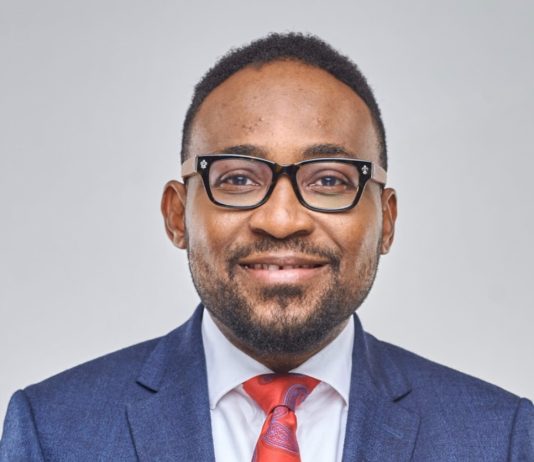
    Zedcrest Group, a leading financial services company, has taken a significant step in its strategic expansion with its Board’s approval of Ademola Akogun’s appointment as Managing Director, Investment Banking.

    This milestone follows the successful acquisition of the company’s Issuing House license, marking a pivotal expansion of its capabilities. With this, Zedcrest is now positioned to deliver end-to-end investment banking solutions, including capital raising, structured finance, and advisory services.

    Speaking at a press conference held at the Zedcrest Head Office in Lagos, the Group Managing Director, Zedcrest Group, Adedayo Amzat, CFA, while making the announcement, also noted that the appointment will now be vetted by the Securities and Exchange Commission (SEC).

    According to the Amzat, “Ademola’s appointment marks a significant step in Zedcrest’s journey to build a world-class investment banking franchise. He brings deep market insight, extensive experience, and a proven track record in executing complex transactions. We are confident that his leadership will accelerate our growth and further enhance the value we deliver to our clients and stakeholders.”

    Ademola Akogun brings over a decade of experience spanning infrastructure finance, mergers and acquisitions, and corporate advisory. He joins Zedcrest from Quest Merchant Bank Limited, where he served as Head of Financial Advisory & Debt Solutions, leading the origination and execution of complex transactions across key sectors, including energy, infrastructure, and financial services.

    Prior to this, he was Vice President, Investment at EverCorp Industries, where he led investment strategy, deal structuring, and portfolio management across a diversified energy portfolio, including upstream oil and gas assets, gas distribution infrastructure, and renewable energy projects.

    Ademola began his career at Vetiva Capital Management and became a Senior Analyst in the Corporate Finance/Investment Banking Division in two years. At Vetiva, he played a key role in executing buy and sell-side transactions across major sectors. He also developed robust financial models, supported capital raising, mergers and acquisition deals, and contributed to strategic decision-making through detailed market and industry analyses.

    He later joined PricewaterhouseCoopers (PwC Nigeria) as an Assistant Manager in Corporate Finance, where he supported the origination and led the execution of mergers and acquisition deals, capital raising and financial advisory mandates across Anglophone West African markets.

    Akogun holds a Master’s degree in Economics (Energy Specialisation) and a Bachelor’s degree in Economics (Education) from the University of Lagos. He has also completed executive and professional programmes at Lagos Business School and Bocconi University, further strengthening his expertise in infrastructure finance and strategic management.

    With its expanded capabilities, Zedcrest is poised to play a more active role in shaping capital markets and supporting enterprise growth across Africa. Through its Investment Banking business, the Group will provide tailored financial solutions that enable businesses, institutions, and governments to raise capital, execute strategic transactions, and unlock long-term value across key sectors.

  • Pernod Ricard Nigeria Marks International Women’s Day 2026 with “Women Who Raise the Bar”

    Pernod Ricard Nigeria Marks International Women’s Day 2026 with “Women Who Raise the Bar”

    In celebration of International Women’s Day 2026, Pernod Ricard Nigeria’s Women Network convened an intimate and thought‑provoking gathering under the theme “Women Who Raise the Bar,” spotlighting women as cultural architects shaping business, creativity, leadership, and community.

    Anchored in the global IWD theme “Give to Gain,” the event explored how women influence culture by the value they give — through access, mentorship, ideas, creativity, and leadership — and how that giving fuels collective progress.

    The company’s Managing Director, Michael Ehindero, in a welcome address, reaffirmed Pernod Ricard Nigeria’s belief that inclusive leadership and opportunity are essential to long‑term growth. He noted that when women are empowered to lead, create, and influence, organizations and communities are stronger for it.

    At the heart of the gathering was a dynamic panel discussion bringing together leaders across business, entrepreneurship, finance, art, and the creative industries. Panellists – Susan Anisa Younis, Ibukun Abidoye, Abuchi Peter Ugwu, and Tola Akerele shared personal insights on giving, growth, and the role women play in shaping culture — from building values‑driven businesses to owning narratives, creating spaces, and influencing how African stories are told globally.

    The event also featured a keynote by Pernod Ricard Nigeria’s Human Resources Director, Dr. Joshua Ademuwagun who spoke on the importance of creating enabling environments where women can thrive. He commended the resilience and excellence of women across the organisation and highlighted notable achievements by women within the Pernod Ricard Group and globally.

    Conversations explored mentorship, invisible barriers to leadership, collaboration among women, and the mindset required for young women to intentionally architect their own paths. The session closed with reflections on the importance of creating access and giving opportunity as a catalyst for shared success.

    Speaking on what the programme meant to her, Nnenna Duru, Corporate Affairs Manager noted, “‘Women Who Raise the Bar’ felt deeply personal. It challenged me to think more intentionally about how I show up — not just for my career, but for other women coming behind me. It was also a powerful reminder that women should never be hesitant to own their achievements and celebrate their impact.

    Through “Women Who Raise the Bar,” Pernod Ricard Nigeria reaffirmed its commitment to gender equity and inclusion as ongoing priorities — not moments in time. It reinforces the company’s positioning as a people‑first organization, a champion of women in leadership, and a convener of meaningful conversations at the intersection of culture and business.