






Tag: Olutayo Irantiola

  • Feature- World Malaria Day 2026: Nigeria Must Put Rapid Testing at the Centre of Its Malaria Response

    Feature- World Malaria Day 2026: Nigeria Must Put Rapid Testing at the Centre of Its Malaria Response

    By Olutayo Irantiola

    The fight against malaria in Nigeria over the years has been defined by a “presumptive” approach, rather than from an ascertained standpoint. Unfortunately, it has done more harm than good with this method of considering every fever as malaria, often without laboratory tests. This approach is no longer sustainable. It wastes resources, fuels drug resistance, and masks other life-threatening illnesses.

    This year, 2026, the World Health Organization’s theme for the 2026 World Malaria Day is “Driven to End Malaria: Now We Can. Now We Must.”  The theme is an urgent global clarion call to make a rallying cry to grasp the moment, to protect lives now and to fund a malaria-free future.

    As Nigeria joins the global community to mark World Malaria Day 2026, the country faces a defining moment in its decades-long battle against malaria. Nigeria stands at a critical juncture in the fight against one of its most persistent public health challenges. Despite sustained interventions, malaria remains one of the leading causes of illness and death in Nigeria, placing enormous pressure on families, the healthcare system, and national productivity.

    While prevention strategies, such as insecticide-treated nets and seasonal malaria chemoprevention, have delivered measurable gains, a critical gap persists in the national response: accurate and timely diagnosis at the point of care.

    Whenever any form of fever is experienced by people, they resort to purchasing over-the-counter drugs or a medical professional prescribes drugs without due laboratory investigation. In a country as vast and diverse as Nigeria, with varying levels of healthcare access, this diagnostic gap remains a major obstacle to progress. To achieve a malaria-free Nigeria, the healthcare ecosystem must prioritise diagnostic integrity at the primary, secondary, and tertiary levels of care.

    The growing availability of rapid diagnostic tools is beginning to reshape how malaria is detected and treated in Nigeria. Among these is the Haraka Q malaria rapid test by Codix Bio, part of a broader shift toward faster, more accessible testing options that can support timely clinical decisions, particularly in resource-constrained settings.

    Public health experts have long raised concerns about presumptive treatment of malaria, where patients are treated based on symptoms alone without confirmatory testing. The introduction of rapid diagnostic kits offers a practical alternative, enabling healthcare providers to distinguish malaria from other febrile illnesses more accurately and reduce the risk of misdiagnosis.

    In Nigeria, the local production and distribution of such diagnostic tools also reflect a gradual move toward strengthening domestic capacity in healthcare delivery. Companies like Codix Bio, which are investing in the manufacture and assembly of rapid test kits, are contributing to efforts aimed at reducing reliance on imported medical supplies while improving access to essential diagnostics.

    With increased commercial availability, malaria RDTs are now being used across hospitals, pharmacies, clinics, and primary healthcare centres. Their relevance is particularly pronounced at the community level, where access to laboratory infrastructure may be limited. In these settings, rapid tests can support frontline health workers in making quicker, evidence-based decisions.

    The ability to obtain results within minutes means that patients who test positive can begin treatment promptly, while those who test negative can be further evaluated for other possible causes of illness. As Nigeria continues to pursue universal health coverage, integrating rapid diagnostic testing into routine care should no longer be optional, but it should be the standard practice.

    However, unlocking the full potential of these innovations requires deliberate action.

    First, the Federal Ministry of Health and the National Malaria Elimination Programme (NMEP) must move toward a zero-tolerance policy for malaria treatment without diagnostic confirmation. Governments at all levels should prioritize the procurement and distribution of quality-assured rapid diagnostic kits, including locally produced options, within public health programmes. This will not only improve access but also support domestic manufacturing. With Rapid diagnostic kits now widely available, there is no longer a justification for the presumptive use of Artemisinin-based Combination Therapies (ACTs).

    Secondly, healthcare worker training must be scaled up to ensure proper usage, interpretation, and adherence to test results. Diagnostic tools are only as effective as the systems that deploy them.

    Thirdly, there is a need for public awareness and behaviour change. Nigerians must be encouraged to seek testing before treatment. Changing long-standing habits will require sustained education and community engagement.

    Finally, the private sector and development partners must play their part by supporting distribution, affordability, and innovation across the value chain.

    World Malaria Day should serve as more than a symbolic event. It should be a call to action, a moment to recalibrate Nigeria’s malaria strategy toward precision, efficiency, and sustainability.

    The tools to make this shift are already within reach. With solutions from manufacturers like Codix Bio now commercially available, Nigeria has an opportunity to lead by example in how local innovation can drive national health outcomes. The success of the facility is a victory for Nigerian biotechnology and self-reliance. As a nation, we must deepen our institutional trust in Made-In-Nigeria solutions. Supporting indigenous healthcare brands ensures that our health security is not at the mercy of global supply chain disruptions.

  • Feature: Economic Insensitivity: The Arbitrary Spike in the Parking Rate at MM2

    Feature: Economic Insensitivity: The Arbitrary Spike in the Parking Rate at MM2

    by Olutayo Irantiola

    Recently, the parking rate at the Multi-Storey Car Park at the Murtala Muhammed Airport Terminal 2 (MMA2), operated by Bi-Courtney Aviation Services Limited (BASL) and managed by Balosh, was arbitrarily increased. Overnight parking, which used to be six thousand naira (N6,000) only, was increased to fifty thousand naira (N50,000) only. What is the mathematical rationale for this type of increase?

    In 2021, Balosh, the company managing the toll system within the airport, was engaged by the Lagos State Government and Lagos State University Teaching Hospital (LASUTH), and it almost resorted into a crisis within the hospital premises because one would not be able to explain the rationale for having a patient in the hospital, and one would be charged for car park.

    Nigerians are unable to commute by road, train, or even the waterways. Despite the rising cost of all modes of commuting, one is now confronted with an unjustified increase in airport parking rates.

    With the rising cost of house rent cum accommodation in Lagos, people have moved to various suburbs of Lagos. When they have a reason to travel, the most cost-effective option is to get their vehicle to the airport, park it, travel to their destination, and return to their vehicle to get home within 3-4 days. When it was N6,000, everyone assumed that it was affordable and safe to keep their cars at the airport. Similar to what happens at the jetties and train stations.

    The rising cost of JetA1 has been attributed to the rising cost of air ticket which is almost beyond the reach of an average Nigerian; the rising cost of PMS (Petrol) at this time when Iran and US war is ongoing has made people abandoned their cars while app hailing taxi services are ‘cutting’ people’s heads off while the regular airport taxi call unfriendly rates to the already overtaxed Nigerian that has not gotten an increase in salary despite the galloping inflation.

    Further rationalising this increase, it seems that the airport authority is now competing with the airlines- if one can afford a N300,000 return ticket, then one can also afford a N150,000 for a three-day parking at the airport. This is not a fair deal for Nigerian travellers who are working hard to travel by air, given the imminent fear of what could go wrong on the road.

    Can one liken the increase to a collaboration between the taxi unions and the airport to rip people off of their hard-earned money? What this means is that for anyone who cannot afford parking at the airport, you will be forced to use a taxi that is ‘seemingly’ above the law, which is in connivance with the private operator of the airport. The enforcement team at MM2 would never clamp taxis, but they aim at private vehicles that are forced to use the car park, regardless of how many minutes one wants to use at the airport.

    Beyond the exorbitant rate introduced by the airport operator for the car park, they are also on the case of on-demand, multi-category delivery platform riders who pick up food items from restaurants within the airport. This wanton drive for revenue will kill more businesses than build a thriving economy.

    Beyond the few excuses given by the operators of the car park and the airport. Nigerians need organisations that are empathetic and can feel the pulse of the people. With the current rate, it means anyone without a driver cannot live a simple life of fueling his car at over a thousand naira per litre, drive to the airport, keep his car and return joyfully to Lagos with the intent of driving home. This is another way of destroying the middle class in Nigeria. If you engage a friend, sibling or acquaintance without a license to drive your car away from the airport, and such a person runs into the VIO or FRSC, the problem becomes complicated.

    It is expedient for the airport operators to devise a strategy to identify actual travellers, which should be based solely on their boarding passes and means of identification. For those whose boarding passes and tally slips given at the car park entrance can be matched, they should be given a concession. They can deal decisively with other vehicles parked without justification. But making the car park rate unaffordable to the common man should not be allowed to stay.

    There is no moral justification for overnight parking, let alone moving from 6,000 to 50,000! I will want to implore the Honourable Minister of Aviation and Aerospace Development of Nigeria, Mr. Festus Keyamo, SAN; Managing Director of the Federal Airports Authority of Nigeria, Mrs Olubunmi Kuku and other government agencies to please look into the matter and reduce the hardship being experienced by Nigerian travellers who need to park at MM2.

    Olutayo Irantiola is a PR Consultant based in Lagos, Nigeria

  • Feature- Codix Pharma: Breaking Africa’s Dependence on Imported Medical Products

    Feature- Codix Pharma: Breaking Africa’s Dependence on Imported Medical Products

    by Olutayo Irantiola

    For decades, imported diagnostics have dominated African hospitals. From syringes to test kits, the continent has relied heavily on supplies from Europe, Asia, and North America. This dependency has come at a steep cost. During shortages, prices spiked, leaving patients stranded.

    The COVID-19 pandemic was the most painful reminder. As wealthy nations hoarded vaccines and diagnostic kits, African countries found themselves at the back of the queue. Borders closed, supply chains fractured, and hospitals struggled to secure even the most basic consumables.

    “The global health crisis from the spread of the novel coronavirus has brought to the fore the need for African Union member states to carefully analyze the current state of their healthcare infrastructure and make meaningful investments to improve access to quality health care,” observed Carine Kaneza Nantulya, Africa advocacy director at Human Rights Watch.

    The right to health is a fundamental entitlement under international law and enshrined in the African Charter on Human and Peoples’ Rights. It is also a core pillar of the UN Sustainable Development Goals (SDGs) and Africa’s Agenda 2063. Both frameworks demand that nations protect the health of their citizens by ensuring that medical goods and services are available, accessible, and of good quality.

    Against this backdrop, a quiet revolution is taking shape in Nigeria. At its center is Codix Pharma Group, an indigenous pharmaceutical and health-tech firm rewriting Africa’s healthcare story.

    Founded in 2002 and operational since 2008, Codix Pharma has quickly risen to become one of Nigeria’s fastest-growing pharmaceutical companies. Headquartered in Lagos, the company focuses on developing diagnostic tools and therapeutics for “silent killers” such as diabetes, hypertension, and cardiovascular diseases—conditions that account for a significant share of Africa’s disease burden.

    “Our goal is to be a leading African health-tech company by 2030, for us, that means moving beyond talk to action—building local capacity, investing in research, and ensuring Africans don’t have to depend on imported solutions to manage their health,” says Executive Chairman, Mr. Sammy Ogunjimi.

    Codix has matched its vision with bold investments. In December 2023, it commissioned Colexa Biosensor Limited, the first in-vitro diagnostics (IVD) factory in Sub-Saharan Africa. Less than two years later, in May 2025, the company launched Codix Bio Limited, a state-of-the-art IVD facility in Sagamu, Ogun State.

    In a historic milestone, Codix Bio was selected as the first African manufacturing partner under the WHO Health Technology Access Pool (HTAP) programme, alongside SD Biosensor and the Medicines Patent Pool (MPP). This designation allows Codix to locally manufacture rapid diagnostic test kits based on SD Biosensor’s global platform, with full access to technical know-how and regulatory support.

    Codix’s impact extends beyond health outcomes. Local production generates jobs, facilitates technology transfer, and builds indigenous expertise. At the Sagamu facility, young Nigerian scientists, engineers, and technicians are being trained to operate some of the most advanced diagnostic equipment in Africa.

    This investment in talent comes at a critical time. Nigeria faces a growing brain drain, with skilled professionals leaving for opportunities abroad. By offering cutting-edge work and competitive opportunities, Codix is helping to stem the tide.

    Every test strip or kit produced in Sagamu is one less that Africa needs to import—marking a decisive step toward health sovereignty.

    One challenge local manufacturers often face is skepticism about quality. Codix anticipated this. The company is ISO 9001:2015 certified, embedding rigorous international standards into its production lines. Its factories operate under strict quality control measures, ensuring that every product meets or exceeds global benchmarks.

    By aligning local innovation with international best practices, Codix is dismantling outdated stereotypes about African-made health products.

    To ensure a sustainable pipeline of skilled workers, Codix is investing in academia. In partnership with Olabisi Onabanjo University, it has helped introduce courses in biosensors and nanotechnology within the Department of Chemical Sciences.

    This initiative prepares future scientists not just with theory but with real-world applications, strengthening the bridge between education and industry. It is a long-term investment in building Africa’s scientific independence.

    Codix’s ambitions stretch beyond Nigeria. The company already has subsidiaries in Senegal, Ghana, Kenya, Sierra Leone, Liberia, The Gambia, Zambia, Cameroon, Guinea-Bissau, and Côte d’Ivoire. Its diagnostic kits and other medical consumables are exported to these markets, positioning Nigeria as a regional hub for health-tech innovation.

    By 2030, Codix envisions itself as the face of African health-tech—not only producing for domestic use but also exporting solutions and expertise across the continent.

    Codix Pharma’s journey is more than a corporate success story. It is a blueprint for how Africa can reduce dependency on imports, strengthen its economies, and secure its health future. By investing in local manufacturing, prioritizing research, and building partnerships, Codix is proving that Africans can create solutions for Africans.

    It is a story of resilience and ambition, one that signals a shift in narrative: from Africa as a passive consumer to Africa as an active producer of global health solutions.

    As Ogunjimi puts it: “For too long, we waited for the world to bring solutions to us. Now it’s time for us to create solutions the world can rely on.”

    Olutayo Irantiola is a seasoned communications strategist and Public Relations Consultant at Peo Davies Communications. He is a pioneer Bridge Fellow of the Nigerian Economic Summit Group and recipient of the Rising PR Professional Award. An author and strategic content developer, he is passionate about storytelling, published writer, cultural advocate, and shaping public perception. He can be reached via olutayo@peodavies.com.ng

  • Festival of Plays: KWASU set to bring The Okeho Exodus to Life on Stage alongside other historical and epic works

    Festival of Plays: KWASU set to bring The Okeho Exodus to Life on Stage alongside other historical and epic works

    …Promises Powerful Historical Narrative

    The Department of Performing Arts and Film Studies at Kwara State University (KWASU), Malete, is proud to announce the season of the festival of plays which will run from June 23- July 4, 2025.

    The graduating class’s Group 2 will bring to life the historical play The Okeho Exodus by Olutayo Irantiola through a sterling performance. This historical play will be performed on Thursday, June 26, 2025, at 2:00 PM, at the state-of-the-art Performing Arts Ultra-Modern Theatre, Kwara State University, Malete.

    The Okeho Exodus, a historical play written by renowned Nigerian playwright Olutayo Irantiola, delves into the dramatic events of 1912- 1916 that led to the forced relocation of the town of Okeho by the colonialists. The play released in October 2022 recounts the tumultuous period in 1916 when the people of Okeho were forced to relocate from their ancestral settlement in the hills (Okeho Ahoro) to their original site (Okeho Ile) under British colonial administration.

    It vividly portrays the internal divisions among local chiefs, the impact of colonial laws and taxation and the ultimate uprising against the colonial authority, which led to significant changes in the town’s governance and identity. The play serves as a poignant reminder of colonialism’s complexities and the Nigerian communities’ enduring spirit in the face of adversity.

    The play vividly explores themes of betrayal, resistance, colonial interference and the enduring spirit of a community facing immense upheaval. This stage adaptation, directed by Akinluyi Tunmise, promises to be a powerful theatrical experience that will offer audiences a vivid portrayal of a pivotal moment in Nigerian history.

    Speaking about the upcoming performance, the project supervisor, Professor Abdulrasheed A. Adeoye remarked, “We are incredibly excited to share The Okeho Exodus with the public. This production is the culmination of immense hard work and dedication from our talented students. It’s more than just a play; it’s an educational and cultural endeavour that brings history alive. We believe it will be a truly moving experience for everyone who attends, sparking conversations about our past and its resonance with the present.”

    Also commenting on the production, Olutayo Irantiola, Playwright of The Okeho Exodus stated, “It is truly fulfilling to see my work interpreted and brought to life by the next generation of Nigerian performing artists. The story of Okeho is one of resilience and the profound impact of historical shifts, and I am eager to see how these talented students convey its essence to the audience.”

    This captivating stage production by Group 2 of the graduating class promises to transport audiences to the heart of Okeho’s rich history. Witness the epic story of courage, conflict, and community come alive on stage, as the vibrant cultural heritage and dramatic events of Okeho unfold live through the artistry and passion of Kwara State University’s emerging performing artists.

    Other plays going on stage include Kiriji by Wale Ogunyemi; Aadoye by Steve James; Mammy Water’s Wedding by Bode Sowande; Oluronbi by Babatunde Ojobaro; Lisabi by E.O. Owolabi; Iyalode Efunsetan by Felix Akinsipe; The Devil’s Song by Ade Adeniji; Ijaye by Wale Ogunyemi; The Legendary Thief by Modupe A Jolayemi and Rogbodiyan by Bakare Ojo Rasaki.

  • Feature: From National Theatre to the State Cultural Centres: Cascading the Revamps in the Creative Sector

    Feature: From National Theatre to the State Cultural Centres: Cascading the Revamps in the Creative Sector

    by Olutayo Irantiola

    With the recent revamp of the National Theatre by SANEF Creatives Limited, a special purpose vehicle of the Bankers’ Committee, which is composed of the Central Bank of Nigeria and the Body of Bank CEOs in Nigeria. The mind-blowing revamp has restored the glory of the National Theatre, putting it back into the spotlight and making it a sight to behold.

    The National Theatre is one of Nigeria’s foremost historic monument and supposedly creative industry hub that was in ruins for many years. When the project began in April 2022, the estimated cost for the revamp was N21 billion. The Bankers’ Committee explained that the revamping of the theatre is necessary considering that Nigeria has the potential to earn over $20 billion annually from the creative industry. It is projected that the National Theatre will be able to support skills acquisition and job creation for over 1 million Nigerians over the next five years.

    The images showing the completion of the national monument is a resounding revelation of Nigeria’s readiness host any global event within the creative industry.  The upgrade includes replacement of the entire Heating, Ventilation and Air Conditioning (HVAC) system, fire safety standards, power, replacement of the water supply and sewage systems. The interior designs were not left out with the installation of Audio Video Lighting (AVL), world stage engineering system, 17 passenger lifts, solar power, new furniture for spaces and restoration of artworks including those on the internal wall panels and the building façade. At best, it could be described as a rebirth!

    Having said this, I believe that the journey of the creative sector should go beyond the National Theatre and cascade into the various states to orchestrate a national revival of the creative sector. In recent years, cultural centres that should showcase the arts of various states have gone moribund. Events that should be done in these locations are moved to privately-owned venues because the state governors cannot stand the level of dilapidation of these centres.

    The art sector has been in a comatose for many years Pan-Nigeria and there is a need to reverse this trend. With the limited number of creative people, there are limited spaces that give room for expressions across the country. Asides from the spaces in the tertiary institutions of learning and the premium theatric locations ran by deep pocket art connoisseurs, many people within the arts community are struggling to survive.

    For the Nigerian creative sector to survive, we need investors that will enjoy some benefits akin to the Federal Government Roads Infrastructure Tax Credit policy and for the state government should also come up with modalities of engaging investors for the creative sector. Let the various regions in the state have art spaces, just like Lagos State did during the administration of Governor Akinwumi Ambode. Once, there are befitting affordable spaces, people can be expressive.

    Few persons within the creative spaces that have deep pockets such as Bolanle Austen- Peters’ BAP Film Village, Epe, Lagos State; Kunle Afolayan’s KAP Film Village and Resort, Igbojaye-Komu Itesiwaju, Oyo State and Ibrahim Chatta’s Film Village and Resorts, also known as Africhatta, Oyo State, Nigeria have established places that can support the creative industry. Other places such as MUSON Centre, Ebonylife Place, TerraKulture, Freedom Park in Lagos; New Culture Studio and NuStreams in Ibadan, Oyo State have given life to the creative endeavours of some few creatives. These private venues come at rates that cannot be afforded by budding artistes. There is a need to change the rhetoric in the creative circles.

    About two months ago, Mr. Akosile produced a stage play and it was done at TerraKulture. How I wish it was done at the State Arts and Culture Centre. These are the realities that we face together. The state facilities are left to rot while we keep patronising private centres which is optimally being managed. It is time to seek homegrown solutions for arts. Many thanks to Lagos State for establishing the Lagos State Infrastructure Agency (LASIAMA), it will be nice to see their Midas touch at the state’s cultural centre too.

    The state government needs to task the tourism, arts and culture team on the number of performances and festivals that they must come up with annually. This parastatal must not be docile. There are a lot of people and creative organisations seeking for partners for Africans to tell their stories and it is important for the state governments to be involved in all these well-curated events. This will also challenge the civil servants and make them know that they must justify their earnings.

    Despite the advocacy for revamping cultural centres across the country, there is a need to integrate sustainability features into the buildings, considering the cost of fuel. The buildings must have good aeration and lighting so that rehearsals and other activities can be done easily. We are in an era now where funds must be judiciously used. To optimize any venue now, renewable energy must be used to power it.

    To strengthen the creative economy of Nigeria, there is a need to return to our national and state monuments and facilities. The refurbishment is completed but putting it to optimal use is the way to go. We need investors in our cultural centres pan-Nigeria like Ogun State did during the leadership of former Governor Ibikunle Amosun amongst others. When these facilities come to life, we are ready for the resurgence of creative on a very large scale. If arts must thrive, it has to be Public-Private Partnership (PPP) driven and we must all patronize these venues.

    Olutayo Irantiola is a PR Consultant, Cultural advocate and Creative writer. He can be reached via abolz2001@yahoo.com

  • Feature: A Transformative Path to Self-Discovery and Personal Growth

    Feature: A Transformative Path to Self-Discovery and Personal Growth

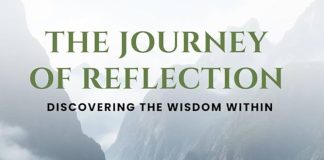
    Book title: Journey of Reflection: Discovering the Wisdom Within

    Author: Adeniji Raji, mni

    Year of Publication: 2024

    Pagination: 248 pages

    Publisher: Afem Publishers Limited

    Reviewer: Olutayo Irantiola

    The world is full with lots of distractions in recent years and it has become so easy to lose sight of who we truly are and what we value. Journey of Reflection: Discovering the Wisdom Within is a thoughtful and introspective guide that invites readers to embark on a transformative journey toward self-discovery, personal growth, and inner wisdom. The author offers a deeply engaging and interactive experience, filled with practical exercises, insights, and reflections that help individuals explore their core values, authentic selves, and life’s purpose.

    Adeniji Raji’s “Journey of Reflection” offers a comprehensive exploration of self-discovery and personal growth. The book guides readers through a series of introspective exercises and practical techniques to help them uncover their core values, embrace their authentic selves, and navigate the challenges of life.

    The book opens with a compelling focus on unearthing one’s core values, which serve as the foundation for living a meaningful and authentic life. In the first few chapters, readers are encouraged to reflect on their personal experiences and identify the principles that guide their beliefs and actions. The author emphasizes that core values are not just abstract ideas but the compass by which we make decisions and navigate life’s complexities. This theme sets the tone for the rest of the book, inviting readers to consider what truly matters in their lives and how they can align their actions with their values.

    In his discussion in the chapter titled Unearthing Your Core Values, the author takes a deep dive into the significance of personal values. The author encourages readers to explore their inner selves, reflect on past experiences, and clarify what energizes and motivates them. The chapter also delves into important psychological concepts like empathy, confirmation bias, and the growth mindset, helping readers examine how their beliefs shape their perceptions and interactions with the world

    One of the most powerful aspects of the book is its emphasis on embracing one’s authentic self. Embracing Your Authentic Self, challenges societal expectations and encourages readers to accept themselves fully, including their strengths, passions, and even quirks. This chapter highlights the importance of self-love and self-acceptance, offering practical advice on how to navigate the pressures of conformity and live in alignment with one’s true identity. The author stresses that personal growth is not about becoming someone else but about rediscovering who you are at your core.

    In Navigating Inner Shadows, the book takes a courageous step into exploring the concept of the shadow self—those hidden or repressed parts of ourselves that we often avoid. The author offers a compassionate perspective on how acknowledging and integrating these inner shadows can lead to healing and transformation. This chapter encourages readers to confront past wounds and embrace the wholeness of their being, turning perceived weaknesses into strengths. It’s a powerful reminder that personal growth requires both light and shadow, and that by accepting all parts of ourselves, we can experience greater resilience and empowerment.

    The concept of mindfulness is also a central theme in the book in the chapter, Cultivating Mindfulness and Presence. Here, the author explores how mindfulness practices can deepen self-awareness and enhance overall well-being. Readers are introduced to practical techniques for integrating mindfulness into everyday activities, such as eating, walking, and even working. The emphasis on being fully present in the moment is presented as a key to reducing stress, improving mental clarity, and fostering a greater sense of peace.

    Another standout chapter is Discovering Your Life’s Purpose (Chapter 6), which encourages readers to align their passions, strengths, and values with a greater purpose. The author guides readers through a series of exercises designed to help them identify their unique contributions to the world and pursue a path of fulfillment. This chapter emphasizes that discovering one’s purpose is not a linear journey but an ongoing process of introspection, exploration, and adaptation. Practical tips like journaling, seeking mentorship, and experimenting with new activities are offered to support readers in this process.

    The book also recognizes the importance of relationships and community in personal growth. The chapter, Nurturing Relationships and Connection, highlights the emotional and spiritual benefits of cultivating strong, healthy relationships. It encourages readers to engage meaningfully with others, emphasizing that connection is not only vital for individual well-being but also for creating a supportive environment for growth. The focus on nurturing relationships is a refreshing reminder that personal development does not happen in isolation but in the context of the communities we build around us.

    As the book progresses, it delves into other essential life skills, such as resilience, creativity, and vulnerability. Each chapter offers practical exercises and thoughtful insights to help readers navigate challenges and embrace opportunities for growth. Chapter 8, Embracing Change and Resilience, discusses how individuals can cultivate resilience in the face of adversity, while Chapter 10, Unleashing Creativity and Expression, encourages readers to tap into their creative potential. These chapters provide readers with a toolkit for thriving in a dynamic and uncertain world.

    Journey of Reflection concludes with chapters on gratitude, forgiveness, and spiritual growth, offering a well-rounded exploration of the human experience. The final chapters provide a roadmap for embracing vulnerability and courage, finding balance, and cultivating joy and gratitude. These themes bring the journey full circle, leaving readers with a sense of completion and empowerment.

    Overall, the book is a deeply insightful and practical guide for anyone seeking to live a more meaningful, authentic, and purposeful life. Through its thoughtful reflections, exercises, and exploration of core themes, the book serves as a valuable companion for people who want to live a life of impact.

    Olutayo Irantiola is a writer and literary aficionado. He is a Public Relations Consultant based in Lagos, Nigeria and he can be reached via peodaviescomms@gmail.com

  • United for Kids Foundation Organizes 2024 Pre-High School Summer Camp for Kids

    United for Kids Foundation Organizes 2024 Pre-High School Summer Camp for Kids

    …Ojodu Group of Schools Triumphs in Grand Finale

    United for Kids Foundation, a non-governmental organization committed to empowering underserved Nigerian children, recently organized its 2024 Summer Camp program for over 100 primary school leavers from Ten primary schools in Lagos State.

    The program, held over three days, concluded with a grand finale on Thursday, July 25th, 2024. The exciting event showcased various activities, including arts and crafts, dance competitions, debates, and presentations celebrating Nigeria’s heroes pasts. At the end of the event, Ojodu Group of Schools took the first position, while Adebule Primary School, Archbishop Tailor Primary School/ Kuramo Primary School and Victoria Island group of schools came second, third, and fourth, respectively.

    Reflecting on the event, the Vice Chairman of the United for Kids Foundation, Adesuwa Ladoja, explained that the camp was part of efforts to equip primary school leavers with social skills, decision-making abilities, and other essential skills needed to succeed in their higher education. During the event, the project coordinators, Oladunni Balogun and Eucharia Agu, expressed their excitement at seeing the participants become more confident and independent while building relationships with their peers.

    The judging panel, consisting of Ms Obarise Adesuwa and Mr Olutayo Irantiola, played a crucial role in evaluating the performances and determining the winners. Their expertise and dedication ensured a fair and enriching experience for all participants.

    The United for Kids Foundation remains steadfast in its commitment to empowering young lives by providing impactful and sustained interventions designed to educate, inspire, encourage, and unleash the potential in every child. The foundation believes that no child’s future should be truncated due to a lack of financial resources, and it strives to provide opportunities for all children to flourish.

    This year’s summer camp exemplifies the foundation’s mission to create a supportive environment where young minds can grow and thrive. The joy, confidence, and skills gained by the children during the camp will undoubtedly contribute to their future successes.

  • Feature: Rotary International District 9110 organizes the Inaugural Rotary Sports Festival (ROSFEST)

    Feature: Rotary International District 9110 organizes the Inaugural Rotary Sports Festival (ROSFEST)

    By Olutayo IRANTIOLA

    In a groundbreaking move aimed at championing mental and physical wellness, Rotary International District 9110 has made history by hosting the maiden edition of the Rotary Sports Festival (ROSFEST). This visionary initiative, launched at the onset of the 2023/2024 Rotary year, embodies Rotary’s commitment to fostering inclusive communities and prioritizing mental health on a global scale.

    As expounded by the Rotary International President, R. Gordon R. McInally, the call to integrate mental health initiatives into Rotary’s agenda reverberated across Rotary clubs worldwide. This way, Rotary will be taking a unique approach to mental health awareness.

     As an ambassador for Bipolar UK, McInally emphasized the importance of destigmatizing discussions surrounding emotional well-being and enhancing access to mental health services. “Mental illness and emotional health may feel uncomfortable, but it’s vital to the well-being of our global community,” remarked McInally, underscoring the significance of creating safe spaces for addressing these critical issues.

    DG tees off Golf tournament

    Responding to this clarion call, District Governor, Rtn. Ifeyinwa Ejezie spearheaded the inaugural ROSFEST, a pioneering endeavor aimed at infusing hope through the power of sports. “This provides us with an opportunity to unwind, have fun, and address our mental well-being,” expressed Ejezie, highlighting the multifaceted benefits of the festival. This is a maiden edition and I believe future District Governors globally will embrace this concept. With the official logo unveiled at the Rotary Centre in Ikeja, Lagos in October 2023, ROSFEST symbolizes a transformative step towards holistic wellness within the Rotary community.

    ROSFEST transcended traditional sporting events, encompassing a diverse array of disciplines ranging from including football, scrabble, golf, volleyball, lawn tennis, basketball, draught, chess, Badminton, ayo olopon, tug of war, and other entertaining games. Under the stewardship of committee chairman, Rotn Alozie Nsirimobi, the festival unfolded as a celebration of camaraderie and inclusivity, fostering a sense of unity among participants.

    The grand finale, held at the prestigious Mobolaji Johnson Arena on 9th March 2024, showcased the culmination of months of spirited competition. The football showdown between Eko City Team and Abeokuta City Team captivated spectators, with the latter emerging victorious with a resounding 4-1 triumph. Meanwhile, the Golf Championship held at Ikoyi Club 1938 on March 1st, 2024 crowned Rotn Chidiebere Anosike, amongst 102 golfers that participated, as the champion, earning him a coveted plot of land courtesy of RESSA Project Nigeria Limited.

    The winning team of the football tournament

    The success of ROSFEST would not have been possible without the generous support of sponsors such as KKF, Ello Table Water, MTN Nigeria Communications, Munro, Rite Foods, Kooki, and UfitFly. Additionally, esteemed partners including Brilla FM and the Lagos State Sports Commission lent their expertise to elevate the festival to unprecedented heights.

    Looking ahead, the visionaries behind ROSFEST aspire to expand its reach beyond District 9110, envisioning a future where the festival evolves into the All-Nigeria Districts Sports Festival (NIGFEST), and ultimately, the continent-wide extravaganza known as AFRIFEST and eventually to Rotary International.

    The winner of the golf tournament receiving the grand prize of a plot of land

    By harnessing the unifying power of sports, Rotary International District 9110 is not only promoting physical wellness but also catalyzing transformative change in the realm of mental health advocacy but also fosters a sense of community and well-being, paving the way for a potentially global movement within the Rotary network.

    As the curtain falls on the inaugural ROSFEST, Rotary International District 9110 reaffirms its unwavering commitment to fostering equitable, inclusive communities where every individual can thrive. With ROSFEST serving as a beacon of hope and inspiration, the Rotary family embarks on a journey toward a brighter, healthier future for all.

    Rotn Olutayo IRANTIOLA is a member of the Rotary Club of Gbagada. He can be reached via peodaviescomms@gmail.com

  • Sir Jimi Solanke @80: the unnamed Professor of Arts!

    Sir Jimi Solanke @80: the unnamed Professor of Arts!

    by Olutayo Irantiola

    With the avalanche of tributes that have been written for the dexterous artist Jimi Solanke, the Ipara Remo-born artiste is a colossus any institution has not named that a professor. I want to add that, by many standards, as a professional artist, he is eminently qualified to be one. Having spent many years of his life at the Universities of Ibadan and Ife (now Obafemi Awolowo University). He has poured himself into the arts as a consummate writer of books, dancer, dramatist, folklorist, cultural researcher, songwriter, visual artist, storyteller, TV presenter, performer poet, much more than many academicians.

    As a boy raised in Lagos, around the Olowogbowo area of Lagos Island. He created lots of creative works like facemasks and lanterns during the period of Muslim festivities and organized puppet shows in his father’s country. As a secondary school student, his craft led to a collaboration with musical artists, and one of the prominent ones was Roy Chicago. One song that he wrote that became a hit was “Onile Gogoro”. His father was not proud of his son’s interest; thereafter, he sent him to “exile” in Ibadan.

    His father sent him to his uncle in Ibadan, MS Sowole, the Western Region Commissioner in London. He attracted companies such as Caxton Press, Ibadan, Nigerite, amongst others. He was living in Iyaganku, Ibadan, and they employed him as an Engineer-in-training at Caxton Press. Within a short while, he discovered the happening places in Ibadan, such as Independence Hotel, Oke-Bola where he met Orlando Julius and their relationship bloomed. Thereafter, he was not going to work again and he was sent out of his uncle’s house to start life as a young man.

    He later joined the IK Dairo’s Globetrotters Band, joined Chris Ajilo, and started singing at Gangan Night Club. Thereafter, his father developed interest in his son’s craft.

    About this time, he met The Mbari Club members such as Professor Wole Soyinka, Chris Okigbo, Yemi Lijadu, and Raphl Okpara and that was how he joined the School of Drama (now known as the Department of Theatre Arts) at the University of Ibadan. He was also one of the pioneer sets of the drama school in Nigeria and Africa. As a consummate professional, the team that began the School of Drama moved to Ife to set up the Institute of Cultural Studies, where he assisted Ola Rotimi, Peggy Harper, and Akin Euba at the Ori Olokun Acting Company, Ile-Ife. Then, he garnered all the experiences, and he was able to express himself to the fullest.

    With his performance in Oba Ovonramwen Nogbaisi, Solanke played the role of the King and he enthralled the state. He was engaged for five years as a Senior Cultural Officer for 5 years and he led the team to the Pre-FESTAC Festival. When acrimony started brewing, he left for Ibadan again. Then, he played at the opening of the National Theatre, Lagos. He left Nigeria for England and the United States of America in 1978. After his stint there, he returned to Nigeria and was engaged again at Ife.

    Upon his return, he took to child’s TV series, it aired on LTV8 as Family Scene; NTA invited him and he was the lead anchor for Story Land; he was on Galaxy TV and AIT where he anchored African Stories. The multifaceted artist had taught children on these TV shows through artworks, rejuvenating the creative artist in him as a pupil.

    With all his ventures around the creative arts and academia, Sir Jimi Solanke, KJW is worth more than a professor. Just like we have the likes of Ebenezer Obey and Tunde Kelani that have been given roles in tertiary institutions and given honorary professorship, it is time to confer this honour on Solanke, the distinguished artiste.

    May I be the first to call him a professor then as he celebrates his one-week-long 80th birthday that began last Saturday. Enjoy your years as an Octogenarian and I hope we will celebrate you again when you turn 90. (However, the music will surely play on after your departure, on February 5, 2024)

  • Feature- The University Degree Saga: Changing The Nigeria Academic Narrative

    Feature- The University Degree Saga: Changing The Nigeria Academic Narrative

    By Olutayo Irantiola

    The unfolding university degree saga in Nigeria has brought to the fore the need for our country to look inward and strengthen her academic heritage. It is pretty unfortunate where we have found ourselves as a country. I am not a beneficiary of the heydays when university students ate chicken on Sundays, but the system has continued to nosedive year in and year out.

    It is getting to a point where the federal government needs to evaluate its students across the globe so that we can effectively understand our situation. What do people want from the Nigerian educational system to ascertain where we are getting it wrong? This brings to mind the number of students who are “exiled” so that they can get globally competitive certificates. In 2022 and 2023 respectively, Nigerian students have experienced war in Sudan, Russia and Ukraine.

    One of the most disheartening things about our tertiary institutions is that despite passing the West African Examination Council Nigeria (WASC), Joint Admission Matriculation Board Examinations, and Post-JAMB of the various institutions, a student is still not guaranteed admission for their course of choice and even the university of choice. Parents, students, relatives and even associates become lobbyists in the scramble for admission; seeking a lecturer to help follow up and some other humbling experience that demerits competence. All these, I suspect gave rise to seeking admission in neighbouring countries.

    With a burgeoning youthful population, there is a need for the government to enlarge the capacity of the various institutions, but we keep tightening the admission measures as typified above. We cannot continue to allot admission quotas to institutions every session and expect parents who do not know anyone to keep their children at home for years while waiting for admission.

    Until recently, first-class degrees were rare in Federal and State Universities because many lecturers believed that God was the only one who owned first-class while the lecturer owned second-class upper degrees, and students could jostle second-class lower and third-class degrees. Whereas the labour market had labelled students with such degrees as “half-baked and unemployable”. All these made parents get loans to train their children in all these mushroom institutions in neighbouring countries.

    Aside from the deep-pocket Nigerians who can afford to send their children to Ivy League universities in Europe and America, people are looking for ways in which their wards will save years in the university due to the incessant strikes that last many months. Meanwhile, the government and the academic workforce have little or nothing to lose at the expense of the students’ lives. How long will Nigerian students have a timeline for completing a bachelor’s degree programme?

    Another issue we have as a country is the conversion of all tertiary levels of education to universities. No institution trains teachers again; it is now a university; no institution trains technicians again, and everyone wants to become an engineer. People without a university education cannot go beyond certain levels in the Nigerian Civil Service, amongst other limitations we place on our nationals. Then, people can troop into another country to get a university degree of any type. This unrealistic demand of society has pushed students out of the country.

    It might be a bitter pill to swallow, but people will want to go for any form of education, and the recent increase in fees paid in Nigerian tertiary institutions is not encouraging. Truly, the government is doing everything to reduce subsidy across the board, but Nigerians cannot see the additional value to the students. People will only go for a shortcut to beat the system as well.

    There is a growing phenomenon now, Nigerians are gunning for honorary doctorate degrees, and all of these degrees are coming from the same institutions that the Ministry of Education is suspending the accreditation and evaluation of degree certificates from in Benin Republic, Togo, Uganda, Kenya and Niger Republic. Do we need to wait for a crisis to break out before we take the appropriate steps?

    I am not justifying wrongs, but it is a charge for the government and academic leaders to wake up from their age-long slumber; they need to find ways of redeeming the educational image of the country and overhauling the educational sector. A quote by the late sage, Chief Obafemi Awolowo, “To attain the goals of economic freedom and prosperity, Nigeria must do certain things as a matter of urgency and priority. It must provide free education at all levels and free health facilities for the masses of its citizens”. If it is not free now, we need to get it right if we will stop falling to the tricks being paid on Nigerians by other countries in our search for certificates.

    Olutayo Irantiola, a Lagos-based PR Consultant, Playwright and Biographer, blogs on www.peodavies.com

  • Book Review: Deconstructing Okeho Exodus

    Book Review: Deconstructing Okeho Exodus

    The Òkeho Exodus is a captivating historical play that tells the story of a small town in South West Africa, precisely in Oyo State, that lost its home  and people in the struggle against colonial rule. The play depicts the struggles of the local chiefs who became divided amidst the oppression meted out by the British between the 19th and 20th century.

    Through its engaging plot and well-developed characters, the play manages to convey the complexities of colonialism, power dynamics and resistance in a way that is both informative and entertaining. Olutayo Irantiola, the author of Òkeho Exodus, deserves commendation for his excellent work in bringing this important piece of history to life.

    Irantiola is a keeper of culture, a published poet and a historian whose stage play, With Our Uniform, was performed at the Lagos Fringe Festival, Lagos, Nigeria and in 2021 at the SOS Theatre Festival International, United States of America (USA)

    Proving his mettle again, he authored his first published drama text, The Òkeho Exodus – a historical play which is an entertaining dramatic documentation of the story of Òkeho. Òkeho was one of the towns in Yoruba land that was conquered by the British colonialists between the 19th  and 20th centuries.

    The author encapsulates The Òkeho Exodus and spotlights the pre-existence of Western African political system and culture before the intrusion of the colonial masters and the aftermath of their arrival  in five Acts. These five Acts recounts details of the regicide, revolt and relocation (the exodus) of the Òkeho people.

    No drama is complete without a situation. Irantiola succinctly marks actions between the pages of memory with sprinkles of proverbs, wit and humour. The chants, use of imagery, flash back all highlight the author’s strengthened literary prowess. Rising tension, dialogue, conflict, climax rising action are well thought out sequentially and mainly expressed through the English and Yoruba languages which are interpreted afterwards for those who may not understand the language. The play seeks to serve the purpose of remembrance.

    Through this piece, the author proves his loyalty as a true born of Òkeho and as a historian. The pulsating depth of his use of language, the infusion of dramaturgy and the richness of proverbs that reverberates through the text is appreciated and well worth the read.

    More than this, it proves the author’s meticulous awareness of his past and serves as a guide rail into future purposes and intentions. History continues to bear witness to the established system of governance and structure that was in place before the take over by colonizers.

    This drama  puts a spotlight once again on the Òkeho tragic loss as captured by Irantiola.There is apt documentation of the origins, heritage, systems and structure of The Òkeho people who sadly lost their birth place. In the end, all hope is not lost because there is realisation of the errs which put into perspective his hope in the indigenous people that they can start all over again.

    At the beginning, we see a distressed king summon his subjects to discuss the invasion of Fulani/Dahomey people and how they can secure their lands . Unfortunately, the King dies before they could actualize their plans  to quell the internal insecurities already rocking the land and surrounding towns.

    The enthronement  of a New King Oba also makes prominent the undertone of the British rule under the Supervision of Captain Ross. Jinjin is read as saying “ Òkeho is no more our Òkeho, it is now the Òkeho of Captain Ross”. With a quick turn of events there are plots to end the rule of the whites. The upsurge didn’t turn out as expected. It led to the death of the King and his family. The message remains intact and relevant even in this present age. It should instruct and inspire all that are truly Africans who seek to trace back to their roots.

    The Òkeho Exodus more than any documentation of the invasion of the town  and the intrinsic details of internal battles takes readers further  down the lane of  distortion or misconceptions of our history, which can be termed a bigger tragedy in contrast to the fate of the indigenes. Although for the sake of dramaturgy the author also incorporates exaggerated events here and there to a permissible extent.

    Dedication to his craft, one which has undergone tremendous stages of research, discovery and dedication is  evident in this text.The memories that are resurrected in the work will resonate with readers of all ages. Those who witnessed the war will be moved by this story and those who did not will agree no less that it is a story of love, betrayal, war, death and one of survival.

    Overall, this play is a sufficient read for anyone interested in African history and the impact of colonialism on Africa.

    Written by Damiete Braide of the Sun newspapers

    Culled from The Sun News Online

  • Feature: PR Lessons from the CMC Connect’s Report Backlash

    Feature: PR Lessons from the CMC Connect’s Report Backlash

    It is not what you say but what people hear that matters in communication’ Ishola Ayodele

    Introduction

    In the realm of public relations and communication, accurately gauging public sentiment is a paramount task. A recent incident involving CMC Connect, a prominent PR agency in Nigeria, highlights the complexities and challenges of attempting to capture public opinion or sentiment through surveys and reports. The fallout from CMC Connect’s report underscores the intricate interplay between methodology, public perception, and the broader sociopolitical landscape.

    The Controversial Report

    CMC Connect, a Lagos-based renowned public perception consulting and strategic communication agency, conducted a survey in conjunction with Analysts Data Services and Resources (ADSR), a Data and research company. The outcome of this survey suggested that 62 per cent of Nigerians believe the country moving forward under the administration of President Tinubu. The part of the report that actually shaped most of the media headlines reads, “38% do not see the country moving forward under the current administration, while 62% do,”.

    Some of the media headlines reads;
    “Survey: 62% of Nigerians see country moving forward under Tinubu despite economic hardship” TheCable
    “Poll: 62% of Nigerians optimistic about Tinubu’s ability to lead Nigeria, despite hardship” Businessday
    “CMC survey claims 62% of Nigerians see progress under Tinubu” Chronicle.ng

    “Nigerian Tweeps Condemn Report Saying 62% Of Nigerians See Country Moving Forward Under Tinubu Despite Economic Hardship” Saharareporter

    This seemingly optimistic conclusion elicited mixed reactions from the public. While some praised the agency’s efforts, others questioned the validity of the data and the methods employed to arrive at such a conclusion.

    Public Backlash and Skepticism

    The release of the report was followed by skepticism and critical commentary. Social media platform, Sahara reporters highlighted dissenting opinions that cast doubt on the credibility of the survey. Critiques ranged from accusations of statistical insignificance due to the small sample size to allegations of manipulation and bias in the data collection process. These reactions unveiled a glaring gap between the agency’s intentions and the public’s perception of the survey’s legitimacy.

    Some of the reactions from Nigerians, according to Sahara reporters, include:

    “Let us be fearing God in all we do ehn. How can one conduct a survey using 1,714 people as sample size from an actual population of 200m or more and conclude that 62% of Nigerians are happy with the current happenings? A statistically dead survey is what was conducted,” another user, Seye C. Ogun said.

    “it is obvious that the survey was rigged because 62% of the people interviewed could not all have agreed to deception. Let me also bring to your notice that the ‘so-called’ survey was rigged. 62% of Nigerians can’t be blind and foolish at the same time.” Ojadike
    “62% of Nigerians is 124m, Deceptive,” Chukwuma Nwokoye claimed.

    Social Media as a Battleground

    One Twitter user, @jollynonny, embarked on his own survey to challenge the results presented by CMC Connect. This initiative, shared on the platform, quickly gained traction and garnered substantial participation. Within 24 hours, over 28,000 respondents weighed in, with an overwhelming 93% indicating that Nigeria was not progressing under the current administration. This online poll served as an embodiment of the public’s voice and a stark reminder of the power of social media in shaping and contesting narratives.

    Perspectives of PR Experts: Insights from the School of Impactful Communication (TSIC)

    As the storm of reactions swirled around CMC Connect’s controversial report, a group of seasoned PR experts hailing from the esteemed School of Impactful Communication stepped forward to offer their invaluable insights. This group, composed of prominent professionals and scholars in Africa, brought a diverse array of perspectives that shed light on the intricate layers of the situation. Their opinions touched upon the survey’s credibility, the timing of its release, and the key takeaways from the unfolding scenario.

    Olutayo Irantiola: Highlighted the changing public vocal expression and suggested alternative ways to communicate stories effectively, acknowledging the need to adapt in light of current realities.

    Gabriel Ogunade: Defended the report’s legitimacy, emphasizing its role in understanding Nigeria’s democratic culture, while acknowledging the expected negative reactions due to ongoing economic challenges and court rulings.

    Reuben Hopo: Emphasized the importance of diverse feedback representation across regions to enhance survey credibility. He also stressed the value of meticulous planning in national projects and the lessons inherent in public feedback.

    Adebayo Ilupeju: Focused on the timing of the report’s release, highlighting the delicate balance PR professionals must strike when addressing sensitive topics, particularly ones that resonate with the public.

    Ifekristi Ayo-Obiremi: Suggested that CMC Connect should have clarified if the report was a ‘mini’ representation and recommended transparency in language use. Advocated for a larger, more comprehensive survey to cover a broader demographic.

    Austin O. Chijioke: Argued that diplomacy can be set aside to address core issues affecting the majority. Stressed the importance of understanding the public’s sentiment and effectively communicating outcomes, even if they are unfavorable.

    Princewell Achor: Discussed the intricacies of conducting surveys, emphasizing the role of moderating and intervening variables in shaping outcomes. Highlighted the need for methodological precision and the potential for biases in results.

    These PR experts’ perspectives collectively offered a comprehensive view of the incident. Their analyses encompassed credibility concerns, public sentiment dynamics, and the intricate interplay between timing, methodology, and public response. The opinions reflected the complexity of the communication landscape and the nuanced considerations that PR professionals must navigate in their pursuit of accurate representation and effective communication.

    Extracting Valuable PR Lessons from the CMC Connect Case Study
    In the dynamic world of public relations, real-world scenarios often serve as invaluable sources of insight and learning. The CMC Connect incident presents a compelling case study that unravels the intricate challenges associated with effectively communicating survey results. Within this case study lies a wealth of invaluable PR lessons, offering insights into the intricacies of language choice, contextual awareness, rigorous data gathering, and the critical role of timing. As we delve into the depths of this scenario, we unearth a reservoir of guidance that can empower PR practitioners to navigate the landscape of public perception and strategic communication with finesse and precision.

    1. The Impact of Word Choice on Interpretation

    One of the striking revelations from this case is the immense influence that word choice can wield in framing the outcome of a report. The notion that word choice is more than just semantics has led to the recognition of “framing” in communication – a concept that emphasizes how words, phrases, and expressions can influence how information is perceived and understood.
    Framing entails the strategic selection of words and phrases to present information in a particular light. It involves using language that directs the audience’s attention towards specific aspects while downplaying or omitting others. In the realm of survey communication, framing is a powerful tool that can shape the narrative, evoke emotions, and ultimately affect how people react to the information being presented.

    For instance, the misinterpretation in the CMC Connect’s survey arose from the word “see,” which different media outlets interpreted in various ways. While the intention might have been to convey a sense of optimism, the choice of the word “see” left room for misinterpretation, as seen in the media headlines above which actually shaped people’s perception about the survey. In hindsight, a more precise word such as “hopeful” or “looking forward” could have mitigated the confusion. This CMC Connect’s case serves as a compelling illustration of how framing, or the lack thereof, can significantly impact not just the interpretation of survey results but also public perception.

    2. Comprehensive Data Gathering and Inclusivity

    Critically examining the survey’s sample size highlights, the importance of comprehensive data gathering. The use of a sample of 1,714 respondents to draw a conclusion on a highly sensitive national matter exposed the shortcomings of inadequate data representation. The need for inclusivity and diversity during data collection becomes evident when faced with the task of accurately reflecting the sentiments of an entire nation. A larger, more diverse sample would have lent greater credibility to the findings.

    As Dr Achor had observed above, inclusivity and diversity during data collection are paramount when attempting to gauge public sentiment on a national scale. Every demographic, socioeconomic group, and geographic region should ideally be included in the sample to paint a comprehensive picture of the nation’s collective viewpoint. The absence of inclusivity can result in skewed findings that do not reflect the nuanced reality experienced by different segments of the population. Inclusivity enhances the legitimacy of survey results and contributes to a more

    3. Timing and Strategic Communication

    In the intricate dance of strategic communication, the interplay between message and timing holds an undeniable sway over the outcomes. Regardless of the quality of the report or the credibility of the source, releasing information at the wrong time can drastically diminish its impact.

    4. Timing as a Catalyst for Perception:

    The report’s timing converged with an intricate tapestry of ongoing events, economic challenges, and political dynamics. This convergence showcased the intricate relationship between communication and context. Regardless of the report’s quality, the broader sociopolitical climate actively shaped the lens through which it was perceived. This phenomenon isn’t unique to the CMC Connect case; it’s a testament to the power of timing in shaping public perception and reaction.

    5. The Synchronization of Communication and Context:

    Strategic communication, at its core, aims to deliver messages that resonate and create the desired impact. This resonance, however, is significantly influenced by the temporal fabric within which the message is woven. When crafting communication strategies, professionals must meticulously consider the context within which their messages will land. How will ongoing events, societal sentiments, or economic fluctuations frame the reception of the message? Timing is the conduit that allows communication to synchronize seamlessly with the prevailing context.

    For instance, the CMC Connect’s report’s timing coincided with ongoing events and challenges, influencing the way it was received and interpreted by the public. This teaches us that even well-crafted communication efforts can fall short if the timing does not synchronize with the broader sociopolitical context.

    6. Opportunities and Challenges in Timing:

    Strategic communicators face both opportunities and challenges in mastering the art of timing. On one hand, the right timing can amplify the message’s resonance, leveraging prevailing sentiments to amplify the intended impact. On the other hand, mistimed communication can fall flat or even stir unintended backlash. As such, the ability to gauge the meeting point between communication and context is a hallmark of effective strategic communication.

    The confluence of strategic communication and timing rests on a delicate balance and understanding this critical meeting point is one of the major challenges for PR professionals in this era of digital communication.

    7. Context Matters:
    In the realm of communication, context serves as a crucial lens through which information is interpreted and understood. The sociopolitical and sociocultural climate can significantly influence public perception of a report or message for that matter. Factors such as ongoing events, economic conditions, and political developments should be carefully considered when interpreting survey results or drafting a message. Let us explore these factors a little.


    a. Sociopolitical Climate: Unearthing Underlying Sentiments
    The sociopolitical climate is the backdrop against which survey results are projected. It encompasses collective mood, sentiment, and prevailing issues. Communicating survey outcomes, especially on national matters, demands understanding underlying sentiments. Ignoring this can create a gap between findings and public realities. The CMC Connect incident underscores the intrinsic link between public opinion and sociopolitical context.
    b. Economic Conditions: Focusing on Tangible Realities


    Economic conditions influence public sentiment, as financial stability impacts outlook. A report implying progress during economic challenges can lead to skepticism. Acknowledging economic realities enhances survey communication’s authenticity, showing sensitivity to people’s experiences.


    c. Political Developments: Catalysts for Change
    Political shifts can significantly influence survey findings. Government actions and the political environment shape results. Accurate survey communication requires considering prevailing political dynamics. Neglecting this risks making communication tone-deaf or disconnected from a nation’s evolving narrative.

    The case study of the CMC Connect incident vividly illustrates the paramount significance of contextual factors, particularly the sociopolitical climate and timing, in shaping public perception when presenting survey results. An exploration of these elements offers profound insights into the intricate interplay between external conditions and the reception of survey findings.

    IN CONCLUSION,

    The great George Bernard Shaw once said, “The single biggest problem in communication is the illusion that it has taken place.”
    The CMC Connect incident serves as a powerful reminder that effectively communicating a survey result or any other message requires not only a mastery of communication techniques but also an acute understanding of the nuances that can influence public perception. These nuances like mastering the art of words, context awareness, inclusive data collection, and strategic timing all play pivotal roles in shaping the narrative, influencing the perception of a survey’s outcome or any other message.
    Further, the incident highlights the need for continuous learning and adaptation in the dynamic landscape of public opinion. As the gap between perception and reality remains a pivotal challenge, this underscores the imperative to diligently bridge it through strategic training and workshop and ongoing education, such as engaging in enlightening group case study discussions like the online PR case study sessions on the school of impactful communication (TSIC).

    Finally, in the rapidly evolving communication landscape, collaboration between PR professionals and message engineering specialists is essential. Message engineers possess expertise in cognitive psychology, linguistics, and persuasion, ensuring messages resonate with audiences on a psychological level. They analyze data to identify preferences and emotional triggers, aiding PR professionals in crafting engaging messages. Platform adaptation is facilitated by message engineers, maintaining consistency across diverse channels. Insights into human behaviour enable PR professionals to design influential messages that guide actions. Amidst information overload, message engineering carves concise, impactful messages for effective communication.

    Ayodele Ishola is a “Message Engineering” specialist. He helps Leaders, Brands & organizations communicate in a way that yields the desired result.

  • Feature- The Okeho Exodus: A Review

    Feature- The Okeho Exodus: A Review

    Playwright: Olutayo Irantiola

    Publisher: Peo Davies Communications

    Year of Publication: 2022

    Reviewer: Akeem Akinniyi

    Olutayo Irantiola’s The Okeho Exodus is a historical play set in 1916 but written in a modern-day language and filled with elements that will not alienate a reader in these present times. The play revisits the past of the descendants of Okeho who resettled among the hills along with ten villages to stem the tide of invasion by the Dahomey and Fulanis. What follows are intrigues of betrayal, and bastardisation of culture by colonialists which eventually leads to the tragic end of not only the king but the loss of the town’s sovereignty to the colonial masters.

    The theme of betrayal dominates the play and the only character who survived it is Oba Arilesire who built a harmonious home of settlers which sets the tone for successive kings before the turn of Onjo Olukitibi. The emergence of Captain Ross and his fellow conquerors in Okeho with their laws and subjugation of the people leads to distrust among the chiefs and set the plot to oust the king, Onjo Olukitibi. A wave of betrayal rises among the chiefs who think Onjo Olukitibi has sold them out to the colonialists referred to as ‘Ajele’ (a Yoruba word for usurpers). The internecine fighting grows beyond the borders of Okeho and extends to other towns as Balogun Olele seeks allies from far and within against the king. In the end, the king is captured and annihilated along with his family. Captain Ross avenges the death of the king, attacks, and arrests the unerring chiefs to bring law and order to Okeho, thereby establishing the sovereignty of the colonial masters.

    The play deploys antithesis effectively to strike a balance in the events as well as the lives of the characters and the passing of the years. Oba Arilesire’s reign is filled with harmonious living and unity among the people. He would go on to die peacefully in his sleep. This is contrasting to the reign of Onjo Olukitibi whose reign ends in disarray with mistrust in the air and would later die agonizingly in the hands of his own people. Another is the replacement of invaders, at first, it is the Fulanis and Dahomeys whose aggression make the people of Okeho flee to the new place. Little had they settled down when the colonialists invaded their space and sadly, it will result in their return to the place they left earlier.

    The challenges of colonialism to traditional laws and customs are symbolized by the emergence of Captain Ross whose influence and power conflicted with Onjo Olukitibi, thereby reducing his relevance before the people. His authority is challenged, and as Captain Ross’ influence grows, Olukitibi’s stature shrinks. The people of Okeho begin to see him as the puppet of the white man. An example is the statement of Oladunni (41) “The reign of Olukitibi is already disheartening. We have never experienced this in Okeho Ahoro, I have been watching with keen interest and I am getting to lose hope in his leadership abilities. People have been saying it that Olukitibi was not the right person to be crowned, he was imposed on us by the colonial masters. But will the kingmakers and the oracle lie?” 

    The theme of betrayal echoes through the book and it is expressed in many ways. Jinjin represents the modern, inquisitive, and courageous woman who believes in equality. She also represents the Biblical Eve whose inquisitiveness led to the fall of man through her desire to partake in the Oro traditions. A Yoruba cult tradition that forbids the participation of women. She never hides her intent to break all patriarchal foundations (25):

    Jinjin: My right to social equality, freedom of association and speech. I want to know more about Oro. If it was an entirely sacred thing, men should also stay out of the rituals.

    To achieve her husband, Olojomo’s commitment to making her participate, she weaponises sex and the poor man submits to her guiles: “Yes, my mind is at rest now.  I am sure that I would soon partake of the ritual and we would break all the limitations that have been set by many generations” ” (63).  Olojomo would go on to get her involved in the ritual, a flaw that ridicules his legacy in the Oro cult leading to his disgrace from the group by fellow initiates who considered his actions a betrayal of trust.

    Another female character of note is Oladunni who challenges the status quo of the submissive housewife who must accept everything that her husband dishes out to her. She broke patriarchal norms by talking back at her husband Oga Akooda (37) who in a state of excitement and drunkenness about the Oro festival insults her father which she replies accordingly and disrespectfully. The husband chases her with the intent to beat her and instead of being apologetic tries to give reasons for his uncouth behaviour. (38)

    Oga Akoda: She has to swallow those words if not, there won’t be peace any longer in this house. She thought I was tipsy and cannot reason well.

    Oladunni: I will go to the court of Ross. You will learn lessons. I cannot tolerate you any longer. You are a violent man. (He wants to chase her again but Akoda holds him).

    The court of Ross is the court of the whiteman which allows room for divorce. This can be seen as a breakaway from the cultural norm of family and community elders settling marital conflicts. It reflects a subjugation of traditional authority. Some of the little cracks that bit by bit collapses the wall of traditions and customs.

    The playwright makes use of songs to communicate and express the mood. The language though direct is, sometimes, riddled with too much Yoruba aided by code-mixing and translations that somehow belabours the point. Some scenes appear intrusive as we have during the choice of kingship. Above all, the playwright achieves his aim of telling an ancient story to a modern audience by reflecting on the effects of colonialism and its attendant evils of erosion of cultures and abuse of power.

    Akinniyi Akeem is an advertising copywriter with one of the leading PR agencies in Nigeria. He enjoys the art of writing and in his spare time, he loves to delight the blank page with poetry and short stories.

  • Olutayo Irantiola’s Historical Play, The Okeho Exodus set for Release November 2022

    Olutayo Irantiola’s Historical Play, The Okeho Exodus set for Release November 2022

    A Historical play titled The Òkehò Exodus, written by Olutayo Irantiola, is set for release November 2022. The play is a unique documentation of the story of Òkehò, the headquarters of Kajola Local Government area of Oyo State, South West, Nigeria. This is a dramatic documentation of a specific episode in the story of Òkehò, the regicide of Ońjò Olúkìtìbí, in 1916, an incident that changed the Òkehò story drastically.

    After the unfortunate incident, the British colonial administration stepped in to restore law and order in its way. Its ultimate order was for Okeho to relocate from its nature-endowed refuge in the hills of Òkehò-Ahoro to its present site from which it had been forced to flee the Fulani and Dahomey invaders. It is this part of the story of Òkehò that is effectively captured in this drama.

    The Òkehò Exodus has been receiving several praises ahead of its release, Professor Segun Gbadegesin, Aṣíwájú of Òkehò who wrote the foreword to the play, noted that “Ìrántíọ́lá has woven seamlessly the goals of truth-telling and entertainment and has demonstrated fidelity to historical accuracy while also achieving artistic excellence.”

    According to him, “through this drama, he has effectively presented, not an unhistorical entertainment, but an entertaining history. It is my fervent hope that this volume will generate the interest of serious cultural enthusiasts and the play will be staged in theatres across the country and the world in no distant future,” he added.

    Also, Mr. Dípọ̀ Adéṣidà, the Chief Operating Officer of Verdant Zeal Group stated that “the story began on a romantic note, goes through the unprecedented labyrinth of divide and rule, infighting, intrigue and myopia, the genesis of bloodletting and eventual loss of a kingdom and by extension, an entire nation’s identity. Sadly, this story is still reminiscent of many African communities today who cannot see the bigger picture beyond the immediate economic or political benefits of personal gain in exchange for building a legacy of worthy governance structure for posterity.

    Making a comment on the drama, the playwright, Olútáyọ̀ Ìrántíọlá, said, “I am delighted to bring this work of art to life. Writing this play is a dream come true for me and I am excited that Nigerians will read and appreciate some occurrences that happened during the colonial intrusion in Yoruba land. I hope that this play will form the basis for which we will identify who we are as an ethnic group and revitalize the profound ingenuity in us beyond the identity given to us by the colonialists.”

    Ìrántíọlá debut play titled ‘With Our Uniform’, a satirical stage play that showcases societal decadence and the ruthless use of force by uniformed men was staged during the Lagos Fringe Festival in 2022 at Freedom Park, Lagos Island, Nigeria and the SOS Theatre Festival International in the United States of America in 2021. Also, to his credit, he has an anthology of poetry in English and Yoruba languages and a biography.

    The book release coincides with the 2022 Okeho Day celebration slated for November 26 2022.

  • Feature: National Honours for the Academia in the Face of ASUU Strike

    Feature: National Honours for the Academia in the Face of ASUU Strike

    By Olutayo IRANTIOLA

    “An injustice to one is an injustice to all”

    The struggle for the soul of the Nigerian University system between the Federal Government and the Academic Staff Union of Universities (ASUU) continues into the eighth month. It has come with a series of fireworks ranging from taking ASUU to the Industrial Court; to the threat of proscribing ASUU. Unfortunately, some members of the union have lost their lives while some students have also been lost to the imbroglio.

    In the last seven and a half years that President Muhammadu Buhari had been leading this country, he has concentrated more on “building the nation” rather than doling out national honours. However, the President conferred a posthumous award of GCFR on Chief M.K.O. Abiola, presumed winner of the annulled historic June 12, 1993, presidential election. Other honours are the Federal Government’s National Productivity Order of Merit Awards and the Nigerian National Merit Award. I do not know of other honours that Nigerians have received lately from the administration of President Muhammadu Buhari.

    Going through the list, I noticed the name of the late Dr. Stella Adadevoh, received a posthumous National Productivity Order of Merit (NPOM) award for her performance in the fight against the spread of the Ebola virus in the country earlier in the year. She would still be conferred with another posthumous award of the Officer of the Order of the Niger. We should borrow a leaf from the words of the Priest at the funeral of Queen Elizabeth II, “Now let us remove all symbols of power from the coffin, so that our sister, Elizabeth can be committed to the grave as a simple Christian.”

    I was awestruck when I saw the list of those that will be given the national honours; it seems quite patronizing. Largely for the political class, few public sector players, sportspersons, and the academia. I presumed this is a slap on the Academic Staff Union of Universities (ASUU). Amid the non-payment of salaries, some of them are being honoured by the nation that is starving them.

    The rate at which people have exited the country since the beginning of this melodrama has spiked, lecturers leaving the country in droves; students abandoning their academic pursuits in Nigeria and moving to other countries that have stable academic calendars; while others are switching from Federal and State Universities to private universities. In an opinion piece published by News Wings NG, the article posits it is very possible that what led to the “demise” of public primary and secondary schools is going to happen to Federal and State Universities with the reoccurrence of the strike.

    In 2011, Professor Chinua Achebe, a Nigerian literary giant, rejected the national honour of Commander of the Federal Republic, CFR which he firstly declined in 2004. Another person nominated for honours at that time, Mr. Femi Gbajabiamila, the Minority leader of the House of Representatives, wrote to President Goodluck Jonathan to indicate his rejection of the award of Order of the Federation (OFR) to be conferred on him. The lawmaker had queried the criteria used in nominating recipients for the 2011 National Honours. Gbajabiamila argued in the letter to the President that national awards should only be conferred on those who have made concrete contributions to the development of the country, unlike now, when it is being indiscriminately doled out as presidential favours.

    However, in the current list, Mr. Femi Gbajabiamila, the current speaker of the House of Representatives, will be the first recipient of the Commander of the Order of the Federal Republic (CFR). Does it mean that this list is merited rather than being a presidential favour?

    Many of those from the diaspora, on the list, are being rewarded by the system that pushed them out. It might seem gratifying that their good works are being recognized by their fatherland, but they need to reflect on the circumstances that led to their forced exile from a land that cannot support their dreams to become great ones.

    With the paltry amount earned by the academia, they would need to fly into Abuja and, as expected, with a spouse. From whose pockets would these funds come? Even if it is paid by the Federal Government of Nigeria, will it compensate for the eight months of unpaid salaries? Remember, it is a “no work, no pay” strike.

    I have grown up hearing the aphorism, “an injustice to one, is an injustice to all.” I am sure that an award for one is not an award for all. If we keep losing this war in bit through “presidential favours” in the form of national honours. Then, the lives of innocent Nigerians, the students, have been wasted for no just cause.

    The world is watching if academia will take the lead in revamping the educational sector; the electoral process, as they are the major umpire in overseeing the process and, if will, they stand out to defend the students. This war will be won or lost to the political class if the academia keeps dancing to the tune of honours that would have little or no impact on lives.

    Olutayo Irantiola is a Lagos-based Public Affairs Specialist.