Tag: The Gambia

  • Equality Now calls on African governments to strengthen laws on sexual violence and women’s rights

    Equality Now calls on African governments to strengthen laws on sexual violence and women’s rights

    Millions of women and girls remain without adequate legal protection due to the failure of African governments to enact and effectively enforce national laws and regional agreements, Equality Now warned at the African Commission on Human and Peoples’ Rights’ (ACHPR) 87th Ordinary Session in Banjul, The Gambia.

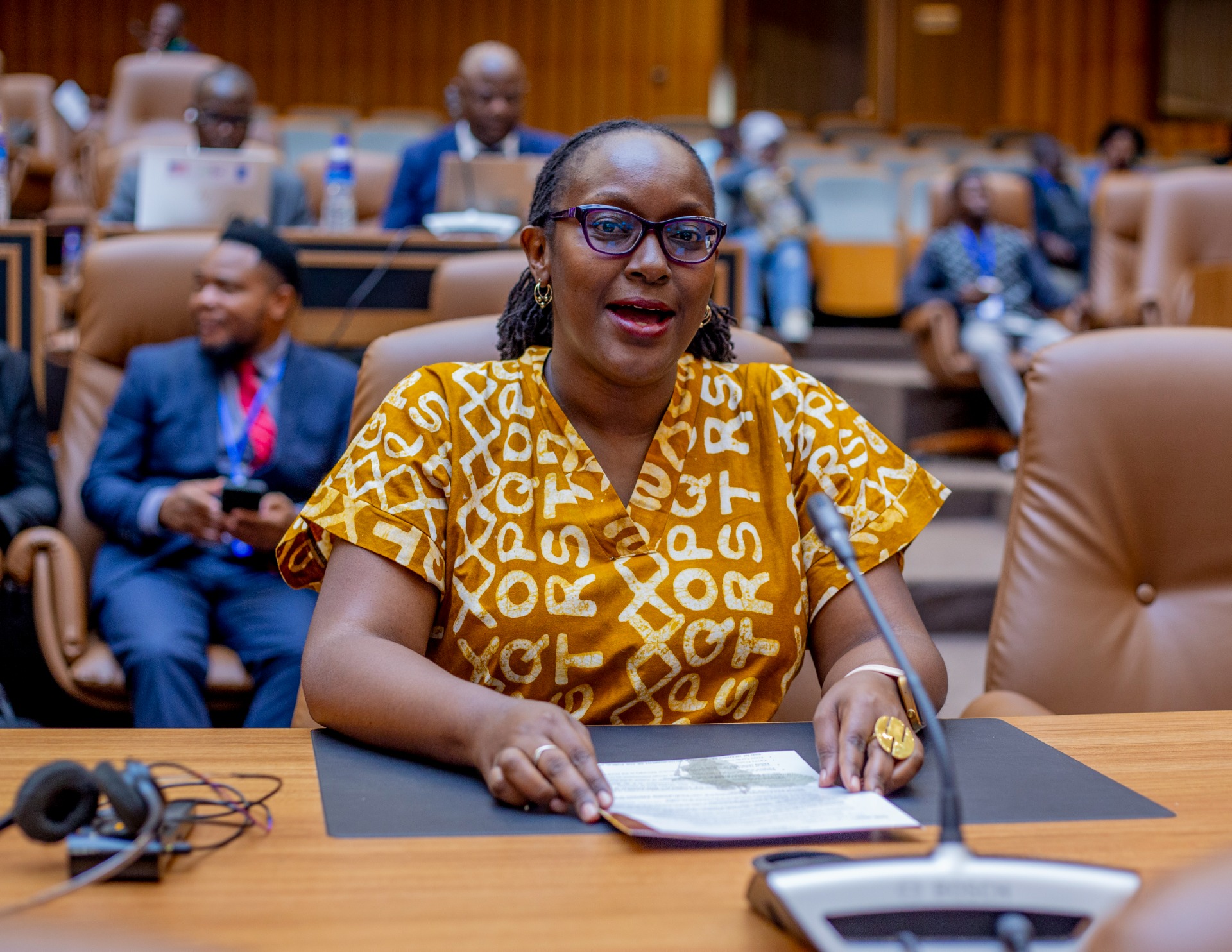
    Esther Waweru, Associate Director for Legal Equality at Equality Now, delivered a statement to the ACHPR on May 12, 2026, calling on African Union (AU) Member States to do more to address sexual violence, female genital mutilation (FGM), online safety, sexual and reproductive healthcare access, and discriminatory matrimonial property rights.

    “Millions of women and girls across Africa live under laws and systems that don’t uphold their human rights. Countries have made binding commitments to advance gender equality, but gaps in legal protections, weak implementation of laws, and poor accountability are leaving many without equal rights, safeguards, or justice. African governments must move beyond rhetoric to deliver the legal reforms, protections, and accountability mechanisms women and girls urgently need,” Waweru explains.

    Rape laws in Africa continue to fail survivors of sexual violence

    Equality Now’s report Barriers to Justice: Rape in Africa, Law, Practice and Access to Justice analysed rape laws across 47 countries and found significant shortcomings. Sexual violence laws in some countries still require proof that physical force, threats, or violence was used. Such restrictive definitions place undue burdens on survivors to provide evidence, and disregard the varying contexts in which sexual violence occurs, including through intimidation, coercion, fraud, or unequal power dynamics that make it impossible to give genuine consent.

    Authorities often fail to properly investigate, prosecute, or convict rape cases, while discriminatory gender stereotypes can influence judicial decisions, leading to reduced charges, lighter sentences, or perpetrators escaping punishment altogether. 

    Rape cases are sometimes resolved through out-of-court settlements via informal community mediation, with victim-blaming and social pressure often compelling survivors to withdraw legal complaints or remain silent.

    Kenya, whose State Report was reviewed by the ACHPR during its 87th session, retains a marital rape exemption allowing husbands to avoid prosecution for raping their wives.

    Equality Now called on the Commission to encourage Kenya to remove legal loopholes permitting rape within marriage, and reform sexual offences laws in line with the Niamey Guidelines which set regional standards for preventing and responding to sexual violence, and the Maputo Protocol, the landmark AU treaty outlining governments’ obligations to end gender-based violence, ensure reproductive rights, and eliminate harmful practices.

    Restrictions on sexual and reproductive health services persist, especially harming rape survivors. Equality Now commended AU Member States that recognise sexual and reproductive health and rights (SRHR) as a constitutional right. For example, in October 2025, Malawi’s High Court ruled that denying a 14-year-old rape survivor access to a safe termination of pregnancy was a SRHR violation, and forcing a child to carry a pregnancy resulting from rape constitutes “harsh and inhumane” treatment.

    Equality Now urged all African governments to prosecute sexual violence, whether perpetrated during peacetime or conflict, and to adopt a survivor-centred approach built upon comprehensive reparations frameworks that provide compensation, medical and psychosocial support, and legal assistance to survivors.

    Discrimination in matrimonial property rights laws in Africa

    Equality Now’s report, Gender inequality in family laws in Africa, maps how women face significant challenges relating to unpaid work within the family context and discrimination in property distribution during marriage annulment, separation, or divorce.

    Article 7(d) of the Maputo Protocol requires equitable distribution of matrimonial property, yet in practice, this standard is often unmet. In Nigeria, property division is based entirely on direct financial contributions, leaving many women with little or nothing following divorce. In Kenya, Malawi, and South Africa, both direct and indirect contributions should be accounted for, but courts frequently fail to adequately value women’s unpaid labour.

    All Member States should pass and implement legislation recognising the full value of women’s unpaid domestic and caregiving work within the family, and implement General Comment No. 6 on the Maputo Protocol mandating an equitable sharing of joint property based upon both financial and non-financial contributions.

    Criminalising FGM in Liberia and upholding The Gambia’s law banning FGM

    Equality Now acknowledged ongoing efforts in Liberia to address harmful practices affecting women and girls, and calls on lawmakers to criminalise FGM by fast-tracking passage of the pending Women and Girls Protection Bill.

    In The Gambia, the Supreme Court is considering a case seeking to overturn the ban on FGM under the Women’s (Amendment) Act 2015, with petitioners arguing on constitutional grounds that the law violates cultural and religious freedoms. Equality Now called on the State to defend and fully implement the Act, as repeal would endanger women and girls, undermine years of progress, and set a dangerous precedent by revoking hard-won legal safeguards.

    Online gender-based violence in Africa

    Across Africa, weak, outdated, and fragmented digital governance frameworks leave women and girls vulnerable to harm online, including tech-facilitated gender-based violence. Most countries rely on narrow cybercrime laws that lack gender perspectives, resulting in disproportionate censorship, surveillance, or penalisation of those seeking protection, while allowing online harassment, exploitation, misinformation and disinformation, and algorithmic biases to proliferate.

    The concentration of digital infrastructure and artificial intelligence systems in the Global North risks reinforcing digital colonialism and embedding racial and gender bias into technologies.

    African states should establish binding due diligence and transparency requirements for transnational technology companies, align digital governance frameworks with the Maputo Protocol, invest in gender-responsive digital capacity building for women and girls, and strengthen access to remedies for survivors of digital harms.

    Domestication and implementation of the Maputo Protocol in South Sudan

    South Sudan ratified the Maputo Protocol in 2023. Three years on, women and girls face conflict-related sexual violence, entrenched harmful practices, and weak legal protections and inadequate enforcement, underpinned by deep-rooted patriarchal norms.

    The country’s ongoing constitution-making process offers a time-bound opportunity to embed gender equality at the heart of legal and institutional reform. South Sudan needs to fully domesticate and implement the Protocol and expedite adoption of national laws that strengthen protections for women and girls.


  • Zenith Bank launches Côte D’Ivoire subsidiary today, Strengthens Francophone West Africa Presence

    Zenith Bank launches Côte D’Ivoire subsidiary today, Strengthens Francophone West Africa Presence

    Zenith Bank Plc has announced the opening of its Côte d’Ivoire subsidiary, marking a pivotal achievement in the Group’s Pan-African expansion strategy.

    The official opening ceremony, scheduled to hold on Wednesday, April 29, 2026, is expected to attract senior government officials and regulators from Nigeria and Côte d’Ivoire, continental business leaders, and members of the diplomatic community, highlighting the strategic economic ties and investment opportunities between the two markets.

    The new subsidiary, licensed in December 2025 by the Ministry of Finance and Budget, Republic of Côte d’Ivoire, and regulated by the UMOA Banking Commission, will commence operations from its headquarters at SCI Wall Street, Avenue Noguès, Plateau, Abidjan.

    The launch represents a strategic move to deepen the Bank’s presence in Francophone West Africa and strengthen financial intermediation within the West African Economic and Monetary Union (WAEMU). Positioned as a gateway for cross-border trade and investment, Zenith Bank Côte d’Ivoire will focus on corporate banking, trade finance, local and offshore banking services, and structured financial solutions tailored to businesses operating across Africa and internationally.

    Commenting on the launch, the Group Managing Director/CEO, Dame Dr. Adaora Umeoji, OON, said: “From the very beginning, our Founder and Chairman, Jim Ovia CFR, set out to build a truly global brand with a strong presence across Africa and key international markets. The launch of Zenith Bank Côte d’Ivoire is a bold step in realising that vision; opening a strategic corridor into Francophone West Africa and reinforcing our commitment to facilitating trade, investment, and enterprise growth across the continent. As we continue to expand thoughtfully and strategically, we remain focused on delivering world-class banking solutions that connect African businesses to global opportunities.”

    The new subsidiary will be headed by MD/CEO, Mr. Cédric Tano, a seasoned banking executive with over two decades of experience. Speaking ahead of the official opening, he said “We are proud to establish Zenith Bank’s presence in Côte d’Ivoire at a time of strong economic growth in the country and increasing regional integration. Our focus is to showcase the Zenith brand as a customer-centric institution that combines global best practices with deep local insight. We are well positioned to support businesses with innovative financing solutions, facilitate cross-border trade, and contribute meaningfully to the growth of the Ivorian economy and the wider WAEMU region.”

    The Côte d’Ivoire launch forms part of Zenith Bank’s broader continental growth strategy. In addition to the Anglophone countries where it currently operates, and in line with the expansion into the Francophone market, the Bank has commenced its entry process into the CEMAC (Central African Economic and Monetary Community) region, with Cameroon as the focal point.

    With a footprint already spanning Nigeria, Ghana, Sierra Leone, The Gambia, the United Kingdom, France, the UAE, and China, Zenith Bank continues to bridge African markets with global opportunities, enabling seamless trade and financial connectivity across the continent and beyond.

    Founded in 1990, Zenith Bank has grown into one of Africa’s most respected banking institutions, boasting a robust capital base and a consistent track record of strong financial performance. For 16 consecutive years, the Bank has held the record of highest Tier-1 capital in the Nigerian banking industry. Built on the foundation of People, Technology, and Service, Zenith Bank continues to deliver innovative financial solutions while maintaining a disciplined approach to growth and risk management. Its performance has earned it numerous local and international recognitions and endorsements.

  • IMF Highlight Slowing Growth Outlook Amid Global Uncertainty

    IMF Highlight Slowing Growth Outlook Amid Global Uncertainty

    Finance ministers and central bank governors from across Africa have warned of a projected slowdown in the continent’s economic growth, as global uncertainties, rising debt pressures, and geopolitical tensions continue to weigh on development prospects.

    This position was contained in a joint statement issued at the conclusion of the African Consultative Group meeting by Mr. Seedy Keita, Chairman of the African Caucus and Minister of Finance and Economic Affairs of The Gambia, alongside Ms. Kristalina Georgieva, Managing Director of the International Monetary Fund (IMF).

    The meeting brought together African policymakers and IMF management to assess the evolving global economic environment and its implications for African economies. Discussions were held against the backdrop of the ongoing conflict in the Middle East, which participants noted could significantly dampen global growth prospects even in the event of a ceasefire holding and gradual stabilisation.

    According to the statement, global economic growth is projected to moderate to 3.1 percent in 2026 and 3.2 percent in 2027 under a relatively stable scenario. However, the outlook remains highly uncertain, with the possibility that prolonged conflict or disruptions to production and transport networks could further weaken global performance.

    For Africa, the meeting noted that despite recent stabilisation gains achieved in 2025, growth momentum is expected to ease. Real GDP growth across the continent is projected to decline from 4.5 per cent in 2025 to 4.2 per cent in 2026. Sub-Saharan Africa is expected to slow to 4.3 per cent, while North Africa is projected at 4.1 per cent over the same period.

    Participants expressed concern that high debt service burdens, constrained access to affordable financing, and increasing development needs continue to limit fiscal space, particularly in low-income, fragile, and conflict-affected countries. They further warned that ongoing global tensions could exacerbate inflationary pressures, disrupt food supply chains, and heighten social vulnerabilities across the continent.

    In response to these challenges, the African Consultative Group agreed that policymakers must strike a careful balance between managing immediate shocks and strengthening long-term resilience. Near-term priorities include anchoring inflation expectations and protecting vulnerable populations through targeted, time-bound interventions. Fiscal policy, they emphasised, must remain credible yet flexible, with oil-exporting countries encouraged to save temporary revenue windfalls and rebuild fiscal buffers, while oil-importing countries are advised to safeguard essential social and development spending alongside efforts to mobilise domestic revenues and improve public financial management.

    The statement also highlighted the need for accelerated structural reforms to boost growth and diversification, deepen regional integration, strengthen domestic financial markets, and invest in critical infrastructure, such as power and digital systems, to support productivity and innovation.

    Additionally, the Group underscored the importance of ongoing reforms to the Low-Income Country Debt Sustainability Framework, noting that enhancements to debt assessment methodologies would improve transparency, comparability, and policy effectiveness. These reforms are expected to help countries and development partners better identify vulnerabilities and support sustainable financing decisions, including clearer treatment of state-owned enterprise-related obligations where relevant.

    The African Consultative Group further emphasized the importance of the ongoing Comprehensive Surveillance Review, urging the IMF to continue delivering tailored policy advice, strengthen its assessment of global spillovers, and enhance support for shock management while streamlining surveillance processes.

    The IMF reaffirmed its strong commitment to its African member countries, pledging continued collaboration to support sound macroeconomic policies, mobilise financing, strengthen resilience, and advance inclusive development across the continent in an increasingly complex global environment.

  • Nigerian Scientist Uncovers 5,000-Year-Old Europe-to-Africa Pig Migration, Redefining Agricultural History

    Nigerian Scientist Uncovers 5,000-Year-Old Europe-to-Africa Pig Migration, Redefining Agricultural History

    A groundbreaking international study led by Nigerian geneticist, Dr. Adeniyi Charles Adeola has solved a millennia-old biological mystery, revealing that Africa’s resilient indigenous pigs are not local in origin but are descendants of ancient travelers from the Iberian Peninsula (modern-day Spain and Portugal).

    The research, titled “Integrated mitogenome and Y chromosome analysis untangles the complex origin of African pigs,” was recently published in the prestigious journal iScience. The findings rewrite the history of African agriculture, suggesting that the continent was integrated into global maritime and land-based trade networks far earlier than previously understood.

    African indigenous pigs are often described as the “tough guys” of the livestock world. Raised primarily by smallholder farmers in Sub-Saharan Africa, these animals possess an extraordinary ability to survive on poor-quality forage, endure harsh tropical climates, and resist devastating local diseases, including the African Swine Fever Virus (ASFV).

    Despite their importance to food security and rural livelihoods, the origins of these 49 recognized breeds remained shrouded in confusion. Previous theories suggesting they descended from North African wild boars were debunked when genetic markers failed to align.

    To crack the code, Dr. Adeola—an evolutionary and conservation geneticist with appointments at the Kunming Institute of Zoology in China and Bayero University, Kano, led a team that performed “genetic archaeology” on pigs across Benin, Cameroon, The Gambia, Nigeria, Tanzania, and Uganda. By analyzing mitochondrial DNA (maternal) and Y-chromosome (paternal) sequences, the team traced a lineage known as sub-haplogroup E2.

    The DNA analysis revealed a stunning three-part historical narrative of migration and adaptation:

    • Act I: The Arrival (5,250 Years Ago): A founder population of domestic pigs arrived in West Africa from the Iberian Peninsula. Dr. Adeola suggests these animals were brought by ancient maritime traders, fundamentally transforming local food systems over five millennia ago.
    • Act II: The Great Eastern Trek (1,980 Years Ago): After thousands of years of stability in the West, a group of these pigs migrated eastward overland. This movement mirrors broader patterns of human settlement across the continent, eventually populating what is now Eastern Africa.
    • Act III: The Modern Expansion (500 Years Ago): In the last five centuries, the population underwent a rapid boom. This period also saw the introduction of Asian pig genetics and limited interbreeding with wild boars, resulting in the highly adaptable “super pigs” found today.

    “We’re not just tracing pigs; we’re tracing people,” Dr. Adeola explained. “Their journey is our journey, written in the genome. It’s a powerful reminder of how deeply our histories are intertwined with the animals we live alongside.”

    The study suggests that pigs serve as a living archive of human innovation. The fact that these animals survived a 5,000-year journey across varied landscapes is a testament to the sophisticated trade and migratory networks managed by ancient African civilizations.

    The discovery comes at a critical time. Currently, over half of Africa’s indigenous pig breeds have an uncertain conservation status, and 5% are already endangered. Modernization, climate change, and the influx of imported commercial breeds threaten to wipe out these unique genetic lineages.

    Dr. Adeola emphasized that mapping these genomes is essential for food security. By identifying the genes responsible for disease resistance and climate resilience, scientists can develop better strategies for sustainable farming.

    “These animals are part of our heritage,” Dr. Adeola concluded. “By preserving their genetic diversity, we ensure that future generations of farmers have livestock capable of surviving an increasingly unpredictable environment.”

  • US Expands Visa Bonds to Combat Illegal Overstay Rates

    US Expands Visa Bonds to Combat Illegal Overstay Rates

    …Nigeria, Gabon, The Gambia, Guinea, Guinea Bissau retained on the list

    The United States of America has expanded its visa bond program to apply to a total of 50 countries on April 2 and will require foreign nationals from these countries to post a bond of $15,000 before receiving B1 or B2 visas for business and tourism in the United States. The bond will be returned to visa recipients who return home in compliance with the terms of the visa and the bond or does not travel.

    Preventing Illegal Visa Overstays: The visa bond program has already proven effective at drastically reducing the number of visa recipients who overstay their visas and illegally remain in the United States.

    • Nearly 1,000 foreigners have been issued visas under the program, and 97% of bonded travelers have returned home from the United States on time.
    • By contrast, in Biden’s last year in office, more than 44,000 visitors from the 50 current Visa Bonds countries overstayed.
    • The State Department’s April 2 action will apply the visa bond policy to 12 additional nations.
    • The Department may continue to place Visa Bonds on countries based on a range of immigration risk factors.

    Saving Taxpayer Dollars: The expanded visa bond program saves the American taxpayer hundreds of millions of dollars every year.

    • It costs the U.S. taxpayer over $18,000 on average to remove an alien illegally present in the United States.
    • The Department of State is saving U.S. taxpayers up to $800 million per year that would otherwise be required to remove these aliens who overstay.

    Nations Included in the Visa Bond Program:

    The new countries included in the visa bond program are Cambodia, Ethiopia, Georgia, Grenada, Lesotho, Mauritius, Mongolia, Mozambique, Nicaragua, Papua New Guinea, Seychelles, and Tunisia.

    These countries join 38 nations that are already included in the visa bond program. Those countries are Algeria, Angola, Antigua and Barbuda, Bangladesh, Benin, Bhutan, Botswana, Burundi, Cabo Verde, Central African Republic, Cote d’Ivoire, Cuba, Djibouti, Dominica, Fiji, Gabon, The Gambia, Guinea, Guinea Bissau, Kyrgyzstan, Malawi, Mauritania, Namibia, Nepal, Nigeria, Sao Tome and Principe, Senegal, Tajikistan, Tanzania, Togo, Tonga, Turkmenistan, Tuvalu, Uganda, Vanuatu, Venezuela, Zambia, and Zimbabwe.

  • University of Gambia Re-Names Faculty of Agriculture and Environmental Sciences in his honour of Akinwumi Adesina

    University of Gambia Re-Names Faculty of Agriculture and Environmental Sciences in his honour of Akinwumi Adesina

    The historic occasion recognized and immortalized Adesina’s name, leadership, contributions to Africa, and his visionary role in the transformation of agriculture and food security on the continent

    The President of the Republic of The Gambia, President Adama Barrow has unveiled a plaque renaming the University of Gambia’s School of Agriculture and Environmental Services as Dr. Akinwumi A. Adesina School of Agriculture and Environmental Services. The historic occasion recognised and immortalised Adesina’s name, leadership, contributions to Africa, and his visionary role in the transformation of agriculture and food security on the continent.

    Adesina, whose tenure as President of the African Development Bank Group (2015 to 2025), was marked by strategic development gains across the continent, pioneered a transformative High 5 program to Light Up and Power Africa, Feed Africa, Integrate Africa, Industrialize Africa and Improve the quality of life of the people of Africa. According to the Bank’s data, the program impacted on the lives of over 535 million people. 

    Under his  leadership, the African Development Bank’s capital rose from $93 billion to $318 billion, the highest in the history of the Bank. The institution won several  global accolades including the most transparent financial institution in the world, and best multilateral development bank in the world, while maintaining its AAA  credit rating by global credit rating agencies.

    Under Adesina’s leadership, the African Development Bank launched the Feed Africa strategy to transform agricultural sector and food production, which provided food security for over 104 million people. 

    In The Gambia, fulfilling a decades-old dream since independence in the 60s, the Bank, under Adesina’s leadership, financed a now iconic and historic landmark bridge connecting The Gambia and Senegal. The new bridge seamlessly cuts travel time between both countries by hours and  boosts trade and regional integration.

    The decision of the Government of The Gambia and the University of The Gambia was communicated in a letter dated 27th November 2025 by the Honorable Minister of Higher Education, Research, Science and Technology, Professor Pierre Gomez, who said, “Your tenure as President of the African Development Bank has been transformative, driving economic growth, poverty reduction and sustainable development across Africa. Your leadership in launching the Feed Africa Strategy and the Technologies for African Agricultural Transformation (TAAT) initiative has revolutionized agricultural productivity and food security, empowering millions of smallholder farmers and enhancing climate resilience.

    The citation adds, “Beyond your tenure at the African Development Bank, your pioneering reforms as Nigeria’s Minister of Agriculture laid a foundation for modernizing the agricultural sector, boosting food production, and creating economic opportunities. Your tireless advocacy for leveraging agriculture as a catalyst for industrialization, job creation, and youth empowerment continues to inspire policies across the continent.”

    Recognizing Adesina’s exceptional leadership, and his belief in the transformative power of Africa talent and ingenuity, the University said, “By naming our School of Agriculture and Environmental Sciences in your honor, we seek to immortalize your legacy and inspire our students to emulate your vision, determination, and passion for Africa’s development This decision reflects our profound appreciation for your exceptional leadership and enduring belief in the transformative power of African talent and ingenuity”. 

    In a  letter of appreciation to President Barrow, Adesina said, “It is with great humility and a deep sense of gratitude that I write this letter to express to you my immense appreciation of the exceptional honour you have conferred on me, with the renaming of the School of Agriculture and Environmental Sciences at the University of The Gambia as “Dr. Akinwumi A. Adesina School of Agriculture and Environmental Sciences. It is a rare honour which immortalises my name in recognition of my leadership in supporting the transformation of agriculture in Africa. It is an exceptional honor. I wish to convey to you, Your Excellency, my most profound gratitude and heartfelt appreciation for this exceptional honor. I look forward to visiting The Gambia soon to witness this monumental development which will remain ever green in my memory”.

    Adesina also expressed his deep and appreciation gratitude to the Honorable Minister of Higher Education, Research, Science and Technology, the Chairman and members of the Governing Council, the Vice Chancellor and the Dean of the School of Agriculture, of University of The Gambia.

    In 2023, President Adama Barrow awarded Dr. Akinwumi Adesina the country’s highest national honour, the Grand Commander of the Order of the Republic in recognition of his leadership and immense contributions to The Gambia and Africa.

  • Feature- Codix Pharma: Breaking Africa’s Dependence on Imported Medical Products

    Feature- Codix Pharma: Breaking Africa’s Dependence on Imported Medical Products

    by Olutayo Irantiola

    For decades, imported diagnostics have dominated African hospitals. From syringes to test kits, the continent has relied heavily on supplies from Europe, Asia, and North America. This dependency has come at a steep cost. During shortages, prices spiked, leaving patients stranded.

    The COVID-19 pandemic was the most painful reminder. As wealthy nations hoarded vaccines and diagnostic kits, African countries found themselves at the back of the queue. Borders closed, supply chains fractured, and hospitals struggled to secure even the most basic consumables.

    “The global health crisis from the spread of the novel coronavirus has brought to the fore the need for African Union member states to carefully analyze the current state of their healthcare infrastructure and make meaningful investments to improve access to quality health care,” observed Carine Kaneza Nantulya, Africa advocacy director at Human Rights Watch.

    The right to health is a fundamental entitlement under international law and enshrined in the African Charter on Human and Peoples’ Rights. It is also a core pillar of the UN Sustainable Development Goals (SDGs) and Africa’s Agenda 2063. Both frameworks demand that nations protect the health of their citizens by ensuring that medical goods and services are available, accessible, and of good quality.

    Against this backdrop, a quiet revolution is taking shape in Nigeria. At its center is Codix Pharma Group, an indigenous pharmaceutical and health-tech firm rewriting Africa’s healthcare story.

    Founded in 2002 and operational since 2008, Codix Pharma has quickly risen to become one of Nigeria’s fastest-growing pharmaceutical companies. Headquartered in Lagos, the company focuses on developing diagnostic tools and therapeutics for “silent killers” such as diabetes, hypertension, and cardiovascular diseases—conditions that account for a significant share of Africa’s disease burden.

    “Our goal is to be a leading African health-tech company by 2030, for us, that means moving beyond talk to action—building local capacity, investing in research, and ensuring Africans don’t have to depend on imported solutions to manage their health,” says Executive Chairman, Mr. Sammy Ogunjimi.

    Codix has matched its vision with bold investments. In December 2023, it commissioned Colexa Biosensor Limited, the first in-vitro diagnostics (IVD) factory in Sub-Saharan Africa. Less than two years later, in May 2025, the company launched Codix Bio Limited, a state-of-the-art IVD facility in Sagamu, Ogun State.

    In a historic milestone, Codix Bio was selected as the first African manufacturing partner under the WHO Health Technology Access Pool (HTAP) programme, alongside SD Biosensor and the Medicines Patent Pool (MPP). This designation allows Codix to locally manufacture rapid diagnostic test kits based on SD Biosensor’s global platform, with full access to technical know-how and regulatory support.

    Codix’s impact extends beyond health outcomes. Local production generates jobs, facilitates technology transfer, and builds indigenous expertise. At the Sagamu facility, young Nigerian scientists, engineers, and technicians are being trained to operate some of the most advanced diagnostic equipment in Africa.

    This investment in talent comes at a critical time. Nigeria faces a growing brain drain, with skilled professionals leaving for opportunities abroad. By offering cutting-edge work and competitive opportunities, Codix is helping to stem the tide.

    Every test strip or kit produced in Sagamu is one less that Africa needs to import—marking a decisive step toward health sovereignty.

    One challenge local manufacturers often face is skepticism about quality. Codix anticipated this. The company is ISO 9001:2015 certified, embedding rigorous international standards into its production lines. Its factories operate under strict quality control measures, ensuring that every product meets or exceeds global benchmarks.

    By aligning local innovation with international best practices, Codix is dismantling outdated stereotypes about African-made health products.

    To ensure a sustainable pipeline of skilled workers, Codix is investing in academia. In partnership with Olabisi Onabanjo University, it has helped introduce courses in biosensors and nanotechnology within the Department of Chemical Sciences.

    This initiative prepares future scientists not just with theory but with real-world applications, strengthening the bridge between education and industry. It is a long-term investment in building Africa’s scientific independence.

    Codix’s ambitions stretch beyond Nigeria. The company already has subsidiaries in Senegal, Ghana, Kenya, Sierra Leone, Liberia, The Gambia, Zambia, Cameroon, Guinea-Bissau, and Côte d’Ivoire. Its diagnostic kits and other medical consumables are exported to these markets, positioning Nigeria as a regional hub for health-tech innovation.

    By 2030, Codix envisions itself as the face of African health-tech—not only producing for domestic use but also exporting solutions and expertise across the continent.

    Codix Pharma’s journey is more than a corporate success story. It is a blueprint for how Africa can reduce dependency on imports, strengthen its economies, and secure its health future. By investing in local manufacturing, prioritizing research, and building partnerships, Codix is proving that Africans can create solutions for Africans.

    It is a story of resilience and ambition, one that signals a shift in narrative: from Africa as a passive consumer to Africa as an active producer of global health solutions.

    As Ogunjimi puts it: “For too long, we waited for the world to bring solutions to us. Now it’s time for us to create solutions the world can rely on.”

    Olutayo Irantiola is a seasoned communications strategist and Public Relations Consultant at Peo Davies Communications. He is a pioneer Bridge Fellow of the Nigerian Economic Summit Group and recipient of the Rising PR Professional Award. An author and strategic content developer, he is passionate about storytelling, published writer, cultural advocate, and shaping public perception. He can be reached via olutayo@peodavies.com.ng

  • FIND Convenes African Union Ambassadors

    FIND Convenes African Union Ambassadors

    In order to improve diagnostic systems and get ready for potential health and pandemic risks, FIND’s leadership presented its updated strategic vision as a precursor to this year’s Diagnostics Day event to be held on 21 May

    As part of its continuing outreach to the parts of the world that it was set up to serve, FIND hosted Ambassadors from 26 African countries and the African Union for a meeting at FIND’s offices in the Global Health Campus in Geneva. The Ambassadors received an overview of FIND’s work in their respective countries, future prospects and were made aware of FIND as a value-added partner for countries with respect to diagnostics.

    “The foundation of any successful health response is diagnosis. From early detection to pandemic preparedness, our collaboration with the African Union is essential to guaranteeing that no one is left behind,” said Dr. Ifedayo Adetifa, CEO of FIND. “FIND’s  vision is focused on both catalyzing innovation and ensuring access to diagnostics in low- and middle-income countries.”

    In order to improve diagnostic systems and get ready for potential health and pandemic risks, FIND’s leadership presented its updated strategic vision as a precursor to this year’s Diagnostics Day event to be held on 21 May, which will take place on the sidelines of the World Health Assembly.

    The ambassadors of the African Union, Angola, Burkina Faso, Cabo Verde, Cameroon, Central African Republic, Chad, Côte d’Ivoire, Democratic Republic of Congo, Kenya, Lesotho, Madagascar, Malawi, Mauritania, Mauritius, Mozambique, Namibia, Rwanda, Sao Tomé and Principe, Sierra Leone, South Africa, South Sudan, Sudan, Tanzania, The Gambia, Togo, and Zimbabwe were present.

    The Ambassadors led a lively discussion which touched upon a number of key issues, including South-South collaboration; pandemic preparedness and response; the role of health in national development; national essential diagnostics lists; the growing issue of non-communicable diseases such as diabetes; and ensuring sustainable financing for diagnostics and health in general.

    Among the meeting’s main conclusions were:

    • Commitment to strengthen regional manufacturing of diagnostics and other health technologies.
    • Consensus on increased AU-FIND cooperation to country and Africa CDC’s diagnostic priorities.
    • Support for FIND’s function as a technical partner to expand access to vital diagnostics for illnesses like HIV, TB, malaria, mpox and emerging outbreaks.
    • Diagnostics acknowledged as a key component of health security and universal health coverage.

    “In this moment of dramatic change, African leaders are stepping up to fill the power vacuum left by a world in turmoil where women and children are being left behind and left to die, particularly on the African continent – the continent with the greatest health burden,” said Dr Ayoade Alakija, FIND’s Board Chair. “FIND will continue to support them on strengthening pandemic preparedness and ensuring quality diagnostics are available to all.”

    FIND’s Diagostics Day event on 21 May at the Vieux Bois in Geneva will bring leaders from health from around the world to agree on next steps to ensuring quality and accessible diagnostics for all.

  • GHIB and BII announce $50m partnership to boost cross-border trade across Africa’s frontier economies

    GHIB and BII announce $50m partnership to boost cross-border trade across Africa’s frontier economies

    • First partnership between GHIB and BII, two UK institutions to address trade finance needs on the continent. 
    • Target economies include Sierra Leone, Liberia, The Gambia, Benin, DRC, Rwanda, and Tanzania. 

    Ghana International Bank plc (GHIB), a leading UK-based African financial institution, and British International Investment (BII), the UK’s development finance institution and impact investor, today announced a $50m trade finance facility covering Sierra Leone, Liberia, The Gambia, Benin, Democratic Republic of Congo, Rwanda and Tanzania.

    Under a Master Risk Participation Agreement (MPRA), the $50 million facility will enable GHIB to support more businesses and facilitate trade flows in the target countries. This addresses the general lack of credit appetite for frontier markets in Africa for reasons including high risk perception and comparatively lower volumes. 

    Increased trade finance can enable local businesses to import the commodities and equipment they need to sustain and grow their businesses. It helps create economic opportunities for business owners and maintain continued supply of essential goods in the market for Africans at a reasonable price. 

    The UK’s Minister for Africa, Lord Collins of Highbury, commented: “I’m delighted to see two UK institutions coming together to strengthen economic ties with Africa. Africa’s trade financing gap is one of the continent’s most pressing challenges and access to this funding will enable local businesses to trade more with the world, including the UK. This partnership serves as another example of BII’s leadership in building opportunities for growth with the UK’s partners.”

    Kwabena Asante-Poku, Country Director for Ghana at BII said: “In recent years, many African countries have faced challenging economic conditions that have impacted growth and livelihoods. Trade remains a key driver of growth for African economies especially in frontier markets like Sierra Leone, Liberia and The Gambia. Enhancing the flow of trade credit and financial intermediation to these markets will ensure access to essential goods and services which in turn drives sustainable and inclusive economic growth. We are pleased to partner with GHIB to offer practical trade finance solutions to businesses in countries facing difficulties in accessing finance for imports and exports.” 

    Dean Adansi, Chief Executive Officer of GHIB, added: “At GHIB we believe our success over the last 65 years is rooted in a deep understanding of African risk. This partnership with British International Investment represents a viable path through which we can structure partnerships that leverage this deep knowledge of risk into profitable and impactful transactions. With this deal, we are employing a structure that uses our deep knowledge and access of the market, harnessed together with the superior scale and capacity of BII. Together, we are bringing this to support and expand opportunity in these emerging markets enabling real GDP growth. Our research indicates that each dollar of trade unlocks about $1.3 into the GDP of our markets. We will work to make this deal a success, as it will open the way for more liquidity injections into the market.” 

    The collaboration leverages GHIB’s extensive network and proven track record in trade finance and allows BII to engage in a partnership that addresses the expanding trade finance gap in African markets, especially under challenging economic conditions. BII’s involvement brings essential foreign exchange dollar liquidity, critical for the import of key goods to GHIB’s operating markets. 

  • FIRSTHOLDCO: Reinforcing ESG, sustainability initiatives as it rebrands

    FIRSTHOLDCO: Reinforcing ESG, sustainability initiatives as it rebrands

    By A.Ezekiel

    In a world where approximately 20% of new businesses fail within the first two years, 45% within five years, 65% within ten years, and only 25% make it to 15 years or more (according to the US Bureau of Statistics), any business that has crossed 15 years should be sharing insights on survival and success.

    But what about businesses that have lasted twice that long? Or a financial services group that has thrived for over 130 years, especially in Africa, where business survival rates are likely lower than those statistics from the Global North? Such a group has certainly earned the right to teach masterclasses on business longevity.

    First HoldCo Plc (FirstHoldCo), recently rebranded from FBN Holdings Plc, exemplifies sustainable business practices. A well-diversified group, it is one of Africa’s largest financial services organisations, offering innovative financial solutions through its subsidiaries in commercial banking, asset management, capital markets, securities, trusteeship, and insurance brokerage. FirstHoldCo ensures strategic coordination and synergy among its subsidiaries to deliver long-term value for stakeholders.

    Retaining the legacy strengths and experience of FBN Holdings Plc, FirstHoldCo ensures that its subsidiaries enhance positive environmental, social, and governance (ESG) impacts while minimising or eliminating negative ones. This includes managing ESG risks in the workplace, marketplace, community, and environment, with the institutional capability to turn risks into opportunities.

    For example, ESG risk management enhances credit and investment decision-making, de-risking processes for subsidiaries such as FirstBank and FBNQuest. It also strengthens social relationships with the communities in which these subsidiaries operate.

    ESG and sustainability may be buzzwords for some corporations seeking to appear politically correct, but at FirstHoldCo, they are integral to its identity. The company is self-driven in aligning its strategy and operations with ESG principles and setting new sustainability benchmarks for financial services in Nigeria.

    FirstHoldCo’ s flagship subsidiaries, FirstBank and FBNQuest, integrate ESG risks into their products, services, and offerings from the ideation stage through to development and launch. This approach drives responsible lending and investment practices, enabling the group to leverage ESG market opportunities while promoting sustainable socio-economic growth.

    FirstHoldCo also prioritises people empowerment, fostering a work environment rooted in equal opportunities, diversity, and inclusion. A notable achievement is bridging the diversity gap, reaching a 40% female to 60% male employee ratio in 2023, one year ahead of its 2024 target.

    The group also supports the communities where its subsidiaries operate, ensuring its impact resonates positively. Since 2017, it has implemented the SPARK (Start Performing Acts of Random Kindness) initiative and Corporate Responsibility and Sustainability (CR&S) Week. In 2023, these initiatives impacted 60,000 lives through outreaches to 60 orphanages, 20 schools, and hospitals across Nigeria, Ghana, Senegal, The Gambia, the Democratic Republic of Congo, Sierra Leone, and the United Kingdom. Donations included consumables, computers, clean water projects, school renovations, wheelchairs, and cash. Employees committed over 27,000 volunteer hours to these initiatives.

    In 2023, FirstBank reinforced its commitment to empowering women through FirstGem, a financial product supporting women-led businesses. Over N36 billion in loans were disbursed at a single-digit interest rate of 9%. Additionally, its Agency Banking business, FirstMonie, expanded its female agent network to over 55,000.

    Inclusion remains a key focus, with FirstBank enhancing accessibility for physically challenged customers in 234 locations, making 25 branches fully accessible and improving access at 209 others. It also expanded the SPARK initiative to institutions like the Bethesda School of the Blind and the Down Syndrome Foundation in Lagos.

    FirstBank operates an Environmental, Social, and Governance Management System (ESGMS) to drive responsible lending and minimize ESG risks. In 2023, this system was enhanced to ensure real-time transparency in corporate credit screenings. That year, 2,239 credit transactions worth N4.236 trillion were assessed for ESG risks.

    To strengthen ESG compliance, FirstBank collaborates with development partners such as British International Investment, the African Development Bank, the International Finance Corporation (IFC), and Proparco, a French development finance institution. Its partnership with Proparco is crucial for integrating climate initiatives into business strategy. This project enhances its understanding of financed emissions and positions it for climate financing and investment opportunities.

    This initiative will help FirstBank reduce greenhouse gas (GHG) emissions, mitigate exposure to physical and transition risks, and strengthen climate adaptation efforts. It also reinforces its market competitiveness as an ESG leader committed to a low-carbon economy.

    As part of its commitment to decarbonisation, FirstHoldCo’ s FirstBank actively engages in reforestation and afforestation through partnerships focused on carbon dioxide (CO2) removal. In 2023, it pledged to plant 50,000 trees by 2025 in collaboration with the Nigerian Conservation Foundation (NCF). That year, it planted 1,000 trees at the Lekki Conservation Centre, Lagos; Model Secondary School, Maitama, Abuja; and Federal Government Girls College, Calabar. By the following year, it had planted an additional 30,000 trees, bringing the total to 31,000.

    FirstBank also drives thought leadership in climate finance, promoting knowledge on carbon mitigation and climate adaptation. A notable effort was a webinar themed ‘Harnessing Climate Finance Opportunities in Nigeria,’ held in partnership with the Sustainability Practitioners Institute of Nigeria (SPIN). The event featured prominent ESG and sustainability experts such as Professor Kenneth Amaeshi, Dr. Muntaqa Umaru-Sadiq, and Carina Dunker, underscoring FirstBank’s commitment to advancing climate finance discussions.

    With so much achieved and ongoing ESG/sustainability initiatives, what is the greatest impact of ESG at FirstHoldCo?

    For the group, it is the net positive effect on the communities where its subsidiaries operate. For individuals, it is the tangible benefits from its financial solutions and CSR initiatives. For businesses, it is the sustainable practices FirstHoldCo champions, setting a standard for responsible corporate leadership.

  • Report: Female Genital Mutilation/Cutting persist in 94 countries

    Report: Female Genital Mutilation/Cutting persist in 94 countries

    Small-scale surveys, estimates, and personal accounts from survivors, activists, and grassroots organizations shed new light on the urgent need to expand protection and prevention efforts

    A new report has collated evidence of female genital mutilation/cutting (FGM/C) in 94 countries, revealing how this harmful practice exists in more communities than previously recognized and the number of girls and women affected or at risk exceeds earlier estimates. Efforts to end FGM/C remain hindered by reluctance from governments to act, particularly in countries not widely associated with FGM/C. Other obstacles include weak legal protections, insufficient data, low awareness, and a lack of funding and decisive action from the international community.

    ‘The Time Is Now: End Female Genital Mutilation/Cutting, An Urgent Need for a Global Response – Five Year Update,’ by the End FGM European Network, Equality Now, and The U.S. Network to End FGM/C compiles evidence about the nature and practice of FGM/C in different countries. Small-scale surveys, estimates, and personal accounts from survivors, activists, and grassroots organizations shed new light on the urgent need to expand protection and prevention efforts.

    The research follows up on the group’s 2020 report that documented how the extent of FGM/C was being woefully underestimated globally. Since then, FGM/C has been identified in local communities in Azerbaijan, Cambodia, and Vietnam, and further evidence has been gathered in Colombia, Malaysia, the Philippines, Saudi Arabia, Sri Lanka, and the United Arab Emirates. More investigation is required where data is limited, such as in Panama, Mexico, and Peru where FGM/C may exist among indigenous groups.

    “Mounting evidence clearly shows that FGM/C is a worldwide issue demanding a coordinated global response,” says Equality Now’s Divya Srinivasan. “To end FGM/C, governments, international bodies, and donors must acknowledge the extent of the problem, strengthen their political commitments to addressing it, and prioritize funding, especially in overlooked regions and communities.”

    Ending FGM/C requires better data and more funding

    In 2020, UNICEF estimated at least 200 million women and girls had undergone FGM/C in 31 countries. In 2024, UNICEF updated the figure to over 230 million— 80 million in Asia, 6 million in the Middle East, and 1 to 2 million in small or diaspora communities elsewhere. UNICEF’s 15% increase is due to newly available data from countries previously excluded from official statistics, combined with rapid population growth where FGM/C occurs.

    Whilst UNICEF’s 230 million figure is the first comprehensive global estimate of the number of women and girls impacted, detailed national prevalence data is still only available for 31 countries. This lack of data is enabling reluctant governments to continue avoiding acknowledging or addressing FGM/C.

    Most international funding focuses on a few African countries. While this work to end FGM/C is severely under-resourced and requires increased investment, insufficient funding is even more acute in Asia, Latin America, and the Middle East, which receive only a small allocation.

    The problem is compounded by some governments failing to recognize FGM/C in their countries, and in some cases actively denying it, undermining and sometimes openly discrediting the work of survivors and activists.

    Comprehensive data is crucial because it provides evidence on the need for action and funding, and sets a baseline from which interventions can be developed, implemented, tracked, and assessed.

    Tania Hosseinian from the End FGM European Network, explains, “Access to accurate, up-to-date data is crucial for understanding the full scale of FGM/C and for developing and assessing laws and policies that ensure no one is left behind. Data-driven strategies must guide our actions, empowering grassroots organizations, youth movements, and survivors to lead the way.”

    Many countries still don’t have specific anti-FGM/C laws

    FGM/C is internationally recognized as a serious human rights violation involving the partial or complete removal of external female genitalia for non-medical reasons. It is rooted in gender inequality and attempts to control women’s and girls’ bodies and sexuality.

    FGM/C has no health benefits and can cause severe short and long-term harm. Potentially fatal – as sadly demonstrated by FGM/C-related deaths in Sierra Leone and Kenya in 2024 – it is associated with numerous health problems, including chronic pain and infections, psychological trauma, infertility, and higher rates of maternal and infant mortality.

    Despite this, of the 94 countries where FGM/C has been found, only 58 (61%) have laws explicitly prohibiting it. This leaves many millions without adequate protection and enables perpetrators to avoid accountability.

    Since 2020, India, Jordan, Kuwait, Singapore, Sri Lanka, the Russian Federation, the United Arab Emirates, and the United States have all received recommendations from international human rights mechanisms calling on them to take greater action to address FGM/C.

    On a positive note, in 2020, only 51 countries specifically outlawed FGM/C. Since then, Sudan, Indonesia, Finland, Poland, and the United States. have all passed federal laws, while France has strengthened its penal code, and the European Union has adopted new regional legislation.

    Various countries have achieved drops in FGM/C rates, including Burkina Faso, Liberia, and Kenya, among others, while Portugal, The Gambia, and the UK have had first-ever successful prosecutions for FGM/C.

    Medicalization of FGM/C and other threats to progress

    Concerningly, backlash against women’s rights threatens to undo hard-won gains. In Kenya and The Gambia, legal challenges have tried to repeal existing anti-FGM/C laws, threatening to reverse years of progress. These regressive attempts have been met with determined resistance from women’s rights activists, legal experts, journalists, and international partners collaborating at local and international levels to prevent rollbacks.

    Another concern is how medicalization is becoming more mainstream. UNICEF’s 2024 report found 66% of girls who recently underwent FGM/C did so at the hands of a healthcare worker. In countries like Egypt, Indonesia, and Kenya, medicalized FGM/C is wrongly perceived by some as a legitimate alternative, while in Russia, it is openly advertised by clinics.

    There is growing awareness about practices not yet formally recognized as forms of mutilation. This includes the husband stitch, when an extra stitch is added during vaginal repair after childbirth, with the purpose of tightening the vaginal opening to increase sexual pleasure for a male partner. Often performed by medical professionals without the woman’s consent, recent research has found cases in Europe, Japan, and the United States., with survivors experiencing health complications and comparing it to FGM/C.

    Putting women and girls at the heart of efforts to end FGM/C

    Ending FGM/C requires a global yet nuanced strategy that addresses specific ways it is practiced across regions and communities. With Sustainable Development Goal 5.3 setting 2030 as the target to eradicate FGM/C, just five years remain to accelerate and globalize endeavors.

    Transformative social change requires a collaborative, multi-pronged, survivor-centered approach incorporating enactment and enforcement of strong legal protections alongside community engagement to raise awareness about FGM/C’s harms and legal consequences.

    The U.S. End FGM/C Network’s Caitlin LeMay concludes, “Millions of individuals around the world live with the lifelong consequences of FGM/C. Their courage in sharing their stories has brought global attention to this harmful practice and strengthened the movement to end it.

    “Survivors, wherever they live, must have access to adequate, affordable, and quality services that are gender, child, and culture-sensitive, ensuring their voices remain central to the fight against FGM/C.”  

  • DG Okonjo-Iweala welcomes 2025 cohort of WTO Young Professionals

    DG Okonjo-Iweala welcomes 2025 cohort of WTO Young Professionals

    WTO Director-General Ngozi Okonjo-Iweala welcomed the latest cohort of the WTO Young Professionals Programme (YPP) at a ceremony on 31 January at WTO headquarters in Geneva. The 19 participants are working in 13 divisions across the WTO Secretariat, where they will contribute to the organization’s activities and gain hands-on experience on trade issues throughout the year.

    A key initiative to enhance diversity and strengthen WTO membership representation at the professional level within the Secretariat, the YPP has supported the development of trade expertise among young professionals from developing economies and least developed countries (LDCs) since 2017. This year’s participants were selected from a highly competitive pool of approximately 5,500 applicants.

    In her welcoming remarks, DG Okonjo-Iweala commended the Young Professionals for gaining entry into this highly competitive programme. Reflecting on the current global trade landscape, she noted that 2025 will be a pivotal year for the WTO, with geopolitical tensions having a potential impact on negotiations on key issues such as fisheries subsidies, dispute settlement reform, development and agriculture.

    Despite these challenges, the goal must be to deliver results wherever possible and “to lay a strong foundation for a successful Fourteenth WTO Ministerial Conference (MC14) in Cameroon in March 2026,” DG Okonjo-Iweala told the Young Professionals.

    She further underscored the broader impact of the WTO’s work and stressed that the role of the organization is “to deliver results that are good for people and the planet,” demonstrating how trade cooperation at the WTO can enhance certainty and foster growth for all members, big and small.

    DG Okonjo-Iweala also expressed gratitude to members who have contributed to the WTO Global Trust Fund, helping to make the YPP and other technical assistance programmes possible.

    During their initial weeks at the WTO, the Young Professionals underwent an intensive induction programme featuring over 60 Secretariat staff members, designed to provide them with a comprehensive understanding of the WTO’s work.

    Speaking on behalf of the 2025 cohort, Nada Alsalmi from Saudi Arabia emphasized the significance of the programme in equipping young professionals with the tools needed to contribute to global trade.

    “Our presence at the WTO is not just a privilege, but also a responsibility. We must seize every opportunity to deepen our understanding of the multilateral trading system so we can use this knowledge to strengthen and enhance global trade, making the world more predictable, sustainable and prosperous,” she said.

    She also expressed gratitude to the WTO for “this exceptional initiative” and thanked the Director-General for “upholding this programme and strengthening its vision.”

    The ceremony also featured remarks from ambassadors of WTO members represented in this year’s YPP, who praised the programme’s role in nurturing trade talent and strengthening the multilateral trading system.

    This year’s Young Professionals hail from Angola, Armenia, Burkina Faso, Botswana, Cambodia, Cameroon, Côte d’Ivoire, The Gambia, Georgia, Ghana, Kenya, Malawi, Malaysia, Moldova, Nigeria, Singapore, Saudi Arabia, Togo and Viet Nam.

  • Breaking Barriers: Pan-African Women’s Sustainability Conference Set to Transform Green Economy Landscape

    Breaking Barriers: Pan-African Women’s Sustainability Conference Set to Transform Green Economy Landscape

    In a groundbreaking initiative to accelerate Africa’s green economy, government leaders from African countries, representing over 20% of the continent’s countries, will convene at the African Women Sustainability Conference 2024. This landmark event, organized by ImpactHER in partnership with the African Union and the United States Department of Commerce, will take place on December 11-12, 2024, in Abuja, Nigeria. The event is hosted by the Federal Capital Territory (FCT).

    Under the theme, “Igniting Africa’s Green Revolution: Empowering Women Entrepreneurs as Catalysts for Sustainable Growth and Unlocking Access to Eco-Financing,” the conference aims to bridge the green financing gap, recognizing the pivotal role of women-led businesses in Africa’s economies and addressing the significant barriers they face in accessing eco-financing opportunities.

    “This is more than a conference—it’s a turning point for Africa’s women entrepreneurs,” said Efe Ukala, Founder of ImpactHER. “By uniting government leaders, global financiers, and visionary women entrepreneurs, we aim to unlock millions of dollars in eco-financing by 2026 and position women as the driving force of Africa’s sustainable future.”

    Ministers from Chad, Liberia, Malawi, Benin, Zambia, Uganda, Cameroon, The Gambia, Nigeria, and Kenya will join representatives from leading financial institutions and the U.S. Department of Commerce to share insights on eco-financing and sustainability.

    The two-day event will feature:

    o Executive roundtables with government ministers and global investors

    o Intensive workshops on green business certification and eco-financing

    o A pitch competition for green business

    o Interactive exhibitions showcasing successful sustainable business models

    Strategic partners including ToolUP Foundation (an Emmanuel C. Ukala Foundation) and ARUWA Capital.

  • Merck Foundation provided 780 scholarships to women doctors to empower women in science

    Merck Foundation provided 780 scholarships to women doctors to empower women in science

    launches the “MARS Best African Woman Researchers Awards” annually to empower and recognize women in science

    Merck Foundation marks International Day of Girls & Women in Science through their STEM program; Merck Foundation launches the “MARS Best African Woman Researchers Awards” annually to empower and recognize women in science. In 2023, 6 Researchers from 6 different African Countries were awarded in two categories – Best African Women Researchers and Best African young Researchers; Merck Foundation empowers African Women in the areas of Science and Technology through providing 780 scholarships to female doctors out of a total of 1700 scholarships which represents 46% of Merck Foundation Alumni; Merck Foundation also announced the Call for Applications for Merck Foundation Africa Research Summit – MARS Awards 2024 to empower Women and Youth in STEM in Africa with particular focus on scientific research in Women Health and Infertility & Reproductive Health.

    Merck Foundation, the philanthropic arm of Merck KGaA Germany, marks ‘International Day of Girls and Women in Science 2024’ together with African First Ladies, and their partners like African Ministries of Health, Education, Gender & Information and Academia.

    Senator Dr. Rasha Kelej, CEO of Merck Foundation emphasized, “We at Merck Foundation mark ‘International Day of Girls and Women in Science 2024’ by supporting and empowering women in the areas of Science and Technology. Despite the significant strides women have made in their careers, there remains a notable under representation in these areas. We aim to narrow the gender inequality gap and empower women to participate equally in these areas of science and technology.”

    Merck Foundation annually launches their MARS Awards to encourage and recognize ‘Best African Women Researchers’ and ‘Best Young African Researcher’. The aim of MARS Awards is to empower women and young African researchers, advance their research capacity and promote their contribution to STEM (Science, Technology, Engineering and Mathematics). MARS Awards 2024 have been announced recently in partnership with African Union Scientific Technical Research Commission, International Federation of Fertility Societies -IFFS, Africa Reproductive Care Society – ARCS, and Manipal University, India., with a special focus on: ‘The Role of Scientific Research in Women Health and Reproductive & Fertility Care’.

    Senator Dr. Rasha Kelej further emphasized, “In partnership with my dear sisters, African First Ladies, we have been transforming the patient care landscape in Africa by providing medical training to young doctors in many critical medical specialties. Out of the total 1700 scholarships provided, more than 780 scholarships were for women medical graduates. This is close to 45% of the total Merck Foundation Alumni, which is a great milestone for us.”

    Merck Foundation also announced the Call for Applications for their prestigious Merck Foundation Africa Research Summit (MARS) Awards 2024.

    Merck Foundation strongly believes that Education is one of the most critical areas of women empowerment and serves as the base and key factor in driving an impactful change.

    “Together with African First Ladies, we have has contributed to the future of 425 of girls by providing scholarships to continue their education and also providing essential school items for thousands of school girls through our “Educating Linda” program in many African countries such as Burundi, Malawi, Ghana, The Gambia, Nigeria, Zambia, Zimbabwe, Namibia, Democratic Republic of the Congo, Niger and more.

    Moreover, we have benefitted 1000’s of girls through our awareness campaign which includes releasing many inspiring children’s storybooks, animation films and songs to support girl education and end child marriage”, shared Senator Kelej.

    Additionally, Merck Foundation is adapting their storybooks to create interesting animation films with the purpose of reaching out to the communities to raise awareness on the important supporting girl education and ending child marriage. Watch Ride into the Future Animation Film herehttps://apo-opa.co/3I8VFGt

    “We also launch annually Awards of best Media work, Film, Song and Fashion Designs to Support Girl Education and raise awareness on other sensitive social issues,” added Senator Kelej.

    Moreover, through their “Our Africa” TV program, Merck Foundation emphasized on the importance supporting girl education through many episodes and has dedicated 3 episodes out of the 15 episodes to this topic. The pan African TV program is conceptualized, produced, directed, and co-hosted by Senator, Dr. Rasha Kelej, CEO of Merck Foundation. The TV program has been broadcast on National TV Stations of Ghana, Kenya, Uganda, Zambia, Liberia, Sierra Leone, and many other countries.

    Watch the one of Episode of “Our Africa by Merck Foundation” TV program on Supporting Girl Education: https://apo-opa.co/3Sz1xxd

    Merck Foundation has also released many inspiring songs with African Artists to support girl education.

    1. Watch, share & subscribe “Girls Can” song here, sing by Cwesi Oteng from Ghana and Irene Logan from Liberia: https://apo-opa.co/40TaYLM
    2. Watch, share & subscribe the “Like Them” song here, sung by Kenneth, a famous singer from Uganda: https://apo-opa.co/47tXGba
    3. Watch, share & subscribe “Take me to School” song here, sung by Wezi, Afro-soul singer from Zambia, to support girls’ education: https://apo-opa.co/3uxPjg8
    4. Watch share & subscribe “Tu Podes Sim” Portuguese song, which means “Yes, You Can” in English by Blaze and Tamyris Moiane, singers from Mozambique in English here: https://apo-opa.co/49PrxfN
    5. Watch, share & subscribe “ABC, 123” by Sean K from Namibia song here: https://apo-opa.co/47M2lF4
    6. Watch, share & subscribe “Brighter day” song by Sean K and Cwesi Oteng from Namibia and Ghana respectively: https://apo-opa.co/3UpLzYZ

    Merck Foundation has also introduced and launched interesting storybooks for children to underline the importance of girls’ education and enable them to reach their potential in STEM. The storybooks are available in three languages: English, French and Portuguese.

    Details for MARS AWARDS 2024

    – Abstracts are invited from final year PhD students, young investigators involved in research and Medical Doctors in Postgraduate Medical Fellowship program related to either of the following topics:

    1) Women Health

    2) Infertility and Reproductive Care

    Applicants should be primarily based at African Research Institutes and Universities, although collaboration within Africa as well as outside is also welcome.

    Last Date of Submission:

    Applications can be submitted till 30th June 2024

    How to apply:

    Apply online here: https://apo-opa.co/3vmV54I

    Alternatively, Applications and abstracts can be submitted via email to mars@merck-foundation.com along with CV (including Name, Gender, Country, University/Hospital Name, Email address, Mobile Number) and the abstract document as an attachment.

    Entries are invited under the below categories:

    • Best African Women Researchers
    • Best African Young Researcher

    The Winners receive a 3-month Research Training scholarship in India.

  • African Basic Education Ministers agree to collaborate, prioritise Foundational Learning for the African Union Year of Education

    African Basic Education Ministers agree to collaborate, prioritise Foundational Learning for the African Union Year of Education

    Representatives of 20 African countries recognize the urgent need to address the learning crisis as a critical enabler for wider development goals.

    Ten African Ministers of Education and a similar number of ministerial representatives collectively agreed to champion foundational learning as a priority for the 2024 African Union Year of Education (AUYoE) and beyond. They also resolved to rally their respective Heads of State to be “Champions of Foundational Learning”.

    These were part of the resolution made in Lusaka at the end of the 2023 High Level Policy Dialogue Forum on Foundational learning organized by the Association for the Development of Education in Africa (ADEA) and hosted by the Ministry of Education in the Republic of Zambia from 31st October to 1st November 2023.

    In a communique issued at the end of the Forum, Ministers, and ministerial representatives from 20 African countries agreed on a foundational learning starter pack model as a resource guide to ensure uniformity, continuity, and sustainability. They further resolved to collect relevant data, working with ADEA and partners, to inform policy and decisions on foundational learning, foster dialogue and peer learning, and share good practices on what works in foundational learning in support of AUYoE.

    The policy and decision-makers agreed to strengthen links between Early Childhood Education and Primary Education, advance the adoption of structured pedagogy, implement age-appropriate teaching methods, and harness the power of technology to increase the number of qualified teachers and enhance teachers’ well-being.

    During the Forum, countries showcased innovative and nationally contextualised solutions with concrete results, among them Benin, Botswana, Kenya, Liberia, Madagascar, Mauritius, Senegal, and Zambia among others. Thus, the Ministers and ministerial representatives committed to lead the continental response through collective advocacy during the launch of AUYoE in February 2024, supported by partners.

    Opening the policy dialogue on behalf of the host, President Hakainde Hichilema of the Republic of Zambia, the Minister of Education of Zambia, Hon. Douglas Munsaka Syakalima said: “This forum underscores the belief that foundational learning is at the base of any effort to change the course of Africa’s development. It is by building people that we will derive the resources to craft a new vision and bring such a vision to life. Without foundational skills in numeracy and literacy, there can be no further learning quality.

    The Executive Secretary of ADEA, Albert Nsengiyumva said: “I am inspired by the collective commitment of our members in tackling this crisis, and to developing globally relevant solutions that can be applied anywhere. Africa is the continent most affected by the learning crisis, and it is where the solutions must be developed. I must commend the Ministers attending for the work they have done, the leadership they are showing, and the results that they are delivering. We must build on this momentum to accelerate the progress that will make Africa a leader in the global response to the learning crisis.”

    The Director of Global Education at the Bill and Melinda Gates Foundation, Dr Benjamin Piper advocated for scaling of what works. According to him, ‘We know what works to boost foundational learning in Africa; structured pedagogy is one way; teaching at the right level is another so we need to do more of what works at scale.’

    Equally, Dr Obiageli Ezekwesili, the founder of Human Capital Africa and co-convener of the foundational learning ministerial coalition said: “Ministers need to be informed by rigorous data and evidence to design appropriate solutions for their national contexts and ensure that progress can be tracked, remedial action taken, and transparency and accountability embedded in the response.”

    During the school visits, a key aspect of the Forum, participants witnessed the nexus between policy and practice as well as the integration of social-emotional skills through play-based learning.

    The Forum was closed by Hon Conrad Sackey, Minister of Education in Sierra Leone, who urged countries to take forward the resolutions emanating from the event. Countries present at the event include Angola, Benin, Botswana, Cote d’Ivoire, Democratic Republic of Congo, eSwatini, Ghana, Kenya, Madagascar, Malawi, Mauritius, Namibia, Senegal, Sierra Leone, South Africa, Tanzania, The Gambia, Uganda, Zambia, Zimbabwe.