Goodmus Learning Centre has announced June 27, 2026, as the date for the next Global Competency Assessment (GCA) examination in Nigeria, opening fresh opportunities for international scholarships, employment and global mobility for qualified candidates.
The UK-based competency assessment, which debuted recently in Lagos, is designed to evaluate practical skills and workplace competence across multiple professional fields, including business, technology, education, security and entrepreneurship.
According to the Managing Director of Goodmus Learning Centre, Dr. Adekunle Badmus, candidates who score above 90 per cent in the examination automatically qualify for scholarship opportunities for short courses in any of the 32 countries that recognise the certification, including the United Kingdom, Canada and the United States.
He added that candidates who score above 60 per cent may also access partial scholarships and other international education and travel opportunities.
Badmus disclosed that the centre has successfully completed its first round of assessments in Lagos and will now conduct the examinations monthly to provide Nigerians with regular access to globally recognised competence certification.
“The GCA is about measuring practical skills, applied knowledge and performance. It is not just another certificate; it is validation of global competence,” he said.
According to him, the certification is structured to assess individuals strictly within their areas of expertise, ensuring that successful candidates are evaluated on demonstrable competence rather than academic credentials alone.
The maiden examination was supervised by education experts from the United Kingdom, a move the centre said underscores the programme’s international credibility and alignment with global standards.
Badmus noted that certified candidates could gain access to employment opportunities across recognised jurisdictions, while also benefiting from pathways linked to study and residence opportunities in countries such as Germany, the Netherlands and Portugal.
He said the GCA framework is built on global best practices, competency-based evaluation and data-driven assessment standards aimed at improving workforce competitiveness and employability.
The certification is expected to strengthen Nigeria’s human capital development efforts at a time when employers worldwide are placing greater emphasis on verifiable skills and practical competence.
Beyond individual certification, Badmus said organisations can deploy the assessment framework to identify skills gaps, improve recruitment processes and align workforce capabilities with international performance benchmarks.
“Competence is universal. What GCA does is ensure that your competence is recognised anywhere in the world,” he said.
He added that the centre is open to partnerships and collaborations with institutions and organisations interested in helping Nigerians secure international recognition for their skills and access global opportunities.
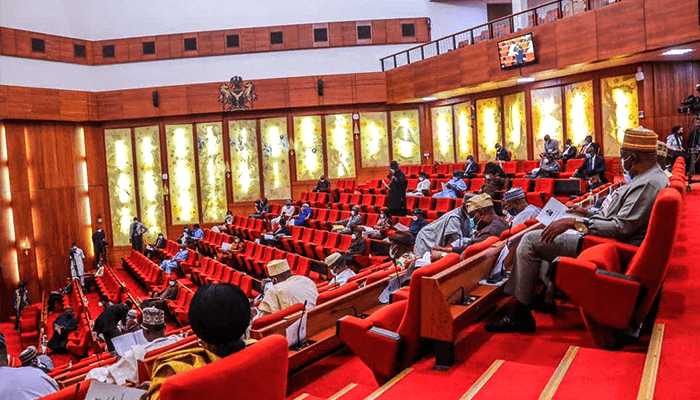
On Wednesday, the Senate ratified a new excise duty regime for sugar-sweetened beverages, replacing the current N10-per-litre levy with a retail price-based tax system aimed at curbing excessive sugar consumption, combating non-communicable diseases and generating additional funding for healthcare services for vulnerable Nigerians.
The decision was reached after due consideration and adoption of the report by the Joint Senate Committee on Finance and Customs, Excise and Tariff on the Customs, Excise Tariff, etc. (Amendment) Bill, presented by the Chairman of the Senate Committee on Finance, Senator Sani Musa, representing Niger East Senatorial District.
With this ratification, the current flat-rate excise duty on sugar-sweetened beverages will be replaced by a levy calculated as a percentage of the retail price, with the specific rate to be determined by the Minister of Finance in line with international best practices.
The Senate also approved provisions directing that a portion of the revenue generated from the levy be dedicated to health promotion initiatives, disease prevention programmes, primary healthcare services and health insurance coverage for poor and vulnerable Nigerians.
Presenting the committee’s findings, Senator Musa said the existing N10-per-litre excise duty had been severely weakened by inflation and no longer served as an effective deterrent to excessive consumption of sugary drinks.
“The current excise duty of N10 per litre on sugar-sweetened beverages has been significantly eroded by inflation and is too low to effectively discourage excessive consumption or generate substantial revenue,” the committee stated.
The Senate noted that Nigeria is facing a growing burden of non-communicable diseases (NCDs), including diabetes, obesity, hypertension and cardiovascular diseases, many of which are linked to unhealthy diets and excessive sugar intake.
According to the committee, NCDs account for a significant share of illness and deaths in the country, placing increasing pressure on the healthcare system and imposing heavy financial burdens on households.
Lawmakers expressed concern that Nigeria’s healthcare system remains underfunded and largely dependent on out-of-pocket spending, a situation that limits access to essential healthcare services and exposes many citizens to financial hardship.
The Senate argued that health-related excise taxes could simultaneously advance public health and fiscal objectives by discouraging the consumption of unhealthy products while generating additional government revenue.
The committee observed that the current volume-based tax structure does not adequately reflect the sugar content of beverages and therefore provides little incentive for manufacturers to reduce sugar levels in their products.
In November 2025, during the public hearing on the bill, several stakeholders who participated in advocated a retail-price-based levy, arguing that increasing the tax would provide a more sustainable and effective taxation framework than the current flat-rate system.
Among organisations that made submissions during the hearing were the Nigeria Tobacco Control Alliance, Action for Women and Girls Initiative, Corporate Accountability and Public Participation Africa, Health Sector Reform Coalition Nigeria, Christian Network for Nation Building, Centre for the Promotion of Private Enterprise, Nigeria Employers’ Consultative Association, National Health Insurance Authority, Nigeria Immigration Service, Presidential Fiscal and Tax Reform Committee, Nigeria Cancer Society, Diabetes Association of Nigeria and the Civil Society Legislative Advocacy Centre.
The committee cited evidence from countries such as South Africa, Mexico and the United Kingdom, where sugar-sweetened beverage taxes have contributed to reduced consumption and improved health outcomes.
It also referenced recommendations by the World Health Organisation (WHO), which indicate that health-related taxes should increase retail prices by at least 20 per cent to significantly influence consumer behaviour and encourage healthier choices.
The Senate further noted that data from the Nigeria Customs Service showed that the existing excise duty on sugar-sweetened beverages generated more than N108.6 billion between 2022 and September 2025, demonstrating the sector’s potential as a sustainable source of revenue.
“The tax remains a viable source of government revenue and can be better leveraged to support public health priorities,” the committee observed.
While public health advocates strongly supported tougher taxation measures, some industry stakeholders expressed concerns about the possible impact on production costs, consumer prices and employment levels.
To address these concerns, lawmakers recommended that the Minister of Finance determine an appropriate percentage levy that balances public health objectives with economic realities and aligns with global standards.
The Senate further recommended that excise taxation on sugar-sweetened beverages be strengthened as part of a broader national strategy to reduce excessive sugar consumption and prevent non-communicable diseases.
Other recommendations adopted by the Red Chamber include exploring tax structures that better reflect sugar content or retail price, encouraging manufacturers to reformulate products and reduce sugar levels, strengthening the administration and enforcement of excise duty collection, and maintaining continuous engagement with industry operators and public health institutions during implementation.
The lawmakers also stressed that health should become a direct beneficiary of excise revenues derived from products associated with health risks.
According to the report, part of the proceeds from the levy should be channelled towards preventive healthcare programmes, management of non-communicable diseases, expansion of health insurance coverage for vulnerable Nigerians and the strengthening of primary healthcare facilities across the country.
The Senate further urged government to complement the tax reforms with nutrition awareness campaigns, improved food labelling standards and responsible marketing practices to ensure that fiscal measures are supported by broader public health interventions.
Lawmakers expressed optimism that the reforms would not only improve public health outcomes but also reduce the long-term economic burden imposed by non-communicable diseases on families and the nation’s healthcare system.
With the adoption of the report, the Senate has effectively endorsed a significant shift in Nigeria’s excise tax policy, positioning sugar taxation as a key tool for both public health promotion and sustainable healthcare financing.
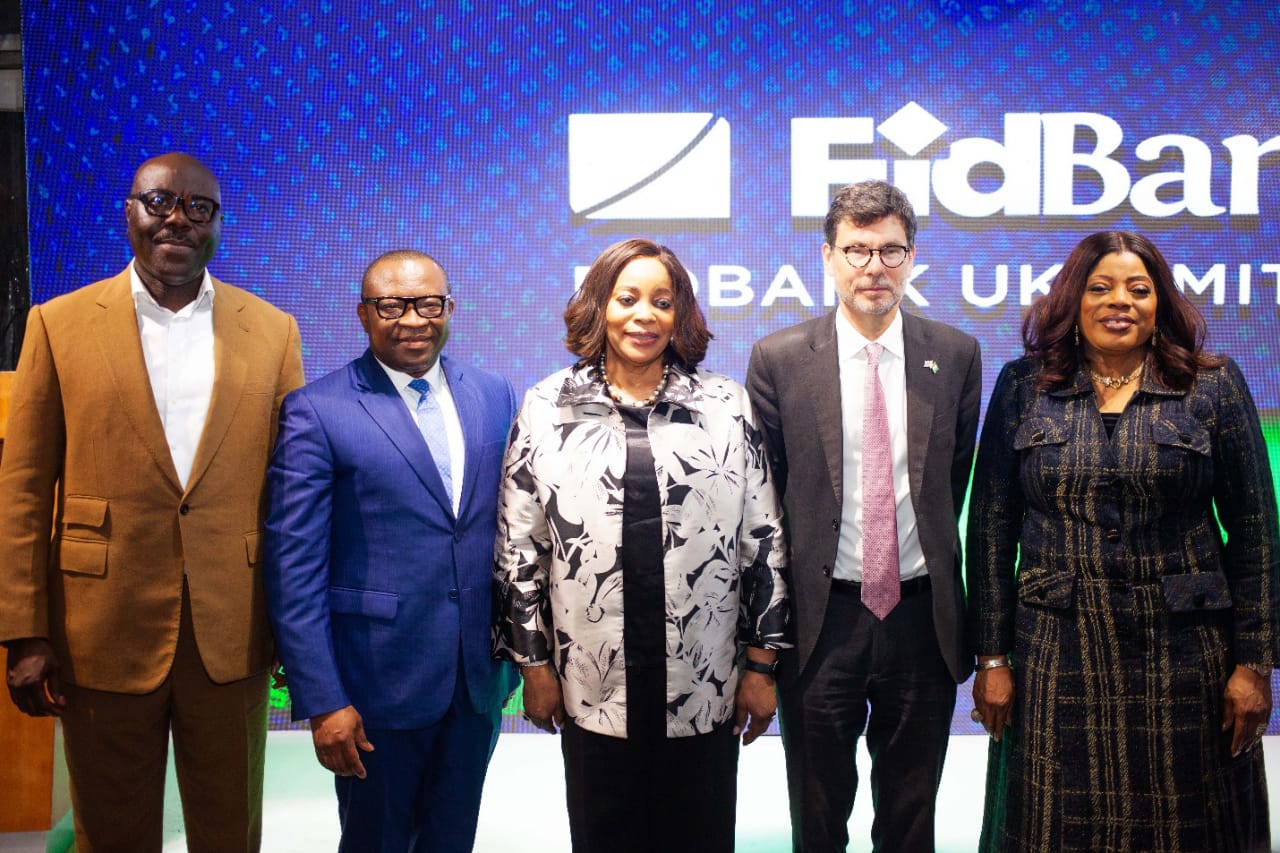
Leading financial institution Fidelity Bank Plc’s international subsidiary, FidBank UK Limited, has announced its commitment to supporting Nigerians, both individuals and corporations, in acquiring properties in the United Kingdom.
Fidbank UK, which provides a comprehensive suite of financial services, including trade finance, personal and business banking, treasury services, commercial lending, and private banking, is set to deliver tailored financial solutions for high-net-worth individuals (HNIs) seeking to invest in the UK real estate market through its FidBank Buy-to-Let product.
This announcement was made at an exclusive product showcase hosted by the British Deputy High Commissioner, Mr Jonny Baxter, at his Residence in Lagos on Tuesday, 26 May 2026. The event was attended by a select audience comprising captains of industry and corporate leaders.
Highlighting the significance of the event, the Managing Director/Chief Executive Officer of FidBank UK Ltd, Mr. Johnson Enemadu, said:
“This event is about showcasing to the market and our customers that there is something exciting in the market and we are able to take them along in this journey, supporting their businesses by bringing capital both in the financial institutions and corporate space and also for our high-net-worth individuals. It is a total experience.
“Today’s event is also taking place against the backdrop of strengthened bilateral relations between Nigeria and the United Kingdom, highlighted by the recent state visit of the President of the Federal Republic of Nigeria to the UK. This renewed engagement between both countries continues to unlock new pathways for trade, investment, and financial collaboration, and FidBank UK is pleased to play a leading role in driving this.”
In his welcome remarks, the British Deputy High Commissioner in Lagos, Mr. Jonny Baxter said, “The United Kingdom remains firmly committed to deepening its economic partnership with Nigeria, with a clear focus on driving inclusive, sustainable investment, trade and economic growth. London’s position as a leading global financial centre is central to this, supported by a robust financial infrastructure that enables efficient trade flows and seamless cross-border transactions between our markets.
It is therefore encouraging to see institutions such as FidBank UK advancing financial service offerings that not only expand investment opportunities in the UK, but also strengthen the financial systems supporting growing commercial ties. We welcome and support efforts that continue to enhance liquidity, facilitate trade, and drive sustainable UK-Nigeria economic connections.”
The well-attended event also featured art exhibitions by two of Nigeria’s leading visual art talents -Femi Morakinyo and Oswald Chukwunyeremugo – who displayed their latest works to the admiration of the guests.
Also speaking at the event, the Governor of Lagos State, Mr. Babajide Sanwo-Olu, represented by the Honourable Commissioner for Finance, Mr. Abayomi Oluyomi, lauded the initiative as it aligned with the administration’s T.H.E.M.E.S. Agenda, saying, “FidBank UK offers a private banking relationship grounded in regulatory rigour and institutional trust. This is not a catalogue of products, it is a comprehensive financial architecture built for people who live, work and invest across the Nigerian-UK corridor”.
Operating from the heart of the City of London since 1983, FidBank UK provides a comprehensive range of banking services to customers doing business from and into Nigeria and other West African countries, including trade finance, personal banking, business banking, treasury services, commercial lending and private banking.
The bank is authorised by the Prudential Regulation Authority and regulated by the Financial Conduct Authority and Prudential Regulation Authority and subscribe to the Financial Services Compensation Scheme.
Ikechukwu Sylvester Ofuani, LLB, BL, MPA, DPO (Ghana), is a distinguished lawyer, government affairs strategist, and public policy leader whose career spans more than 18 years across Africa, the United Kingdom, and Ireland. Renowned for his expertise in government relations, regulatory affairs, stakeholder engagement, and policy advocacy, he has built a reputation as one of the leading voices shaping the intersection of public policy, corporate strategy, and development across Sub-Saharan Africa.
With professional experience cutting across healthcare, MedTech, FMCG, international trade, development, corporate communications, and public-private partnerships, Ikechukwu has consistently demonstrated the ability to navigate complex regulatory environments while fostering strategic collaboration between governments, private institutions, multilateral organisations, and civil society stakeholders.
Over the years, he has held senior leadership roles at organisations including Policy Vault Africa, Johnson & Johnson, Procter & Gamble, and the National Identity Management Commission project. In these capacities, he has led high-level engagements with governments, regulators, trade associations, development institutions, and international stakeholders, helping organisations shape policy ecosystems, strengthen institutional relationships, and drive sustainable impact.
A significant part of his professional journey was spent at Johnson & Johnson, where he served as Director of Government Affairs and Policy for West and Central Africa. In that role, he led health system strengthening strategies and coordinated complex partnerships involving governments, donor agencies, regulatory institutions, and healthcare stakeholders across the region. His work focused on policy reform, regulatory harmonisation, strategic communications, grants management, and advocacy initiatives designed to strengthen healthcare delivery systems.
Ikechukwu also played a strategic role in regional health diplomacy and pandemic preparedness. As one of Johnson & Johnson’s focal persons for African Union engagements on Ebola vaccines and pandemic preparedness, he coordinated engagements involving access teams, regulatory experts, medical affairs specialists, and global public health stakeholders. During the COVID-19 pandemic, he supported vaccine deployment efforts in Nigeria, Ghana, and Cameroon, and contributed to initiatives to address vaccine hesitancy and improve uptake across African countries.
His contributions to Africa’s healthcare policy ecosystem have attracted continental recognition. He has publicly represented Johnson & Johnson as Director of Worldwide Government Affairs and Policy for West and Central Africa and has participated in high-level conversations on strengthening health regulatory systems, including at the U.S.-Africa Business Summit.
Beyond multinational corporate leadership, Ikechukwu has also distinguished himself in the advisory and policy consulting space. He currently co-leads PV Advisors and Policy Vault Africa, a policy and government affairs advisory platform that supports organisations navigating Africa’s complex regulatory and stakeholder landscape. Through the platform, he provides strategic guidance to clients across sectors, helping them engage effectively with governments, regulators, policymakers, and development institutions.
Under his leadership, Policy Vault Africa has contributed to broader governance and institutional reform conversations across the continent. One notable example is the organisation’s engagement with Nigeria’s Ministry of Budget and National Planning on policy digitisation and the preservation of institutional memory. The initiative seeks to improve transparency, accessibility, and the preservation of authentic policy documents for governments, researchers, private-sector actors, and citizens. Ikechukwu has consistently advocated the importance of accessible and credible policy information as a foundation for informed decision-making and long-term development planning.
Another defining area of his impact has been public health advocacy and child survival initiatives. Ikechukwu currently serves as Project Lead of the SARMAAN Advocacy Team, where he is helping reposition SARMAAN II from a donor-supported intervention into a nationally owned and sustainably financed public health priority. Through strategic advocacy, communications, stakeholder engagement, and sustainability planning, he is supporting efforts to integrate child survival interventions into Nigeria’s broader healthcare policy architecture. His work places strong emphasis on domestic financing, institutional ownership, and building trust among governments, implementing partners, and local communities.
His ability to transform policy conversations into measurable outcomes is further evident in his work on health system-strengthening partnerships. While at Johnson & Johnson, he successfully secured a ₦300 million healthcare partnership with Kebbi State focused on improving healthcare infrastructure across oncology, mental health, and immunology. The initiative reportedly led to the identification and treatment of over 200 indigent patients and became a model replicated in additional states.
Prior to his healthcare and advisory engagements, Ikechukwu also recorded significant achievements in trade facilitation and investment enablement during his time at Procter & Gamble Nigeria. There, he led strategic engagements with regulatory agencies and government institutions across West Africa, facilitating multimillion-dollar investment approvals, securing customs fast-track arrangements, and supporting major industrial projects. Among his notable contributions was the coordination of government-facing engagements surrounding the commissioning of a US$300 million diaper manufacturing plant in Agbara, Ogun State, attended by senior government officials including the Vice President of Nigeria.
Beyond his corporate and policy engagements, Ikechukwu is also committed to social impact and advocacy. He currently sits on the board of Stockport Advocacy in the United Kingdom, an organisation focused on advocating for children with learning disabilities. His leadership and contributions to public-private partnerships and Africa-focused policy engagement have earned him recognition, including being named a 2024 GCC Powerlist awardee.
What distinguishes Ikechukwu Sylvester Ofuani is his rare combination of legal training, policy expertise, stakeholder intelligence, and strategic leadership. Across multinational corporations, advisory platforms, donor-supported programmes, and government-facing initiatives, he has built a career centred on helping institutions navigate complexity, build trust with governments, and translate policy engagement into tangible social and commercial impact.
His journey reflects the growing importance of strategic government relations and policy leadership in shaping Africa’s development trajectory. Through his work, Ikechukwu continues to demonstrate that effective engagement between the public and private sectors remains one of the most powerful tools for driving sustainable growth, institutional reform, and transformational impact across the continent.
Emmanuel Adediran is a distinguished figure in Nigeria’s marketing communication landscape, with over a decade of transformative experience across diverse sectors including FMCG, Banking, FinTech, Edutech, Luxury Goods, Media, Sports Betting, e-Commerce, and Telecom. As the Business Unit Director at the region’s largest and most innovative media network, Emmanuel excels in leading high-performing teams focused on delivering cutting-edge marketing strategies. His approach effectively combines creativity, technology, and data insights, consistently achieving measurable results for over 25 global and regional brands at mediaReach OMD and +Acuity Ltd.
His unwavering dedication to excellence has garnered numerous accolades, including the 2024 Global Recognition Awards and the 2023 WARC Awards for Effectiveness. Since 2017, his works have been celebrated with over 20 trophies at the Pitchers Award, along with honours from the Media & Marketing Global Awards in 2021 and the WARC 100 Most Awarded Works for Media in 2021. Notably, Emmanuel is the first local agency representative from Nigeria to win Gold and participate as a judge at the prestigious Festival of Media Global Awards. He also became the first from the Nigerian marketing industry to be appointed a judge at the global renowned Purpose Awards in 2026 alongside other global leaders.
Emmanuel’s academic credentials include a First-Class degree from the University of Lagos and a diploma in marketing management from the Association of Business Executives in the UK. His thought leadership extends to his roles on the Advisory Council of Harvard Business Review and the Forbes Council, as well as his contributions as a visiting faculty member at the Lagos Business School.
A committed industry advocate, Emmanuel has enriched the field with numerous articles and publications on esteemed platforms. He has played a pivotal role in the annual Mediafacts Book publication since 2016 and imparts knowledge at the Alphabet Media Academy. In 2024, he co-authored “Africa’s Goldmine: A Guide to Winning Customers in Its Unstructured Market” with Professor Uchenna Uzo of the Lagos Business School. He plays a key role in organizing influential industry events, such as Nigeria’s Annual Top Trends Event, in collaboration with the Lagos Business School, Geopoll, and the National Institute of Marketing of Nigeria – a thought leadership event that has consistently delivered forward-thinking, actionable strategies and insights needed to stay ahead in a rapidly changing Consumer, Media & Marketing landscape attracting a distinguished audience of C-suite executives, senior business leaders, marketers, and decision-makers from diverse industries.
Emmanuel’s expertise was further recognised when he was appointed to a cross-sectoral committee by the Advertising Regulatory Council of Nigeria. Collaborating with PwC, he contributed to a groundbreaking 2024 study examining the impact of the marketing communications industry on Nigeria’s GDP.
With an impressive track record of success, Emmanuel Adediran brings a wealth of expertise, passion, and a forward-thinking approach to every engagement. His unique ability to translate complex business challenges into actionable marketing solutions positions him as a thought leader.
A major new international study published in The Lancet Child & Adolescent Health, one of the world’s leading medical journals, has revealed that Nigeria carries the highest burden of sickle cell disease (SCD) globally, with an estimated over 1.5 million children under the age of 15 living with the condition.
The study shows that nearly nine million children across sub-Saharan Africa are living with sickle cell disease in 2023, including around 1.17 million infants and 2.75 million children under five, who face the highest risk of early death without treatment.
Nigeria accounts for the largest share of this burden, far exceeding other high-burden countries such as the Democratic Republic of the Congo and Ethiopia. The findings highlight both the scale of the challenge in Nigeria and the opportunity for the country to lead Africa in tackling one of the most preventable causes of childhood illness and death.
The study was led by Professor Davies Adeloye, Professor of Public Health at Teesside University, United Kingdom, and Director of the International Society of Global Health (ISoGH), and analysed data from 40 studies across 22 African countries to produce the most comprehensive country-level estimates of childhood sickle cell disease to date.
Sickle cell disease is an inherited blood disorder present at birth. With early diagnosis and access to simple, low-cost interventions such as newborn screening, penicillin prophylaxis, routine vaccinations, malaria prevention, and hydroxyurea, most complications and deaths can be prevented.
However, in Nigeria, access to these essential services remains limited. Many children are only diagnosed after severe and avoidable complications, while others are never diagnosed at all, contributing to high levels of preventable illness and early childhood deaths.
Professor Adeloye said, “Nigeria now stands at the centre of the global sickle cell crisis. With over 1.5 million children affected, the scale is enormous, but so is the opportunity to act. We already know what works. Newborn screening and early treatment are effective, affordable, and can be delivered through existing health systems. If Nigeria prioritises sickle cell disease within its national health agenda and integrates care into routine maternal and child health services, we could save hundreds of thousands of young lives and significantly reduce avoidable deaths.”
The researchers emphasise that strengthening Nigeria’s health system response will be critical. This includes expanding newborn screening programmes, improving access to essential medicines, and integrating sickle cell care into primary healthcare services.
The study calls for urgent and coordinated action across government, health institutions, and development partners, including expanding newborn screening programmes, improving access to essential medicines and vaccines, and embedding sickle cell care within primary healthcare services. It also calls for increased domestic investment, supported by international partnerships, as well as stronger data systems to improve surveillance and guide policy decisions.
The authors conclude that even modest improvements in early-life screening and treatment in high-burden countries like Nigeria could transform child survival and significantly reduce preventable deaths.
As the world marks twelve years since the abduction of 276 schoolgirls from Chibok in Northeast Nigeria, the Murtala Muhammed Foundation (MMF) has called for renewed accountability, warning that the tragedy has come to symbolise a broader pattern of neglect and diminishing global urgency.
This was made known at the Chibok Photo Exhibition and Commemoration organized by the Murtala Muhammed Foundation at the School of Oriental and African Studies, University of London, United Kingdom.
In a statement released alongside its latest report, MMF said that 89 of the girls remain unaccounted for, underscoring the extent to which the crisis remains unresolved more than a decade later.
According to the Foundation, 187 of the girls have either escaped or been released and rescued since the abduction on April 14, 2014. In addition, over 40 children have been born in captivity and returned with their mothers, reflecting the long-term human consequences of the abduction.
Despite these developments, MMF noted that progress has slowed significantly, with no confirmed recovery of a Chibok girl in the past year.
“Chibok has become more than a place or a moment in time,” the Chief Executive Officer of MMF, Dr. Aisha Muhammed Oyebode said.
Her words, “It is now a metaphor for neglect—of responsibility, of accountability, and of our collective empathy for those who continue to live with the consequences of this tragedy.”
The Foundation warned that the Chibok abduction, once a defining moment of global outrage, now reflects a broader failure to sustain attention and follow through on commitments. It further noted that subsequent abductions of schoolchildren across Nigeria have reinforced fears among families and undermined confidence in the safety of education, particularly for girls.
“What Chibok exposed was not only a security failure, but a failure of sustained attention—the inability to begin and to finish, to respond and to follow through,” the statement said.
MMF called on the Government of Nigeria to intensify efforts to locate those still missing and to ensure transparency and accountability in its response. It also urged the United Nations and the international community to renew engagement and support coordinated efforts to protect children and safeguard education in conflict-affected regions.
The Foundation emphasised that the long-term impact of the abduction extends beyond those still missing, affecting survivors, families, and entire communities. Many girls have experienced disrupted education, prolonged trauma, and uncertain futures.
“Chibok must not be remembered only as a tragedy,” the CEO said. “It must remain a call to action. Until every missing girl is accounted for, this responsibility remains unfinished.”
The report is accompanied by a photographic exhibition drawn from Stolen Daughters of Chibok, offering a visual reflection on the human impact behind the numbers.
Zenith Bank Plc has announced the completion of its acquisition of the entire issued share capital of Paramount Bank Kenya Limited, following the receipt of all requisite regulatory approvals in Kenya and Nigeria.
This acquisition marks a significant step towards our long-term strategic growth agenda and a strong inroad into the East African markets. It further reinforces the Bank’s position as a leading financial institution in Sub-Saharan Africa and affirms the Bank’s mantra of following our customers’ businesses.
In a statement released on 7 April 2026, the Lagos-based bank confirmed that it had acquired 100 percent of Paramount Bank’s issued share capital following approvals from regulators in both Nigeria and Kenya. The deal, first announced in November 2025, represents Zenith’s first direct foothold in East Africa, a region increasingly targeted by West African financial institutions.
The bank described the transaction as a “significant step” in its long-term growth ambitions, noting that it reinforces its position as a leading financial institution across sub-Saharan Africa. It added that the acquisition aligns with its strategy of supporting customers as they expand across borders, particularly into high-growth African markets.
Regulatory clearance for the deal was granted by the Competition Authority of Kenya in January 2026, after determining that the acquisition would not substantially reduce competition within the sector. The regulator classified the transaction as a notifiable merger because its value exceeded KSh1 billion, equivalent to approximately $7.7 million at current exchange rates.
In approving the deal, the authority stated that the deal was “unlikely to lead to a substantial prevention or lessening of competition,” but imposed a key condition requiring Zenith to retain all 78 employees of Paramount Bank for at least 12 months. The provision is intended to safeguard jobs during the transition period.
Final approvals were also secured from the Central Bank of Kenya and the Central Bank of Nigeria, clearing the way for the transaction’s completion.
Although Paramount Bank ranked 33rd out of 39 licensed banks in Kenya as of December 2024, analysts view the acquisition as a strategic entry point into a competitive but fast-growing market. Kenya’s banking sector has attracted increasing interest from regional players, including Nigerian lenders such as Access Bank Plc, United Bank for Africa, and Guaranty Trust Holding Company.
Zenith’s expansion builds on its existing presence across West Africa and its international operations in the United Kingdom, the United Arab Emirates, China, and South Africa. By acquiring Paramount, the bank gains immediate access to local capabilities in corporate and retail banking, SME lending, trade finance, and bancassurance.
Customers of the Kenyan lender have been assured of continuity in the short term, with the potential for enhanced products and services as integration progresses. The combined entity is also expected to leverage growing trade links within East Africa and tap into the region’s accelerating adoption of digital banking.
The acquisition underscores a broader trend of African banks deepening regional integration, as competition intensifies for market share in key economic hubs across the continent.
Adeleye Falade has officially assumed office as the Managing Director and Chief Executive Officer of NLNG. He took up the role on Wednesday at the company’s Corporate Head Office in Port Harcourt, Rivers State, succeeding Philip Mshelbila, who was recently appointed Secretary-General of the Gas Exporting Countries Forum (GECF).
Falade brings nearly three decades of experience in the global oil and gas industry, with extensive leadership exposure across the LNG and petroleum value chain. Over the course of his career within the Shell Group, he has built a distinguished record across upstream and midstream operations in Europe, Asia, the Middle East, Russia, and Africa.
His professional expertise spans gas and petroleum operations, production optimisation, engineering, operational excellence, business improvement, and change management. He has also held several senior technical and leadership roles within Shell and its affiliated companies, gaining broad exposure to complex operational environments, multinational joint ventures, and the management of diverse, multicultural teams.
Prior to his appointment as Managing Director and Chief Executive Officer of NLNG, Falade served as Managing Director of Brunei LNG Sendirian Berhad, a position he assumed in April 2024. In that role, he led one of the world’s established LNG producers and oversaw strategic operational delivery within Brunei’s LNG sector.
Earlier in 2023, he was appointed Country Chair for Shell Namibia, where he provided strategic leadership for Shell’s operations and stakeholder engagement in the country.
Before taking on these international leadership assignments, Falade held key senior roles at NLNG. Between May 2019 and September 2023, he served as General Manager, Production, where he was responsible for ensuring production reliability, plant performance, and operational safety across NLNG’s world-class LNG facilities on Bonny Island.
Earlier in his career, he served as Operations Manager at NLNG from July 2015 to May 2018, overseeing plant operations and operational performance. He later moved to the Netherlands as Regional Asset Management System (AMS) Implementation Manager at Shell in The Hague between May 2018 and April 2019. In that role, he led the deployment of asset management systems aimed at improving operational efficiency and reliability across Shell’s global assets.
Falade has a Bachelor’s degree in Electrical/Electronics Engineering from the University of Ibadan. He also obtained a Master of Business Administration (MBA) from Henley Business School, University of Reading, United Kingdom, further strengthening his strategic and leadership capabilities in the global energy sector.
Falade is a Fellow of the Nigerian Society of Engineers (FNSE) and a registered member of the Council for the Regulation of Engineering in Nigeria (COREN). He is also a member of the Society of Petroleum Engineers (SPE).
Falade assumes leadership of NLNG at a pivotal time for the company and the global LNG industry. The company recently secured long-term Gas Supply Agreements (GSAs) with six third-party suppliers to strengthen feedgas supply to its Bonny Island trains. This comes as the Train 7 expansion project nears completion, a development expected to significantly boost NLNG’s production capacity and reinforce Nigeria’s position in the global LNG market.
Fadale joins a fully Nigerian management team at NLNG, demonstrating the company’s sustained commitment to developing indigenous leadership and strengthening local capacity within the organisation.
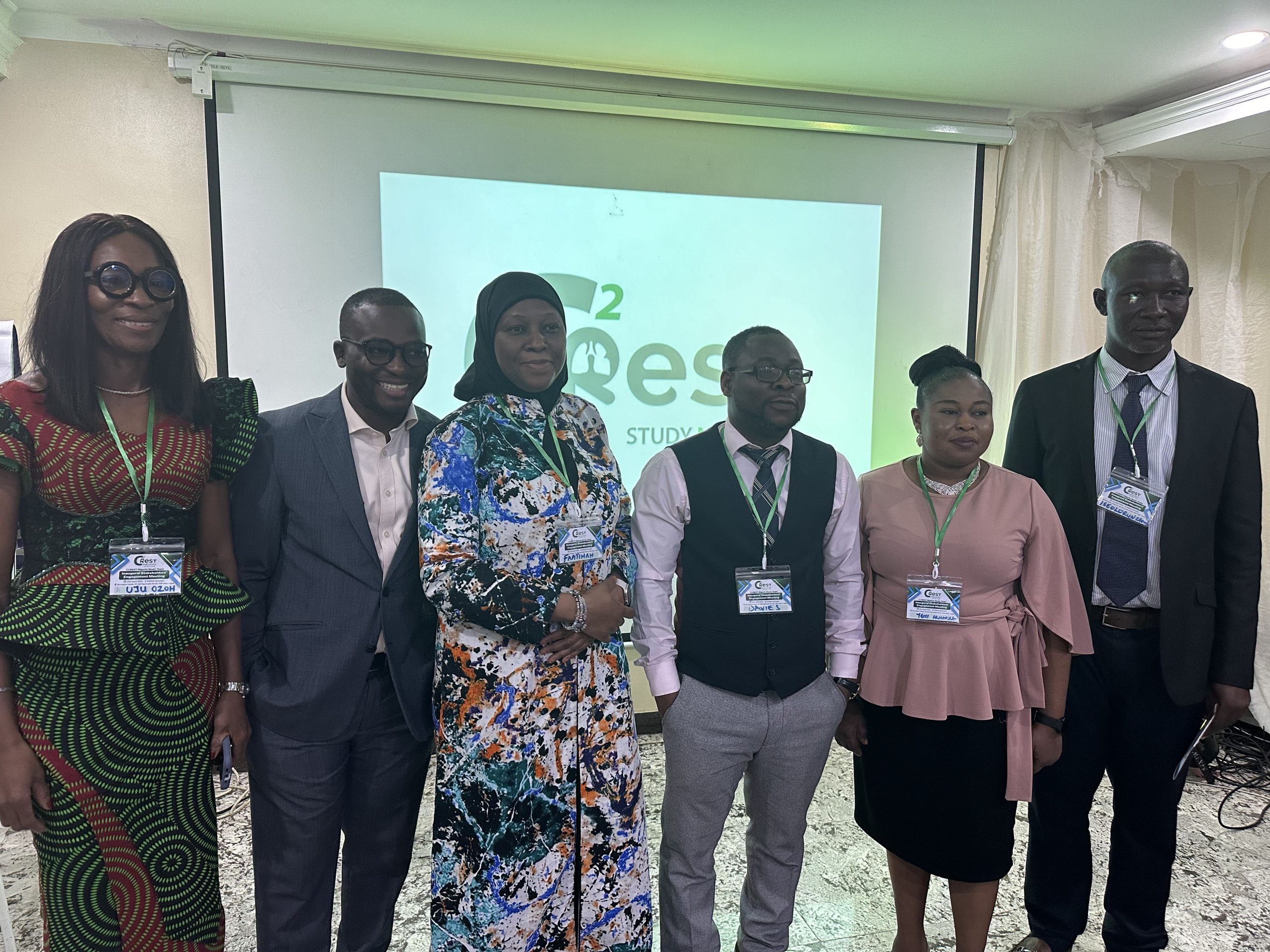
A new international study has found that switching to clean cooking energy in Nigeria can reduce long-term household costs, improve respiratory health, and ease pressure on the healthcare system.
The study, co-led by Davies Adeloye of Teesside University, UK, was conducted under the C2REST Nigeria Study—a three-year programme funded by the Medical Research Foundation. The research brings together experts from the United Kingdom, Nigeria, Benin, and Kenya to examine the links between climate, environment, and health in rapidly growing urban communities.
The findings come at a critical time. As Nigeria experiences rapid urbanisation and rising energy demand, millions of households still rely on firewood, charcoal, and kerosene for cooking. These fuels contribute to harmful indoor air pollution and increase the risk of respiratory and other health conditions.
The study was carried out in Alimosho (Lagos State) and Ado-Odo/Ota (Ogun State), two areas that reflect the realities of modern Nigeria, with fast population growth, industrial activity, and mixed-income households. This makes the findings highly relevant for many urban and peri-urban communities across the country.
Importantly, the research shows that clean cooking should not be seen simply as a household expense, but as a long-term investment. Although cleaner energy sources such as gas and electricity may have higher upfront costs, households can save money over time through fewer illnesses, lower healthcare spending, and improved productivity.
Speaking on the findings, Professor Adeloye emphasised that clean cooking is one of the most practical and immediate ways to improve public health while supporting economic development. He noted that the issue goes beyond environmental concerns, directly affecting household finances, disease burden, and national productivity.
The study also highlights important inequalities. Lower-income households, larger families, and communities with limited infrastructure are less likely to adopt clean cooking solutions. This points to the need for targeted and inclusive policies to ensure that no group is left behind.
To address these challenges, the study calls for stronger government action. This includes subsidising clean energy costs, improving supply chains, expanding access to clean fuels, and integrating clean cooking into national health and climate strategies. Collaboration between government, the private sector, and development partners will be essential to accelerate progress.
With the right policy support, clean cooking could become one of the most cost-effective ways to tackle Nigeria’s interconnected climate, health, and economic challenges.
The findings align with Nigeria’s climate commitments and energy transition plans, offering a practical and scalable solution to reduce emissions, improve air quality, and enhance household welfare.
In what marked a fitting and symbolic finale to a landmark state visit to the United Kingdom, President Bola Ahmed Tinubu, GCFR, concluded his engagements with a distinguished reception at the Tate Modern, a global temple of art and ideas, where Nigeria’s cultural soul was on full display through the “Nigerian Modernism” exhibition.
The reception, attended by global dignitaries, including Deputy Prime Minister David Lammy MP, members of the diplomatic corps, business leaders, and the Nigerian diaspora, was more than a ceremonial closing. It was a powerful statement of identity, influence, and intent, an affirmation that Nigeria’s story is not only being told but is being celebrated on one of the world’s most prestigious cultural stages.
Describing the exhibition as “a testament to a revolution,” President Tinubu reflected on the bold generation of Nigerian artists who, in the mid-20th century, redefined their narrative and asserted their identity beyond colonial constructs.
“It is a profound honour to stand here… to witness the soul of Nigeria on display,” the President said. “What we see here is people who have taken the best of global techniques and infused them with the enduring rhythms of our heritage.”
At the heart of this historic moment was the strategic partnership between Access Holdings PLC and Coronation Group, whose support brought the exhibition to life. President Tinubu commended both institutions for their visionary commitment to advancing Nigeria’s cultural diplomacy and creative economy.
“By bringing these works to London, you are not just hosting an exhibition; you are facilitating a vital dialogue between our past and our shared future,” he noted.
The evening reception captured the essence of the President’s Renewed Hope Agenda, a strategy that extends beyond economic reform to embrace the restoration and projection of Nigeria’s cultural identity as a cornerstone of national development and global engagement.
“Our creative industries: art, music, film, and literature are among our greatest exports. They represent Nigeria’s soft power in an interconnected world,” President Tinubu stated, reinforcing the role of culture as both an economic asset and a diplomatic bridge.
For many in attendance, particularly Nigerians in the diaspora, the event was deeply symbolic. Surrounded by works that embody resilience, innovation, and identity, the President called on Nigerians abroad to carry forward the same modernist spirit.
“You come from a lineage of pioneers… the ability to innovate, adapt, and lead,” he said.
The reception also underscored the enduring relationship between Nigeria and the United Kingdom, a partnership rooted in history but increasingly defined by shared aspirations in culture, commerce, and creativity.
As conversations flowed beneath the iconic industrial architecture of the Tate Modern, one message resonated clearly: Nigeria’s cultural renaissance is not a distant ambition, it is a present reality, driven by collaboration between visionary leadership and forward-thinking institutions.
“Art has no borders. It is the language of our common humanity,” President Tinubu concluded. “As we celebrate Nigerian Modernism, we also celebrate the enduring partnership between our nations and the limitless potential of human creativity.”
The evening at the Tate Modern was the end of a state visit and the closing note of a narrative that positioned Nigeria firmly at the intersection of culture, commerce, and global influence.
Zenith Bank Plc has announced the opening of a new branch in Manchester, United Kingdom, in a move aimed at strengthening financial connections between Africa and the United Kingdom while supporting businesses engaged in cross-border trade and investment.
The official opening ceremony for the new branch is scheduled for Tuesday, March 17, 2026, and is expected to attract government officials from Nigeria and the United Kingdom, regulators, investors, customers and business leaders from both countries.
The expansion marks another milestone in the bank’s international growth strategy as it continues to position itself as a leading African financial institution, facilitating global trade flows involving Africa.
According to the bank, the Manchester branch will complement its existing operations in the United Kingdom and serve as a strategic hub for providing corporate banking, trade finance, treasury and related financial services to clients operating across the United Kingdom, Europe and Africa.
Group Managing Director and Chief Executive Officer of Zenith Bank Plc, Adaora Umeoji, said the expansion reflects the bank’s commitment to strengthening financial connectivity between businesses in developed markets and Africa’s rapidly expanding economies.
“The opening of our Manchester branch represents another important step in Zenith Bank’s growth as a leading African financial institution connecting businesses and markets across continents. Manchester is one of the United Kingdom’s most dynamic commercial centres, and our presence here will further strengthen financial connections between businesses in the UK and opportunities across Africa’s rapidly expanding markets,” Umeoji said.
Founded in 1990 by its Founder and Chairman, Jim Ovia, Zenith Bank has grown into one of Africa’s leading banking institutions with a strong capital base and consistent profitability.
The bank operates more than 500 branches and business offices across Nigeria’s 36 states and the Federal Capital Territory, while maintaining subsidiaries in several African markets including Ghana, Sierra Leone, Gambia and Côte d’Ivoire.
Beyond Africa, Zenith Bank maintains a presence in major international financial centres including the United Kingdom, France, the United Arab Emirates and China as part of its strategy to support global trade and investment involving African businesses.
Manchester, one of the United Kingdom’s leading commercial centres, hosts a diverse business community spanning sectors such as manufacturing, logistics, engineering, technology and consumer goods.
The city’s strong economic base and international outlook make it a strategic location for financial institutions seeking to support businesses operating across multiple global markets.
Zenith Bank said the Manchester branch will work closely with its London operations and the bank’s broader international network to support clients expanding across markets and seeking new trade and investment opportunities.
With the launch of the Manchester branch, the bank continues to advance its long-term vision of building a globally connected African financial institution capable of facilitating international commerce and strengthening economic partnerships between Africa and global markets.
Indorama Ventures Public Company Limited, a global sustainable chemical company, together with Nigerian Breweries Plc, the foremost brewer in Nigeria, and Genesis Power & Energy Solutions Ltd, a leading African clean energy infrastructure development and asset management company, have entered a strategic partnership to establish one of Africa’s largest state-of-the-art recycled PET (rPET) production facilities in Nigeria, based on planned production capacity. The landmark collaboration marks a significant step toward strengthening circular economy infrastructure and sustainable packaging value chains across the region.
Located in Lagos, the site represents is an investment to develop a facility capable of producing up to 45,000 tons of food‑grade rPET resin annually, with start‑up targeted in the first half of 2027. By converting post‑consumer PET bottles into high‑quality recycled material for packaging applications, the initiative aims to meet fast‑rising demand for recycled content, reduce plastic waste, and create local value through improved collection systems, job creation, and increased participation across the recycling value chain.
The partnership brings together complementary strengths across the PET value chain. Indorama Ventures, the world’s largest recycler of PET for beverages, contributes expertise in sustainable materials development. Nigerian Breweries, a Heineken operating company, provides strong local market insight and engagement across Nigeria’s beverage ecosystem, while Genesis Energy supports the initiative with sustainable infrastructure and energy expertise. The project is expected to support recycling capacity in Nigeria, subject to regulatory approvals, technical validation, and operational implementation. Together, the partners aim to establish commercially viable rPET operations that enable responsible growth and long-term environmental impact.
This initiative aligns with Nigeria’s National Policy on Plastic Waste Management, introduced in 2020 to strengthen collection, recycling, and circular economy solutions, with the goal that all plastic packaging be recyclable, biodegradable, compostable, or reusable by 2030. Lagos, as Nigeria’s commercial hub, provides a strategic base to develop recycling infrastructure capable of serving both national and regional demand.
Commenting on the landmark partnership, Yash Lohia, Executive President of Petchem and Chairman of ESG Council at Indorama Ventures, said, “This partnership marks a defining milestone in our global recycling journey. By establishing our largest recycling facility to date and one of the largest rPET sites in Africa, we are bringing Indorama Ventures’ global expertise, proven technologies, and long-term vision for circularity to a region with immense growth potential. This investment reflects our belief that scaling sustainability solutions locally is essential to building resilient, sustainable packaging systems that deliver lasting environmental and economic value.”
With a global recycling footprint spanning 20 facilities across 11 countries, Indorama Ventures has recycled more than 160 billion post-consumer PET bottles into high-quality recycled materials. The Nigeria facility represents the company’s first recycling investment in Africa and the largest recycling plant Indorama Ventures has ever built, underscoring the scale of the company’s long-term commitment to circular infrastructure, advanced recycling technology, and partnerships that strengthen collection, education, and innovation across the value chain.
Genesis Energy supports the partnership by enabling sustainable infrastructure and energy solutions that underpin low carbon industrial development and circular economy systems across Africa. The company operates across 11 African countries, with utility-scale generation projects of more than 780MW in operations, ongoing construction, and advanced development in Nigeria, South Africa, Benin Republic, Zambia, Rwanda, Zimbabwe, Mali and United Kingdom, as well as a project development pipeline north of 4.5GW. It deploys solar, wind, battery storage, and natural gas solutions, and is pursuing an ambition to allocate up to $2 billion annually over the next five years, with a targeted 10 GW of installed and contracted capacity.
Speaking on the partnership, Chairman and CEO of Genesis Energy, Mr. Akinwole II Omoboriowo, said, “This compelling initiative demonstrates Genesis’ commitments to deploying capital to climate resilient investments by leveraging clean energy as a strategic nexus to advancing viable economic opportunities. The investment is also a testament to how cross-sector partnerships can enable sustainable industrial development. By combining circular economy principles with resilient infrastructure and energy solutions, the initiative supports long-term environmental impact and local value creation.”
Beyond industrial investment, the project is expected to contribute to broader environmental and socio-economic objectives through increased PET collection, diverted plastic waste away from landfill, and sustained engagement with local communities to promote best practices in waste collection and recycling.
The signing of the partnership agreement represents the first milestone in a longer-term development roadmap and reflects a shared commitment by the partners to invest responsibly, support sustainable packaging solutions, and contribute to Nigeria’s transition toward a more circular and resource-efficient economy.
Africa’s Global Bank, United Bank for Africa (UBA) Plc, is set to host a special edition of its impactful quarterly UBA Business Series, which be specifically focused on celebrating and empowering the modern woman with the theme: “gen w- ‘The Evolved Woman’
The session, which is scheduled to hold on Wednesday, March 12, 2026 from 11AM at UBA House, Lagos, will bring together an array of accomplished female leaders and professionals who will share insights, experiences and practical strategies for navigating ambition, leadership and growth in today’s dynamic environment.
The session will also be streamed live across all UBA digital platforms, and interested participants can register to attend virtually or in person via this link:on.ubagroup.com/tfig.
This edition of the Business Series aims to move the conversation around women intensely forward, highlighting a new generation of women who are not simply seeking opportunities but confidently creating them. The discussion will explore how women today are shaping industries, leading businesses, and redefining success on their own terms.
The event will feature an inspiring lineup of speakers, including entrepreneur and founder of ORÍKÌ Group, Joycee Awosika; media personality & entrepreneur, Tomike Adeoye; entrepreneur and founder of Fine Funky, Olufunke Davies; and award-winning Broadcaster, Ayo Mario-Ese. The conversation will be hosted by media personality and actor, Tobi Bakre.
Panelists’ will share their personal journeys and perspectives on navigating professional spaces, building resilient businesses, embracing authenticity and redefining leadership as women in a rapidly evolving global landscape.
Speaking ahead of the event, UBA’s Group Head, Marketing and Corporate Communications, Alero Ladipo, explained that the special edition of the Business Series reflects the bank’s firm commitment to supporting women for the critical roles they play in driving economic growth and innovation across Africa.
She said, “The modern African woman is evolving in remarkable ways. She is bold, visionary, and intentional about the spaces she occupies. Through this edition of the UBA Business Series, we want to celebrate women while also creating a platform where meaningful conversations around leadership, ambition and opportunity can take place.”
The quarterly UBA Business Series has become a key knowledge-sharing platform designed to equip entrepreneurs, professionals and business leaders with insights, tools and strategies needed to grow sustainable enterprises as well as navigate the evolving business landscape.
United Bank for Africa is one of the largest employers in the financial sector on the African continent, with 25,000 employees group-wide and serving over 45 million customers globally. Operating in twenty African countries, the United Kingdom, the United States of America, France and the United Arab Emirates, UBA provides retail, commercial and institutional banking services, leading financial inclusion and implementing cutting-edge technology.
The British Council will host the Study UK Alumni Awards on 28 February 2026 at the Lagos Continental Hotel, Victoria Island, Lagos. The awards will recognise exceptional Nigerian alumni of UK universities whose work has delivered measurable impact across society, business, science, and the creative industries. The ceremony reinforces the British Council’s commitment to strengthening educational ties between the United Kingdom and Nigeria.
The Study UK Alumni Awards are a global initiative celebrating international leaders who have leveraged their UK education to advance innovation, social progress, and institutional development. In Nigeria, the awards highlight the long-term value of UK higher education and the influence of alumni networks in shaping national and global outcomes.
Donna McGowan, Country Director, British Council Nigeria, stated: “The Study UK Alumni Awards shine a spotlight on outstanding Nigerian UK alumni who are transforming their communities and industries through the knowledge and networks gained from their UK education. Their achievements also demonstrate the lasting impact of UK–Nigeria educational collaboration. We are proud to celebrate these leaders and to continue supporting them as they impact their communities.”
Award Categories And Nominees
The 2026 awards feature four categories: Social Action, Culture and Creativity, Business and Innovation, and Science and Sustainability. Each category includes three nominees whose achievements reflect the diversity and depth of UK alumni impact.
Under Social Action, the nominees are Joshua Alade, a Chevening scholar who studied at the University of Bradford; Kola Alapinni, a graduate of the University of Essex; and Precious Ebere, also a Chevening scholar who completed studies at Cardiff University. Their work spans areas including public policy reform, human rights advocacy, community development, and access to essential services.
In Culture and Creativity, nominees include Yemisi Sophie Odusanya, a graduate of the University of Birmingham; Foluso Agbaje, who studied at the London School of Economics and Political Science and Loughborough University; and Adanna Ifeoma Enwezor, who completed studies at the University of Leeds. Through literature, visual arts, performance, design, and media, they have expanded cultural dialogue and strengthened Nigeria’s creative sector.
The Business and Innovation category features Dimeji Sofowora, who completed studies at the University of Leeds and Queen Mary University of London; Sesi-Oluwatoyin ORERE, a graduate of the University of Wolverhampton; and Folajimi Akinla, who studied at Queen Mary University of London. Their work demonstrates leadership in enterprise development, technological advancement, and economic growth.
Under Science and Sustainability, nominees are Ademola Adelowo Adenle, who studied at the University of Oxford, University of Nottingham, and University of Sussex; Abdulazeez Ahmed, a graduate of University College London; and Dr May Stow, who completed studies at the University of Birmingham. Their contributions address areas such as climate resilience, public health, renewable energy, and applied research.