Tag: World Health Organization

  • Nearly 9 million African children living with sickle cell disease, major Lancet study finds

    Nearly 9 million African children living with sickle cell disease, major Lancet study finds

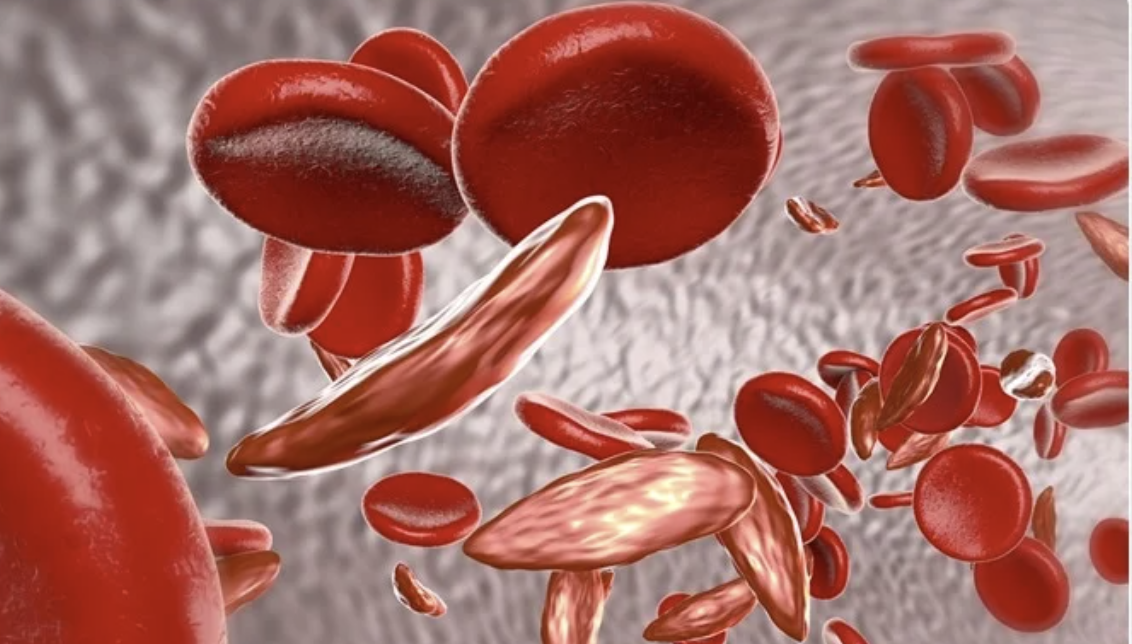
    A major new study published in The Lancet Child & Adolescent Health has revealed that nearly nine million children across sub-Saharan Africa are living with sickle cell disease (SCD), underscoring an urgent yet largely addressable public health challenge across the continent. The research estimates that approximately 8.85 million children under the age of 15 were affected by the condition in 2023, including over one million infants, highlighting the scale of a disease that remains one of the leading genetic causes of childhood illness and mortality in Africa despite the availability of effective, low-cost interventions.

    The study, led by Davies Adeloye, Professor of Public Health at Teesside University and Director of the International Society of Global Health, provides one of the most comprehensive and up-to-date assessments of childhood sickle cell disease burden in sub-Saharan Africa. According to Professor Adeloye, the findings highlight a long-standing paradox: sickle cell disease is both diagnosable at birth and manageable with relatively simple interventions, yet millions of children continue to suffer due to gaps in healthcare delivery. He noted that while the scale of the burden is significant, the opportunity to reduce preventable deaths is equally substantial if the right policies and investments are implemented.

    The burden of sickle cell disease is heavily concentrated in sub-Saharan Africa, particularly in West and Central Africa, where a combination of population size and genetic prevalence drives high case numbers. The disease, an inherited blood disorder that affects haemoglobin, can lead to chronic anaemia, severe pain episodes, increased susceptibility to infections, and early death if left untreated. However, proven interventions such as newborn screening, routine vaccinations, penicillin prophylaxis, and basic clinical care have been shown to dramatically improve survival rates, especially when implemented early in life.

    Despite this knowledge, the study highlights a persistent gap between what is known and what is currently being done. While high-income countries have significantly reduced childhood mortality associated with sickle cell disease through structured screening programmes and integrated care systems, many African countries still lack the infrastructure, policy commitment, and sustained investment required to deliver similar outcomes. Professor Adeloye emphasized that the challenge is not rooted in a lack of medical knowledge or technology, but rather in the difficulty of scaling existing solutions equitably across health systems.

    The study therefore calls for urgent and coordinated action from governments, regional institutions, and global health partners. Key priorities identified include expanding newborn screening programmes, integrating sickle cell care into primary healthcare systems, strengthening the health workforce, ensuring equitable access to essential medicines and diagnostics, and increasing both domestic and international investment. Global organisations such as the World Health Organization, UNICEF, and the Africa Centres for Disease Control and Prevention are expected to play critical roles in supporting the scale-up of these interventions across the continent.

    The findings present what experts describe as a defining moment for child health in Africa. With increasing focus on health system strengthening and child survival, the study underscores a clear and achievable opportunity: reducing preventable deaths from sickle cell disease through early detection and accessible care. As Professor Adeloye concluded, decisive action taken now could significantly alter the life trajectory of millions of African children, transforming a long-neglected condition into a public health success story.

    This new evidence provides one of the most comprehensive and up-to-date assessments of the burden of sickle cell disease among children in sub-Saharan Africa, offering a critical foundation for policy, planning, and investment.

    With growing attention to child survival and health system strengthening across Africa, the study underscores an important opportunity: reducing preventable childhood deaths from sickle cell disease is both achievable and cost-effective.

    “This is a defining moment,” said Professor Adeloye. “If we act now, we can change the life trajectory of millions of African children.”

    Notes to Editors

    Study: Prevalence of sickle cell disease among children in sub-Saharan Africa
    Journal: The Lancet Child & Adolescent Health
    Year: 2026
    Lead institution: Teesside University, United Kingdom
    Corresponding author: Professor Davies Adeloye

  • ICBA condemns WHO’s 2025 Global Report on SSB Taxes

    ICBA condemns WHO’s 2025 Global Report on SSB Taxes

    The International Council of Beverages Associations (ICBA) has condemned the 2025 Global Report by the World Health Organization on Sugar-Sweetened Beverage (SSB) Taxes on governments to strengthen taxes on sugar-sweetened beverages and alcohol significantly.

    According to the Executive Director, ICBA, Katherine Loatman, the association is disappointed in WHO’s approach of continuing to downplay proven sugar reduction measures such as reformulation and smaller portion sizes, in favour of making unproven claims about taxes, with more than a decade of global evidence showing that beverage taxes have not reduced obesity or improved health outcomes.

    Loatman stated that the association shares the goal of accelerating progress to reduce non-communicable diseases but believes that governments should focus on cost-effective actions backed by strong evidence.

    “It is disappointing to see WHO continue to downplay proven sugar reduction measures such as reformulation and smaller portion sizes in favour of making unproven claims about taxes, which make daily life more expensive and do not help consumers achieve balanced diets. More than a decade of global evidence shows that beverage taxes have not reduced obesity or improved health outcomes. The WHO itself has repeatedly concluded that such taxes are not “Best Buy” policies, meaning taxation is not among the most effective measures to address these complex issues,” she said.

    She added that the beverage industry will continue to advance collaborative, innovative solutions, such as broadening access to low- and no-sugar beverage options, supporting transparent labelling, and upholding the highest standards for responsible marketing.

  • Africa CDC welcomes first malaria treatment for babies as “major advance”

    Africa CDC welcomes first malaria treatment for babies as “major advance”

    The Africa Centres for Disease Control and Prevention (Africa CDC) welcomed the approval of the first-ever malaria treatment specifically formulated for infants. 

    The news is “a major advance in closing a critical gap in care for Africa’s youngest and most vulnerable”, Africa CDC said in a press release.

    The new treatment, called Coartem Baby, is dedicated to newborns and infants weighing less than five kilogrammes. 

    It was developed through a partnership between Swiss pharmaceutical company, Novartis and the nonprofit Medicines for Malaria Venture. Swiss drug regulators approved the formulation in July. 

    In the absence of a dedicated treatment, infants were until now treated with adjusted doses of medicines for older children, “raising the risk of overdose and toxicity”, according to Africa CDC.

    “The approval of the treatment is a major step forward in the fight against malaria. It ensures that even the smallest and most vulnerable infants now have access to safe and effective treatment”, said Africa CDC Director- General, Dr Jean Kaseya.

    Africa CDC also praised the eight member states where the medicine was trialled. Those include Burkina Faso, Cote D’Ivorie, Kenya, Malawi, Mozambique, Nigeria, Tanzania, and Uganda.

    The organisation said these countries’ “leadership underscores Africa’s growing role in driving health innovation.” 

    The new treatment is expected to be introduced in the eight African trial countries within weeks. Africa CDC said it would continue working with the member states involved, to ensure that every child gets access to the treatment. 

    Malaria caused 597,000 deaths globally in 2023, with almost all of them in Africa, according to the World Health Organization’s (WHO) most recent figures. WHO said children under 5 accounted for about 76% of all malaria deaths in Africa.

  • African Development Bank Approves $46 Million to Transform Healthcare in Sokoto State

    African Development Bank Approves $46 Million to Transform Healthcare in Sokoto State

    The Bank’s financing will support the delivery of climate-smart health infrastructure across three levels of care

    The Board of Directors of the African Development Bank Group has approved a $46 million loan to finance the Sokoto State Health Infrastructure Project, a transformative initiative designed to enhance healthcare access and quality in Nigeria’s Sokoto State.

    The project addresses critical health system gaps in Sokoto, where key indicators reflect a critical need for intervention. Only one in 20 children is fully vaccinated, while infant mortality stands at 104 deaths per 1,000 live births, nearly double Nigeria’s national average of 63. Less than 14 percent of health facilities in the state have functional infrastructure, and there is just one doctor for every 8,285 people — far below the World Health Organization’s recommended ratio of 1:1,000.

    The Bank’s financing will support the delivery of climate-smart health infrastructure across three levels of care. These include the construction and equipping of a 1,000-bed teaching hospital complex; three zonal hospitals with a combined capacity of 450 beds; and six primary healthcare canters strategically located to serve rural communities.

    The project also includes the rehabilitation of health training institutions and the development of a modern medical warehouse to strengthen pharmaceutical supply chains.

    “This investment illustrates our commitment to continue working with the Government to fill critical infrastructure gaps in Nigeria’s health system while building resilient, climate-adapted healthcare facilities,” said Abdul Kamara, Director General of the African Development Bank’s Nigeria Office. “By strengthening healthcare infrastructure in Sokoto State, we are building hope and creating pathways to better health outcomes for millions of Nigerians.”

    Aligned with Nigeria’s National Development Plan (2021-2025) and the Health Sector Renewal Investment Initiative, the project is expected to generate approximately 2,500 jobs, with 60 percent of opportunities targeting youth and 30 percent women. In addition, the project will integrate electronic health infrastructure and renewable energy systems, ensuring sustainable, energy-efficient operations while reducing greenhouse gas emissions. Expanded capacity in local the medical and nursing schools will create 700 new training slots annually, helping to address the region’s acute shortage of skilled health professionals.

    The initiative builds on the Bank’s successful track record in Nigeria’s health sector, where it has financed four health infrastructure projects totaling $117.68 million. It will leverage strategic partnerships with the United Nations Children’s Fund, the World Health Organization, USAID, and other development actors to maximize impact and ensure comprehensive health system strengthening.

    The African Development Bank Group remains committed to enhancing the quality of life for Africa’s people through targeted investments in resilient health infrastructure that drive inclusive growth and sustainable development across the continent.

  • Chikwe Ihekweazu: Why Global Health Needs More African Leadership

    Chikwe Ihekweazu: Why Global Health Needs More African Leadership

    Chikwe Ihekweazu, the first director-general of the Nigeria Centre for Disease Control and currently head of the Health Emergencies Programme for the World Health Organization, believes that greater African leadership in global health organizations would benefit everyone.

    “These roles require not only technical competence, but also empathy and compassion, which I believe can only develop with time and experience,” Ihekweazu told Garry Aslanyan, host of the Global Health Matters podcast. “Global health indices will benefit greatly from more diverse representation at all levels of leadership.”

    A Nigerian infectious disease epidemiologist, Ihekweazu brings extensive experience in public health leadership. He and his wife, Vivianne Ihekweazu, were featured on the Dialogues show to discuss their new book, An Imperfect Storm: A Pandemic and the Coming of Age of a Nigerian Institution. The book chronicles his tenure as the founding director general of the Nigeria Centre for Disease Control from 2016 to 2021, a period in which he played a pivotal role in strengthening Nigeria’s public health infrastructure—particularly in the lead-up to the COVID-19 pandemic.

    Under his leadership, the Nigeria CDC became a central force in Africa’s pandemic response.

    Vivianne Ihekweazu also works in health, serving as managing director of Nigeria Health Watch.

    Listen to the full episode:

    Listen to more Global Health Matters podcasts on Health Policy Watch >>

  • Codix Pharma expands into high-impact diagnostics with new Codix Bio Facility in Sagamu

    Codix Pharma expands into high-impact diagnostics with new Codix Bio Facility in Sagamu

    In a groundbreaking development for Nigeria’s healthcare sector, Codix Pharma Ltd has announced the imminent commissioning of Codix Bio Ltd, a state-of-the-art in-vitro diagnostics (IVD) manufacturing facility in Sagamu, Ogun State.

    This marks a major step toward reducing Africa’s reliance on imported rapid diagnostic test kits, over 90% of which are currently sourced from Europe, Asia, North America, and the Middle East.

    The facility, which will be the first of its scale in Nigeria and the second of its kind in sub-Saharan Africa, is expected to commence operations in May 2025. Codix Bio will manufacture critical diagnostic tools including malaria, HIV, and hepatitis B and C test kits, positioning Nigeria as a regional leader in medical diagnostics manufacturing.

    Speaking at a press briefing in Lagos Chief Operating Officer of Codix Pharma, Mary Ogangwu said: “This is bigger than us. It is about what is possible for Africa.

    “For over two decades, Nigeria has imported these kits. Codix Bio is our answer to that dependency, a local solution to a continental problem.”

    Codix Pharma, founded in 2008, initially focused on pharmaceuticals, particularly for diabetes and cardiovascular diseases. However, recognizing a more urgent gap in timely and accurate diagnosis, the company pivoted toward medical diagnostics. Codix Bio represents a culmination of years of strategic backward integration aimed at localizing medical device production.

    The new facility follows the successful launch of Colexa Biosensor in December 2023, the first factory for manufacturing blood glucose meters and strips in sub-Saharan Africa. Together, the two plants form a major component of Codix Pharma’s vision to become a leading health tech company in Africa by 2030.

    According to Ogangwu, Codix Bio has been developed with global quality benchmarks in mind. “We are committed to meeting WHO prequalification standards and US FDA regulations. Our focus is on quality, safety, and efficacy,” she said.

    Olanrewaju Balaja, General Manager of Plant Operations at Codix Bio Ltd, emphasized the factory’s adherence to international standards such as ISO 13485 and the WHO’s Good Manufacturing Practices (GMP). “We are creating diagnostic kits that meet the same standards as those approved by the world’s top health regulators. This will allow us not just to serve Nigeria but to export to West Africa and beyond.”

    The factory has completed its design, construction, and utility installation phases, including clean-room environments and air filtration systems. The company is now in the final qualification and validation stages ahead of commissioning.

    This initiative aligns with broader government efforts to boost local pharmaceutical and medical device production. The Coordinating Minister of Health and Social Welfare, Professor Muhammad Ali Pate, recently unveiled a national plan to reduce Nigeria’s reliance on imported healthcare products. Under this policy, local manufacturers are now exempt from tariffs on pharmaceutical equipment and supplies.

    Nigeria aims to increase local production of pharmaceuticals to 70% and IVDs to 30% by 2030. Codix Bio is expected to play a pivotal role in this transition, offering a reliable domestic alternative to imported diagnostics and helping reduce stockouts, diagnostic delays, and treatment errors.

    The establishment of Codix Bio also reflects the World Health Organization’s call for increased local production of health technologies, especially in low- and middle-income countries. The WHO’s Local Production Forum advocates for regional self-reliance in manufacturing to improve access, affordability, and global health security.

    “This is not just a facility, it’s a symbol of what is achievable when innovation meets the right intention. African problems can indeed have African solutions, said Ogangwu.

    With the support of regulators such as NAFDAC and the federal government’s health industrialization agenda, Codix Bio is poised to reshape the continent’s medical diagnostics landscape, starting from Nigeria.

  • Feature: The Unhealthy Side of Unbranded MSG

    Feature: The Unhealthy Side of Unbranded MSG

    The authenticity that comes with branded products in the endorsement of regulatory agencies is what stands them out from competing brands, even counterfeits. In Nigeria, the National Agency for Food Drug Administration and Control, NAFDAC, continues to take measures against counterfeit products for the well-being of Nigerians. The particular case of combating the sale and distribution of sub-standard, unbranded, and rewrapped monosodium glutamate (MSG) products comes to mind. 

    What is MSG?

    Monosodium glutamate (MSG), also known as sodium glutamate, is a flavor enhancer that is widely used to promote/intensify and enhance savoury taste and flavors in sauces, meats, broths, soups, and many more foods. MSG is made by fermenting starch, sugar beets, sugar cane, or molasses. The fermentation process uses microbes that consume glucose, releasing glutamic acid. The glutamic acid is then neutralized and crystallized to produce MSG. 

    NAFDAC and the World Health Organization have classified MSG as a food ingredient that is safe and healthy for consumption. This has helped to bar many myths such as MSG causing severe headaches and other health challenges; also, that it’s only found in Asian food, Conversely, most scientific evidence indicates MSG is safe for consumption in typical amounts and glutamate is a naturally occurring amino acid found in many foods we eat, including tomatoes, meat, fish, eggs, cheese, corns and nuts.

    NAFDAC’s Measures Against Unbranded MSG

    In recent years, there has been a huge infiltration of some markets in the parts of Northern Nigeria with substandard, unbranded, and rewrapped MSG products which has led NAFDAC to implement painstaking measures. Some of the measures include strict product registration requirements, rigorous market surveillance, consumer education campaigns, handheld technology for on-site testing (like TruScan), and the Mobile Authentication Service (MAS) which allows consumers to verify product authenticity through a unique scratch-off code and SMS verification. All these measures are essentially to ensure all products are properly labelled and meet quality standards before reaching the market. Also to empower consumers to easily identify potentially fake products at the point of purchase. 

    Despite all of these thorough measures, unbranded and substandard MSG continues to flood the Northern market with health experts raising alarm over the impending health implications.

    The Dangers of Unbranded MSG

    Just as counterfeit products can be very dangerous to the health and safety of the customer, ingesting substandard, unbranded, and rewrapped MSG is unsafe, too. It poses potential health risks in the use of second-rate materials or contaminated harmful substances that can cause serious health issues like liver and kidney damage to cardiovascular problems. Beyond the substandard quality is the unhygienic environment they are produced, stored and packaged; all of these points to serious health challenges.

    The challenges of counterfeit products are not new in Nigeria, only that its rise has been alarming lately, with the overwhelming counterfeiting of medicines, and alcoholic and non-alcoholic beverages- a very unfortunate situation that has raised serious concerns among health experts. In 2024, it was reported that over N500m worth of fake drinks were seized in Lagos State, one can only imagine what must have happened in other parts of the country. The same goes for counterfeit medicines which had resulted in the deaths of many and closure of pharmaceutical stores nationwide.

    The health risks of substandard and unbranded MSG begin with the fact that they are adulterated which can cause allergic reactions, organ damage in heart, kidney, and liver. It can also cause cancer due to the carcinogenic properties of some of the substandard materials used in their production. In all of these, the unsuspecting buyers are shortchanged because they are not getting real value and will also suffer severe health challenges causing harmful, and sometimes fatal, consequences.

    The North and Unbranded MSG: Way Forward 

    The huge infiltration in the Northern market needs to be seriously attended to, bringing all-hands-on-deck to save unsuspecting buyers. The objective will be to ensure the safety of customers and ensuring they get their money’s worth in the purchase of MSG. To achieve this, NAFDAC needs to double-down on these merchants of death who are selling unbranded and substandard MSG in the markets. The war against these unbranded and substandard MSG should involve the Nigeria Customs because some of them are illegally imported and criminally distributed in the market. The sad part is that the merchants know these but greedily prefer to make profit at the expense of their fellow men’s well-being. 

    In as much as we can’t leave out the economic challenges which fuelled the purchase of these products, the health implications are grave enough to continually sensitize the public. From their uninviting sights in the marketplace to the unhygienic displays in uncovered sacks and tin cans for measurements or on trays in transparent nylons are pointers to the fact that they are unhealthy. 

    Awareness should be created on the essence of quality above quantity with a message informing/educating on the purchase of branded MSG which comes in sachets and have NAFDAC approval- two factors that authenticate these brands.  The various leading brands in the MSG segments too should pull their weight in this sensitization campaign to save the industry because not only will it affect their revenues but also damage the image of their brands.

  • 2025 World Oral Health Day: Pepsodent organizes dental health program in 20 states

    2025 World Oral Health Day: Pepsodent organizes dental health program in 20 states

    …targets 3 million people in 2025 through its various initiatives

    In commemoration of the 2025 World Oral Health Day, Pepsodent, a leading global toothpaste brand, in collaboration with the Nigeria Dental Association has launched its dental health campaign themed “Talk to A Dentist”. The campaign aims to reach 3m Nigerians this year, surpassing 2024 reach of 2.4m.

    Speaking during a press conference to herald the commemoration of the 2025 World Oral Health Day, Brand Manager, Pepsodent, Mary Akindola, stressed the need to instill good oral hygiene habits among children by ensuring they brush day and night for at least 2 minutes.

    She further disclosed that part of the brand’s mission was to drive behavioural change among Nigerians by ensuring that brushing twice daily becomes a universal habit.

    Akindola described good oral health as a fundamental human right for everyone, regardless of socioeconomic status or location.

    “According to World Health Organization (WHO), about half of the world’s population suffers from oral health conditions, ranging from mild to severe cases. Yet, many do not take action until their condition becomes critical. One of the most prevalent oral health issues is tooth decay, with an estimated two billion adults silently battling cavities. If left unaddressed, these cases have long-term consequences.

    In 2025, our goal is to expand Pepsodent Schools Program to reach 2.7m pupils while dental camps activations are projected to reach 300,000 Nigerians, targeting key regions in the North, West and East,’’ she said.

    Speaking further on the plans, she revealed that Pepsodent and the Nigerian Dental Association have scheduled dental camp activations across 20 states in Nigeria and the FCT. She explained that the activations, which would afford people from various communities to participate in oral hygiene education, dental screenings and dental treatment, will take place in 5 locations in South-West, 8 locations in the East and 7 locations in the North. The list of identified states for the activations include Lagos, Ogun, (Oyo)Ibadan, Osun, Ondo, Edo, Delta, Enugu, Rivers, Akwa Ibom, Abia, Anambra, Cross River, Kano, Katsina, Kaduna,  Borno, Plateau, Nasarawa, Niger and FCT Abuja.

    “In addition to the dental camps, Pepsodent will reach 30,000 pupils with oral health education and oral screening, across 50 schools in Lagos, Ibadan, Port Harcourt, Enugu and Abuja, in celebration of the World Oral Health Day”, she said.

    In his remarks, Personal Care, Research & Development Head of Africa, Unilever, Uchenna Nwakanma, stated that Unilever, through Pepsodent, remains absolutely committed to boosting oral health awareness and increasing access to dental care globally, as demonstrated by the various programs and partnership embarked upon by the company adding that the goal is to eradicate oral disease for everyone.

    According to Nwakanma, the series of activities undertaken by the brand to commemorate World Oral Health Day have reached 640,433 Nigerians in 5 years.

    Since inception, the Pepsodent schools program initiatives have reached 9.1m pupils in Nigeria. With the plan to reach 2.7m pupils in 2025, the program is projected to reach 11.8m Nigerians by the end of 2025, surpassing the projection of reaching 10m pupils by 2025.

    He noted that prevention remains the most potent and effective strategy in the fight against oral disease, adding that awareness among children was crucial in setting them up for a life free of preventable oral health conditions.

    “Unilever is deeply committed to transforming oral health awareness and access to dental care globally. To us, World Oral Health Day is a day to re-emphasize the importance of oral health to overall well-being, and of course encourage call to action from industry stakeholders and the populace to drive good oral care hygiene within their sphere of influence and access professional dental care regularly”, he said.

    In his remarks, the President of the Nigerian Dental Association, Dr. Elias Emedom, commended Unilever Nigeria Plc for its continuous partnership in promoting oral hygiene in the country.

    Emedom further highlighted that the connection between oral health and mental well-being, stressing that limited access to oral healthcare and poor awareness are contributing factors to the rising burden of oral diseases in Nigeria. He reaffirmed the association’s commitment to collaborating with government agencies and healthcare providers to promote oral health and improve overall well-being.

    “This year’s FDI theme ‘A healthy mouth is a happy mind’ highlights and seeks to draw attention to the importance of the relationship between oral health and mental wellbeing. Nevertheless, we are confronted with peculiar challenges in promoting oral health in Nigeria. Oral diseases are largely untreated due to limited access to oral healthcare and poor oral healthcare practices, poor oral health awareness contributes to an increase in the burden of oral health diseases. This greatly negatively impacts our national health, quality of life and productivity,” he said.

    Also speaking, the Director/Head of the Dentistry Division at the Federal Ministry of Health, Dr. Gloria Uzoigwe, acknowledged the government’s efforts to improving oral health policy, emphasizing ongoing initiatives to integrate oral health into primary healthcare.

    Uzoigwe commended Unilever for its partnership, which demonstrated the power of public-private collaboration in achieving common goals.

    Furthermore, she extended her heartfelt gratitude to all stakeholders, stating that together, they will achieve a healthier Nigeria where every citizen has access to the best oral health care and education.

  • Feature- Transforming Healthcare in Sub-Saharan Africa: A Call to Prioritise Diagnostics

    Feature- Transforming Healthcare in Sub-Saharan Africa: A Call to Prioritise Diagnostics

    by Oluwole Ajao

    As the global healthcare landscape shifts towards personalised medicine, early interventions, and disease prevention, one critical element remains at the forefront: diagnostics. The potential to improve health outcomes, save lives, and reduce healthcare costs hinges on our ability to implement effective diagnostic strategies. However, the current situation, particularly in Sub-Saharan Africa, reveals a significant gap in investment and infrastructure for diagnostics, which serves as the foundation for all healthcare advancements.

    The Human Cost of Late Diagnosis

    Consider the story of a 45-year-old mother of three from a rural community in Sub-Saharan Africa. By the time she was diagnosed with breast cancer, it was already at stage 4, leaving her with limited treatment options and a grim prognosis. Sadly, this is not an isolated case. Many cancer patients are diagnosed at advanced stages, heart failure is often identified late, and type 2 diabetes is typically detected only after serious complications arise. Such late-stage presentations lead to catastrophic health outcomes and strain already fragile healthcare systems.

    The Cost of Inaction: A Burdened Healthcare System

    Managing advanced diseases requires substantial resources and highly qualified healthcare professionals, both of which are often lacking. The WHO estimates that 80% of premature deaths from non communicable diseases (NCDs) could be prevented with early detection and appropriate management (WHO, 2021). The challenge we face in healthcare extends beyond merely providing access to medicines, particularly as these treatments become increasingly expensive and specialised at advanced stages of disease. The key to transforming health outcomes lies in ensuring early access to diagnostics tools, which can facilitate the timely use of cost-effective and affordable treatment options readily available in our healthcare settings.

    A Multi-Pronged Approach: Strengthening Diagnostics in healthcare

    To address these challenges, we must declare an emergency in the diagnostics space and adopt a multi-faceted approach:

    Increase Investment in Diagnostics: Government and organised private sectors to prioritise funding for diagnostic technologies and infrastructure to facilitate early detection of diseases. This foundational step is crucial for improving health outcomes, reducing long-term healthcare costs and alleviate the burden on healthcare system.

    Engage Stakeholders: Collaboration with key community leaders, including faith leaders, corporate organizations, and local associations, is vital. These stakeholders can help raise awareness and promote the importance of early screening. For instance, faith leaders can be empowered to institutionalise disease awareness and screening within their communities, fostering a culture of proactive health management.

    Leverage Digital Health Solutions: Digital technologies can help bridge the gap in diagnostic infrastructure. However, it is essential to ensure these tools are validated and adapted to local contexts, addressing the digital divide that exists in many regions. Telemedicine and mobile health applications can enhance access to diagnostic services, particularly in remote areas.

    Implement Policy Initiatives: Policies should be established that require routine health screenings, such as mandating annual health certificates for employees in both private and public sectors and attaching appropriate reward systems. Strengthening primary care facilities to offer easy access to screenings for common ailments will also enhance early detection efforts.

    Empower Pharmacies: Pharmacies can play a crucial role in routine screenings and refer patients to appropriate care. A clear framework for pharmacy-led screenings can expand access to diagnostics, especially in underserved areas.

    Building a Sustainable Healthcare Future

    The need for a comprehensive approach to diagnostics in Sub-Saharan Africa is urgent. By democratising access to diagnostic tools and services, we can shift the focus from managing advanced diseases to preventing them through early detection and intervention. This transformation not only enhances individual well-being, improve health outcomes but also strengthen healthcare systems and reduce the economic burden of late-stage disease management.

    Conclusion

    As we consider the future of healthcare in Sub-Saharan Africa, it is imperative that we prioritise diagnostics as a cornerstone of health systems strengthening. By investing in diagnostics, fostering collaboration among stakeholders, and leveraging technology, we can create a paradigm shift that empowers communities and improves health outcomes. This call to action is not merely a suggestion; it is a necessity to transform the healthcare landscape and ensure a healthier future for all.

  • Global Malaria Progress Stalled With Nearly 600,000 Deaths in 2023

    Global Malaria Progress Stalled With Nearly 600,000 Deaths in 2023

    New WHO Global Malaria Report points to funding shortfalls, climate change, and antimicrobial resistance as key challenges to control.

    Last year saw 263 million new malaria cases and 597,000 deaths in 83 countries worldwide, an increase of almost 11 million cases from the prior year, according to the World Health Organization’s (WHO) newly-released Global Malaria Report. The vast majority of cases occurred in the African continent, with children under five bearing the greatest burden of malaria mortality. 

    Targeted interventions like insecticide-treated bed nets and integrated vector management, alongside factors such as improved nutrition, housing, and urbanization, have all reduced malaria transmission and disease in the past decades. More than 177 million cases and 1 million deaths were averted globally in 2023, and Egypt was declared malaria free, a significant milestone for Africa’s third-most populous country, according to the WHO.

    Yet despite progress made in reducing the spread of the ancient disease, challenges like climate change, humanitarian crises, drug resistance, and persistent disparities all threaten global malaria progress. 

    “Instead of dying, mosquitoes are dancing on the treated bed nets,” said Dr Michael Charles, CEO of RBM Partnership to End Malaria, referring to the growing number of mosquitoes resistant to commonly used insecticides. 

    The number of new malaria cases actually increased in the past years, the report notes. Malaria case incidence – the number of new cases while accounting for population growth – grew from 58 to 60.4 cases per 1000 between 2015 and 2023. Five countries accounted for the majority of this increase in cases: Ethiopia (+4.5M), Madagascar (+2.7M), Pakistan (+1.6M), Nigeria (+1.4M) and Democratic Republic of Congo (600K). 

    The WHO presented its newly-released report on the global state of malaria as a combination of both hard-fought victories, and obstinate and emerging challenges ahead of key replenishment rounds next year.

    “No one should die of malaria; yet the disease continues to disproportionately harm people living in the African region, especially young children and pregnant women,” said Dr Tedros Adhanom Ghebreyesus, WHO Director-General.

    “An expanded package of lifesaving tools now offers better protection against the disease, but stepped-up investments and action in high-burden African countries are needed to curb the threat.”

    Africa ‘not on pace’ to meet WHO target

    The Africa region bears the brunt of the global malaria burden – both in the number of cases and deaths – with 11 countries accounting for two-thirds of cases worldwide. Nearly half of these deaths occurred in just four countries: Nigeria (30.9%), Democratic Republic of the Congo (11.3%), Niger (5.9%), and United Republic of Tanzania (4.3%). 

    Over 75% of deaths in the African region were among children under the age of five. Progress to reduce malaria mortality has barely budged in the past decade. The 2023 malaria mortality rate of 13.7 deaths per 100,000 people at risk was more than twice the WHO global strategy target of 5.5. 

    While these rates remain high, many African countries have either stabilized or reduced their mortality rates. Dr Mary Hamel, WHO Team Lead for Malaria Vaccines, credits this to vaccinations for children in conjunction with bed nets and other interventions. 

    “The vaccine is recommended by the WHO from five months of age, and during the pilot implementations where the governments of Ghana, Kenya, and Malawi introduced the vaccine …we saw high impact from these young age periods, with the reduction in all-cause mortality in these young children by 13% in all-cause mortality.”

    Seventeen countries have since introduced the malaria vaccine alongside childhood immunizations, with supply so far sufficient to meet demand.

    WHO goals for malaria mortality rates (green) and projected rates under the status quo (blue).

    Climate change, conflict, biological threats undermine progress

    The many climate change-related disruptions in rising temperatures and changing weather patterns favor the quick-adapting and anthropophilic mosquito species that transmit malaria. The report warns that these changes are impacting the “health, security, and livelihoods of people around the world,” particularly in the hardest hit African region. 

    But climate change is threatening malaria control in other parts of the world, like Pakistan. The devastating floods that submerged a third of the country in 2022 also left pools of standing water – “ideal breeding grounds for mosquitoes” and leading to an 8-fold increase in malaria cases between 2021 and 2023, the report notes.

    Cases rose from about half a million to more than four million. The increasing frequency of extreme weather events is expected to increase the burden of malaria in the long term, especially because the mosquitoes that transmit malaria are “highly sensitive” to environmental changes, noted Dr Arnaud Le Menach, Unit Head, Strategic Information for Response, WHO Global Malaria Progamme. 

    Conflict and ensuing humanitarian crises are impeding efforts to curb malaria. “In some countries, their conflict is also stopping people from getting the needed health access and the needed commodities,” said Charles. Internally displaced peoples often lack access to malaria prevention and treatment, leaving them “highly vulnerable to the disease,” said Le Menach. The report highlights these additional drivers of malaria transmission, noting that more than 80 million people in malaria-affected countries are internally displaced or refugees in 2023.

    Biological threats in the form of resistant mosquitoes and antimicrobial resistance make it increasingly difficult to control vectors and treat patients. Resistance to pyrethroids, a common insecticide, was reported in nearly every country it was monitored, while resistance to artemisinin, the most effective malaria treatment, was reported in four African countries. 

    Better global, regional, and country coordination is a key solution, according to Charles, to bring together stakeholders. This includes involving civil society organizations and resource optimization to overcome the above challenges. 

    Reaching vulnerable populations

    The global report features for the first time highlights the significant disparities in malaria burden, with a particular emphasis on gender equality.

    “[W]e need to keep in mind the issue of poverty, a significant risk factor,” said Alia El-Yassir, director of the WHO Department for Gender Equality. “Malaria takes the heaviest toll on those who are poorest and are the most disenfranchised segments of a society. The data shows that children under the age of five who are living in low income households have the highest prevalence of malaria, and as their socioeconomic status improves, the risk of malaria and the prevalence will decrease.”

    A host of biological, environmental, social, structural, and economic factors converge to increase a person’s vulnerability to malaria, “disproportionately” impacting those living in poverty, refugees, migrants, and indigenous peoples, notes the report.

    “Poverty is very much gendered…gender norms become so deeply entrenched and institutionalized that they will place many women and girls at a disadvantage, and that affects their risk of malaria and also their access to treatment,” said El-Yassir. To address these challenges, the report urges health system strengthening to collect disaggregated data because current averages “are not giving us the true picture in terms of who is being affected.”

    Calls for funding ahead of replenishment rounds

    Several panellists made calls for funding at a recent WHO press conference in Geneva, given the current “shortfalls” in funding. In 2023, less than half of the target $8.3 billion was invested in malaria response. This gap has widened in the past several years from $2.6 billion in 2019 to $4.3 billion in 2023. The vast majority of these funds come from international sources, with endemic countries contributing 33% in the past decade.

    “Next year is a very, very big year for all of us in the malaria world,” noted Dr Charles. “We have two replenishments. We have the GAVI replenishment, and we also have the Global Fund replenishment…The mosquito is so unrelentless and so smart that the longer we wait, the harder it is.”

    Even with malaria vaccines available, Dr Hamel argued that GAVI, the Global Fund, and the President’s Malaria Initiative all need replenishment “to realize the promise of the vaccine and other interventions. “

    The Global Fund also released a statement urging funding to meet targets, making the argument that “investing more in the fight to end malaria not only has the potential to save millions of lives, but it can also help rebalance global economic power and stimulate trade.

    “This, in turn, can unlock additional funding to strengthen health systems and enhance health security both in Africa and around the world. Malaria investment is not just a health imperative—it is a strategic driver of broader, far-reaching economic and social benefits,” said Peter Sands, Global Fund Executive Director, in a press release.

    Culled from Health Watch News

  • Nigeria’s Healthtracka selected for the Google for Startups Growth Academy: AI for Health Programme

    Nigeria’s Healthtracka selected for the Google for Startups Growth Academy: AI for Health Programme

    This year’s program features 24 startups tackling a wide range of healthcare challenges using AI, from early cancer detection and chronic disease management to mental health support and clinical trial optimization.

    Google for Startups has announced that 24 startups have been selected for the 2024 cohort of the Growth Academy: AI for Health programme. The program is designed to support high-potential startups across Europe, the Middle East, and Africa (EMEA) that are leveraging artificial intelligence (AI) to revolutionise healthcare and medical research.

    Among the selected startups are Nigeria’s Healthtracka, Kenya’s Thalia Psychotherapy and TibuHealth, and South Africa’s Zoie Health. These companies exemplify the potential of AI to address pressing healthcare challenges in Sub-Saharan Africa, advancing mental health integration, providing accessible outpatient services, and delivering affordable healthcare to underserved populations.

    According to the World Health Organization, more than 116 million  people across Africa were already estimated to be living with mental health conditions pre-pandemic and as things stand, there are fewer than two mental health workers for every 100,000 people. Thalia Psychotherapy’s AI-powered chatbot provides initial assessments and therapy sessions, increasing access to mental health support in a region with a critical shortage of mental health professionals. TibuHealth, on the other hand, delivers affordable outpatient services via “minute clinics” in partner pharmacies in high-density neighbourhoods.

    Dorothy Ooko, Head of Communications and Public Affairs, Google Africa, said: “We are committed to supporting the growth of innovative startups, particularly those that are leveraging AI to address critical healthcare challenges. The Growth Academy: AI for Health program is a testament to this commitment, and we are excited to see the impact these startups will have on the future of healthcare.”

    The three-month program will provide participants with intensive training, mentorship, and networking opportunities. Startups will benefit from workshops on best practices for AI, leadership development, responsible innovation, product design, and customer acquisition. Additionally, Google experts from Research, Health, Verily, Fitbit, and DeepMind will offer one-on-one mentorship sessions and technical project support.

    Below are the participating startups, representing 13 countries from across Europe, the Middle East and Africa, and how they’re using AI models and technology to improve patient care and advance medical research:

    • Aide (United Kingdom) is a digital service that helps patients and clinicians better understand and manage chronic disease, specifically comorbidity.
    • AmplifAI (Saudi Arabia) combines AI driven thermography and computer vision to create a standardised and objective assessment for diabetic foot ulcers.
    • Biorce (Portugal) is developing solutions to enhance clinical trials through the power of AI, having created Jarvis, a clinical AI assistant.
    • C the Signs (United Kingdom) is an AI cancer prediction platform that helps identify patients at risk of cancer at its earliest and most curable stages.
    • Callyope (France) develops speech-based remote patient monitoring solutions that help caretakers assess treatment efficacy and detect relapses in serious mental illnesses such as depression, bipolar disorder and schizophrenia.
    • Clear.bio (Netherlands) works to reverse diabetes type 2 by precision nutrition, providing best in class digital therapeutic based on real-time glucometry.
    • Ephion Health (Spain) develops digital biomarkers to ensure accurate disease monitoring and therapy assessment, through wearables data, clinical reports and AI for precise patient assessment.
    • Exakt Health (Germany) is a certified medical app for physiotherapy and evidence-based training with hyper-personalised treatment plans.
    • FiveLives (France) is a digital brain health platform for people aged 50+ to take control of their cognitive health, through combining clinically-validated brain health assessment and an engaging coaching program.
    • Healthtracka (Nigeria) is decentralising access to healthcare in Africa through remote medical diagnostics, connecting users with a seamless way to access at-home lab tests, receive clear results and doctors consultations.
    • HearMe (Poland) supports employees’ mental health through anonymous and secure 1:1 sessions with mental health professionals.
    • Juniver (United Kingdom) delivers on-demand help for eating disorders, with AI-powered interventions for urges, evidence-based education, personalised tools, peer support and telemedicine.
    • Mindgram (Poland) is a platform offering a holistic solution providing employees and their relatives with psychological and self-development support around the clock.
    • Motherbeing (Egypt) is a digital solution dedicated to Arab women’s sexual and reproductive health. The platform connects users with doctors, experts, personalised health education and an AI-powered health assistant.
    • Noah Labs (Germany) develops voice-based machine learning software for the early detection of decompensated heart failure.
    • Nui (Germany) is an app providing family caregivers with support through an intelligent chatbot that provides guidance to find answers to the most pressing questions.
    • O7 Therapy (Egypt) bridges the treatment gap with cutting-edge tech and top-tier mental health professionals. The O7 Therapy app offers instant, anonymous support via encrypted Chat, Audio and Video Sessions.
    • Powerful Medical (Slovakia) revolutionises cardiovascular diagnostics with its AI-driven platform, enabling healthcare professionals across the EU and beyond to diagnose and manage 39 cardiovascular conditions.
    • Research Grid (United Kingdom) is an automation engine enabling faster, more successful clinical trials by engineering smart software that safely automates back office admin across the full lifecycle.
    • Rofim (France) specialises in developing telemedicine software. The Rofim platform is a telemedicine platform designed to connect patients with healthcare professionals, enable diagnosis and improve access to care.
    • SYCAI Medical (Spain) develops medical device software with the aim of preventing the appearance of cancer in the abdomen non-invasively.
    • Thalia Psychotherapy (Kenya) is a mental health startup focused on integrating mental health services into primary healthcare systems.
    • TibuHealth (Kenya) delivers affordable outpatient services via “minute clinics” in partner pharmacies in high-density neighbourhoods.
    • Zoie Health (South Africa) is a digital health platform focused on providing underserved, high-need populations with affordable, accessible and healthcare.
  • Expansion of AstraZeneca’s flagship health equity programme Healthy Heart Africa

    Expansion of AstraZeneca’s flagship health equity programme Healthy Heart Africa

    The programme aims to improve health outcomes, with a focus on increasing awareness of the symptoms and risks of hypertension

    Broader range of non-communicable diseases targeted including chronic kidney disease; Programme growing across Africa, 54 million blood pressure screenings to date.

    AstraZeneca has set out a new ambition for Healthy Heart Africa, its flagship health equity initiative, to target a broader range of non-communicable diseases (NCDs), including chronic kidney disease (CKD) as well as hypertension and cardiovascular disease. The expanded programme will also launch in Egypt, reaching even more patients across the continent.

    At the 77th World Health Assembly (WHA) during an event co-hosted with the Ministry of Health for Uganda, AstraZeneca announced that the expanded Healthy Heart Africa programme will be operational in Côte d’Ivoire, Egypt, Ethiopia, Ghana, Kenya, Nigeria, Rwanda, Senegal and Uganda by the end of 2025.

    Launched in 2014, Healthy Heart Africa was established to address the increasing burden of cardiovascular diseases in Africa. The programme aims to improve health outcomes, with a focus on increasing awareness of the symptoms and risks of hypertension; providing health education and access to early screening and treatment; and delivering training to healthcare providers. This supports health system resilience by relieving the social and economic burden arising from late-stage treatment and care of cardiovascular and related diseases.

    Over the past decade, the programme has conducted more than 54 million blood pressure screenings and trained more than 11,400 healthcare workers. By March 2024, the programme achieved its initial ambition to reach 10 million people with elevated blood pressure, nearly two years ahead of target.

    HE Dr Jean Ruth Aceng Ocero, Minister of Health for The Republic of Uganda, said:  “As we confront the burden of non-communicable diseases in Uganda, which account for 36% of deaths and 81,300 annual mortalities it is imperative to strengthen our health systems. With a 21% probability of premature mortality from NCDs, resilient health systems are crucial for early detection and effective management.”

    HE Dr Jean Kaseya, Director-General of the Africa Centres for Disease Control and Prevention, said: “The rising burden of non-communicable diseases (NCDs) in Africa, which have increased from 24% in 2000 to 37% in 2019 of all deaths, highlights the urgent need for comprehensive and coordinated action. Supporting Member States to integrate NCD prevention and control into primary healthcare and strengthen multisectoral coordination on NCDs are among the priority interventions for the African CDC.”

    Ruud Dobber, Executive Vice President, BioPharmaceuticals Business Unit, AstraZeneca, said: “The public and private sectors must work hand in hand to address the escalating burden of NCDs and ensure more equitable and sustainable health outcomes for patients across Africa and beyond. Heart and kidney health are often interconnected, and with earlier diagnosis, intervention and treatment of cardiorenal diseases, we have a tremendous opportunity to prevent life-threatening complications, and reduce the economic and environmental impact of disease across the continent.”

    HE Dr Khaled Abdel Ghaffar, Minister of Health and Population for Egypt, said: “With the links between climate change and noncommunicable diseases like heart and kidney disease, it is becoming increasingly clear that we must act urgently to adapt our health systems to deal with this reality. Egypt is proud to be joining the Healthy Heart Africa program as part of our steadfast commitment to improving the health and well-being of all Egyptians. Through the signed Letter of Intent, we will be able to improve CKD public awareness, enhance early screening and diagnosis, support training for our HCPs, digitalize CKD healthcare management and update our local management protocols in line with the latest global standards.”

    At the event, global leaders in NCD care, including Ministers of Health for Uganda, Ethiopia and Egypt, as well as high-level representatives from the Africa CDC, the World Health Organization, PATH, Amref and patient advocacy groups, committed to tackle the growing burden of NCDs in Africa, emphasising the importance of early detection, evidence-based treatments, and the effective implementation of public-private partnerships such as Healthy Heart Africa.

    AstraZeneca reinforced its focus on taking a public-private partnership approach to deliver Healthy Heart Africa’s goals by signing Memorandums of Understanding with the Ministries of Health from Egypt, Uganda, and Ghana. The programme supports Sustainable Development Goal (SDG) 3 & 4 to reduce by one-third premature mortality from NCDs through prevention and treatment by 2030.

  • Nigeria Contextualizes Latest WHO’s MHGAP to Bridge Mental Health Gap

    Nigeria Contextualizes Latest WHO’s MHGAP to Bridge Mental Health Gap

    In a significant step forward for mental healthcare, Nigeria has become the first country to contextualize the newest version of the World Health Organization’s (WHO) Mental Health Gap Action Programme (MHGAP 3.0). This initiative, led by the National Mental Health Programme (NMHP), demonstrates the government’s dedication to bridging the vast mental health gap in Nigeria.

    Mental health conditions pose a critical challenge globally, particularly in low- and middle-income countries like Nigeria. 90% treatment gap exists, meaning only a fraction of those needing mental healthcare receive it. This gap is exacerbated by a lack of mental health professionals, further amplified by emigration.

    The WHO introduced MHGAP to expand mental health services in non-specialized settings. Recognizing the need for a tailored approach, Nigeria contextualized the initial version, which was then adopted nationally. Since then, WHO has released updated versions, prompting Nigeria to lead the way again by contextualizing the MHGAP 3.0 which was launched in November 2023.

    Dr. Chukwuma Ayanike, Director of Public Health, emphasized the government’s commitment during a recent stakeholder workshop. He highlighted plans to integrate mental health into primary care and other programs to address the treatment gap comprehensively.

    Nigeria’s leadership in MHGAP contextualization is not new. Professor Oye Gureje spearheaded the contextualization of the first version in 2011 with support from WHO. While initial implementation faced hurdles, Nigeria remains resolute in tackling mental healthcare challenges.

    In his address, Dr. Ojo Tunde Masseyferguson, National Coordinator for the National Mental Health Programme (NMHP) at the Federal Ministry of Health, commended Nigeria’s global leadership in contextualizing MHGAP. He emphasized the transformative impact of the workshop’s outcomes on mental health service delivery in Nigeria, urging all stakeholders to embrace MHGAP as the primary tool for integrating mental health across all levels of healthcare service delivery.

    The workshop aimed to develop a document enhancing the capacity of non-specialized healthcare workers to identify, manage, and refer common mental health conditions, thus improving access to mental health services nationwide. Prof. Oye Gureje, Chairman of the National Technical Working Group on Mental Health and Director of the WHO Centre for Training and Research in Mental Health, Neuroscience, and Substance Abuse, spearheaded this collaborative effort.

    Stakeholders from various sectors, including relevant government agencies like the National Primary Healthcare Development Agency, professional bodies, academia, development partners, NGOs/CSOs, and individuals with lived experience, actively participated in the workshop. The Clinton Health Access Initiative played a pivotal role in supporting the contextualization process, with the Deputy Country Director reaffirming their commitment to addressing Nigeria’s mental health gap and bolstering the healthcare system.

  • New initiative to boost use of data for mental health research in Africa

    New initiative to boost use of data for mental health research in Africa

    Under the initiative, multidisciplinary teams will be set up to generate scalable innovations and data driven insights that can contribute to our understanding of anxiety, depression and psychosis in Africa

     The African Population and Health Research Center (APHRC) in partnership with Wellcome, is set to unveil a new initiative in 2024 that aims to address existing gaps in our understanding of anxiety, depression and psychosis and improve evidence-based decisions making practice in Africa.

    The Mental Health Data Prize – Africa is embarking on a transformative journey, harnessing existing data and data-driven insights to ignite innovation and reshape the mental health landscape through research that solves challenges while enhancing the continent’s data capabilities. Under the initiative, multidisciplinary teams will be set up to generate scalable innovations and data driven insights that can contribute to our understanding of anxiety, depression and psychosis in Africa. The Wellcome-funded prize is the first of its kind and is open to innovators, researchers and startups, whose initiatives will be competing for up to 5-10 awards, each valued at £200,000 that come with funding over 12 months.

    As part of this initiative, interested individuals can sign up for a free capacity-building program over five months. This is meant to help them unlock the full potential of data science, advanced statistical analysis and machine learning algorithms tailored for mental health applications in the continent. APHRC will assist in forming multidisciplinary teams, match-making individuals, and providing access to identified data sources.

    “The prize is a clarion call to the entire mental health fraternity across Africa to unite in the fight against anxiety, depression and psychosis, which are the most prevalent disorders in the region and globally. This prize exists to drive excellence and innovation in harnessing data to solve some of our biggest mental health challenges by bringing together the best minds in mental health research and data analytics from across the continent,” said Catherine Kyobutungi, the Executive Director at APHRC.

    Dr Kyobutungi noted that significant gaps exist in data on mental health in Africa, limiting the understanding of the scale of the challenge as well as available evidence to inform interventions against anxiety, depression and psychosis, challenges that the prize seeks to address.

    Ekin Bolukbasi, Data Prize Manager at Wellcome said, “This ground-breaking prize demonstrates our commitment to help create a world where no one is held back by mental health problems. It aims to advance mental health science by transforming its ability to address existing challenges in continent through prevention, management and treatment. Together, we have the opportunity to improve understanding of the trajectory and resolution of common mental disorders for a better and more resilient future for all”.

    The World Health Organization estimates that 116 million people in Africa were living with a mental condition before the COVID-19 pandemic. The high prevalence of mental health conditions has been driven by challenges of daily living, widespread conflict, public health emergencies and other factors. This has taken a heavy toll on the lives of people, disrupting their ability to function and thrive and leading to lost productivity, great suffering and emotional pain for individuals, their families and communities.

    However, access to quality mental health care in the continent is limited, primarily attributed to inadequate investment in prevention, treatment, and rehabilitation services. Comprehensive, up-to-date data can help provide insights into anxiety, depression and psychosis, assess access to mental health services, and identify effective interventions. This serves as the foundation of targeted strategies to address existing challenges in mental health in Africa.

    For more information on the Mental Health Data Prize – Africa, please visit https://apo-opa.co/48tTRCX.

  • Tony Elumelu Convenes Global Leaders and Calls for Immediate Climate Action for Africa at Conference of the Parties (COP28) in Dubai

    Tony Elumelu Convenes Global Leaders and Calls for Immediate Climate Action for Africa at Conference of the Parties (COP28) in Dubai

    With African youth set to make up one third of global population later this century, the future of Africa’s youth, entrepreneurial, ambitious, resilient, needs to be given the highest priority

    Tony Elumelu Foundation (https://www.TonyElumeluFoundation.org) Hosts US Administration, WTO, UNDP, IFC, UNICEF, Rockefeller Foundation Leaders; Champions equitable partnerships to catalyse a new generation of green entrepreneurs; Announces partnership to fund young African entrepreneurs in Green sector with Ikea Foundation, Dutch Government, and UNICEF Generation Unlimited; Secures commitments to support Africa’s youth to drive climate resilience from World Trade Organisation, World Bank, UNDP, Government of Sweden, IFC, US State Department, and others.

    At a series of events across COP28, Tony Elumelu delivered a single message to world leaders: Africa needs to be heard, Africa’s future is the world’s future and the continent that is most impacted by and the least contributor to climate change, needs our attention. With African youth set to make up one third of global population later this century, the future of Africa’s youth, entrepreneurial, ambitious, resilient, needs to be given the highest priority.

    Elumelu offered the infrastructure and experience of his own Foundation’s 10 year $100m entrepreneurship programme to partners, to catalyse a further generation of African entrepreneurs; entrepreneurs who can address climate change and drive the broader wealth creation that Africa requires. Reaching and funding young entrepreneurs in every African country, the Elumelu approach of sector agnostic seed funding, mentoring, and networking has delivered robust impact.

    The annual COP UN Climate Change Conferences unites the world to assess progress in combatting climate change. Elumelu is one of Africa’s leading advocates for an equitable agenda for climate action and through the Tony Elumelu Foundation has empowered thousands of green entrepreneurs, shaping a more sustainable future for Africa.

    The Tony Elumelu Foundation, in partnership with the United Bank for Africa (UBA), hosted a high-level session, bringing together Africans, and key players in the Gulf, Europe, and Americas, where UBA operates, underscoring the urgent need for innovative approaches to climate adaptation and mitigation, while fostering sustainable development, and bringing attention to Africa’s unique position.

    Speakers included Dr. Okonjo Iweala, Director General, World Trade Organization; Ahunna Eziakonwa, Assistant Administrator and Regional Director for Africa, UNDP, Kevin Frey, CEO, UNICEF Generation Unlimited; Sergio Pimenta, VP Africa, IFC; Wendy Teleki, Head of the Women Entrepreneurs Financial Initiative, World Bank; Adam Wang-Levine, U.S. Deputy Assistant Secretary for Climate; Joseph Nganga, Vice President, Global Energy Alliance for People and Planet, Rockefeller Foundation; Hassan Al Hashemi, VP International Relations, Dubai Chambers; Serge Ekué, Chairman, West African Development Bank (BOAD); Muyiwa Akinyemi, Deputy Group Managing Director, United Bank for Africa; and Mattias Frumerie, Swedish Climate Ambassador and Head of Delegation, UNFCCC.

    “Addressing climate change is the paramount challenge of our era. The urgency is unmistakable.”  Elumelu stated. “It is critical that Africa, as a continent, and African voices, play a key role in global climate conversations, as meaningful participants, and no longer as bystanders. Africa is least responsible and is disproportionately impacted by climate change. I am investing in a generation of green entrepreneurs, and we are extending the hand of partnership, so that others can benefit and use the infrastructure and platform we have created to reach entrepreneurs across Africa.”

    Elumelu represented the African private sector at the 2023 New Global Financing Pact in Paris at the invitation of French President Emmanuel Macron, and the Climate Finance Mobilisation Forum in London, at the invitation of King Charles III of the United Kingdom and U.S. President Biden. At the 78th United Nations General Assembly (UNGA78) in New York, the Tony Elumelu Foundation (TEF) launched a first-of-its-kind Green Entrepreneurship Programme, the #BeGreenAfrica Initiative, in partnership with the IKEA Foundation, Dutch Government and UNICEF GenU, to support green entrepreneurship and youth development.

    Tony Elumelu Entrepreneur from Madagascar in the green economy, Marie-Christiana Kola, shared a compelling impact story.  “As a beneficiary of the Tony Elumelu Foundation Entrepreneurship programme, I was able to create a recycled and 100% biodegradable hand soap made with waste cooked oil – the number one water polluter of water in African urban cities. These soaps do not only protect the environment, but they are also solidarity soaps.  I was also able to attend the COP27 conference in Egypt, where I won the Innovation Prize. Today, I have employed over 30 people because of the Tony Elumelu Foundation.”

    Speaking at the TEF #COP28 high-level event, Dr. Okonjo Iweala, DG, World Trade Organisation stated, “I am proud of what my brother, Tony Elumelu, has done in empowering and inspiring so many young entrepreneurs. We have no choice; the future is green. The future of growth is two things – it is green, and it must be inclusive. I am very interested in partnerships with organisations like TEF.”

    Ahunna Eziakonwa, Assistant Administrator and Regional Director for Africa, UNDP added, “The reason why UNDP associated itself with the Tony Elumelu Foundation years ago is because of the leadership and courage of the Foundation to trust and invest in young Africans. It was one of the first organisation to do so at that scale.”

    The Foundation partnered with the UNDP to empower thousands in the Sahel, with an ambitious project to impact the lives one million young Africans.

    Sergio Pimenta, VP, Africa at the IFC, also stated, “Tony, I salute you and your Foundation for what you have been doing to support young entrepreneurs in Africa. The IFC has deployed $2billion in funding for African SMEs in the last fiscal year and we are very excited to be able to do more, working with you.”

    Kevin Frey, CEO, UNICEF Generation Unlimited added, “With TEF, we have moved in a concerted way into the entrepreneurial space. Generation Unlimited now have a flagship programme with the Tony Elumelu Foundation called #BeGreenAfrica, launched in Kenya, and now with the support of the IKEA Foundation and the Dutch Government, we have scaled to Nigeria, Morocco, South Africa, and Senegal. We will train and seed 500 green entrepreneurs this year in the pilot project across those countries. So Tony, thank you so much, you are right it is all about partnerships.”

    Wendy Teleki, Head of the Women Entrepreneurs Financial Initiative at the World Bank, announced, “Our women-focused initiative has been able to secure $3.6 billion to finance women entrepreneurs in 67 countries across the world, and is set to launch a new programme focused on financing African women entrepreneurs to drive the continent’s green energy transition, and we are keen to work with the Tony Elumelu Foundation.”

    Mattias Frumerie, Swedish Climate Ambassador and Head of UNFCCC Delegation stated, “My Government and I commend the Tony Elumelu Foundation’s incredible impact across Africa, and will facilitate connections between the Tony Elumelu Foundation, and the Swedish embassies across Africa to drive innovation, digitalisation, and green-energy transition, which promises to bring about new jobs and growth.”

    Adam Wang-Levine, U.S. Deputy Assistant Secretary for Climate, added” Before coming to the United States Treasury, I was working in venture capital, and I know first-hand that it is incredibly important what the Tony Elumelu Foundation is doing. I have seen two pillars of their work – financing and the mentorship – just as I have seen with Silicon Valley, which helps to drive innovation and jobs creation. We are excited to begin partnership conversations.”

    Muyiwa Akinyemi, Deputy GMD, United Bank for Africa, announced, “For us, UBA, we give market access into 20 geographies in Africa.  Everything that we do is around Africa, and that is why we have partnered with the Afrexim Bank to launch the $6billion fund for SMEs with a focus on import substitution, working in four key areas, including climate emission reduction.”

    Earlier in the day, Tony Elumelu joined Ajay Banga, President of World Bank Group; Brian Moynihan, Chair of the Board and CEO of Bank of America; Ms. Ruth Porat, President, Alphabet and Google; and Ms. Laurene Powell Jobs, Founder & President of Emerson Collective as a panelist in a session titled “Big, Audacious and Green: A Convergence of Visionaries”, moderated by Børge Brende, President of World Economic Forum.

    On Sunday December 3, Mr. Tony Elumelu, also participated in a fireside conversation with Ms. Teresa Ribera, Vice President of the Government of Spain and Minister for Ecological Transition and Demographic Change, moderated by Sec. Hillary Rodham Clinton, and with closing remarks from Dr. Tedros Adhanom Ghebreyesus, Director-General, World Health Organization.