




























The Manufacturers Association of Nigeria (MAN) today issued a statement regarding the recent decisions of the Monetary Policy Committee (MPC) of the Central Bank of Nigeria (CBN).
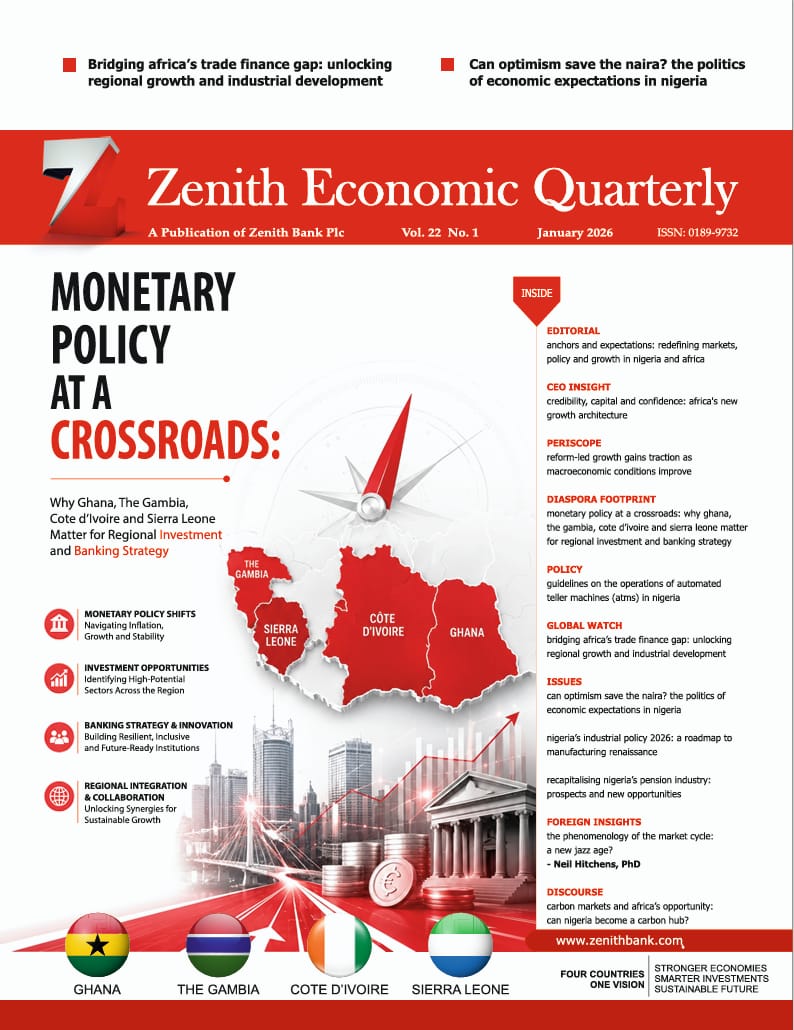 https://www.digital.zenithbank.com/ZEQ/ZEQ-jan-2026/index.html#p=1
Challenges Facing the Manufacturing Sector
The statement acknowledges the ongoing economic difficulties in Nigeria, including foreign exchange instability, rising energy prices, and food insecurity. These factors have contributed to inflation and weakened consumer purchasing power, negatively impacting the manufacturing sector.
MPC Decisions and Potential Impact
MAN recognizes the MPC’s efforts to address inflation but expresses concern about the potential consequences of continued monetary tightening on the manufacturing sector. The decision to raise the Monetary Policy Rate (MPR) and adjust the Cash Reserve Ratio (CRR) is likely to:
- Further reduce competitiveness: Higher borrowing costs will exacerbate existing difficulties for Nigerian manufacturers competing in the global market.
- Disrupt the manufacturing value chain: Increased loan servicing costs could lead to production disruptions, stockouts, and decreased capacity utilization. This could result in job losses, company closures, and social unrest.
- Limit access to credit: The CRR increase for Merchant Banks and a narrower asymmetric corridor could further restrict banks’ ability to lend to manufacturers. This, combined with high interest rates, could hinder backward integration, research and development, and innovation.
Recommendations
While acknowledging the challenges, MAN urges the MPC to collaborate with fiscal authorities to support the manufacturing sector. The Association proposes alternative approaches to address inflation, including:
- Improved security: Enhanced security in farming areas and business environments would stabilize food prices and improve investor confidence.
- Exchange rate management: Stabilizing the Naira within a business-friendly range and bolstering reforms for forex window liquidity and transparency are crucial.
- Prioritized access to resources: Manufacturers should have preferential access to foreign exchange and credit. Additionally, fast-tracking the proposed bank recapitalization would strengthen lending capacity.
- Promoting local production: Incentives for backward integration and local sourcing should be implemented to reduce reliance on imported materials and lessen dollar demand.
- Infrastructure development: Prioritizing infrastructure in industrial hubs and nationwide investment in renewable energy would lower logistics costs and enhance competitiveness.
Conclusion
MAN emphasizes the need for a balanced approach to economic policy. Addressing inflation is crucial, but it should not come at the expense of the manufacturing sector’s growth and sustainability. Stronger collaboration between monetary and fiscal authorities is essential to achieve economic stability and propel the manufacturing industry forward.