



















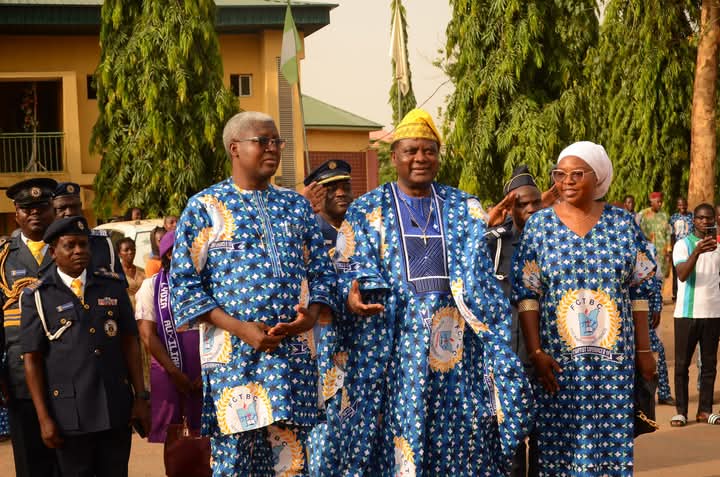
The Federal Capital Territory (FCT) Baptist Conference recently marked its 10th anniversary with a grand celebration, reflecting on its journey from inception to becoming a key player in the Nigerian Baptist Convention. The event brought together church leaders, members, and dignitaries to acknowledge God’s faithfulness and chart a course for the future.
In his welcome address, Reverend Dr. Dogara Raphael Gwana, President of the FCT Baptist Conference, described the conference’s growth as a testimony of divine grace. “Our story is that of a toddler who has enjoyed privileges reserved for adults. Though young, much has been expected of us, and God has remained our help in the past and our hope for the future,” he said.
Gwana traced the origins of the conference back to 2015, emphasizing how it evolved from a simple idea into a thriving entity with nearly 250 churches and over 200 pastors. He urged members to remain steadfast in their commitment to church growth, missions, and social ministry.
He encouraged members to remain committed to church growth, missions, and social outreach. “Though we are only ten years old, we have achieved significant milestones. Our faith and dedication will continue to drive our impact in the years ahead. We must nurture this seed to full growth and trust God to make it a large garden and a tree that will provide shelter for all,” he added, drawing inspiration from Matthew 13:31-32.
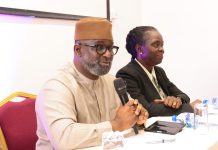
Speaking at the event, Reverend Dr. Israel Akanji, President of the Nigerian Baptist Convention, highlighted the remarkable visibility and influence of the FCT Baptist Conference despite its relatively young age. “The FCT Baptist Conference is only ten years old, yet it has achieved a level of impact that surpasses its age. It is not young in capacity, missions, evangelism, or visibility. Its strategic location in the nation’s capital has increased its influence, especially in national and interdenominational programs,” Akanji noted.
He also placed the conference’s growth within the broader history of the Nigerian Baptist Convention, which is celebrating 175 years of Baptist work in Nigeria. He encouraged the leadership to stay focused on the mission and continue leveraging its unique position for the greater good.
During the same event, Dr Akanji issued an urgent call to President Bola Tinubu, urging his administration to take immediate action to address the growing hunger crisis plaguing millions of Nigerians. Church leaders condemned the stark contrast between the extravagant lifestyles of political elites and the daily struggles of ordinary citizens to afford basic necessities. Reverend Dr. Israel Akanji stressed the urgent need for decisive government intervention, lamenting that many Nigerians are on the brink of starvation. He called for increased subsidies for education, improved access to healthcare, and support for farmers facing conflicts and natural disasters.
“Many Nigerians are facing severe hunger and desperate circumstances. While we appreciate the government’s current measures, more needs to be done,” Akanji said. He further criticized the extravagant allowances of political leaders, stating that the growing wealth gap is causing deep frustration among the people. “Nigeria has the capacity to produce enough food to feed itself and even export to other nations. We must focus on inclusive policies that empower all citizens,” he added.
The event also highlighted the vital role of women and youth in the church’s growth. Pastor Saadatu Yashin, Director of the Baptist Women Missionary Union (WMU), emphasized the importance of grooming young people in the faith. “There are structured plans in place to raise a new generation of believers who will know God, understand His Word, and live as responsible Christians in society,” she said. Pastor Yashin also spoke on the need for more tremendous respect for women in leadership, condemning sexual harassment and urging men to recognize women as equal partners in God’s work. “If they truly understand who women are, they will treat them with respect, not as objects but as fellow creations in the image of God,” she added.