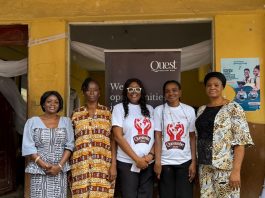























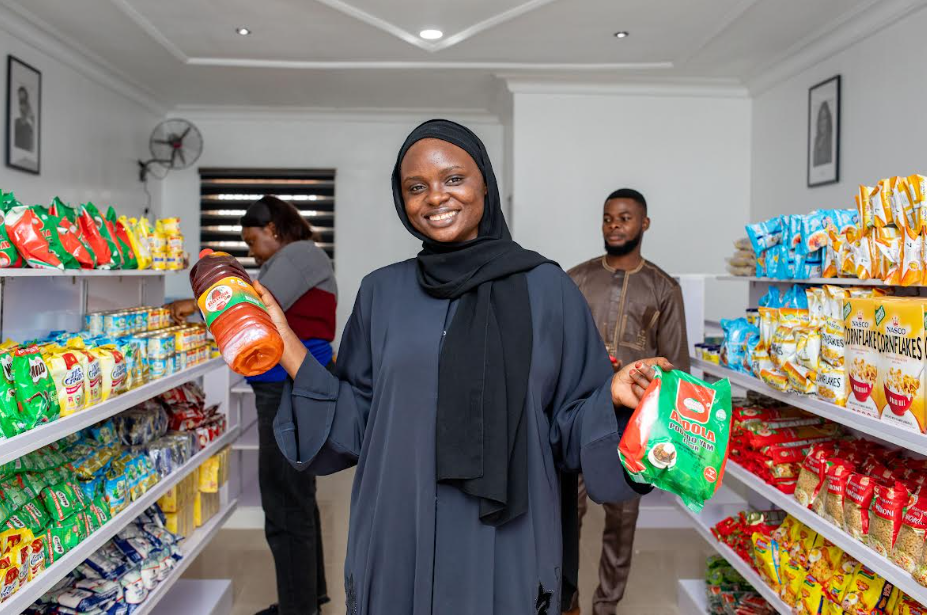
Recently, We Hold A Hand (WHAH) officially launched its Food Bank Programme, a research-informed initiative designed to support African graduates battling hunger, unemployment, and mental health decline. The launch in Abuja welcomed representatives from the Nigerian Diasporan Commission, the Nigerian Ministry of Humanitarian Affairs, and other partners committed to sustainable community development.
While traditional food aid often targets visibly vulnerable groups, WHAH’s program focuses on African graduates who appear stable on the outside, but are quietly struggling. These young professionals are frequently excluded from support systems, yet many face severe financial strain, emotional exhaustion, and a lack of basic resources like food.
“Too many young people are going hungry while trying to build their futures. They dress up, attend interviews, and smile through screens, then go home to empty kitchens and mounting pressure. You can’t talk about mental clarity or wellness on an empty stomach. This isn’t about handouts. It’s about dignity, stability, and building a bridge between survival and self-sufficiency,”Kelvin Voen, co-founder of We Hold A Hand, said.
Unlike seasonal food drives or long queues, the WHAH Food Bank is structured as a consistent and sustainable support system that preserves the dignity of its beneficiaries. It offers accessible relief for young adults who may not have the time or opportunity to seek public food assistance, yet desperately need it.
The program’s foundation is based on research conducted by WHAH from Q4 of 2024 and most of the first half of 2025, examining the economic and mental health challenges facing African youth, both on the continent and in the diaspora. The organisation also looked at how social media and survival stress affect young adults.
Starting in Nigeria, Africa’s most populous nation, and with the first store in Abuja, WHAH plans to expand the program. More details will be released on how beneficiaries can access support, and the organisation is actively seeking partnerships to help scale the initiative.
“We started this because it was the right next step,” the Co-founder added. “We know we can’t do it alone, and we believe there are others who see the same need. This is just the beginning of a wider infrastructure boost to productivity for Africa’s youths.”
WHAH wants to work with businesses, governments, and organizations that care about creating a fairer future for young people in Africa.