



























The Centre for the Promotion of Private Enterprise (CPPE) has called for urgent and coordinated action by businesses and government to mitigate the impact of escalating energy costs currently affecting enterprises across Nigeria. In a new policy brief titled “Mitigating the Impact of Energy Cost Escalation: What Businesses and Government Should Do,” the organisation warned that the recent surge in global energy prices—driven largely by escalating geopolitical tensions in the Middle East—is intensifying cost pressures on businesses and threatening the sustainability of many enterprises, particularly small and medium-sized businesses.
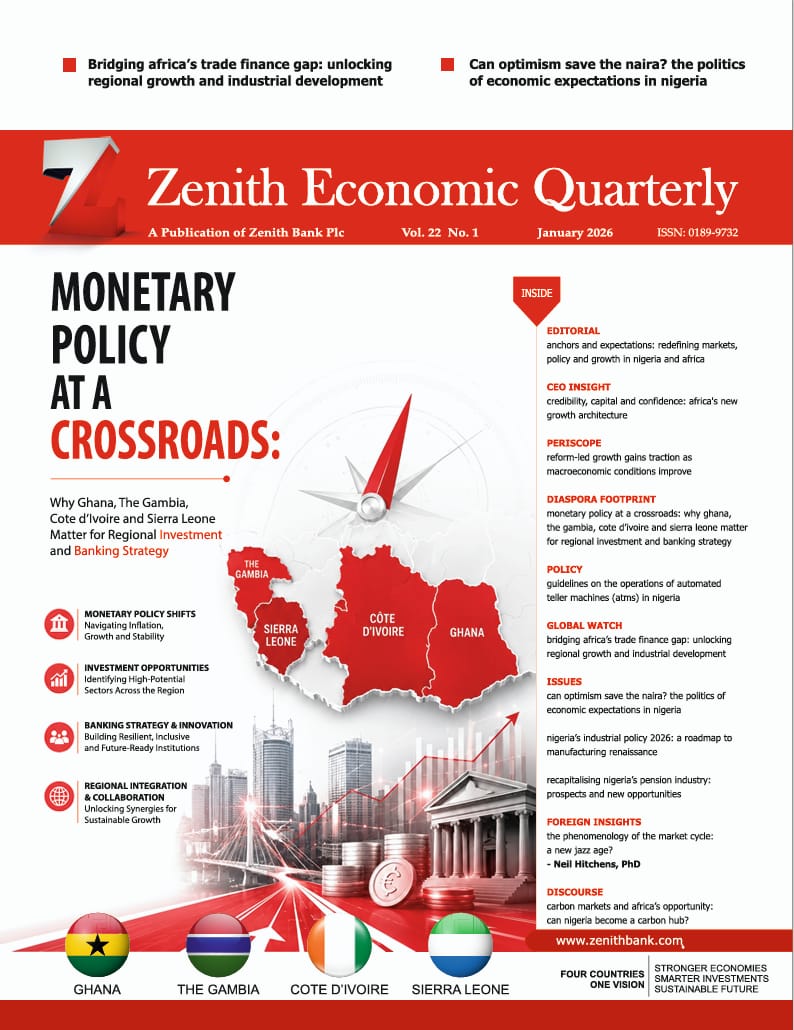 https://www.digital.zenithbank.com/ZEQ/ZEQ-jan-2026/index.html#p=1
According to the Managing Director of CPPE, Dr Muda Yusuf, the impact of rising energy prices is especially severe in Nigeria because businesses depend heavily on petrol and diesel to power their operations amid persistent electricity supply challenges. In addition to higher fuel costs, firms are also grappling with increased transportation and distribution expenses, creating a significant escalation in operating costs. The combined effect, the organisation noted, is mounting pressure on profit margins and heightened risks to business sustainability.
CPPE explained that businesses are already contending with multiple macroeconomic pressures including high inflation, elevated interest rates, and weak consumer purchasing power. The latest escalation in energy costs therefore compounds an already challenging operating environment. Without deliberate adjustments by businesses and supportive policy interventions from government, the organisation warned that rising energy costs could further erode profitability, weaken enterprise resilience, and dampen economic growth.
To address these challenges, CPPE outlined several strategic responses that businesses—particularly SMEs—should adopt to manage rising energy costs. The organisation emphasized that improving energy efficiency remains the quickest and most cost-effective strategy for firms seeking to reduce fuel expenses. Businesses were advised to conduct comprehensive reviews of their energy consumption patterns with the objective of minimizing waste and improving productivity per unit of energy used. Measures such as optimizing generator operating hours, deploying energy-efficient machinery, strengthening internal energy management practices, and encouraging energy conservation among staff can significantly reduce fuel consumption and operating costs.
The organisation also stressed the importance of diversifying energy sources. CPPE noted that Nigerian businesses remain excessively dependent on diesel and petrol generators, exposing them to fuel price volatility. To address this vulnerability, businesses were encouraged to gradually adopt alternative energy solutions such as solar power systems, hybrid energy solutions combining solar and generator power, and gas-powered generators in locations where gas infrastructure is available. Although the initial investment costs may be high, CPPE said the long-term savings from renewable and hybrid energy systems are becoming increasingly attractive in the context of persistently high fuel prices.
Improving logistics and supply chain efficiency was also identified as a key strategy. CPPE explained that energy price shocks often transmit strongly through transportation costs, making it necessary for firms to review logistics operations to reduce fuel consumption. Strategies such as consolidating deliveries, optimizing transport routes, improving fleet management systems, and adopting shared logistics platforms can significantly reduce transportation costs. Increased use of digital platforms and remote transactions can also reduce the need for physical movement, thereby lowering energy expenditure within supply chains.
CPPE further advised businesses to adopt flexible pricing and cost management strategies in response to rising operational expenses. However, the organisation cautioned that price adjustments should be carefully managed to avoid losing customers in an already fragile consumer market. Gradual price adjustments, improved product value propositions, and innovative packaging strategies such as smaller product sizes or redesigned offerings can help firms remain competitive while managing cost pressures.
The policy institute also highlighted the importance of strengthening cash flow and financial management. Periods of energy price volatility often create liquidity pressures, especially for SMEs with limited financial buffers. CPPE therefore urged businesses to minimize non-essential expenditures, improve inventory management, and renegotiate supplier payment terms where possible. Maintaining adequate liquidity buffers, the organisation noted, can help businesses absorb temporary cost shocks and maintain operational stability.
In addition, CPPE encouraged businesses operating within industrial clusters to explore collaborative solutions that reduce operating costs. Shared infrastructure such as joint power generation systems, shared logistics services, and common warehousing facilities can generate economies of scale that lower both energy and logistics expenses. Such collaborative arrangements, the organisation said, can significantly strengthen the resilience of SMEs during periods of cost shocks.
While outlining actions for businesses, CPPE also called on government to adopt supportive policy measures to ease the structural energy cost burden facing enterprises. The organisation recommended expanding fiscal and regulatory incentives to encourage the adoption of renewable energy solutions. These measures may include tax incentives for solar installations, import duty waivers for renewable energy equipment, and fiscal support for investments in energy-efficient technologies.
Access to affordable financing was identified as another critical factor. CPPE noted that the high cost of capital remains one of the biggest barriers preventing SMEs from investing in alternative energy systems. Government, development finance institutions, and commercial banks were therefore urged to establish dedicated financing windows to support investments in renewable energy solutions and energy-efficient equipment.
The organisation also emphasized the strategic importance of strengthening domestic refining capacity as part of Nigeria’s broader energy security framework. Expanding local refining capacity and ensuring reliable crude oil supply to domestic refineries would help improve stability in the petroleum products market and reduce the transmission of global supply disruptions into the domestic economy. CPPE added that stronger domestic refining capacity could also reduce Nigeria’s dependence on imported petroleum products, conserve foreign exchange, and create opportunities for the country to export refined products to regional markets.
According to CPPE, the most sustainable solution to Nigeria’s high energy cost environment lies in improving the reliability and availability of grid electricity. The organisation therefore urged government to intensify efforts to expand electricity generation capacity, strengthen transmission infrastructure, and improve the operational efficiency and financial viability of electricity distribution networks across the country. A more reliable electricity supply would significantly reduce the heavy dependence of businesses on diesel and petrol generators, which currently constitute a major component of operating costs.
CPPE concluded that the current surge in global energy prices once again highlights the vulnerability of businesses and economies to external shocks in international energy markets. The organisation stressed that resilience for Nigerian businesses will depend on improved energy efficiency, diversification of energy sources, stronger financial management, and more efficient logistics systems. At the same time, it emphasized that supportive public policies in areas such as electricity reform, renewable energy adoption, and domestic refining capacity will be essential for strengthening the competitiveness and long-term sustainability of Nigeria’s business environment.