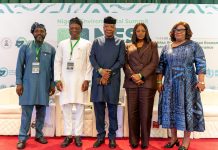






















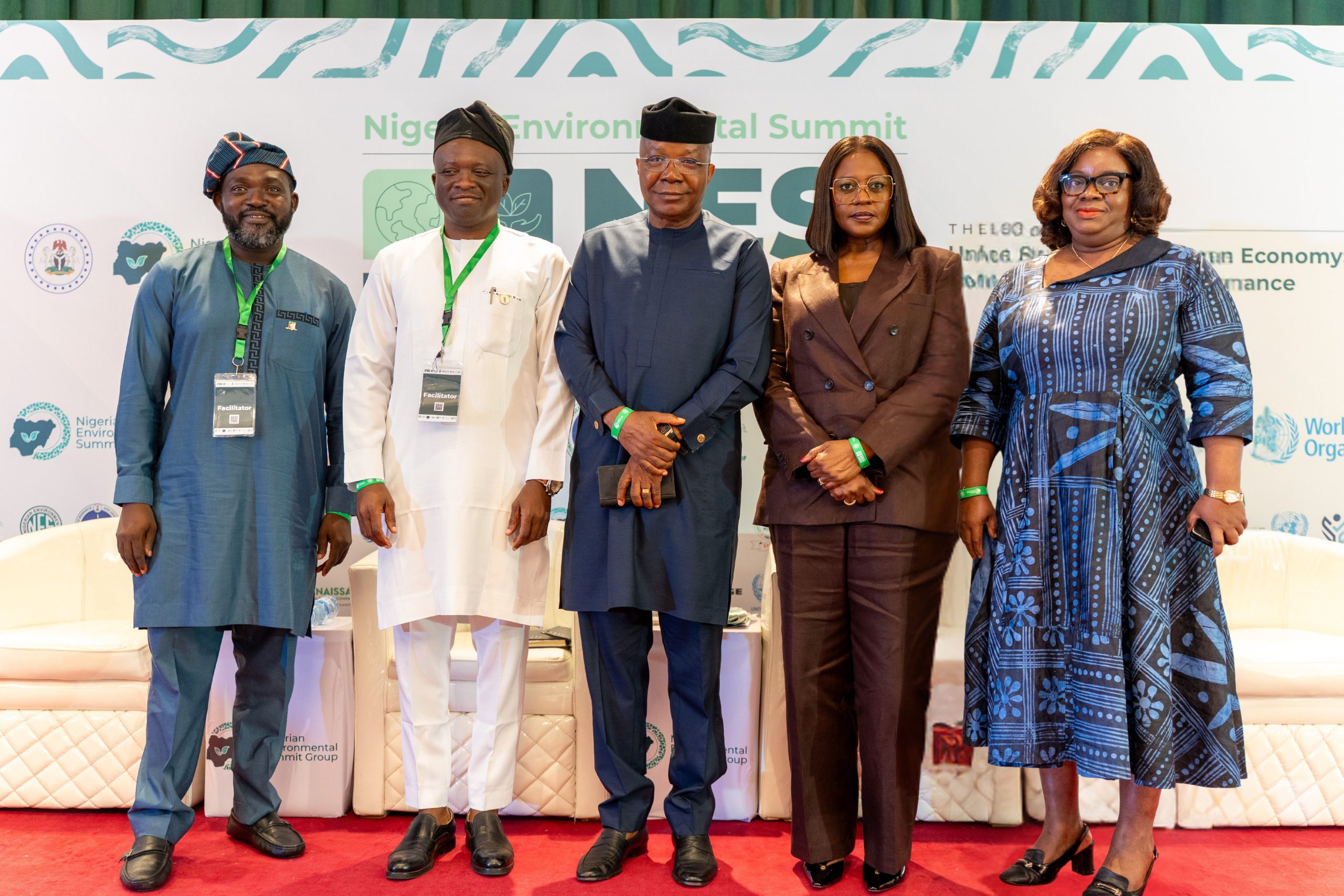
HBM Nigeria Plc, formerly known as Lafarge Africa Plc, a leading Nigerian building solutions company and a member of the Huaxin Building Materials Group, has called for the urgent acceleration of climate action, sustainable infrastructure development and stronger cross-sector collaboration to unlock Nigeria’s green-economy potential at the 2026 Nigeria Environmental Summit (NESt), held on Wednesday, June 17 and Thursday, June 18, 2026, at the Abuja Continental Hotel, Abuja.
 https://www.digital.zenithbank.com/ZEQ/ZEQ-jan-2026/index.html#p=1
The Director, Organisation & Human Resources, HBM Nigeria Plc, Gbemiga Owolabi, made this known at the summit, themed “Unlocking Nigeria’s Green Economy: Driving Climate Action and Environmental Governance.” It brought together government officials, investors, private sector leaders, academia, civil society and international partners, who used the opportunity to advance strategies aimed at unlocking over $5 billion in investment pipelines, strengthening governance reforms and driving equity-focused climate action across Nigeria.
While commending the organisers for convening a timely platform for national dialogue on climate and sustainability, Owolabi noted that Nigeria’s transition to a green economy presents both a development imperative and an economic opportunity. He explained that achieving Nigeria’s green transition requires collaboration across government, industry, academia, development institutions and civil society, stating that there is a need to move beyond dialogue to measurable action.
“We congratulate the organisers of the Nigeria Environmental Summit for convening this timely platform. As Nigeria pursues sustainable economic growth, the transition to a green economy presents a unique opportunity to drive development while addressing climate change. Economic progress and environmental stewardship are not competing priorities; they are mutually reinforcing. Through climate-smart investments and sustainable practices, Nigeria can create jobs, strengthen resilience, attract investment and secure long-term prosperity for future generations,” he said.
Also, the Country Head, Aggregates and Concrete, HBM Nigeria Plc, Emmanuel Ilaboya, highlighted the growing pressures shaping Nigeria’s infrastructure and urban development landscape, including rapid population growth, urbanisation, climate change impacts such as flooding and increasing demand for improved living standards.
Ilaboya noted that future cities must prioritise resilience, durability and efficiency, noting that infrastructure must be designed not only for current needs but also for future generations. He added that verified emission reductions in construction projects could unlock significant carbon finance opportunities, creating additional revenue streams for developers, governments and citizens.
“Population growth, urbanisation, climate change impacts and rising demand for improved living standards are all happening simultaneously, and this is putting pressure on how we build and what we build for the future. We need to move from a linear construction model to a circular one, in which materials are reused rather than treated as waste. If we continue extracting raw materials without recycling, we will face serious environmental and resource challenges,” he added.
In her remarks, the Director, Health, Safety and Environment, HBM Nigeria Plc, Rachel Ezembakwe, stressed that worker safety, design efficiency, and end-user well-being must be central to infrastructure development, noting that sustainable cities cannot be achieved at the expense of human life.
The Chairman, NESt 2026 Implementation Team, Global, Dr. Edwin Edeh, in his opening remarks, emphasised the need for coordinated action across sectors and urged stakeholders to move beyond dialogue to implementation, particularly in climate-smart infrastructure, green finance, and environmental governance.
The Honourable Minister of Environment, Mallam Balarabe Abbas Lawal, also called for accelerated investment in green finance mechanisms, including carbon markets, blended finance, and public-private partnerships, to support Nigeria’s climate transition.