
























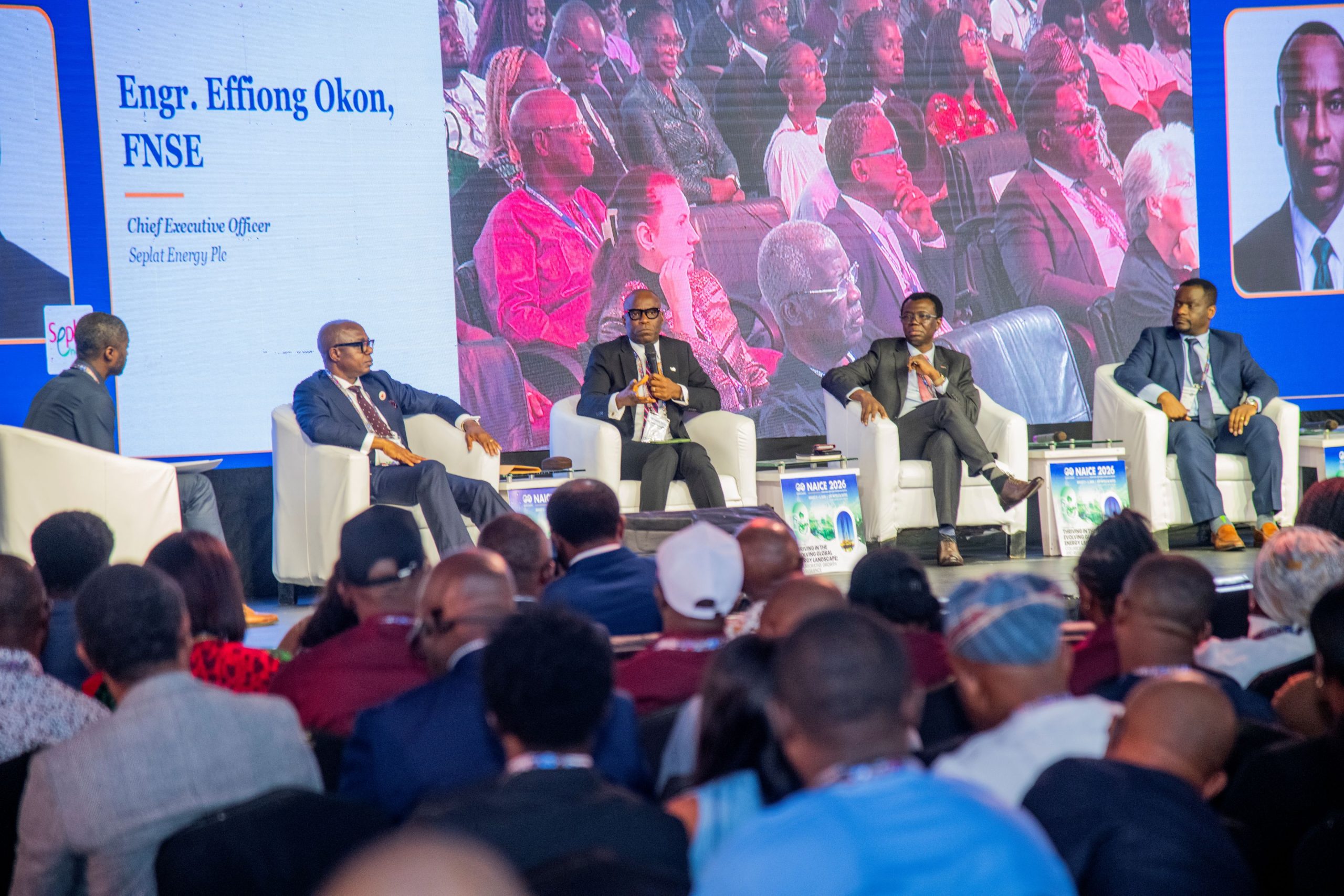
For independent oil and gas players in Nigeria to optimise the value of their assets, boost returns on investment, and ensure resilient systems, they must get asset integrity right, address obsolescence in their operations, and consciously work on the life extension of their assets, the CEO of Seplat Energy, Engr. Effiong Okon has said.
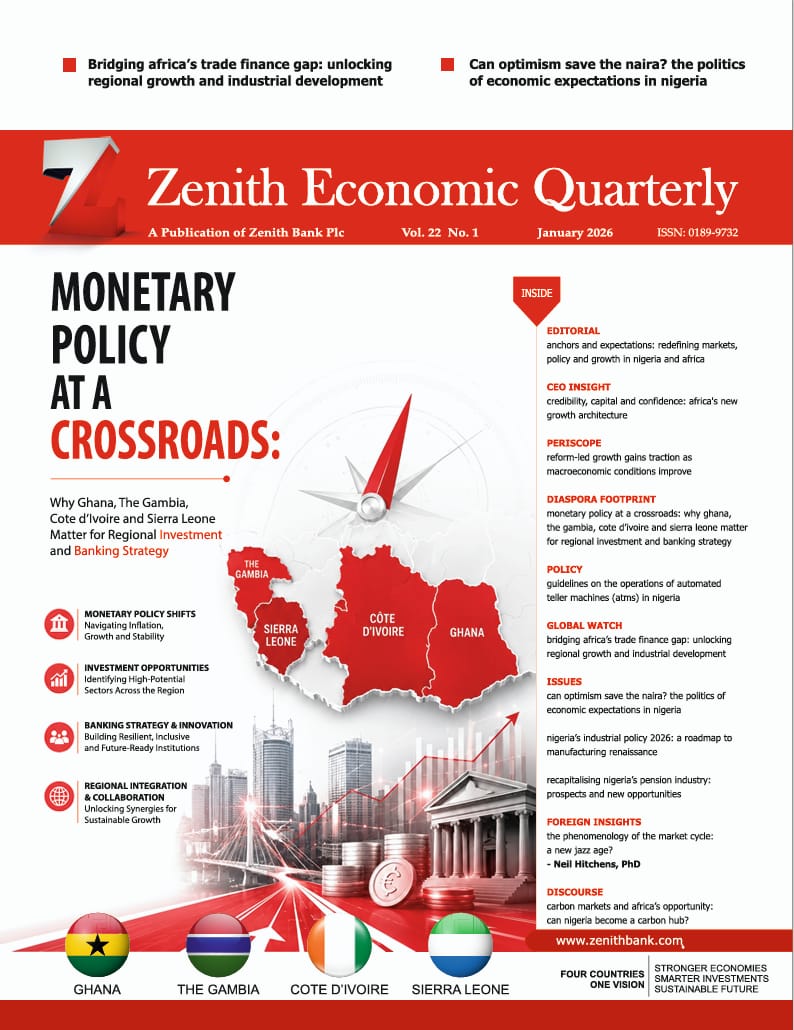 https://www.digital.zenithbank.com/ZEQ/ZEQ-jan-2026/index.html#p=1
Engr. Okon said this during Panel Session Two (2) of the 49th Nigeria Annual International Conference and Exhibition (NAICE), organised by the Society of Petroleum Engineers (SPE) in Lagos, themed “Building Resilient Energy Systems in a Rapidly Evolving Energy Landscape”.
According to him, critical equipment must be maintained at top-quartile performance of 95 per cent, meaning that 95 per cent of the time, the equipment should be running. “When you do all that, you drive down unscheduled deferment. In fact, you must follow your oil and gas molecules from the reservoir to the export. The approach is all-encompassing – you must understand your reservoir capacity, well capacity, your flow line and surface facilities. These mean a total understanding of the asset,” he emphasised.
On ways of further reducing cost in operations, he said effective water treatment, ending routine flares and monetising every gas molecule instead of paying penalties on flares, cutting a few redundancies for evacuation routes, and building capacity around logistics and outsourcing would significantly impact operations.
The Seplat CEO also called for deliberate investment in human capital to truly understand the subsurface, wells, and facilities. According to him, the right knowledge could then be driven by requisite capital raising, which ultimately drives value optimisation. He therefore called on SPE to develop more engineers to address the skills gap and drive efficiency in the Nigerian oil and gas sector.
Speaking on Seplat Energy’s commitment to advancing shareholders’ value, Engr. Okon said the company had delivered significant value to shareholders through share appreciation and dividend payouts over the year, whilst also balancing this with capital allocation aimed at further building the company for the future.
He said the company had distinguished itself in the area of gas development and performance domestically, noting that the shallow-water business has about 12TCF of gas, which will be unlocked, accelerated, and monetised more than the company has ever done.
“We are indeed trailblazers when it comes to domestic gas development. We are also doing a lot of Liquefied Petroleum Gas (LPG) in the domestic market to displace biomass and contribute to addressing carbon intensity issues,” he said.