Category: Features

Featured posts

  • Feature- Brand Engagement: Do You Really Need It? This Will Help You Decide!

    by Olayemi Samuel Oluwaseun

    Before you read this article, there is a question you’re mandated to ask. It’s okay if you’re not so sure what the right response should be, but the emphasis is on ‘attempt’. Here you go – does your brand really need engagement? Well, reading till the end will help you decide a clear-cut response.

    The general acceptance of marketing communication’s rounder, brands are built on relationships and to form a relationship; an engagement in the form of connection has to take place through intentionally strategic tactics. A whole effort is poured into the cup to arrest an attention-driven down the aisle with customers.  Truly, the connection is a key factor that helps the best brands in the world to emotionally flow with both prospective and existing customers.

    To ride on, brand engagement is a coined term used to explain the process of forming an emotional, rational and empirical attachment between target audience and brand. It also signifies commitment, awareness as well as loyalty. More of a reason, it combines both internal and external factors. So, when a brand prepares to engage, it starts with its employers – drivers of the brand and extends to the external audience – the consumers who patronize what comes from the brand’s stable. So why does your brand matter when it’s not engaged? 

    Research has shown that brands that engage less with customers rarely make way into the minds of the customers, while those that get engaged more with customers end up building customers’ loyalty and brand’s equity. Brand engagement increases the level of emotional connection a brand has with its existing and prospective customers spread across several locations.

    Fully proven, consumers first learn about businesses before deciding to patronize certain products or services. Hence, to hand over what they need to know, messaging is essential as it provides relevant information, distinctive standpoints and imaginative inspiration of the mental picture the products and services can accord them if tried out. With that on, the need to put in place a sweet relationship and bonding through brand engagement.

    Now that emotional connection has been emphasized and experiential communication has been spelt to help in engagement, let’s consider the following messaging tactics still for maximum brand engagement journey.

    Don’t gain only, balance the equation. Of truth, brands are mostly concerned with getting new customers while they lose the existing ones daily to ‘ever-hungry brands’ – competition because of relationship error. It costs more to regain/lure a lost customer than to get a new one. Therefore, strive to keep the existing customers by engaging them as much as possible.

    Be humane. A poll that was run some weeks ago suggested that customers desire brands to relate with them as humans, not as aliens. Their reasons, being humans having emotional touchpoints. It’s okay to have chatbots, but ensure what they do is brief and they can direct customers to customer service representatives as promptly as possible.  

    Start and drive a conversation. This method is more potent online. Of course, online communities and social media platforms are a good place to start and moderate conversations. Though they could be crowded because every brand wrestles to gain traction, when your brand enters exponentially with intelligent and consumers’ focused conversation, it shakes the table and controls the thread of line. Do not bother about how many people get involved. A rich reach without reaction is a potential converting point at the nearest moment.

    Be consistent. How would you feel if you got to your favorite news website and found no new blog there? Maybe I should answer. I sure will feel disappointed and if it happens often, I will change my route. That’s exactly how important consistency is. A conversation with huge reach and low interaction could water down morals, but there are residual results that would come in handy when potential customers need what you offer. So a brand must keep communicating known value with a fresh approach to suit the current taste of every dynamic consumer. Careful crafting of emotional connections in the hearts of customers must be deliberate and at a consistent rate.

    Ask direct questions. Customers are always eager to tell the state of brand relationships. 80% of brands that ask their customers’ questions are perceived as customer-oriented brands. Question is one of the potent, yet popular ways by which brands can solicit honest feedback. Asking questions through the social media platforms–Facebook, Twitter, Instagram, and LinkedIn et al. can help your brand get insightful information that could birth new product discovery or improvement. A brand can likewise leverage polls and surveys. Since the goal is engagement, the questions must be concise, simple and easy to attempt, putting into consideration what your target audience are.

    Understand each touchpoints. What it takes to attract a first-time buyer is on a different template, with converting such to a fully engaged customer. So, the goal should determine what is said and how it is said. New customers are like infants, very sensitive and with a short attention span. Hence, the engagement should attempt the nature-kind and the touch point of conversing.

    Challenge them to a contest. Digital contests are a big deal these days and keying into them would add up to the overall organisational mileage. It can be as simple as posting regular day-to-day activities to earn a prize like cash or products and services. Apart from the fact that it is an essential tool to pitch the brand in a powerful way, it is a lighter way to champion a fun-packed experience for the participants–customers. Depending on your target audience, Instagram and Twitter is highly recommended for a digital contest as they both provide a real-time experience for the users through hash-tag pin pointing. The focus should be on the customers, not on the brand. People love it when they are at the center of focus.

    Create a community and add value. A community is a small and global village where people of similar interests can come together, bond and have a conversation on certain discussions. Leveraging this from a brand’s perspective can make the brand a personal belonging and a ‘thing of ours’. One of the best platforms for the community is Facebook, now Meta. In there, important information about the brand’s new offers could be shared as a special treatment for affiliating with the brand. 

    All being said, you can then revisit the starting question. By now, without mincing words, every brand needs to engage its customers strategically because one size does not fit all.

    The level of emotional connection wave-up by a brand goes a long way towards determining the customer experience of the brand. That suggests that whenever customers come in contact with the brand, they must be tactically engaged, and otherwise, they will get engaged to some other brand. Each customer’s encounter is yet another opportunity to reinforce and renew the relationship between the brand and the customers. 

    ………………………………………………………………………………………………………………..

    Olayemi Samuel is a Lagos-based marketing communications and brand engagement practitioner with close to a decade’s industry experience. You can reach him on Twitter @olayemisamuelo or email sambabyface1@gmail.com

  • Feature- As Ikeja Electric bill is now more than the Minimum Wage

    Feature- As Ikeja Electric bill is now more than the Minimum Wage

    By Abolade Ademola

    In Laaga community, located around Ewu-Elepe, a suburb of Ikorodu, residents have been made to pay an estimated bill that is more than the minimum wage of the entire country, Nigeria. The steady rise in the bill is very discomforting in a country where the rate of inflation keeps rising without a commensurate rise in income.

    The residents of a community with few pre-paid meters have been suffering in silence for some months now but it has become very unbearable with the bill sent for January 2022 in the last few days, a whopping sum of N23,000 (twenty-three thousand naira) only! It is such an exasperating amount that everyone is lamenting this outrageous amount that was sent.

    From findings, this rate is not just for Laaga community, the rate is also applicable to other adjoining communities. These include Mowo Kekere; Oke Eletu; Eleshin amongst others. This means it has become general exploitation to residents of Ikorodu most especially all those on Ijede road.

    Our rights as Electricity consumers in Nigeria have been trampled upon- new electricity connections are not done strictly based on metering before connection. The community is filled up with new customers that were connected to Ikeja Electric without a meter first being installed at the premises. As customers, we do not have an understanding of transparent electricity billing at the current rate. We are being overbilled unjustly and we are exercising our rights to contest any electricity bill.

    Between October and December 2021, the bill was hovering around N12,000 (twelve thousand naira) only and when the December bill was sent in January, it was N18,000 (Eighteen thousand naira) only and the January bill was N23,000. This progression is alarming, the residents feel slighted and offended at this daylight robbery.

    In January, after receiving the bill, residents went to the Omitoro undertaking office to complain and they were told that the hike was because of the electric consumption in December. Grudgingly, people accepted but that of January cannot be justified. In the last two weeks, residents of Laaga have been battling low voltage and disruption in the availability of electricity because of the malfunctioning transformer. How can the consumption be the same when we are not having light? That means the assumed estimated billing being done from the transformer is not being done and we are just being exploited.

    Historically, the old transformer was taken away but PHCN/Ikeja Electric workers and the community was left in darkness. It took the efforts of the community residents to purchase the currently malfunctioning transformer. All the electric poles and cables within the community were bought with communal efforts and people are still suffering from outrageous bills like this. 

    Asides from this, they provide security on their own, streetlights, grade their road network from time to time amongst others.

    Many of the residents of Laaga are civil servants and private sector people who leave their residents in the morning and return home late in the evening. It is evident in the way they troupe out and during the day. The Small and Medium Scale enterprises (MSMEs) in the neighbourhood have been grounded to a halt because they cannot power their businesses except the big ones who have generating sets. So, what we are made to pay has gone beyond the minimum wage of Nigeria and we are also not “heavy-users” of electricity like the industrial areas.

    The request from pre-paid meters is also accompanied by its own herculean tasks. Meters are now being paid for- a-one phase meter at about 70,000 (seventy thousand naira) only while a-three phase meter is about 120,000 (one hundred and twenty thousand naira) only excluding the possibility of bribing one’s way to fast-track purchase and installation.

    It is also rather unfortunate that Nigerians are made to still fill, KYC (Know Your Customer) form online and there is a time lag, which cannot be determined, on the period when mapping will be done and the metering will eventually be done.

    Silently and unfortunately, there has been an increase in electricity tariff in the last four months but it needs to be in tandem with the economic realities of the time. The rate was 23.30 before it was increased to 25.3 but the February bill is at 27.22. It is really a breach of contract as our rights to adequate information have been violated over and over. The suffering and smiling mode are already on the extreme and the residents of the community are ready to take the bull by the horn by disconnecting electricity and resolving to generators like it is being in some houses. In the last two weeks, when we have been on low voltage, we have survived and without electricity from Ikeja Electric, we will resolve to be Independent Power Generating Houses. 

    We would call on Ikeja Electric and the Nigerian Electricity Regulatory Commission to come to our aid so as not to discourage tax-paying Nigerians from being customers of the Power Holding Company of Nigeria (PHCN). Of what good will it do all these organizations if all people who provided electricity infrastructure for themselves are being deprived of it?

    We need our pre-paid meters now or Ikeja Electric should keep their low voltage while we become our Independent Power Generating Houses.

    Abolade Ademola is a Public Affairs Specialist and a resident of Laaga Community, via Ewu-Elepe, Ikorodu, Lagos, Nigeria.

  • Feature: Who Exactly is Hon. Shina Peller Representing?

    Feature: Who Exactly is Hon. Shina Peller Representing?

    by Martin Alesinloye

    In recent years, the clamour for youth representation has continued to gain prominence across various strata of political leadership. Many groups have been formed to lead this conversation but are the populace truly represented? This has made people assume that the real identity of a man can only be known when he is given power most especially political power. It is presumed that someone who seeks elective positions must be well-informed about the challenges of his constituents and must be willing to help them chart a course out of the issues. It is not yet Uhuru for the people of the Iseyin, Itesiwaju, Iwajowa and Kajola Federal Constituency in the last three years.

    Hon. Shina Peller, who was elected on the platform of All Progressives Congress (APC) representing Iseyin, Itesiwaju, Iwajowa and Kajola Federal constituency at the Federal House of Representatives is yet to deliver on his electoral promises since he got into office in 2019. When he presented himself as an ‘Omoluabi’, everyone assumed that he is the messiah that the constituency have been anticipating for so long, during the electioneering campaign as far back as 2018, when he was available to his constituents. He moving from locality to the other, crisscrossing all the hamlets, communities, and towns making promises, just to familiarize himself with them. Without mincing words, his philanthropic gimmick worked, people voted for him enmasse to represent the constituency at the Green Chamber, with many expectations from the Iseyin born politician.

    Just like the Yoruba would call a particular deity as “o funni l’adie sin, gba odidi eran lowo eni”, the case is similar to that of Shina Peller, who used the crumbles that fell from his table to entice his constituents, now, he is lavishing on their entitlement. In the last 2 and half years, there is no major capital project to point at in any local government he is representing at the Green Chamber.

    Sometimes in 2020, Ayobami Adesanmi wrote an article asking lawmaker about when his magic wand would become visible? Mr Olowo-Idan, to think that all the details your press secretary on your behalf enlisted in the rejoinder to the aforementioned article are the philanthropically acts you did to the people of the constituency before the 2019 general elections. Interestingly, we have seen the great deeds of Senator AbdulFatai Buhari representating Oyo North Federal Senatorial District but the good people of Kajola, Itesiwaju Iwajowa and Iseyin federal constituency have not enjoyed reasonable dividends of democracy through their Honourable in the Federal House of Representatives.

    Eyes could see, ears could hear of what other lawmakers are doing in their constituency and we have no choice but to ask questions. It should not be a big deal to see our Honourable rehabilitate the road network within his consistency; this alone will almost give him an automatic ticket to the Green Chambers once more but all that we have been hearing from the grapevine is that the honourable is aiming for the Senate and the Gubernatorial seat in the nearest future.

    What your constituents need is not the Peace Tour or the Progressive Youth Festival that you’ve decided to embark on. Beyond the Youth O’clock Campaign across many states namely Ondo, Lagos, Oyo, Osun, Ogun, Ekiti and Kwara; your constituents need to savour your impact across the various local governments that make up the constituency. As the Yoruba saying goes, “Ile la a ti keso rode!”

    If the youths really want to take up the political roles, they need to convince the electorate of their readiness to serve the people genuinely and not make it a means to an end for themselves and their families. The good people of your constituency are anxiously waiting for your impact. It is not totally too late to trace your steps back and treat your people right by extending the dividends of democracy they deserved to them.

    Even though constitutional responsibility calls for legislation, we would like to know the motions during plenary sessions that would positively impact on the constituency as a whole. It is very important to add that beyond your hometown, Iseyin, no other town has felt your presence in the hallowed chambers. All of these would be needed to speak for you at the impending elections. It would be nice for you to have a rethink of what your people will remember you for, what legacy do you plan to leave behind.

    It will be nice to know if Honourable Shina Peller is truly representing, Iseyin, Itesiwaju, Iwajowa and Kajola Federal Constituency or you’re representing yourself, family and friends? Let us know our fate as your constituents?

    Martin Alesinloye hails from Iganna, Oyo State

  • Feature: Nigeria needs to mass-produce bicycles to support our Green Transportation Policy

    Feature: Nigeria needs to mass-produce bicycles to support our Green Transportation Policy

    By Ayo Akinfe

    Whether we like it or not Nigeria needs to adopt the South Korean doctrine of “Anything we don’t make we don’t need” and then start to mass-produce bicycles as part of a green transportation policy.

    [1] Nigeria was founded on the basis of the fact that she could supply Europe with commodities she needed at particular points in time. First of all it was human cargo in the form of slaves and then it later became palm oil once the Trans-Atlantic Slave Trade was abolished in 1833. I ask myself why we have not continued with that trend. As the world’s largest black nation, Nigeria has got to be one of humanity’s greatest providers, only this time, to out own benefit

    [2] We are living at a time when for the first time in his history, man has acknowledged that he is vandalising the planet and something needs to be done about it. Agreeing to save our environment is one of the biggest achievements of this generation of human beings

    [3] As part of this green drive, the global demand for bicycles is insatiable. Do you know that by 2025, the global bicycle industry will be worth $75bn? Across large swathes of Europe and Asia, urban dwellers are abandoning their cars are opting to cycle

    [4] Is there anything stopping one Nigerian state governor going to a city like say London, Beijing, Berlin, Paris, Kuala Lumpur, Amsterdam, Tokyo or Brussels and offering the mayor there a deal whereby a Nigerian factory will manufacture and deliver 1m bicycles within six months?

    [5] The technology required to manufacture bicycles is very basic and we have the manpower to establish new factories in abundance. Why is Nigeria not the bicycle manufacturing capital of the world?

    [6] In 2017, Taiwan cashed in immensely from this growth as the country exported 1.65m bicycles, generating $1.09bn for the treasury. I would not be surprised if that figure has doubled today

    [7] If you ask me, one key thing Nigeria has to do is come up with a unique bicycle design. Produce a cheap, reliable and comfortable bike that is suited to urban conditions. We then need to patent it and then mass produce the bicycle. We could even design one with an umbrella or a mobile phone charger. Once a people start thinking, you will be shocked with how the ideas start flowing

    [8] Titanium-based bicycles are gaining in popularity globally, particularly among professional riders. These bicycles weigh half as much as conventional one and offer double the amount of strength. Also, high tensile strength, inherent flexibility and low elastic modulus of titanium further allows the frames of bicycles to stay strong for a longer period. Nigeria has thus got to make titanium production a major national priority. Even if Nigeria is not mining titanium in large quantities right now, what stops us buying up all the supplies we can lay our hands from across Africa? Mozambique, South Africa, Sierra Leone and Kenya all have substantial titanium deposits

    [9] What blows my head away is the fact that Nigerians love cars, have about 12m on their roads but alas 95% if them are imported. How dare we have such a passion for a product we do not produce. In South Korea, the national slogan is: “Anything we don’t produce we don’t need.” Until we can mass produce cars, we should all stick to riding bicycles in my opinion!

    [10] To realise this dream, however, we need a private sector manufacture to step into the void. Looking at Nigeria today, I only see Innoson Motors and Dangote Industries. Not having enough of these private sector industrialists and manufacturers is the greatest weakness of the Nigerian economy. It is one reason why I desperately want our wealthy general overseers to pool their resources together and create an industrial conglomerate. Until that happens, we will remain a nation locked in poverty and dependence on primary commodities

  • Feature- Hospitals Are Established To Admit Sick Patients, Not Turn Them Away: The LASUTH Perspective

    By Oluwaseyi Adewale

    With good intent, every generation has reasons for taking certain humanitarian decisions for the betterment of the society. This can also be said of the evolution of the Cottage Hospital located in Ikeja, Lagos, which has metamorphosed into the Lagos State University Teaching Hospital (LASUTH).

    The hospital began operations in 1955 as a cottage hospital founded by the Old Western Regional Government to provide healthcare services for the people of Ikeja and its suburbs. A cottage hospital is a small rural hospital with a few beds. This cottage hospital concept is a type of hospital mostly located in the United Kingdom. As the need for quality medicare increased in Ikeja and environs, the hospital was transformed and became known as the Ikeja General Hospital before the administration of Asiwaju Bola Ahmed Tinubu who then transformed it into a tertiary healthcare institution now known as LASUTH.

    As is typical of a tertiary institution that aims to become a quaternary healthcare institution in the nearest future, its utmost priority should be in the areas of advanced medicare.

    This is supposed to be the core of the healthcare services provided by the institution but there are a lot of distractions because uncomplicated cases that could be handled by the many Primary Health Centres and the 27 General hospitals located across the state are usually brought to LASUTH. As such, this impedes the core activities of the institution. Eighty percent of cases brought to LASUTH as emergencies are not tertiary cases.

    It is very important to add that the management of LASUTH is poised to provide optimal care to all patients that come into its facilities. The ever-recurring tales of no bed space within the hospital have become disconcerting. Currently, LASUTH has a 750-bed capacity and with the bourgeoning cases of emergencies in the state, only 36 beds are available for medical and surgical emergency cases. Unfortunately, the demand for emergency beds is much more than what is available.

    Under the leadership of the Chief Medical Director (CMD) of the hospital, Prof. Adetokunbo O. Fabamwo, the hospital has a policy of not turning any emergency back but in the event no available bed space, first aid is administered to the patient before any form of referral to any other reputable tertiary institution. Prof. Fabamwo noted that the hospital is established to admit patients and not turn them back but when all the beds are occupied, it is not feasible. In addition, it is unethical and unprofessional for patients to be admitted and treated on the floor.

    With the strides of the current administration of Mr. Babajide Sanwo-Olu in the health sector, the Lagos State Government has assiduously improved and empowered the primary and secondary healthcare facilities. A lot of infrastructural upgrades are ongoing. In addition, massive recruitment of health personnel was recently embarked upon at the three levels of health care.

    As Lagosians keep thronging to LASUTH, the hospital keeps expending both human and material resources on primary healthcare cases rather than the serious and complicated cases that the hospital should be focused on delivering. Also, Lagos as the most populous state in the country and with the influx of more people into the Centre of Excellence, massive strain is constantly on its healthcare resources.

    In the 4th quarter of 2021, the total number of visits to the hospital was a total of 50,959, 3,861 were in-patients on admission, while 47,098 were out-patients. 2,658 patients admitted have been discharged. The percentage of bed occupancy averaged 98% approximately.

    As an institution that is keen on improving its services, the hospital commenced the use of bed space managers who ensure speedy transfers of stable patients from the Emergency Units to the wards.

    As at now, there is a construction of a 200-bed facility within the hospital in progress. In addition, the Lagos State Government has approved massive recruitment of relevant health workers. This process is ongoing.

    We appeal to the general public to make use of Primary Healthcare Centres and General Hospitals to ease the burden on LASUTH.

    Oluwaseyi Adewale is the Head of the Public Affairs Department of LASUTH

  • Opinion: Manufacturers Association of Nigeria (MAN) expresses concern over the Central Bank of Nigeria (CBN) guidelines on e-Valuation And e-Invoicing

    Opinion: Manufacturers Association of Nigeria (MAN) expresses concern over the Central Bank of Nigeria (CBN) guidelines on e-Valuation And e-Invoicing

    The Manufacturers Association of Nigeria (MAN) has examined the recent circular issued by the Central Bank of Nigeria (CBN) with ref. no: TED/FEM/FPC/PUB/01/001 of 21st January 2022 titled “GUIDELINES ON THE INTRODUCTION OF E-VALUATION, E-INVOICING FOR IMPORT AND EXPORT IN NIGERIA”.

    MAN appreciates the efforts of the CBN, and by extension, the Federal Government, to sanitize foreign trade transactions in Nigeria. Without a doubt, we are persuaded that it has some measure of impact on the foreign exchange profile of the country, which appears to be a major reason for the guidelines. It is, however, necessary that the apex Bank’s attention be drawn to some issues that require clarifications and others that should be reviewed. There is a need to ensure that the CBN does not go-ahead to implement the guidelines without accommodating the constructive inputs of stakeholders, especially those whose businesses would be negatively impacted.

    The Issues

    • We noted that the implementation date on the circular is scheduled for 1st February 2022; whereas the guideline itself was issued on the 21st January 2022.  This is just 11 days of grace before implementation. This is rather hasty. A circular on monetary or fiscal guidelines requires adequate adjustment time. This is more so when it involves international trade and transactions; where a minimum of 90 days allowance of time is normally required, as many operators would have opened Form M and concluded deals either for import or export. Straightaway, one must say that transactions already embarked upon before the commencement of the guidelines should be exempted and the commencement date should be extended by a minimum of 90 days.  

    • The new regulation is primarily aimed at achieving near the accurate value of imports and exports in Nigeria. It says any Form M or NXP that bears a unit price in excess of 2.5% of the verified global checkmate price will not be approved. This is concerning as it will checkmate the opportunity of our exporters to derive higher value for their exports. Besides, we are worried about the determination of the global price verification mechanism and benchmark prices.

    •What happens if some companies are able to negotiate better prices due to their scale of order and are able to get competitive lower prices? Will these competitive prices be within the benchmark? Clearly, this aspect of the policy will lead to several challenges on valuation down the line including a floodgate of valuation issues with Nigeria Customs Service (NCS).

    • We also seek clarification on paragraph D of the guidelines wherein the CBN is directing that…” the content of the electronic invoice authenticated by Authorized Dealer Banks is only advisory for the Nigeria Customs Service (NCS)”. This means that the NCS may vary it, probably uplift the FOB when issuing the PAAR. MAN considers CBN and NCS as agencies of the Federal Government and hence should harmonize their functions in this regard. Otherwise, businesses and indeed our members will be subjected to paying unnecessary and additional FOB upliftment by the Nigeria Customs Service. This is in addition to a situation that may arise where the CBN forces such an importer or manufacturer to reduce its price if it is considered not in conformity with the benchmark pricing.

    • In paragraph H, the CBN directs suppliers and buyers to transmit their authenticated invoices would be transmitted through the CBN-appointed Service Provider to the Nigeria Single Window portal. While MAN considers this measure as a step to check perceived malpractices, we believed that the essence of the Single Window’ policy is being diminished and this could introduce unnecessary bureaucracy with attendant multiple charges. We already contend with this type of anomaly and could ill afford any addition. It will also be a disincentive to local and foreign investors. 

    • Finally, the annual subscription fee charge of $350 per authentication by suppliers on the portal meant to maintain the system, is a clear disincentive to suppliers of imports to Nigeria, particularly raw materials and spares for manufacturers. This has the potential of triggering a run-on Nigeria business by their foreign partners and simultaneously encouraging these suppliers to look elsewhere in the region as well as the continent.

    Conclusion   

    The Manufacturers Association of Nigeria (MAN) therefore, would appreciate that the CBN considers all the issues raised above and suspend the policy guidelines for now; as well as give adequate consideration for a stakeholders’ dialogue with a view to addressing the concerns. There should also be a clear, step-by-step process of transaction under the guidelines. This is necessary to ensure that government does not inadvertently create a regime of chaos that will decelerate the already low level of activity in the manufacturing sector in particular and the economy in general. We should avoid a situation that will give the regulators a leeway to ride roughshod over private business owners who are already groaning under an inclement operating environment.

    SEGUN AJAYI-KADIR, mni.

    DIRECTOR-GENERAL

  • Feature: FirstBank’s SMEConnect Portal could be the Differentiator for SMEs in Nigeria

    Feature: FirstBank’s SMEConnect Portal could be the Differentiator for SMEs in Nigeria

    Over a hundred years since banks came into Nigeria, services rendered to small and medium scale businesses were limited to core banking services and transactions. However, those that cared to look further were able to stand the test of time, reinventing themselves with cutting-edge financial services that remain key to sustaining its relevance to not just its host communities but the global community. 

    Based on findings from extensive engagements with customers, internal and external surveys and reports by SMEDAN, Efina and NBS, First Bank of Nigeria Limited has been deliberate in ensuring that SMEs thrive and grow their businesses as SMEs can access and enjoy the convenience of its industry-leading financial services. FirstBank thus launched the SMEConnect portal to congregate value-adding propositions & services for SMEs on a single platform for easy access. 

    The value propositions and services on the SMEConnect portal educate and equip SMEs to combat challenges like poor business structure, lack of infrastructure, low market penetration, limited access to information and professional services, inconsistent government policies, and others that might stifle their growth. 

    For example, lack of capacity is one of the most indicted reasons for business failure or stunted growth in business. The SMEconnect portal connects business owners to resources and information to educate them on structuring and better managing their businesses. The platform houses webinars on various important topics to help educate SMEs and build the required capacity.

    The blog section of the portal has interesting and informative content like: 

    Tips for Building and maintaining good customer relationshipsRemaining in business after Covid-19; How to scale up; How to successfully separate a financial business account from a personal business account; as well as  Creating a Micropension scheme for MSMEs etc

    FirstBank also runs varying degrees of entrepreneurship programs and activities through pieces of training, workshops, seminars, business clinics and webinars, and the events are displayed on the portal for business owners to access.

    It is known that over 60% of businesses fail in their first year, not only because of capacity constraints, access to finance is another reason they fail. The SMEConnect portal connects businesses to resources and finances by providing information on the various finance options available to registered users. There is a section of the portal that breaks down the steps to accessing finance for businesses, to simple actions such as opening either savings or domiciliary accounts After all, what would be the essence of all the education and capacity building if the business owner is still unable to access finances and other resources. SMEs that have an account with FirstBank can access direct and indirect funding throughout the business life cycle via grants, debt/loans, and equity.

    In addition to other benefits, the platform connects SMEs to Market, Resources, Infrastructure, Talent for business development, Policy and Advocacy, giving them all they need to move to the next stage of their business growth. The portal also integrates SMEs into large distribution networks by connecting them to customers, distributor channels, suppliers, and large corporates.

    There are also productivity tools such as the Business Diagnostic tool that helps check the health of a business as well a pool of professionals like accountants, lawyers, digital marketers, consultants and business coaches, which SMEs can tap into. Some of these value-adding solutions are free, and for the few that are not, they come at substantially discounted rates. As the premier Bank in West Africa, First Bank has exceeded the expectation of what its services to individuals and businesses ought to be. The SMEConnect portal is one of First Bank’s initiatives to promote the sustainability of SMEs by exposing them to the knowledge and resources they need to grow their business. 

    One of the most exciting features businesses get on the SMEConnect portal is the Business Diagnostic Tool earlier mentioned, it is a 15-minute survey where SMEs are asked questions about their business and at the end, get a customised report for their business. This is ordinarily, a service that business owners pay consultants to get, but First Bank has made it available for free even to businesses that do not have an account with them.

    There are special offers for SMEs that are registered and have an account with First Bank, and an opportunity to be listed on the portal. You can find businesses listed across different industries like education/training, manufacturing, trade, agriculture, hospitality, transportation/logistics, telecommunications, ICT, healthcare and fitness, sports, FMCG, financial services, media/entertainment, food, real estate, engineering/construction, oil & gas, fashion/beauty, and services.

    These registered businesses get to showcase their products/services for free, interact with customers and other SMEs, have an opportunity to attend free monthly capacity building workshops, seminars and webinars; and get exclusive discounts on business development resources such as booking a business coach.

    As more businesses sign up and use the SMEConnect portal, it is possible to see a future where Nigerian businesses break even, thrive, and grow amidst challenges.

    Culled from Nairametrics

  • Feature: Nigeria needs ambitious Industrial Programme

    Feature: Nigeria needs ambitious Industrial Programme

    By Ayo Akinfe

    Coming up with an ambitious industrial programme that will get the likes of Dangote, Air Peace and Innoson to merge their operations to create a global conglomerate must be a key policy of our next president

    [1] No matter how you look at it, the world’s largest black nation should be seated at the high table of humanity. At some stage it is inevitable we will be because we live in a changing world. For instance, China is now the world’s second largest economy, so a G-7 meeting without Beijing present is comical. Nigeria’s seat is just waiting for us to occupy it one day

    [2] Canada has the smallest economy of all the countries in the current G-7 with a GDP of about $1.7trn. Nigeria can easily match this in 10 years were we hellbent on achieving it. I do not see a $2trn economy by 2030 as beyond us. We have the natural and human resources but what we lack is the drive as a people. We are waiting for the government to create wealth at a time when government is just a means for acquiring personal wealth

    [3] Nigeria just needs to enjoy something like 20% GDP growth every year between 2022 and 2030 and being among the world’s top 10 economies will be a fait accompli. I think once we get our heads around the reality that it is not the government that will provide this growth, we will be home and dry

    [4] You just need to look at the two biggest growth industries in Nigeria over the last 20 years and you will find that the government had nothing to do with them. Neither Nollywood or Nigeria’s plethora of evangelical churches were built by the government. They are both thriving today despite challenges like limited power supply, poor roads, corruption, etc. When we want to do anything, we get it done

    [5] For me, what is missing in Nigeria is an industrial drive. When I look at how Krupp Industries more or less single-handedly rebuilt Germany after World War One, I ask myself where Nigeria would be if we had industrialists with this kind of drive. Up until the end of the Second World War, Krupp produced battleships, U-boats, tanks, howitzers, guns, utilities and hundreds of other industrial goods

    [6] Under Nazi rule, Krupp became synonymous with slave labour but it started out as a pioneering company for workers’ rights. Its chairman Alfred Krupp initiated a system of unprecedented benefits and social programmes for workers who pledged loyalty to the company, including on-site technical and manual training, accident, sickness and life insurance, housing (sometimes free), recreational facilities and parks, schools, bath houses and department stores. Widows and orphans were guaranteed an income if their husbands or fathers were killed

    [7] Krupp also produced steel used to build railroads in the US, capped the Chrysler Building in 1929 and manufactured machinery used to travel to the bottom of the ocean. All the Maxim machine guns Frederick Lugard used to colonise Nigeria were manufactured by Krupp as the company had a contract with the British armaments company Vickers to supply them

    [8] You just name it, Krupp has manufactured it. Trucks, cars, trains, shops, etc. All the while, it has had to compete with rivals like Daimler, BMW, Opel, etc. When Nigeria wants to join the community of respected nations, we will follow this example as we have done with Nollywood and evangelical churches. Why my people expect the government to do this for them is beyond me. A government-led programme will be bureaucratic and cumbersome. Besides, it will be dictatorial with orders coming from on high. Many of such orders will be out of sync with realities on the ground

    [9] We have a few people doing their little bit industrially like Aliko Dangote, Allen Onyeama and Innocent Chukwuma but they still lack the clout to compete globally. Personally, I think we should merge their operations and create an industrial conglomerate that will operate at the level of Krupp. During World War Two, if Hitler needed 1,000 Panzer tanks, he just told Krupp to supply them and it was done

    [10] Nigeria today cannot manufacture a common battle tank and then we wonder why Boko Haram remains undefeated. It is unfortunate that most Nigerians do not even find this embarrassing. How can a nation of 200m people still be importing battle tanks, assault rifles, automobiles, railway carriages, etc. I find that an embarrassment to the human race. Before you jet out on your next junket to Dubai or throw an owambe, reflect on this. Nigerians – You are the problem!

  • Feature: My Last Chat with Soko Music Exponent, Dayo Kujore*

    Feature: My Last Chat with Soko Music Exponent, Dayo Kujore*

    By Bimbo Esho

    I was at a meeting somewhere in Surulere this afternoon when a friend called me to ask me if I heard the news of Wonder Dayo Kujore’s death. I was in great shock because I remembered I chatted with the great icon few weeks ago discussing about an event our company Evergreen Music and National Theatre was putting together in December.

    Immediately after my friend dropped I put a call through to his number to authenticate the news. The woman who picked his phone didn’t allow me to talk and she said straight away *”Aunty Bimbo to to Ni nkan ti E Fe be re( Aunty Bimbo what you want to confirm is true).* The woman introduced herself as his wife and said he has been ill. I suddenly noticed her voice faded away as I presume she must have been in shock like the rest of us.

    The news of his death is touching because WonderDayo Kujore is just coming back to limelight after a long break from music.

    I remember with nostalgia the day I sent him his picture taken from an album sleeve from our archive. He told me he was just 18 years old in the picture and he reminisced how he received tutelage under Prince Adekunle before forming his own band.

    Little did I know it will be his last supper when our company decided to give him a recognition away for his contribution to Juju music at an Elders Forum event tagged FAAJI AGBA EKO held at Up Asso Club in 2020. So hard to forget his gratitude that night and his contagious gentle mien and how he kept calling me by my Oriki.

    His song Wisdom released last year has continued to receive massive airplay on radio and frequently performed by some new generation Juju acts.

    The Abeokuta born musician who would have been 64 in April will be sorely missed by all in the entertainment industry and his legacy will continue to stand the test of time.

  • Feature: Nigeria need to learn how to build Mobile Staium like Qatar

    Feature: Nigeria need to learn how to build Mobile Staium like Qatar

    Iby Ayo Akinfe

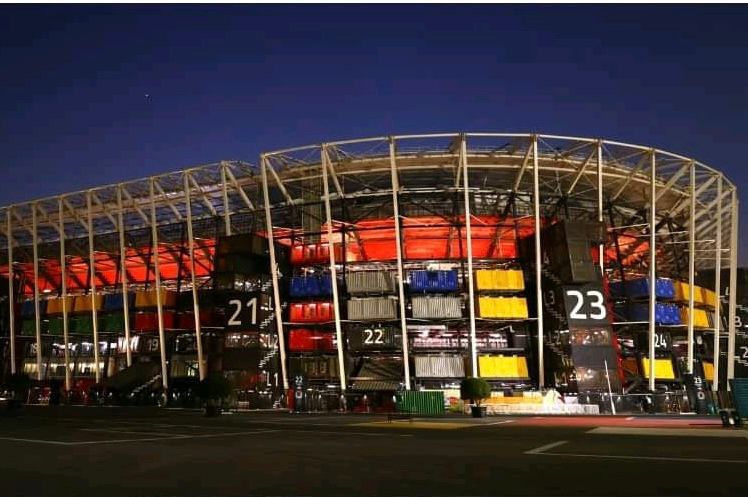
    I hope Nigeria has sent engineers to Qatar to understudy how they constructed this their new mobile stadium.

    [1] As part of its preparations for the 2022 World Cup, Qatar has built the world’s first mobile stadium that can can be dismantled and transported anywhere

    [2] I sincerely hope that the giant of Africa Nigeria is on the ground watching developments, as we will be needing this technology desperately in the future. It may be the solution to many of our continent’s infrastructural woes

    [3] For starters, as we get set to begin the African Cup of Nations, one of Cameroon’s biggest worries is the limited number of stadia she has. This is a general African problem as most nations on our continent have a maximum of two good stadia

    [4] Just imagine how much Nigeria would generate annually if we went about constructing mobile stadia across Africa

    [5] Just imagine how we could end the out-of-school problem in northern Nigeria of we could use this technology to build almajiri schools in every local government area

    [6] Many of you cannot access your villages during the rainy season because the roads are impassable. Just imagine if we adapted this technology to road and bridge building

    [7] According to the African Development Bank, Nigeria has an infrastructural deficit of $100bn. This includes schools, hospitals, roads, power plants, clinics, water works, police stations, etc. Maybe with this technology we could have the costs involved

    [8] Later this tear, I would like to see Nigeria experiment this technology by building a mobile dairy processing plant in Sambisa Forest as part of a mega ranch there

    [9] By the end of 2022, I would like to see at least six such mega dairy plants built across northern Nigeria as we and the menace of nomadism and open grazing once and for all

    [10] Maybe after the World Cup, we should ask the Qataris to come and open shop in Nigeria, building facilities and training our local engineers on how to go about it

  • Feature- 2023: Between Bola Ahmed Tinubu & his Political Apprentice

    Feature- 2023: Between Bola Ahmed Tinubu & his Political Apprentice

    by Femi Ojo

    Interesting times are here with the 2023 general elections in view and the new year 2022 as a pre-election year. The current administration of President Buhari is currently on a countdown to its expiry date and many politicians across political parties both popular and unpopular, rich, not too rich even the ones with no fat bank account are already indicating interest to take over the mantle of power from ‘Sai Baba’ come May 29, 2023.

    Of most important among these political characters and political parties positioning themselves for Aso Rock’s office are two politicians from same ruling party APC, whose supporters across the country and beyond have recently started drumming up supports for these two candidates and also consulting far and near to see the possibility of their principals to be the chosen one. These two candidates are the former governor of Lagos State, Asiwaju Bola Ahmed Tinubu, the man popularly referred to as Jagaban and the current Vice President of Nigeria, and the former attorney general of Lagos State, Prof. ‘Yemi Osinbajo. The former is a political strategist and the disputed godfather of southwest politics in Nigeria, while the latter can be said as Jagaban’s inspiring political apprentice, a learned fellow and an erudite scholar of international repute.

    The perceptible truth is that there are certain elements in the ruling party, APC that are not only ready to commit their resources, use their political networks, goodwill, connections, and source for funds from associates within and outside the ruling party to challenge and perhaps make the presidential dream of Jagaban of Borgu a tall order and in place, consent to Osinbajo’s candidacy. In Osinbajo, his supporters see a new Nigeria more governed, democratized, prosperous, united, strategically positioned in the international community, and a more respected political brand based on his experience and public figure demeanor in turbulent moments, especially in the current dispensation.

    As for Asiwaju Bola Ahmed Tinubu, without polemics, Jagaban remains a politician of note, a political strategist, godfather of some sorts, a trailblazer with a robust political network across Nigeria and beyond, a great talent discoverer, and has the financial capability to finance his political ambition and even sponsor some of his political trainees. But here is a man who has many political credits but who as well has many punitive political scores waiting for him in 2023; not only in the southwestern part of the country or the eastern part but with other politically significant individuals across the country. To them, 2023 is the payback time, and should APC present the ex-governor of Lagos State, there might be a collaboration and convergency of intra and inter oppositional elements that are ready to antagonize Jagaban’s choice and perhaps ensure his defeat at the polls.

    The political race and game for 2023 are definitely on and from all the current political quirks and realignments, one can see the activation of internal political dynamism and catechesis of external political aversion in the polity. Though pitifully, while Osinbajo’s supporters and Asiwaju’s men have started albeit strategically, creating publicity for their candidates and ensuring that those who matter are on their side and strongly canvassing other politicians and influential figures across the country for support; the supposed opposition party with umbrella is yet to have a formidable candidate that Nigerians might consider as an alternative that can bring out the country from the state of economic strangulation and hopelessness that APC has pillaged us into. 

    But having seen the current political permutations in the south and the associated agitation for zoning of the presidency to the eastern region and the rumor of possible onboarding of former President Jonathan to APC as a contender, the one million dollar question is, who between the duo of Jagaban and Osinbajo will be more acceptable not only within the ranks and files of APC but across Nigeria if eventually, the southwest gets the nod at the presidency? Again, with a paradigm shift to youth inclusion in political participation and call for a healthy presidential candidate ( one who will not be going on medical tourism abroad for months), one that is fit enough for the rigorous job that the office of Nigeria’s presidency entails, who then among the duo of Jagaban and Osinbajo is at advantage, if these factors above were to be strongly considered?

    Moreover, as the year 2022 pre-election year gradually unfolds and political parties begin to plan for their conventions and primaries, one will definitely expect that the supporters of these two politicians will have to work so hard to strongly convince APC’s party proximate actors, who among them deserves the ruling party’s support or otherwise. However, one also looks forward to seeing other candidates like Yaya Bello and the rest put up their dramatic politics not necessarily because they are serious about such ambitions but for strategic future political positioning when this administration of President Buhari is over.

    But reminisce that politics is no mathematics especially given our kind of politics in this clime; anything can still happen at the end of all the initial ‘gragra’. Who knows if none of Jagaban and Osinbajo will yield the calls of their supporters and both support the clamor for zoning of the presidency to the eastern part? Or what if President Buhari just plays the non-aligned card and just allows anyone that can convince APC’s party’s hierarchy to have the ticket?  

    This is politics, only time will tell!

    Femi Ojo is a media communications professional and wrote from Lagos.

  • Feature: FirstBank is Resilient, Stable and Built for the Long Haul- Adeduntan

    Feature: FirstBank is Resilient, Stable and Built for the Long Haul- Adeduntan

    The Managing Director/Chief Executive Officer of First Bank Nigeria Limited, Dr. Adesola Adeduntan, last year saw his tenure extended as part of efforts to ensure the stability of the financial institution. In this interview with THISDAY, he speaks about the intervention of the Central Bank of Nigeria, the future of the bank, trends that shaped the economy in 2021, his expectations for 2022 and other pertinent banking sector issues. Excerpts…

    What is the level of the Central Bank of Nigeria’s involvement in First Bank?
    The central bank’s involvement in FirstBank is essentially about playing the role of the regulator. CBN’s intervention has been in the best interest of the bank’s stakeholders and its performance; aimed at restoring confidence in the bank as well as to reassure the depositors, creditors and other stakeholders of the bank of its commitment to ensuring the stability of the financial system.

    Your third-quarter results saw a decline in some of the key indicators such as gross earnings, profit before tax and profit after tax, what was responsible for this?

    Commercial Banking reported a resilient performance resulting in a Profit before Tax of N44.3billion for the nine months period ended September 30, 2021. This result was delivered in a sustained low yield environment, which continues to compress margins as the macro-economic environment remained challenging amidst the negative impacts of the COVID-19 pandemic.

    FirstBank’s focus on putting the customers first continues to be a driving force as we keep supporting our customers in meeting their business needs. The evidence of this support is reflected in the 24.1% y-t-d growth in the loan book, underpinned by solid risk management practices and from which sustainable good quality earnings are being delivered as asset quality remains firmly under control. Furthermore, in our concerted efforts at sustaining our dominance in financial inclusion and digital banking, we continue to record growths in our agent banking business, supporting the 17.5 per cent growth in non-interest income.

    We remain determined to continue strengthening our capabilities across our footprints, as we are confident that our investment in technology and the strong balance sheet, which the Group has built over the last six years, will provide the solid platform for more impressive results into the future.

    The CBN recently introduced the eNaira, what has been the acceptance rate by FirstBank’s customers, and do you think this will positively impact your bank?

    The Central Bank of Nigeria (CBN) as the regulator of the banking industry continues to lead and drive development in the industry. In the banking industry, digital currency is the future and the CBN is staying ahead of the curve in Africa with the introduction of the eNaira given the several benefits associated with the digital currency, such as safety, speed, and convenience. A review of the events over the course of the past few years has shown that digitalisation in its different forms has been net positive for the financial services industry.

    The eNaira is no different; the digitalisation of the naira expands upon Nigeria’s already advanced payment ecosystem; the roadmap for the eNaira over the next couple of months will reveal some exciting use cases that will further grow the ecosystem and encourage even more interaction with this new form of currency. Currently, we have a whole segment of digitally curious customers who have started interacting with the eNaira, and as the eNaira ecosystem grows and acceptance increases as a store and exchange of value, so will those numbers.

    FirstBank’s channels currently account for about 17 percent of the total reported eNaira transaction volume. The bank is dependably dynamic and continues to be at the vanguard of innovation in the banking industry. Overall, I am confident that the eNaira will positively impact the bank as our customers continue to transact through the bank’s channels, supporting the digital economy drive. The number of customers will increase as the eNaira will enable the sign-on of excluded people in the financial system, thereby supporting the financial inclusion drive of the CBN. The eNaira will reduce the cost of processing cash for the bank, thereby making it a cheaper, reliable and faster way of exchange and the bank will have access to customers across the continents, simplifying and facilitating cross border payments and trade.

    What’s opinion about the CBN’s FX and what long-term impacts will it have on the exchange rate and has your bank been able to meet the demands of customer?

    The main objectives of exchange rate policy in Nigeria are to preserve the value of the domestic currency, maintain a favorable external reserves position and ensure external balance without compromising the need for internal balance and the overall goal of macroeconomic stability. The new CBN’s foreign exchange (FX) policy is geared towards harmonising the FX rates across the various markets and increasing the availability of FX to those who genuinely need it and not for those who are speculators or those who deliberately try to distort the market. The current FX policy of the CBN has recorded some successes in improving the availability of FX for transactions and curbing the incessant decline of the naira exchange rate in parallel markets.

    The current policy is expected to strengthen the naira exchange rate, however, there are several other factors that are critical to the movement of the exchange rate, predominantly oil prices and capital inflows. If these factors continue to trend positively, then we can expect relative stability of naira relative to other international currencies. I believe the long-term impact will be the relative stability of the naira, as the CBN continues to meet all legitimate needs, increasing the confidence of the people and sending the right signaling effect to foreign investors. Typically, FirstBank engages the regulators, providing all the necessary foreign exchange bid documentations and following defined processes to ensure that our customers’ bids are successful, and we get as much allocation as possible for all our needy customers.

    How prepared do you think banks are for Basel III?

    The Basel III accord was developed by the Basel Committee on Banking Supervision (BCBS) and is built upon the frameworks of the existing Basel II accord, with the aim of strengthening regulation, supervision, and risk management within the banking industry, globally. Due to the impact of the 2008 global financial crisis on banks, it became imperative for the current frameworks under Basel II to be revised to improve the ability of banks to handle shocks from financial stress and to strengthen their transparency and disclosure. The Central Bank of Nigeria (CBN) on September 2, 2021, issued a circular to all banks in Nigeria titled Basel III Implementation by all Deposit Money Banks. The circular aims to inform all banks of the issuance of guidelines for the implementation of the Basel III standard which is a voluntary global regulatory framework that addresses banks’ capital adequacy, stress testing, and market liquidity risk.

    Basel III standard will prevent banks from taking excessive risks that can negatively impact the players and the economy. Implementation of Basel III will have significant implications for capital requirement – there will be a higher minimum CAR requirement for players in the industry. However, the apex bank has engaged and defined a road map to ensure that operators in the banking industry meet and surpass the higher capital requirements. The Basel III will be implemented in phases and banks have developed their capital plan to ensure they meet and surpass the higher capital and liquidity requirements for the Basel III implementation. Many banks have revamped their operational and credit risk infrastructure to mitigate operational and credit risk losses. The effect is already being seen in the general decline in the industry’s non-performing loan portfolio. The successful implementation of the Basel III frameworks would be beneficial to the banking industry and the economy at large.

    Do you think it would spur more mergers and acquisitions in the year 2022?

    The Basel III standard implementation by the Central Bank of Nigeria is aimed at decreasing the risk of the financial services sector. The main aim of Basel III is to improve financial stability – the standard is set to increase the soundness of Nigeria’s financial services sector and the confidence of the people in the financial system. The implementation is expected to impact banks’ capital adequacy by raising liquidity and lowering bank leverage. Analysts believe that the implementation of Basel III would increase the capital requirement of Systemic Important Banks (SIB) in Nigeria to 17 percent from 15 percent but, most banks in Nigeria are well-capitalised and are expected to increase capital buffer that can be drawn upon in periods of stress. However, despite being well-capitalized, the implementation of Basel III would reduce the capital headroom of operators and banks would have to resort to various strategies to strengthen their capital positions to drive credit and business growth. These strategies may include mergers and acquisitions (M&A) as Basel III policy implementation takes effect to strengthen their capital positions as the policy requires higher capital requirements/enhanced capital cushions. Nonetheless, I believe Nigerian banks are well-positioned to withstand regulatory headwinds whilst driving growth.

    How would you assess your bank’s performance through the pandemic?

    The Covid-19 pandemic disrupted several sectors of the economy, the banking industry was one of the most impacted given the critical role that banks play in the economy and across all sectors. However, FirstBank navigated the pandemic crisis successfully and recorded the best financial performance since 2015 in the 2020 financial year. FirstBank delivered a strong performance both on the financial and non-financial front underpinned by resiliency, digital innovation and customer centricity. On financial performance, despite the pandemic, the bank recorded significant growth in its revenue base, profitability and asset. Revenue and Profitability Performance: In the context of the pandemic, FirstBank Group delivered strong financial results, generating gross revenue of N539 billion for the year ended 31 December 2020. The Group’s non-interest income grew impressively by 24 percent between 2019 and 2020, closing at N154.5 billion for the year ending 31 December 2020.

    The non-interest income growth was propelled by transactional and eBusiness income and credit-related fees. In 2020, FirstBank Group delivered its most profitable year since 2015. The Group’s profit before tax increased from N70.8 billion for the year ended 31 December 2019 to N73.6 billion for the year ended 31 December 2020, resulting in a year-on-year profitability growth of 4 percent between 2019 and 2020. Strong Asset Growth and Stable Funding Base: FirstBank Group experienced solid total asset growth of 25.5 per cent to N7.4 trillion as at December 31st, 2020 (2019: N5.9 trillion). The Group continues to maintain strong liquidity and capital position driven by its high volume of customer deposits held in low-cost current and savings accounts, which amounted to over 75 percent of the Bank’s customer deposit base as at 31 December 2020.

    Renewed emphasis by the Group in improving the service performance level in the retail segment, expanding digital touchpoints and repurposing its branch network has resulted in 20.5 percent increase in deposits to N4.7 trillion as at December 31st, 2020 (2019: N3.9 trillion); a reflection of our strong franchise value which has come to be associated with safety, stability and innovation. Through the bank’s extensive physical footprint and expanding agent banking network and digital banking capabilities, the Group continues to reach an increasing number of customers, which drives customer deposits in low-cost current and savings accounts that serve as an important funding base. On non-financial performance, the bank’s non-financial performance across disruptive innovation and customer focus lens has been impressive. Some of the milestones achieved during the pandemic were us launching the pioneer FastTrack ATM in Africa offering customers a touchless solution for ATM transactions and enabling customers to pre-order cash on ATMs via the bank’s USSD or mobile banking platforms.

    We unveiled FirstBank’s Virtual Payment Card, a digital representation of the naira-denominated plastic debit card, launched the Firstmonie Agent Credit, a digital lending solution designed to provide bridge finance to help our Agents solve liquidity challenges, leveraged technology to promote digital account opening process through the Digital Sales Executive App, ATMs, Firstmonie Agents, *894# USSD banking, FirstMobile and Company website. Also, we upgraded the Bank’s mobile banking application, FirstMobile, with new and improved features to promote a convenient and secured mobile banking experience for customers, rolled out FirstBank Digital Innovation Lab’s proprietary developed Mobile Banking App for our wholly-owned subsidiary FBNBank Senegal, Increased customer account base (including wallets) to over 30 million.

    Maintained the dominant digital bank rating in Nigeria with over 20 percent market share of electronic banking transaction volumes, about 16 million users on our digital banking platforms (USSD *894#, FirstMobile and FirstOnline), and over 11 million card users. Expanded the Agent Banking network to over 86,500[1] agents across 772 out of 774 local governments in Nigeria and paid out over N18 billion as commissions to Firstmonie Agents. Reinforced the Bank’s financial inclusion drive with the disbursement of over N22 billion and N35 billion in loans through FirstAdvance and Agent Credit digital platforms, respectively. Provided free e-learning solutions in partnership with Roducate, IBM and the Lagos State Government, thereby helping to reduce the negative impact of school closure following the COVID-19 pandemic on students in Lagos State. Additionally, the bank, in partnership with Junior Achievement, positively impacted over one million students through its financial literacy, entrepreneurship and career counselling programs and Improved customer ranking in the Wholesale Banking segment by four places in 2020.

    What are your expectations and forecast for the economy in 2022?

    Globally and in Nigeria, economic recovery was strong in 2021 following improved vaccination exercise, and support from monetary and fiscal authorities for demand. However, I believe 2022 will witness slower pace in economic growth over lingering health crisis (the fourth wave of the covid-19 pandemic with the omicron variant) and rising price levels globally. Also, the boost from base effects and reopening of the economy will decline in 2022. Locally I expect economic growth to improve slightly; however, the following trends are expected in 2022 are disinflationary trend to continue in 2022 but inflation would still bite harder although potential PMS subsidy removal is the most consequential known factor that could push inflation to its worst-case estimates in 2022. Higher taxes may take the center stage as the federal government explores all options to cover for burgeoning budget deficit. Potential improvement in fiscal metrics given the bullish sentiment in the international oil market and savings potential from the PMS subsidy removal.

    Capital importation may improve as foreign portfolio investments, diaspora remittances and other sources of inflow witness gradual growth following global economic recovery and increased employment for Nigerians in diaspora. Monetary policy measures may normalise in 2022 with the Central Bank of Nigeria maintaining an accommodative stand. Economic growth in 2022 is projected to be with the range of 2.7 percent and three percent. However, the key activities to look out for in 2022 include electioneering, the penultimate year before the next general elections, increase in taxes, buoyant oil market, PMS subsidy removal, and exchange rate policy of the CBN.

    With the recent push to increase lending by CBN, don’t you think this would impact or drive up your bank’s NPLs?

    The Central Bank of Nigeria had in recent times taken some tough decisions to address the challenges affecting the growth of the real sector and the Nigerian economy. This includes ensuring that banks comply with the minimum 65 percent loan to deposit ratio (LDR). This increased lending by CBN has proved potent in filling the financing gap as a credit to the private sector has indeed risen to an appreciable level. Although there is a concern that this push to increase lending by CBN would drive up bank’s non-performing loans (NPLs), a report by the National Bureau of Statistics (NBS) noted that despite the increase in LDR there is an inverse proportionate reduction in non-performing loans. FirstBank has achieved great strides in reducing its NPL from double-digit in 2016 to single digit in 2021 which attest to the fact that the bank is strong and resilient.

    I am happy to note that the recent drive to increase lending will not affect the bank’s NPLs negatively as the bank has instituted robust and automated operational and credit risk management processes and infrastructure. FirstBank has in recent years built an enduring risk culture and governance system, strengthened the risk infrastructure through specialised training, digitalization credit processes and imbibe a disciplined and active portfolio management approach thereby ensuring strict regulatory compliance. FirstBank will continue to support CBN’s lending initiative to achieve strong economic growth and diversification as the bank is well-positioned to maintain good asset quality and a profitable credit portfolio.

    With the emergence of PSBs and telcos granted licences, how much would that deepen financial inclusion and do you see this competing with banks’ agency banking?

    The introduction of Payment Service Banks (PSBs) is another step taken by the CBN in line with its goal of promoting financial inclusion and enhancing access to financial services for the unbanked, underbanked, and underserved segments of the population across all parts of the country. The entrance of the PSBs will certainly deepen financial inclusion. It will impact the financial services landscape to the extent that the Telcos will be able to leverage their extensive infrastructure to offer last mile delivery of financial solutions to those currently unbanked. Today, we have 70 million Nigerians that have been issued the National Identity Number.

    About 20 percent of this number are currently unbanked, and they can more easily be reached. The expected impact will ride on the back of synergy and collaborations across the industry. And this is what we are already seeing. For us at FirstBank, the development is not a threat, we see it more as an opportunity. You will agree that for an institution like ours that has been around and flourishing for over 127 years, our ability to read and effectively respond to market trends has been well proven. What we have done with our agent banking is to build a platform that could be leveraged to enrich customer offerings in diverse ways. We do not just possess spread, we possess depth. So, leveraging technology and open API, we are poised to work with the PSBs to deliver value to the banking public and citizenry.

    Still on agency banking, can you give us an update on the expansion of your bank’s agency banking and the impact it had especially during the lockdown?

    FirstBank’s agent banking, Firstmonie, has witnessed continuous growth since its launch. The Firstmonie agent network operates in 772 of the 774 local government areas in Nigeria and is the largest bank-led network in Nigeria, and indeed Sub-Saharan Africa, with over 150,000 agents including over 22,000 women agents, enabling the Bank to drive gender-inclusive growth within rural communities. The Firstmonie network has processed over N17 trillion ($39.3 billion) in over 817 million transactions between 2018 and December 2021. The Firstmonie initiative has been a very formidable vehicle for job creation and economic development in several communities across the country, as over 150,000 direct jobs and 450,000 indirect jobs have been created, with an agent earning an average monthly commission/income of N85,000. Over 1.5 million individuals have been economically impacted through the jobs created via the FirstBank’s Firstmonie agent banking proposition. A significant percentage of Firstmonie’s agents are in the rural areas, contributing significantly to the development of the rural economy in Nigeria.

    Overall, FirstBank is supporting the social-economic development of Nigeria in a profitable way. During the peak of the lockdown, the Firstmonie network provided an alternative channel for the Bank’s customers to conduct transactions and meet their basic financial service needs, serving as a quasi-physical touchpoint for the bank’s customers. This resulted in the Firstmonie network processing over N6.6 trillion worth of transactions during the period We are not resting on our oars and the growth in 2021 is equally impressive; as at Q3 2021, we had processed more value of transactions than we did in the whole of 2020. The outlook for 2022 and beyond is also quite exciting. We will continue to focus on impacting the lives of the communities we serve and deepening the services we offer through collaborations with partners, the regulatory authorities, other industry players, and our customers.

    Your tenure as CEO was last year renewed, can you speak on your achievements and milestones thus far?

    I was appointed Chief Executive Officer/Managing Director of this iconic institution – FirstBank of Nigeria Limited in January 2016. The board and management team embarked on a transformation journey with deliberate and focused extraordinary actions to rescue and gradually rebuild the bank. Fast forward, the rebuilding effort of the last five-plus years has translated to significant outcomes across key indicators of business momentum and growth. Some of the achievements and milestones include: Grew the bank’s average assets to N8.2 trillion as at Q3, 2021 from N3.9 trillion as at December 2015, increased Group deposits base to N5.1 trillion in Q3, 2021 from N2.9 trillion as at December 2015.

    FirstBank grew the Bank’s profit before tax to N52.7 billion in Q3, 2021 from N10.2 billion as at December 2015, reducing the Bank’s NPL ratio from double-digit in 2016 to single digit in 2021 (vintage NPL is <1%). Reduced cost of risk to <2% as at Q3 2021 from double digit in 2016, transformed and repositioned international subsidiaries businesses for improved performance – all are returning positive profitability, upgraded the core banking platform (Finacle Future Ready – FFR) with improved processing capacity and availability + better integration agility. Built an industry-leading digital banking (electronic banking) business. Made significant progress in transaction banking – controlling 26 percent of industry corporate e-bills payment market share. Also, during my tenure, the FastTrack ATM was Launched in Africa offering customers a touchless solution for ATM transactions and enabling customers to pre-order cash on ATMs via the Bank’s USSD or mobile banking platforms. Unveiled the FirstBank Virtual Payment Card, a digital representation of the naira-denominated plastic debit card. Launched the Firstmonie Agent Credit, a digital lending solution designed to provide bridge finance to help our Agents solve liquidity challenges.

    Leveraged technology to promote digital account opening process through the ATMs, Firstmonie Agents, *894# USSD banking, FirstMobile and Company website. Upgraded the Bank’s mobile banking application, FirstMobile, with new and improved features to promote a convenient and secured mobile banking experience for customers. Rolled out FirstBank Digital Innovation Lab’s proprietary developed Mobile Banking App LitApp. Others are increased customer account base (including wallets) to over 34 million. Maintained the dominant digital bank rating in Nigeria with over 20% market share of electronic banking transaction volumes, about 16 million users on our digital banking platforms (USSD *894#, FirstMobile and FirstOnline) and over 11 million card users.

    Build a ubiquitous and robust Agent Banking network across 772 out of 774 local governments in Nigeria with over 150,000 agents. During my tenure, the Bank’s outstanding services have attracted numerous recognitions and awards. In 2021, FirstBank was named “Best Private Bank in Nigeria” and “Best Consumer Digital Bank in Nigeria” by Global Finance; “Most Innovative Banking Application – Nigeria, 2021” and “Best CSR Bank – Nigeria, 2021” by Global Banking and Finance Awards; “Most Innovative Banking Product 2021” by International Finance Awards; as well as “Treasury and Global Markets Brand of the Year 2021” and “Alternative Delivery Channel of the Year” by BusinessDay Banks and Other Financial Institutions (BAFI) Awards 2021.

    For six consecutive years, FirstBank was named, “Most Valuable Bank Brand in Nigeria,” by the globally renowned The Banker Magazine of the Financial Times Group and “Best Retail Bank in Nigeria” eight times in a row by The Asian Banker Awards. We are grateful for accolades and achievements which attest to our exceptional commitment to promoting national, regional and global economic growth and development through constructive engagements with the public and private sectors of various economies, and our host communities across the globe.

    What should your customers and shareholders expect from your bank in the near future?

    The industry has changed and will continue to evolve at a faster pace with new innovative technologies, and the customers will continue to gravitate towards institutions that provide the best digital payments services that address their changing needs for convenience, speed and security.

    FirstBank will remain at the cutting edge of innovation and technology in the industry. FirstBank has the right capabilities and competencies to lead and take advantage of the new developments in the digital payment space, and indeed, the banking industry. At FirstBank, we will continue to focus on customer-led innovation as we put our customers first in everything we do.

    We understand that although the needs of customers may remain the same, the channel of delivery remains dynamic, and we must stay ahead of the curve; Our stakeholders should expect to see a bank that is future-proof and ready to provide best-in-class products and services that will meet and surpass their needs.

    FirstBank remains dependably dynamic and will ensure that the needs of all stakeholders are met to the customers, we will provide the best products and deliver exceptional customer experience, to the shareholders, capital appreciation and good dividend payout,to employees, competitive emolument and good career path, to regulators, voluntary compliance to all rules and regulations and to communities, we will be good corporate citizens and give back to the society where we operate.

    Tell us about some of the impact of FirstBank on the communities where it operates?

    At FirstBank, we are committed to nation-building and have been driving sustainable social, economic, and environmental growth for over 127 years of our existence. Our community development initiatives are anchored on our strategic Education, Health, and Welfare pillars. Our engagement in sustainable business practices is based on our promise of enhancing economic development and ensuring economic stability for the present and future generations. Our key programmes include the Infrastructure Development programme; Endowment programme; Future First (Financial Literacy, Entrepreneurship and Career Counseling); E-Learning Initiative; SPARK (Start Performing Acts of Random Kindness) and CRS Week. I will highlight achievements for a few. First Bank Infrastructural Development programme is aimed at promoting infrastructure development under its identified areas of support.

    This includes providing infrastructure facilities in schools, hospitals, and environmental infrastructure projects. This is in recognition of the importance of these facilities in improving the quality of life. We have built over 16 infrastructure projects which include universities and secondary and primary schools and recently commissioned a Primary Health Centre in Ijedodo Community in partnership with Lagos State Government. The FutureFirst programme in partnership with Junior Achievement Nigeria has impacted Over 1,000,000 people across the regions of the country including Lagos, Port Harcourt and Abuja with knowledge of financial literacy and entrepreneurship.

    Over 170,000 students have benefitted from the E-learning initiative thus far. This includes 20,000 indigent students that have received free low-end devices preloaded with accredited content.
    The Corporate Responsibility & Sustainability Week (CR&S) Week which started in 2017 is a dedicated week designed to offer opportunities for employees to give their time and resources to defined causes in line with the Bank’s CR&S strategic approach. The Week’s activities are an aspect of the Bank’s Employee Giving & Volunteering Programme, which was instituted with the aim of encouraging employees to give back to the community as well as inculcate in them the integral corporate culture of giving. The main initiative implemented during this week is SPARK.

    SPARK is a values-based initiative designed to raise consciousness that we can choose to be kind. SPARK which was introduced in the maiden edition of the Corporate Responsibility & Sustainability (CR&S) week in 2017 espouses reigniting our values which appear to be eroding fast. The initiative focuses on creating and reinforcing an attitude of going beyond just meeting the material needs of people who are unable to help themselves to show compassion, empathy, affection.

    In 2021, the lives impacted include 60 Beneficiary schools; over 18,000 secondary students’ participants in SPARK launch; 20,000 underprivileged including widows lives touched in 8 countries including United Kingdom, Ghana, DRC, Guinea, Sierra Lone, Senegal & Nigeria. We had partnerships with over 100 Charities / NGOs including LEAP Africa; International Women Society; UNGC; UN Women; Junior Achievement Nigeria.

    In addition, SPARK Amplification has expanded and deepened staff involvement within our various host communities by integrating and institutionalizing acts of random kindness, which has seen 7 Directorates & Departments in the Bank implement various initiatives including empowering small businesses; infrastructure and books for schools, and providing household items for orphanages. In 2021, staff contributions spent to implement SPARK amplification stands at N13,570,743.10 and a total of 9,706.5 volunteering hours.

    When will the Elephant (FirstBank) stand ‘Gidigba’ again?

    As I said earlier, the bank is consistently delivering a resilient performance within a challenging macro-economic environment amidst the negative impacts of the COVID-19 pandemic. I highlighted some key points as evidence in our commitment to and journey towards reclaiming our top position in the industry. These include firstly, our determined efforts at sustaining our dominance in financial inclusion and digital banking, reflecting growth in our agent banking business, supporting the 17.5 percent growth in non-interest income. The second thing is our deliberate, planned and consistent efforts in putting the customer first as shown in the 24.1% y-t-d growth in the loan book, fortified by solid risk management practices and from which sustainable good quality earnings are being delivered as asset quality remains firmly under control.

    And the confidence that our stakeholders including our customers repose in us is reflective in 10.3% y-t-d growth customers’ deposits. This is in addition to our constant investment in technology. We have always maintained that FirstBank is built to be resilient, stable and for the long haul. And we remain committed to reinforcing our performance by the continued implementation of the Bank’s strategy, which is designed to deliver accelerated growth in profitability and overcome the possible challenges of the environment.

    Culled from THISDAY

  • Feature- FirstBank, Driving Dollar Remittances, Economic Growth via IMTOS

    Feature- FirstBank, Driving Dollar Remittances, Economic Growth via IMTOS

    By Chinwendu Obienyi

    For centuries, there have been heated debates over the sources of economic growth in developing economies and why some countries reflect strong economic growth compared to others.

    The hypotheses have often centred around crude oil, agriculture, revenues, private capital, bubbling stock market, stable security, low unemployment rate, high standard of living amongst others. But in recent times, one factor that has been added to this list is diaspora remittances as it is one of the major international financial resources, which sometimes exceed the flows of foreign direct investment (FDI).

    Remittances promote economic growth by increasing household income and increasing income creates the opportunity to boost consumer spending, accumulation of assets, promotion of self-employment, and investment in small business.

    Data from the World Bank in 2014 indicates that global remittances stood at $430 billion dollar in 2011 and was 0.31 per cent of global GDP in 2009. The impact of remittances on any economy is more profound in developing countries because they receive $307.1 billion of the total N416 billion inward remittances, amounting to about 74 percent.

    Remittances also account for about 27 percent of the GDP of developing countries. According to the World Bank, remittances flows to the developing world have reached $414 billion in 2013 (up 6.3 per cent over 2012), and are now, behind foreign direct investment, the second largest source of external financial flows to developing countries.

    Daily Sun investigations reveal that the enormous upward movement in remittances payments may be attributed largely to two factors, namely; immigration between developing and developed countries which increased dramatically in the past 20 years and declined in transaction costs as technological improvements have allowed for faster, lower cost mechanisms for the international transfer of payments between individuals.

    This means that it is different from other external capital inflows like foreign direct investment, foreign loans and aids due to its stable nature. Little wonder why the Central Bank of Nigeria (CBN) unveiled a new policy in 2020 that granted unfettered access to forex from the diaspora and other money transfer remittances like Western Union and MoneyGram.

    The bank also clarified transactions that are eligible under the policy in line with global best practices. The policy allows beneficiaries of diaspora remittances through International Money Transfer Operators (IMTOs) to henceforth receive such inflows in the original foreign currency through designated bank of their choice. It explained that the new regulation was part of efforts to liberalise, simplify and improve receipt and administration of diaspora remittances into Nigeria.

    Under the new policy, recipients of remittances may have the option of receiving such funds in foreign currency cash (US Dollars) or into their ordinary domiciliary account.

    “These changes are necessary to deepen the foreign exchange market, provide more liquidity and create more transparency in the administration of Diaspora remittances into Nigeria,” the apex bank stated.

    It explained that the changes would help finance a future stream of investment opportunities for Nigerians in the Diaspora, while also guaranteeing that the recipients of remittances would receive a market-reflective exchange rate for their inflows.

    Backed by these words, several commercial banks swung into action to tap into this virgin zone by introducing a variety of offers that yield fruits as more remittances started coming in.

    However, the CBN in March 2021, in a bid to encourage more inflows, introduced a new incentive tagged “Naira 4 Dollar Scheme”. In a circular signed by Saleh Jibrin, CBN ‘s Director, Trade and Exchange Department, said, the scheme would allow all recipients of diaspora remittances to be paid N5 for everyone dollar received.

    This explains why First Bank of Nigeria Limited chose to expand diaspora remittances inflow into the country by increasing its network of International Money Transfer Operators (IMTOs) targeted at easing accessibility of its customers to receive money from close to 100 countries across the world in a safe and secured manner.

    Before then, it was on record that FirstBank has maintained a long-standing partnership with Western Union, MoneyGram, Ria, Transfast, and WorldRemit. The Bank is also in partnership with other IMTOs including Wari, Smallworld, Sendwave, Flutherwave, Funtech, Thunes and Venture Garden Group to promote remittance inflows into the country, thus putting Nigerians and residents at an advantage in receiving money from their families, friends and loved ones across the bank’s 750 branches especially in this Yuletide season.

    For potential customers without an existing domiciliary account, they can have their dollar account automatically created for their remittances and can also receive inflow directly into their account through Western Union.  In addition, FirstBank has launched its wholly owned remittance platform named First Global Transfer product to promote the international transfer of funds across its subsidiaries in sub-Saharan Africa. These subsidiaries include FBNBank DRC, FBNBank Ghana, FBNBank Gambia, FBNBank Guinea, FBNBank Sierra-Leone, and FBNBank Senegal.

    Reiterating the bank’s resolve in promoting diaspora remittances, regardless of where one is across the globe, the Deputy Managing Director, Mr. Gbenga Shobo said, “At First Bank, expanding our network of International Money Transfer Operators is in recognition of the significant roles diaspora remittances play in driving economic growth such as helping recipients meet basic needs, fund cash and non-cash investments, finance education, foster new businesses and debt servicing.

    We are excited about these partnerships, as it is essential to ensure our customers are at an advantage to receive money from their loved ones and business associates, anywhere they are across the world.”

    Having been at the forefront of pioneering international funds transfer and remittances over 25 years ago, it is safe to say the bank’s wealth of experience and operation in over 750 locations nationwide gives it the edge in the market.

    With its total principal standing at N100 billion and over one million customers to service in 2020, FirstBank is providing prospective investors wishing to explore the vast business opportunities that are available in Nigeria, an internationally competitive world-class brand, a credible financial partner, thus promoting economic growth and development.


    Culled from The Sun 

  • Feature- 10 famous Quotes of Desmond Tutu

    Feature- 10 famous Quotes of Desmond Tutu

    By Ayo Akinfe

    [1] If you are neutral in situations of injustice, you have chosen the side of the oppressor. For instance, if an elephant has its foot on the tail of a mouse and you say that you are neutral, the mouse will not appreciate your neutrality

    [2] My father always used to say Don’t raise your voice. Improve your argument. Good sense does not always lie with the loudest shouters, nor can we say that a large, unruly crowd is always the best arbiter of what is right

    [3] We may be surprised at the people we find in heaven. God has a soft spot for sinners. His standards are quite low

    [4] Be nice to whites, they need you to rediscover their humanity

    [5] When the missionaries came to Africa, they had the Bible and we had the land. They said, Let us pray. We closed our eyes. When we opened them, we had the Bible, and they had the land

    [6] When we see others as the enemy, we risk becoming what we hate. When we oppress others, we end up oppressing ourselves. All of our humanity is dependent upon recognising the humanity in others

    [7] It is through weakness and vulnerability that most of us learn empathy and compassion and discover our soul

    [8] A person with ubuntu is open and available to others, affirming of others, does not feel threatened that others are able and good, for he or she has a proper self-assurance that comes from knowing that he or she belongs in a greater whole and is diminished when others are humiliated or diminished when others are tortured or oppressed, or treated as if they were less than who they are

    [9] The Dead Sea in the Middle East receives freshwater but it has no outlet, so it doesn’t pass the water out. It receives beautiful water from the rivers and the water goes dank. I mean, it just goes bad. And that’s why it is the Dead Sea. It receives and does not give. In the end, generosity is the best way of becoming more, more, and more joyful

    [10] Enemies are always friends waiting to be made

  • Feature- Assault: The Albatross of LASUTH Healthcare workers

    Feature- Assault: The Albatross of LASUTH Healthcare workers

    By Olutayo IRANTIOLA

    The spate of physical violence in our society has increased tremendously, daily; the media is inundated with the news of all forms of assaults. It seems as if people have not taken lessons from all this reportage as it keeps rising astronomically. Unfortunately, this ugly trend has not spared healthcare workers and this is a dangerous position that must be discouraged.

    The World Health Organization (WHO) defines workplace violence as, “Incidents where staff are abused, threatened, or assaulted in circumstances related to their work, including commuting to and from work, involving an explicit or implicit challenge to their safety, well-being, or health.” WHO considers both physical and psychological harm, including attacks, verbal abuse, bullying, and both sexual and racial harassment, to be workplace violence.

    In a study conducted by the New England Journal of Medicine, there are 4 types of violence that can occur in the workplace. The first type is by perpetrators who have no association with the workplace or employee. In the second type, the assailant is a customer or a patient of the workplace or employee. The second type of violence, usually committed by the patient, their families, or their friends, is most prevalent against healthcare workers. A third type is when the attacker is a current or former employee of the workplace. The fourth type occurs when the perpetrator has a personal relationship with the employee but not with the workplace.

    Also, in an article published by BMC Health Services Research, titled, “Manifestations of verbal and physical violence towards doctors: a comparison between hospital and community doctors” by Tamar Nevo et al, doctors often are a target for workplace violence. About a quarter of emergency room doctors reported that they were the victims of physical abuse over the previous year. In a study conducted at Michigan University, 89% of the violent incidents were by patients, 9% by family members, and 2% by friends of the patient.

    The primary reasons for violence directed at the medical staff are long waiting times, dissatisfaction with treatment, a hurtful comment by a staff member, or the influence of drugs and alcohol on the attacker.

    According to the U.S. Department of Labor, 12% of the injuries sustained by registered nurses are from violent acts. These injuries can be deadly. Last year in Nigeria, the National President of Nigerian Association of Resident Doctors (NARD), Dr. Aliyu Sokomba, Secretary-General, Dr. Bilqis Muhammed, and Publicity and Social Secretary, Dr. Egbogu Stanley, the association condemned the recent attack on members who were performing their legitimate duties in Maitama District Hospital, Abuja and Nnamdi Azikiwe University Teaching Hospital, Nnewi.

    The recent happening at the Lagos State University Teaching Hospital (LASUTH) wherein the relative of a patient, who was presented with a gunshot injury, assaulted the staff has brought the discourse to the fore again. In the process of trying to resuscitate the patient, the relative attacked 3 nurses and a doctor in the line of work. In fact, one of the nurses had a deep cut on the head, while one was almost stripped naked. However, the security personnel of the hospital later got him apprehended and arrested.

    With the significant rise in the population of Lagos, both in numbers and in age, the waiting time to see a doctor gets longer in both the emergency room and the wards. These frequent acts of violence against employees can have on their morale over time. “Emergency care is one of the specialties that do have a high burnout rate. How many other places do you go to work, and it’s commonplace and almost accepted that people are going to swear and scream at you? Eighty percent of the emergency physicians say that patients threaten them or threaten to return to the emergency department to harm them. The cumulative effect of both kinds of violence does wear and it creates burnout. I think it’s contributing to nurses leaving the profession.

    Although the hospital has put up “zero tolerance” signs, patients and their relatives do not adhere to this instruction. With the various ways of escalating the pain of patients and their relatives to the hospital management, people still find it easier to be violent rather than engage with the management team. Every day across the country, people are verbally and physically abusing staff.

    The apprehended relative of the patient has been taken to court and the law would take its due course. All hands are on deck waiting for the verdict. It is wise to state that everyone needs to be calm even in the face of utmost provocation and seek other methods of dispute resolution rather than resorting to violence.

    According to the Chief Medical Director of the hospital, Professor Adetokunbo Fabamwo, with the level of innovative solutions that LASUTH is bringing to Lagosians through its dedicated healthcare workers, it can only be done in an atmosphere free of chaos and agitation. Violence against healthcare workers is unacceptable. It harms the psychological and physical well-being of the staff but also affects their job motivation.

    “The management of the hospital, under any circumstances, would not tolerate any assault against her staff going forward. The hospital provides for checks and balances within the hospital which are available to treat situations if they occur, and the hospital on several occasions appealed to aggrieved members of the public to seek redress through various channels.

    The hospital is committed to providing quality healthcare services to our patients and their relatives and we urge everyone to cooperate with our staff to facilitate their care,” he added.

    As a responsible workplace, LASUTH has continued to investigate workplace violence incidents, risks, or hazards; provide training and education to employees who may be exposed to workplace violence hazards and risks; meet record-keeping requirements; and prohibit acts of discrimination or retaliation against employees for reporting workplace violence incidents, threats, or concerns.

    It has become expedient, therefore, for policymakers, hospital managers, and supervisors should work collaboratively to minimize workplace violence and ensure the safety and psychophysical stability of all healthcare workers in Lagos and the nation at large.

    Olutayo Irantiola is an astute PR Consultant and Public Affairs Analyst. He can be reached via peodavies @hotmail.com and he blogs on www.peodavies.com