























The Centre for the Promotion of Private Enterprise (CPPE) has commended the Honourable Attorney General of the Federation and Minister of Justice, Prince Lateef Fagbemi, SAN, for clarifying that the recently published list of beneficiaries of the Presidential Prerogative of Mercy was not final.
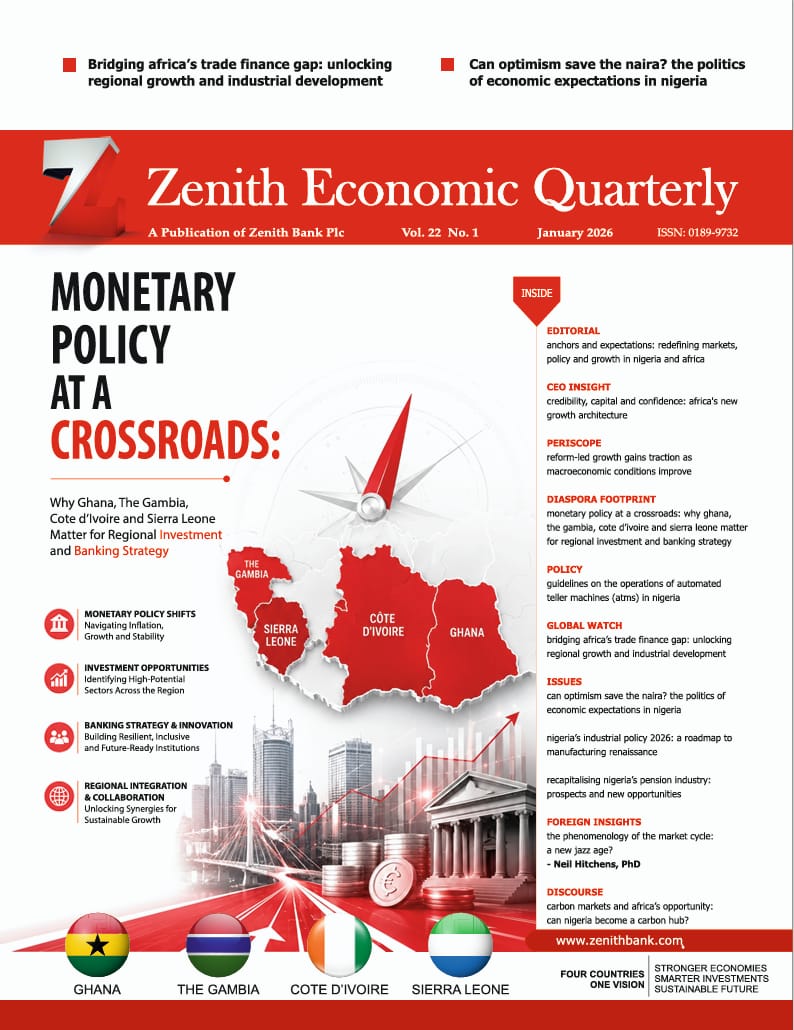 https://www.digital.zenithbank.com/ZEQ/ZEQ-jan-2026/index.html#p=1
According to the statement signed by the Director/CEO of the Centre, Dr Muda Yusuf, the clarification from the Justice Minister — who also chairs the Presidential Advisory Committee on Prerogative of Mercy — reflects the administration’s responsiveness to public sentiment and its commitment to democratic accountability.
The CPPE noted that the public outcry following the initial announcement of the clemency list was legitimate and far-reaching, given that it reportedly included persons convicted of corruption, financial crimes, murder, drug trafficking, and illegal mining. Such inclusions, the Centre said, raised fundamental concerns about governance credibility, institutional integrity, and investor confidence.
While affirming that the prerogative of mercy is a legitimate constitutional instrument, the CPPE stressed that its application in cases involving serious economic and financial offences must be guided by utmost discretion, transparency, and alignment with Nigeria’s anti-corruption commitments and respect for the sanctity of human life.
Economic and Investment Implications
The CPPE highlighted that extending clemency to individuals convicted of corruption, financial fraud, illegal mining, murder, and drug-related crimes has deep economic and social implications.
- Illegal mining, it said, undermines legitimate enterprise, depletes government revenue, and fuels insecurity in mining communities.
- Corruption and financial crimes distort markets, weaken institutions, and discourage fair competition.
- Drug trafficking damages Nigeria’s global image, worsens insecurity, and imposes significant social and economic costs.
“At a time when Nigeria is striving to diversify its economy, attract investment, and rebuild international confidence, such acts of liberal clemency risk sending disturbing and counterproductive signals,” the Centre warned.
The CPPE outlined key risks of misapplied pardons, including:
- Weakening deterrence and the rule of law, by eroding respect for justice and encouraging misconduct;
- Damaging investor confidence, as pardoning convicted economic offenders raises questions about policy consistency, contract sanctity, and investment security;
- Reputational and governance risks, which could negatively affect Nigeria’s sovereign ratings and capital inflows; and
- Erosion of institutional morale, as years of diligent investigation and prosecution could be undermined, discouraging agencies such as the National Drug Law Enforcement Agency (NDLEA), whose global recognition has strengthened Nigeria’s reputation.
Implications for Economic Progress
The CPPE cautioned that a lenient sanction environment encourages impunity, weakens ethical standards, and erodes public trust in justice institutions.
Over time, this environment discourages productivity, nurtures rent-seeking, and sustains illicit and unproductive economic behavior.
It noted that “sustained economic growth and inclusive prosperity depend on credibility, accountability, and fairness in governance.”
The Way Forward
To address these concerns, the CPPE urged the Federal Government to:
- Urgently review and rationalize the list of beneficiaries of the prerogative of mercy;
- Reaffirm Nigeria’s zero-tolerance position on corruption, drug trafficking, illegal mining, and financial crimes;
- Uphold institutional integrity and ensure justice is not compromised for convenience or political expediency; and
- Strengthen transparency and accountability in the exercise of executive clemency to safeguard public confidence and investor trust.
Conclusion
The CPPE emphasized that Nigeria’s aspiration to build a competitive, diversified, and globally respected economy depends on the credibility of its institutions and the integrity of its governance.
“The perception of weak sanction regimes toward economic and financial crimes is incompatible with this goal,” the Centre stated.
“To preserve investor confidence and social stability, the government must demonstrate an unwavering commitment to accountability, effective consequence management, and the rule of law. The credibility of Nigeria’s economic reform and investment promotion drive depends largely on it.”