


























by Augusta Okon
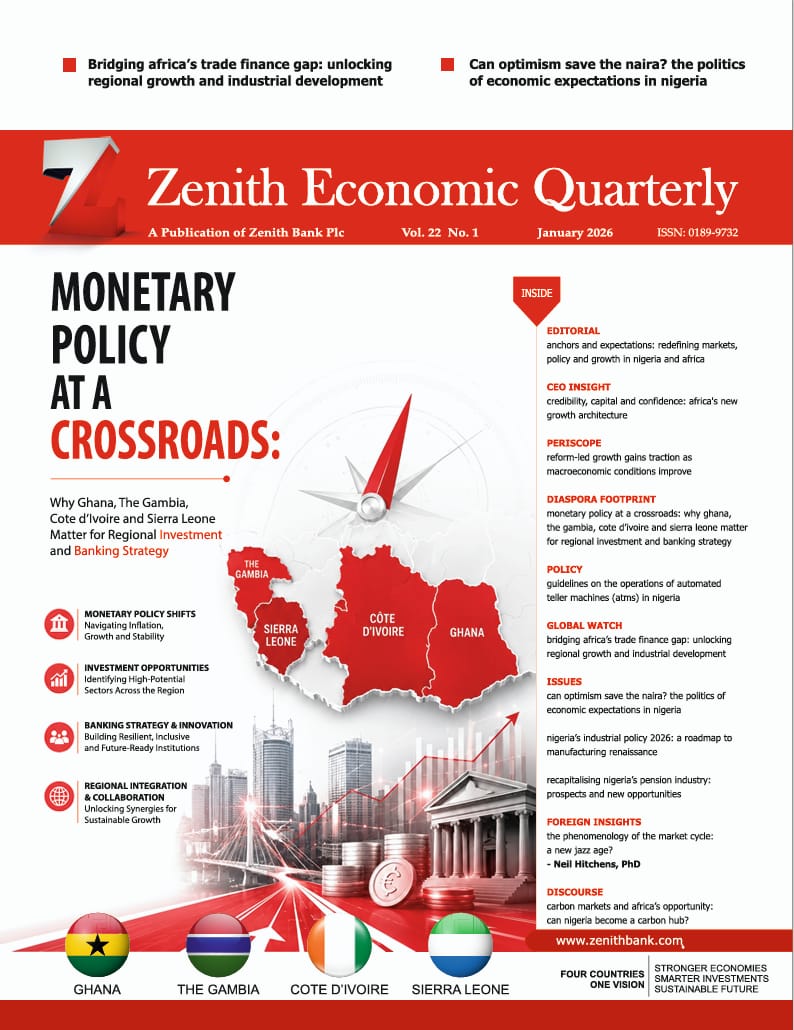 https://www.digital.zenithbank.com/ZEQ/ZEQ-jan-2026/index.html#p=1
As we round off this deep dive into Nollywood’s epic storytelling tradition, it becomes clear that these films are not merely entertainment; they are cultural archives, historical reinterpretations, and bold artistic experiments. From the heroic exploits of Amina to the mystical world of Ọlólá-Aginjù, the political intrigues in Ogbedun, the tragic resilience of Efunsetan Aniwura, and the legendary power of Sango, Nollywood has consistently revisited the past to mirror present realities and project timeless values. The journey through these films highlights not only the richness of our heritage but also the creative audacity of filmmakers who continue to push the boundaries of narrative, scale, and global relevance.
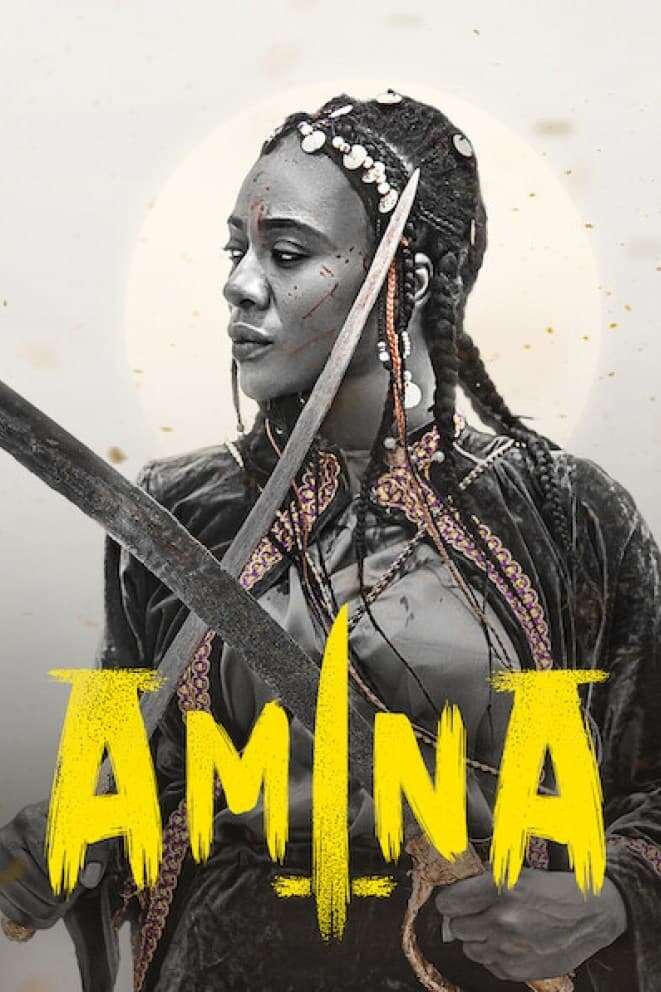
AMINA
Produced by Okechukwu Ogunjiofor, it was released on November 4, 2021 as against its initial proposed 2017 release. It stars Lucy Ameh, Ali Nuhu, Yakubu Mohammed, Victoria Nweke, Abu Chris Gbakann, Dan Chris Ebie, Usman Tijani, Clarion Chukwura, Ummi Mohammed, and Godwin Ogaga.
It tells the story surrounding the events leading to Amina’s ascension to the throne of Zazzau. It secured 13 nominations and 4 wins at the 2022 AMVCA.
ỌLỌ́LÁ-AGINJÙ
Produced by Abiodun Adebanjo and released on December 30th 2022, it was directed by Tunde Olaoye, and stars Bukunmi Oluwashina, Ibrahim Chatta, Taiwo Hassan, Ayo Olaiya, Antar Olaniyan and Dupe Jayesimi.
It tells the story of Adewumi, a fictional female monarch who discovers that a wilderness in her kingdom has been transformed into an advanced nation. She desires to take over this nation and bring it back under her rule. However, the head of the wilderness ‘Ọlọ́lá-Aginjù’ a powerful warrior stands between her and her desired quest.
SIDI ILUJINLE
It is the film adaptation of the play “The Lion and the Jewel” authored by Wole Soyinka. It was produced by Tunde Kelani in 2017, and unveils the story about the tussle for a beautiful lady’s heart, Sídí, in the village of Ilunjinle. The contenders are Baroka, the Baalẹ and Lion of Ìlújinlẹ̀ and Lakunlé, the educated school teacher. It stars Adebayo Salami, Aishat Onitiri, Ibrahim Chatta, Lanre Hassan and Richard Tanksley.
OGBEDUN
Directed by Farouk Abisoye, it tells the story of Ogbedun, the unacknowledged son of the late Oba Agana, born from a secret affair with a palace maid. After spending years in exile, Ogbedun returns to his homeland amidst a power struggle for the throne. The town is thrown into chaos following the sudden death of a young monarch as rival families engage in a fierce battle for supremacy, thus sparking betrayal, riots, and the unyielding quest for justice.
It stars Jide Awobona, Jide Kosoko, Antar Laniyan, Akin Lewis, Seyi Akinsola, Joke Muyiwa, Miriam Peters, and Babaseun Faseru. The Movie hit cinemas on November 29, 2024.
EFUNSETAN ANIWURA
Tells the story of Efunsetan Aniwura, the second Iyalode of Ibadan and the most powerful and wealthiest Yoruba woman in the 17th century. The loss of her child leads to the ruthless killing of her slaves. Sadly, she meets a tragic end sequel to her feud with Latoosa, the de facto leader of Ibadan land who considered her influence a threat to his throne.
Produced by Funmi Holder it was directed by Joshua Ojo/Funmi Holder.
It stars Clarion Chukwurah and Alex Usifo, Shola Fosudo, Adewale Eleso, Funmi Holder, Jaye Kuti, Yemi Solade, Adunni Ade, Sola Fosudo, Binta Ayo Mogaji.
SANGO: THE LEGENDARY AFRICAN KING
1997 movie written by Wale Ogunyemi, and produced/directed by Obafemi Lasode. The film unveils the life and reign of the legendary 15th century African king Sango, who ruled as the Alaafin of Oyo. He later became an important deity in Yoruba history. It stars Wale Adebayo, Peter Fatomilola, Racheal Oniga, Joe Layode, Bukky Ogunnote, Gbenga Richards, Antar Laniyan, Jimi Solanke, Kola Oyewo, Kayode Odumosu and Doyin Hassan. The movie won the Best Feature Film at the Abuja International Film Festival, 2004.
INALE
Produced in 2010 by Keke Bongos and directed by Jeta Amata, the musical drama stars Caroline Chikezie, Hakeem Kae-Kazim, Dede Mabiaku, Nse Ikpe Etim, Ini Edo, Keppy Ekpeyong, Omawunmi Megbele, and Mbong Amata. It is set in Otukpo and tells the story of Inale and Ode, whose love is threatened by the customary wrestling tournament. He must win all matches before he can officially take her as his wife. However, the unthinkable happens when a strange contender shows up and wins the day, forcing their love to be tested to the very limits.
It was released on October 22, 2010.
ARUGBA
The 2008 movie directed by Tunde Kelani stars Bukola Awoyemi, Segun Adefila, Peter Badejo, Funke Adeyemo, and Bukky Wright.
(Arugba – a sacred virgin) revolves around the life of Adetutu, an intermediary between the gods and the people periodically carrying sacrificial materials to the Osun Osogbo sacred forest during the festival.
She falls in love with the head of the traditional dance group in the village, Makinwa. She is kidnapped but frees herself as a result of the supernatural powers gifted by Yemoja (the river goddess). Themes of corruption, societal issues, clash between tradition and modernity comes to the fore.
AIYE
The 1hr 30 mins 1979 celluloid film is based on the 1972 stage play by Hubert Ogunde and directed by Ola Balogun. It tells the story of Oseturu, the leader of a community and Ifa Priest, who offers sacrifice to the deity at the shrine of Iroko Imorisa thanking same for the fertility of the land. On a nearby tree, witches turned vultures watch his every move. He goes ahead to foil the plans of these witches every time they try to deal with the people. Frustrated, they declare war against Oseturu but he prevails at the end of the day. It stars Hubert Ogunde, Ayo Ogunde, Lere Paimo, Baba Wande, Dayo Ogunde, Charles Olumo and Ray Eyinwunmi.
This list of epic movies is by no means exhaustive, but it provides a clear picture of Nollywood’s ability to tell big stories on a grand scale. As Nollywood continues to embrace technological advancements, larger budgets, and a focus on stories that appeal to a global audience, the future of the epic genre is incredibly promising. The huge rewards that come with this evolution—from international acclaim to cultural preservation—are now within our reach. The journey of the Nollywood epic is just beginning, and we can all look forward to seeing more of these captivating tales brought to life on screen.