



























By Olutayo Irantiola
 https://www.digital.zenithbank.com/ZEQ/ZEQ-jan-2026/index.html#p=1
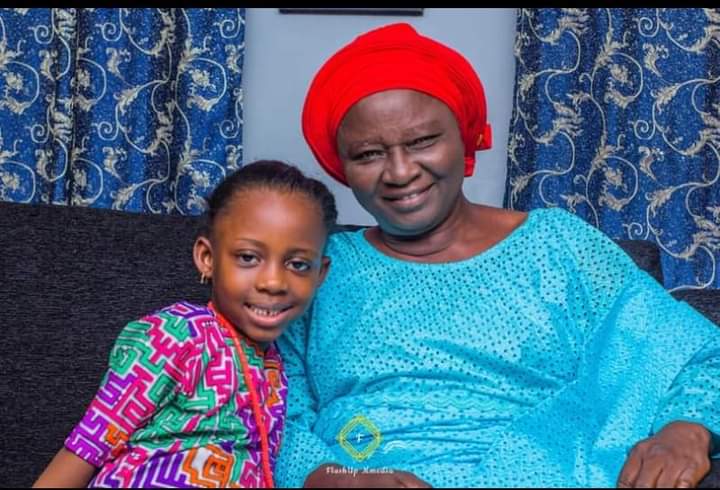
There was an endless contest between Adejoke, the mother of the baby and Mama Adesewa, the mother of Adejoke, over the best way to take care of Adewunmi, the new baby. Mama Adejoke was giving her daughter the same childcare instructions handed down to her by her own mother, Mama Agba. Meanwhile Adejoke is more comfortable verifying all the facts on Google. In Adejoke’s words, “How you trained me need not be the same way I will train my child. Times have changed and I need to give my child the best.”
This is a new wave of happenings when a first-time mother delivers a child. The contest for giving the child the best nutrition is always a hurdle for the new mother while grandmothers would want to bring their experience to bear.
According to the Convention on the Rights of the Child, “every child has the right to good nutrition.” Under-nutrition is associated with 45 percent of child death. There are many reasons for poor diets which is a leading cause of malnutrition in all its forms – globalization, urbanization, inequities, environmental crisis, epidemics, poverty and humanitarian emergencies – that undermine families’ access to nutritious, safe, and affordable foods.
COVID-19 pandemic worsened the pre-existing crisis of child malnutrition. It has threatened family livelihood, as well as disrupted the availability and affordability of nutritious and safe diets.
Good nutrition is the bedrock of child survival and development. According to UNICEF, micronutrient deficiencies are caused by inadequacies in the intake of one or more vitamins and minerals essential for the prevention of malnutrition in all its forms and reducing the prevalence of disease, especially during pregnancy and early childhood.
Some of the known deficiencies in children include Iodine deficiency and Vitamin A deficiency amongst others. These are necessary for the survival and growth of the child while even in the mother. The World Health Organization (WHO) has classified Vitamin A deficiency as a public health problem in sub-Saharan Africa.
If a child is malnourished in the first five years of life, the child’s physical and mental growth and development may be slowed. It is very important for a child to be given age appropriate nutrition because if this is not done, it will negatively affect the child for the rest of his or her life.
Unfortunately, these conditions cannot be reversed. However, with the introduction of Docosahexaenoic Acid (DHA), an omega-3 fatty acid essential for brain development during pregnancy and early childhood, a child is being prepared for a smart healthy life.
At least one in three children under the age of 5 are affected by malnutrition in its most visible forms: stunting, wasting, and being overweight. Globally in 2020, 149 million children under the age of 5 were estimated to be stunted, 45 million were estimated to be wasted and 38.9 million were overweight or obese. The less visible forms of malnutrition, such as hidden hunger, can occur when children become deficient in essential vitamins and other micronutrients. Child nutrition is important at every age; this would make the child stay smart, healthy and strong.
In Nigeria, FrieslandCampina WAMCO, has developed well researched products like Peak 456 with DHA Advantage for children’s brain development between the ages 4-6.
Well-nourished children are better able to grow, learn, play and participate in their communities. They are also more resilient in the face of any health crisis. Yet today, many children are not getting the nutrition they need to survive and thrive. This is especially true for the poorest and most vulnerable children.
Young mothers, grandmothers and caregivers are responsible for providing appropriate foods in a proper setting, structuring mealtimes, and responding to behaviour. They should not just be concerned about meal refusal, erratic appetites, preferences for sweet food, and undisciplined table behaviour. Proper brain development of every child must be paramount for all mothers.
Adejoke has read online; she has increased her knowledge base from the time she got married; she has decided to stock her home with all the essential products of FrieslandCampina WAMCO at every stage of her baby’s growth. She has made up her mind to give all her children the best as they grow up, especially the right milk for kids at breakfast to make them smart and strong. She has great intentions just like Mama Adejoke who gave her the very best while raising her and her siblings.
Across generations, every mother has access to knowledge about food choices, feeding and healthcare practices that will determine the nutritional intake which will definitely lead to the anticipated outcome for her child, especially in a developing nation like Nigeria. However, it is important to get it right so that we would raise smart and healthy children who will change the health indices of the nation.
Olutayo Irantiola is a Lagos based Public Affairs Analyst. He blogs on www.peodavies.com