






















The Free Speech Union of South Africa (FSU-SA) condemns the proposal by Supra Mahumapelo, chairperson of Parliament’s Portfolio Committee on International Relations and Cooperation, to introduce legislation allowing South Africans to be stripped of their citizenship for spreading what he regards as misinformation abroad.
Mahumapelo singled out AfriForum, Solidarity, Lex Libertas and the Freedom Front Plus over their engagements in Washington. International Relations Minister Ronald Lamola supported the broader call for action against alleged misinformation and indicated that the executive would examine possible measures. These developments pose a serious threat to freedom of expression.
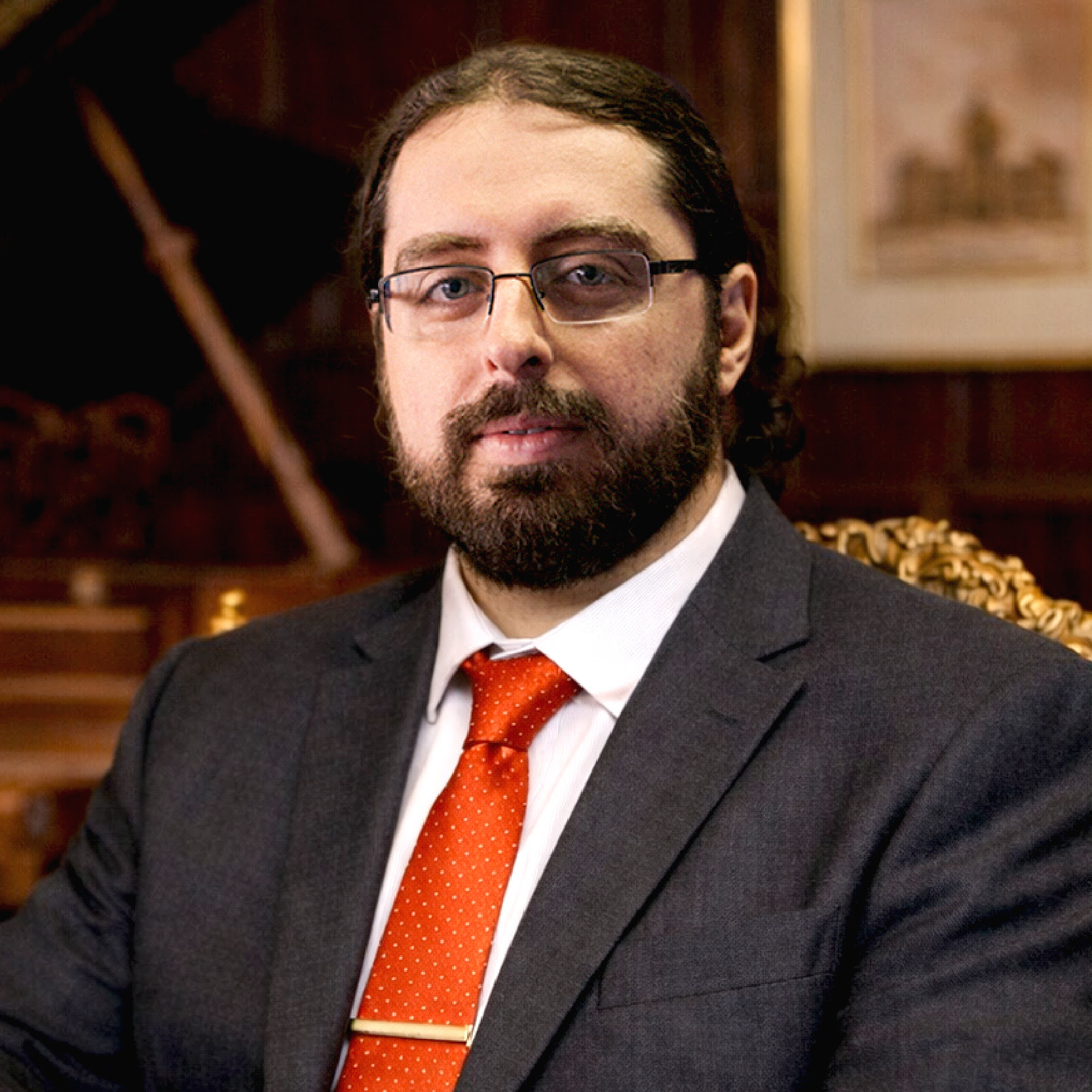
“South Africans must be free to criticise their government, including when they address an international audience. Giving politicians the power to threaten a critic’s citizenship would place an extraordinary weapon in the hands of the very people whose conduct is being questioned,” says Mark Oppenheimer, Executive Director of FSU-SA.
Section 16 of the Constitution protects freedom of expression, including the exchange of information and ideas. Section 20 expressly provides: “No citizen may be deprived of citizenship.” Any proposed limitation of these rights must meet the requirements of section 36, including that it be reasonable and justifiable in an open and democratic society. Political embarrassment cannot justify stripping citizens of their nationality for lawful speech.
Describing criticism as “misinformation” does not automatically remove its constitutional protection. Section 16(2) contains specific exclusions from the right to freedom of expression; it creates no general exception for statements that a minister considers false. Restrictions on protected expression must still satisfy the Constitution.
The threat itself can cause damage before any legislation is introduced. A journalist investigating corruption, an activist reporting abuses or a citizen speaking to foreign media may hesitate if doing so could put their citizenship at risk. Public debate suffers when people must weigh the consequences of offending powerful officials before they speak.
FSU-SA’s defence of freedom of expression applies across political divisions. It does not depend on agreement with the organisations concerned, their account of South Africa’s problems or their preferred solutions. The same protection must extend to their opponents.
“The government is entitled to challenge allegations, publish evidence and explain its policies. It must also accept that citizens can question its account, dispute its conclusions and seek support for change,” says Oppenheimer.
FSU-SA calls on Mahumapelo to withdraw his proposal, on Parliament to reject any attempt to make citizenship conditional on political conformity, and on Lamola to affirm that South Africans will remain free to engage in lawful advocacy abroad.
“Every South African should be able to challenge those who govern them without fearing that their right to belong to this country is at stake,” concludes Oppenheimer.