


























The Centre for the Promotion of Private Enterprise (CPPE) has expressed concern over the resurgence of inflationary pressures in Nigeria, following a period of brief respite. Despite several policy measures aimed at curbing inflation, particularly on the monetary front, inflation rates have again surged, signaling deeper economic challenges.
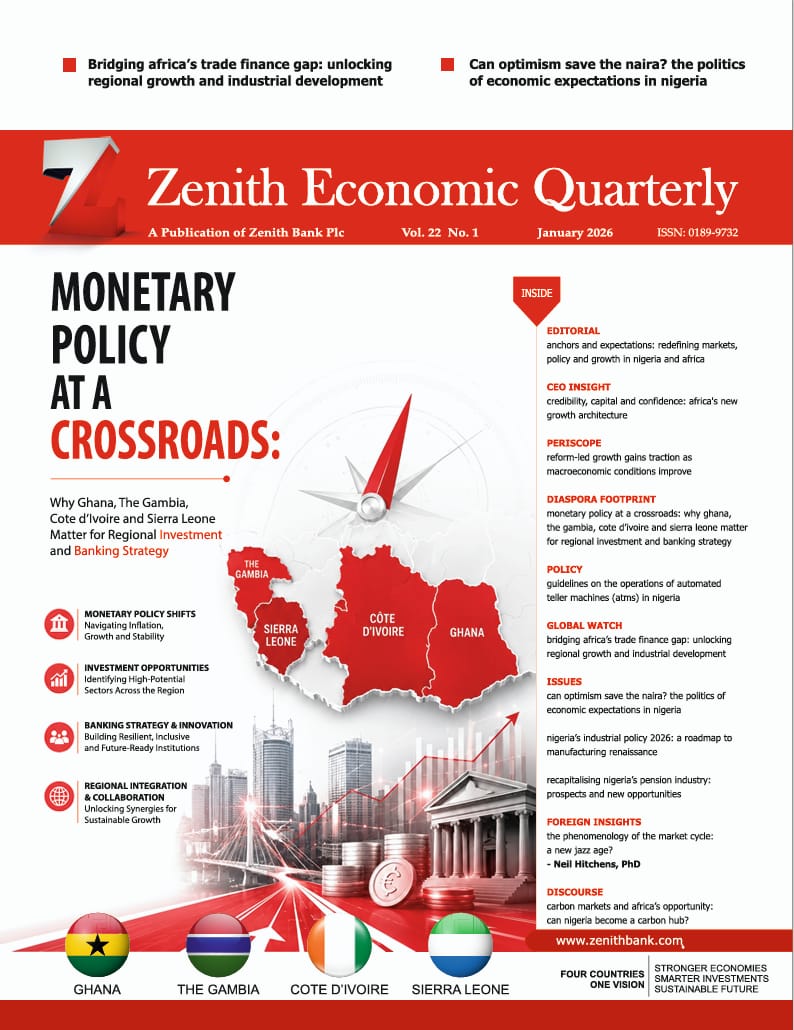 https://www.digital.zenithbank.com/ZEQ/ZEQ-jan-2026/index.html#p=1
According to the CPPE’s Director/CEO, Dr. Muda Yusuf, the recent rise in inflation poses serious threats to Nigeria’s economy. Headline inflation rose to 32.7% in September 2024, compared to 32.15% in August, marking an increase of 0.55%. Month-on-month inflation also saw a marginal rise of 0.30% between August and September. Food inflation followed the same trend, rising from 37.52% to 37.77% within the same period, after a brief deceleration earlier in the year.
The CPPE attributes these escalating inflationary pressures to a variety of factors, many of which remain unresolved. Dr. Yusuf highlighted the depreciating exchange rate, surging fuel prices, rising transportation costs, logistics and supply chain challenges, high energy costs, and the adverse effects of climate change, including flooding and insecurity in farming communities. These are predominantly supply-side issues that continue to push inflation upwards.
Dr. Yusuf noted that these factors significantly impact production costs, weakening profitability and dampening investor confidence. “Elevated inflationary pressures are eroding purchasing power and escalating production costs. Manufacturers and other investors are finding it increasingly difficult to pass these cost increases onto consumers, leading to shrinking profit margins and greater financial strain on businesses,” he said.
The CPPE has called for urgent government intervention to address the root causes of inflation. According to Dr. Yusuf, the government must tackle the supply-side issues that are inhibiting production and productivity across various sectors. He emphasized that the real sector of the economy needs to be incentivized, with measures such as concessionary import duties on intermediate products for industrialists.
“The high cost of energy and the volatility of the exchange rate are major contributors to inflation. These issues need to be addressed with urgency if we are to make any meaningful progress in curbing inflation. While there are no quick fixes, it is crucial that the government prioritizes these areas and implements the right strategies to drive accelerated progress,” Dr. Yusuf stated.
He expressed hope that the proposed economic stabilization measures currently under consideration in the National Assembly would offer some relief, particularly from a fiscal perspective. However, he cautioned that long-term solutions require substantial efforts to reform critical sectors such as power, logistics, and security.
Dr. Yusuf also stressed the importance of state governments in mitigating food insecurity and reducing food inflation. He highlighted that sub-national governments are better positioned to address agricultural productivity challenges due to their proximity to stakeholders in the agricultural value chain.
“The provision of rural roads by state governments is critical in reducing transportation costs and easing access to markets. State governments must play a more active role in improving infrastructure and supporting agricultural activities to help reduce the burden of food inflation,” he said.
In conclusion, the CPPE urges all levels of government to take decisive action to address the key drivers of inflation and promote policies that will stabilize the economy. Dr. Yusuf emphasized that addressing these inflationary pressures is not only essential for the well-being of consumers but also crucial for the long-term sustainability of businesses and investor confidence in Nigeria.