
























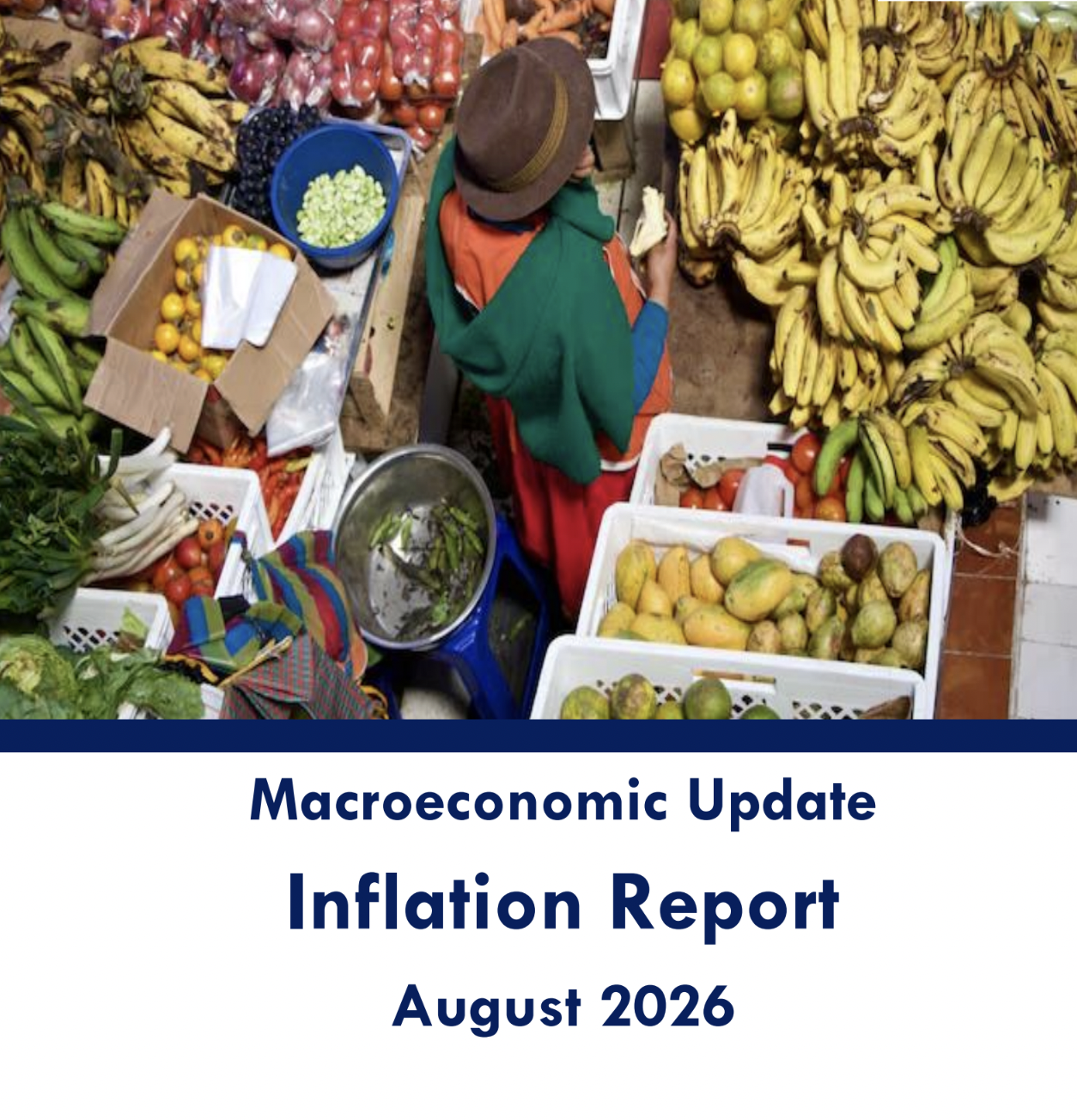
The National Bureau of Statistics (NBS) reported that headline inflation moderated to 15.39% in August 2026, down from 15.43% in July 2026, reflecting a 4-basis point decline. On a year-on-year basis, headline inflation was 23.14% in August 2025, down 7.75 percentage points. The CPI increased to 146.3 in August 2026 from 145.3 in July 2026, while the average CPI for the twelve months ending August 2026 stood at 16.30%, compared to 28.32% recorded in August 2025.
The moderation in headline inflation was supported by a sharp slowdown in food price increases. Food inflation eased to 19.57% on a year-on-year basis, compared to 25.30% in August 2025. On a month-on-month basis, food inflation also fell significantly to 1.02% from 5.56% in July 2026. The moderation was driven by changes in the prices of key food items including palm oil, carrots, pepper, onions, cassava flour, beef, yam flour, water yam, melon, fresh ginger, fresh fish, Irish potatoes, wheat grain, frozen chicken, and turkey meat.
Similarly, core inflation, which excludes volatile agricultural produce and energy, declined to 13.29% on a year-on-year basis from 22.93% in August 2025.
On a month-on-month basis, core inflation moved into negative territory at 0.06%, compared to 0.15% in July 2026. This indicates a modest decline in underlying non-food prices during the month and suggests that broader price pressures are also easing.
When segmented, Urban inflation stood at 15.88% in August 2026, down from 22.94% in August 2025, while Rural inflation stood at 14.23%, compared to 23.12% recorded in August 2025.
The highest all-items inflation rates were recorded in Lagos (23.68%), Zamfara (22.56%), and Enugu (22.06%), while Sokoto (2.11%), Kebbi (3.72%) and Jigawa (3.81%) recorded the lowest rise in Headline inflation on a Year-on-Year basis. On a Month-on-Month basis, the highest increases were in Rivers (6.92%), Osun (5.61%) and Kano (5.59%), while Anambra (-8.83%), Bauchi (-7.13%), and Borno (-7.09%) recorded the lowest.
Food inflation was highest in Adamawa (38.85%), Zamfara (37.96%), and Bayelsa (36.20%), while Borno (-4.04%), Jigawa (-0.23%) and Kebbi (3.47%) recorded the slowest rise in Food inflation on a Year-on-Year basis. On a Month-on-Month basis, however, it was highest in Katsina (9.48%), Rivers (8.86%) and Osun (8.32%), while Taraba (-12.42%), Borno (-12.15%), and Bauchi (-8.88%) recorded the slowest rise in Food inflation.
Looking ahead, the continuous moderation in month-on-month inflation provides a more positive near-term outlook, particularly as food and core price pressures have eased significantly. However, annual food inflation remains elevated, while tensions in the Middle East continue to pose risks to global energy and commodity prices. Domestically, the CBN has remained resolute in terms of interest rate, while steadily mopping up liquidity in the system to ensure tight monetary stance. As such, inflation pressure might continue to ease near-
term, but the long-term outlook remains vulnerable to energy, and liquidity pressures.