



























The Manufacturers Association of Nigeria (MAN) has expressed deep concern over the escalating geopolitical tensions involving the United States, Israel, and Iran, warning that the crisis poses significant risks to Nigeria’s manufacturing sector and broader economic stability.
 https://www.digital.zenithbank.com/ZEQ/ZEQ-jan-2026/index.html#p=1
In a position statement, MAN noted that the intensifying conflict in the Middle East has already sent shockwaves across the global economy, disrupting energy markets, shipping routes, and supply chains. The association cautioned that although the conflict is geographically distant, its economic consequences could have direct and far-reaching implications for Nigeria’s industrial base.
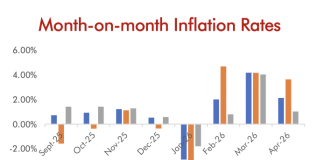
According to MAN, the crisis comes at a delicate time for Nigeria’s economy, just as inflation had begun to moderate to 15.10 percent and manufacturing capacity utilization showed signs of recovery above the 60 percent threshold. The association warned that these gains are now under threat from rising global uncertainties.
MAN highlighted that disruptions in critical transit corridors, particularly around the Strait of Hormuz and the Red Sea, have triggered sharp increases in global oil prices, freight costs, and war-risk insurance premiums. Brent crude prices have surged beyond $84 per barrel, while shipping vessels are increasingly rerouting, leading to higher logistics costs and longer delivery timelines.
The association stressed that for Nigerian manufacturers, global geopolitics now translates directly into increased production costs. It explained that while higher oil prices could theoretically boost Nigeria’s foreign exchange earnings, the country’s limited crude production capacity—currently between 1.3 and 1.4 million barrels per day—means it is unable to fully capitalize on these gains.
MAN further warned that the crisis could disrupt Nigeria’s trade relationship with the United States, one of its key trading partners. With exports to the US valued at $5.91 billion in 2024 and imports at $4.33 billion, any disruption in trade flows could exacerbate supply chain challenges and increase the cost of imported raw materials.
The association outlined several immediate implications for the manufacturing sector, including escalating energy costs, rising freight expenses, and increasing imported inflation. Manufacturers, it said, are already grappling with soaring diesel and gas prices, which are eroding operating margins. At the same time, declining consumer purchasing power is reducing demand, leaving companies with unsold inventories.
MAN identified the chemical and pharmaceutical sector as the most vulnerable, noting its heavy dependence on petroleum-based inputs and its dominance in manufactured exports to the United States. The basic metals, iron and steel sector, as well as the food, beverage, and tobacco segment, were also highlighted as particularly exposed due to their reliance on energy and imported inputs.
Drawing parallels with the economic fallout from the US-Iraq War, MAN recalled that Nigeria’s manufacturing sector experienced severe setbacks during that period. Manufacturing exports fell sharply from $901.35 million in 2002 to $496.87 million in 2003, while sectoral GDP growth plunged from 17.74 percent to -10.8 percent.
The association warned that a similar trajectory could unfold if proactive measures are not taken, emphasizing Nigeria’s continued vulnerability to external shocks due to its dependence on imported raw materials.
To mitigate the impact, MAN called on the Federal Government to urgently implement targeted interventions. These include accelerating the adoption of compressed natural gas (CNG) for industrial use, establishing a dedicated foreign exchange window for manufacturers, prioritizing domestic supply of refined petroleum products to local industries, and suspending logistics and haulage levies to ease transportation costs.
MAN stressed that the current crisis presents a critical opportunity for Nigeria to strengthen its manufacturing base and reduce dependence on external inputs. It urged policymakers to act decisively to protect jobs, sustain production, and safeguard economic stability.
“The time for reactive measures has passed. This moment calls for deliberate and strategic action to fortify Nigeria’s manufacturing sector against external shocks,” the association stated.