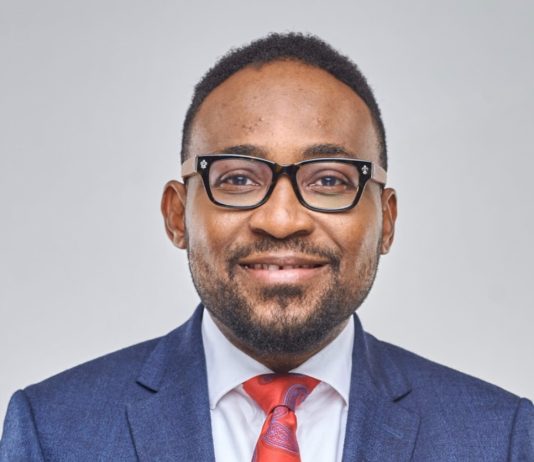
























The Director-General, Nigeria Employers’ Consultative Association (NECA), Adewale-Smatt Oyerinde, has commended some state governors for increasing the minimum wage for their workers in the face of difficult economic realities.
Oyerinde made this disclosure on Tuesday, September 2, 2025, while appearing on Channels TV’s popular morning program, Morning Brief.
This commendation comes in the wake of the recent announcements of minimum wage increases by the governments of Imo State and Ebonyi State.
Imo State recently approved a new minimum wage of N104, 000 for its civil servants, while Ebonyi State followed suit by raising the minimum wage to N90,000.
While urging other governors to take the same path, he attributed the response on the part of the two states to either the increased inflow from the federation account, prudent management of resources, or worker productivity.
He explained that states have no excuse not to pay their workers beyond the minimum wage, especially in the face of economic realities. He stressed that it was in the best interest of subnationals to review the wages of their workers so as to enhance their productivity.
“Workers are the key drivers of the economy. And whatever will increase productivity or drive motivation, especially with the fuel subsidy removal and other reforms carried out, should not be toyed with,” he said.
He also urged the governors to use the increased federal government inflow to address other economic issues, enabling the minimum wage to become more sustainable for workers.
Lauding the efforts of some governments at the subnational level who have provided CNG buses to address transportation problem for their workers, he urged them to pay adequate attention to finding lasting solutions to issues relating to food security and housing.
While admitting that many states are recording a huge increase in Internally Generated Revenue, he noted that NECA is indeed worried about this development, as it may have resulted in increased taxes on private businesses and employers, thereby negating the federal government’s efforts to reduce the tax burden, as enunciated in the recently signed tax reform bill.
He also called on state governments to pay close attention to human capacity development rather than devoting attention to building infrastructure.
“If you don’t train the workers, you are basically sabotaging yourself as a government. We expect that beyond pooling the fund, or paying minimum wage, the state should make effort in equipping the workers as it is being done in the private sector. By so doing, the context of productivity will meet the context of wage demand,” he said.
Emphasising the significance of human capacity development, he cited NECA as an example of an organisation that is already taking advantage of Microsoft’s opportunities to train many Nigerians in AI skills.