























…3,852 successful candidates emerge
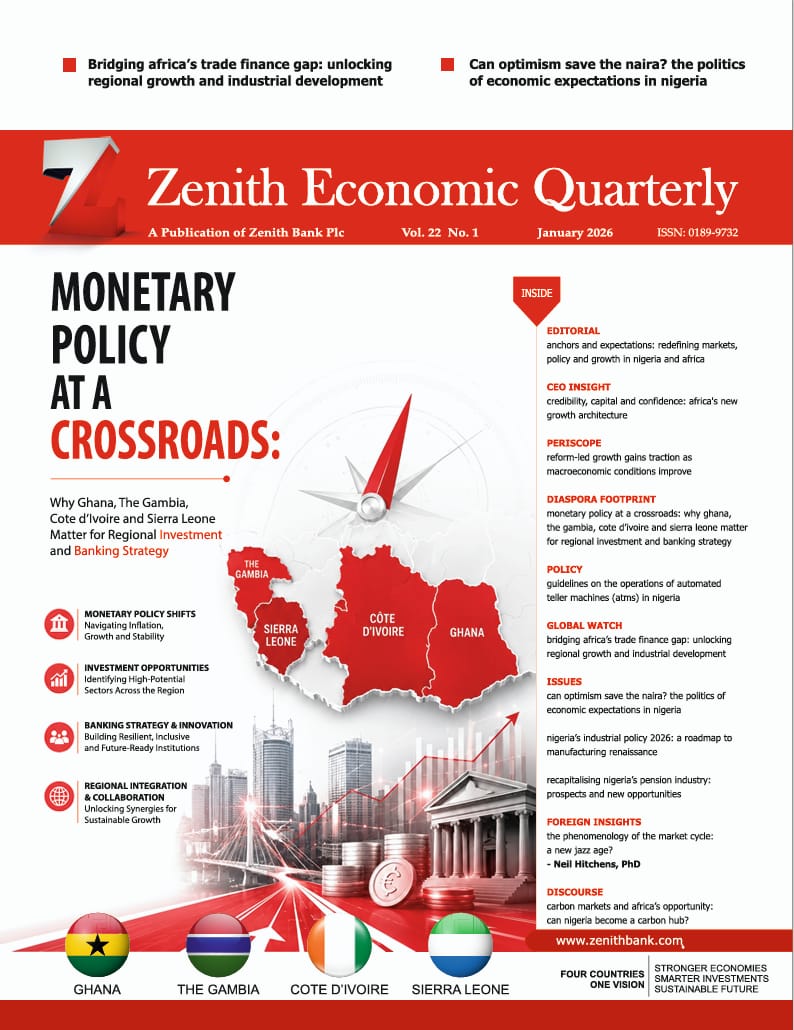 https://www.digital.zenithbank.com/ZEQ/ZEQ-jan-2026/index.html#p=1
The Nigeria Customs Service (NCS) has officially released the final list of 3,852 successful candidates from its 2024/2025 recruitment exercise. Addressing members of the press, distinguished guests, and officers in Abuja, the Comptroller-General of Customs, Bashir Adewale Adeniyi MFR, PhD, announced the conclusion of the process that originally opened in December 2024, revealing that successful candidates will now advance to physical and medical assessments alongside final review at the Board level.
Apology for Delays and Breakdown of the Selection Process
The Comptroller-General offered a sincere apology to all applicants, parents, and guardians for the extended timeline of the exercise. He attributed the prolonged duration to an extraordinary volume of interest—receiving 573,680 applications for just 3,852 positions—as well as administrative pressures caused by a high rate of statutory retirements among senior and management officers over the same period.
Above all, the delay was driven by the Service’s commitment to thorough oversight. Every successful candidate passed through multiple layers of scrutiny, including initial screening, computer-based testing, and strict identity reconciliation against the national database. The Comptroller-General emphasized that the final selection was conducted strictly on merit and set standards, with an overall acceptance rate of just 0.67 percent, or roughly one position for every 148 applicants.
The recruitment outcome across the three entry levels includes:
- Superintendent Cadre: 1,275 candidates selected out of 276,995 applications, representing a selection ratio of 1 in 217.
- Inspectorate Cadre: 367 candidates selected out of 128,604 applications, standing as the most competitive group with a ratio of 1 in 350.
- Customs Assistant Cadre: 2,210 candidates selected out of 168,081 applications, reflecting a ratio of 1 in 76.
To the more than 560,000 unsuccessful candidates, the Comptroller-General clarified that non-selection was a matter of intense competition rather than failure, encouraging qualified applicants to reapply in future cycles.
Geographic Equality and Equitable Distribution
The recruitment process fully adhered to the Federal Character principle, ensuring equal state-by-state representation across all 36 states and the Federal Capital Territory (FCT). By design, every state was allocated exactly 105 places—comprising 35 in the Superintendent Cadre, 10 in the Inspectorate Cadre, and 60 in the Customs Assistant Cadre. The FCT was allocated 72 places in accordance with statutory guidelines.
When grouped by geopolitical region, the allocation reflects the number of states per zone: the North West received 735 places, the North Central received 702 (including the FCT), the North East, South South, and South West received 630 places each (six states per zone), and the South East received 525 places (five states). The Service confirmed that no officer exercised individual discretion in candidate distribution.
Gender Representation and Demographics
Women secured 839 out of the 3,852 available positions, representing 21.8 percent of the total intake and slightly exceeding the 21.2 percent female application rate. Statistically, female applicants experienced a marginally higher overall success rate of 1 in 144 compared to 1 in 150 for male applicants. Female candidates saw higher selection ratios in both the Customs Assistant Cadre (1 in 54 versus 1 in 81 for men) and the Inspectorate Cadre (1 in 269 versus 1 in 375 for men), while male applicants saw a higher success rate in the Superintendent Cadre (1 in 210 versus 1 in 238 for women).
The overall proportion of female candidates was primarily influenced by the nature of the available vacancies, as roughly 85 percent of the roles fall under core enforcement, anti-smuggling, and border operations. While these physically demanding field positions attracted fewer female applicants compared to specialist roles, the Service reaffirmed its commitment to actively encouraging more qualified women to pursue enforcement tracks in future recruitment exercises.
The incoming intake represents a youthful demographic, with a overall median age of 26 years (29 for Superintendent, 27 for Inspectorate, and 24 for Customs Assistant cadres). Nearly three-quarters of all selected candidates are under the age of 30, positioning the Service to build a long-term workforce equipped for technological modernization and automated risk management.
Institutional Stability and the Move to an Annual Recruitment Model
Addressing institutional continuity, the Comptroller-General noted that recent leadership retirements were managed smoothly under the guidance of the Nigeria Customs Service Board and the Minister of Finance, alongside support from President Bola Ahmed Tinubu, GCFR.
To prevent future administrative backlogs and provide predictable opportunities for Nigerian youth, the Nigeria Customs Service is officially transitioning to a permanent, annual recruitment cycle. Supported by the screening infrastructure built during this cycle, the upcoming recruitment exercise will launch later this year and is designed to complete within a single calendar year.
Next Steps and Anti-Fraud Advisory
Successful candidates will be contacted directly through their registered communication details and are advised to follow official Nigeria Customs Service channels exclusively. The Comptroller-General reiterated that recruitment into the Nigeria Customs Service is completely free of charge. Applicants are warned against paying any individual or group claiming to represent the Service, as any solicitation of funds is fraudulent and should be reported to the Service and security agencies immediately.