



















The National Bureau of Statistics (NBS) reported that the Consumer Price Index (CPI) rose to 15.38% in March 2026, up from 15.06% in February 2026, reflecting a 32-basis-point increase on a month-on-month basis. On a year-on- year basis, headline inflation was 27.35% in March 2025, compared to 15.38% in March 2026, indicating a substantial decline of 11.97 percent.
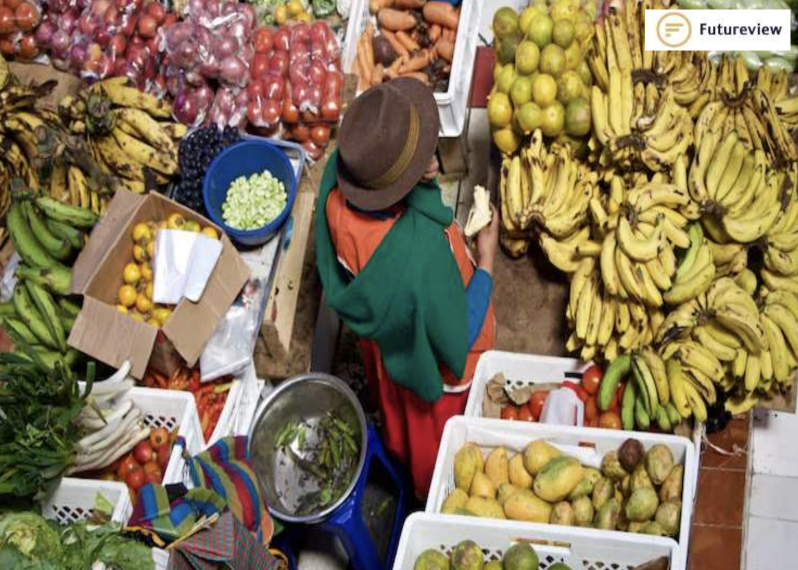
The increase in headline inflation was primarily caused by renewed price pressures across both food and core components of the CPI basket. Food inflation increased to 14.31% year-on-year, due to elevated prices of key staples such as yam, ginger (fresh), cassava tuber, groundnuts (shelled), Irish potatoes, dried unground ogbono (apon/avenger), tomatoes, and cassava flour. Although food inflation moderated on a month-on-month basis to 4.17% from 4.69% in February 2026, the sustained increase in average food prices
continued to exert upward pressure on the overall index.
Similarly, core inflation, which excludes volatile agricultural produce and energy, rose sharply to 16.21% year-on-year, with a notable month-on-month acceleration to 4.03% from 0.89% in February 2026, reflecting broad-based increases in underlying non-food prices and reinforcing the upward momentum in overall inflation.
All Items Inflation
In March 2026, on a year-on-year basis, the highest all-items inflation rates were recorded in Bayelsa (27.37%), Sokoto (26.03%), and Bauchi (23.67%), while Osun (5.25%), Kano (9.85%), and Kaduna (10.38%) posted the lowest increases in headline inflation. On a month-on-month basis, inflation pressures were most pronounced in Zamfara (10.77%), Bauchi (9.37%), and Sokoto (9.05%), whereas Lagos (1.54%), Akwa Ibom (1.80%), and Rivers (1.89%) recorded the mildest increases over the same period.
Food Inflation
On a year-on-year basis, Food inflation was highest in Bayelsa (33.35%), Sokoto (28.02%), and Adamawa (21.67%), while Kano (4.29%), Oyo (4.86%), and Katsina (7.48%) recorded the slowest increases in food prices. On a month-on-month basis, food inflation pressures were most elevated in Sokoto (11.78%), Niger (8.59%), and Gombe (8.10%), whereas Katsina (0.09%), Ogun (0.77%), and Adamawa (1.30%) posted the mildest increases across the states.
LOOKING AHEAD, the 2026 Fiscal Policy Measures introduce a mixed inflationary impulse. On one hand, the downward revision of import duties on several essential goods, including rice, sugar, salt, and other consumer items, should help moderate import-driven price pressures. Similarly, lower tariffs on key inputs such as crude palm oil and motor vehicles may help ease production and logistics costs. However, this expected relief is likely to be tempered by persistently high crude prices, which continue to sustain elevated fuel and diesel costs in Nigeria, thereby increasing transportation and distribution expenses and feeding into broader CPI levels, particularly in May.
On the other hand, the introduction of the green tax surcharge from July 2026 is expected to further offset these disinflationary gains, especially across beverages, tobacco, and energy-intensive production segments. Overall, while tariff rationalisation signals a medium-term disinflationary bias through improved trade efficiency and lower import costs, near-term inflation is likely to remain sticky as fiscal adjustments, elevated energy costs, structural food supply constraints, and ongoing cost pass through effects continue to shape price formation.