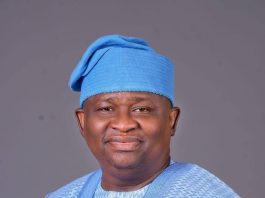






















Nigeria’s entertainment industry has been thrown into deep mourning following the death of veteran Juju musician, Yekini Kolawole Ajao, popularly known as Professor Y.K. Ajao, the celebrated “Juju Makosa” crooner and one of the respected voices in indigenous Yoruba music.
 https://www.digital.zenithbank.com/ZEQ/ZEQ-jan-2026/index.html#p=1
News of his passing began circulating on Friday, sending shockwaves across the Juju music community, especially among lovers of old-school Yoruba traditional sound. Though official details surrounding the cause of his death and family statements are still emerging, tributes have already started pouring in from fans, fellow musicians, and cultural enthusiasts across Nigeria and beyond.
A widely shared social media announcement simply read: “Juju Makosa crooner, Yekini Kolawole Ajao, popularly known as Prof. Y.K. Ajao, is dead. May his soul rest in peace.” This announcement confirmed the sad development and sparked emotional reactions from admirers of the late music icon.
Professor Y.K. Ajao was known for his deep-rooted contribution to Juju music, particularly during the era when the genre dominated social events, ceremonies, and mainstream Nigerian entertainment. His unique delivery, rich Yoruba proverbs, traditional percussion, and storytelling style made him a household name among lovers of cultural music.
Often associated with the authentic Juju sound that defined southwestern Nigeria for decades, Y.K. Ajao carved out a respected place for himself among the legends of the genre. His music reflected strong Yoruba identity, social commentary, praise singing, and philosophical wisdom. qualities that made Juju music more than entertainment, but a cultural archive.
Music historians have frequently mentioned him among the generation of musicians who helped sustain and expand the Juju movement alongside giants like King Sunny Ade and Chief Ebenezer Obey. His style, though distinct, shared the same traditional richness that made Juju music one of Nigeria’s most influential genres.
Beyond fame, the late musician was admired for remaining true to the original essence of Juju music at a time when many artists shifted toward commercialized sounds. His commitment to live instrumentation, traditional rhythms, and lyrical depth earned him enduring respect among both older and younger generations of listeners.
For many fans, songs like “Juju Makosa” were not merely records but cultural experiences—filled with danceable rhythms, moral lessons, and social reflection. His performances at parties, owambes, and major cultural events made him a beloved figure whose music resonated deeply within Yoruba society.
Y.K. Ajao was born in Iseyin, Oyo State, Nigeria, where he developed an early interest in music. He began performing as a child around 1962 at the age of nine and later moved through cities like Ibadan and Lagos to build his musical career.
He turned professional in 1973, after years of apprenticeship and experience, and gradually rose to prominence in Nigeria’s vibrant juju music scene. He is renowned for a blend of traditional Yoruba juju rhythms with modern, danceable influences. This innovation helped distinguish him from contemporaries and boosted his fame, especially in the late 20th century.
Y.K. Ajao earned the nickname “Professor” after a standout performance early in his career impressed audiences and industry figures, leading to the honorary title. He has released several albums, including the Makosa Series, and was at one point crowned a “National Juju King,” reflecting his influence in the genre.
Professor Y.K. Ajao is regarded as one of the key contributors to the growth and modernization of juju music in Nigeria, known for his longevity, stage performance, and role in shaping a distinct sub-genre within the industry.