









Advertisement
Home Blog Page 13

Afreximbank Launches Inaugural Accelerator Programme Cohort to Scale Africa’s Digital Trade Ecosystem

0
The programme underscores Afreximbank’s growing role as a catalyst for Africa’s trade and innovation ecosystem, providing a structured platform to identify and scale high-impact ventures

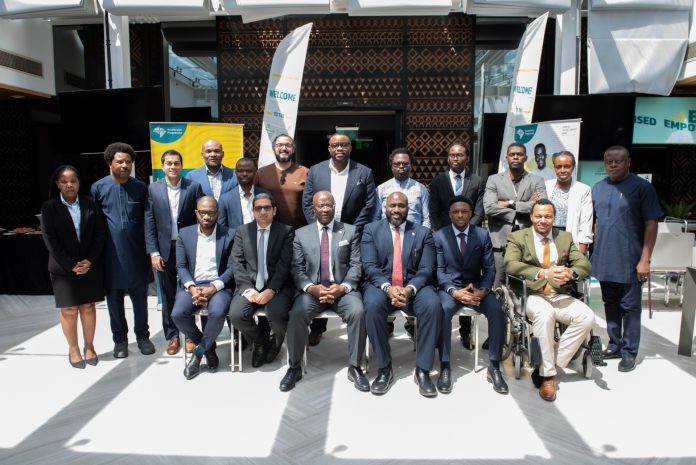
African Export-Import Bank (Afreximbank) has officially launched the inaugural cohort of its “Afreximbank Accelerator Programme,” bringing together eight high-potential startups from across Africa and the diaspora for an intensive kick-off week taking place in Cairo from 23-27 March 2026. 

Selected from a highly competitive pool of over 1,600 applications, the cohort represents some of the most promising ventures building digital infrastructure for intra-African trade from across the continent. These startups operate across key sectors including cross-border payments, digital logistics, agri-export platforms, AI-powered enterprise solutions, supply chain finance and diaspora investment mobilisation. 

Participating in the cohort are the startups Fincart.io of Egypt; OnePort 365, which operates in Nigeria, Ghana and Kenya; Timon, a pan-African entity active in 15 countries; Zowasel, also active in Nigeria, Kenya and Tanzania; Gebeya, which is both Ethiopian and pan-African; Fluna, also a pan-African startup active in 10 countries; Capsa Technologies of Nigeria; and Daba Finance whose operations cover Francophone Africa. 

Under the programme, which has been conceptualised, designed, and operated by Afreximbank, qualifying startups will be supported with investment of up to US$250,000, subject to standard investment criteria and due diligence, complemented by mentorship, market access, and strategic partnerships designed to accelerate their expansion across Africa.

The Cairo kick-off week, that commenced at Afreximbank’s headquarters on March 24, 2026 features a series of high-level engagements with the Bank’s leadership, industry experts, mentors and ecosystem partners. The week will culminate in an exclusive Social Mixer at the Grand Egyptian Museum, symbolically linking Africa’s rich heritage with its rapidly evolving innovation future. 

Driving Africa’s Digital Trade Future 

Speaking during the kickoff meeting, Mr. Haytham Elmaayergi, Executive Vice President, Global Trade Bank at Afreximbank, highlighted the significance of the event: “Today, we move from promise to execution, because we understand a fundamental truth: trade does not happen within the pages of policy documents. Trade happens through businesses. It happens through entrepreneurs. It happens through builders. What excites me the most about this cohort is not only who you are, but what you represent. You are building the digital rails that will define how Africa trades in the 21st century.” 

He added: “This Accelerator Programme is part of a much broader ambition: an Africa where start-ups scale across the continent as a matter of course, where businesses trade seamlessly across borders, and where the continent operates as a truly integrated economic force.  Afreximbank is proud to be a partner, an enabler and a committed stakeholder in the success of the next generation of African trade champions.” 

In addition to the core sessions, the eight startups met with Afreximbank President, Dr. George Elombi and the senior leadership team for expert-led briefings on a variety of topics.

The Accelerator Programme offers a differentiated value proposition by combining: 

  • Direct access to Afreximbank’s pan-African network of governments, financial institutions, corporates, and trade partners 
  • Market access and deal facilitation opportunities across key African trade corridors 
  • Regulatory and policy guidance, leveraging the Bank’s relationships with central banks and regulators 
  • Integration pathways into the Bank’s digital trade ecosystem, including the Africa Trade Gateway (ATG) and the Pan-African Payments and Settlement System (PAPSS) 

This approach positions Afreximbank as a strategic enabler of cross-border trade and continental scale, helping startups navigate licensing, compliance and market entry across multiple jurisdictions. Beyond this, the Bank plays a central role in shaping Africa’s digital trade ecosystem, combining market access, partnerships, and infrastructure to support the growth of scalable, continent-wide solutions. 

The programme underscores Afreximbank’s growing role as a catalyst for Africa’s trade and innovation ecosystem, providing a structured platform to identify and scale high-impact ventures. Through this initiative, the Bank is actively enabling the development of the digital infrastructure underpinning the implementation of the African Continental Free Trade Area (AfCFTA) agreement, positioning itself at the forefront of efforts to drive intra-African trade, market integration and economic transformation across the continent. 

Collectively, the eight start-ups operate across more than 15 African countries, spanning key trade corridors in West, East, North and Southern Africa. Their traction highlights the scale and potential of African innovation. Fluna has facilitated more than US$50 million in trade across 10 countries. Capsa has processed over NGN70 billion in supply chain finance. OnePort 365 connects the Nigeria-Ghana-Kenya trade corridors. Timon supports payments in 15 countries, with plans to expand to 40 countries, and Zowasel has connected more than 4,000 verified cooperatives and agribusinesses. 

Together, these ventures are building the digital rails for intra-African trade, accelerating the implementation of the AfCFTA and unlocking new pathways for economic integration across the continent and the wider Global Africa network.
ADVERTISEMENT

Dangote Pushes Industrial Growth, MSME Support at Enugu Int’l Trade Fair

0

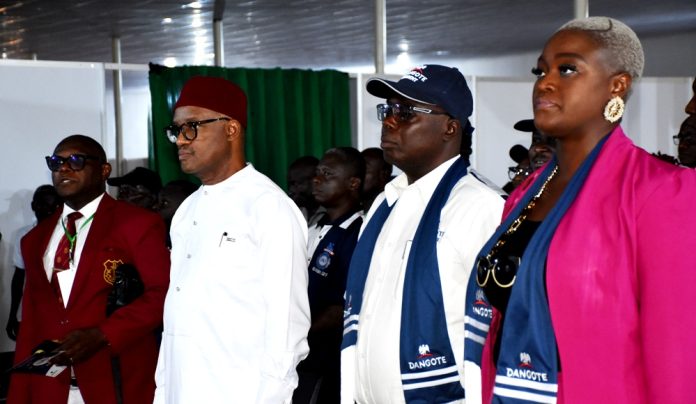
Dangote Group has restated its commitment to boosting Nigeria’s industrial capacity and supporting Micro, Small and Medium Enterprises (MSMEs).

Speaking in Enugu at the ongoing 37th International Trade Fair organised by Enugu Chamber of Commerce, Industry, Mines, and Agriculture, the South East Regional Director of Dangote Cement, Olatunbosun Jinadu, said MSMEs remain vital to economic growth but face challenges such as high energy costs, expensive raw materials, and poor infrastructure.

Jinadu noted that the Fair with theme, Empowering MSMEs for Global Competitiveness”, shows that it is not just an exhibition of products, but a clarion call to strengthen the Micro, Small, and Medium Enterprises, which form the backbone of local and global economies.

He stated that Dangote Group’s recently announced growth strategy, Vision 2030 will to a large extent solve most of the challenges, especially in the area of feed stock and energy. 

He explained that the Group’s long-term strategy focuses on industrial expansion and investments aimed at strengthening Africa’s self-sufficiency in key sectors. Plans include increasing the capacity of the Dangote Refinery from 650,000 to 1.4 million barrels per day, scaling fertiliser production to twelve million metric tonnes annually, and boosting output at its polypropylene plant.

According to him, Polypropylene has many uses which include packaging where it is employed for producing containers, bottles, and food packaging due to its lightweight and moisture resistance. It is also used in textiles for the making of fibers, ropes, and fabrics, including carpets and upholstery. Therefore, availability of polypropylene will lessen the myriads of challenges faced by MSMEs.

Jinadu said “Nigeria’s economic transformation must be anchored on local production and industrial self-reliance. We are expanding our capacity because of our conviction that Nigeria’s economic transformation must be anchored on local production and industrial self-reliance. Dangote Group is proud to be a key private sector driver translating these ideas into tangible economic results.”

Jinadu encouraged stakeholders to explore partnership opportunities with Dangote’s business units at the fair.

In his remarks, ECCIMA President, Nnanyelugo Onyemelukwe, praised the Group’s commitment to the growth of the domestic economy. He said,“It is obvious that Dangote Group has added a lot of value to the growth of the Nigerian economy, operating in almost every sector of the economy and still expanding and going strong. The trend of Dangote business and entrepreneurship indulgence has spread to many parts of the African continent, employing thousands of people across the world, of which not less than 85% are Nigerians. Indeed, Dangote Group is the pride of Nigeria and Africa at large.”

“The exploits of the Dangote Group show great depth and a high degree of vision, creative thinking, research, innovation, doggedness, and hard work and industry, which has come related to what one can describe as the Dangote business and industrial empire today,” he added.

ADVERTISEMENT

Women leading spread of the Olympic values across Senegal

0

To celebrate International Women’s Month, we shine a spotlight on the women combining sport and education to inspire positive change across Senegal as part of the Games’ legacy programme

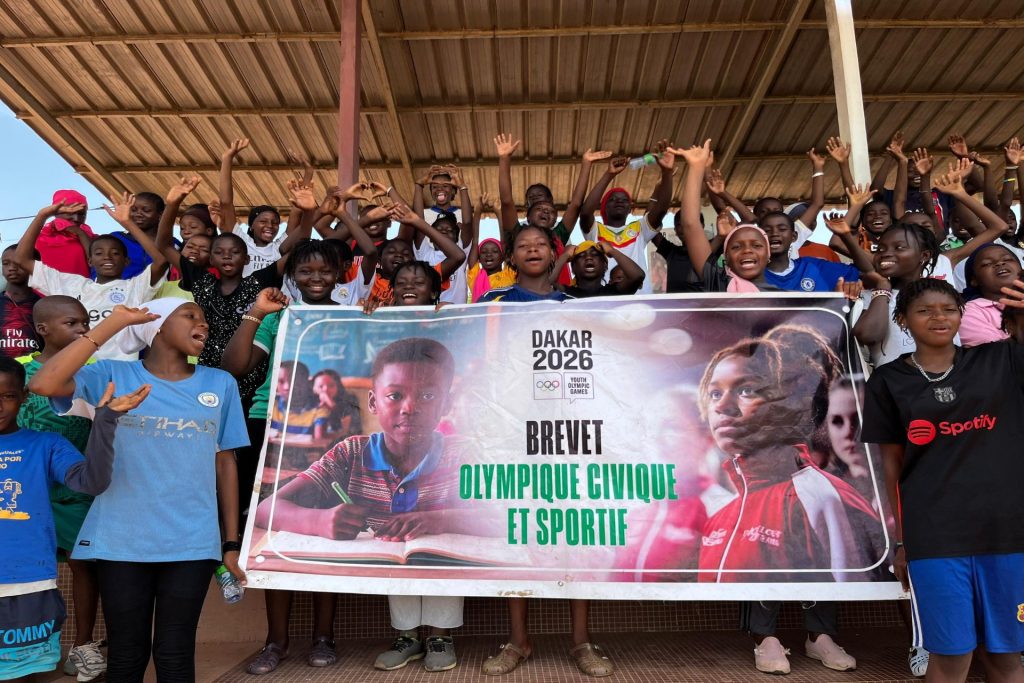
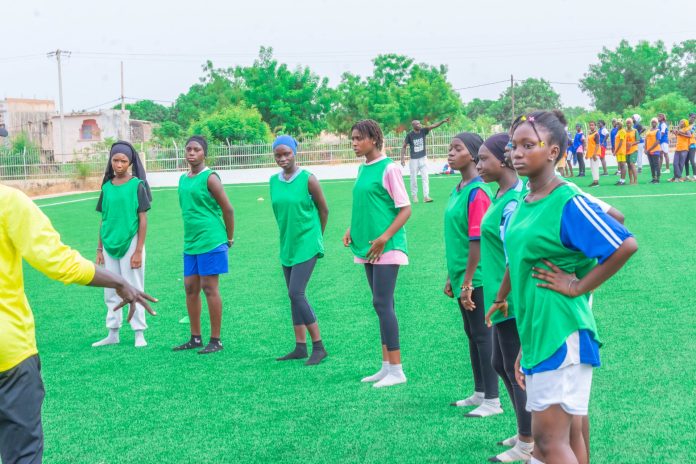
The impact of the Dakar 2026 Youth Olympic Games will be felt not just on sports fields and in stadiums but also in schools and classrooms. To celebrate International Women’s Month, we shine a spotlight on the women combining sport and education to inspire positive change across Senegal as part of the Games’ legacy programme, of which the Olympic Values Education Programme (OVEP) is a key driver.

KEY FACTS

  • The Dakar 2026 Youth Olympic Games Organising Committee is aiming to reach 900,000 young people aged from 9 to 15 across 11,000 schools before the start of the Games in October.
  • The team in charge of implementing OVEP – a group of educators, youth leaders and sports facilitators who are training teachers – boasts near-perfect gender parity.
  • Nearly 50 per cent of the beneficiaries are girls.

“Do not set limits for yourself – there are many possible paths.”

For Aïchatou Diop, this is the message she hopes that girls across Senegal will carry with them as the country prepares to host the Dakar 2026 Youth Olympic Games. Her own journey reflects this belief: after six years as a committed volunteer and swimming coach, she now has a role in the Dakar 2026 Organising Committee.

Aïchatou is just one member of a growing network of women educators helping thousands of Senegalese children discover the powerful connection between sport and personal development through an Olympic civic and sports certification – the Brevet Olympique Civique et Sportif (BOCS)  – a national programme forming the key pillar of the educational legacy of these Games.

The principles of OVEP are central to the BOCS. The ambition is to reach 900,000 young people aged from 9 to 15 across 11,000 schools before the start of the Games in October.

Across classrooms, sports fields and community centres, women like Aïchatou are playing a central role in bringing that mission to fruition.

WOMEN LEADING THE WAY

Behind the national rollout of the BOCS is a strong network of women working at every level of the programme – from project management and coordination to teacher training and classroom delivery.

“Women are integrated at both governance and operational levels,” explains Fanta Diallo, the Engagement and Mobilisation Director for Dakar 2026, whose department is overseeing the rollout. “Women are represented within our leadership and delivery teams […] and play an active role in curriculum delivery and mentoring.”

Fanta’s team – a group of educators, youth leaders and sports facilitators with near‑perfect gender parity – are involved in training teachers, mentoring students and supporting schools and youth programmes as they introduce OVEP-related activities and clubs.

The programme is even active in Senegal’s “toddler huts” – community centres for kindergarten-age children – ensuring that the Olympic values of excellence, respect and friendship are introduced from an early age.

CREATING OPPORTUNITIES FOR GIRLS

Facilitating equal access to sport, education and leadership opportunities is a priority of the BOCS. Targeted outreach is directed at girls in schools and community settings, while the programme is aligned with national and local initiatives promoting girls’ education, health and participation in sport and community life.

“Particular attention is given to parity in access, participation in practical sports sessions, civic modules and leadership activities linked to the Olympic values,” Fanta explains.

Those aims are being achieved. Girls represent almost 50 per cent of the beneficiaries of the BOCS programme – a significant proportion in a country where many girls face cultural and socioeconomic barriers to sporting and educational opportunities.

INSPIRING THE NEXT GENERATION

Across Senegal, BOCS clubs have been established in schools, often led by mixed-gender student committees responsible for organising activities inspired by the Olympic values.

In one secondary school, a group of girls involved in an OVEP club organised a “values through sport” day, designing the programme, coordinating the event and leading awareness sessions on respect and fair play.

The impact extended well beyond the event. Several of the girls went on to take leadership roles in other school clubs and community initiatives. Their teachers also reported noticeable improvements in their public speaking, decision-making and confidence.

Cécile Faye, Director of the National Olympic Academy of Senegal, believes such outcomes demonstrate the importance and value of having women in leadership roles, and their capacity to imbue positive values in younger generations.

“What makes female leadership important in society is transmitting values to young girls,” Cécile explains. “Seeing them become autonomous and reproducing the same behaviours is reassuring.”

For Awa Ndao, an OVEP trainer and youth engagement specialist, the programme’s impact often shows in small yet powerful moments.

What motivates her most, she says, are “les sourires des enfants” – the smiles of children who feel included and valued through OVEP initiatives.

She believes that women play a crucial role in creating environments where that transformation can happen, and in ensuring that the legacy of Dakar 2026 extends far beyond the end of the Games. She sums up that aim as “drawing inspiration from Olympism to build a better world”.

ADVERTISEMENT

Sanwo-Olu Inaugurates Irele Tower by Lagos Free Zone

0

The Executive Governor of Lagos State, Mr. Babajide Olusola Sanwo-Olu, today inaugurated Irele Tower, the first commercial building within the Lagos Free Zone — a nine-storey, EDGE-certified development that sets a new standard for sustainable workspace in Lekki, Nigeria’s fastest-growing economic corridor.

Irele Tower is designed to host office and retail activities in the Lekki economic corridor. The EDGE-certified building is developed as a sustainable “green building” built for efficiency with 26% less energy and 46% less water consumption. Irele Tower is an eco-friendly building, the design is inspired by maritime architecture, reflecting its proximity to the Lekki Deep Sea Port. An innovation of IFC, a member of the World Bank Group, EDGE empowers emerging markets to scale up resource-efficient buildings quickly, easily and affordably.

Speaking during the inauguration ceremony, the Executive Governor of Lagos State, Mr Babajide Sanwo-Olu, described the delivery of the Irele Tower as a significant milestone in the development of the economic zone in line with his administration’s THEMES agenda of making Lagos a 21st-century economy by boosting economic growth to support the state’s developmental plans.

Sanwo-Olu noted that developments such as the Irele Tower are critical to unlocking the full potential of the Ibeju-Lekki axis of the economic zone, particularly given the presence of the Lekki Deep Sea Port and other major industrial investments within the Lagos Free Zone.

He stated that the state government will continue to collaborate with private sector players to drive sustainable urban development, create jobs, and position Lagos as a leading hub for commerce and industry in Africa.

“The commissioning of Irele Tower is a clear demonstration of what can be achieved through strong collaboration between the public and private sectors. This development not only enhances the infrastructure profile of the Lagos Free Zone but also strengthens our vision of making Lagos a premier destination for investment and economic activities. We will continue to support initiatives that promote industrial growth, create employment opportunities, and improve the overall business environment in our state,” he said.

In her remarks, the Managing Director/Chief Executive Officer of Lagos Free Zone, Adesuwa Ladoja, stated that the development reflects the zone’s commitment to creating an integrated ecosystem where businesses can thrive, supported by modern infrastructure, a strategic location, and efficient logistics.

Ladoja explained that the building was conceptualised to meet the growing demand for high-quality commercial spaces within the zone, particularly as investor interest continues to increase following the operationalisation of key projects in the Lekki axis.

“The commissioning of Irele Tower represents a defining milestone in our journey to build a world-class industrial and commercial hub. This development reflects our commitment to providing high-quality infrastructure that supports ease of doing business and enhances operational efficiency for our tenants. As the first commercial tower within the Lagos Free Zone, Irele Tower, sets a new benchmark for quality workspace in this corridor and reinforces our position as a preferred destination for investment and enterprise.” she added.

As the first commercial tower in the Lagos Free Zone, Irele Tower blends elegance, functionality, and purpose, designed to facilitate seamless business operations. With a gross floor area of approximately 12,000 square metres, the development offers modern workspaces tailored to evolving business needs. The facility also offers premium amenities, including office spaces, retail outlets, parking facilities, shared workspaces, and a rooftop cafeteria, creating a dynamic, integrated business environment.

ADVERTISEMENT

Forever Mine, Wura & Dividends premiering on GOtv this weekend

0

A fresh lineup of shows hitting your screen this weekend into April on GOtv, it’s about to be back-to-back moments, gripping plots, unforgettable characters, and followup stories that will have you texting your circle “are you watching this?!” before an episode even ends.

This is your official cue to update your watchlist. Consider this your sign to get locked in, number one on the list is:

  1. Forever Mine – Premieres 28th March
image.png

The drama centers on a murder investigation following a Lagos luxurious wedding. A love, betrayal, desperation and murder story. Expect Lagos Lifestyle, grand celebrations and forbidden love that threatens to change everything.

  1. Wura S4 – Premieres 30th March 
image.png

Wura season 4 explores the consequences of Wura’s ruthless actions, with her empire cracking and her family turning against her. Murdering her own daughter, comes back to haunt her. 

This season is expected to be a high-stakes and dramatic continuation. 

  1. Dividends – Premieres  30th March
image.png

The drama centers on three strangers whose lives become dangerously intertwined through a Ponzi scheme known as “The Golden Bars.”

The series dives into themes of greed, deception, and the temptation of easy money, reminding viewers that “awoof dey always run belle.” 

Dividends airs Mondays to Wednesdays at 20:30 on Africa Magic Showcase.

  1. Iboju – Premieres April 4th
image.png

Iboju is a Yoruba-language crime thriller set to premiere on Africa Magic Yoruba. The series explores powerful themes of survival, secrets, and sacrifice, following ordinary people pushed into difficult choices where the line between right and wrong becomes increasingly blurred.

  1. Stripped – Premieres April 19th 
image.png

The narrative of Stripped focuses on the lives of five main characters dealing with financial pressures and making bold, unpredictable choices. A high-stakes, dramatic storyline involving extreme choices.

This lineup is one you don’t want to miss. Don’t just hear about it, tune in and experience it for yourself. Catch up on GOtv. 

To upgrade, subscribe, or reconnect, download the MyGOtv App or dial *288#. For catch-up and on-the-go viewing, download the GOtv Stream App and enjoy your favourite shows anytime, anywhere. 

ADVERTISEMENT

Why the Camera is the Nigerian Marketer’s Biggest Untapped Asset

0
Olumide Balogun

By Olumide Balogun

Picture this scenario. You are at a fun party in Lagos. Amidst the sea of colorful jackets and perfectly tailored pants, you spot a guest wearing a pair of striking sneakers that perfectly blend modern streetwear with traditional Aso-Oke fabric. You want to buy a pair immediately. The music is loud, and the guest is across the banquet hall. A few years ago, you would simply have to wonder who made them. Today, you pull out your smartphone, tap the camera icon in your search app, and snap a quick photo. Within seconds, the technology identifies the exact local designer, shows you product reviews, and provides a direct link to their online store.

As the great Chinua Achebe famously wrote, “The world is like a Mask dancing. If you want to see it well, you do not stand in one place.”

The modern Nigerian consumer has certainly moved. They are actively experiencing the world visually, turning their smartphone cameras into their primary shopping tool. Nigerians are highly optimistic about this technological shift. In fact, 80% of Nigerians are more excited about the possibilities of AI, versus just 20% who are more concerned. This enthusiasm translates directly to commerce and innovation. Currently, 80% of Nigerians are using AI to explore a new business or career change, nearly double the global average of 42%. For Nigerian marketers, understanding this shift is the exact key to unlocking unprecedented business growth.

We are witnessing a massive transformation in how people consume media and discover products. YouTube watch time in Nigeria recently jumped by over 55% year over year. Our incredibly young, digital native population is actively redefining the media landscape by immersing themselves in video and visual content. Consequently, they are moving rapidly toward visual and video-led discovery.

The Rise of Visual Search: The modern Nigerian shopper uses their camera to ask questions. Globally, Lens is used for over 20 billion visual searches every month. Features like Circle to Search and video understanding allow users to interact with their surroundings instantly.

A shopper can now circle a fashion item they spot in a social media video or use their camera to scan a product in real life to find out more. Gen Z consumers are leading this charge. They use visual search to effortlessly discover products they cannot easily describe with words. They see something they love, and they use their camera to find it.

Making the Real World Shoppable: This visual behaviour creates a powerful new reality for retail. Imagine a consumer walking through a busy mall and spotting a stylish backpack in a store window. They simply tap the Lens icon on their phone and snap a photo. Instantly, they see a highly helpful results page showing product reviews, price comparisons across different retailers, and direct links to buy.

Google is integrating Shopping Ads directly into these visual search results. Advertisers can now connect with highly motivated shoppers at the exact moment their interest is piqued. The opportunity for businesses is immense, considering 1 in every 4 visual search queries done using Google Lens have a commercial intent. Your product can appear right alongside the items people are photographing out in the real world, turning everyday inspiration into immediate sales.

Video as the New Storefront: This visual revolution extends directly into online video. With YouTube becoming the primary screen for many Nigerians, video serves as the new digital storefront. Consumers turn to YouTube to discover trends, learn new skills, and make confident purchase decisions based on trusted creator reviews.

Brands must capture customer interest while users are deeply engaged in this video content. Google’s Demand Gen campaigns make this process highly effective. These AI driven campaigns take your best video and image assets and automatically serve them across YouTube and other visual platforms. The results speak for themselves. Advertisers are more likely to say Google Search and YouTube drive business growth more than any other paid advertising platforms.

Step Into the Frame: The language of commerce is increasingly visual. Nigerian consumers are already using their cameras and screens to navigate their shopping journeys. Marketers who embrace this visual commerce revolution will build stronger, more profitable connections with their audiences.

By optimizing your visual product assets, leveraging AI tools like Demand Gen, and preparing for ads in visual search, you position your brand right at the heart of the modern shopping experience. The camera is the most powerful tool in your customer’s hand today. It is time for your business to step into the frame.

Olumide Balogun is a Director at Google West Africa

ADVERTISEMENT

Meet SongDNA, a New Beta Feature That Reveals the Creative Connections Behind Your Favorite Tracks

0

Behind every great song is a complex web of people, stories, and inspirations that span genres and decades. Today, we’re bringing those relationships to the forefront of the listening experience by revealing the intricate network of people and creative connections behind the music you love. 

Now rolling out to Premium users globally, SongDNA is our new, immersive music experience that’s built right into the Now Playing view. By simply tapping the SongDNA card, you can explore the writers, producers, and collaborators behind a song, see samples and interpolations that shaped its sound, and browse the covers it inspired. But it doesn’t stop there. You can tap into any of those creators to discover the other artists they’ve worked with, then explore those collaborators in turn. It’s an interactive way to follow the connections between tracks and see how artists, eras, and genres intersect, giving you a deeper understanding of how what you’re listening to came together.

Here’s how it works:

  1. While listening to a song in the Spotify mobile app, open the Now Playing view.
  2. Scroll down to find the SongDNA card on supported tracks.
  3. Tap in to see the song’s collaborators, samples, interpolations, and covers, and then follow the links to discovery.  

Empowering the creative community

For artists and the wider creative community of songwriters, producers, composers, and engineers, SongDNA offers a new way for fans to engage with their work by putting collaborations and influences front and center.

The connections you see in SongDNA are powered by a combination of information we receive from artists and their teams, supplemented by community-sourced data. As we continue to evolve this experience in beta, eligible artist and label teams can review and manage the components of SongDNA in Spotify for Artists, ensuring they have a direct hand in how their musical story is told.

“SongDNA is designed to make a song’s creative lineage more transparent so fans can easily explore the people and influences behind the music they love,” said Jacqueline Ankner, Spotify’s Head of Songwriter & Publisher Partnerships. “By bringing collaborators, samples, and covers together in one place, we’re making it easier for fans to discover new music and see how songs connect and come to life—while giving songwriters, producers, and rightsholders meaningful recognition for the role they play in creating it.”

A new dimension of discovery

SongDNA complements existing features like About the Song to give listeners a deeper understanding of the music they love. Where About the Song helps you understand the story behind a specific track, SongDNA turns a song into an immersive, exploratory experience:a world fans can step into.

SongDNA is another way we’re bringing fans closer to the artists they love while ensuring that everyone who works on a song gets the recognition they deserve. The feature is now rolling out in beta for Premium users globally on iOS and Android mobile devices, and will become broadly available to all Premium users throughout April. 

ADVERTISEMENT

Feature: Ponzi Schemes and the Endless Cycle of Financial Loss in Nigeria

0
Charles Ponzi

by ‘Kayode Awojobi

From the earliest days of commerce to the modern digital economy, the promise of quick wealth has remained one of humanity’s most enduring temptations. Long before the rise of the internet and sophisticated financial systems, individuals were drawn into schemes that promised extraordinary returns for minimal effort. Today, that same “get-rich-quick” mentality continues to thrive, only now it operates with greater speed, wider reach, and more devastating consequences. At the heart of this recurring pattern lies the infamous Ponzi scheme, a fraudulent investment model that has ruined lives across the globe.

The term “Ponzi scheme” originates from Charles Ponzi, who in the early 20th century orchestrated one of the most notorious financial scams in history. Since then, similar schemes have surfaced worldwide, often disguised as legitimate investment opportunities. From the multi-billion-dollar fraud executed by Bernard Madoff in the United States to various cryptocurrency-related scams in Asia and Europe, Ponzi schemes have evolved but remain fundamentally the same. They rely on funds from new investors to pay returns to earlier ones, creating an illusion of profitability until the structure inevitably collapses.

Globally, financial watchdogs estimate that Ponzi schemes have defrauded investors of hundreds of billions of dollars over the past few decades. The appeal is universal. High returns, low risk, and a sense of exclusivity draw people in. Yet, the outcome is almost always predictable. Financial ruin awaits the majority, while profit is reserved for a select few at the top.

Nigeria, unfortunately, has become one of the most fertile grounds for such schemes. Over the years, the country has witnessed the rise and fall of numerous Ponzi operations. From the infamous MMM Nigeria in 2016 to schemes such as Ultimate Cycler, Twinkas, Loom, Racksterli, MBA Forex, and more recently CBEX, the pattern remains unchanged. Conservative estimates suggest that over 50 major Ponzi schemes have surfaced in Nigeria within the last decade alone, collectively defrauding millions of citizens and wiping out billions of naira in personal savings.

The case of CBEX stands as one of the most recent and painful reminders of this recurring tragedy. Emerging around May 2024, CBEX quickly gained traction by presenting itself as a legitimate forex trading platform. Its structured trading windows, polished interface, and strategic marketing gave it an air of credibility that appealed to both the educated elite and everyday Nigerians. Trust grew rapidly. People invested not just disposable income but life savings, business capital, and even borrowed funds, all in anticipation of high returns.

What made CBEX particularly dangerous was its ability to exploit trust within social networks. Friends convinced friends, colleagues persuaded colleagues, and family members encouraged one another to invest. As returns appeared to flow in the early stages, confidence deepened, and many investors reinvested their profits rather than withdrawing them, unknowingly reinforcing the very system that would eventually collapse.

By late March and early April 2025, cracks began to appear. Users experienced delays, trading windows became inconsistent, and withdrawals were restricted. Initially dismissed as technical glitches, these issues soon escalated into a full-blown crisis. The platform became inaccessible, funds were locked, and the realization dawned that CBEX had collapsed, leaving thousands of investors stranded.

The aftermath was chaotic and deeply emotional. Across Nigeria, anger spilled into the streets. Offices linked to the scheme were vandalized, and individuals associated with its promotion faced backlash. Beyond the visible outrage lay a deeper, more enduring damage. Financial devastation, broken relationships, mental health struggles, and in some cases, long-term economic hardship became the reality for many victims.

In response to the crisis, the Economic and Financial Crimes Commission (EFCC) launched investigations into the CBEX scheme. The agency identified key promoters and began efforts to trace and recover diverted funds. Public statements assured victims that assets linked to the scheme would be tracked and possibly recovered. However, like many financial fraud cases, the process has proven complex. Funds are often moved through multiple channels, including international accounts and digital wallets, making recovery slow and uncertain.

While the EFCC’s intervention has provided some measure of hope, a year after the collapse, many victims are yet to receive compensation. The reality is stark. Once funds are lost in Ponzi schemes, recovery is rarely complete. The legal and logistical hurdles involved mean that even when assets are recovered, they may only cover a fraction of the total losses.

What is perhaps most troubling is not just the existence of these schemes, but the persistence of participation in them. Despite repeated warnings from regulatory bodies, financial experts, and past victims, many Nigerians continue to fall prey to new variations of the same old scam. The cycle repeats itself. A new platform emerges, new promises are made, and the same outcome follows.

This raises a fundamental question. Why do people continue to invest in schemes that history has consistently proven to be fraudulent? The answer lies in a combination of economic pressure, limited financial literacy, and the powerful allure of quick wealth. In a challenging economic environment, the promise of rapid financial breakthrough can overshadow caution and critical thinking.

Breaking this cycle requires more than government intervention. It demands a collective shift in mindset. Financial literacy must be prioritized, and individuals must learn to critically evaluate investment opportunities. Any platform that guarantees unusually high returns with little or no risk should be treated with extreme suspicion. Legitimate investments grow steadily, not overnight.

The lesson from CBEX and countless other schemes is clear. There is no shortcut to sustainable wealth. Every naira invested in a Ponzi scheme is a gamble against time, and in most cases, time wins.

As a nation, Nigeria must move beyond reactive measures and embrace preventive action. Regulatory agencies must strengthen surveillance, enforce stricter penalties for financial fraud, and collaborate with international bodies to track illicit financial flows. Educational institutions and media platforms must also play a role in raising awareness about the dangers of fraudulent investments.

But ultimately, the responsibility lies with the individual. Nigerians must resist the temptation of quick gains and adopt a culture of patience, diligence, and informed decision-making.

The cost of illusion is simply too high. It is time to say no to Ponzi schemes, completely and unequivocally.

‘Kayode Awojobi is a multiple award-winning broadcast journalist, social and political commentator. He writes from Ago-Iwoye, Ogun State.

ADVERTISEMENT

Africa’s Creative Heavyweights Unite to Shape a Stronger Global Story of the Continent

0

Opportunity Africa launches pan-African Creative Council backed by leading communications, media and brand leaders

 In line with Agenda 2063, the Opportunity Africa initiative has launched its Creative Council, bringing together Africa’s leading communications, media and marketing leaders to advance a narrative that contributes to building The Africa We Want.

It is a pan-African platform and movement designed to shift how the world sees Africa and how Africa sees itself, by amplifying the people, stories and institutions already shifting perceptions. It is a shared platform that brands, institutions and storytellers can align around to communicate a stronger, more unified story of Africa.

At a time when the global order is shifting and competition for capital, influence and attention is intensifying, perception matters as much as facts. For Africa, image is no longer a soft issue. It is a strategic one. The Creative Council has been established to help ensure Africa is defined by those building it.

The Council brings together senior leaders who have shaped narratives at national, regional and global levels. Their role is to guide the creative direction of the initiative, connect it to their continent-wide networks and ensure the initiative remains credible, relevant and culturally resonant across markets.

“This is exactly the kind of collaboration Africa needs to shape a narrative that reflects our aspirations under Agenda 2063 and builds The Africa We Want. In line with the mandate of the African Union Commission’s Information and Communication Directorate, this work will strengthen how we communicate the Union’s priorities and amplifies Africa’s voice. We encourage more partners to join this growing movement.” Faith Adhiambo, Communication Officer, Agenda 2063 African Union. 

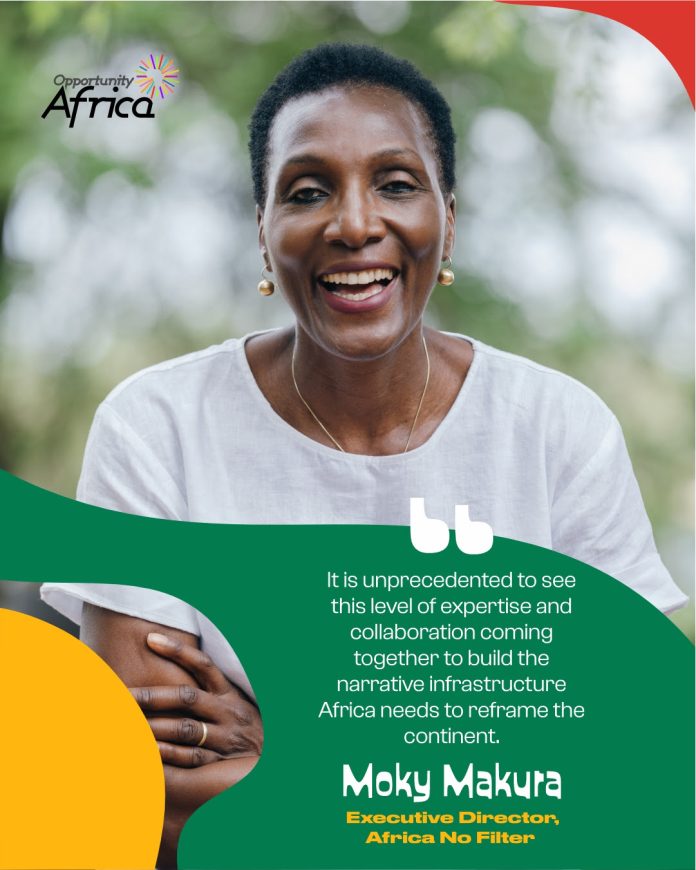
“It is a privilege for Africa No Filter to serve as secretariat and help steward this forward. It is unprecedented to see this level of expertise and collaboration coming together to build the narrative infrastructure Africa needs to reframe the continent,” said Moky Makura, Executive Director of Africa No Filter and co-chair of the Council.

Initial members of the Creative Council include senior leaders from TRACE, Africa Practice, the African Union, Brand South Africa, IC Publications, Alpha Media Holdings, X3M Ideas and other leading institutions across the continent.

Members of the Creative Council

Addis Alemayehou – Chairperson, Kazana Group; Co-founder and CRO, Dodai

Adebola Williams – Co-founder, RED | For Africa

Leslie Richer, Director, Information and Communication, African Union

Faith Adhiambo – Communications Officer, Agenda 2063

Fareed Khimani – Communications Adviser, Office of the Cabinet Secretary, Ministry of Agriculture and Livestock Development, Kenya.

Gina Din-Kariuki – Founder and Executive Chair, The Gina Din Group

Kwame Senou – Founder, The Holding Opinion (THOP)

Malik Shaffy Lizende – Founder, 63 Inc

Moky Makura – Executive Director, Africa No Filter

Omar Ben Yedder – Group Publisher and Managing Director, IC Publications

Richard Kiplagat – Senior Stakeholder Relations Adviser, Africa Practice

Samuel Onyemelukwe – Group Business Development Director, TRACE

Sophie Masipa – CEO and Brand Strategist

Steve Babaeko – Founder, X3M Ideas

Terhas Berhe – Founder and Managing Director, BrandComms

Thebe Ikalafeng – Founder, Brand Africa

Thoko Modise – General Manager: Communications, Brand South Africa

Tim Ekandjo – Branding, Marketing, Communications and Sustainability Officer, MTC Namibia

Tola St. Matthew-Daniel – Founder, Kairos & Tola

Tosin Adefeko – Founder and CEO, AT3 Resources

Trevor Ncube – Founder and Chairperson, Alpha Media Holdings

View the campaign video here.

ADVERTISEMENT

Nigeria Customs earns Global Commendations

0

In furtherance of its commitment to strengthening institutional integrity and aligning with global best practices in customs administration, the Nigeria Customs Service (NCS) has deepened its engagement with the World Customs Organisation (WCO) Anti-Corruption and Integrity Promotion (A-CIP) Programmme.

This followed a high-level meeting held at the WCO Headquarters in Brussels, Belgium, on 23 March 2026, during a working visit by the Comptroller-General of Customs, Bashir Adewale Adeniyi, MFR, who also serves as the Chairperson of the WCO Council.

The engagement provided an opportunity for the A-CIP Team to brief the Comptroller-General on the progress of its ongoing collaboration with the NCS. 

Discussions centred on integrity capacity-building initiatives, the development of integrity-focused standard operating procedures, and the planned conduct of an integrity risk assessment exercise in 2026. The team also outlined its strategic priorities under Phase II of the Programme (2026–2030), which places emphasis on embedding integrity safeguards within automated customs systems, trade facilitation frameworks, and revenue administration processes.

Furthermore, the A-CIP team commended the NCS for its active participation in the WCO integrity survey and for approving the release of the survey outcomes, a step that reflects a strong institutional commitment to transparency and accountability. The positive outcomes of the survey underscore the impact of ongoing reforms within the Service, including structured valuation review mechanisms, strengthened post-clearance audit processes, and the implementation of the Voluntary Disclosure Framework under the Nigeria Customs Service Act 2023.

In his remarks, the Comptroller-General expressed appreciation to the A-CIP team for the quality and relevance of its engagement with the Service, reiterating the NCS’s resolve to sustain and deepen the partnership. Both parties acknowledged that institutional integrity remains a critical pillar for building public trust and enhancing the credibility of customs administrations, particularly in an increasingly complex global trade environment.

Building on the outcomes of the meeting, both sides agreed on a set of forward-looking actions to consolidate progress under the A-CIP Programme. These include publishing the WCO integrity survey results to demonstrate transparency, establishing and training a dedicated Implementation Working Group, and systematically integrating survey recommendations into NCS operational and business processes. 

In a separate development, the Comptroller-General also held a strategic meeting with the WCO Secretary-General, Ian Saunders and relevant secretariat staff, during which both sides exchanged updates on the work of the Policy Commission and Council.

ADVERTISEMENT

NDLEA and Nigeria Customs Service Strengthen Ties as New Tincan Commander Visits KLT Command

0

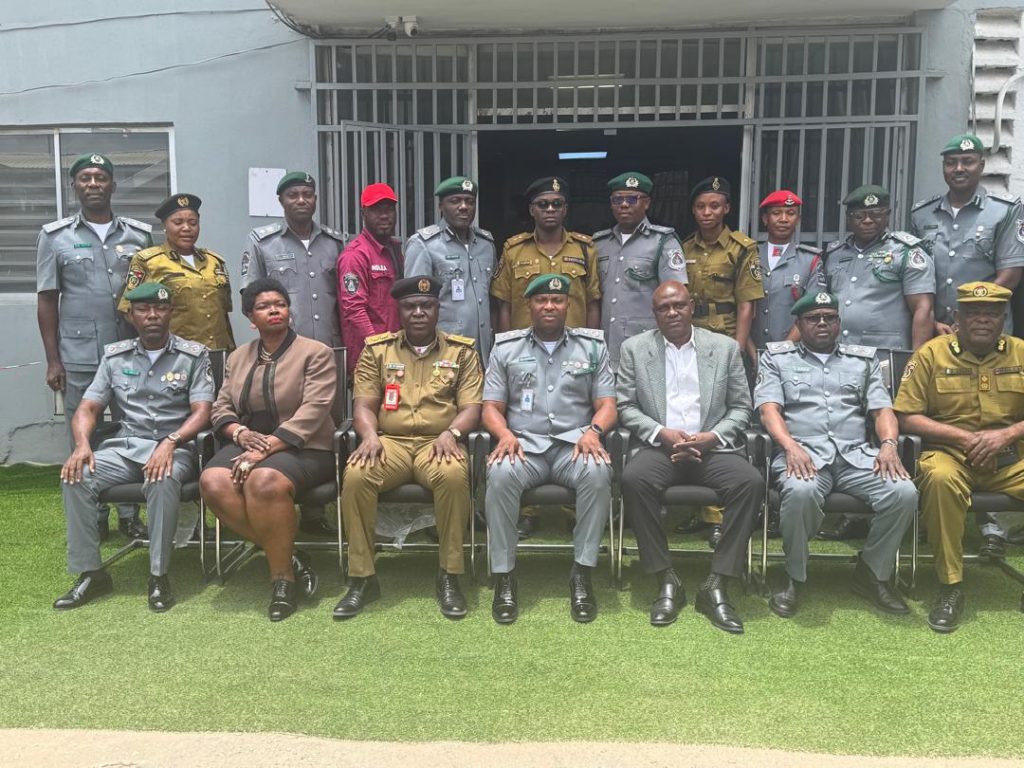
The newly appointed Commander of the National Drug Law Enforcement Agency (NDLEA), Tincan Strategic Command, Commander Solomon Gbadebo Omotosho, on Wednesday, 25th March 2026, led a delegation on a courtesy visit to the Nigeria Customs Service (NCS), Kirikiri Lighter Terminal (KLT) Area Command, Lagos.

The visit was aimed at formally introducing the Commander and strengthening collaboration between both agencies in the collective fight against narcotics trafficking within the maritime corridor.

Receiving the delegation, the Acting Customs Area Controller, Deputy Comptroller Bolaji Lukman Adigun, described the engagement as timely, noting that the port environment remains a critical frontline in the prevention of illicit drug movements. He reaffirmed the Command’s commitment to robust enforcement while ensuring the smooth facilitation of legitimate trade.

Deputy Comptroller Adigun further emphasized the importance of sustained intelligence sharing, coordinated cargo profiling, and joint examination procedures as key strategies in enhancing operational effectiveness and curbing the activities of drug trafficking syndicates.

In his remarks, Commander Solomon Gbadebo Omotosho stated that the visit was necessary to establish a strong working relationship with the KLT Command and to reinforce operational synergy in addressing narcotics trafficking. He highlighted the need for seamless communication, proactive intelligence exchange, and coordinated enforcement actions to achieve measurable results.

He added that the NDLEA remains committed to working closely with the Nigeria Customs Service to disrupt illicit drug networks and strengthen national security.

The visit featured the exchange of plaques between both agencies, symbolizing goodwill and a shared commitment to sustained cooperation.

The engagement concluded with both agencies reaffirming their resolve to deepen collaboration, enhance operational coordination, and maintain a united front in safeguarding Nigeria’s maritime borders from illicit activities.

ADVERTISEMENT

NCC and Plateau State Partner to Expand Rural Broadband Access

0
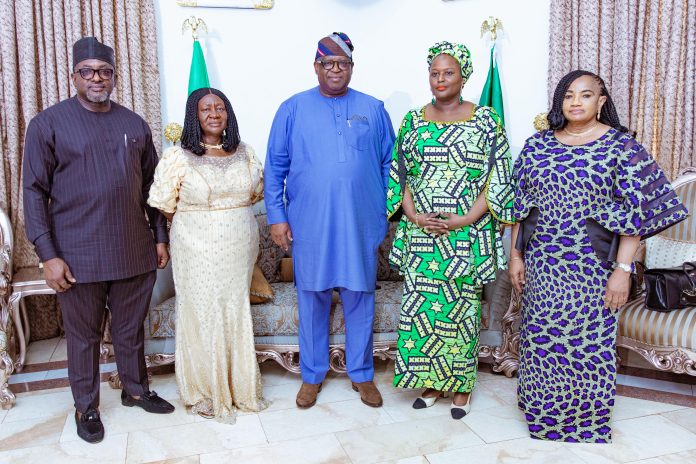
L-R: Deputy Director, Legal and Regulatory Services, Nigerian Communications Commission (NCC) Lawrence Abang; Plateau State Deputy Governor, Josephine Piyo; Executive Governor, Plateau State Caleb Mutfwang; Executive Commissioner Stakeholder Management, NCC, Rimini Makama; Director, Digital Economy, NCC, Helen Obi during the Commission’s courtesy visit on the Plateau State Governor in Jos, Plateau State.

The Nigerian Communications Commission (NCC) has pledged to utilize its full regulatory mandate to bring broadband access to underserved communities, describing the move as essential for unlocking economic opportunities.

The commitment was made during a courtesy visit by the NCC Executive Commissioner for Stakeholder Management, Ms. Rimini Makama, to the Governor of Plateau State, Barrister Caleb Mutfwang, at the Government House in Jos. During the session, the Commission identified Plateau State as a strategic partner in Nigeria’s national broadband agenda, pointing to the state’s educational institutions, innovation hubs, and youthful population as key drivers for digital transformation.

“The NCC has identified Plateau State as a pivotal partner in Nigeria’s broadband agenda; not ceremonially, but strategically,” Ms. Rimini Makama said. “You have the educational institutions, the growing innovation ecosystem at nHub and beyond, the youth talent, and now a Governor whose public commitments; from the Right of Way policy to the TechFest declaration, signal the political will that digital infrastructure demands.”

Despite the state’s digital promise, the Commission noted that many rural Local Government Areas remain cut off from the benefits of reliable connectivity. Ms. Makama described the visit as the start of a deeper collaboration to align the NCC’s instruments, including the Universal Service Provision Fund, with the state’s development goals.

“We have taken notice. At the same time, we must be honest: many rural LGAs remain underserved, cut off from the digital economy that could transform their livelihoods. Bridging that divide is a shared responsibility, and the NCC is ready to fulfil its part,” she declared.

Governor Mutfwang welcomed the delegation, noting that the visit coincides with his administration’s declaration of 2025 as the year of digital innovation. He expressed a desire to move beyond policy discussions into practical implementation, specifically in fields such as Artificial Intelligence.

The Governor detailed ongoing initiatives, including a partnership with the United Nations Development Programme (UNDP) to establish an innovation hub and a Memorandum of Understanding with Solitran to speed up broadband deployment. He also announced a new Business Process Outsourcing (BPO) initiative aimed at creating remote jobs for at least 500 young people in Jos.

Governor Mutfwang called for a modern, technology-driven approach to governance to replace outdated administrative practices. He noted the urgency of seizing these digital opportunities to ensure the state does not lose its competitive advantage in e-commerce and innovation.

ADVERTISEMENT

Kaspersky and African Union Mechanism for Police Cooperation (AFRIPOL) conduct joint cybersecurity training for African law enforcement

0

Kaspersky Expert Training is used by numerous organisations and academic institutions to advance their skills in battling against cybercrime

As part of a joint initiative with AFRIPOL, Kaspersky provided cybersecurity training courses for law enforcement representatives from 23 African countries, unfolding the fundamentals of Security Operations Center (SOC) activities and advanced threat hunting techniques.

As cyber threats continue to grow in scale and complexity, strengthening law enforcement agencies’ technical capabilities has become a global priority. Through knowledge-sharing programmes, technology companies can contribute practical expertise gained from real-world cyber investigations and threat analysis. Such collaboration helps equip law enforcement professionals with the skills and tools needed to investigate digital crimes more effectively and strengthen cybersecurity capabilities.

From November 2025 to March 2026, around 40 African officers from 23 countries* received “Security Operations and Threat Hunting” training, provided as part of the cooperation agreement between Kaspersky and AFRIPOL signed in 2024. These countries include Algeria, Benin, Cameroon, Comoros, Eswatini, Ethiopia, Gabon, Gambia, Ghana and Kenya. Others are Liberia, Libya, Malawi, Mali, Mozambique, Namibia, Nigeria, Rwanda, South Africa, South Sudan, Uganda, Zambia, and Zimbabwe.

During the training, African officers gained practical knowledge of Security Operations Center (SOC) activities and modern cyber-defence practices. The programme covered key aspects of threat detection and incident investigation, including how to identify malicious activity in Windows and Linux environments, analyse attacker tactics, techniques and procedures (TTPs) and use threat intelligence to uncover advanced threats.

As part of the training, a series of online Q&A sessions were organised, providing participants with the opportunity to engage directly with experts and course authors from Kaspersky’s Security Services team. These sessions allowed attendees to clarify complex topics, discuss practical cases and receive additional insights, reinforcing the learning experience and ensuring a deeper understanding of key cybersecurity concepts.

“Cybercrime today is highly sophisticated, borderless and constantly evolving, which means no single organisation can tackle it alone. This is why cooperation and knowledge sharing between the private cybersecurity sector and law enforcement agencies are so critical. Our long-standing collaboration with AFRIPOL demonstrates the value of this approach. Over the years, Kaspersky and AFRIPOL have worked together to better understand the cyberthreat landscape across Africa and to support international efforts aimed at disrupting cybercrime. By continuing to invest in training and capacity building, we aim to support law enforcement professionals with the expertise they need to investigate digital crimes effectively and contribute to building a safer and more trusted digital environment for everyone,” says Yuliya Shlychkova, Vice President, Public Affairs, at Kaspersky.

“Strengthening the capabilities of law enforcement agencies is essential to effectively address the growing complexity of cybercrime across the African continent. Initiatives such as this training programme play an important role in equipping officers with the practical skills needed to investigate cyber incidents, analyse digital evidence and respond to emerging threats. Cooperation with partners from the private cybersecurity sector, such as Kaspersky, helps law enforcement agencies stay informed about the latest threat trends and investigative approaches. We highly value this collaboration and the opportunity it creates to further develop the cybercrime response capabilities of AFRIPOL member countries,” says Dr Mohammed Benaired, Head, Training and Capacity Building Division at AFRIPOL.

In 2024, to further enhance global efforts to combat cyber offenses, Kaspersky and AFRIPOL signed (http://apo-opa.co/4taXNTz) a cooperation agreement in preventing and fighting cybercrime. Covering a period of five years, the document formalises and facilitates cooperation between the company and the law enforcement agency in sharing threat intelligence data on the latest cybercriminal activities and entails the provision of assistance and know-how in information security analysis.

Kaspersky Expert Training is used by numerous organisations and academic institutions to advance their skills in battling against cybercrime. Since the inception of this online training programme, Kaspersky experts have trained more than 3,000 specialists from 50 countries around the world. Providing their expertise with 12 educational courses, they share their insights on advanced tactics and strategies in Reverse Engineering, Threat Hunting, Incident Response and more – each divided by the level of students’ experience. Learn more here https://apo-opa.co/4bugdIL.

ADVERTISEMENT

Purposeful Leadership, Intra-Party Stability Key to Democratic Success – APC Chieftain

0
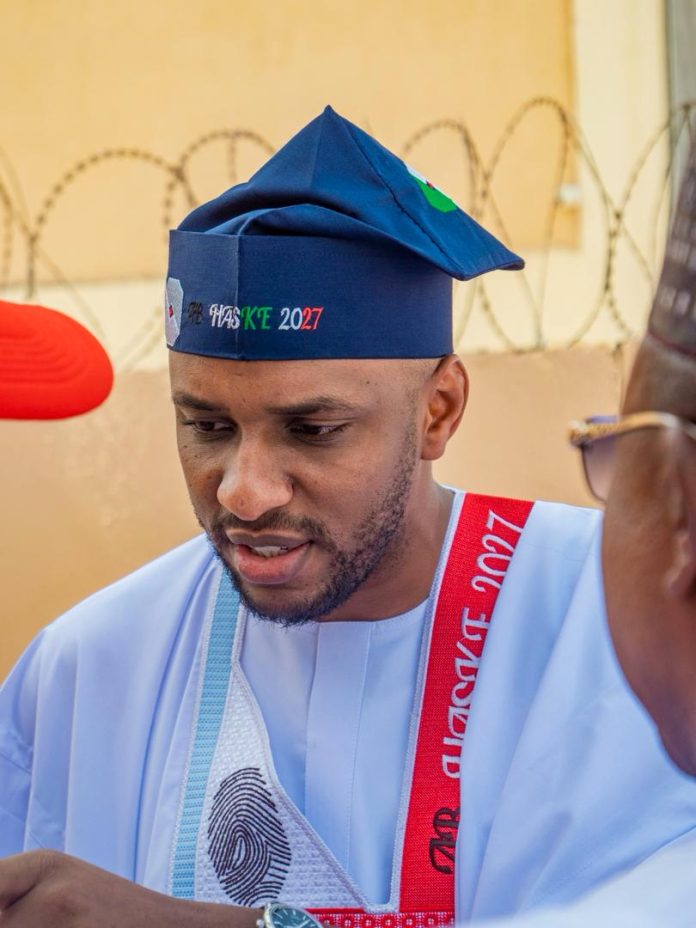
Haske

Purposeful leadership and intra-party harmony and stability have been described as key elements for an enduring democratic system, which offers greater socio-economic development for a nation.

A chieftain of the All Progressives Congress (APC) and governorship aspirant in Adamawa State, Abdulrahman Haske, stated this on the sideline of APC Zonal Congress of the North-Eastern states which took place in Gombe on Wednesday.

Haske said such intra-party stability has positioned the APC across the country as a party that has institutionalised progressive governance in all its activities at local, state and national levels, attributing the success to the purposeful leadership of President Bola Ahmed Tinubu as leader of the party.

Hosted by the Governor of Gombe State, Muhammadu Yahaya, the high-level gathering, which drew an array of influential leaders within the APC fold, produced Barr. Idris Shaibu Gella, State Chairman, Adamawa State, as the new National Vice Chairman, North-East.

Among those present were Governors Mai Mala Buni of Yobe State, Agbu Kefas of Taraba State, and Ahmadu Fintiri of Adamawa State; Deputy Governor, Borno State, Umar Usman Kadafur; Deputy National Chairman of APC, Hon. Ali Bukar Dalori and the immediate past APC North-East Vice Chairman, Comrade Mustapha Salihu. Other party chieftains and stakeholders from across the geopolitical zone were also present.

While congratulating the Gella and other officials elected to paddle the affairs of the APC in the North-East Zone, Haske said the peaceful conduct of the various party events across local, state and national levels reflects the deliberate stability which the party leadership has continued to create for all stakeholders in the country.

Addressing party faithful and delegates on the sidelines of the congress, Haske described the gathering as a defining moment for the APC in the North-East, emphasising that the congress reflects the party’s unity, internal democracy, and readiness to consolidate its political strength ahead of future electoral contests.

He said: “This Congress is not merely a procedural gathering; it is a powerful affirmation of our collective resolve as a party. It demonstrates that the APC remains united, focused, and prepared to deepen democratic values while advancing the development agenda of President Bola Ahmed Tinubu.”

For the Adamawa-born political figure, the enthusiastic reception in Gombe marked yet another significant step in what many observers now describe as a steadily rising political wave ahead of the next governorship race in Adamawa.

Haske also expressed gratitude to President Tinubu, the national leadership of the APC, and delegates at the congress for fostering a transparent and inclusive political environment within the party. According to him, the APC remains a platform where emerging leaders and fresh ideas can thrive.

Meanwhile, the chants, banners, and visible grassroots mobilisation around Haske’s presence at the event were widely interpreted as an indication that his aspiration continues to gain traction within party ranks and among supporters.

The congress, which commenced around 3:30 p.m., quickly transformed into more than a routine party gathering as Haske arrived with party stalwarts, youth mobilisers, and grassroots leaders.

Supporters flooded the venue carrying placards, posters, and banners while chanting the electrifying slogan “Haske Maganin Duhu” and “Haske Is Okay,” in a vibrant show of solidarity that signaled the rising momentum behind his political movement.

As the echoes of chants from supporters filled the air in Gombe around Haske, political watchers believe the electrifying reception accorded to Haske at the zonal congress has further positioned him as a key figure to watch in the unfolding political dynamics leading to the Adamawa governorship contest.

Haske further called on party leaders, stakeholders, and supporters across the federation to rally behind the party as preparations intensify for the forthcoming APC National Convention slated for March 27-28, 2026, which, he described, as the apex gathering that will further strengthen the party’s unity and strategic direction.

ADVERTISEMENT