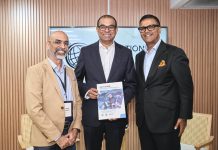


























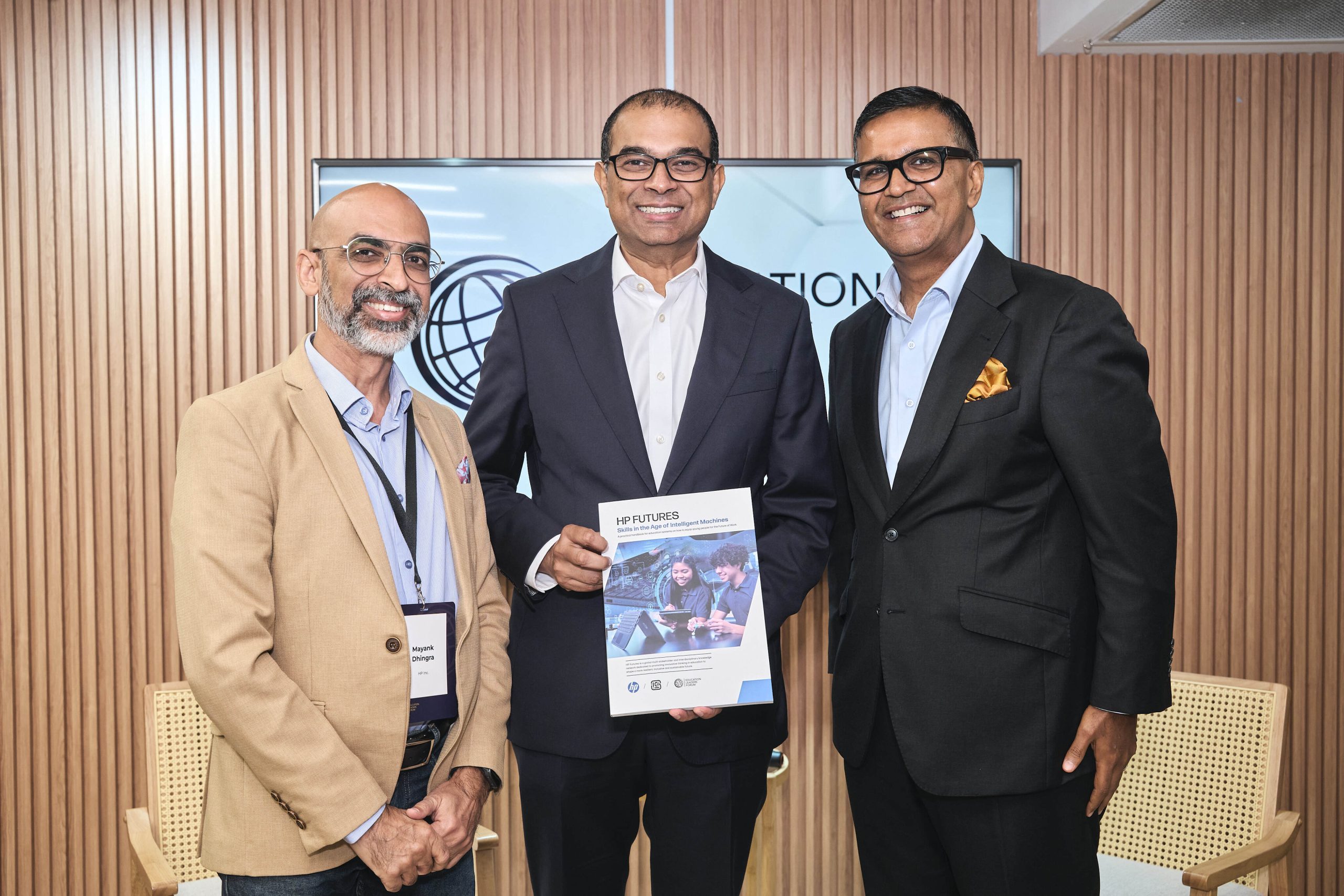
New HP Futures report convened 58 leading experts globally to examine how education systems can equip young people for the future of work
Policymakers in Nigeria and worldwide should prioritise building durable skills that will be essential in workplaces of the future, the new HP Futures 2026 report recommended. Led by HP, the Global Learning Council, and the Education Leaders Forum, the HP Futures report convened 58 education, policymaking and future of work leaders globally to examine how education systems can equip young people for the future of work.
The report called on policymakers in Nigeria and worldwide to develop clear blueprints for how to help students build durable skills such as creativity, critical thinking, communication, and collaboration, which will be essential in workplaces of the future, and to ensure that these are not treated as secondary or extracurricular. Durable skills are becoming the core infrastructure of future readiness, and must be resourced, timetabled and assessed accordingly.
HP Futures 2026 recommends designing future skills-building programmes for public systems and low-resource contexts to ensure that durable skills do not become another source of inequality, through using methods such as including teacher-mediated AI, low-bandwidth delivery and predictable costs.
It also called on policymakers to keep literacy, numeracy and identity-forming learning at the core of education, while using creative, hands-on approaches to deliver fundamentals and durable skills simultaneously.
The report argues that durable skills must become a core part of education systems rather than an optional addition to them. It calls for greater support for educators, who remain central to helping students develop the creativity, critical thinking, communication, and collaboration skills that employers increasingly value. It also asks policymakers to recognise that assessment remains the biggest bottleneck to the widespread development of durable skills, and that education systems therefore need to respond by creating standardised assessment pathways for durable skills that are recognised by higher education institutions and employers across geographies.
HP Futures 2026 also argues that Nigeria and education systems worldwide should take students’ voices into account when creating durable skills-based curricula.
David McQuarrie, Chief Commercial Officer at HP and Chair of HP Futures, said “Educators, policymakers and employers share a responsibility to prepare young people for the opportunities and challenges they will encounter throughout their lives and careers. As artificial intelligence rapidly transforms how we learn and work, that responsibility has never been more important.
Education systems must do more to help students develop, demonstrate and continuously strengthen the capabilities that will remain valuable regardless of how technology evolves.”
Mayank Dhingra, Director & Global Head – Education Business and Strategy at HP, added “In this report, experts call for new education models that take durable skills into account, and for students to be offered interoperable, transnational means to credentialise their durable skills so that higher education institutions and employers share a common benchmark for these crucial Future of Work abilities. Furthermore, the experts called on policymakers to take action immediately to ensure AI-era readiness and durable skills ownership does not become another source of structural inequality.
We urge policymakers and education leaders in Nigeria and around the world to review their findings, and draw on them as they work to create education systems that will set students up for success in the brave new world we are entering.”
The full HP Futures 2026 report is available at: https://hpfutures.com/