
























Many South Africans families may have enough to eat but not enough money to eat well.
Cheap, highly processed food is often more accessible than fresh, nutritious alternatives, leaving poorer households caught between food insecurity and a growing burden of obesity and poor nutrition.
Rhiza Babuyile, a non-profit organisation which works with under-resourced communities through agriculture, skills development and enterprise, says the country cannot tackle the problem simply by telling people to make healthier choices.
“South Africa is not underfed, but it is undernourished,” said Alef Meulenberg, Founder of Rhiza Holdings. “We have many food programmes, but often the food provided is not sufficiently nutritious. We also cannot blame people for choosing cheap food when cheap food is what they can afford. If we want healthier communities, we have to make healthier food affordable.”
This warning comes as National Nutrition Week runs from October 9 to 15, under the theme “Creating Healthy Food Environments for Better Nutrition”, followed by World Food Day on October 16, themed “Innovate today, Nourish tomorrow.”
For Rhiza, part of the answer is not simply distributing food, but helping communities grow it, sell it and earn from it.
The organisation is using agriculture to improve access to fresh produce while creating economic opportunities in communities where unemployment and low household incomes make healthier diets difficult to sustain.
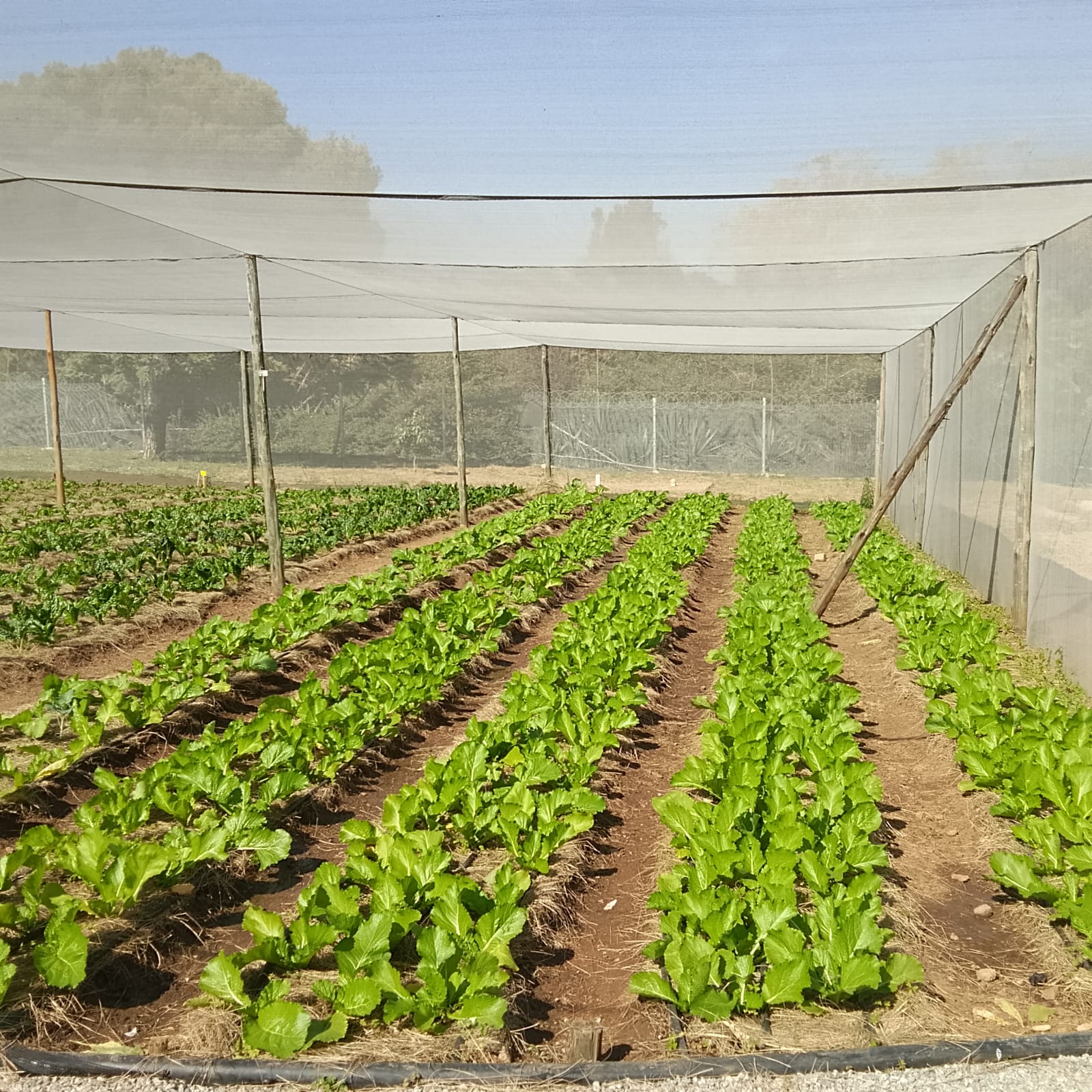
Its programmes include school vegetable gardens and youth agripreneurship, combining practical farming with the business skills needed to turn food production into an income.
“We have developed models where schools can develop their own vegetable food gardens,” Meulenberg said. “We have also developed an entrepreneurship programme where young people are trained in entrepreneurial activities around organic food and healthier food options, so they can provide communities with food options they did not have before at a similar price.”
That work includes Thuthuwa Farm in Diepsloot, where participants receive crop-production training and exposure to commercial farming, and Amathuba Farm in Orange Farm, where seedlings and vegetables including spinach, onions, broccoli, beetroot and okra are produced.
The aim is to move people beyond simply growing food and towards building viable agricultural businesses.
“Growing food is only one part of it,” Meulenberg said. “People need to understand the market, the customer, pricing and how to make the business sustainable.”
That is the thinking behind Rhiza’s agripreneurship model, which combines agricultural skills with entrepreneurship, employability and practical experience.
“If people can produce food and earn an income from it, you are addressing two problems at the same time,” Meulenberg said. “Food security and economic security cannot be treated as separate issues.”
The school vegetable gardens are intended to provide fresh produce while teaching children how food is grown.
Meulenberg said the benefits of better nutrition could extend well beyond the supper table.
“Better nutrition can mean less stunting, better brain and physical development and, ultimately, better educational and health outcomes,” he said.
Rhiza sees a strong link between agriculture, nutrition and innovation.
“Innovation does not necessarily mean sophisticated technology,” Meulenberg said. “It can mean finding better ways to use land, bringing young people into agriculture, connecting producers to markets and producing food closer to the communities that consume it.”
The challenge, he said, is to ensure that healthier food does not remain something available mainly to those who can afford it.
“Food should nourish people, but it can also create opportunity. If we can get those two things working together, agriculture becomes part of the solution to hunger, poor nutrition and unemployment.”
Creating healthier food environments cannot be left to one organisation or one sector.
“Government, farmers, businesses, schools and communities all have a role to play. We need to produce better food, make it accessible and affordable, and create opportunities for people to participate in the food economy. If we work together, we can build a food system that not only feeds people, but gives them the opportunity to live healthier, more secure lives,” added Meulenberg.