The National Bureau of Statistics (NBS) reported that the Consumer Price Index (CPI) rose to 15.38% in March 2026, up from 15.06% in February 2026, reflecting a 32-basis-point increase on a month-on-month basis. On a year-on- year basis, headline inflation was 27.35% in March 2025, compared to 15.38% in March 2026, indicating a substantial decline of 11.97 percent.
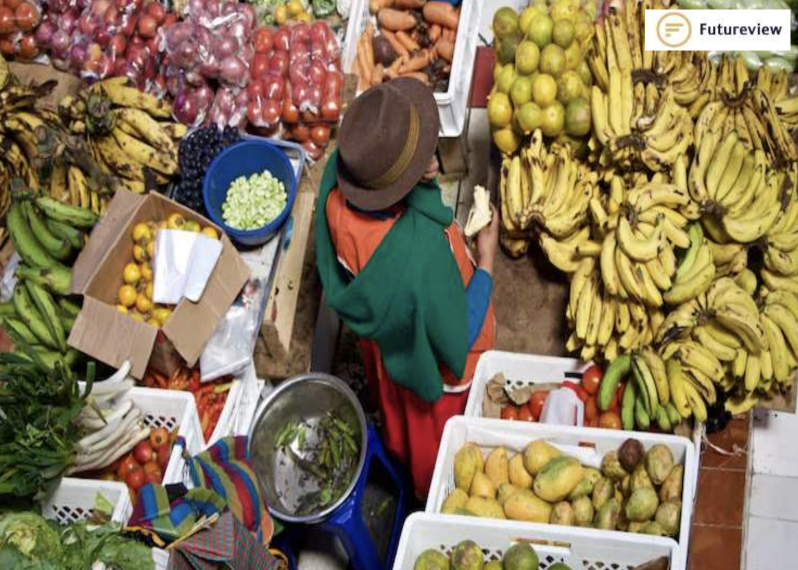
The increase in headline inflation was primarily caused by renewed price pressures across both food and core components of the CPI basket. Food inflation increased to 14.31% year-on-year, due to elevated prices of key staples such as yam, ginger (fresh), cassava tuber, groundnuts (shelled), Irish potatoes, dried unground ogbono (apon/avenger), tomatoes, and cassava flour. Although food inflation moderated on a month-on-month basis to 4.17% from 4.69% in February 2026, the sustained increase in average food prices continued to exert upward pressure on the overall index.
Similarly, core inflation, which excludes volatile agricultural produce and energy, rose sharply to 16.21% year-on-year, with a notable month-on-month acceleration to 4.03% from 0.89% in February 2026, reflecting broad-based increases in underlying non-food prices and reinforcing the upward momentum in overall inflation.
All Items Inflation In March 2026, on a year-on-year basis, the highest all-items inflation rates were recorded in Bayelsa (27.37%), Sokoto (26.03%), and Bauchi (23.67%), while Osun (5.25%), Kano (9.85%), and Kaduna (10.38%) posted the lowest increases in headline inflation. On a month-on-month basis, inflation pressures were most pronounced in Zamfara (10.77%), Bauchi (9.37%), and Sokoto (9.05%), whereas Lagos (1.54%), Akwa Ibom (1.80%), and Rivers (1.89%) recorded the mildest increases over the same period.
Food Inflation On a year-on-year basis, Food inflation was highest in Bayelsa (33.35%), Sokoto (28.02%), and Adamawa (21.67%), while Kano (4.29%), Oyo (4.86%), and Katsina (7.48%) recorded the slowest increases in food prices. On a month-on-month basis, food inflation pressures were most elevated in Sokoto (11.78%), Niger (8.59%), and Gombe (8.10%), whereas Katsina (0.09%), Ogun (0.77%), and Adamawa (1.30%) posted the mildest increases across the states.
LOOKING AHEAD, the 2026 Fiscal Policy Measures introduce a mixed inflationary impulse. On one hand, the downward revision of import duties on several essential goods, including rice, sugar, salt, and other consumer items, should help moderate import-driven price pressures. Similarly, lower tariffs on key inputs such as crude palm oil and motor vehicles may help ease production and logistics costs. However, this expected relief is likely to be tempered by persistently high crude prices, which continue to sustain elevated fuel and diesel costs in Nigeria, thereby increasing transportation and distribution expenses and feeding into broader CPI levels, particularly in May.
On the other hand, the introduction of the green tax surcharge from July 2026 is expected to further offset these disinflationary gains, especially across beverages, tobacco, and energy-intensive production segments. Overall, while tariff rationalisation signals a medium-term disinflationary bias through improved trade efficiency and lower import costs, near-term inflation is likely to remain sticky as fiscal adjustments, elevated energy costs, structural food supply constraints, and ongoing cost pass through effects continue to shape price formation.
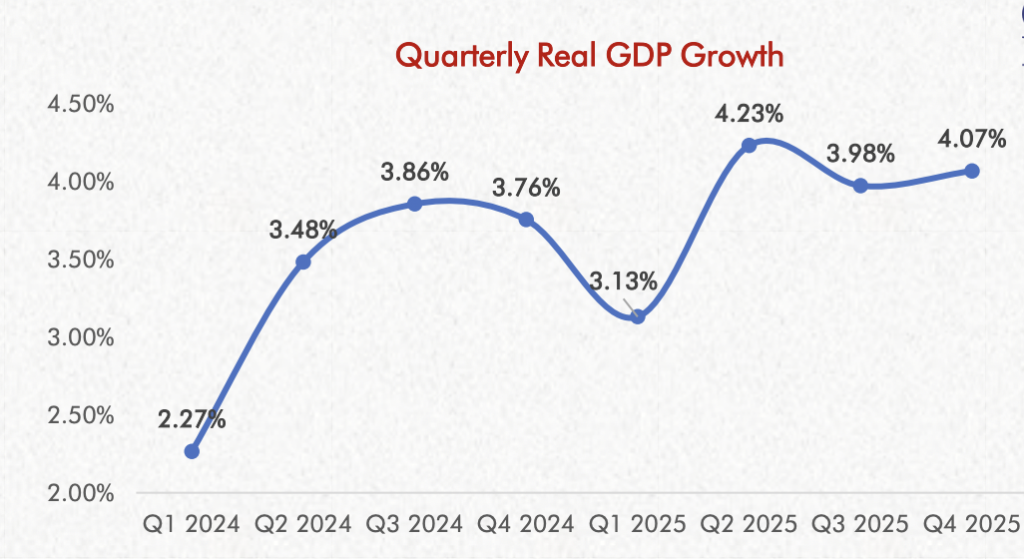
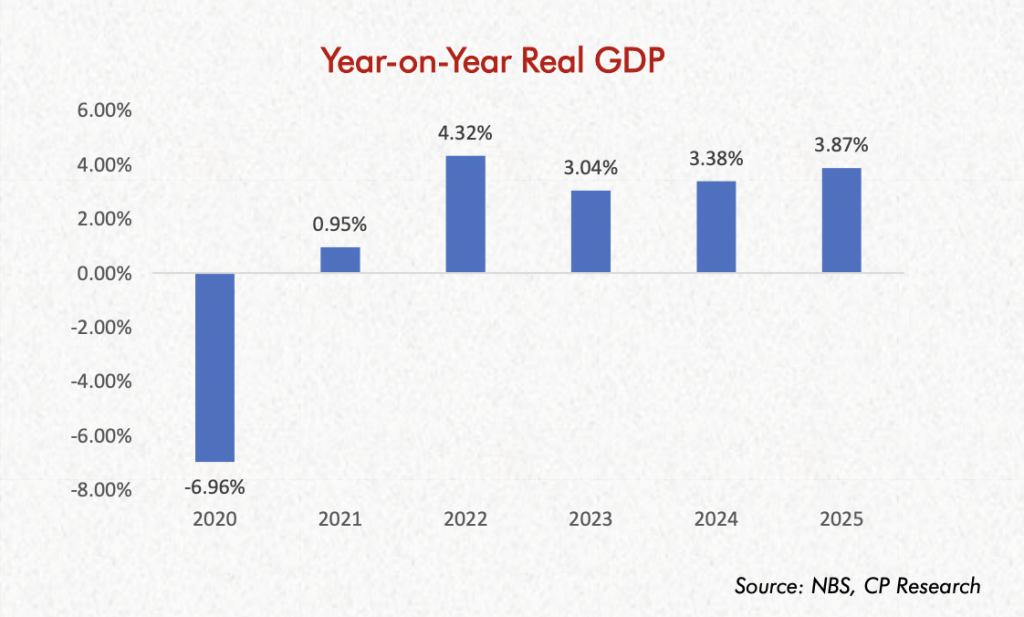
Nigeria’s Gross Domestic Product (GDP) grew by 4.07% year-on-year in real terms in Q4’25, compared to 3.98% in Q3’25. For the year ended, Real GDP grew by 3.87%, up from 3.38% in 2024.
In nominal terms, aggregate GDP stood at ₦122.81 trillion in Q4’25, up from ₦113.59 trillion in Q3’25, an increase of 8.12%. For the year ended 2025, nominal GDP stood at ₦431.81 trillion compared to ₦364.62 trillion in 2024.
Key Highlights Overall Economic Growth: Nigeria’s economy grew by 4.07% in Q4’25, higher than 3.98% in Q3’25 and above the 3.76% recorded in Q4’24. For the full year, the economy expanded by 3.87% in 2025, compared with 3.38% in 2024, reflecting improved growth momentum.
Services Sector Dominance: The Services sector grew by 4.15% in Q4’25 and remained the largest contributor to GDP with a 55.92% share of total output.
Agriculture Sector Performance: Agriculture expanded by 4.00% in Q4’25, accounting for 28.66% of GDP, supported by improved crop activity relative to the prior year.
Industry Sector Recovery: The Industry sector grew by 3.88% in Q4’25, contributing 15.42% to GDP, reflecting stabilisation in manufacturing and oil production.
Oil Production Trends: Average crude oil production in Q4 2025 was 1.56 million barrels per day (mbpd). Oil GDP increased by 6.79% in Q4’25, compared with 2.08% in Q4’24. The oil sector accounted for 2.87% of total GDP.
Non-Oil GDP: Non-oil sectors contributed 97.13%, with non-oil GDP expanding by 3.99% year-on-year.
Nigeria’s economy expanded by 3.87% in full-year 2025, compared with 2.74% in 2024, marking a clear improvement in growth momentum.
On a quarterly basis, GDP growth progressed from 3.13% in Q1 to 4.23% in Q2, moderated to 3.98% in Q3, and closed the year at 4.07% in Q4. The pattern shows that growth accelerated into mid-year and remained near the 4% range through the second half. Unlike prior years, where performance was uneven across sectors, 2025 recorded a more balanced expansion.
From a macro standpoint, 2025 represents a transition to a higher growth base relative to 2024. The expansion was broad-based rather than concentrated in a single sector. Services provided scale, agriculture provided stability, industry provided recovery support, and oil added cyclical upside. Sustaining growth above 4% will depend on productivity gains in services, cost normalisation in industry, and continued stability in oil production.
The Nigerian economy’s performance from the second quarter of 2025 through the end of the year shows a continuation of the multi-year pattern in which non-oil sectors provide the bulk of output and growth, while the oil sector delivers episodic contributions that can swing headline GDP outcomes.
The non-oil sector remained the principal driver of GDP growth in every quarter of 2025 and accounted for the overwhelming share of national output. The continuity of broad-based non-oil expansion through all quarters underscores that domestic consumption, services demand and agricultural activity have become central to economic momentum.
The oil sector exhibited volatility across 2025, and its impact on headline GDP was uneven. The swings in oil sector contribution reflect the continued sensitivity to operational disruptions and global market conditions.
For the year ended 2025, the oil sector accounted for a larger share of GDP growth and output than in 2024. The annual rate of growth in the oil economy was 8.50% in 2025, compared with 5.54% in 2024, and the oil sector’s contribution to total real GDP rose modestly relative to the prior year. By contrast, the non-oil sector’s share of GDP edged slightly lower on an annual basis but remained dominant at over 96% of aggregate output. The annual pattern confirms that while oil output growth strengthened in 2025, structural diversification of the economy remains well-advanced relative to earlier phases when crude dominated headline GDP.
Macroeconomic conditions in 2025 shaped sectoral performance and influenced the overall GDP outcome. The Central Bank of Nigeria’s Monetary Policy Committee (MPC) maintained a high policy rate for most of the year to contain inflation, which moderated gradually. The naira showed relative stability in late 2025, with narrower gaps between official and parallel market rates, thereby improving foreign exchange liquidity and reducing import inflation pressures.
Movements in the exchange rate and monetary policy affected consumption, production costs, and investment decisions, while fluctuations in global oil prices and domestic output influenced fiscal revenues.
Together, these macro variables reinforced the resilience of non-oil sectors as the primary drivers of growth, even as oil sector volatility continued to shape headline GDP outcomes.
GDP 2025: Sector Engines, Oil Swings, and the Economy’s Balancing Act
The Services sector was the largest driver of growth in Q4, delivering roughly 4.15 % expansion and contributing nearly 56% of GDP, supported by telecommunications, finance, trade, transportation, and real estate. Services demand was influenced by improvements in consumer credit and digital transaction volumes, which underpinned activity even as inflation remained elevated relative to regional peers, slowing but still above target. The resilience of services reinforced overall growth when other sectors faced headwinds.
The Agricultural sector expanded by 4.00% in Q4, with crop production accounting for the majority of agricultural GDP. Crops such as cassava, maize, rice and yams accounted for the largest share of agricultural output, reflecting seasonal harvest gains and expanded cultivation areas. Agriculture contributed close to 28.7% of GDP in Q4, cushioning volatility in growth, supported by favourable rainfall patterns and a good harvest season. Though security challenges and post-harvest losses continue to constrain efficiency in some regions, agriculture’s linkages with trade and agro-processing strengthened non-oil growth.
The Manufacturing sector expanded 3.9% in Q4 and accounted for roughly 10.7% of GDP, supported by the production of consumer goods, processed foods, beverages, and building materials. Annual manufacturing growth at 3.8 % in 2025 surpassed the 2024 outcome, reflecting improvements in logistics and a more stable electricity supply in industrial hubs, as well as incentives for import substitution. However, capacity constraints, access to long-term credit and operating costs continued to weigh on competitiveness.
Construction activity grew alongside manufacturing, driven by private real estate investment and infrastructure projects, stimulating demand for materials and equipment.
The Industrial sector played a measured but important role in Nigeria’s 2025 GDP performance, contributing roughly 15.4% of total output in Q4 2025. The sector expanded by about 3.9% year-on-year in Q4, supported by growth in manufacturing and a recovery in oil output, while mining and quarrying reflected the year’s volatility in crude production. On a full-year basis, industrial growth strengthened relative to 2024, driven largely by the oil sector’s 8.50% annual expansion, alongside steady gains in manufacturing.
The Trade sector expanded by 3.8% in Q4, contributing roughly 18.6% to GDP and underpinning broader non-oil momentum. Trade benefited from sustained domestic consumption and naira stability.
Bottom line Nigeria’s GDP growth in 2025 strengthened to 3.87% from 3.38% in 2024, with Q4 expanding 4.07% year-on-year. Growth was broad-based but structurally anchored in the non-oil economy, which accounted for over 96% of total output and expanded close to 4% for the year.
The growth story was driven by domestic production and services activity, while oil acted as a swing factor rather than the foundation of expansion. Sustained gains will depend on productivity, infrastructure, and the continued strengthening of non-oil value chains.
Nigeria enters 2026 with growth momentum anchored in the non-oil economy but exposed to structural and external risks. The key risk to the 2026 outlook is the gap between output growth and real income growth. Sustained expansion above 4% will require productivity gains, infrastructure improvements and stronger private investment. Without structural acceleration, growth may remain moderate, lagging behind population growth dynamics.
2026 presents a continuation of Nigeria’s transition toward non-oil-led growth. Stability in oil will support the macro framework, but durable expansion will depend on deepening industrial output, strengthening agriculture value chains and sustaining services momentum.
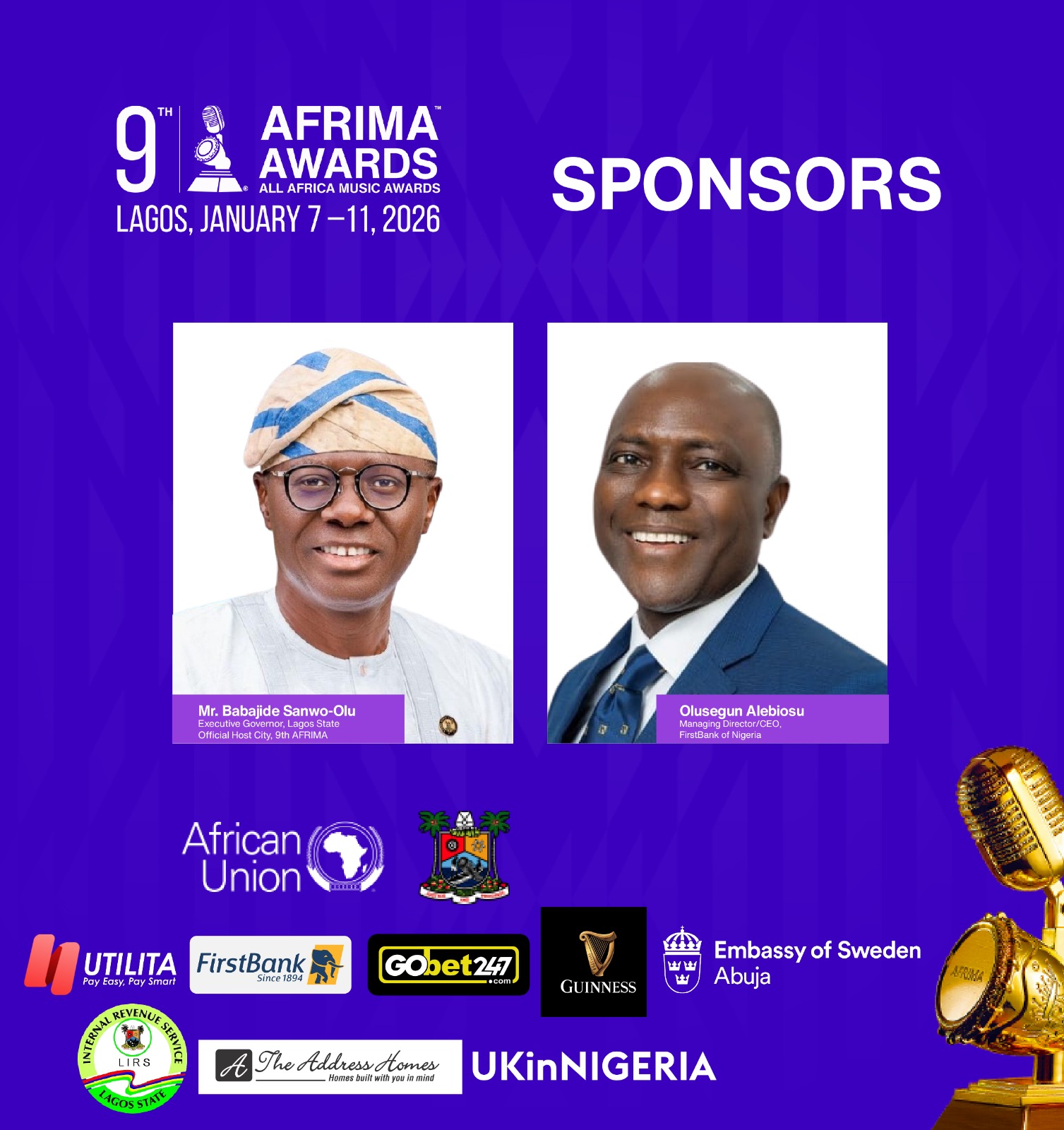
The Lagos State Government, First Bank of Nigeria, Guinness Nigeria, The Address Homes, the Government of Sweden, Gobet247 and several other major organisations have thrown their weight as sponsors behind the 9th edition of the All Africa Music Awards (AFRIMA), scheduled to hold from January 7 to 11, 2026, in Lagos.
AFRIMA, in partnership with the African Union Commission (AUC), unveiled its strong list of sponsors and partners, showing growing confidence in African music as a major cultural and economic force.
The 9th edition, themed “Unstoppable Africa,” has attracted support from key sectors including finance, real estate, beverages, digital platforms, media, hospitality and international cultural institutions.
Following the acceptance of Lagos State Government of the offer from the African Union, Lagos will once again serve as the Official Host City, reinforcing the state’s position as Africa’s leading creative and entertainment hub. With the strong backing of the awards from the Federal Government of Nigeria, the 9th AFRIMA promises to be hugely successful. The African Union Commission remains AFRIMA’s legacy Institutional Partner, supporting its mission to promote African music and culture across the continent and beyond.
At the top level of sponsorship, fast-growing digital payments and lifestyle platform Utilita and leading gaming and entertainment brand Gobet247 are headlining the event as National Gold Sponsors.
At the Silver level, First Bank of Nigeria, Lagos State Internal Revenue Service (LIRS) and The Address Homes have been confirmed as National Silver Partners. Guinness Nigeria joins as the Official Beer Sponsor, bringing added energy to this year’s festivities. AFRIMA also welcomes international cultural support from the British High Commission in Nigeria and the Embassy of Sweden, both serving as Cultural Exchange Partners.
In travel and hospitality, Wakanow, Pan Atlantic Travels and Dorf Travels & Tours Ltd have been named the Official Travel Partners. Vaniti Lagos and Knowhere Restaurant will host nominees and special guests as Hospitality Partners. Popular youth culture platform Mainland Block Party Lagos is also supporting the celebration, adding street culture and community energy to the awards week at the AFRIMA Music Village holding at Ikeja City Mall on Friday, January 9,2026.
AFRIMA has also confirmed a strong coalition of leading media organisations across radio, television, digital platforms, print, and Out-of-Home (OOH) channels as its Official Media Partners for the 9th Edition. These include DSTV/Multichoice, HIPTV, Afro Music Pop, Base FM, Beat FM, Classic FM, Hot FM, Kennis FM, Lagos Talks, Inspiration FM, Traffic Radio, Radio Lagos, Eko FM, and Lasgidi FM.
Others on the partnership roster are The Culture Newspapers (TCN),Legit.ng, Max FM, Nigeria Info, Nigezie, Television Continental (TVC), and Yanga FM, along with top OOH companies led by MotoMedia, Yartview Ltd, Optimus Exposure, Plural Media, Folham Nigeria Limited and Nimbus Media.
Speaking on FirstBank’s support, Olayinka Ijabiyi, Acting Group Head, Marketing and Corporate Communications at FirstBank, said the partnership aligns with the bank’s long-standing commitment to Africa’s creative industry.
“At FirstBank, we are dedicated to promoting Africa’s vibrant creative industry, and our partnership with AFRIMA reflects this commitment. Through our First@Arts initiative, we have consistently supported projects across the creative value chain, nurturing talent and enabling production. In doing this, we preserve Africa’s rich cultural heritage while promoting unity, education and entertainment.”
From the international community, H.E. Anna Westerholm, Ambassador of the Kingdom of Sweden to Nigeria, said, “Sweden is proud to join AFRIMA in celebrating the richness and global impact of African music. In 2026, we will mark 65 years of diplomatic relations with Nigeria, highlighting our strong ties. As the world’s third-largest music exporter, we believe in the power of collaboration and idea exchange. This partnership enhances our cultural and business connections, and we look forward to a meaningful week supporting the creative industries.”
Also speaking, Yinka Bakare, Marketing and Innovations Director at Guinness Nigeria Plc, said the brand’s involvement reflects its deep roots in African culture.
“Guinness has been woven into Africa’s most iconic cultural moments for decades, and our sponsorship of AFRIMA’s 9th edition reinforces that heritage. AFRIMA celebrates the extraordinary artistry that defines Africa, and we are proud to support a platform that showcases the continent’s greatness to the world.”
Founder and Chairman of The Address Homes, Dr. Bisi Onasanya, described AFRIMA as an important platform for African creativity, collaboration and cultural identity expressions.
“AFRIMA represents the spirit of African excellence and innovation. At The Address Homes, we believe that culture, creativity and enterprise must work together to drive sustainable growth. Supporting AFRIMA is our way of building and investing in Africa’s talents, strengthening cultural pride and opening new opportunities for creative young people and business partnerships across the continent.”
Speaking during the sponsorship announcement in Abidjan, Cote d’Ivoire, Ms. Edwidge Goli, Director of Partnerships at AFRIMA, described the sponsorship line-up as a strong vote of confidence in African music.
“This is more than sponsorship. It is a historic show of belief in the power of African music, the brilliance of our talents and the future of our creative industries,” she said.
She thanked the Lagos State Government for hosting the event again and praised the commitment of the Gold and Silver sponsors, as well as international partners and media organisations.
The 9th AFRIMA will commence with the Nominees and Guests Welcome Soirees scheduled on January 7. This will be followed by the Africa Music Business Summit (AMBS) on January 8 at the Eko Convention Centre, Eko Hotels and Suites, Lagos, Nigeria.
AFRIMA Music Village Concert and Diamond Showcase will take place on January 9 at the Ikeja City Mall, leading up to the grand Awards Ceremony on January 11 at the Eko Convention Centre at Eko Hotel, Lagos, Nigeria. Red carpet starts at 3:30 pm (WAT).
The awards ceremony, along with major live performances, will be broadcast to audiences in over 84 countries worldwide.
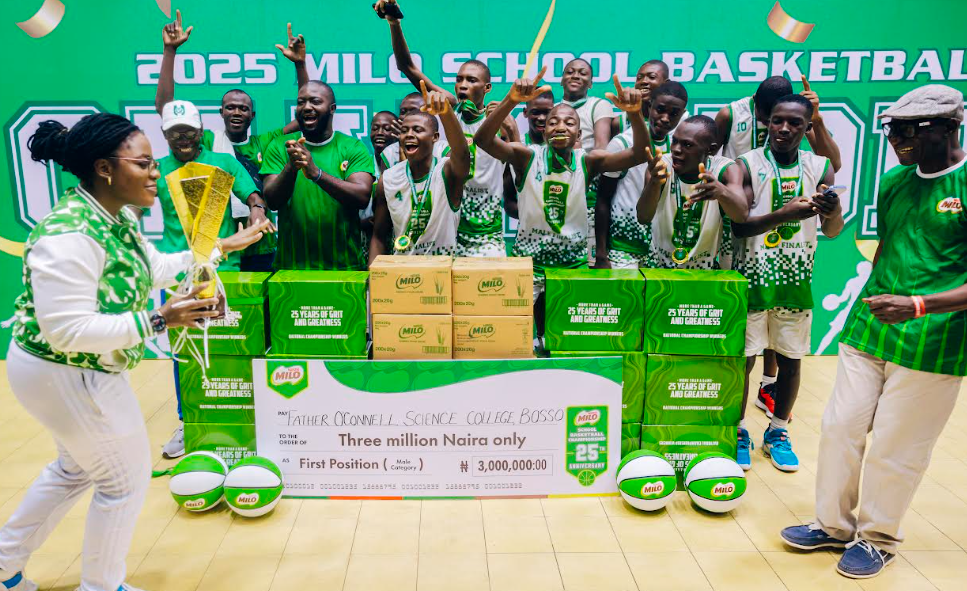
The 25th anniversary edition of the MILO Basketball Championship came to an exciting close at the Indoor Sports Hall of the National Stadium, Surulere, Lagos, with Father O’Connell Science College, Niger State, and Government Secondary School (GSS) Karu, FCT, emerging as national champions in the male and female categories, respectively.
The national finals brought together the best secondary school basketball teams from across Nigeria in a thrilling celebration of sporting excellence and youth empowerment. This milestone edition highlighted the impact of the championship, which has helped shape the lives of students in over 13,000 schools this year.
In a hard-fought match in the male category, Father O’Connell Science College clinched their third championship title, defeating Bishop Dimeari Grammar School, Yenagoa, Bayelsa, with a final score of 66–64. This latest victory cements their position as one of the most successful teams in the tournament’s history.
In the female category, Government Secondary School, Karu, FCT, delivered a commanding performance, defeating Lanreleke Sports Academy, Ile-Ogbo, Osun State, with a 55–42 win to claim their first-ever national championship title. The victory is especially significant, as the team had previously finished in second place on three separate occasions, making this long-awaited triumph a defining milestone in their journey.
Speaking on behalf of Wassim El-Husseini, Managing Director and CEO of Nestlé Nigeria Plc, Boladale Odunlami, Commercial Manager, commended the athletes and applauded the coaches for their dedication to nurturing young talent. He also reaffirmed Nestlé’s purpose behind the MILO Basketball Championship.
“For 25 years, we’ve stayed true to our belief in growing champions through sport.
The MILO Basketball Championship has supported hundreds of thousands of young athletes, some of whom have gone on to play on the international stage and earn scholarships.
Take Rueben Abuchi, now at the University of Florida, an NCAA National Champion with the Florida Gators, or Murjanatu Musa, recently drafted into the WNBA and currently playing for the Phoenix Mercury. They started with MILO, and they soared. But this isn’t just about creating stars on the court, it’s about building champions in life. That’s why we remain committed, not just as sponsors, but as partners in purpose,” he said.
Ifeanyichukwu Orabuche, Category Manager, Beverages, added “This championship has become a powerful symbol of the MILO basketball championship empowering boys and girls across Nigeria to discover their strength, showcase their talent, and unlock their full potential. We’re not just crowning new champions; we’re marking 25 years of transformation, purpose, and impact. Because every child who steps onto a MILO basketball court isn’t just playing a game, they are building the mindset, discipline, and resilience to win in life”
This year’s tournament included an inclusive match for young individuals with disabilities, highlighting the championship’s commitment to inclusivity and Nestlé’s dedication to ensuring that everyone can participate and thrive.
Both winning teams received trophies, cash prizes, full basketball kits, and MILO products. Their victory at this landmark 25th edition makes them part of the long history of Nigeria’s biggest grassroots youth basketball platform.
Now celebrating 25 years of impact, the MILO Basketball Championship continues to be a key youth program, showing Nestlé Nigeria’s commitment to building talent, encouraging healthy lifestyles, and developing future champions, both on and off the court.
In March 2024, Nigeria experienced a significant increase in inflation, with the rate reaching 33.2%, up from 31.7% in February 2024. The rise was mainly driven by higher costs in food, beverages, energy, and housing. Year-on-year, the headline inflation surged by 11.16% from March 2023, while the month-on-month rate slightly decreased by 0.10% from February 2024. Food inflation hit 40.01% year-on-year, attributed to increased prices in staple foods like garri, millet, and yam tubers. However, the month-on-month food inflation decreased slightly. Over the twelve months ending in March 2024, the average annual food inflation rose to 31.40%. Urban inflation rose to 35.18%, while rural inflation reached 31.45% year-on-year. Core inflation, excluding volatile agricultural products and energy, stood at 25.90% year-on-year. Both urban and rural areas saw marginal decreases in month-over-month inflation rates. Overall, core inflation increased to 22.26% over the twelve months ending in March 2024, reflecting a 5.04% increase from the previous year.
Money Market
Liquidity in the interbank market remained in the negative territory for the most part of the week bolstered by the bonds auction settlement which occurred by mid-week. Nevertheless, the Open Buy Back rate (OBB) dipped by 28 bps WoW to close at 29.39% while the Overnight rate (O/N) concluded at 30.25%, marking a decline of 18 bps, respectively.
We anticipate that rates will remain at their current levels.
Treasury Bills Market
The Treasury Bills Market started the week with increased buying interest on the Apr-2025 papers. However, the market sentiment shifted to bearish due to the constrained liquidity condition in the interbank market. As a result, the average benchmark yield increased by 636 bps week-over-week, settling at 25.07%.
We anticipate a calm start at the next trading session.
FGN Bond Market
The FGN Bonds market opened the week on a calm mode as participants awaited the release of the bonds auction result. At the auction, the DMO offered ₦450 billion across three maturities- 2029, 2031, and 2034. Total subscription amounted to ₦920.09 billion while total amount allotted was ₦626.81 billion with stop rates dipping by 30 and 45 bps on the 31 and 34 papers to settle at 19.75% and 20.00% while the 2029 paper, which is a new issuance, closed at 19.30%. Following this, there was improved demand on the short to mid end of the curve while the long end of the curve had a bit of selling pressure. Hence, the average benchmark yield dipped by 26 bps, concluding the week at 19.96%.
We anticipate a continuation of this trend in the upcoming trading session.
FGN Eurobond Market
This week, bearish sentiments dominated the FGN Eurobond market, driven by Powell’s indication of sustained higher rates and escalating tensions in the Middle East. The selloff was compounded by US data releases, notably the initial jobless claims exceeding expectations at 215K versus an anticipated 212K, and the leading index declining to -0.1% from -0.30. As a result, the average benchmark yield surged by 20 bps week over week, reaching 9.76%.
We anticipate this trend to persist.
Currency Market
The value of the Naira to the dollar weakened by 242 bps week-on-week to print at ₦1,169.99/$ this week at the Nigerian Autonomous Foreign Exchange Market Window (NAFEM).
Equities Market
This week, the local stock market primarily demonstrated a bearish trend, with the NGX All-Share Index witnessing a 31-bps decrease day-on-day (DoD) and a 271-bps decline week-on-week (WoW), closing below 100,00 points to settle at 99,539.75 points. Consequently, the year-to-date growth recorded a rise of 33.12%, while the market capitalization fell by ₦1.574 trillion WoW to reach ₦56.296 trillion. Upon closer examination, the weekly market breadth was at 0.21x, indicating 61 stocks on the decline compared to 13 advancing ones.
When analyzing trade data on a WoW basis, the overall trading volume dropped by 64.87% to 257.85 million units, and the total traded value had a 74.99% drop, ending at ₦5.39 billion. Week-to-date (WTD), the most actively traded stocks in terms of volume were Access Corporation, United Bank for Africa (UBA), and Zenith Bank, with total trades amounting to 210.85 million units, 210.05 million units, and 149.11 million units, respectively. In terms of value, the most traded stocks WTD were Zenith Bank, Guaranty Trust Holding Company, and UBA with total value amounting to ₦5.41 billion, ₦5.24billion, and ₦4.98 billion, respectively.
In a nation that prioritizes academic learning and achievements, Nestlé MILO® believes that sport teaches children invaluable life-skills that traditional classroom learning alone cannot.
MILO® is therefore pleased to announce a strategic collaboration with two Nigerian social media personalities, Anita Asuoha, a health and fitness enthusiast widely recognized as Real Warri Pikin, and Egemba Chinonso Fidelis, a practicing Medical Doctor and Nutritionist, known as Aproko Doctor, to inspire parents to increase the participation of their children in sporting activities.
This partnership demonstrates the commitment of the brand to play a vital role in shaping children’s character and values, in addition to providing nutritious energy through the MILO® beverages.
At the formal announcement of the partnership at the company’s Head office in Lagos, the Category Manager, Beverages, Nestlé Nigeria PLC, Ifeanyi Orabuche said, “MILO® is deeply committed to empowering children through sports. We are therefore delighted to announce our collaboration with Anita Asuoha popularly known as Real Warri Pikin and Dr Chinonso Egemba also known as Aproko Doctor, to amplify the reach and impact of our initiatives aimed at helping children cultivate healthy lifestyles from a young age. We recognize the immense value that these personalities bring to our shared passion for promoting healthy lifestyles.”
Anita Asuoha said, “This partnership is a homecoming for me as MILO has been a brand in my everyday life. Working with a brand I grew up with adds a warm touch, making this not just business, but also a personal journey, a blend that is a true blessing not only for me, but also for those I care about.”
On his part, Egemba Fidelis said, “On the path to a healthier Africa, the importance of health education and positive behavioral change cannot be overemphasized. I am excited about the cooperation with Nestlé MILO as we join hands with parents across Nigeria to raise healthier and happier children. Equipping them to win daily will help to make the world a better place.”
With a legacy spanning over seven decades, MILO® plays a pivotal role in nurturing champions globally, providing a nourishing addition to the breakfasts of approximately 8 million children daily.
In 2023 alone, MILO® School Sports Development programme reached around 4 million children across Nigeria.
The Brand believes that sport instills essential values like grit, determination, and teamwork, contributing to the development of life skills essential for success in all facets of life.
MILO is putting more efforts behind encouraging greater participation of girls and children with special abilities in sporting activities, ensuring equal opportunities for all.
It is MILO’s firm belief that the partnerships will provide a viable platform for inspiring millions of parents across Nigeria to nourish their kids’ journey to success with the nutritious MILO energy and the inspiration to grow with sports.
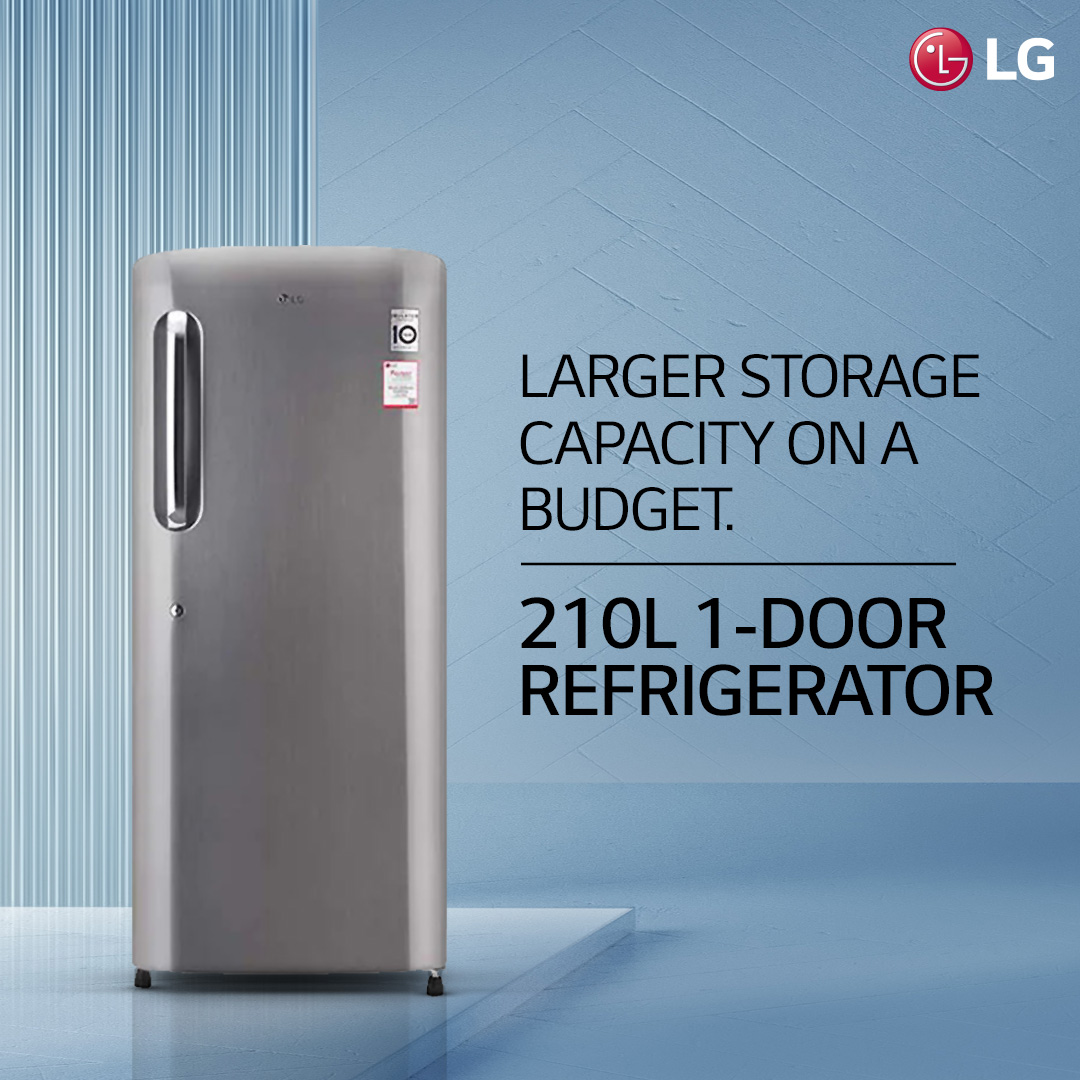
Consumers can upgrade their kitchen with the LG GL-B221ALLB 210L Single Door Refrigerator, designed to keep their food fresh and organized. With a capacity of 210 litres, this refrigerator offers ample space to store groceries and beverages for your household. The advanced cooling technology ensures uniform cooling throughout the fridge, preserving the freshness of your food for longer.
The smart inverter compressor provides energy efficiency, saving you money on electricity bills. The single-door design features multiple shelves, a vegetable box, and door racks for convenient storage options. The sleek and stylish exterior adds a touch of elegance to your kitchen decor. Experience superior cooling performance and modern convenience with the LG GL-B221ALLB 210L Single Door Refrigerator.
We have prepared this review so that you can easily differentiate and select the ideal LG Refrigerator that is you will suitable for your needs and your budget. You will not miss out on the latest technology, and know exactly which key features you are most interested in.
GL-B221ALLB – 210Litre 1-Door Refrigerator with Larger Capacity
One of the most advanced of our top picks among the LG single-door refrigerators is this elegant model. Though has a simplistic design, it does include some interesting features such as a larger capacity, a smart inverter Compressor, a fast-freezing zone, a cool and fresh zone, key lock, among others.
Reasons to Buy LG-B221ALLB
Large Capacity
Thanks to high-density insulation technology, LG can create more usable space with the same exterior size. You can store more and enjoy more with LG’s refrigerator.
Moist Balance Crisper™
Excess moisture from food evaporates and then condenses on the lattice instead of puddling around your food, thus maintaining the right balance of moisture in the box.
Convertible box
The Convertible box provides approximately 15.9 litres of storage. A big veggie box saves your trips to the market.
Semi Auto Defrost
Just press the defrosting button! Then the defrosting starts. You will find a clean refrigerator after 2 hours. It’s hassle-free to remove ice from the inside of the refrigerator.
Tempered Glass Shelves
Tempered glasses are strong enough to hold heavy items up to 150kg.
Smart Inverter Compressor
Smart inverter compressors are designed to give unmatched performance, great savings, super silent operation, and stabilizer-free operation.
Stabilizer Free Operation (135V~290V)
One unique feature is the stabilizer-free operation on LG refrigerators, and as the name suggests, refrigerators with stabilizer-free operation features save you from spending extra money on buying a separate stabilizer for your refrigerator. This is made possible by the special type of compressors. Refrigerators with this feature will protect your appliance from fluctuations. The compressor in LG refrigerators has a better energy efficiency ratio, consumes less power, can operate at voltages as low as 135V and as high as 290V and eliminates the need for a stabilizer. Having a reliable stabilizer-free operation can substantially reduce the chances of damage due to voltage fluctuation.
Warranty
A close monitoring of day-to-day market activities on why consumers buy a particular refrigerator has shown that the warranty period is a strong factor. Backed with a 10-year warranty on the compressor in its refrigerator segment, LG Electronics appears to have become a consumer delight in the African market as a result of the durability of most of its products.
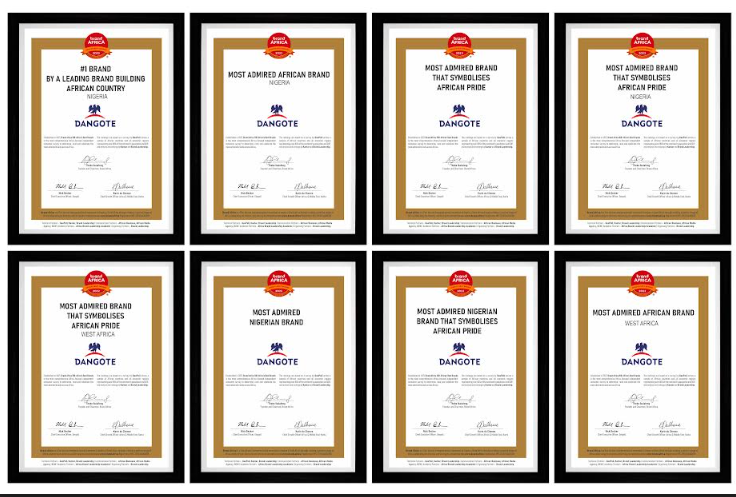
Dangote Industries Limited has emerged as Nigeria’s most valuable brand for the sixth consecutive year. This achievement was confirmed by the brand and marketing firm, TOP 50 BRANDS NIGERIA, as part of its comprehensive 2023 Top Brands perception assessment.
Winning the award for a record 6th time confirms the foremost African indigenous Conglomerate’s unwavering dominance of the domestic brand space.
TOP 50 BRANDS NIGERIA, is a qualitative, non-financial evaluation of top corporate brands in the country. The annual top brands league table which has become like a report card, with which top corporate brands have a feel of their ranking in the market is done with a special purpose model, the Brand Strength Measurement (BSM Index).
The rating firm in a statement said that Dangote got an impressive aggregate score of 86.2 on the Brand Strength Measurement (BSM) index, reinforcing its position at the forefront. The score reflects the consistent excellence of the brand.
MTN remains a strong contender, securing a close second place with an 85 BSM index score. This year’s third and fourth positions are secured by Airtel Nigeria and Globacom, both with BSM index scores of 77.9 and 77 respectively. Interestingly, this reaffirms the prominence of telecom brands, with three out of the top four hailing from this sector. Among the Top 10 brands are Access Bank, Zenith Bank, Coca-Cola, GTCO, and First Bank. Globacom was adjudged the Most Popular Brand following the outcome of a Top of Mind (TOM) Survey, where respondents mentioned 10 brands that came to their mind or that they could easily recall.
This year’s survey had as respondents Chief Marketing Officers and Head of Corporate Communications of major companies across the land.
TOP 50 BRANDS NIGERIA, announcing the ratings said, “this annual top brand evaluation provides a qualitative, non-financial assessment of the value of leading corporate brands in the country. It gauges consumers’ perceptions of brands and their impact on overall brand strength, using the Brand Strength Measurement (BSM) index—a model designed to assess a brand’s ability to deliver on its promises from the consumer’s perspective.”
In today’s market, brands have woven themselves into the fabric of our daily lives, from dawn to dusk and even in every consumer choice. This phenomenon is amplified by the rise of concepts like consumer awareness, differentiation, and the dynamics of the global economy, making brands pivotal actors.
Chief Executive Officer, TOP 50 BRANDS NIGERIA, Taiwo Oluboyede, speaking on the outcome of this year’s evaluation, likened brand to a person. He said, “A brand is like a person with all the traits that define his/her personality to the audience. When you hear someone’s name, you are likely not just going to remember their faces or apparel, but who they really are and what they mean to you.”
“Someone may claim to be the best man in the world, and could even go as far as doing paid advertising to attract attention. However, the real description of the person to you is your experience. Perception about a person could change from like to dislike or the other way round, the same is also true for a brand. That is why promoters go the extra length consistently remain in the target audience like-list” he added.
He elaborated that the onus lies with brand owners and promoters to uphold compelling propositions and consistently deliver on promises. “It’s not just about making pledges anyway; it’s about steadfastly living up to them—a commitment that separates the top brands from the rest,” he stated.
A breakdown of the 2023 evaluation report indicated that Nigerian-owned brands continued to shine among the top 10, with 10 brands. These are Dangote, Globacom, Access Bank, Zenith Bank, GTCO, and First Bank.
Five of the top ten brands are Banks, while three are Telecoms. Impressively, 9 of the 10 were among the top 10 last year, while 4 maintained their previous position. Airtel Nigeria made a remarkable ascent to third place. Also, six brands have consistently maintained top 10 positions for a remarkable 7 years in a row.
Overall, 26 or 52% of the 50 brands are multinational, while 24 or 48% are Nigerian brands.
Rite Foods Limited stands out as the highest gainer this year, leaping 14 places from 46th to 30th. Notably, Wema Bank makes a noteworthy debut in the annual brand ranking. Furthermore, nine brands maintained their 2022 positions, they are Dangote, MTN Nigeria, GTCO, First Bank, Multichoice, Fidelity, Toyota Nigeria, FMNPLC, and AXA Mansard.
A breakdown of the report indicated that Banking Services, as usual, had the largest entries with 12 entrants, representing 24% of the total. Access Bank topped the category. This is followed by Consumer Goods with 9 brands, that is 18%, with Dufil Prima Foods leading the charge.
The Conglomerates category has 6 brands, making up 12%, with Dangote Group on top. The Oil and gas, Beverages, and Telecom sectors each contribute 4 brands, with Oando, Coca-Cola, and MTN leading their respective categories.
The Insurance sector has 3 brands, with AIICO at the forefront. Meanwhile, the Building & Construction Services, Media, and Electronics categories had 2 brands each, featuring Julius Berger, Multichoice, and Tecno Nigeria leading their respective categories.
Automobile, Agricultural, and Aviation/Logistics sectors had 1 brand each —Toyota Nigeria, Olam International, and Air Peace. Of note in the report also is a class called Brands to Watch, a set of 10 brands that have shown some level of vibrancy in recent times and are gaining momentum in consumer acquisition with the possibility of achieving the 50 top Brands League Table in few years. It should be noted that, while these brands have considerable mentions in the TOM survey, they were not strictly subjected to the rigorous BSM evaluation.
David Hall College, Obalende, Ikoyi, and Topfield College, Ajugunle, Apapa, both in Lagos have dominated the Western Conference of the 22nd MILO Secondary Schools Basketball Championship. Their wins have qualified them to play in the National Finale of the Championship this year.
Hard-fighting David Hall College, Obalende, Ikoyi, Lagos, defeated the girls from Oshogbo Grammar School, Oshogbo, Osun State, 31 to 15 to emerge Champions in the girl’s category. In the boys category, Topfield College, Ajugunle, Apapa, Lagos won by a single point defeating Victorroti Private Secondary School, Idi-Aba, Abeokuta, Ogun State, 47 to 46.
Speaking at the closing ceremony of the Championship, Category Manager for Beverages, Nestlé Nigeria, Mr. Olutayo Olatunji said, “It is a delight to be here and to witness this exceptional display of skills at this Western Conference finals. At MILO, we believe that sports provide a platform to teach children grit and help them imbibe values on their journey to success in life. This is why we have been committed to the MILO Secondary Schools Basketball Championship in Nigeria for the last 22 editions. This Championship will continue to provide opportunities for developing qualities including leadership skills, ability to work in a team, perseverance, courage, self-belief, and respect in these young ones who participate.”
The Oyo State Commissioner for Education, Science and Technology, Barrister Rahman Abiodun Abdul-Rasheed said, “I wish to sincerely appreciate and thank Nestlé Nigeria PLC for this giant step the company has taken in organising a competition of this magnitude nationwide, consistently for over two decades. Nestlé MILO Secondary Schools Basketball Championship has contributed to national development through healthy competitions among our youths where talents are discovered, trained and showcased to the world.”
The Western Conference of the 22nd Milo Secondary Schools Basketball Championship was hosted at the Lekan Salami Stadium, Adamasingba, Ibadan, from May 28th to June 3rd 2022. The Conference comprises: Lagos, Ondo, Ogun Ekiti and the host state, Oyo. Others are Edo, Delta, Osun and Kogi.
The winners in both the male and female categories of this Western Conference will compete with winners from the previously concluded Savanna Conference, Central Conference and Equatorial Conference, in the National Finals at the Indoor Sports Hall of the National Stadium in Surulere, Lagos from June 25 to July 01, 2022.
Over the last two decades, the Milo Secondary Schools Basketball Championship has emphasised the importance of grit to teach school children vital life values such as determination, tenacity, endurance, perseverance, teamwork and self-confidence
Nestlé Nigeria PLC has announced its financial results for the first quarter of 2022, ending 31 March 2022. The company recorded a revenue of N 110.2 billion against N 87.3 billion during the same period in the previous year, a top-line growth of 26.3%. Profit after tax for the period stood at N 18.0 billion according to the unaudited financial statements of the Company.
The financial results were reviewed and approved by the Board of Nestlé Nigeria PLC during its meeting held on April 29, 2022.
Commenting on the results, the Managing Director and CEO of Nestlé Nigeria PLC, Mr. Wassim Elhusseini said, “On behalf of the management and staff of Nestlé Nigeria PLC, I am delighted to present this impressive performance of our company in the first quarter of 2022.
I commend the efforts of the entire team at Nestlé Nigeria PLC, for continuing to thrive under the current difficult business environment.
We know that the global economic situation and supply chain disruptions will continue to put more pressure on the already challenging business environment. However, we remain optimistic that we can continue to improve our business by empowering our people and ensuring continued supply of essential nutritious food and beverages to consumers.
We will continue to focus on these two important areas while caring for our communities and business partners, and all collaborators across our value chains to sustain this growth throughout the year.”