Tag: educators

  • Boy-Child Transformation Centre (BTC) Announces 5th Anniversary Summit, Launches “UNBOXED” to Secure the Future of Our Boys

    Boy-Child Transformation Centre (BTC) Announces 5th Anniversary Summit, Launches “UNBOXED” to Secure the Future of Our Boys

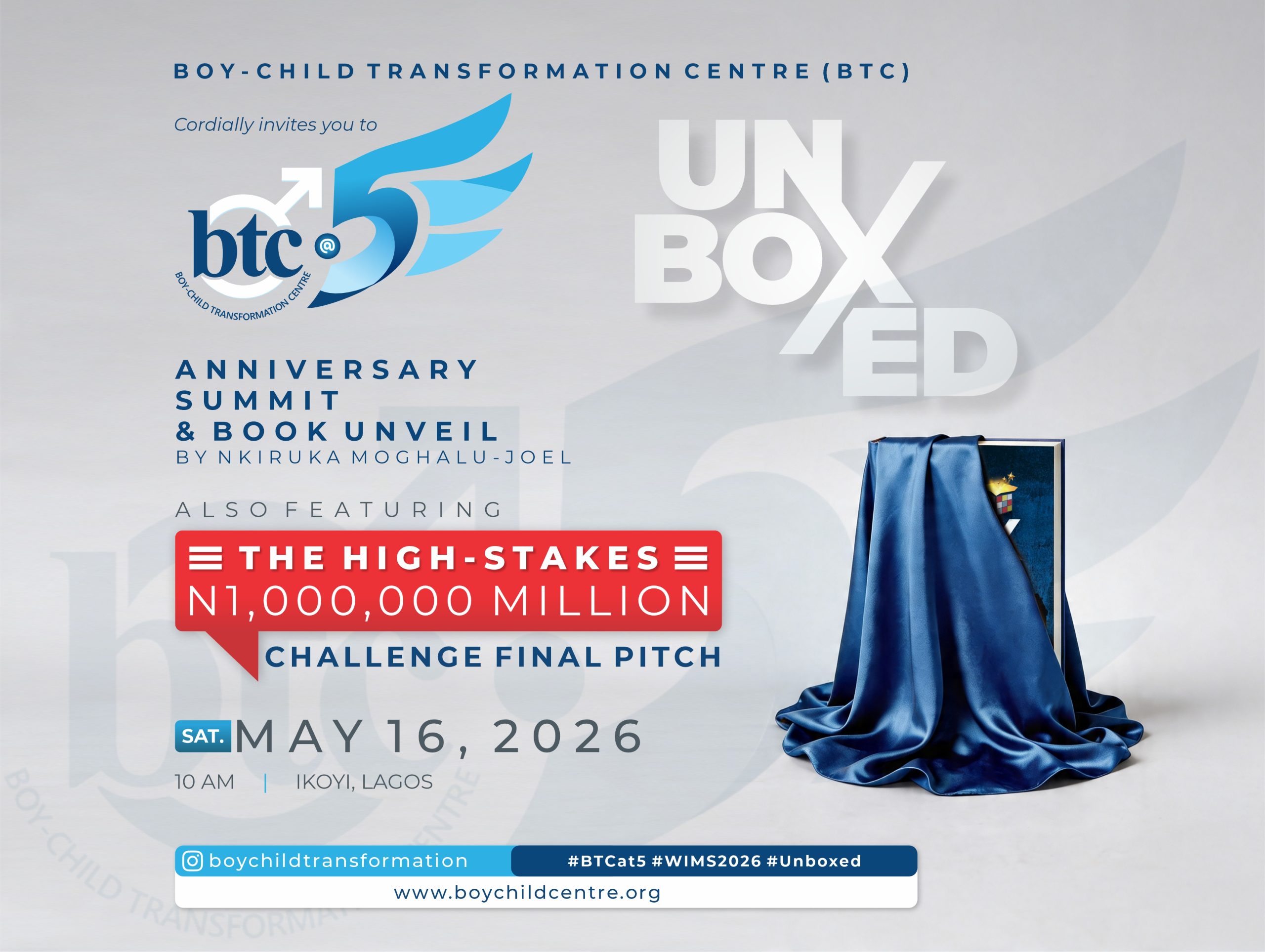
    The Boy-Child Transformation Centre (BTC), a frontline social intervention and strategic advocacy platform, today announced its 5th Anniversary Transformation Summit, scheduled for May 16, 2026, in Ikoyi, Lagos. The high-profile summit will convene C-suite corporate leaders, policymakers, educators, parents, and mental health advocates to address a silent demographic crisis: the systemic decline of the boy-child and its devastating impact on our families, our communities, and our future leadership.

    The cornerstone of the anniversary event will be the official unveiling of UNBOXED: Shaping the Boy-Child for True Manhood, a definitive Execution Playbook authored by BTC Founder and acclaimed Growth Strategist, Nkiruka Moghalu-Joel. The book and the overarching summit theme directly confront what Nkiruka Moghalu-Joel terms the “MACHO Box” – a toxic societal operating system that heavily penalizes emotional intelligence, equates vulnerability with weakness, and drives young boys toward destructive coping mechanisms.

    “For too long, the world has operated on a dangerous default: assuming the boy-child will simply figure it out on his own. He is not figuring it out; he is quietly collapsing in plain sight,” said Nkiruka Moghalu-Joel, Founder of BTC and MD/CEO of Avenu Growth Consulting Group. “When we deny our boys emotional literacy, we are not just failing our sons, we are destabilizing our homes, fracturing our communities, and eroding our future leadership. UNBOXED is our playbook for intervention. We are actively dismantling these toxic labels to engineer a generation of boys equipped with cognitive empathy, ethical grit, and the freedom to be fully human.”

    Key Highlights of the BTC@5 Summit Include:

    • The Book Unveiling: An exclusive first look at UNBOXED, bridging the gap between behavioral psychology, parenting, and leadership development.
    • The ₦1,000,000 WIMS Challenge Final Pitch: The climax of the Walk-in-My-Shoes (WIMS) advocacy platform, where young boys will take the stage to pitch actionable, peer-led solutions to societal traps, competing for a ₦1,000,000 grand prize.

    The BTC@5 Transformation Summit is positioned to be a watershed moment, shifting the global narrative from passive observation to active, strategic intervention on the journey of the boy-child.

  • Women leading spread of the Olympic values across Senegal

    Women leading spread of the Olympic values across Senegal

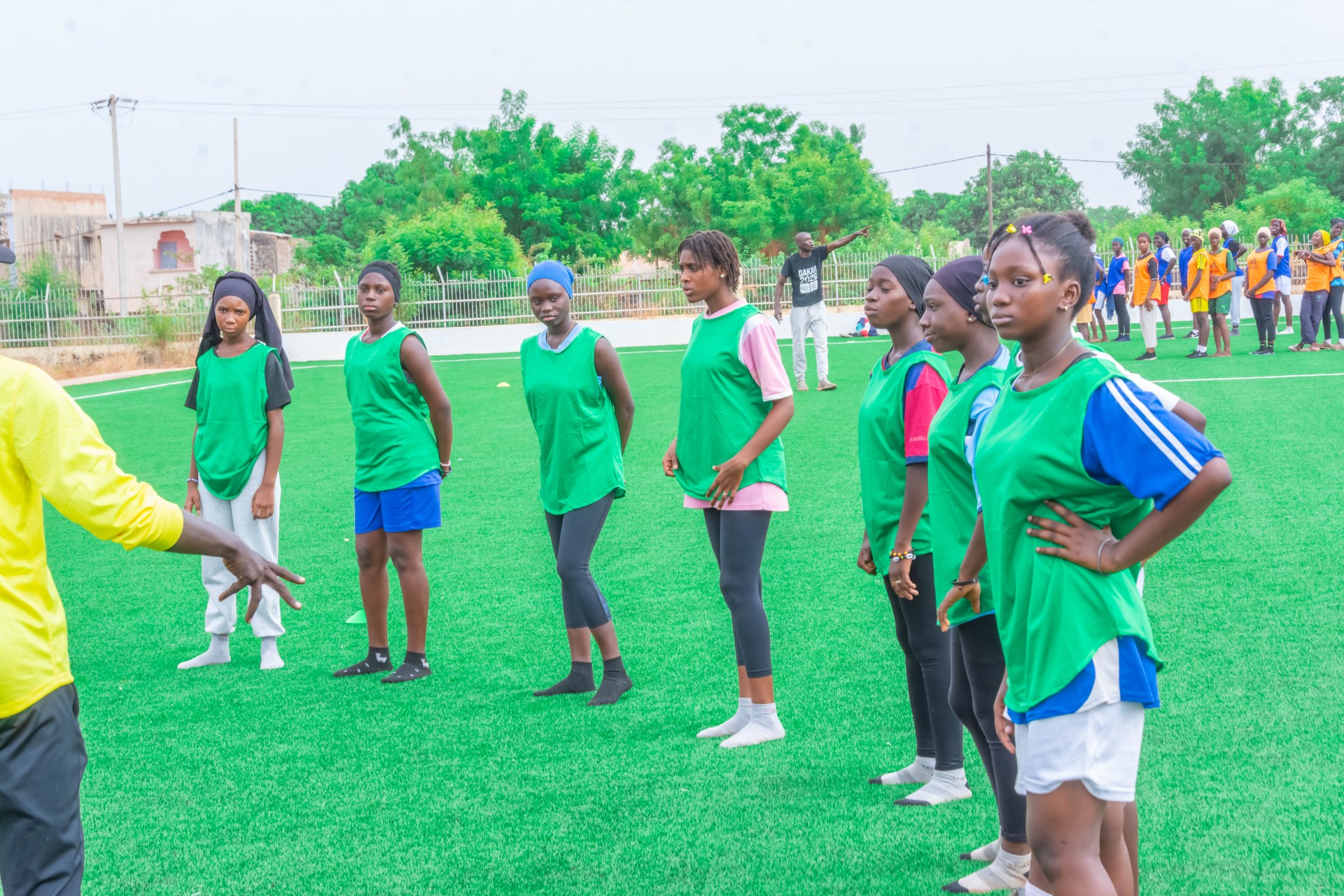
    To celebrate International Women’s Month, we shine a spotlight on the women combining sport and education to inspire positive change across Senegal as part of the Games’ legacy programme

    The impact of the Dakar 2026 Youth Olympic Games will be felt not just on sports fields and in stadiums but also in schools and classrooms. To celebrate International Women’s Month, we shine a spotlight on the women combining sport and education to inspire positive change across Senegal as part of the Games’ legacy programme, of which the Olympic Values Education Programme (OVEP) is a key driver.

    KEY FACTS

    • The Dakar 2026 Youth Olympic Games Organising Committee is aiming to reach 900,000 young people aged from 9 to 15 across 11,000 schools before the start of the Games in October.
    • The team in charge of implementing OVEP – a group of educators, youth leaders and sports facilitators who are training teachers – boasts near-perfect gender parity.
    • Nearly 50 per cent of the beneficiaries are girls.

    “Do not set limits for yourself – there are many possible paths.”

    For Aïchatou Diop, this is the message she hopes that girls across Senegal will carry with them as the country prepares to host the Dakar 2026 Youth Olympic Games. Her own journey reflects this belief: after six years as a committed volunteer and swimming coach, she now has a role in the Dakar 2026 Organising Committee.

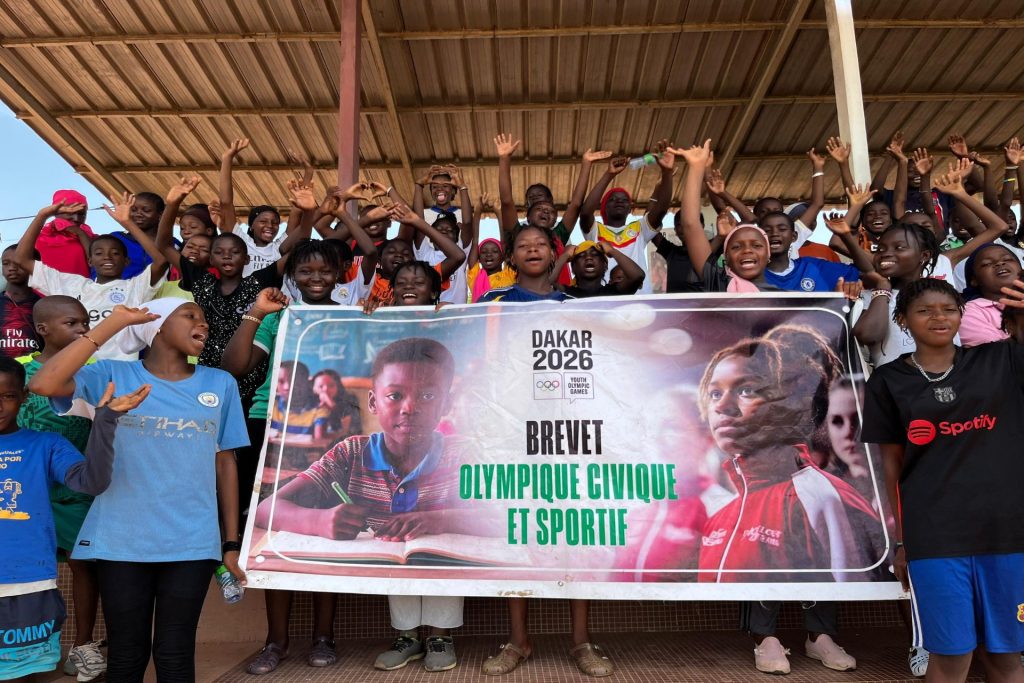
    Aïchatou is just one member of a growing network of women educators helping thousands of Senegalese children discover the powerful connection between sport and personal development through an Olympic civic and sports certification – the Brevet Olympique Civique et Sportif (BOCS)  – a national programme forming the key pillar of the educational legacy of these Games.

    The principles of OVEP are central to the BOCS. The ambition is to reach 900,000 young people aged from 9 to 15 across 11,000 schools before the start of the Games in October.

    Across classrooms, sports fields and community centres, women like Aïchatou are playing a central role in bringing that mission to fruition.

    WOMEN LEADING THE WAY

    Behind the national rollout of the BOCS is a strong network of women working at every level of the programme – from project management and coordination to teacher training and classroom delivery.

    “Women are integrated at both governance and operational levels,” explains Fanta Diallo, the Engagement and Mobilisation Director for Dakar 2026, whose department is overseeing the rollout. “Women are represented within our leadership and delivery teams […] and play an active role in curriculum delivery and mentoring.”

    Fanta’s team – a group of educators, youth leaders and sports facilitators with near‑perfect gender parity – are involved in training teachers, mentoring students and supporting schools and youth programmes as they introduce OVEP-related activities and clubs.

    The programme is even active in Senegal’s “toddler huts” – community centres for kindergarten-age children – ensuring that the Olympic values of excellence, respect and friendship are introduced from an early age.

    CREATING OPPORTUNITIES FOR GIRLS

    Facilitating equal access to sport, education and leadership opportunities is a priority of the BOCS. Targeted outreach is directed at girls in schools and community settings, while the programme is aligned with national and local initiatives promoting girls’ education, health and participation in sport and community life.

    “Particular attention is given to parity in access, participation in practical sports sessions, civic modules and leadership activities linked to the Olympic values,” Fanta explains.

    Those aims are being achieved. Girls represent almost 50 per cent of the beneficiaries of the BOCS programme – a significant proportion in a country where many girls face cultural and socioeconomic barriers to sporting and educational opportunities.

    INSPIRING THE NEXT GENERATION

    Across Senegal, BOCS clubs have been established in schools, often led by mixed-gender student committees responsible for organising activities inspired by the Olympic values.

    In one secondary school, a group of girls involved in an OVEP club organised a “values through sport” day, designing the programme, coordinating the event and leading awareness sessions on respect and fair play.

    The impact extended well beyond the event. Several of the girls went on to take leadership roles in other school clubs and community initiatives. Their teachers also reported noticeable improvements in their public speaking, decision-making and confidence.

    Cécile Faye, Director of the National Olympic Academy of Senegal, believes such outcomes demonstrate the importance and value of having women in leadership roles, and their capacity to imbue positive values in younger generations.

    “What makes female leadership important in society is transmitting values to young girls,” Cécile explains. “Seeing them become autonomous and reproducing the same behaviours is reassuring.”

    For Awa Ndao, an OVEP trainer and youth engagement specialist, the programme’s impact often shows in small yet powerful moments.

    What motivates her most, she says, are “les sourires des enfants” – the smiles of children who feel included and valued through OVEP initiatives.

    She believes that women play a crucial role in creating environments where that transformation can happen, and in ensuring that the legacy of Dakar 2026 extends far beyond the end of the Games. She sums up that aim as “drawing inspiration from Olympism to build a better world”.

  • Ajeluorou’s Brides of Infidels Gives Human Face to Nigeria’s Insecurity Crisis

    Ajeluorou’s Brides of Infidels Gives Human Face to Nigeria’s Insecurity Crisis

    Nigerian journalist, poet and novelist, Anote Ajeluorou, has described his novel, Brides of Infidels, as a conscious literary response to Nigeria’s prolonged insecurity crisis, saying the work seeks to humanise the pain of victims and sustain national attention on a tragedy that has persisted for more than a decade.

    Ajeluorou spoke during a book reading and interactive discussion session held at the CRIMMD Museum and Library, Ajao Estate, Lagos, as part of the Book Trek Community Literacy Outreach programme. The event drew students, educators, writers, cultural practitioners and residents of the community.

    According to the author, Nigeria has steadily fallen behind the times in addressing security challenges that have remained unresolved for over 12 to 14 years. He lamented what he described as a culture of denial by government authorities, citing recent incidents in Kaduna State where worshippers were abducted by terrorists, an occurrence initially disputed by the state government before it was later acknowledged.

    He said such denial undermines public confidence and raises concerns about the government’s preparedness to protect citizens across the country. Ajeluorou explained that Brides of Infidels is his fictional attempt to interrogate this failure and to show how insecurity has truncated the lives of thousands of Nigerians.

    Drawing from his experience as a journalist, Ajeluorou said the idea for the novel emerged during the height of the Boko Haram insurgency, particularly following the abduction of the Chibok schoolgirls. He recalled closely following reports in newspapers and on social media at the time, noting that the scale of the violence and the seeming helplessness of victims compelled him to respond creatively.

    “As a writer, I felt the need to lend my own small voice to this raging national tragedy,” he said, adding that literature remains a powerful tool for raising cultural consciousness and ensuring that the suffering of victims does not fade into statistics.

    The novel centres on the story of a young girl from a northern Nigerian community whose education is violently interrupted when insurgents attack her village. Through her experience, Ajeluorou explores themes of displacement, forced marriage, sexual violence, loss and survival, while also reflecting on the broader impact of terrorism on families and communities.

    He stressed that the book is not limited to the experience of the girl child alone, but deliberately broadens its scope to include the neglected trauma of the boy child. Ajeluorou explained that some male characters in the novel are forcibly conscripted into fighting after their communities are attacked, handed weapons and compelled to kill under the threat of death.

    According to him, the story also exposes deeper layers of social injustice, including early marriage, generational poverty and health complications such as vesicovaginal fistula, which further marginalise women and fuel cycles of vulnerability.

    Ajeluorou was careful to separate religion from extremism, stating that Islam is a religion of peace and should not be blamed for the atrocities committed by terrorists. He argued that those who hide behind religion to justify violence cannot claim to share the same spiritual values they profess.

    He criticised government policies that emphasise the rehabilitation of bandits without giving equal attention to victims and traumatised communities. He also condemned the continued existence of the Almajiri system in northern Nigeria, describing it as a social failure that leaves children exposed to exploitation and radicalisation.
    He questioned the commitment of governments in affected regions to education, noting that initiatives such as the Almajiri schools introduced during the Goodluck Jonathan administration were abandoned after his exit from office. According to Ajeluorou, failure to prioritise education has allowed insecurity to thrive.

    Speaking directly to students at the event, the author urged them to value education, remain disciplined and avoid distractions that could derail their academic progress. He also cautioned parents against unmonitored smartphone use by children, warning that excessive phone engagement affects reading habits and academic focus.

    Founder of the CRIMMD Library and Museum, Dr. Raphael James, also addressed participants, shedding light on the vision and impact of the institution. Dr. James, a Nigerian archivist and historian, said the Centre for Research, Information Management and Media Development was established in December 2004 to provide young Nigerians with access to books, knowledge and historical resources.

    He noted that the organisation recently relocated to Ajao Estate, making the Brides of Infidels reading the first major literary event at the new location. While the library had operated for years without charging users, he explained that rising operational costs have made modest fees necessary to sustain its services.

    Dr. James said the library was founded to challenge the notion that Nigerians do not read, arguing instead that many lack access to books due to economic constraints. He revealed that the institution has helped nurture several outstanding individuals, including medical doctors, engineers, a pilot and one of Nigeria’s youngest ICAN qualifiers.

    He further disclosed that CRIMMD has expanded to include the Museum of Nigerian History, Nigeria’s pioneer private history museum, established to document, preserve and reinterpret Nigerian history. According to him, the museum not only houses artefacts but also conducts research aimed at correcting historical inaccuracies and strengthening national consciousness.

    Dr. James emphasised the importance of historical awareness, noting that a society that does not understand its past risks losing its sense of direction. He said CRIMMD’s interactive learning spaces and educational exhibits are designed to make history engaging for young people while fostering a deeper appreciation of Nigeria’s heritage.

    The event concluded with questions and reflections from participants, reinforcing the role of literature, libraries and cultural institutions in sustaining dialogue around insecurity, education and national responsibility.

  • Junior Achievement (JA) Africa, with Support from Google.org, to Equip 750,000 African Youth, Educators, and Parents with Digital Safety Skills

    Junior Achievement (JA) Africa, with Support from Google.org, to Equip 750,000 African Youth, Educators, and Parents with Digital Safety Skills

    Recent studies show that in Nigeria, more than 70 percent of children aged 6–12 use the internet but lack basic safety awareness

    Junior Achievement (JA) Africa, with support from Google.org through USD $1.5 million funding, will deliver digital literacy and online safety education to children, teachers, and parents across Ghana, Kenya, Nigeria, and South Africa.

    Through this groundbreaking initiative, JA Africa will implement Google’s Be Internet Awesome (BIA) curriculum, empowering 250,000 children aged 7–15, 6,000 teachers, and 8,000 parents and caregivers with the skills and confidence to explore the digital world safely and responsibly by 2027.

    As internet access expands across Sub-Saharan Africa, many children are coming online for the first time without the knowledge or support needed to navigate digital spaces safely. Recent studies show that in Nigeria, more than 70 percent of children aged 6–12 use the internet but lack basic safety awareness. Similar patterns appear in Ghana, Kenya, and South Africa, where online risks such as cyberbullying, harassment, and exploitation remain widespread.

    “As digital connectivity becomes the foundation of modern life in Africa, our children must be equipped not only to participate, but to be protected,” said Simi Nwogugu, CEO of JA Africa. “With funding from Google.org, we are helping young people turn access into opportunity, building a generation of smart, safe, and kind digital citizens.”

    Developed by Google, Be Internet Awesome teaches the fundamentals of digital safety through interactive lessons and Interland, a gamified online platform that makes learning about privacy, cyberbullying, and media literacy fun and accessible for children.

    “At Google.org, we believe that every child should be able to explore the internet with confidence and care,” said Alessia Scarpellini, Senior Program Manager, Child and Youth Safety and Digital Wellbeing, Stronger Communities, Google.org EMEA. “By supporting JA Africa’s proven community-based model, we’re helping educators, caregivers, and young people across the continent build the skills to be safe, confident explorers of the online world.”

    The program will be delivered through school-based workshops, teacher trainings, and community outreach, ensuring equitable access even in underserved and rural areas. It also aligns closely with national child-protection and ICT-in-education priorities, including Ghana’s National Child Online Protection Framework, Nigeria’s Child Online Protection Policy and Strategy, and Kenya’s Industry Guidelines for Child Online Protection.

    Key Program Targets by 2027

    ● 250,000 children trained on online safety, cyberbullying, privacy, and digital  citizenship

    ● 6,000 teachers certified as facilitators to integrate BIA into classrooms

    ● 8,000 parents and caregivers engaged through workshops and digital learning modules

    ● Over 750,000 people reached directly and indirectly across four countries

    The initiative will be amplified through awareness campaigns, digital storytelling, and flagship events such as Safer Internet Day 2026, ensuring that messages about online safety reach millions more across Africa. JA Africa and Google.org will also collaborate with Ministries of Education, ICT, and Communications to embed the curriculum into school systems and teacher-training frameworks for long-term sustainability.

    “This underscores the power of collaboration in safeguarding Africa’s future generation,” Nwogugu added. “When governments, educators, families, and the private sector work together, we can build a safer, more inclusive digital Africa for every child.”

  • Feature: Understanding Neurodivergence in the Educational Context

    Feature: Understanding Neurodivergence in the Educational Context

    by Adekunbi James

    Meaning

    Neurodivergence simply refers to divergence in normal mental or neurological function from what is considered normal. (Oxford Dictionary)

    Neurodivergent: This refers to people who process information in a way that is not typical for their age.
    This variation could include a diagnosed condition like autism or attention-deficit/hyperactivity disorder (ADHD), but neurodivergence itself is not a diagnosis.

    As much as the above term is very much related to the medical field, we in education have been left with no choice but to consider studying these neurological variations ourselves.

    In other words, medicine diagnoses, while educators are saddled with the task of getting learning across in spite of the challenges the variation might pose. Hence, this write-up.

    Common Types of Neurodivergence Found in the Classroom

    1. Autism Spectrum Disorders (ASD)

    Autism, also known as Autism Spectrum Disorder, is a condition characterised by:

    • Differences or difficulties in social communication and interaction
    • A need or strong preference for predictability and routine
    • Sensory processing differences
    • Focused interests and repetitive behaviors
      (Wikipedia)

    Causes: Multifactorial, with many uncertain factors
    Management: Applied behaviour analysis, cognitive behavioural therapy, occupational therapy, speech–language pathology
    Complications: Social isolation, educational and employment difficulties, anxiety, stress, bullying, depression, self-harm, suicidality
    Duration: Lifelong
    Frequency: One in 100 people (1%) worldwide
    Onset: Early childhood

    2. Attention-Deficit Hyperactivity Disorder (ADHD)

    ADHD is marked by patterns of inattention, hyperactivity, and impulsiveness.

    Often beginning in childhood, it can persist into adulthood, potentially leading to:

    • Low self-esteem
    • Troubled relationships
    • Difficulty at school or work

    Symptoms: Limited attention span and hyperactivity
    Treatments: Medication and talk therapy
    (College of Medicine, University of Ibadan and others)

    3. Dyslexia

    A learning disorder characterised by difficulty reading, dyslexia occurs in children with normal vision and intelligence.

    Symptoms include:

    • Late talking
    • Learning new words slowly
    • Delay in learning to read

    Support: Most children with dyslexia can succeed in school with tutoring or a specialised education programme.
    (College of Medicine, University of Ibadan and others)

    4. Dyscalculia

    A learning disorder affecting the ability to understand number-based information and math.

    Individuals with dyscalculia struggle with:

    • Understanding numbers and numeracy
    • Performing mathematical calculations
    • Learning math facts

    Their brains process math-related concepts differently from neurotypical individuals.
    (Wikipedia)

    5. Dysgraphia

    Defined by Richards (1999) as a problem with expressing thoughts in written form.

    Drotár & Dobeš (2020) further described it as a learning impairment causing:

    • Illegible handwriting
    • Spelling difficulties
    • Poor organization of thoughts on paper

    Home Support: The First Point of Care

    Many times, parents of special needs learners go through denial and helplessness, which delays essential interventions and management.

    Failure to act quickly:

    • Endangers the child
    • Exposes them to ridicule and name-calling
    • Risks of long-term emotional damage
    • May result in behavioural issues or even pose societal risks

    Parents are the first line of protection — emotionally, spiritually, and physically. Delayed or inadequate support can cause irreparable harm.

    On Sexual and Reproductive Health

    Parents must be the first educators on body awareness, boundaries, and sexual health. Without this, neurodivergent children — especially autistic females — may become victims of sexual exploitation due to:

    • Inability to defend themselves
    • Inability to report abuse
    • Predatory adults exploiting their vulnerability

    Boys, too, are increasingly affected, and cases of sexual violence are being reported lately.

    The need for home protection in all areas of development cannot be overemphasised.

    Role of Educators

    At school, educators must:

    • Study each child’s unique learning style
    • Assess the degree of need
    • Determine how best to manage it, especially in inclusive environments

    We must aim to create safe, supportive learning spaces that empower all learners.

    Caution to Parents and Caregivers

    1. Avoid Comparison
      Never compare a special needs learner’s achievements to those of other children, even those with similar diagnoses.
    2. Educate Yourself
      Learn about your child’s specific needs and how you can support their learning and growth.
    3. Seek Help Early
      While faith and prayer are important, early therapy is crucial.
      Consult professionals — neurologists, behavioural therapists — and begin intervention early.
    4. Advocate for Your Child
      • Speak to schools before registration
      • Assert their rights in public spaces (airports, churches, social events)
      • Be their voice — never allow them to be belittled or mistreated

    In Conclusion

    Understanding and managing neurodivergence is not solely the work of medical professionals. Educators, parents, and society at large must come together to support neurodivergent individuals with empathy, education, and proactive care.

    About the Author

    Adekunbi James is an education consultant, school leader, Montessori specialist, and early years curriculum expert with over 13 years of active classroom and leadership experience. She is currently a Director at Grace Haven School, Abuja, FCT, Nigeria where she integrates global best practices into local learning frameworks to raise exceptional learners.

  • Nigerians, South Africans, others honoured as Anzisha opens 2026 fellowship

    Nigerians, South Africans, others honoured as Anzisha opens 2026 fellowship

    Young entrepreneurs are the key to transforming economies on the African continent. Where some only see challenges, they view an untapped canvas for innovation and, should they be equipped with the right knowledge, network and skills, they can reshape our communities for the better.

    With the 2025 Entrepreneurship Education in Africa Summit now concluded, Anzisha announced that applications for its 2026 Fellowship will open on 7 October. The Fellowship backs Africa’s youngest founders with venture-building support, coaching and a continent-wide peer community to help them build their leadership skills, scale their businesses and create jobs.

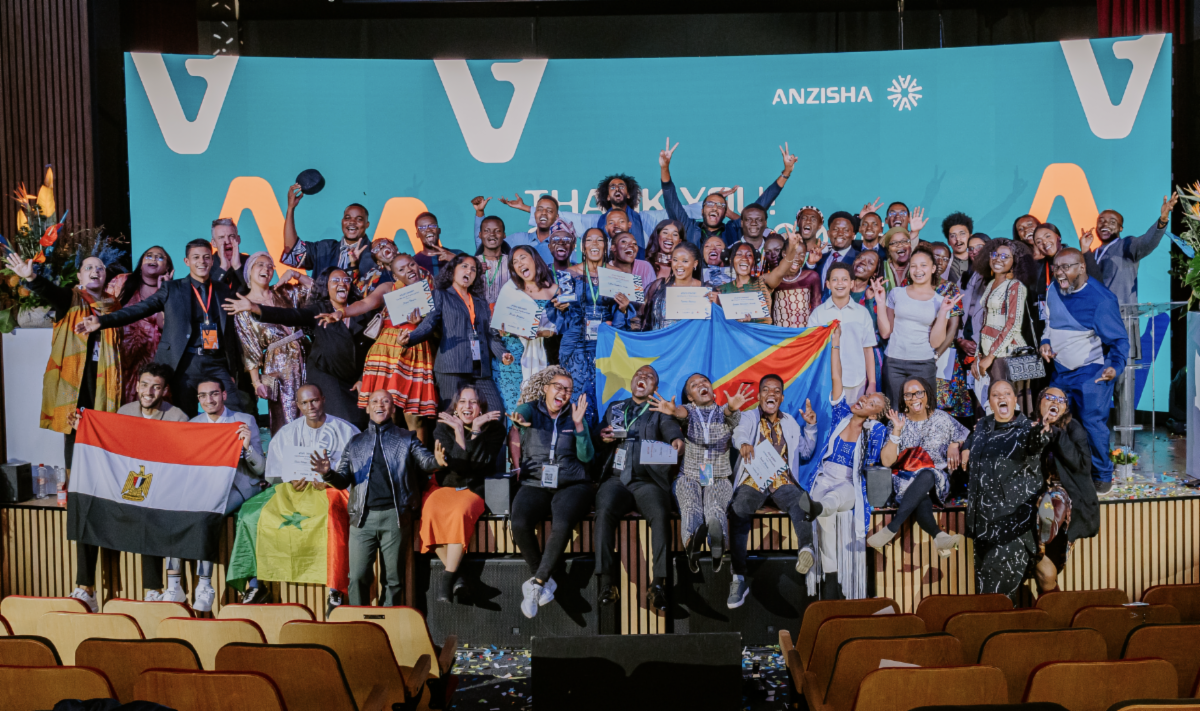
    The summit, hosted at the African Leadership Academy in Johannesburg, brought together educators, policymakers, investors and business leaders to reflect on best practices in entrepreneurship education. The day closed with the Anzisha Awards Gala, where four outstanding entrepreneurs under the age of 25 were recognised for their achievements and each awarded $10,000.

    Cebolenkosi Gcabashe (22), founder of G Khula Trading in KwaZulu-Natal, won the Revenue Growth Award after building a profitable property services company from a single high-pressure cleaner. The gala also honoured Nigeria’s Bunmi Esther Olalude with the Job Creation Award for empowering women and youth; Zimbabwe’s Tafadzwa Manyanye with the Systems of Delivery Award for building efficient agricultural services; and Nigeria’s Christianah Madu, who received the Storytelling Award for raising the visibility of her venture through communication.

    A blueprint for Africa’s future of work

    Throughout the day, panel discussions and breakout sessions explored how very young entrepreneurs are rewriting the rules of work. Topics included repairing the broken link between education and jobs, recognising informality as innovation rather than failure, and finding financing solutions for founders often overlooked by investors.

    In her closing address, Anzisha Managing Editor, Didi Onwu urged stakeholders to rethink how they approach entrepreneurship: “Youth entrepreneurship isn’t the backup plan, it’s the blueprint. For too long, we have treated entrepreneurship as plan B, the path we take when ‘the real’ systems fail you. But this summit is a reminder that youth-led enterprise isn’t what happens when things go wrong, it’s what happens when young people take control of their futures.”

    Fellowship applications open 7 October

    Since its launch in 2011, Anzisha has supported nearly 300 very young entrepreneurs across the continent.

    The multi-year programme combines funding, mentorship and peer-to-peer learning to help ventures grow sustainably while creating jobs in their communities.

    The 2026 Anzisha Prize Fellowship is open to applicants between the ages of 15 to 22 who are running ventures in Africa.

    Successful applicants will join a growing network of innovators and compete for a shared prize pool of $50,000.

    Anzisha’s work is underpinned by research, advocacy and storytelling that highlights the impact of young entrepreneurs and challenges policymakers, educators and investors to build an enabling environment.

    Anzisha’s YouTube series, The Journey, documents the realities of very young entrepreneurs and the communities they are transforming.

  • Feature- Humans + Machines: Building the workforce of the future

    Feature- Humans + Machines: Building the workforce of the future

    …As AI becomes a fixture in the workplace, it’s not replacing us, it’s changing the way we work. From productivity gains to new skill demands, here’s how digital labour is changing jobs, and why Africa must seize the day

    By Ursula Fear

    Is AI coming for your job, or is it already working beside you? As its use becomes more routine, artificial intelligence is looking less like a threat and more like a teammate: answering queries, making decisions, chasing leads, processing invoices, and drafting content around the clock.

    This new class of digital labour is changing how teams function, how targets are met, and how people spend their time at work. From now on, almost every job, team, and company will involve AI agents – systems that can analyse vast datasets, apply human-like reasoning, and act independently. Their presence is set to influence workflows, increase productivity, support innovation, and redefine roles across the organisation.

    Rather than replacing people, AI is tilting the workload. Salesforce research shows that 23% of HR teams plan to redeploy employees into roles that make better use of their uniquely human strengths. At the same time, agentic AI adoption is projected to surge by 327% over the next two years (from roughly 15% adoption today to about 64% by 2027).

    This shift is tied to anticipated productivity gains of 30% per employee and labour cost reductions of 19%, equating to about $11,000 in savings per employee annually, based on Organisation for Economic Co-operation and Development (OECD) wage averages. Rather than replacing people, organisations are preparing to reskill and redeploy workers, enabling humans to focus on higher-value roles that emphasise creativity, strategy, and interpersonal skills.

    recent Gartner poll further found that 95% of customer service teams intend to retain human agents to help define and guide the role of AI, reinforcing the value of a “digital first, not digital only” approach. Gartner further says that by 2027, half of the organisations that planned to significantly reduce their customer service workforce will abandon those plans, highlighting the limits of going fully “agentless”.

    For African countries, the rise of digital labour presents an opportunity to build modern, inclusive workforces without being bound by outdated development models. But realising this potential depends on sustained investment in skills training, digital infrastructure, and equitable access to AI tools.

    Train for tomorrow

    Africa has the world’s youngest population. It’s bursting with entrepreneurial energy. But many young people still don’t have access to the tools and skills that will define the next era of work. If the continent wants to lead in the digital labour revolution, it should act now by investing in digital infrastructure, prioritising skills development, and forging partnerships that make future-focused training widely accessible.

    Yes, the skills gap is real and broadband internet is still a luxury in many communities. But on the upside, AI training doesn’t require a university degree. Much of it is free, online, and accessible to anyone with a smartphone and a curious mind.

    That opens the door to governments, educators, businesses, and civil society to step up to update school curricula, expand digital infrastructure, and support public-private training partnerships. All of this matters: not just for economic growth, but for social inclusion, too.

    If these foundations are put in place, African countries could not only meet the needs of their growing population but also leapfrog outdated development models.

    From entry-level to in-demand


    When AI begins to handle the simpler tasks, it’s easy to worry about what’s left for those starting out. Entry-level jobs aren’t disappearing though. Instead of doing routine work, newcomers will now need to build skills in oversight, collaboration, and using AI tools effectively from day one. The ladder still exists; it just starts in a different place.

    This will require a different kind of training – not just technical know-how, but in soft skills like empathy, adaptability, ethical judgement, and communication, which are all human traits that help teams thrive.

    AI’s presence in the workplace may be concerning, with reports of job cuts due to its adoption (hereherehere, and here), but all is not as it seems.

    Research suggests a more balanced perspective: One of the most comprehensive studies, from the National Bureau of Economic Research, tracked 25,000 workers across 7,000 Danish firms using AI chatbots. It found no significant changes to jobs, wages, or working hours. Productivity rose by around 3%, without leading to layoffs.

    The St. Louis Fed found something similar. Based on large-scale surveys in the US, researchers reported one in four workers now use generative AI weekly, saving on average just over two hours a week. Spread across the entire labour market, that translated into a 1.1% productivity gain. Crucially, there was no sign this efficiency came at the cost of jobs.

    Adding to this, a 2024 study by Mäkelä and Stephany analysed over 12 million US job listings and revealed that demand is surging for “AI-complementary” skills such as resilience, teamwork, digital literacy, and analytical thinking. These are the very human capabilities that help people work effectively with AI. The study found AI-focused roles are nearly twice as likely to list these skills, and they command wage premiums of 5–10%. Even more telling: the positive impact of these complementary skills outweighs the substitution effects of AI by up to 70%.

    These findings all suggest that AI isn’t replacing workers; it’s helping them work smarter and more efficiently. To thrive in this blended future, we need to prepare today, by building the right skills, expanding access, and embracing AI not as a threat, but as a partner in progress. 

    Because the future of work won’t be entirely human, nor entirely automated – it will be a blend of both.

    Ursula Fear is a Senior Talent Programme Manager at Salesforce
  • Feature- Educating Children on Their Rights: Empowering the Next Generation with UNICEF’s Vision

    Feature- Educating Children on Their Rights: Empowering the Next Generation with UNICEF’s Vision

    Educating children about their fundamental rights is not merely an educational exercise; it is a cornerstone for fostering a society that inherently respects, protects, and champions its youngest citizens. By grasping their rights, children are empowered to advocate for themselves, actively participate in decisions that directly impact their lives, and contribute meaningfully to the creation of a more just and equitable world. This crucial knowledge equips them to recognize potential violations and confidently seek assistance when needed, ultimately promoting their holistic well-being and development. This vital mission is at the heart of organizations like UNICEF, which is deeply committed to entrenching and educating people globally about children’s rights.

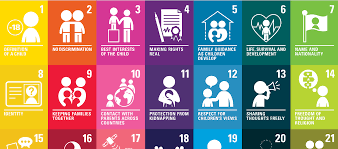
    Children and young people possess the same general human rights as adults, alongside specific rights that acknowledge their unique needs and vulnerabilities. They are neither the mere property of their parents nor passive recipients of charity; they are distinct human beings, subjects of their own inherent rights. The United Nations Convention on the Rights of the Child (CRC), a landmark international treaty, meticulously outlines the rights that must be realized for children to develop to their full potential. It offers a profound vision of the child as an individual, an integral member of a family and community, endowed with rights and responsibilities appropriate to their age and stage of development. By recognizing children’s rights in this comprehensive manner, the Convention, championed by UNICEF, firmly places the focus on the whole child. It underscores the fundamental human dignity of all children and the urgent necessity of ensuring their well-being and development, solidifying the idea that a basic quality of life should be the right of every child, rather than a privilege enjoyed by a few.

    As a society, it is paramount to recognize the transformative power of educating children about their rights. UNICEF’s global advocacy is rooted in the belief that by teaching children about these entitlements, we can empower them to become confident, informed, and active participants in their communities. This education matters for several compelling reasons:

    1. Empowerment: Understanding their rights empowers children to make informed decisions, fostering a sense of agency and control over their own lives.
    2. Prevention of Exploitation: Armed with knowledge of their rights, children are better equipped to recognize, resist, and report exploitation, abuse, or neglect, creating a safer environment.
    3. Promoting Equality: Children’s rights education cultivates equality, respect, and understanding among children, transcending backgrounds, cultures, or abilities.
    4. Building Confidence: This knowledge inherently builds confidence, self-esteem, and self-worth, crucial for healthy development.

    Some essential children’s rights that UNICEF and other advocates emphasize in education include: the Right to Education (every child’s access to quality learning), the Right to Protection (safeguarding from abuse, neglect, and exploitation), the Right to Participation (the freedom to express opinions and engage in decisions affecting them), and the Right to Equality (equal treatment and opportunities for all, irrespective of background or ability).

    For parents, educators, and caregivers, practical tips for effectively imparting this knowledge are vital. Utilizing age-appropriate language, making learning interactive through games and role-playing, and employing real-life examples can make complex concepts relatable and fun. Encouraging critical thinking about rights and demonstrating respect for these rights through personal example are also crucial.

    In conclusion, educating children about their rights is a vital, collective responsibility and a fundamental step in empowering them to become confident, informed, and active participants in their communities. By instilling this knowledge, we actively promote equality, prevent exploitation, and build self-assurance. As parents, educators, and caregivers, it is our shared duty to provide the support and encouragement necessary for children to thrive, ensuring they understand their inherent rights as individuals within society. Let us work hand-in-hand to educate children about their rights, aligning with UNICEF’s unwavering desire to create a brighter, more just, and equitable future for every child.

  • Feature: Planting Seeds of Leadership: Nurturing Boys Today

    Feature: Planting Seeds of Leadership: Nurturing Boys Today

    By Nkiruka Moghalu Joel

    Today, as we observe International Day of the Boy Child, our focus must sharpen on a critical element in their development: leadership. Not just the leadership they will one day embody, but the leadership we, as a society, must demonstrate in guiding them. This day serves as an urgent call to action for every stakeholder – governments, families, educators, faith-based organizations, and international bodies – to collectively address the unique challenges and immense potential inherent in our young boys.

    In a world that continues to grapple with the very definition of true and effective leadership, it becomes paramount that we consistently articulate its genuine meaning and proactively cultivate authentic role models amongst our young boys, instilling the right values from their earliest years. The trajectory of a boy’s life is profoundly influenced by the leadership he witnesses and receives from his earliest years. We must consciously move beyond outdated and restrictive notions of masculinity that often equate strength with stoicism and leadership with an emotional detachment that ultimately isolates and limits their growth. True leadership, in its most effective form, encompasses empathy, vulnerability, and a profound understanding of oneself and others. This is the model we must actively embody and instill.

    The cornerstone of this leadership begins within the family. Parents, particularly fathers, hold a pivotal role in demonstrating what it means to lead with integrity, emotional honesty, and genuine care. A father’s active participation in a boy’s emotional landscape, alongside a mother’s nurturing influence, provides a powerful blueprint for healthy manhood. This involves more than just providing; it requires actively listening, validating their feelings – even the messy and uncomfortable ones – and creating a home environment where vulnerability is a sign of strength, not weakness. This intentional modelling of emotional intelligence is the first act of leadership that shapes a boy’s understanding of himself and his place in the world.

    The educational system forms the next crucial arena for leadership development. Schools are not merely institutions for academic instruction; they are formative environments for socialization and the cultivation of character. Leaders within these spaces – administrators, teachers, and mentors – must be equipped to recognize and respond to the diverse emotional and developmental needs of boys. This necessitates a commitment to training in areas like trauma-informed care, the implementation of robust mentorship programs connecting boys with positive role models from various walks of life, and the deliberate integration of values-based education into the curriculum. Educational leadership should give equal importance to fostering emotional literacy and resilience as it does to promoting traditional academic success.

    Furthermore, community and societal leadership plays an undeniable role. The narratives we perpetuate through media, cultural norms, and even casual conversations subtly shape a boy’s understanding of what it means to be a man. Leaders in these spheres have a responsibility to challenge harmful stereotypes and promote a more expansive and healthy vision of masculinity – one that embraces emotional intelligence, champions healthy relationships, and values empathy as a cornerstone of strength.

    It is within this landscape of a recognized need for proactive and holistic guidance that the Boy-child Transformation Centre (BTC) was founded. BTC emerged as a direct response to the existing gaps in providing focused intervention, values-driven education, and impactful mentorship for young boys. Our mission is to be a catalyst for change, working collaboratively with families, educators, and community leaders to equip boys with the essential tools and positive influences they need to navigate the complexities of adolescence and emerge as well-rounded, responsible, and emotionally secure men.

    On this International Day of the Boy Child, let us unite in ushering in a renewed vision of leadership dedicated to raising and empowering our young men. By consciously modeling healthy masculinity, fostering emotional intelligence from the earliest stages, and creating supportive ecosystems within families, schools, and communities, we can empower them to break free from limiting stereotypes and embrace their full potential. The time for passive observation is over. It’s time to invest in boys—not just as future leaders, but as present souls needing nurturing, structure, and vision.

    Nkiruka Moghalu Joel, Founder, Boychild Transformation Centre (BTC) @boychildtransformation

  • Feature- SSCE/NECO 18 Years Limit: No, Prof Mamman, No!

    Feature- SSCE/NECO 18 Years Limit: No, Prof Mamman, No!

    By Elvis Eromosele

    Professor Tahir Mamman, Nigeria’s Minister of Education, recently announced a policy setting the minimum age for writing the Senior Secondary School Certificate Examinations (SSCE) at 18 years, starting from 2025. This decision has sparked widespread criticism from education stakeholders, who view it as a regressive step that fails to consider the realities of modern education. The new age limit rather than enhancing educational outcomes, risks stifling student progress and diminishing the quality of education in Nigeria.

    Setting the minimum age for SSCE at 18 years is out of step with the global trend toward encouraging early academic achievement. Nigeria’s 6-3-3-4 educational system, which anticipates students finishing secondary school by age 18, does not account for the diverse academic paths students might take. Many students, particularly those who are gifted or started school early, complete secondary education well before turning 18. Imposing an age limit would unfairly penalize these students, forcing them to wait unnecessarily, which is both a waste of time and an impediment to their academic and professional growth.

    Maintaining the minimum age for SSCE at 16 years, as has been the practice, is a more balanced and sustainable approach. It allows academically ready students to progress to tertiary education without delay while ensuring those who need more time can take it without undue pressure.

    Many 16-year-olds are mature enough to handle the demands of higher education, and the current policy of allowing SSCE at 16 has produced generations of successful graduates who have excelled in various fields. There is no evidence raising the age limit would lead to better outcomes; on the contrary, it could increase student frustration and dropout rates.

    The policy is particularly problematic for gifted children, who often progress through school at an accelerated pace. Forcing them to wait until 18 years to take the SSCE disregards their unique needs and potential, stifling their intellectual growth. Professor Mamman’s dismissal of gifted children as a minority is troubling. Gifted children are a vital part of the nation’s future, and their needs should not be ignored.

    Moreover, the policy raises concerns about what students will do during the two years they must wait before writing the SSCE. The Nigeria Union of Teachers (NUT) rightly warns that “the devil finds work for idle hands.” Forcing students to remain idle for two years is not only wasteful but potentially dangerous, increasing the likelihood of disengagement from education and negative behaviours.

    A significant issue with the policy is the lack of consultation with key stakeholders in the education sector. A major decision like this should not be made unilaterally. The minister’s failure to engage with bodies like the National Council on Education (NCE), the NUT, and other relevant organisations is a serious oversight. Education policy should reflect the input and concerns of those directly involved in educating Nigerian students.

    Professor Mamman’s justification for the policy—that students are not mature enough for tertiary education until they are 18—is flawed. The Minister appears too keen on fixing what is not broken. How is age an issue at this time when millions of school-age children are out of school? While 18 is the legal age of adulthood, maturity is not solely determined by age. Many students can handle the challenges of higher education at 16, especially in today’s fast-paced, information-rich world. Maturity is a function of age and experience, and students who have been well-prepared through secondary education are more likely to succeed in higher education, regardless of whether they are 16 or 18.

    Instead of implementing a blanket age limit, the government should focus on creating a more flexible and inclusive education system that caters to the diverse needs of Nigerian students. Several options are available:

    Number one, the government should allow students to take the SSCE when they are academically ready, rather than at a specific age, ensuring evaluations are based on academic readiness, not chronological age.

    Two, we would need to establish and expand programs for gifted students, allowing them to progress at their own pace rather than being held back by arbitrary age limits.

    In addition, the country must be ready to provide students with better career guidance and counselling to help them make informed decisions about their educational and career paths, regardless of age.

    Furthermore, greater parental involvement in the education process should be encouraged to ensure students are neither pressured into exams prematurely nor held back unnecessarily.

    Education is the cornerstone of national development. The policies governing it should be based on evidence, not assumptions. Setting the minimum age for the SSCE at 18 years is a regressive step that could do more harm than good. By maintaining the current age limit of 16 years and implementing sustainable solutions, the government can ensure Nigerian students have the best chance to succeed in their academic and professional lives.

    If left unchallenged, Professor Mamman’s policy will stifle the potential of Nigerian students and set the education system back by decades. It is imperative that stakeholders—including the National Assembly, parents, educators, and civil society—resist this policy and advocate for a more flexible, inclusive, and forward-looking approach to education in Nigeria. The future of the nation’s youth, and indeed the future of Nigeria itself, depends on it.

    Eromosele, a corporate communication professional, writes via: elviseroms@gmail.com

  • Stakeholders Advocate for Safe Motherhood and Responsive Fatherhood to Improve Child Well-being

    Stakeholders Advocate for Safe Motherhood and Responsive Fatherhood to Improve Child Well-being

    Stakeholders have advocated for safe motherhood and responsive fatherhood as key ingredients required for the proper upbringing of children while calling for the eradication of child labour in our society.

    The stakeholders at the Strengthening Capacity for Research and Policy Engagement in Shifting Notions of Motherhood and Fatherhood for Improved Children’s Well-being in Africa (SCaRPE-A) Conference include experts, academics, non-governmental organizations, scholars, educators, NGOs, researchers, and students all came together to discuss parenting and children’s well-being in a changing world.

    The conference organised in collaboration with the Department of History, UI and Women’s Research and Documentation Centre (WORDOC), University of Ibadan, Nigeria held at the Otunba Subomi Balogun Conference Centre, UI.

    Highpoint of the conference was the presentation of the policy report titled: “Parenting and Children Well-being in Nigeria: Dynamics, interventions and Agenda Action”.

    The report was presented by the two conveners of the conference, Dr. Mutiat Oladejo, a Senior Lecturer at the Department of History, University of Ibadan and Dr. Sharon Omotoso who is a Senior Research Fellow (Gender/Media Studies) at the Institute of African Studies, University of Ibadan.

    In his opening remark, Dean of the Faculty of Arts, University of Ibadan, Professor Solomon Oyetade, said organising the Conference on parenting and children’s wellbeing in Nigeria is an important area of consideration in the world today owing to the changing notions in parenting and child upbringing.

    He noted that the upbringing of a child is the collective responsibility of society, but due to the high level of decadence in society nowadays, the upbringing of the child suffers a setback.

    He also made reference to how modernity has affected the upbringing of a child and thereby making it worse, the product of this according to him is what he described as (Abi Iko) one who was born but not trained and (Ako Igba) one who received moral training but refuse to put the training into use.

    Also, the Head of the Department of History, UI, Prof. Rasheed Olaniyi while joining the conversation called for the eradication of child labour in society.

    He attributed some challenges facing children in society to bad parenting and that adequate steps needed to be taken to address those challenges.

    He, however, enjoined the political elites to address socioeconomic problems confronting the nation as this will reduce the economic burden on parents who engage their children in hawking and other forms of street trading when they were supposed to be in school.

    Speaking with reporters on the Policy report, Dr. Mutiat Oladejo highlighted some of the challenges facing motherhood in society which she said have placed the burden of child parenting strictly on mothers while neglecting the important role of fatherhood as an integral component in child upbringing.

    She said “We have been on this project since 2021 and our advocacy is to improve children’s well-being and ensure proper child upbringing irrespective of whether you are father or mother.

    “Notion of motherhood is usually entangled in the problem of women discrimination, biases against women in the society as there is too much burden on being a mother while fatherhood is relegated to only financial support to mother thereby neglecting the aspect of social, psychological and moral support to the mother.”

    She therefore called for responsive fatherhood and safe motherhood to improve parenting and children’s well-being in Nigeria.

    Some of the highlights that emerged from the conference included the importance of education and tackling child labour, the impact of poverty and societal pressures on parenting, and the need for collaboration among stakeholders to improve children’s well-being. The conference also highlighted the complex and evolving nature of childhood identity in Nigeria. The urgent need for action to address issues such as child labor, out-of-school children, and illicit economies like baby factories and juvenile prostitution. Some of the recommendations are increased enforcement against child trafficking, prioritizing education, and collaborative efforts from families, schools, NGOs amongst others.

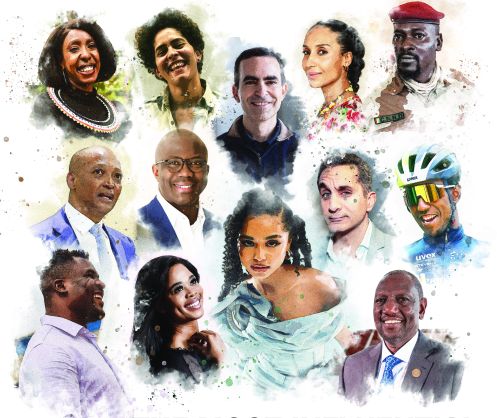
  • New African Magazine reveals the 100 Most Influential Africans of 2023

    New African Magazine reveals the 100 Most Influential Africans of 2023

    Okonjo-Iweala, Akinwumi Adesina, Teju Cole others make the list from Nigeria

    New African magazine released its annual listing of the 100 Most Influential Africans of 2023. The list celebrates the achievements and contributions of Africans from various fields and sectors, who have positively impacted the continent and the world.

    The list features a diverse and inspiring group of men and women, who have demonstrated excellence, innovation, leadership, resilience, and vision in their respective domains. They include politicians, entrepreneurs, industrialists, environmentalists, creatives, scientists, educators, sports personalities, and more.

    The list also reflects the shifting trends and priorities in Africa, as the continent faces new challenges and opportunities in the post-pandemic era. Creatives dominate the ranking with 31 representatives, including singer, Abel Tesfaye, aka The Weekend, filmmaker Alice Diop and writer Nana Darkoa Sekyiamah.

    The second category with the highest number of entries was the Business section, with 25 entries. The section included two behemoths from DFIs, supporting a private sector approach to investing: Samaila Zubairu from Africa Finance Corporation and the President of Afreximbank, Benedict Oramah, undoubtedly Africa’s juggernaut from the last few years leading Africa’s transformation. Also on the list is the former CEO of Eskom and whistleblower who nearly paid with his life André de Ruyter.

    Nigeria was the country most represented on the list, highlighting the country’s dominance in the creative sector and business. William Ruto, the President of Kenya, and Bola Tinubu, President of Nigeria, were the only heads of state to make it, along with the Guinean military leader Mamady Doumbouya. Doumbouya created quite a stir at this year’s UN General Assembly and appears to have found a solution around the Simandou mining saga.

    With Climate Change at the top of the agenda, the list features several players in the environmental space, such as James Mwangi, formerly from Dalberg Group who has set up his own venture fund investing in climate related businesses, and Elizabeth Maruma Mrema, the Executive Secretary of the UN Convention on Biological Diversity.

    In the media, we have two media leaders from Côte d’Ivoire, Fabrice Sawegnon, founder of communications agency Voodoo, and Daniel Ahaoussa, serial entrepreneur and founder of a number of websites in West and Central Africa. Also included are the journalist Alan Kasujja, the BBC journalist, and Branko Brkic, founder of Daily Maverick, arguably the most powerful media in South Africa today.

    And in sports, record breakers Faith Kipyegon and Kelvin Kiptum make it, as well as the Springboks team, under the leadership of their captain Siya Kolisi. Patrice Motsepe, the President of CAF, a close friend of FIFA president Gianni Infantino and an increasingly influential voice in sports, is also included.

    The 100 Most Influential Africans of 2023 is a special edition of New African magazine, which offers a comprehensive and insightful overview of the lives and achievements of the selected individuals. The magazine also provides a platform for the readers to learn from their stories, and to be inspired by their examples.

    Download the 100 Most Influential Africans of 2023 special edition of New  African: https://apo-opa.co/4aL1VB7

    The 100 Most Influential Africans 2023 List:

    Politics and Public Service

    William Ruto

    Ibrahima Cheikh Diong

    Sidi Ould Tah

    Akinwumi Adesina

    Ngozi Okonjo-Iweala

    Bola Tinubu

    Mamady Doumbouya

    Ousmane Sonko

    Nadia Fettah Alaoui

    Tsitsi Masiyiwa

    Tidjane Thiam

    Business

    Mohamed Kande

    Sim Tshabalala

    Karim Beguir

    Didier Acouetey

    Olugbenga Agboola

    Samaila Zubairu

    Prof. Benedict Okey Oramah

    Ralph Mupita

    Ibrahim Sagna

    Simon Tiemtoré

    Jules Ngankam

    Riham ElGizy

    André de Ruyter

    Aliko Dangote

    Ham Serunjogi

    Serge Ekué

    Bahija Jallal

    Coura Sène

    Bernard Koné Dossongui

    Hassanein Hiridjee

    Shola Akinlade

    James Mwangi

    Pascal Agboyibor

    Science and Academia

    Anna Adeola Makanju

    Chao Tayiana Maina

    Nemat Talaat Shafik

    Ismahane Elouafi

    Moungi Bawendi

    Timnit Gebru

    Environmental

    James Irungu Mwangi

    Ephraim Mwepya Shitima

    Wanjira Mathai

    Rashid Sumaila

    Elizabeth Maruma Mrema

    Dr Musonda Mumba

    Creative

    Kaouther Ben Hania

    Danai Gurira

    Ncuti Gatwa

    Black Coffee

    Tyla Laura Seethal

    Temilade “Tems” Openiyi

    Lesley Lokko

    Mulenga Kapwepwe

    Alice Diop

    Wanuri Kahiu

    Bassem Youssef

    Malenga Mulendema

    Jadesola Osiberu

    Editi Effiong

    Ali Said Alamin Mandhry

    Abel “The Weekend” Tesfaye

    Pretty Yende

    Julie Mehretu

    Pierre Thiam

    Teju Cole

    Thebe Magugu

    David Diop

    Burna Boy

    Serge Attukwei Clottey

    Nana Darkoa Sekyiamah

    Aïda Muluneh

    Omoyemi Akerele

    Mariam Issoufou Kamara

    Victor Ekpuk

    DJ Snake

    Gandhi “Maitre Gims” Djuna

    Media

    Claude Grunitzky

    Chioma Nnadi

    Edward Enninful

    Alan Kasujja

    Wode Maya

    Anton Harber

    Khabane “Khaby” Lame

    Charity Ekezie

    Moses “Uncle Mo” Kiboneka

    Branko Brkic

    Tomiwa Aladekomo

    Marie Mbullu

    Nicolas Pompigne-Mognard

    Daniel Ahaoussa

    Fabrice Sawegnon

    Sports

    Francis Ngannou

    Faith Kipyegon

    The Springboks, led by captain Siya Kolisi

    Patrice Motsepe

    Kelvin Kiptum

    Victor Osmihen

    Biniam Girmay

    Yassine Bounou

  • Akada Children’s Book Festival to Highlight African Stories and Authors at Fifth Edition

    event scheduled for Saturday, 23rd September 2023 at Starfield Montessori School, Lagos

    The Akada Children’s Book Festival (ACBF) will return to Lagos for its fifth year on Saturday, September 23, 2023. The festival which is the first and largest Nigerian book festival curated specifically for children will be held at the Starfield Montessori School in Lekki, Lagos. Themed “Through the Pages”, the event will spotlight a diverse lineup of authors and illustrators who are sharing their stories of Africa and their heritage, culture, and communities through children’s literature.

    The ACBF is a showcase of children’s books written by African authors or books from around the world written for a diverse audience of children. The name of the festival “Akada” was derived from the Yoruba word which means “a lover of literacy and books”. The annual event provides a visible platform for the work of indigenous authors and encourages broad public engagement in children’s books and audiences for both Nigerian and international literature.

    Speaking at the press conference to unveil the 2023 edition, Mrs Olubunmi Aboderin Talabi, renowned author and convener of the festival said, “The festival encourages the culture of reading for pleasure from an early age, and it improves access to age-appropriate, non-academic books. ACBF excels at hosting engaging activities in which families can participate together, by providing an avenue for parents, children, and teachers to discover new books. The 5th annual edition of the Akada Children’s Book Festival will showcase 41 original titles by local authors and Illustrators, approved after rigorous selection by an 8-person editorial board. Books to be featured this year range from children’s picture books for toddlers to chapter books for teens, and the festival allows those books to be read and talked about.

    The ACBF is a valuable resource for children, parents, and educators. The festival provides a unique opportunity for children to meet their favourite authors, learn about different cultures, and explore the world of books. The festival will feature a variety of activities, including author-led book readings, book chats, featured books, story time, book exhibitions, a chess tournament, a sip n paint, an art exhibition, a young authors’ spotlight, insightful sessions for parents and teachers, and professional workshops for writers, illustrators, and publishers.

    The ACBF also offers a variety of workshops and sessions that can help children develop their literacy and technical skills. These will include sessions led by expert voices such as Abiola Bashorun, Author, “Learning How to Learn in A-to-Z Ways”; Busola Dakolo, Photographer; Titilola Vivour-Adeniyi, Executive Secretary, Lagos State Domestic and Sexual Violence Agency; Ifedolapo Peter-Ajakaiye, Author, Money Matters; Enimien Inegbedion, Founder, Arcadia Montessori; and Zeal Akaraiwe, CEO, Graeme Blaque Group.

    Noma Sodipo, Author of A Pre-School Alphabet Book, one of the featured books in this year’s edition underpinned the importance of the festival for early childhood education, saying “Young children need to be inspired to use their imagination and their senses. Books are very important, especially colourful books, during children’s early years. When they hold a book, turn the pages, and read, they are learning important motor, social, and emotional skills.

    It is a thing of joy to see more homemade Nigerian stories because not a lot of people tell our stories”, Dara Oluwatoye, media personality and host of the 2023 edition of the festival, further highlighted.  “When you increase access to books and stories that children can relate to, where their reality is reflected, they become more engaged. Introducing certain topics like money, manners, and communication skills through the books, where they see a version of themselves, they’ll be able to replicate such behaviour in real life.

    With free admission, the festival is a great opportunity for parents and educators to learn about the importance of reading and writing African stories for children; and is an opportunity for children to learn about African stories and authors. A must-attend event for everyone who cares about children’s literacy, the ACBF is supported by IweMi, PepsiCo, Cool FM, Leadway Assurance, STEM-METS, The Learning Place, Parkview International Kindergarten School, and the Nurturing Tree Nursery School.

  • Junior Achievement (JA) Africa’s Chief Executive Officer (CEO), Simi Nwogugu, wins Prestigious Africa Education Medal 2023

    Junior Achievement (JA) Africa’s Chief Executive Officer (CEO), Simi Nwogugu, wins Prestigious Africa Education Medal 2023

    Nigeria’s Simi Nwogugu, CEO of Junior Achievement (JA) Africa, has today been named the winner of this year’s Africa Education Medal, Africa’s most prestigious education accolade founded last year by T4 Education and HP in collaboration with Microsoft.

    The Africa Education Medal was founded to recognize the tireless work of changemakers transforming African education. UNESCO data show that sub-Saharan Africa has the highest rates of education exclusion in the world. Over one-fifth of children between the ages of 6 and 11 are out of school, with girls particularly disadvantaged. However, tireless international efforts have seen Africa make great strides in boosting enrolment in the decades leading up to the pandemic. By celebrating the stories of those working daily to expand upon these vital gains, the Africa Education Medal aims to inspire others to follow in their footsteps and bring lasting change in African education.

    Simi Nwogugu is CEO of JA Africa, part of the Nobel Peace Prize-nominated JA Worldwide, one of the world’s largest youth-serving NGOs that prepares young people for the future of work. She was first introduced to JA while working at Goldman Sachs in New York City. Impressed by the organization, she quit her lucrative job at age 24 to bring JA to Nigeria, where it now reaches more than 100,000 young people annually, before going on to head up JA’s operations across the continent. 

    The vital importance of Nwogugu’s work is highlighted by the fact that 60% of the population of sub-Saharan Africa and about 37% of its workforce are under the age of 25. By 2025, Africa will be home to 25% of the world’s youth population. Through the delivery of hands-on, blended learning in financial literacy, work readiness, and entrepreneurship, her organization empowers young people to grow their entrepreneurial ideas, hone their work readiness skills, manage their earnings and secure better lives for themselves, their families, and their communities.

    For 25 years, Nwogugu has been leading JA’s efforts in various capacities as it embarked on a mission to help young people to generate and effectively manage wealth, create jobs for their communities, as well as apply entrepreneurial thinking to the workplace and skills that will secure their financial future. Her passion for strategy and innovation led to the development of many impactful programs that ensure young Africans have the skillset and mindset to succeed. 

    She is a passionate advocate for girls’ education and one of her unique initiatives includes the Leadership, Empowerment Achievement & Development (LEAD) Camp for Girls, which has inspired and empowered over 1,200 young girls to become high-achieving women leaders in society. Another initiative she has championed is the Venture in Management Program (ViMP), which is designed to empower young people in the different facets of managing a business, making crucial business decisions and developing skills for General Management and social responsibility. Graduates of the program have gone on to become founders of Nigeria’s leading businesses as well as leaders of the most impactful non-profit organizations on the continent. She also built digital and out-of-school youth programs that enabled her organization to reach underserved populations in the North of Nigeria, even during the Boko Haram crisis and the COVID-19 pandemic. 

    Prior to becoming JA Africa CEO in 2020, she led JA Nigeria to impact the lives of over 1 million Nigerians in 5,000 schools. Among the many JA alumni who have gone on to become job creators and social entrepreneurs is Iyin Aboyeji, the founder of two unicorns, Andela and Flutterwave, who said, “JA gave me my first taste of entrepreneurship when I participated in the Company Program in secondary school.  I’m grateful to Simi for bringing this program to Nigeria.”

    Nwogugu also serves as President of the governing board of the Harvard Business School Alumni Association of Nigeria (HBSAN) and has been recognized by the school with numerous awards including the Bert King Award for Social Impact presented by the Harvard Business School African-American Alumni Association. She is currently a fellow of the Aspen Institute’s Africa Leadership Initiative for West Africa (ALIWA) where she is pursuing her passion to empower and equip 10 million African girls to build thriving communities by 2050.

    Mayank Dhingra, Senior Education Business Leader, Southern Europe, Middle East and Africa, at HP said:“Congratulations to Simi Nwogugu on the fantastic achievement of winning the Africa Education Medal 2023. Her work at JA Africa is truly empowering the continent’s next generation to face the future with confidence.

    The Africa Education Medal brings together all those who are changing the face of African education, whose vital work deserves to be celebrated

    “She is an inspiration to all of us at HP, where we have a bold goal to accelerate digital equity for 150 million people globally by 2030. Only by joining forces and aligning with NGOs, government, educators and businesses can we truly improve the education environment. The Africa Education Medal brings together all those who are changing the face of African education, whose vital work deserves to be celebrated.”

    Simi Nwogugu said:I am so honoured to receive this accolade, but it is not just about me. This award is for all the fantastic staff at JA Africa, and for all the inspirational young people they have worked with, helping to pave the way to a brighter future for our continent’s young. I want to thank T4 Education, HP and Microsoft for giving these people hope that together we can make a difference.”

    Asheesh Advani, CEO of JA Worldwide, said: “Simi Nwogugu is a role model for changemakers. From leading JA Nigeria to leading JA Africa and serving on the senior leadership team of JA Worldwide, she has been a passionate advocate for Africa’s youth throughout her life and career. On behalf of the JA network, I congratulate Simi on winning the Africa Education Medal 2023.”

    Olumuyiwa Moyela, JA Africa’s Board Chair, said: “Congratulations to Simi Nwogugu on winning the Africa Education Medal 2023. This well-deserved recognition highlights Simi’s passion and tireless commitment to empowering African youth through education. Under Simi’s guidance, JA Africa continues ramping its support for Africa’s education and youth development agenda, galvanizing new partnerships and innovative programs, and shaping the future of countless young individuals across the continent.”

    Vikas Pota, Founder and CEO of T4 Education, said: Simi Nwogugu has dedicated her life’s work to skilling up Africa’s young people, equipping them with the tools to not only survive but thrive in the world they’re entering. Congratulations on winning the Africa Education Medal 2023. Your success will serve as rallying cry for changemakers to come forward and help Africa unlock its potential.”

    Nominations for the Africa Education Medal opened in February 2023 for individuals working to improve pre-kindergarten, K-12, vocational and university education who are either educators, school administrators, civil society leaders, public servants, government officials, political leaders, technologists, or innovators.    

    The winner was chosen by a Jury comprising prominent individuals based on rigorous criteria.

  • Inspirational Nigerian school named in Top 10 shortlists for $250,000 World’s Best School Prizes 2023

    Inspirational Nigerian school named in Top 10 shortlists for $250,000 World’s Best School Prizes 2023

    …Government Girls Day Secondary School, Sambo, Sokoto named in Top 10 shortlist for World’s Best School Prize for Overcoming Adversity

    An inspirational Nigerian school has been named in the Top 10 shortlists for the $250,000 World’s Best School Prizes. The five World’s Best School Prizes, founded last year by T4 Education in collaboration with Accenture, American Express, Yayasan Hasanah, and the Lemann Foundation, are the world’s most prestigious education prizes.

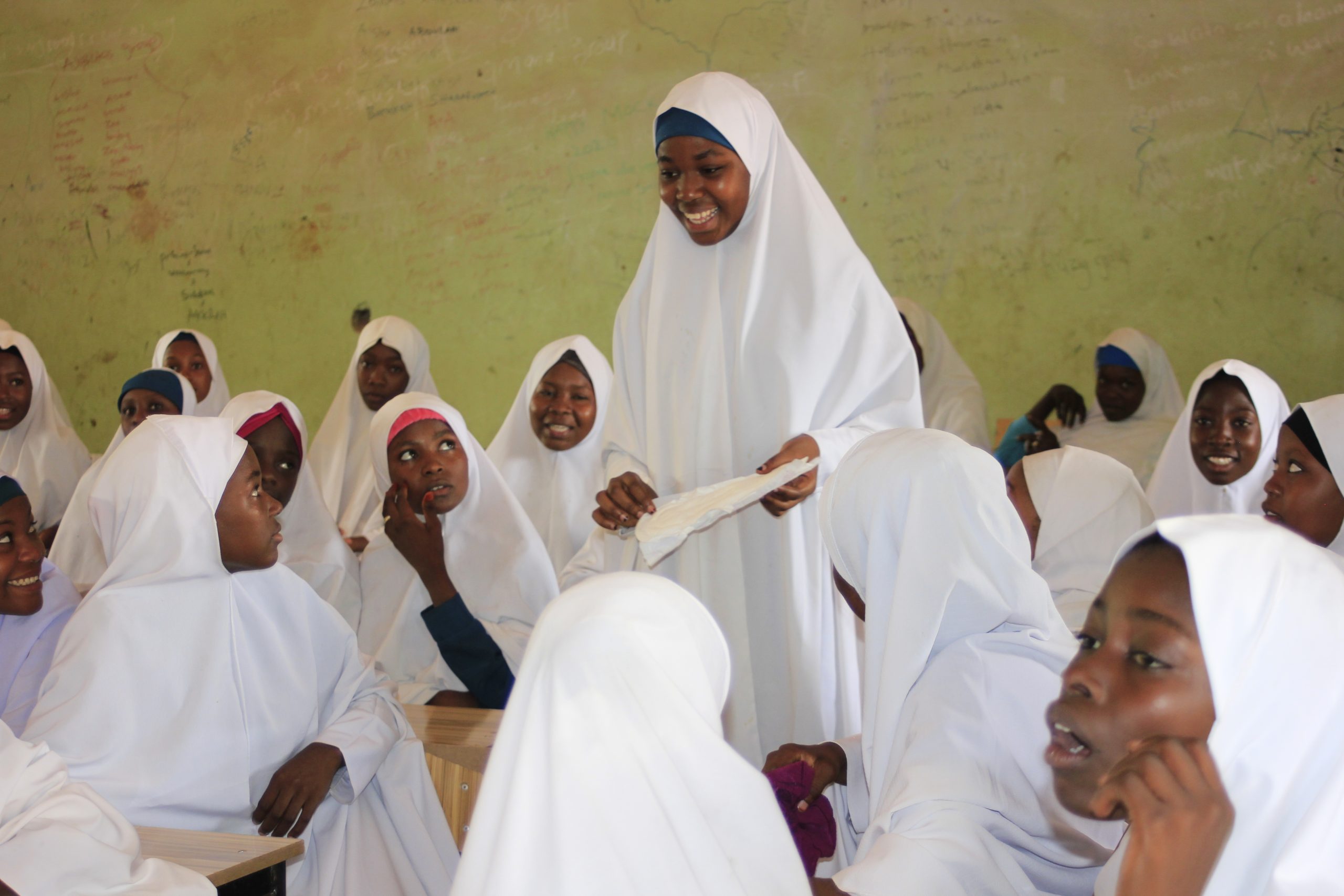
    Government Girls Day Secondary School, Runjin Sambo, Sokoto, Nigeria, which has transformed the lives of thousands of teenage girls through its Menstrual Hygiene programme, has been named in the Top 10 shortlist for the World’s Best School Prize for Overcoming Adversity.

    The five World’s Best School Prizes – for Community Collaboration, Environmental Action, Innovation, Overcoming Adversity, and Supporting Healthy Lives – celebrate schools everywhere for the pivotal role they play in developing the next generation of learners and for their enormous contribution to society’s progress, especially in the wake of COVID. The Prizes were established to share the best practices of schools that are transforming the lives of their students and making a real difference to their communities.

    Vikas Pota, Founder, T4 Education and the World’s Best School Prizes, said: “The schools shortlisted for the World’s Best School Prizes, no matter where they can be found or what they teach, all have one thing in common. They all have a strong school culture. Their leaders know how to attract and motivate exceptional educators, inspire change, and build excellent teaching and learning environments.

    “I must congratulate Government Girls Day Secondary School on being named in the Top 10 shortlists for the World’s Best School Prizes 2023. Schools across the globe will learn from the story of this trailblazing Nigerian institution and the culture it has cultivated.”

    About the school:

    Government Girls Day Secondary School, Runjin Sambo, Sokoto, Nigeria, has brought about a transformative shift in the lives of thousands of teenage girls through its Menstrual Hygiene programme, breaking down barriers to education and empowering them to reach their full potential. The school’s unwavering commitment has not only improved the academic performance and health of its students but also produced future nurses and health personnel who are serving the community. This inspiring initiative is a shining example of how education can be a powerful tool for social change, providing hope and opportunities for girls who were once held back by taboos and stigma.

    With a school population of about 4,000 teenage students aged 11 to 18 years old, Government Girls Day Secondary School created a multi-pronged approach to address the crisis in girls’ access to quality education, with girls facing stigma, exclusion, discrimination, bullying, and gender-based violence. This approach involved guidance and counselling services, teacher-led programmes tackling menstrual trauma, physical, and mental effects, as well as referral services in the case of menstrual infections to access medical care, and mentorship to reconnect students to learning.

    The school also organised in-school training programmes, clubs and societies, and peer-to-peer student forums, which created a supportive social environment with no restrictions in accessing menstrual hygiene management information. The peer-to-peer programme also encouraged communication towards ending taboos and stigma, sharing problems and experiences among students relating to menstruation.

    Through these programs and activities, the school was able to impact about 4,000 girls with basic menstrual hygiene skills and knowledge. The school also produced many nurses and health personnel who are now serving the community, contributing to other sustainable areas such as introducing students to WASH (Water, Sanitation, and Hygiene) and reproductive health.

    Next steps:


    The Top 3 finalists for each of the five World’s Best School Prizes will be announced in September 2023 followed by the winners in October. The winner of each Prize will be chosen based on rigorous criteria by a Judging Academy comprising distinguished leaders across the globe including academics, educators, NGOs, social entrepreneurs, government, civil society, and the private sector.

    A prize of US$250,000 will be equally shared among the winners of the five Prizes, with each receiving an award of US$50,000. 

    All 50 shortlisted schools will be invited to share their best practices through events on the T4 Communities app or School Transformation Toolkits that showcase their “secret sauce” to innovative approaches and step-by-step instructions on how others can replicate their methods to help improve education everywhere.

    The School Transformation Toolkits from last year’s winning and shortlisted schools are now available online.