

























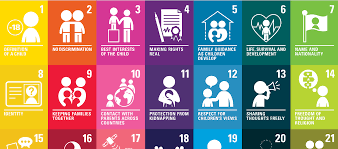
Educating children about their fundamental rights is not merely an educational exercise; it is a cornerstone for fostering a society that inherently respects, protects, and champions its youngest citizens. By grasping their rights, children are empowered to advocate for themselves, actively participate in decisions that directly impact their lives, and contribute meaningfully to the creation of a more just and equitable world. This crucial knowledge equips them to recognize potential violations and confidently seek assistance when needed, ultimately promoting their holistic well-being and development. This vital mission is at the heart of organizations like UNICEF, which is deeply committed to entrenching and educating people globally about children’s rights.
 https://www.digital.zenithbank.com/ZEQ/ZEQ-jan-2026/index.html#p=1
Children and young people possess the same general human rights as adults, alongside specific rights that acknowledge their unique needs and vulnerabilities. They are neither the mere property of their parents nor passive recipients of charity; they are distinct human beings, subjects of their own inherent rights. The United Nations Convention on the Rights of the Child (CRC), a landmark international treaty, meticulously outlines the rights that must be realized for children to develop to their full potential. It offers a profound vision of the child as an individual, an integral member of a family and community, endowed with rights and responsibilities appropriate to their age and stage of development. By recognizing children’s rights in this comprehensive manner, the Convention, championed by UNICEF, firmly places the focus on the whole child. It underscores the fundamental human dignity of all children and the urgent necessity of ensuring their well-being and development, solidifying the idea that a basic quality of life should be the right of every child, rather than a privilege enjoyed by a few.
As a society, it is paramount to recognize the transformative power of educating children about their rights. UNICEF’s global advocacy is rooted in the belief that by teaching children about these entitlements, we can empower them to become confident, informed, and active participants in their communities. This education matters for several compelling reasons:
- Empowerment: Understanding their rights empowers children to make informed decisions, fostering a sense of agency and control over their own lives.
- Prevention of Exploitation: Armed with knowledge of their rights, children are better equipped to recognize, resist, and report exploitation, abuse, or neglect, creating a safer environment.
- Promoting Equality: Children’s rights education cultivates equality, respect, and understanding among children, transcending backgrounds, cultures, or abilities.
- Building Confidence: This knowledge inherently builds confidence, self-esteem, and self-worth, crucial for healthy development.
Some essential children’s rights that UNICEF and other advocates emphasize in education include: the Right to Education (every child’s access to quality learning), the Right to Protection (safeguarding from abuse, neglect, and exploitation), the Right to Participation (the freedom to express opinions and engage in decisions affecting them), and the Right to Equality (equal treatment and opportunities for all, irrespective of background or ability).
For parents, educators, and caregivers, practical tips for effectively imparting this knowledge are vital. Utilizing age-appropriate language, making learning interactive through games and role-playing, and employing real-life examples can make complex concepts relatable and fun. Encouraging critical thinking about rights and demonstrating respect for these rights through personal example are also crucial.
In conclusion, educating children about their rights is a vital, collective responsibility and a fundamental step in empowering them to become confident, informed, and active participants in their communities. By instilling this knowledge, we actively promote equality, prevent exploitation, and build self-assurance. As parents, educators, and caregivers, it is our shared duty to provide the support and encouragement necessary for children to thrive, ensuring they understand their inherent rights as individuals within society. Let us work hand-in-hand to educate children about their rights, aligning with UNICEF’s unwavering desire to create a brighter, more just, and equitable future for every child.