Tag: Oyo State

  • NUT Directs Oyo Teachers to Embark on Indefinite Strike Over Abducted Colleagues, Pupils

    NUT Directs Oyo Teachers to Embark on Indefinite Strike Over Abducted Colleagues, Pupils

    The Nigeria Union of Teachers (NUT) has directed all public primary and secondary school teachers in Oyo State to withdraw their services from schools beginning Monday, June 1, 2026, until further notice.

    The directive, issued by the national leadership of the union, is in protest against the continued captivity of abducted teachers and pupils, whose rescue and safe release remain uncertain.

    According to the union, the prolonged detention of the victims has created fear and anxiety among teachers, discouraged parents from sending their children to school, and heightened tension across communities in the state.

    The NUT said the industrial action is aimed at drawing the attention of government authorities to the urgent need to intensify efforts toward securing the safe release of the abductees without further delay.

    The union urged all teachers to comply fully with the directive, remain law-abiding, and stay safe in their respective homes throughout the period of the strike.

    It also reaffirmed its solidarity with the abducted teachers, pupils, and their families, stressing that lawful engagements with relevant government authorities would continue until the victims regain their freedom.

    The union concluded by assuring members that it remains committed to protecting the welfare and security of teachers and learners across the country.

  • BOI MD, Olasupo Olusi, Charts Tech-Driven Path to Growth for Nigeria

    BOI MD, Olasupo Olusi, Charts Tech-Driven Path to Growth for Nigeria

    The Managing Director of the Bank of Industry (BOI), Dr. Olasupo Olusi, has challenged Nigeria to urgently convert its vast reservoir of talent into measurable productivity, declaring that the nation’s economic future depends less on potential and more on deliberate organisation of skills, technology, and capital.

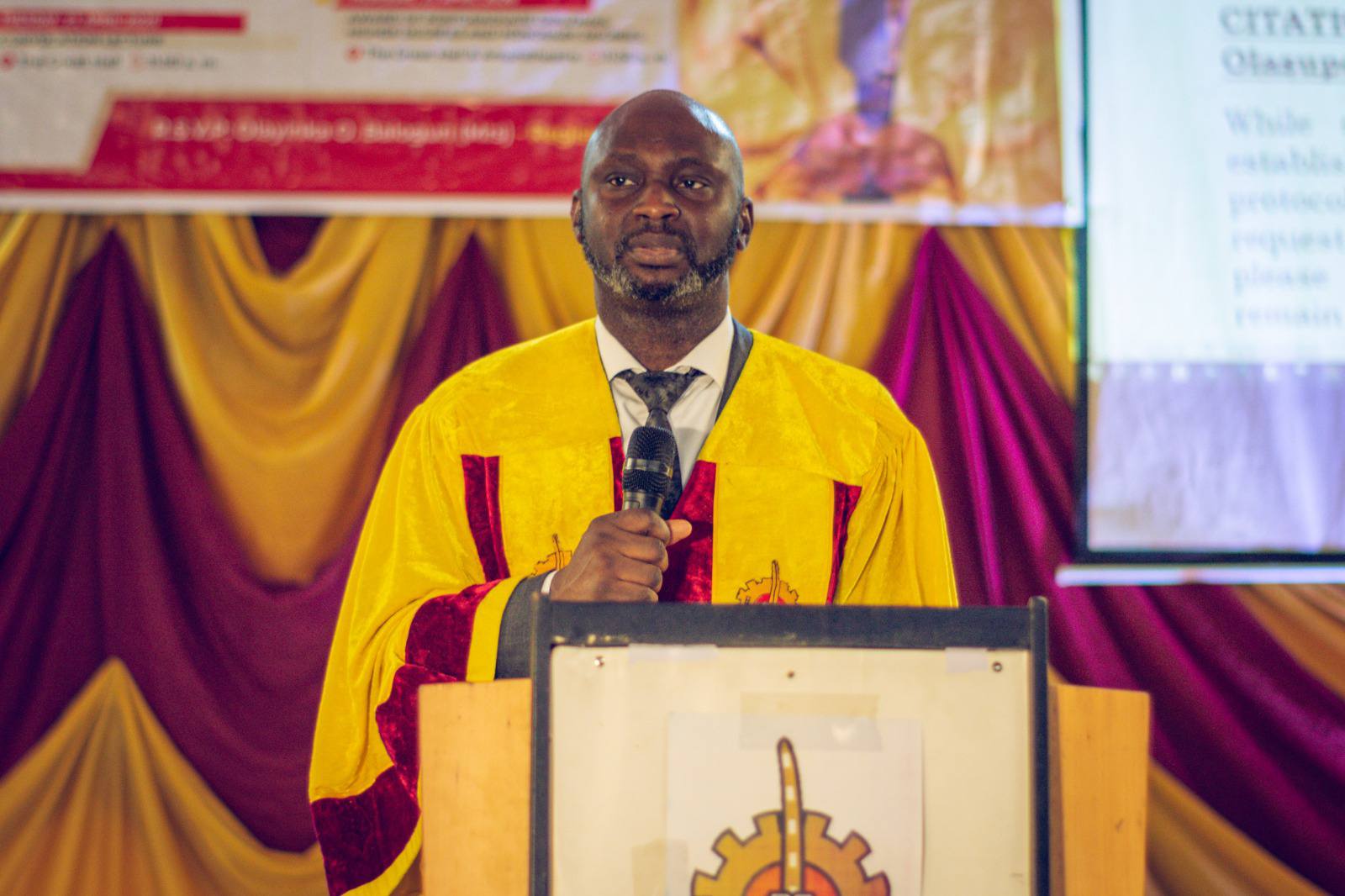
    Delivering the 18th Convocation Lecture at Ladoke Akintola University of Technology (LAUTECH), Ogbomosho, Oyo State, Olusi presented a sweeping diagnosis of Nigeria’s economic paradox – abundant human capital, yet underwhelming output – while positioning technology as the critical bridge between the two.

    Olusi argued that Nigeria’s problem is not a shortage of talent but the failure to translate that talent into economic value. According to him, productivity, defined as output relative to input, remains the missing link between effort and impact in the country’s development trajectory.

    “Nigeria’s challenge is not necessarily to produce more talents. The challenge is to organise that talent pool into productivity,” he said, adding that while Nigerians are globally competitive, systemic inefficiencies continue to limit economic outcomes.

    He drew attention to comparative data showing Nigeria trailing peer economies in manufacturing output and agricultural yields, despite possessing similar starting advantages decades ago. The implication, he noted, is clear: the country must rethink how it deploys its resources.

    Anchoring his argument on technology, Olusi pointed to ongoing transformations across sectors – from financial technology platforms expanding access to credit, to precision agriculture solutions improving yields and incomes. These examples, he said, demonstrate how innovation can amplify human effort and unlock productivity gains at scale.

    “Technology does not replace human effort. It multiplies it, and that is the bridge between talent and productivity,” Olusi stated, urging Nigerian universities to move beyond theoretical knowledge and focus on producing practical, scalable solutions to real economic challenges.

    He specifically called on institutions like LAUTECH to lead the charge in innovation, stressing that universities must become engines of production by linking research directly to industry and markets.

    Speaking on the role of development finance, Olusi outlined the strategic repositioning of the Bank of Industry to support technology-led growth. He revealed that BOI is embedding digital transformation at the core of its 2025–2027 strategy, with a focus on accelerating access to finance, supporting innovation, and building enterprise capacity.

    A key initiative, he disclosed, is the launch of a digital loan application platform scheduled for June 2026, which will enable entrepreneurs to access funding more efficiently.

    “If technology multiplies productivity, then development finance must be organised to accelerate technology adoption. Without capital, talent and technology remain mere potential. With it, they become production,” he said.

    Olusi highlighted several BOI-backed interventions across manufacturing, agriculture, infrastructure, and sustainability, noting that the Bank is increasingly financing technology upgrades that enable businesses to scale, compete globally, and create jobs.

    He also underscored the need to strengthen the link between academia and industry, announcing plans for an Industrial Innovation Fund aimed at bridging the gap between research and commercialisation. In addition, he disclosed a proposed student venture capital grant programme designed to support young innovators with funding of up to ₦50 million.

    Addressing the graduating students, Olusi urged them to prioritise problem-solving, production, and integrity, while encouraging those considering migration to remain connected to Nigeria’s development.

    “This nation is still under construction, and she needs her most capable people,” he said, noting that meaningful transformation will occur not in theory but through practical engagement in farms, factories, and enterprises.

    Olusi expressed confidence in Nigeria’s economic outlook, pointing to ongoing reforms and increased investment in digital skills, innovation, and infrastructure as signs of progress.

    “I am optimistic about Nigeria, not because the challenges are small, but because I have seen what Nigerians achieve when the right systems are in place. The journey from talent to productivity is not a slogan. It is the work of a generation,” he said.

    He concluded with a direct charge to the graduates and the broader Nigerian youth, whom he described as central to the country’s future.

    “The question is not whether this transformation will happen. The question is who will do it. And the answer is sitting here. You are the builders. Go and build.”

  • Nigeria’s Juju Music Legend, Professor Y.K. Ajao, Dies – Music Industry Mourns

    Nigeria’s Juju Music Legend, Professor Y.K. Ajao, Dies – Music Industry Mourns

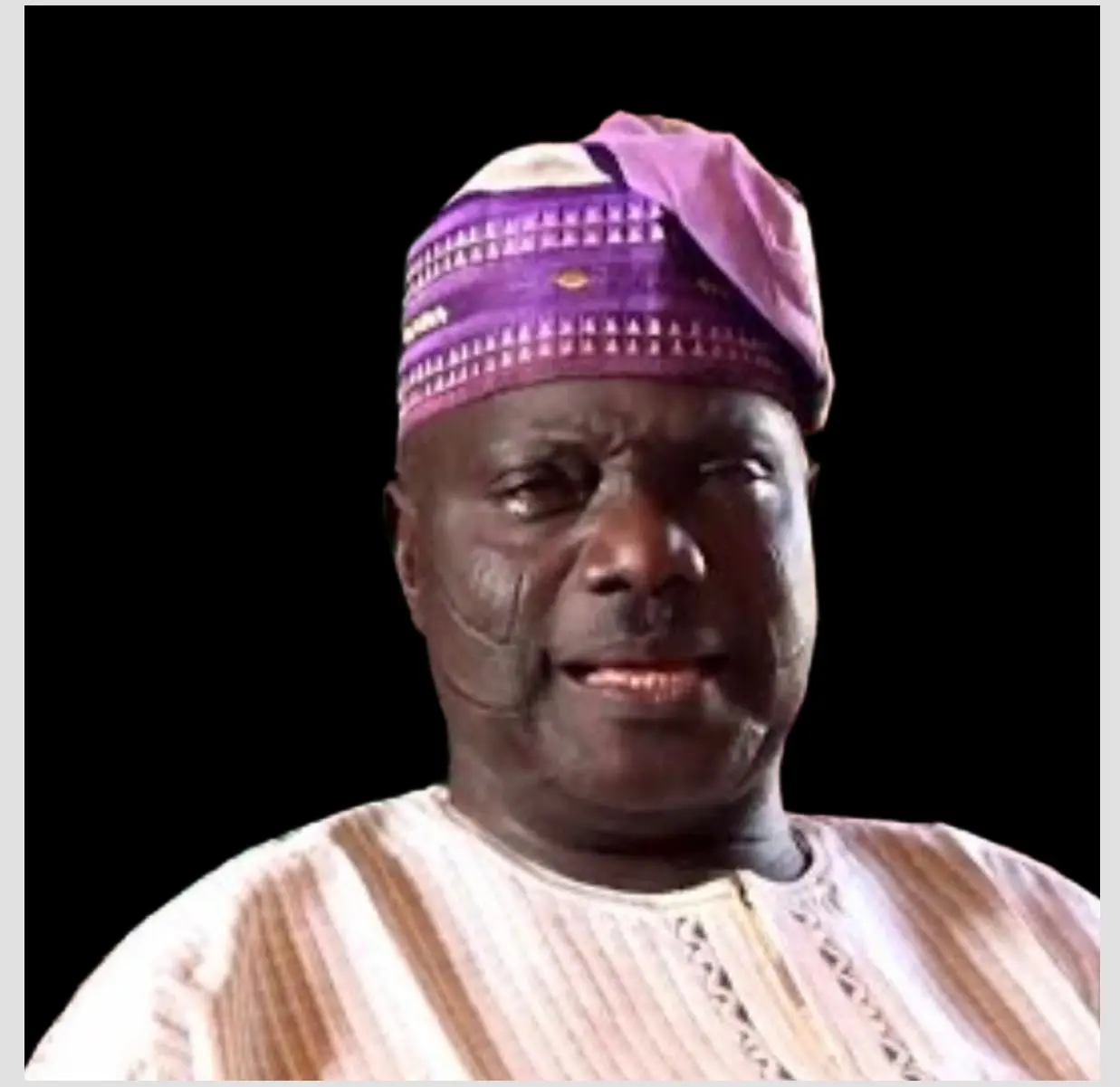
    Nigeria’s entertainment industry has been thrown into deep mourning following the death of veteran Juju musician, Yekini Kolawole Ajao, popularly known as Professor Y.K. Ajao, the celebrated “Juju Makosa” crooner and one of the respected voices in indigenous Yoruba music.

    News of his passing began circulating on Friday, sending shockwaves across the Juju music community, especially among lovers of old-school Yoruba traditional sound. Though official details surrounding the cause of his death and family statements are still emerging, tributes have already started pouring in from fans, fellow musicians, and cultural enthusiasts across Nigeria and beyond.

    A widely shared social media announcement simply read: “Juju Makosa crooner, Yekini Kolawole Ajao, popularly known as Prof. Y.K. Ajao, is dead. May his soul rest in peace.” This announcement confirmed the sad development and sparked emotional reactions from admirers of the late music icon.

    Professor Y.K. Ajao was known for his deep-rooted contribution to Juju music, particularly during the era when the genre dominated social events, ceremonies, and mainstream Nigerian entertainment. His unique delivery, rich Yoruba proverbs, traditional percussion, and storytelling style made him a household name among lovers of cultural music.

    Often associated with the authentic Juju sound that defined southwestern Nigeria for decades, Y.K. Ajao carved out a respected place for himself among the legends of the genre. His music reflected strong Yoruba identity, social commentary, praise singing, and philosophical wisdom. qualities that made Juju music more than entertainment, but a cultural archive.

    Music historians have frequently mentioned him among the generation of musicians who helped sustain and expand the Juju movement alongside giants like King Sunny Ade and Chief Ebenezer Obey. His style, though distinct, shared the same traditional richness that made Juju music one of Nigeria’s most influential genres.

    Beyond fame, the late musician was admired for remaining true to the original essence of Juju music at a time when many artists shifted toward commercialized sounds. His commitment to live instrumentation, traditional rhythms, and lyrical depth earned him enduring respect among both older and younger generations of listeners.

    For many fans, songs like “Juju Makosa” were not merely records but cultural experiences—filled with danceable rhythms, moral lessons, and social reflection. His performances at parties, owambes, and major cultural events made him a beloved figure whose music resonated deeply within Yoruba society.

    Y.K. Ajao was born in Iseyin, Oyo State, Nigeria, where he developed an early interest in music. He began performing as a child around 1962 at the age of nine and later moved through cities like Ibadan and Lagos to build his musical career.

    He turned professional in 1973, after years of apprenticeship and experience, and gradually rose to prominence in Nigeria’s vibrant juju music scene. He is renowned for a blend of traditional Yoruba juju rhythms with modern, danceable influences. This innovation helped distinguish him from contemporaries and boosted his fame, especially in the late 20th century.

    Y.K. Ajao earned the nickname “Professor” after a standout performance early in his career impressed audiences and industry figures, leading to the honorary title. He has released several albums, including the Makosa Series, and was at one point crowned a “National Juju King,” reflecting his influence in the genre.


    Professor Y.K. Ajao is regarded as one of the key contributors to the growth and modernization of juju music in Nigeria, known for his longevity, stage performance, and role in shaping a distinct sub-genre within the industry.

  • Onireti Appointed Director-General of City Boy Movement in Oyo State

    Onireti Appointed Director-General of City Boy Movement in Oyo State

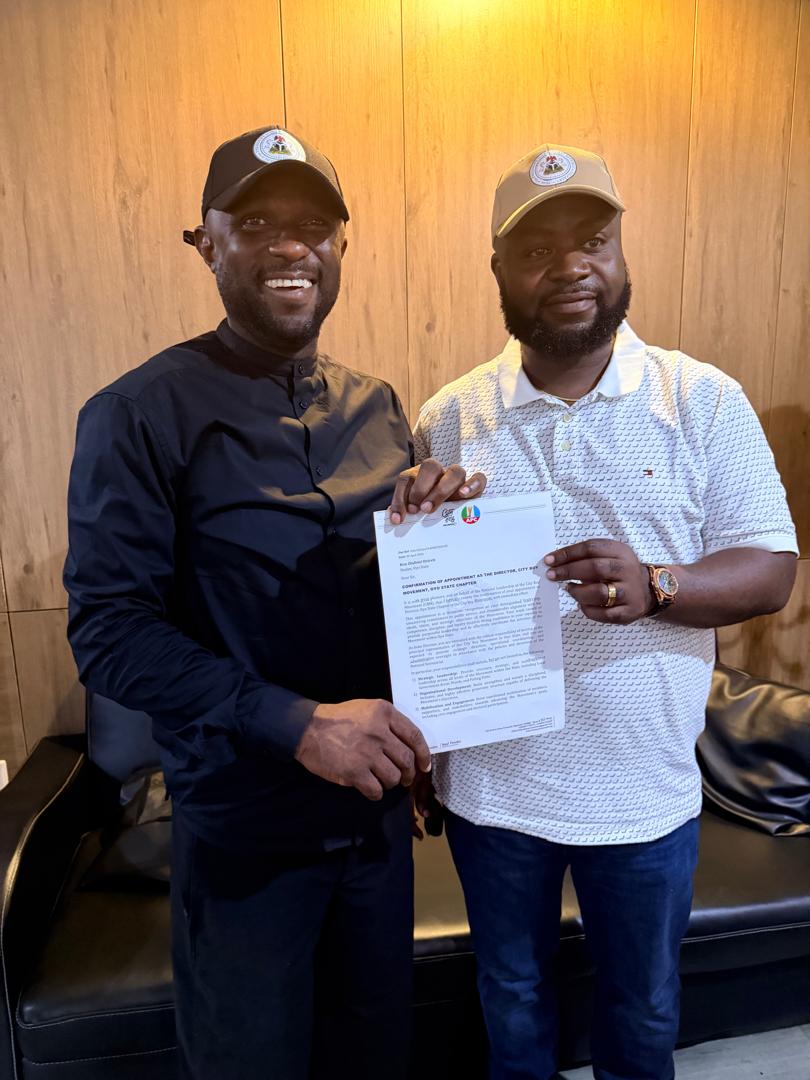
    The political atmosphere in Oyo State recorded a major development on Monday with the appointment of Hon. Olufemi Onireti as the new Director-General of the City Boy Movement, the grassroots mobilisation structure championing support for President Bola Ahmed Tinubu across the country.

    The appointment was announced by the movement’s Director-General, Mr Francis Shoga, in Abuja on Tuesday during the handover of the appointment letter to Onireti.

    This is coming days after his resignation from the Peoples Democratic Party (PDP), where he had been an active figure and former House of Representatives candidate.

    His new role is expected to reposition the group’s activities and strengthen its outreach ahead of future political engagements in Oyo State.

    According to the movement’s leadership, Onireti was chosen based on his “wide political network, proven organisational capacity and strong presence among the youth and grassroots stakeholders.”

    Speaking with newsmen, Onireti expressed gratitude for the confidence reposed in him and pledged to deploy his experience to advance the objectives of the City Boy Movement across the state.

    Onireti said his decision to join the ruling party was a personal conviction shaped by ongoing political realignments and his commitment to supporting a broader progressive coalition at both state and national levels.

    Hon. Onireti added that his appointment followed extensive consultations and harmonisation with his followers.

    He assured supporters that his leadership would prioritise inclusiveness, strategic mobilisation and effective communication.

    “I am committed to galvanising our structures and ensuring that Oyo State remains a stronghold for the ideals we stand for,” he said.

    Political observers note that his appointment may shift the dynamics of political mobilisation in Oyo State, given his influence and recent political moves.

    The City Boy Movement is expected to unveil its new operational roadmap in the coming days. 

    The movement, a prominent youth-driven support platform advancing President Tinubu’s Renewed Hope agenda, positions Onireti to lead its grassroots mobilisation efforts in Oyo as part of its national structure ahead of the 2027 elections.

  • Feature: Governor Seyi Makinde and the Optics of Executive Joblessness

    Feature: Governor Seyi Makinde and the Optics of Executive Joblessness

    By Femi Adefemiwa

    What a shame on Governor Seyi Makinde! To travel all the way to China to inspect the construction of a surveillance aircraft is the height of misplaced priority and executive joblessness. What business does a state governor have in an aircraft assembly line thousands of miles away? Is he an aeronautical engineer, an aircraft manufacturer, or the project’s technical evaluator?

    Governance is not tourism, and leadership is not measured by the number of photo-ops taken abroad. When a governor leaves behind a state still grappling with poverty, insecurity, bad roads, and unpaid workers just to pose for cameras in a foreign hangar, it speaks volumes about a government losing its sense of purpose.

    If the intent was to demonstrate seriousness about security, then the real work should be happening in Oyo State — strengthening local intelligence, equipping the Amotekun corps, investing in technology, and addressing the social roots of crime. You don’t need a flight to China for that; you need vision, focus, and discipline.

    This journey is not only a sheer waste of public funds, it reveals the deeper malaise of Nigeria’s political class — the obsession with style over substance, travel over transformation, and spectacle over service.

    Nigeria is doomed when those elected to solve real problems are more interested in acting out international charades.

    Olufemi Adefemiwa is a global Nigerian, public communicator, and advocate for good governance. He is the author of “Remote Working From Africa: A Practical Guide” and writes from New York.
    📩 jerome.adefemiwa@gmail.com

  • Nigeria Expands Agro-Industrial Footprint with New Processing Hub in Oyo State

    Nigeria Expands Agro-Industrial Footprint with New Processing Hub in Oyo State

    • A great honour to do this on my last official visit to Nigeria as President of the African Development Bank Group – Adesina

    Nigeria has launched a new Special Agro-Industrial Processing Zone (SAPZ) in Oyo State, marking a major milestone in the country’s efforts to boost agricultural transformation, job creation and rural industrialisation.

    The groundbreaking ceremony, held in the Ijaiye community near Ibadan on Saturday, was attended by national and international dignitaries, including the President of the African Development Bank Group, Dr. Akinwumi Adesina who was making his final official visit to Nigeria in that role. Also in attendance were the Governor of Oyo State, Seyi Makinde, and Nigeria’s Minister of Agriculture, Senator Abubakar Kyari.

    The Oyo site is the third to be developed under the national SAPZ program, and the first in southwest Nigeria. It follows earlier launches in Kaduna and Cross River States in April 2025.

    According to Dr. Adesina, “I believe that Nigeria can and must be a global powerhouse in agriculture. But you need investments to be able to do that. You also need industrial platforms that will connect primary agricultural production all the way to how you store products, how you process and add value, and how you ship to be able to sell. And that is what the special agro-industrial processing zones are really about.”

    The program is financed by the African Development Bank, in partnership with the Islamic Development Bank, the International Fund for Agricultural Development, and Nigeria’s federal and state governments. Together, they have committed $538 million to the first phase of the program, covering seven states and the Federal Capital Territory.

    Covering 3,000 hectares, with 300 hectares designated for immediate development, the Oyo SAPZ is expected to host up to 40 agro-processing industries, create over 100,000 direct and indirect jobs, and benefit half a million farmers.

    Oyo State Governor Makinde hailed the launch as a fulfilment of promises made: “Today is about promises kept. It is a strategic step on the journey of sustainable development. These hubs bring producers closer to processors and link farms to markets. They reflect our government’s belief that agriculture is not just about food, it is about infrastructure, enterprise and national relevance. We’re building a future where agriculture feeds not just homes, but industries; where it doesn’t just sustain families but entire economies.”

    Representing Vice President Kashim Shettima, Nigeria’s Minister of Agriculture, Senator Abubakar Kyari highlighted the SAPZ initiative’s alignment with national priorities: “Today’s event exemplifies the spirit of partnership and shared vision that is vital to our nation’s progress. The SAPZ initiative is one of the cornerstones of the renewed hope agenda championed by President Bola Ahmed Tinubu, a vision rooted in restoring Nigeria’s dignity, unlocking our vast potentials and creating opportunities for every citizen.”

    Dr. Adesina underscored the transformative vision behind SAPZs, calling them essential to unlocking agricultural value chains and lifting millions out of poverty.

    “The export of primary commodities is the door to poverty. The export of value-added commodities and products is a highway to wealth. It doesn’t really matter what you have in terms of agricultural commodities, whether it is cocoa or coffee, or grains; if you’re not adding value to it, it’s actually going to make you poor. So, what we’re doing here is to be able to unlock that value,” Adesina stressed. “Our goal is very clear. It’s to reduce massive post-harvest losses, develop logistics, and improve linkages between farm production, agro-processing, and value addition, transform rural economies, and, of course, to create jobs.”

    He outlined three critical pillars for the success of the SAPZs: political will, resource mobilization, and strategic partnerships. “What we are witnessing today would not have happened without intense collaboration,” he noted.

    Reflecting on his 10-year tenure as President of the African Development Bank, Adesina highlighted milestones achieved under his leadership, including the Bank’s capital increase from $93 billion in 2015 to $318 billion in 2024, and the two-time ranking of its sovereign portfolio as the most transparent among multilateral development banks globally

    The SAPZ initiative is a flagship of the Bank’s ‘Feed Africa’ strategy, launched by Adesina in 2015. The zones are being developed in 28 sites across 11 African countries, with the Nigerian program being the largest.

    The chairperson of the Ijaiye Farm Settlers Association, David Olatunji, described Saturday’s groundbreaking ceremony as “a memorable opportunity” for the community and the state. “We have a lot of unbroken forests around us, and the farmers are ready to work!” he declared.

    Dr. Adebowale Adeyeye, an agripreneur specializing in soyabean and cashew production and processing, said: “The SAPZ project in Ijaiye is a strategic boost for businesses like ours. With targeted government support in areas like power, road access, and security, it creates the kind of enabling environment we need to scale operations, reduce costs, and attract long-term investment. It’s a move that will strengthen agribusiness value chains and enhance overall competitiveness.”

    The SAPZ Programme is working to transform Nigeria’s rural economy into zones of prosperity, by facilitating industrial processing, expanding market access, and attracting private sector investment. The Zones are being developed in 28 sites across 11 African countries, with the Nigeria program being the largest.

    Dr. Kabir Yusuf, National Coordinator of SAPZ Nigeria, announced plans to expand the program to an additional 10 states from September 2025, marking the beginning of the second phase that will cover the remaining States in the country.

    Adesina was accompanied by senior Bank officials, including the Director General for Nigeria, Dr. Abdul Kamara; Senior Special Adviser on Industrialization, Prof. Oyebanji Oyelaran-Oyeyinka; and Director of Agricultural Finance and Rural Development Department, Richard Ofori-Mante.

  • Adesina reaffirms commitment to Africa’s development as his presidency of the African Development Bank nears end

    Adesina reaffirms commitment to Africa’s development as his presidency of the African Development Bank nears end

    Adesina urged global financial institutions to partner more strategically with the African Development Bank and other multilateral development banks, to scale up capital flows to Africa

    Dr Akinwumi Adesina says his passion to mobilize global capital for Africa’s development will continue way beyond his presidency of the African Development Bank, which ends on 1st September 2025.

    In a keynote speech titled “Tilting Global Capital for Unlocking Investment Opportunities in Africa”, delivered at the Standard Chartered Africa Summit on July 31, in Lagos, Adesina said, “Together, let us tilt global capital to unlock Africa’s assets. As I step into a new future, you can be sure this will be my focus! For I will always have Africa in my heart and in my sight.”

    The Standard Chartered Africa Summit, with the theme, “Africa to the Globe: Innovation, Resilience, and Growth”, brought together corporate leaders, policymakers, investors and other stakeholders. Attendees included Standard Chartered’s Co-Heads of Corporate & Investment Banking, Sunil Kaushal and Roberto Hoornweg; Chief Executive Officer of Standard Chartered Bank Nigeria, Dalu Ajene; Nigeria’s Minister of Trade and Investment, Dr. Jumoke Oduwole; Africa’s richest man, Aliko Dangote; Hakeem Belo-Osagie, Chairman, FSDH Group and Senior Lecturer at Harvard Business School; and award-winning author, Chimamanda Adichie.

    Adesina kicked off by alluding to his signature optimism about Africa’s prospects. “When I was approached to consider delivering the keynote speech, I did not hesitate. How can someone known as ‘Africa’s Optimist in Chief’ not accept to speak on Africa!”, he said.

    Highlighting the African Development Bank’s focus on bold financial innovation in the last decade, Adesina declared, “The African Development Bank is not just waiting for more capital, we are innovating to do more with the capital we have. Through our balance sheet optimization initiatives, we are stretching every dollar of risk capital further. Our ambition is threefold: free up capital, crowd in investors and amplify development impact.”

    He outlined several ambitious and innovative financing solutions pioneered by the African Development Bank, supported by its AAA rating which it has maintained over the last decade:

    • Over $102 billion in low-cost financing to Africa since 2015
    • Capital raise from $93 billion in 2015 to $318 billion in 2024, the highest in the Bank’s sixty-year history
    • Spearheading, in partnership with the Inter-American Development, the rechanneling of the IMF’s Special Drawing Rights (SDRs) to multilateral development banks—a move that will of the rechanneled SDRs as hybrid capital, which can be leveraged by 4-8 times.
    • The Africa Investment Forum, launched by the Bank in collaboration with strategic partners, has mobilized over $225 billion in investment interest across infrastructure, energy, agribusiness, manufacturing and other critical sectors, since 2018
    • The biggest social bond issuance by multilateral development banks, amounting to $14 billion in the past eight years.
    • $10 billion of long-term global benchmark bonds issued in 2025 alone to finance projects across Africa
    • The first-ever synthetic securitization of a non-sovereign portfolio by a multilateral development bank, involving the transfer of mezzanine risk of a $1 billion portfolio of private sector loans.
    • The first-ever private sector hybrid capital transaction by a multilateral development bank, valued at $750 million—with over 275 investors participating with a book order of $5.1 billion, making it the largest ever book order achieved by the African Development Bank.
    • A Room to Run Sovereign offering that created an estimated $2 billion in new sovereign lending headroom
    • 16 partial credit and partial risk guarantees valued at close to $3 billion, mobilizing $ 5 billion for the continent
    • A $250 million partial credit guarantee that allowed Egypt to raise the first ever Panda Bond by an African country on the Chinese capital market, valued at $500 million.

    Adesina praised Standard Chartered Bank’s successful partnership with the African Development Bank’s successful partnership, which notably delivered a partial credit guarantee for Côte d’Ivoire in 2023 — a deal that won ‘Sovereign Syndicated Loan Deal of the Year’ at the 2025 Bonds, Loans & ESG Capital Markets Africa Awards in Cape Town, South Africa, in April.

    “The Standard Chartered Bank participated as the sole lender in the 2023 Cote d’Ivoire’s sustainable loan partial credit guarantee transaction. The African Development Bank was able to unlock €533 million from the Standard Chartered Bank in support of the country’s financing needs.”

    He also congratulated Standard Chartered on being named Best Transaction Bank at the Asset Triple A Treasurise Awards in Hong Kong. “Your record-breaking 127 accolades reflect an exceptionally strong track record of excellence in banking and finance, globally.”

    Adesina urged global financial institutions to partner more strategically with the African Development Bank and other multilateral development banks, to scale up capital flows to Africa.

    He called for greater use of risk mitigation and credit enhancement instruments, mainstreaming of best practices in Environmental, Social and Governance (ESG), and increased collaboration to scale up local currency financing solutions.

    Adesina’s delegation included the Bank Group’s Vice President for Private Sector, Infrastructure and Industrialization, Solomon Quaynor, and the Director General of the Nigeria Country Department, Dr. Abdul Kamara.

    The African Development Bank’s current active portfolio in Nigeria is the largest in the Bank. It is valued at $5.1 billion and comprises 52 operations, equally distributed between the public and private sectors, with 26 projects each. National operations account for 84% of the portfolio, while multinational operations constitute the balance of 16%.

    The Bank Group is set to establish a Youth Entrepreneurship Investment Bank in Nigeria, as part of a pan-African portfolio designed to create and finance entrepreneurship opportunities for young Africans.

    The Bank is also rolling out Phase 1 of its Special Agro-Industrial Processing Zones across 8 States, including the Federal Capital Territory. Construction has already begun in four States of Kaduna, Cross River, Oyo and Ogun. Phase 2, which will cover the remaining 28 States, is scheduled to take off from September 2025.  

  • Makinde appoints Adeduntan as Chairman of the Governing Council of Abiola Ajimobi Technical University, Ibadan

    Makinde appoints Adeduntan as Chairman of the Governing Council of Abiola Ajimobi Technical University, Ibadan

    The Governor of Oyo State, His Excellency Seyi Makinde, has appointed Dr. Adesola Kazeem Adeduntan, the immediate past Managing Director/Chief Executive Officer of FirstBank Group, as the Chairman of the Governing Council of Abiola Ajimobi Technical University, Ibadan.

    The appointment, which takes immediate effect, was conveyed in an official letter signed by the Chief of Staff to the Governor, Otunba Segun Ogunwuyi. Dr. Adeduntan, a distinguished banker with extensive national and global experience, is expected to leverage his vast professional network to contribute to the development of the institution. His appointment which has been very well received, is seen in many quarters as a platform for him to contribute his own quota to the institution.

    Joining Dr. Adeduntan on the Governing Council are Hon. Seyi Joseph Adisa, a former House of Assembly member, Samson Olakunle Ojoawo, Dr. Aminat Adekemi, and Prof. Mojeed Kolawole Akinsanya.

    Governor Makinde also reappointed Professor Ayodeji Omole as the Chairman of the Governing Council of Ladoke Akintola University of Technology (LAUTECH). Other members of the LAUTECH Governing Council include Mrs. Titlayomi Ahmadu, Mr. Idowu Olukunle Adeosun, Mr. Jelili Bamidele, and Dr. Teslim Adediran.

    Furthermore, Professor Kazeem Adekunle Adebiyi has been appointed as the Chairman of the Governing Council of Adeseun Ogundoyin Polytechnic, Eruwa. He will serve out the tenure of the late Professor Abiodun Adebowale Ojo, who passed away last year. His appointment also takes immediate effect.

    Dr. Adeduntan, who led First Bank of Nigeria Limited until his retirement in April 2024, has been recognized for his significant contributions to the banking industry. Notably, he was named African Banker of the Year in 2018 by the African Leadership Magazine Persons of the Year Award. His appointment reaffirms Governor Makinde’s commitment to strengthening the leadership of higher institutions in Oyo State.

  • Insecurity: Armed Herdsmen‘ve Taken Over Ogunmakin, Lawmaker Akande-Sadipe Raises Alarm

    Insecurity: Armed Herdsmen‘ve Taken Over Ogunmakin, Lawmaker Akande-Sadipe Raises Alarm

    A member of the House of Representatives, Tolulope Akande-Sadipe, has raised the alarm that armed herdsmen have invaded Ogunmakin, Gambari Reserve, and surrounding communities within the Oluyole Federal Constituency, Oyo State.

    The lawmaker, on Friday in Abuja, alleged that herdsmen have been destroying farm produce, intimidating local farmers, and using weapons such as guns and cutlasses to instil fear in residents of Ogunmakin.

    She noted that this has jeopardized the livelihoods of farmers, exacerbating the economic crises and food insecurity of the region.

    Akande-Sadipe, who represents Oluyole Federal Constituency at the 10th Assembly, said she raised this concern in a matter of Urgent Public Importance in a Motion on the need to avert further loss of lives, humanitarian and food security crisis as a result of invasion of farmlands by armed herdsmen in Oluyole Federal constituency on the floor of the House earlier in the week.

    She called on relevant arms of the Federal government and security agencies to intervene before the people are completely wiped out from their ancestral homes.

    Akande-Sadipe who Chairs the House committee on Humanitarian Services further accused the armed herdsmen of “a deliberate agenda to destroy farm produce, intimidate local farmers, and using weapons such as guns and cutlasses to instil fear, thereby jeopardizing the livelihoods of farmers, exacerbating the economic crises and food insecurity of the region.”

    She further noted that despite multiple reports to law enforcement agencies, no decisive action has been taken to address the situation, leaving farmers vulnerable and unprotected.

    “The failure to act swiftly has emboldened the perpetrators, leading to increased attacks, destruction of crops, and threats to lives and property, with the risk of further escalation if immediate action is not taken”, she ascertained.

    Tolulope Akande-Sadipe recalled the resolution of the igangan crisis in 2021, where decisive steps were taken to address similar issues, including the enforcement of anti-open grazing laws and the deployment of security forces to restore peace and protect farmers;

    She called for an immediate investigation of the reported cases of intimidation, destruction of farmlands, and use of weapons by herdsmen in the area and ensure the arrest and prosecution of perpetrators to serve as a deterrent to others.

    Akande-Sadipe asked the House to call on the National Emergency Management Agency (NEMA) and Federal Ministry of Agriculture and Rural Development to: Provide immediate relief materials and support to affected farmers and communities to mitigate the impact of the crisis on their livelihoods, enable them to recover from losses incurred, and resume agricultural activities.

    The Lawmaker also begged for an immediate conduct of an on-the-spot assessment of the situation in Ogunmakin, Gambari Reserve, and environs and engage with relevant stakeholders, including the Oyo State Government, security agencies, and community leaders, to develop a sustainable solution to the crisis.

  • Minister of Livestock Development Commends Amo Farm, Noilers’ Role in Food Security

    Minister of Livestock Development Commends Amo Farm, Noilers’ Role in Food Security

    The Minister of Livestock Development, Alhaji Idi Mukhtar Maiha, has commended Amo Farm Sieberer Hatchery Limited, a leading player in Nigeria’s livestock sector and the developer of the Noiler chicken breed, for its contributions to agricultural growth.

    He lauds the role of Noiler, a dual-purpose bird for both meat and eggs, in enhancing food security and empowering rural communities, especially women.

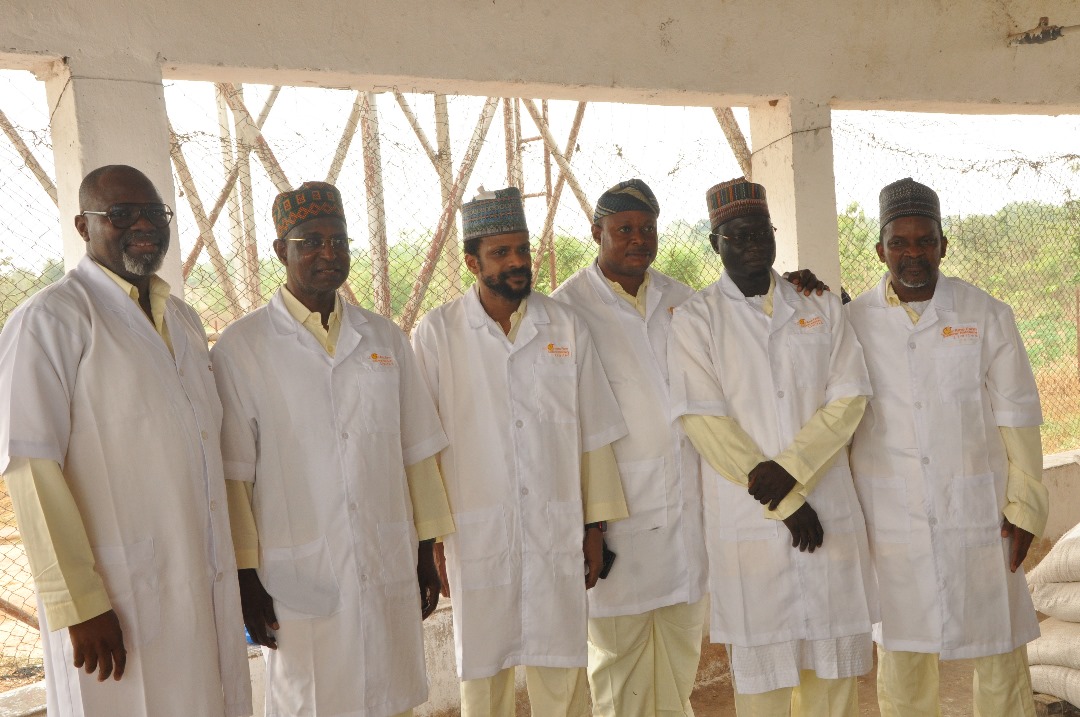
    This was during his tour of the company’s breeder farms and hatcheries in Awe, Oyo State on the 2nd of February, 2025, while gaining firsthand insight into its large-scale poultry operations.

    He stressed the importance of scaling up Noiler production through village-based cooperatives and farmer-supplier out-grower models. This approach, he noted, would enhance the availability and affordability of animal-based protein nationwide.

    The Minister, who said he had previously purchased Amo Farm’s day-old chicks for his farm, expressed interest in future collaboration with the company. “For us in the Ministry, these are the types of partners we want to identify and work with, he said.”

    On his part, the Group Managing Director of Amo Farm, Dr. Ayoola Oduntan, applauds the Federal Government for establishing the Ministry of Livestock Development, noting its immense potential in securing Nigeria’s food and protein security.

    Dr. Oduntan stressed the crucial role of the private sector in driving growth and innovation in the livestock industry, stating, “The creation of the Ministry of Livestock Development is a promising step toward securing Nigeria’s food future. We at Amo Farm are committed to producing quality, affordable protein for Nigerians, and we look forward to the possibility of collaborating with the Ministry to scale our efforts even further.”

    He also called for increased investment in agriculture and livestock production to meet the needs of the country’s growing population, with emphasis on the positive impact of Noiler farming in providing a sustainable protein source for many families with the company’s capacity to do so.

    As part of the tour, the Minister was shown the artificial insemination process, an efficient method used at Amo Farm to enhance the production of fertilized eggs, and actively participated in the process, witnessing the advanced approach to poultry reproduction firsthand.

    Present during the visit was Dr. Anand Burra, Managing Director of Amo Farm Sieberer Hatchery, who described the Minister’s visit as a significant step toward advancing the animal protein and livestock industries in Nigeria.

    Amo Farm Sieberer Hatchery Limited remains committed to strengthening Nigeria’s food system. The company produces one-million-day-old chicks per week and is renowned for developing Noiler, a dual-purpose breed transforming rural poultry farming. Through its subsidiary, natnudO Foods, Amo Farm continues to produce high-quality animal protein products, further reinforcing its commitment to food security and nutrition.

  • LG Electronics Fulfills Commitment to Sustainability by Providing Clean Water to Ayeye Community in Nigeria

    LG Electronics Fulfills Commitment to Sustainability by Providing Clean Water to Ayeye Community in Nigeria

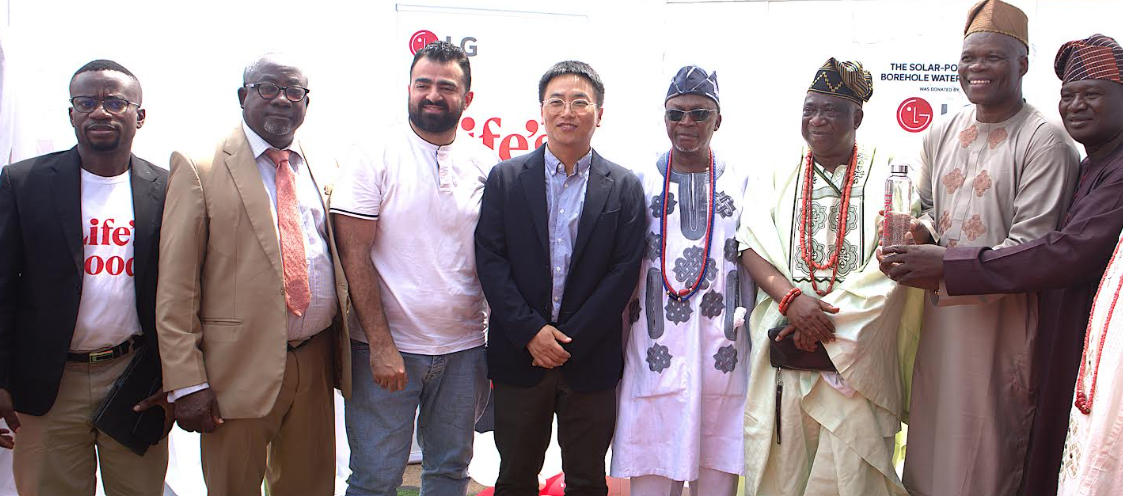
    LG Electronics, the renowned eco-friendly electronics manufacturing giant, has once again delivered on its commitment to provide life-changing access to clean water for communities in Nigeria facing critical water scarcity. In a heartwarming gesture of compassion and solidarity, LG donated its 8th solar-powered borehole to the resilient people of Ayeye Community in Ibadan, Oyo State.

    This act of benevolence not only quenches the immediate thirst of the community but also symbolizes a beacon of hope, empowerment, and sustainability for generations to come.

    The people of Ayeye Community greeted LG Electronics’ generous donation with overwhelming joy, their chants of gratitude echoing through the air. Rear Admiral Lateef Akintola (retired), Mogaji of the Balogun Ibikunle family, spoke on behalf of his family and the community, expressing deep appreciation for LG’s remarkable gesture.

    “We are profoundly grateful for this thoughtful act by LG Electronics. While many companies operate in Oyo State, few have stepped up to make such a significant impact in our communities. LG’s commitment to providing constant access to clean water through solar energy is not just a gift; it’s a lifeline for us. This initiative not only addresses our immediate needs but also sets a powerful example of corporate social responsibility and support for sustainable development in Nigeria.”

    In response, the Corporate Marketing Manager at LG Electronics, Mr. Paul Mba, reiterated that “Access to clean water is a fundamental right that should be available to everyone, and we are proud to take this step towards making that a reality for everyone in Nigeria as much as we can. “

    “At LG, we are committed to leveraging our innovations to create sustainable solutions that positively impact communities. “The solar-powered borehole will not only provide clean drinking water but also reduce the burden on the residents, especially women and children, who traditionally spend hours collecting water. This initiative aligns with LG Electronics’ ongoing commitment to corporate social responsibility and environmental sustainability, showcasing the company’s dedication to making a meaningful difference in the communities it serves. Mba added

    The Honorable Commissioner for Culture and Tourism, Dr. Wasiu Ajani Olatunbosun, who conversed about the urgent need for a borehole in the second community in Ibadan after the installation of the first borehole in the Agba-Akin Community, commended LG Electronics for their unwavering dedication to bringing joy to the residents, emphasizing the crucial importance of continued corporate support.

    “We express our deepest gratitude to LG for promptly answering our call once more for assistance. As advocates for our people, we appreciate and actively support genuine efforts from individuals and corporations like LG who share our commitment to uplift our community.” This message underscores the essential role of collaborative efforts in enhancing the well-being of the people of Oyo State.

    “This initiative is not just about providing clean water; it’s about fostering a sense of community and ensuring that our citizens have access to essential resources. I commend LG Electronics for their generous contribution and commitment to the development of our community,” he said.

    Fouani Nigeria Limited has been a strong partner with LG Electronics on this nationwide project. The Ibadan Branch Manager, Mr. Jad Atwi, emphasized the importance of collaboration. “This borehole is a testament to what can be achieved when organizations come together for a common cause. We are thrilled to partner with LG Electronics in improving the lives of the Ayeye community and look forward to future initiatives that promote sustainability and community welfare.”

    As LG Electronics continues its mission to foster sustainable climate appreciation and improve the quality of life for Nigerians, the company reaffirms its commitment to making a difference. With a vision encapsulated in their slogan, “Life’s Good,” LG promises to keep driving initiatives that enhance well-being and sustainability across the nation. The solar-powered borehole in Ayeye is another testament to many more projects aimed at enriching lives and creating a better future for all.

    Amongst the dignitaries that graced the commissioning were, Hon. Alh. Rahman Olanrewaju Adepoju, Executive Chairman of Ibadan North West Local Government; Hon. Pantola Kazeem, Chief of Staff, Ibadan North West Local Government; Mogaji Moshood Akere, Mogaji Akere Compound, Oritamerin, Ibadan; Chief Aliyu Ajewole, Aare Atunluse of Ibadan Land & President General,  Centre Council of Ibadan Indigenes (CCII); Rear Admiral Egbedina, Chairman RANAO, Oyo State, Colonel Lasisi; Gbogbo Mogaji Oke Ibikunle, Monday Johnson, WASH Specialist, UNICEF Lagos Field Officer;  Olayiwola S.K, Director Water Supply OYORUWASSA, UNICEF; Dr. Ayoola A.M. Permanent Secretary,  Ministry of Culture and Tourism Ibadan; all directors from the Ministry of Culture and Tourism, and Choongbae Seok, General Manager Media Entertainment Solutions, LG Electronics

    For more information about LG Electronics and its sustainability initiatives, please visit https://www.lg.com/africa

  • Mouka Celebrates First Babies of the Year Across Nigeria, Partners Lagos State Govt

    Mouka Celebrates First Babies of the Year Across Nigeria, Partners Lagos State Govt

    Mouka, Nigeria’s leading manufacturer of mattresses and bedding products, ushered in 2025 with its cherished tradition of celebrating families with newborns born on New Year’s Day. This initiative emphasises the company’s commitment to enhancing lives and fostering quality sleep from the cradle.

    In collaboration with public healthcare facilities across 13 states, including Lagos, Oyo, Imo, Abia, Enugu, Akwa Ibom, Edo, Gombe, Kano, and Plateau, Mouka celebrated the first babies of the year. The company presented gifts, such as Mouka Dreamtime Baby Mattresses designed to ensure optimal comfort and well-being for infants, as well as Pillows, Diapers, and Baby Jelly.

    In Lagos, Mouka partnered with the First Lady of Lagos State, Dr. (Mrs.) Ibijoke Sanwo-Olu, to honour the first babies born in 2025. The event featured visits to Isolo General Hospital, Isolo, Ifako-Ijaiye General Hospital, Agege, and Ikorodu General Hospital, where mothers of newborns received celebratory gifts. Additionally, a heartwarming party was hosted at Ifako-Ijaiye General Hospital for all the first babies born in Lagos from 2020-2024.

    Baby Olaolu, a girl weighing 2.75 kg, was the first baby of the year at Ikorodu General Hospital, born at 12:34 a.m. Meanwhile, at Ifako-Ijaiye General Hospital, twins Osayomi made their arrival just minutes apart—a girl weighing 2.5 kg was born at 12:14 a.m., followed by her brother, weighing 2.49 kg, at 12:15 a.m. At Isolo General Hospital, Baby Lawal, a boy weighing 2.7 kg, was born at 1:32 a.m., marking another joyous start to the New Year.

    Representing the Chief Commercial Officer of Mouka, Mr Dimeji Osingunwa, Tolani Tijani, Brand Manager, reaffirmed the brand’s dedication to promoting healthy sleep habits, stating: “As advocates of quality sleep, Mouka believes in nurturing healthy sleep practices from infancy. Our Dreamtime mattress is crafted with children’s comfort in mind to foster optimal physical and cognitive development. It is water-resistant yet breathable to keep the body cool through the night. It is also made with the right foam density to keep children comfortable while sleeping.”

    Mouka extended this celebration beyond Lagos; at the University College Hospital in Ibadan Oyo State, the first baby, Asimiyu, was delivered at 12:01 am, and the 2nd baby, Olaniyi, was delivered at 2:43 am. Other Mouka representatives visited hospitals across Nigeria to present gifts and bring joy to families of New Year babies. The initiative reinforces Mouka’s reputation as a socially responsible organization with a legacy of positively impacting communities.

    Grateful parents of the newborns expressed heartfelt appreciation for Mouka’s good gestures, which highlighted the company’s dedication to adding value to Nigerian lives.

    With over 64 years of providing trusted sleep solutions, Mouka remains a household name in Nigeria. Its product offerings include the Royal Luxury Pillow Top MattressesWellbeing Orthopaedic MattressesMondeo Firm Spring Mattress,mattress toppers, and a wide range of pillows—each designed to ensure Nigerians sleep better and wake up refreshed.

  • Alumni of Ajayi Crowther University Donate Sienna Bus to Alma Mater

    Alumni of Ajayi Crowther University Donate Sienna Bus to Alma Mater

    The alumni association of Ajayi Crowther University, Oyo State, has donated a Sienna bus worth millions to the institution to ease the movement and activities of Principal officers.

    The Association donated on Wednesday, during the 16th convocation ceremonies and Alumni Lecture held at the Folorunsho Alakija Law Faculty of the University.

    The activities were lined up to celebrate the university’s academic achievements and the strides made in nurturing excellence among its students.

    According to Mr. Busoye Ogunlade, the president of the alumni association, they have been supporting the university with various donations.

    The Alumni Executives also awarded some selected institution staff for their long-serving, dedication to the University.

    Ogunlade recalled that the executives, under his leadership, purchased a set of computers for the Transcripts department to facilitate the collection of transcripts for old students within and outside the country.

    Mr. Ogunlade, who also chairs the Oyo State Road Maintenance Agency, OYSROMA, promised that the association would continue to contribute to the university’s development.

    He said the Alumni website, to be launched in December 2024, will avail old students, both at home and in the Diaspora, the opportunity to bond, towards achieving a greater goal as a body.

    Ogunlade, while handing over the bus to the Vice-chancellor, said that the school authorities alone could not provide all the institution’s needs, urging all old students to endeavour to contribute to the development of their alma mater.

    He noted that “to meet the increasing demand for quality education, the University urgently requires the support of its old students, to enhance the infrastructure on its campuses.”

    Ogunlade prayed that the University keeps expanding in larger strides, as well as every graduate of the School.

    Responding, the Vice-Chancellor of Ajayi Crowther University, Professor Timothy Adebayo, expressed gratitude to the Ajayi Crowther University Alumni for its contribution to the university’s development. 

    The vice-chancellor affirmed that the association has been a worthy partner in progress since he assumed office nearly a few years ago. 

    He equally recalled that the association has made several donations towards the University.

    In the vice-chancellor’s words “We are grateful to the university’s alumni for purchasing this bus. It is timely and we appreciate it.”

    While explaining the university’s numerous feats in the last year, the VC said the institution has signed many pacts with various bodies and institutions, which has aided academic developments, stability, accreditation, and expansion of frontiers.

    The association delegation included other executive members, including the National Secretary, Yemisi Peters.

    E-signed: 

  • Feature: From National Theatre to the State Cultural Centres: Cascading the Revamps in the Creative Sector

    Feature: From National Theatre to the State Cultural Centres: Cascading the Revamps in the Creative Sector

    by Olutayo Irantiola

    With the recent revamp of the National Theatre by SANEF Creatives Limited, a special purpose vehicle of the Bankers’ Committee, which is composed of the Central Bank of Nigeria and the Body of Bank CEOs in Nigeria. The mind-blowing revamp has restored the glory of the National Theatre, putting it back into the spotlight and making it a sight to behold.

    The National Theatre is one of Nigeria’s foremost historic monument and supposedly creative industry hub that was in ruins for many years. When the project began in April 2022, the estimated cost for the revamp was N21 billion. The Bankers’ Committee explained that the revamping of the theatre is necessary considering that Nigeria has the potential to earn over $20 billion annually from the creative industry. It is projected that the National Theatre will be able to support skills acquisition and job creation for over 1 million Nigerians over the next five years.

    The images showing the completion of the national monument is a resounding revelation of Nigeria’s readiness host any global event within the creative industry.  The upgrade includes replacement of the entire Heating, Ventilation and Air Conditioning (HVAC) system, fire safety standards, power, replacement of the water supply and sewage systems. The interior designs were not left out with the installation of Audio Video Lighting (AVL), world stage engineering system, 17 passenger lifts, solar power, new furniture for spaces and restoration of artworks including those on the internal wall panels and the building façade. At best, it could be described as a rebirth!

    Having said this, I believe that the journey of the creative sector should go beyond the National Theatre and cascade into the various states to orchestrate a national revival of the creative sector. In recent years, cultural centres that should showcase the arts of various states have gone moribund. Events that should be done in these locations are moved to privately-owned venues because the state governors cannot stand the level of dilapidation of these centres.

    The art sector has been in a comatose for many years Pan-Nigeria and there is a need to reverse this trend. With the limited number of creative people, there are limited spaces that give room for expressions across the country. Asides from the spaces in the tertiary institutions of learning and the premium theatric locations ran by deep pocket art connoisseurs, many people within the arts community are struggling to survive.

    For the Nigerian creative sector to survive, we need investors that will enjoy some benefits akin to the Federal Government Roads Infrastructure Tax Credit policy and for the state government should also come up with modalities of engaging investors for the creative sector. Let the various regions in the state have art spaces, just like Lagos State did during the administration of Governor Akinwumi Ambode. Once, there are befitting affordable spaces, people can be expressive.

    Few persons within the creative spaces that have deep pockets such as Bolanle Austen- Peters’ BAP Film Village, Epe, Lagos State; Kunle Afolayan’s KAP Film Village and Resort, Igbojaye-Komu Itesiwaju, Oyo State and Ibrahim Chatta’s Film Village and Resorts, also known as Africhatta, Oyo State, Nigeria have established places that can support the creative industry. Other places such as MUSON Centre, Ebonylife Place, TerraKulture, Freedom Park in Lagos; New Culture Studio and NuStreams in Ibadan, Oyo State have given life to the creative endeavours of some few creatives. These private venues come at rates that cannot be afforded by budding artistes. There is a need to change the rhetoric in the creative circles.

    About two months ago, Mr. Akosile produced a stage play and it was done at TerraKulture. How I wish it was done at the State Arts and Culture Centre. These are the realities that we face together. The state facilities are left to rot while we keep patronising private centres which is optimally being managed. It is time to seek homegrown solutions for arts. Many thanks to Lagos State for establishing the Lagos State Infrastructure Agency (LASIAMA), it will be nice to see their Midas touch at the state’s cultural centre too.

    The state government needs to task the tourism, arts and culture team on the number of performances and festivals that they must come up with annually. This parastatal must not be docile. There are a lot of people and creative organisations seeking for partners for Africans to tell their stories and it is important for the state governments to be involved in all these well-curated events. This will also challenge the civil servants and make them know that they must justify their earnings.

    Despite the advocacy for revamping cultural centres across the country, there is a need to integrate sustainability features into the buildings, considering the cost of fuel. The buildings must have good aeration and lighting so that rehearsals and other activities can be done easily. We are in an era now where funds must be judiciously used. To optimize any venue now, renewable energy must be used to power it.

    To strengthen the creative economy of Nigeria, there is a need to return to our national and state monuments and facilities. The refurbishment is completed but putting it to optimal use is the way to go. We need investors in our cultural centres pan-Nigeria like Ogun State did during the leadership of former Governor Ibikunle Amosun amongst others. When these facilities come to life, we are ready for the resurgence of creative on a very large scale. If arts must thrive, it has to be Public-Private Partnership (PPP) driven and we must all patronize these venues.

    Olutayo Irantiola is a PR Consultant, Cultural advocate and Creative writer. He can be reached via abolz2001@yahoo.com