











Tag: Rwanda

  • SIFAX Group Chairman Backs Call for African Businesses to Build Large Corporations

    SIFAX Group Chairman Backs Call for African Businesses to Build Large Corporations

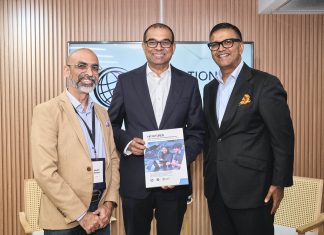
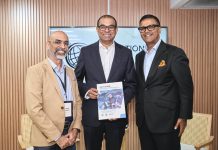
    Dr. Taiwo Afolabi, Chairman, SIFAX Group, has called on African entrepreneurs, investors, and business leaders to prioritise the growth of large, sustainable corporations capable of competing globally, rather than operating fragmented and small-scale enterprises that limit the continent’s economic potential.

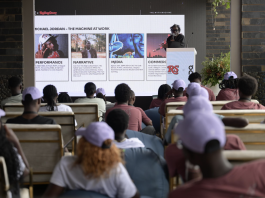
    Speaking at the sidelines of the Africa CEO Forum held in Kigali, Rwanda, Afolabi said Africa’s economic transformation would depend significantly on the emergence of strong indigenous corporations with the scale, structure, and capacity to drive industrialisation, create jobs, attract investment, and compete internationally.

    According to him, discussions at this year’s forum reinforced the urgent need for African businesses to embrace collaboration, long-term thinking, regional integration, and strategic expansion.

    He said: “Africa cannot achieve its full economic potential with thousands of weak and fragmented businesses operating in silos. What the continent needs are strong institutions and large corporations that can survive beyond their founders, scale across borders, attract global capital, and compete with the best companies around the world.

    Afolabi noted that while entrepreneurship remains critical to Africa’s growth story, the continent must deliberately move beyond subsistence and lifestyle businesses towards building enduring enterprises with robust governance systems, innovation capacity, and continental reach.

    He stressed that African governments, financial institutions, and private sector stakeholders must create enabling environments that support business scalability through improved infrastructure, access to finance, favourable regulations, and intra-African trade.

    “The conversations at the Africa CEO Forum clearly showed that Africa’s future lies in integration and scale. The African Continental Free Trade Area (AfCFTA) presents a historic opportunity for businesses to expand beyond national borders and build truly pan-African enterprises,” he added.

    Afolabi noted that SIFAX Group’s long-term vision is anchored on strengthening intra-African trade and supporting the successful implementation AfCFTA through investments in logistics, ports, transportation, and digital finance solutions across Africa.

  • XTransfer Reinforces Commitment to Africa’s SME Trade

    XTransfer Reinforces Commitment to Africa’s SME Trade

    XTransfer, the world’s Leading B2B Cross-Border Trade Payment Platform, reinforced its commitment to serving SMEs across Africa through its participation in major regional events. Following the Inclusive FinTech Forum 2026 in Rwanda, XTransfer joined the Solar & Storage Live Africa 2026 in Johannesburg. These engagements reflect XTransfer’s growing focus on enabling legitimate, secure cross-border trade that supports real-economy supply chains across the continent.

    As Africa’s premier energy event, “Solar & Storage Live Africa 2026” convened more than 650 local and international exhibitors showcasing products, technologies and solutions. XTransfer’s participation comes as it continues to expand in Africa, helping SMEs engaged in international trade access a more unified payment experience. In many markets, SMEs still face friction when making and receiving trade payments, including complex processes and delays that can strain cash flow and disrupt supply chains. Where reliable options are limited, some businesses may feel pressured to rely on informal channels, creating avoidable compliance and transparency risks for the wider ecosystem.

    To address these challenges, XTransfer works with international and local banks and financial institutions to strengthen payment infrastructure and facilitate compliant trade payments. In Africa, XTransfer partners with Flutterwave, Africa’s leading payments technology company, to help importers in Nigeria, Ghana, and South Africa conveniently pay for goods in local currency, while helping Asian exporters receive reliable settlement and supporting smoother trade flows across key Africa–Asia corridors.

    By continuing to invest in partnerships and local market capabilities, XTransfer aims to help more African SMEs participate confidently in borderless trade and support supply chains, accelerating the continent’s energy transition.

  • Kaspersky and African Union Mechanism for Police Cooperation (AFRIPOL) conduct joint cybersecurity training for African law enforcement

    Kaspersky and African Union Mechanism for Police Cooperation (AFRIPOL) conduct joint cybersecurity training for African law enforcement

    Kaspersky Expert Training is used by numerous organisations and academic institutions to advance their skills in battling against cybercrime

    As part of a joint initiative with AFRIPOL, Kaspersky provided cybersecurity training courses for law enforcement representatives from 23 African countries, unfolding the fundamentals of Security Operations Center (SOC) activities and advanced threat hunting techniques.

    As cyber threats continue to grow in scale and complexity, strengthening law enforcement agencies’ technical capabilities has become a global priority. Through knowledge-sharing programmes, technology companies can contribute practical expertise gained from real-world cyber investigations and threat analysis. Such collaboration helps equip law enforcement professionals with the skills and tools needed to investigate digital crimes more effectively and strengthen cybersecurity capabilities.

    From November 2025 to March 2026, around 40 African officers from 23 countries* received “Security Operations and Threat Hunting” training, provided as part of the cooperation agreement between Kaspersky and AFRIPOL signed in 2024. These countries include Algeria, Benin, Cameroon, Comoros, Eswatini, Ethiopia, Gabon, Gambia, Ghana and Kenya. Others are Liberia, Libya, Malawi, Mali, Mozambique, Namibia, Nigeria, Rwanda, South Africa, South Sudan, Uganda, Zambia, and Zimbabwe.

    During the training, African officers gained practical knowledge of Security Operations Center (SOC) activities and modern cyber-defence practices. The programme covered key aspects of threat detection and incident investigation, including how to identify malicious activity in Windows and Linux environments, analyse attacker tactics, techniques and procedures (TTPs) and use threat intelligence to uncover advanced threats.

    As part of the training, a series of online Q&A sessions were organised, providing participants with the opportunity to engage directly with experts and course authors from Kaspersky’s Security Services team. These sessions allowed attendees to clarify complex topics, discuss practical cases and receive additional insights, reinforcing the learning experience and ensuring a deeper understanding of key cybersecurity concepts.

    “Cybercrime today is highly sophisticated, borderless and constantly evolving, which means no single organisation can tackle it alone. This is why cooperation and knowledge sharing between the private cybersecurity sector and law enforcement agencies are so critical. Our long-standing collaboration with AFRIPOL demonstrates the value of this approach. Over the years, Kaspersky and AFRIPOL have worked together to better understand the cyberthreat landscape across Africa and to support international efforts aimed at disrupting cybercrime. By continuing to invest in training and capacity building, we aim to support law enforcement professionals with the expertise they need to investigate digital crimes effectively and contribute to building a safer and more trusted digital environment for everyone,” says Yuliya Shlychkova, Vice President, Public Affairs, at Kaspersky.

    “Strengthening the capabilities of law enforcement agencies is essential to effectively address the growing complexity of cybercrime across the African continent. Initiatives such as this training programme play an important role in equipping officers with the practical skills needed to investigate cyber incidents, analyse digital evidence and respond to emerging threats. Cooperation with partners from the private cybersecurity sector, such as Kaspersky, helps law enforcement agencies stay informed about the latest threat trends and investigative approaches. We highly value this collaboration and the opportunity it creates to further develop the cybercrime response capabilities of AFRIPOL member countries,” says Dr Mohammed Benaired, Head, Training and Capacity Building Division at AFRIPOL.

    In 2024, to further enhance global efforts to combat cyber offenses, Kaspersky and AFRIPOL signed (http://apo-opa.co/4taXNTz) a cooperation agreement in preventing and fighting cybercrime. Covering a period of five years, the document formalises and facilitates cooperation between the company and the law enforcement agency in sharing threat intelligence data on the latest cybercriminal activities and entails the provision of assistance and know-how in information security analysis.

    Kaspersky Expert Training is used by numerous organisations and academic institutions to advance their skills in battling against cybercrime. Since the inception of this online training programme, Kaspersky experts have trained more than 3,000 specialists from 50 countries around the world. Providing their expertise with 12 educational courses, they share their insights on advanced tactics and strategies in Reverse Engineering, Threat Hunting, Incident Response and more – each divided by the level of students’ experience. Learn more here https://apo-opa.co/4bugdIL.

  • Indorama Ventures, Nigerian Breweries and Genesis Energy Partner to Develop One of Africa’s Largest rPET Production Facilities

    Indorama Ventures, Nigerian Breweries and Genesis Energy Partner to Develop One of Africa’s Largest rPET Production Facilities

    Indorama Ventures Public Company Limited, a global sustainable chemical company, together with Nigerian Breweries Plc, the foremost brewer in Nigeria, and Genesis Power & Energy Solutions Ltd, a leading African clean energy infrastructure development and asset management company, have entered a strategic partnership to establish one of Africa’s largest state-of-the-art recycled PET (rPET) production facilities in Nigeria, based on planned production capacity. The landmark collaboration marks a significant step toward strengthening circular economy infrastructure and sustainable packaging value chains across the region.

    Located in Lagos, the site represents is an investment to develop a facility capable of producing up to 45,000 tons of food‑grade rPET resin annually, with start‑up targeted in the first half of 2027. By converting post‑consumer PET bottles into high‑quality recycled material for packaging applications, the initiative aims to meet fast‑rising demand for recycled content, reduce plastic waste, and create local value through improved collection systems, job creation, and increased participation across the recycling value chain.

    The partnership brings together complementary strengths across the PET value chain. Indorama Ventures, the world’s largest recycler of PET for beverages, contributes expertise in sustainable materials development. Nigerian Breweries, a Heineken operating company, provides strong local market insight and engagement across Nigeria’s beverage ecosystem, while Genesis Energy supports the initiative with sustainable infrastructure and energy expertise. The project is expected to support recycling capacity in Nigeria, subject to regulatory approvals, technical validation, and operational implementation. Together, the partners aim to establish commercially viable rPET operations that enable responsible growth and long-term environmental impact.

    This initiative aligns with Nigeria’s National Policy on Plastic Waste Management, introduced in 2020 to strengthen collection, recycling, and circular economy solutions, with the goal that all plastic packaging be recyclable, biodegradable, compostable, or reusable by 2030. Lagos, as Nigeria’s commercial hub, provides a strategic base to develop recycling infrastructure capable of serving both national and regional demand.

    Commenting on the landmark partnership, Yash Lohia, Executive President of Petchem and Chairman of ESG Council at Indorama Ventures, said, “This partnership marks a defining milestone in our global recycling journey. By establishing our largest recycling facility to date and one of the largest rPET sites in Africa, we are bringing Indorama Ventures’ global expertise, proven technologies, and long-term vision for circularity to a region with immense growth potential. This investment reflects our belief that scaling sustainability solutions locally is essential to building resilient, sustainable packaging systems that deliver lasting environmental and economic value.”

    With a global recycling footprint spanning 20 facilities across 11 countries, Indorama Ventures has recycled more than 160 billion post-consumer PET bottles into high-quality recycled materials. The Nigeria facility represents the company’s first recycling investment in Africa and the largest recycling plant Indorama Ventures has ever built, underscoring the scale of the company’s long-term commitment to circular infrastructure, advanced recycling technology, and partnerships that strengthen collection, education, and innovation across the value chain.

    Genesis Energy supports the partnership by enabling sustainable infrastructure and energy solutions that underpin low carbon industrial development and circular economy systems across Africa. The company operates across 11 African countries, with utility-scale generation projects of more than 780MW in operations, ongoing construction, and advanced development in Nigeria, South Africa, Benin Republic, Zambia, Rwanda, Zimbabwe, Mali and United Kingdom, as well as a project development pipeline north of 4.5GW. It deploys solar, wind, battery storage, and natural gas solutions, and is pursuing an ambition to allocate up to $2 billion annually over the next five years, with a targeted 10 GW of installed and contracted capacity.

    Speaking on the partnership, Chairman and CEO of Genesis Energy, Mr. Akinwole II Omoboriowo, said, “This compelling initiative demonstrates Genesis’ commitments to deploying capital to climate resilient investments by leveraging clean energy as a strategic nexus to advancing viable economic opportunities. The investment is also a testament to how cross-sector partnerships can enable sustainable industrial development. By combining circular economy principles with resilient infrastructure and energy solutions, the initiative supports long-term environmental impact and local value creation.”

    Beyond industrial investment, the project is expected to contribute to broader environmental and socio-economic objectives through increased PET collection, diverted plastic waste away from landfill, and sustained engagement with local communities to promote best practices in waste collection and recycling.

    The signing of the partnership agreement represents the first milestone in a longer-term development roadmap and reflects a shared commitment by the partners to invest responsibly, support sustainable packaging solutions, and contribute to Nigeria’s transition toward a more circular and resource-efficient economy.

  • Delta Air Lines and Junior Achievement (JA) Africa Empower Next Generation of Female Leaders Across Africa

    Delta Air Lines and Junior Achievement (JA) Africa Empower Next Generation of Female Leaders Across Africa

    By collaborating with JA Africa, Delta contributes to building a scalable pipeline of confident, skilled young women prepared to lead in their communities and industries

    Delta Air Lines, in partnership with Junior Achievement (JA) Africa has successfully graduated 61 high-potential African girls from the 2026 LEAD Camp, formally inducting them into the 10 Million African Girls (10MAG) community, a long-term leadership and opportunity platform advancing young women across Africa.

    Held in Accra from March 2–8 in recognition of this year’s International Women’s Day (IWD) theme “Give to Gain,” the 2026 camp convened 61 participants from Eswatini, Ghana, Nigeria, Mauritius, Rwanda, South Africa, Uganda, and Zambia. The initiative reflects Delta and JA Africa’s longstanding commitment to expanding access to leadership development, economic participation, and cross-border exposure for emerging female leaders.

    The LEAD Camp exemplifies Delta Air Lines’ investment in community partnerships that drive educational access and workforce readiness across its international markets. By collaborating with JA Africa, Delta contributes to building a scalable pipeline of confident, skilled young women prepared to lead in their communities and industries.

    “Sustainable progress begins with access — access to knowledge, networks, and opportunity. Our partnership with JA Africa transcends traditional training; it establishes a structured pathway that allows young African women to engage meaningfully in the global economy. Inducting this year’s cohort into 10MAG reflects our long-term commitment to expanding opportunity across the continent.” indicated Ed Bastian, Chief Executive Officer of Delta Air Lines.

    Throughout the week, participants engaged in immersive, skills-based learning designed to strengthen executive presence, decision-making, entrepreneurial thinking, and future-ready competencies. The curriculum integrated leadership development, emotional intelligence, financial capability, advocacy, and career pathway exploration through direct engagement with corporate leaders, policy professionals, and industry practitioners.

    This approach aligns with global development priorities. According to UNICEF’s Skills4Girls framework, investing in life skills, digital literacy, STEM exposure, and leadership development is critical for preparing adolescent girls to participate fully in evolving labour markets. Research consistently shows that equipping girls with both technical and soft skills improves their transition into higher education, entrepreneurship, and the workforce while optimising long-term economic resilience.

    A highlight of the programme was the “Give to Gain” Social Impact Challenge, where participants worked in cross-country teams to design practical solutions addressing tangible community issues. Finalist teams presented their projects during the graduation ceremony, demonstrating problem-solving, collaboration, and measurable impact thinking, while also highlighting creativity, innovation, and a commitment to driving meaningful change in their communities.

    Reflecting on the graduation and induction, Simi Nwogugu, President & CEO of JA Africa, said: “Graduation is just the beginning. LEAD Camp equips young women with leadership capability and strategic exposure, while 10MAG ensures ongoing mentorship, scholarships, and entrepreneurial pathways. By combining these elements, we are cultivating a generation of women prepared to lead in boardrooms, build thriving enterprises, and shape policy across Africa.”

    The graduation ceremony marked not an endpoint but a transition. Each participant was inducted into the 10 Million African Girls (10MAG) community, a structured platform that provides ongoing mentorship, scholarships, entrepreneurial incubation, and professional networking. This ensures sustained engagement and positions participants within a broader ecosystem of opportunity and accountability.

    Since its inception, the LEAD camp platform has evolved into a pan-African convening point for emerging female leaders. The 2026 edition further reinforced the strategic alignment between Delta Air Lines and JA Africa in delivering structured, measurable leadership development across borders.

    As the 61 graduates return to their respective countries, they do so equipped not only with training but with networks, accountability, and a defined pathway to continued growth through 10MAG.

  • Savannah Energy Provides Unaudited FY 2025 Operational and Financial Update with 12% Increase in Cash Collections in Nigeria

    Savannah Energy Provides Unaudited FY 2025 Operational and Financial Update with 12% Increase in Cash Collections in Nigeria

    Savannah Energy PLC, the British independent energy company focused around the delivery of Projects that Matter, has released its financial and operational update on its Nigerian operations and other markets in Africa, including up-to-date cash collections in its Nigerian business.

    The update shows that its gross production in Nigeria averaged 18.8 Kboepd for FY 2025, of which 83% was gas (FY 2024: 88%). Following the completion of the SIPEC Acquisition in March 2025, it had commenced an 18-month expansion programme that saw it Stubb Creek average gross daily production increase to 3.0 Kbopd in 2025, approximately 13% above the 2024 average.

    The report also shows that its cash collections in Nigeria increased by over 12% to US$278.0 million, compared to the previous year’s US$248.5 million, with the trend continuing into 2026 with cash collections during January 2026 at over US$64.4 million, compared to US$20.4 million in January 2024.

    According to the report, Savannah’s Total Revenues for FY 2025 stood at US$235.0 million, compared to US$258.9 million in FY 2024. As at 31 December 2025, its cash balances stood at US$39.5 million, compared to US$32.6 million in FY 2024, with a net debt US$655.9 million, compared to US$636.9 million as at 31 December 2024. It also reported a Gross debt US$698.4 million as at 31 December 2025, of which only US$39.0 million (6%) was recourse to the Company, with the balance sitting within subsidiary companies on a non-recourse basis. Its Trade Receivables balance as at 31 December 2025 stood at US$507.2 million, a 6% improvement on year-end 2024’s US$538.9 million.

    Savannah also reported that it has made significant progress in refinancing its debt facilities. It reports that  following the previously announced increase in the Accugas debt facility from NGN340 billion to up to approximately NGN772 billion as at 31 December 2025, there was a remaining principal balance under the US$ Facility of approximately US$2 million, which has been repaid in early 2026.

    Savannah also provided new updates on its Uquo NE development well, the Uquo South exploration well, and the new compression system at the Uquo Central Processing Facility (“CPF”). It reports that site construction on the Uquo NE development well is expected to be completed this month, with the rig ready for deployment, and mobilisation scheduled over the next few weeks, with first gas from the facility targeted by the end of Q2 2026. Well site preparation has also commenced on the Uquo South exploration well.

    According to the company, the newly completed and fully commissioned compression system at the Uquo Central Processing Facility which was delivered safely and approximately 10% under the original US$45 million budget, will enable it to maximise production from its existing and future gas wells. It also announced signed a gas contract extension agreement with the Central Horizon Gas Company Limited to end December 2026 for up to 10 MMscfpd.

    On the renewable energy front, Savannah, which had in 2025 repositioned its power sector business model to pursue operating asset opportunities in both the thermal and renewable energy spaces alongside interests in large scale renewable energy development projects, said it has set itself the target of completing its proposed acquisition of indirect interests in three East African hydropower projects by H1 2026. The assets include the 255 MW Bujagali power plant, with a 13-year operating and payment track record, and two advanced-stage development projects, marking Savannah’s potential for entry into five new countries – Uganda, Burundi, the Democratic Republic of the Congo, Malawi and Rwanda.

    It is also continuing to progress its existing priority Power Division projects, including the up to 250 MW Parc Eolien de la Tarka wind farm project in Niger and the up to 95 MW Bini a Warak hybrid hydroelectric and solar project in Cameroon.

    In Niger, its subsidiary is considering commencing a four-well testing programme and/or a return to exploration activity in the R1234 PSC contract area in 2026/27, subject to a satisfactory agreement being reached with the country’s government.

    Andrew Knott, CEO of Savannah Energy, said, “2025 was a year of execution for Savannah with good progress delivered across the nine focus areas we set out at the start of the year. In Nigeria, we increased our rate of cash collections year-on-year by 12%, a trend which we hope to continue into 2026, and have made significant progress in refinancing our debt facilities.

    In our Hydrocarbons Division, the completion of the SIPEC acquisition in March enabled us to commence an expansion programme at Stubb Creek, increasing 2025 production materially above 2024 levels. At Uquo we delivered the new compression system under budget and advanced site construction ahead of the planned commencement of drilling of the new Uquo NE well. During the year, we also announced a 21% 2P Reserves upgrade at the Uquo gas field and a 29% upgrade to Stubb Creek oil field 2P Reserves. In Niger, we remain actively engaged with the Government on future activity, with the R3 East development plan significantly enhanced during the year.

    In the power sector, we repositioned our business model and advanced both operating and development opportunities, including the proposed acquisition of interests in three East African hydropower projects, which is targeted for completion in H1 this year. We have also continued to progress on our wind, solar and hydro portfolio. Alongside this, we continue to pursue further value-accretive acquisitions across both hydrocarbons and power, with several other opportunities under active discussion.

    We also continued to progress our arbitration claims, with the Savannah Chad Inc (“SCI”) and Savannah Midstream Investment Limited (“SMIL”) proceedings currently expected to be concluded in the first half of 2026.

    Overall, this progress provides a strong platform for continued delivery in 2026.”

    Highlights

    Operational

    • FY 2025 average gross daily production of 18.8 Kboepd (FY 2024: 23.1 Kboepd), of which 83% was gas (FY 2024: 88%). Following completion of the SIPEC Acquisition in March 2025, commenced an 18-month expansion programme that saw Stubb Creek average gross daily production increase to 3.0 Kbopd in 2025, approximately 13% above the 2024 average;
    • Well site construction for the Uquo NE development well is expected to be completed this month. The rig is ready for deployment, with mobilisation scheduled over the next few weeks and first gas targeted by the end of Q2 2026;
    • Well site preparation has commenced on the Uquo South exploration well;
    • New compression system at the Uquo Central Processing Facility (“CPF”) completed and fully commissioned. This project, which was delivered safely and approximately 10% under the original US$45 million budget, is expected to allow us to maximise the production from our existing and future gas wells;
    • Gas contract extension agreed with the Central Horizon Gas Company Limited (“CHGC”) to end December 2026 for up to 10 MMscfpd;
    • The proposed acquisition of indirect interests in three East African hydropower projects is targeted to complete in H1 2026. The assets include the 255 MW Bujagali power plant, with a 13-year operating and payment track record, and two advanced-stage development projects, marking Savannah’s potential for entry into five new countries – Uganda, Burundi, the Democratic Republic of the Congo (the “DRC”), Malawi and Rwanda;
    • Continuing to progress our existing priority Power Division projects, including the up to 250 MW Parc Eolien de la Tarka wind farm project in Niger and the up to 95 MW Bini a Warak hybrid hydroelectric and solar project in Cameroon;
    • Subject to a satisfactory agreement being reached with the Government of Niger, our subsidiary is considering commencing a four-well testing programme and/or a return to exploration activity in the R1234 PSC contract area in 2026/27; and
    • Actively reviewing opportunities in both the thermal and renewable power sector, with the expectation of announcing transaction(s) currently under consideration over the course of the next 24 months in the African power space.

    Financial (unaudited)

    • FY 2025 cash collections increased by over 12% on the prior year to US$278.0 million (FY 2024: US$248.5 million) and this trend has continued into 2026 with cash collections during January 2026 of over US$64.4 million (January 2024: US$20.4 million);
    • FY 2025 Total Revenues of US$235.0 million (FY 2024: US$258.9 million);
    • As at 31 December 2025, cash balances were US$39.5 million (31 December 2024: US$32.6 million) and net debt stood at US$655.9 million (31 December 2024: US$636.9 million). Gross debt as at 31 December 2025 was US$698.4 million, of which only US$39.0 million (6%) was recourse to the Company, with the balance sitting within subsidiary companies on a non-recourse basis;
    • The Trade Receivables balance as at 31 December 2025 was US$507.2 million, a 6% improvement on year-end 2024 (31 December 2024: US$538.9 million); and
    • Following the previously announced increase in the Accugas debt facility from NGN340 billion to up to approximately NGN772 billion (the “Transitional Facility”), as at 31 December 2025, there was a remaining principal balance under the US$ Facility of approximately US$2 million, which has been repaid in early 2026.

  • Feature: Why Africa Cannot Eliminate Cervical Cancer Without Expanding HPV Vaccination Beyond Adolescent Girls

    Feature: Why Africa Cannot Eliminate Cervical Cancer Without Expanding HPV Vaccination Beyond Adolescent Girls

    by Zwelethu Bashman, Marloes Kibacha and Cheyenne Braganza

    Introduction 

    Cervical cancer remains one of the leading causes of cancer-related deaths among women globally, despite being almost entirely preventable. In Africa, it continues to claim lives not because science has failed, but because policy ambition has fallen short. Over 200 strains of human papillomavirus (HPV) exist, with 12 high-risk types responsible for most HPV-related cancers. [1] Although HPV vaccines can prevent almost 90% of cervical cancer, most women remain unvaccinated, leaving cervical cancer among the top killers of women worldwide, with more than 94% of deaths occurring in low- and middle-income countries. [2] At current rates of vaccination and coverage, hundreds of thousands of African women will die from a cancer that could have been prevented with vaccines already available. 

    Cervical cancer hits the hardest where vulnerability is greatest. The World Health Organization (WHO) identifies sub-Saharan Africa as the region with the highest prevalence of cervical HPV, affecting nearly one in four women. [3] Women living with HIV face an even steeper risk, as weakened immune systems make them more susceptible to persistent HPV infection and four to five times more likely to develop invasive cervical cancer. [4] Without urgent action, these inequities will continue to drive preventable deaths across the continent. Recently, Gavi’s inclusion of higher-valency HPV vaccines is an important development in the global HPV prevention landscape and a relevant consideration for countries across sub-Saharan Africa as they continue to strengthen cervical cancer prevention efforts.

    Vaccinating Girls First: Africa’s Critical Foundation 

    In 2018, the WHO launched a global call to eliminate cervical cancer as a public health threat, built on three pillars: vaccination, screening, and timely treatment. Central to this strategy is fully vaccinating 90% of girls by age 15. [5] This focus on adolescent girls is a critical foundation, and African countries have made meaningful progress in recent years. 

    Rwanda offers a powerful example. In 2011, it became the first African country to introduce a national HPV vaccination program targeting adolescent girls through a robust school-based platform. Today, Rwanda has achieved over 90% coverage among eligible girls, one of the highest rates globally. [6] This success reflects strong political leadership, community trust, and effective delivery systems. 

    But even Rwanda’s success highlights a fundamental limitation. High coverage among adolescent girls alone does not protect older women, boys, or men, nor does it fully interrupt HPV transmission within the broader population. A girls-only strategy, while necessary, is insufficient for elimination. 

    HPV Is Not a Women-Only Virus 

    HPV continues to be framed primarily as a women’s health issue because of its link to cervical cancer. This framing is both incomplete and counterproductive. Men are not only carriers of HPV, they are also affected by HPV-related disease. Globally, one in three men is infected with at least one HPV strain, often after age 15. [7] In sub-Saharan Africa, HPV prevalence among men remains high, sustaining community-level transmission. [8] 

    HPV also causes anal, penile, and oropharyngeal cancers, conditions that disproportionately affect men and are increasing globally. [8, 9] Excluding boys and men from vaccination strategies perpetuates transmission to women and leaves men unprotected from largely preventable cancers. 

    Why Gender-Neutral Vaccination Matters for Elimination 

    If Africa is serious about elimination, vaccination strategies must reflect how HPV actually spreads. Expanding vaccination to boys and men is not only a matter of equity, it is an epidemiological necessity. Gender-neutral vaccination accelerates herd immunity, reduces circulation of high-risk HPV types, and offers critical protection for high-risk populations, including people living with HIV. [10] 

    Yet progress remains uneven. Only 29 of 54 African countries have implemented national HPV vaccination programs, and nearly all focus exclusively on girls aged 9 to 14. [11]This is an important starting point, but it will not break the cycle of transmission. Elimination demands moving beyond a single cohort and a single gender.

    The Forgotten Cohort: Women Who Aged Out 

    While adolescent girls remain the priority, millions of women across Africa missed HPV vaccination entirely. Many aged out before programs were introduced, while others were missed due to COVID 19 disruptions. [12] These women, now in their 20s and 30s, represent the largest group at near term risk and will drive cervical cancer incidence over the next decade if left unprotected. [13]  

    In addition, women living with HIV (WLHIV) require tailored protection. Sub-Saharan Africa carries the world’s highest prevalence of HIV among women. [14] WLHIV experience higher rates of persistent HPV infection, faster quicker disease progression, increased recurrence, and poorer outcomes. Modelling shows that vaccinating WLHIV aged 10–45 could reduce new cervical cancer cases by 4.7% overall and by 10% among WLHIV. [15] 

    The evidence is clear. Sexually active women over 15 still benefit from HPV vaccination, as they may not have been exposed to all high-risk HPV types. [16, 17] Catch-up vaccination, particularly when combined with screening, can substantially reduce future cancer incidence. Integrating HPV vaccination into HIV care, university health services, and workplace health programs offers practical, scalable pathways to reach this cohort. [18]  

    The socioeconomic case is clear. Women contribute an estimated 35–45% of GDP across the region. Preventing cervical cancer protects households, sustains productivity, and reduces catastrophic health expenditure. [19] Yet across the continent, adult women remain largely invisible in HPV prevention policies. This gap is not scientific. It is political. 

    Leadership, Systems, and Smarter Policy Choices 

    African governments are central to closing the HPV protection gap. While the number of countries delivering HPV vaccines has tripled since 2019 and coverage has doubled, the regional average remains just 52%, far below the 90% target. [20] Sustainable progress requires integrating HPV vaccines into routine immunization schedules, securing predictable domestic financing, and strengthening supply chains. 

    Kenya’s recent decision to introduce a single-dose HPV vaccine for girls shows how policy can adapt to improve efficiency and access. However, simplification alone will not address missed cohorts or limited population-level protection. Other countries in the region are also adapting policy to expand reach, with Botswana integrating higher-valency HPV vaccines within national prevention planning aligned with HIV care, and Eswatini expanding HPV vaccination in 2024 to include adolescent girls and young women living with HIV. [21, 22] 

    Adult vaccination pathways should be integrated into reproductive health services, alongside catch-up vaccination for older adolescents and women. Efforts should target cohorts missed by school-based programmes, including out-of-school girls and WLHIV – using multi-channel delivery platforms such as clinics, HIV programmes, mobile outreach, and innovative community-based models. [23]

    As science evolves, policy must keep pace. Transitioning to nonavalent vaccines offers broader protection against high-risk HPV types and greater long-term impact in high-burden settings. [24] Procurement decisions should be driven by epidemiology, cost-effectiveness, and sustainability, not short-term constraints. 

    The Role of Partnerships and Innovation 

    Industry, alongside governments and civil society, has a role to play in supporting national cervical cancer elimination goals.  

    Between 2021 and 2025, MSD supplied over 115 million HPV vaccine doses to low- and middle income countries, supported by a US$2 billion investment in manufacturing capacity. MSD has also reaffirmed its commitment to Gavi, the Vaccine Alliance, to support sustainable HPV vaccine supply and equitable access across Sub-Saharan Africa. 

    These efforts support broader vaccination strategies, including protection of older cohorts and women living with HIV, and enable country transitions to higher-valency HPV vaccines – an important step toward averting millions of future cancer cases and deaths. 

    The Choice Africa Must Make 

    Africa cannot eliminate cervical cancer and all other HPV-related diseases by protecting adolescent girls alone. HPV does not respect age, gender, or delivery platforms, and elimination requires population-level protection. This means vaccinating girls, protecting boys, catching up women who were left behind, and building resilient systems that sustain coverage over time. 


    The tools exist. The evidence is overwhelming. What remains is the choice. If governments and partners act decisively now by expanding HPV vaccination beyond adolescent girls and investing in durable prevention systems, cervical cancer can become a disease of the past. Elimination is not a question of feasibility. It is a question of ambition, and the time to choose is now. 

    Zwelethu Bashman is the Managing Director, MSD South Africa and Sub-Saharan Africa,

    Marloes Kibacha, Managing Director, Africa Health Business

    Cheyenne Braganza, Senior Project Associate, Africa Health Business 

  • Trump Administration Announces Historic Progress on America First Global Health Strategy

    Trump Administration Announces Historic Progress on America First Global Health Strategy

    Today, the Trump Administration announced a series of landmark bilateral Memorandums of Understanding (MOUs) with nine partner nations, marking a historic milestone in the implementation of the America First Global Health Strategy.

    In just three months, the Administration has moved with unprecedented speed to secure agreements that protect American interests, save millions of lives, and transition recipient nations toward permanent self-reliance. To date, these MOUs represent more than $8 billion in direct U.S. investment, matched by over $5 billion in co-investment from partner countries.

    “These MOUs are proof positive that President Trump’s leadership is making America safer, stronger, and more prosperous,” the Administration stated. “By fixing inefficiencies and reducing dependency, we are ensuring that every American tax dollar delivers real results while helping our partners stand on their own two feet.”

    A New Era of Strategic Partnership

    The America First Global Health Strategy, launched on September 18, 2025, prioritises bilateral agreements that shift health responsibilities from non-governmental organisations (NGOs) to national systems. The strategy emphasizes private sector mobilization, the inclusion of faith-based organizations, and mandatory co-investment from recipient countries.

    Key Bilateral Highlights:

    • Nigeria ($5.1 Billion total): A massive joint investment ($2.1B U.S. / $3B Nigeria) to reinforce national leadership of health systems and provide critical support to over 900 faith-based clinics and hospitals.
    • Kenya ($2.5 Billion total): A strategic shift to national systems, reducing NGO reliance and modernizing commodity procurement for long-term self-sufficiency.
    • Uganda ($2.3 Billion total): A focused investment in HIV/AIDS, TB, and malaria combat, featuring a $500 million pledge from Uganda and specialized support for the Ugandan military and faith-based providers.
    • Mozambique: Features a 30% increase in domestic health expenditures by Mozambique and the deployment of American-made cutting-edge solutions like lenacapavir.
    • Rwanda ($228 Million total): A high-tech partnership leveraging American robotics (Zipline) and AI to modernize infrastructure, with Rwanda set to take full control of its HIV/AIDS response by year four.
    • Cameroon, Lesotho, Eswatini, and Liberia: These agreements collectively drive hundreds of millions into frontline commodities, American-made medical technology, and the transition of health workers to local government payrolls.

    Core Pillars of the MOUs

    Unlike previous open-ended assistance programs, these MOUs have a maximum duration of five years with no future commitment of U.S. assistance beyond the agreement period. Every MOU is built on five innovative pillars:

    1. Commodity Transition: Gradual transfer of procurement responsibilities to partner governments.
    2. Frontline Worker Sustainability: Mapping U.S.-funded workers to national cadres and transitioning them to partner payrolls.
    3. Data Integrity: Scaling interoperable digital tools to track disease outbreaks and programmatic data.
    4. Domestic Co-Investment: Required increases in domestic health expenditures by partner nations.
    5. Performance Incentives: U.S. financial support is strictly linked to meeting or exceeding key health metrics.

    The United States expects to sign additional MOUs in the coming weeks as more nations align with the America First framework.

  • U.S. Funding Fuels Zipline Expansion to Boost Health Access Across Five African Nations

    U.S. Funding Fuels Zipline Expansion to Boost Health Access Across Five African Nations

    The U.S. Department of State is awarding $150 million in Zipline, the world’s largest autonomous logistics system, to support the expansion of its life-saving artificial intelligence and robotics infrastructure across Africa. 

    Under this pay-for-performance model – the first of its kind from the State Department – the funds will be released only when African governments sign expansion contracts and commit to ongoing operating costs, ensuring long term sustainability of the service in public health systems. Each participating African government already uses Zipline regionally, and this award enables them to scale the centralized, on-demand logistics infrastructure nationwide.

    At scale, Zipline’s expanded services will reach more than 130 million Africans with on-demand delivery that reduces waste, equalizes health access, increases treatment rates, and improves health outcomes. It triples the number of health facilities Zipline serves to 15,000 and supports the creation of more than 800 high-skilled, high-paying jobs in Africa in logistics, health systems, and advanced engineering in robotics and artificial intelligence. It will also drive up to $1 billion in annual economic gains across Africa by resolving the logistics and credit bottlenecks that choke commerce in so many regions.

    This landmark deal ushers in a new, results-driven model of foreign aid that prioritises innovation, scales what works, and emphasizes long term sustainability and mutual economic growth. 

    Zipline has been operating across Africa since 2016, partnering with national governments to deliver blood and medicines to over 5,000 hospitals and health facilities. Its work has been credited with helping cut maternal deaths by up to 56%, reducing zero-dose prevalence by 42% in a single year, and reducing missed opportunities to treat severe malaria by 66%. Since its first delivery in 2016 in Rwanda, Zipline’s autonomous logistics system has flown more than 120 million commercial autonomous miles and completed over 1.7 million autonomous deliveries with zero safety incidents, proving it can rapidly deploy life-saving technology to expand access and improve health outcomes across Africa.

    Rwanda is expected to be the first country to expand under this new award, building a third distribution center and doubling daily deliveries, expanding to urban communities with Zipline’s new short-range precision delivery drone, and building a first-of-its-kind flagship testing facility that hosts Zipline’s global hardware and software product testing. Additional Zipline expansions are expected in additional countries, including Cote d’Ivoire, Kenya, and Nigeria.

    “We started Zipline to build a logistics system that serves all people equally. Today the U.S. government is doubling down on our work, and using our AI, robotics and autonomous logistics system to improve health outcomes,” said Keller Rinaudo Cliffton, CEO and Co-Founder of Zipline. “For years presidents and prime ministers have told me they want the best of what America has to offer: innovation, jobs and 21st century technology to leapfrog into the future. That has always been America’s unique value proposition and today, U.S. State Department is making that happen.”

    “This partnership is an example of the innovative, results-driven partnership at the core of the America First foreign assistance agenda. With modest U.S. capital investment support, these five countries will become responsible for maintaining and continuing to invest in a transformative American-built health commodities supply chain network,” said ​​Under Secretary of State for Foreign Assistance, Humanitarian Affairs and Religious Freedom Jeremy Lewin. “By strategically deploying assistance resources to catalyze private capital, incentivize local buy-in, and champion American businesses, President Trump’s foreign assistance agenda is bringing developing economies into the 21st century and helping America win the race for the technologies of tomorrow at the same time.” 

    “African governments are choosing to invest their own resources in Zipline because it works, and it’s incredible value for money. It solves intractable global health challenges like maternal mortality, malnutrition, and under 5 mortality,” said Caitlin Burton, CEO of Zipline Africa. “This award marks a pivotal moment in foreign aid — the U.S. government is backing Africa’s vision, building the infrastructure Africa wants, and accelerating the adoption of American innovation that’s proven to work and recognized as one of the most cost-effective public health interventions ever studied. It will forever change the trajectory of human health and development in Africa.”

    “Rwanda and Zipline have been working together for years to harness technology for the good of our people. We have witnessed the extraordinary impact of drone delivery — saving time, saving money, and saving lives,” said Paula Ingabire, Minister of ICT and Innovation of Rwanda. “With this partnership, we will now expand to urban delivery, bringing these benefits to even more communities. We thank the U.S. Government for supporting Zipline’s expansion and for joining us in building the foundation for Africa’s future in healthcare and innovation.”

    “With more than 200 million people, Nigeria faces unique challenges and opportunities in delivering healthcare equitably and efficiently. Existing Zipline operations in three Nigerian states have shown how drone delivery can transform access to healthcare — eliminating stockouts, creating new service points even where there is no health facility, driving growth in facility visits and treatment rates, and improving treatment success and health outcomes,” said Muhammad Ali Pate, Minister of Health and Social Welfare of Nigeria. “We applaud the U.S. Government’s support for innovations like Zipline that can potentially advance our vision for a healthier, more equitable future for our people and are in discussions to find a sustainable path working together.”

    “In Côte d’Ivoire, our priority is to guarantee every citizen rapid, reliable, and equitable access to essential health products,” said Pierre DimbaMinister of Health, Public Hygiene, and Universal Health Coverage of Côte d’Ivoire. “Since the launch of Zipline’s operations in our country, we have witnessed the concrete impact of medical drone delivery: shorter supply times, improved availability of vital products, strengthened capacities of our health facilities, and better services delivered to our populations, including those in rural and remote areas. With the expansion of this partnership, we now aim to amplify these results and extend these benefits to an even larger number of communities across the entire territory. This approach is fully aligned with our vision of a modern, resilient health system capable of innovating to meet tomorrow’s needs. We also welcome the support of the United States Government in advancing this effort, which contributes to strengthening our health sovereignty and building an Ivorian model of excellence in health innovation.” 

  • African Marketplace Dubai 2025 Opens, Showcasing Africa and the Caribbean’s Finest to the World

    African Marketplace Dubai 2025 Opens, Showcasing Africa and the Caribbean’s Finest to the World

    The African Marketplace Dubai 2025 officially opened at the Grand Hyatt Hotel, Dubai, bringing together about 200 export-ready brands, creators, and SMEs from Africa and the Caribbean for a four-day exhibition focused on trade, culture, and enterprise.

    Exhibitors from Nigeria, Ghana, Togo, Senegal, Seychelles, Tanzania, Rwanda, the UAE, the UK, and the US are showcasing products across fashion, beauty, wellness, agriculture, technology, art, and lifestyle, reinforcing the region’s growing influence in global trade and creativity.

    Speaking at the opening ceremony, Mrs. Ibukun Awosika, Founder of the Ibukun Awosika Leadership Academy and convener of the marketplace, said, “Dubai represents the world, a nation of nearly 200 nationalities, built on trade, structure, and inclusivity. It offers the right environment to showcase Africa’s excellence to global buyers and investors. I believe it’s the perfect stage for us to build a mother platform that carries the weight of Africa’s productivity to international markets.”

    DSC_5755 (2).JPG

    Delivering a keynote address on Exploring the African Tech Story – Past, Present, and Future, Juliet Ehimuan, Founder of Beyond Limits Africa, highlighted the role of innovation and youth enterprise in Africa’s digital evolution. “The African tech ecosystem is no longer emerging, it’s maturing. We’ve moved from isolated success stories to building strong, interconnected systems powered by innovation, local partnerships, and resilience. The next decade will be defined by African solutions transforming global industries.”

    Ody Akhanoba, Director of SME Development at Afreximbank, reaffirmed the bank’s commitment to enabling trade and entrepreneurship across the continent. “SMEs are the backbone of Africa’s economic transformation. At Afreximbank, our commitment to advancing Africa’s trade vision goes far beyond words. In 2024 alone, we disbursed over $18.7 billion across Africa, including 111 trade lines that enabled 127,000 SME subloans, we are building the ecosystems that will power Africa’s industrialization and global competitiveness.”

    African Marketplace Dubai 2025 is powered by the Ibukun Awosika Leadership Academy (IALA) and supported by sponsors including Afreximbank, Access Bank, Lagos State (through Lagos State Tourism), Wema Bank (SARA), Bank of Industry, GText Holdings, Moniepoint, Nexim Bank, and Sterling Bank. Partners include the Dubai Department of Economy and Tourism (DET), African Business Heroes (ABH), TVC Communications, Togo Mall, Ecobank Ghana, and FCMB (SheVentures).

    The exhibition runs from November 12–15, 2025, featuring product showcases, business sessions, and cultural exchanges aimed at driving investment, collaboration, and global market access for African and Caribbean enterprises.

  • Google Equips University Students Across Africa with Free Access to Advanced AI Tools

    Google Equips University Students Across Africa with Free Access to Advanced AI Tools

    12-Month Google AI Pro Plan Launched for Students in Nigeria, Kenya, Ghana, Rwanda, South Africa, and Zimbabwe to Build Foundational AI Skills 

    Google today announced a major initiative to support higher education across Africa by offering its premium AI subscription, Google AI Pro for free to university students for 12 months. The offer is available to eligible students aged 18+  in Nigeria, Kenya, Ghana, Rwanda, South Africa, and Zimbabwe, providing them with access to Google’s most advanced AI tools to enhance their learning, research, and creative work.

    Through Google’s most capable model, Gemini 2.5 Pro, this initiative will equip the next generation of African leaders, innovators, and creators with fundamental AI literacy. By placing powerful generative AI tools directly in the hands of students, Google is helping to prepare them for a workforce where AI proficiency is increasingly essential.

    “We are seeing a new wave of innovation in Africa, driven by the energy and ingenuity of our young people,” said Alex Okosi, Managing Director for Google in Sub-Saharan Africa. “By providing students with access to our most advanced AI tools, we want to empower them to not only excel in their studies but also to become critical builders and shapers of the future. This offer is about democratizing access to technology and giving African students the skills to compete and lead on a global stage.”

    The Google AI Pro plan provides a comprehensive suite of tools designed for the demands of academic and creative life:

    • Supercharged Learning and Research:  With new features like Guided Learning to help students with in-depth research, summarizing academic papers, debugging code, and  step-by-step guidance on complex problems. 
    •  Time-Saving Efficiency: Use Deep Research to generate comprehensive, cited reports from hundreds of web sources in minutes, transforming how students approach long-form assignments and dissertations.
    • Enhanced Organization and Creativity: Leverage NotebookLM to organize notes and connect ideas, and use Veo 3 to instantly transform text prompts or images into short, high-quality videos for presentations and projects.
    • Massive Storage: Receive 2 TB of cloud storage across Google Drive, Gmail, and Photos, ensuring ample space for coursework, research data, and creative portfolios.

    How to Sign Up 

    University students in eligible higher education institutions and countries can verify their status and activate the 12-month free plan by visiting gemini.google/students. The process is designed to be simple, requiring students to verify their status through various methods and to add or confirm a form of payment (without incurring any charges). The offer will be available for redemption for 60 days, from October 7, 2025, to December 9, 2025.

    This student offer builds on Google’s long-standing commitment to Africa’s digital transformation through programs like the Google for Startups Accelerator Africa and the Digital Skills for Africa initiative, which have helped millions of people and businesses grow.

  • Savannah Energy Signs SPA to Acquire Interests in Three East African Power Projects

    Savannah Energy Signs SPA to Acquire Interests in Three East African Power Projects

    Savannah Energy PLC, the British independent energy company focused around the delivery of Projects that Matter in Africa, has announced that its wholly owned subsidiary, Savannah Energy EA Limited has signed a Share Purchase Agreement with Norfund, the Norwegian investment fund for developing countries, to acquire its current 50.1% interest in Klinchenberg BV for a total consideration of up to US$65.4 million. The SPA was signed this morning during a ceremony attended by John Humphrey, His Majesty’s Trade Commissioner for Africa.

    The signing marks Savannah’s entry into Uganda, Burundi, the Democratic Republic of Congo, Malawi and Rwanda.

    Klinchenberg is a joint venture company currently owned by Norfund (50.1%) and British International Investment (49.9%), the UK’s development finance institution. Klinchenberg has interests in a portfolio of hydropower assets, namely: an indirect 13.6% interest in the operating 255 MW Bujagali run-of-river hydropower plant in Uganda; an indirect 12.3% interest in the 361 MW Mpatamanga hydropower development project in Malawi; and an indirect 9.8% interest in the 206 MW Ruzizi III hydropower development project spanning Burundi, the Democratic Republic of the Congo and Rwanda. All interests are presented on an expected net to Savannah basis.

    The Consideration includes a US$6.8 million deferred cash element, payable three years post-completion of the Transaction, and contingent payments in respect of Mpatamanga and Ruzizi III payable upon financial close of these projects. The Transaction is subject to customary adjustments upon completion and is expected to be completed no earlier than Q1 2026. The SPA has an economic effective date of 31 December 2024. The Consideration is expected to be funded by Savannah Energy EA through a new US$37.4 million debt facility, arranged by a leading international bank, and the existing cash resources of the company.

    The Transaction constitutes a Substantial Transaction under AIM Rule 12. Accordingly, the following information is included in accordance with the disclosure requirements of Schedule Four to the AIM Rules for Companies.

    For the financial year ended 31 December 2024, Klinchenberg reported audited net revenues of US$17.8 million, an income after tax of US$17.4 million, and total assets of US$196.9 million.

    John Humphrey, His Majesty’s Trade Commissioner for Africa, said: “I am delighted to see Savannah Energy PLC, a UK investor, taking a stake in these important renewable energy projects across East and Central Africa. This investment reflects the UK’s commitment to sustainable development on the continent and supports the success of projects that will deliver clean energy and economic opportunities in the region.”

    Andrew Knott, Chief Executive Officer, Savannah, said: “We are delighted to be announcing our planned entry into the Bujagali, Mpatamanga and Ruzizi III hydropower projects through the acquisition of Norfund’s interest in Klinchenberg. Bujagali is a flagship East African power plant with an excellent 13-year operating and payment track record. Mpatamanga and Ruzizi III are advanced-stage developments which are expected to generate highly competitively priced electricity in their respective countries for the benefit of over 30 million people. Each project has a strong partnership group which we are excited to join. The Transaction marks the first of several transactions that we expect to announce over the course of the next 24 months in the African power space and provides us with a basis for further organic and inorganic growth in each of Uganda, Burundi, the Democratic Republic of Congo, Malawi and Rwanda.

    I would like to thank my incredibly dedicated and passionate colleagues who have worked tirelessly to enable this Transaction to happen and look forward to updating investors on the progress made on each of these large-scale projects over the course of the coming months and years.”

  • Google reaffirms commitment to Africa with new subsea cable connectivity hubs; $9M Fund; and AI tools for students

    Google reaffirms commitment to Africa with new subsea cable connectivity hubs; $9M Fund; and AI tools for students

    …Four strategic subsea cable connectivity hubs in the north, south, east and west regions of Africa – creating new digital corridors within Africa and between Africa and the world.

    Google today announced a new set of investments in Africa, reaffirming its nearly two-decade commitment to the continent’s digital transformation. 

    The latest commitments focus on empowering Africa’s next generation through AI, unlocking opportunities and expanding on the innovation capacity of young Africans. They cover internet connectivity; youth-led learning and innovation; and skills training.

    Connectivity

    Google is announcing four strategic subsea cable connectivity hubs in the north, south, east and west regions of Africa. This investment creates new digital corridors within Africa and between Africa and the rest of the world – ultimately deepening international connectivity and resilience, as well as spurring economic growth and opportunity.

    This is the latest addition to Google’s Africa Connect infrastructure program, which sees the company build vital connectivity across the continent: including the Google Cloud region in Johannesburg serving users across the continent, the Equiano cable running along the entire western seaboard of the continent, and Umoja, the first fiber optic route to directly connect Africa with Australia (running through Kenya, Uganda, Rwanda, Democratic Republic of the Congo, Zambia, Zimbabwe and South Africa).

    Google’s investments to date have enabled 100 million Africans to access the internet for the first time, and the Equiano cable alone is expected to increase real GDP this year in Nigeria, South Africa and Namibia by an estimated $11.1 billion, $5.8 billion and $290 million, respectively.

    Youth-led learning and innovation

    Enabling Africa’s young people to learn, innovate and lead is critical to Africa’s development and economic growth. That’s why Google is today also announcing free one-year subscriptions to Google AI Pro plan for college students (18 or older) across the continent – starting with Egypt, Ghana, Kenya, Morocco, Nigeria, South Africa, Rwanda and Zimbabwe. The subscription provides advanced AI to students – from Deep Research, which helps save time with custom research reports and in-depth information from hundreds of sources across the web, to Gemini 2.5 Pro, which provides help with assignments or writing.

    Building skills and solutions

    Equipping people with AI skills is critical. To date, Google has trained 7 million Africans and plans to train an additional 3 million students, young people, and teachers by 2030. Google is also bolstering local capacity by providing African universities and research institutions with over $17 million in funding, curriculum, training and compute and access to advanced AI models over the past four years – with an additional $9 million planned for the coming year.

    On the announcements, Alex Okosi, Managing Director for Google in Africa, said:

    “Africa’s digital economy holds immense potential, and it will be driven by the talent and ingenuity of its next generation. Today’s announcements, spanning AI education, advanced tools for students, and expanded connectivity, are a unified investment into the upward trajectory of the continent. We are committed to providing the foundational infrastructure, the cutting-edge tools, and the financial support necessary for Africa’s youth to innovate, lead, and build a thriving digital world.”

    Google’s long term partnership

    These announcements are the latest chapter in Google’s long-term investment in the continent, which has delivered on $1 billion of investment. Google’s sustained commitment to Africa has included driving connectivity; training more than 7 million people across the continent in digital skills to support the future workforce; and supporting 153 startups from 17 African nations through the Google for Startups Accelerator Africa, helping them raise $300 million and create 3,500 jobs.

    AI creates an unprecedented opportunity to benefit everyone, and Google is committed to making that a reality for people, businesses and communities across Africa. Today’s announcements are another example of how Google is continuing to expand connectivity, increase product access and skills across the continent and enable African-led innovation – with more to come.

  • Airtel Africa’s AI-powered Spam Alert Service Detects over 205m SMS in 6 months

    Airtel Africa’s AI-powered Spam Alert Service Detects over 205m SMS in 6 months

    Over the last six months, Airtel Africa’s pioneering artificial intelligence (ai)- powered spam detection service, Spam Alert, detected more than 205 million spam SMS messages in 13 (thirteen) of its markets.

    The Spam Alert Service, which is available to all subscribers at no cost, identifies and prefixes the SMS with “SPAM Alert” and provides real-time updates. The immediate impact is the elimination of the need to download additional applications to manage spam.

    Airtel Africa has so far rolled out the service in 13 of its 14 markets, namely Nigeria, Kenya, Zambia, Uganda, Gabon, Congo Brazzaville, Malawi, Madagascar, DRC, Rwanda, Tanzania, Chad and Niger. Seychelles will launch soon.

    During the period under review, Kenya recorded the highest spam volume with 68m million messages flagged followed by Tanzania and Zambia with 47m and 33m, respectively.  

    Overall, spam messages have been reduced by 12% since the launch of the Airtel Africa SPAM Alert service, with Nigeria recording the highest drop of 84%.

    Airtel Africa CEO Sunil Taldar said, “We are proud to pioneer an advanced tech solution powered by AI to tackle spam messages, which are a major concern in Africa as smartphone penetration increases. This free service demonstrates our commitment to consistently innovating to deliver an unmatched experience and safer network to our customers.”

    Airtel Africa’s spam alert service uses AI to analyse and classify SMS messages as “Spam alerts” based on various parameters, including the sender’s usage patterns and real-time SMS frequency.

  • Super Eagles’ Do-or-Die World Cup Qualifier Live on SuperSport

    Super Eagles’ Do-or-Die World Cup Qualifier Live on SuperSport

    Nigeria’s path to the 2026 FIFA World Cup hangs by a thread. With only four games remaining, the Super Eagles sit six points behind group leaders South Africa, leaving them as Africa’s biggest heavyweight in danger of missing out on the global showpiece. Anything less than maximum points in the coming days could spell elimination.

    Rwanda First, Then the Ultimate Clash

    The first hurdle comes on Saturday at 5 pm, when Nigeria host Rwanda at the Godswill Akpabio Stadium. The Amavubi currently sit second in the group on eight points and will be no pushovers. For Nigeria, this is a must-win. Drop points in the game and the path to qualification may be blocked before it even gets to the showdown in Bloemfontein.

    Then, on Tuesday at 5 pm, the Super Eagles face South Africa in a game that could define their future. Not only are Bafana Bafana group leaders, but they may also face FIFA sanctions after fielding the ineligible Teboho Mokoena in their win against Lesotho earlier this year. If punished, South Africa’s advantage would shrink, breathing new life into Nigeria’s fading hopes. Until then, however, only victories will do.

    The Pressure Mounts

    Head coach, Eric Chelle is under massive scrutiny, with fans demanding a turnaround in performances. The squad, however, still has the firepower to pull it off. Victor Osimhen, Ademola Lookman, and Alex Iwobi are all available, and their big-game pedigree will be crucial in dragging Nigeria back into contention. But the margin for error is zero; a slip in even one of these fixtures and Nigeria’s campaign could collapse.

    Both fixtures will be live on SuperSport Africa 2 (GOtv Ch. 64, DStv Ch. 208).

    Spotlight in Europe

    While Nigeria battles for survival, Europe’s qualifiers also bring intrigue this weekend. On Saturday at 5 pm, England hosts Andorra live on SuperSport Premier League (GOtv Ch. 65, DStv Ch. 203), with the Three Lions expected to cruise. On Sunday, a heavyweight clash sees Turkey take on Spain at 7:45 pm on SuperSport Football (GOtv Ch. 61, DStv Ch. 205).

    Fixtures at a Glance

    CAF World Cup Qualifiers

    • Sat, 5:00 pm — Nigeria vs Rwanda 
    • Tue, 5:00 pm — South Africa vs Nigeria 

    UEFA World Cup Qualifiers

    • Sat, 5:00 pm — England vs Andorra 
    • Sun, 7:45 pm — Turkey vs Spain 

    The Stakes Couldn’t Be Higher

    For Nigeria, this international break is nothing short of decisive. Two wins keep the dream alive; one slip ends it. With fans already fearing the unthinkable, this double-header will reveal whether the Super Eagles still have the wings to fly to the World Cup.