Partnership integrates Onafriq’s leading Pan-African payment network into Yuno’s orchestration platform, giving merchants a single connection into Africa’s most expansive payments infrastructure
Yuno, the global financial infrastructure platform, today announced a strategic partnership with Onafriq, the leading Pan-African payments network, to bring Africa’s most expansive payments infrastructure to merchants worldwide. Through this integration, Yuno’s clients gain instant access to Onafriq’s network spanning 43 African markets, nearly 1 billion mobile wallets, 500 million bank accounts, and 2,000 cross-border payment corridors, all through Yuno’s single, developer-friendly API.
As businesses increasingly look to Africa as a high-growth frontier, the partnership addresses one of the most persistent friction points in cross-border commerce: the complexity of connecting to fragmented, local payment rails across dozens of markets. By combining Yuno’s payment infrastructure capabilities with Onafriq’s deep-rooted African network, the two companies aim to dramatically reduce the time and technical overhead required for merchants to go live and scale across the continent.
Onafriq’s infrastructure supports the full payment lifecycle, from real-time disbursements and omnichannel collections to card issuance, treasury management, and stablecoin settlement, all underpinned by local regulatory licences and ISO 27001 and CMML3-certified security. For Yuno’s merchant base, this means the ability to pay out to mobile wallets, bank accounts, or cash pickup points, and accept payments across channels, without managing multiple integrations or compliance frameworks independently.
“Africa represents one of the most exciting growth opportunities in global commerce, and yet too many merchants are still locked out by payment infrastructure that wasn’t built for scale. Our partnership with Onafriq changes that,” said Juan Pablo Ortega, Co-Founder and CEO, Yuno. “By bringing their unmatched African network into our infrastructure layer, we’re giving our clients a single path to a continent-wide ecosystem with the reliability, compliance, and local depth they need to grow with confidence.”
The partnership is part of Yuno’s broader strategy to build a truly global platform that connects merchants to every meaningful payment method and network, regardless of geography. Following successful expansion in the Middle East, Europe, and Asia, Africa is a key pillar of Yuno’s next phase of growth.
For Onafriq, the integration with Yuno extends its reach to an entirely new segment of global merchants who now benefit from a streamlined entry point into African markets. The partnership reinforces Onafriq’s mission of making borders matter less, bringing together mobile money operators, banks, fintechs, and enterprises into one connected payment ecosystem.
“Africa’s payment landscape has never lacked ambition or momentum, what it needed is the right infrastructure that matches its pace. Our partnership with Yuno changes the equation for global merchants who want to be part of this growth story” said Dare Okoudjou, CEO, Onafriq. “Through a single connection, global merchants can reach consumers and businesses across Africa more seamlessly than ever before, while more people across the continent gain access to the digital economy on their own terms. For us, this is what making borders matter less looks like in practice.”
The integration is now live and available across Egypt, Ghana, Kenya, Nigeria, Cameroon, Cote D’Ivoire, and Uganda. Yuno’s clients can access Onafriq’s capabilities, including mobile money disbursements and collections, card issuance, and FX treasury services, directly from the Yuno dashboard with no additional contract or integration required.
…Smart Hands Africa to deliver professional and technical services across key African markets
Smart Hands Africa announced its appointment as an authorised Services Partner for Supermicro, a global leader in high-performance server, storage, AI and data centre infrastructure solutions.
The appointment represents a significant milestone for Smart Hands Africa and reinforces the company’s position as a trusted technology services and infrastructure enablement partner for global OEMs, distributors, channel partners and enterprise customers operating across Africa.
Recognised globally for its high-performance server, storage, AI and data centre infrastructure solutions, Supermicro plays a critical role in powering next-generation AI, cloud, enterprise computing and data centre environments worldwide. Through this appointment, Smart Hands Africa will provide a range of post-sales professional and technical services supporting Supermicro customers across multiple African territories, including South Africa, Kenya, Mauritius, Nigeria, Ghana, Angola, Botswana, Ethiopia, Mozambique, Namibia, Tanzania, Uganda and Zambia.
Under the agreement, Smart Hands Africa will deliver:
The appointment reflects growing international confidence in Smart Hands Africa’s ability to deliver consistent, high-quality technology services across diverse African markets while maintaining global service delivery standards.
A significant milestone for African technology services
For Smart Hands Africa, the appointment represents more than a new partnership. It serves as validation of the company’s vision to build one of Africa’s most trusted technology services ecosystems.
According to Anton Jacobsz, CEO of Smart Hands Africa, the partnership highlights the increasing importance of reliable local execution capabilities as global technology vendors expand their presence across Africa.
“Being selected by a global technology leader such as Supermicro is a strong endorsement of our operational capability, technical expertise and pan-African delivery model. Global manufacturers require service partners that can deliver consistently across multiple countries while maintaining international standards. This appointment demonstrates that Smart Hands Africa has built the people, processes and partner network required to meet those expectations.”
The appointment follows continued investment by Smart Hands Africa in developing a scalable African service delivery platform, strengthening technical capabilities and expanding its network of skilled engineering resources across the continent.
As enterprises continue to invest in AI infrastructure, cloud platforms, high-performance computing environments and modern data centres, the demand for trusted in-country technical expertise is growing rapidly throughout Africa.
Smart Hands Africa’s pan-African delivery model enables OEMs, distributors, resellers and enterprise customers to access skilled technical resources and professional services through a single point of engagement, reducing operational complexity and accelerating deployment timelines.
Building confidence for global OEMs
For international technology manufacturers entering or expanding within Africa, one of the most significant challenges remains ensuring consistent implementation, support and service quality across multiple territories.
Through this appointment, Supermicro gains access to Smart Hands Africa’s growing network of technical resources and service delivery capabilities, enabling customers to access professional support closer to where their infrastructure is deployed.
For customers and channel partners, the appointment provides additional assurance that Smart Hands Africa has met the operational, technical and service delivery standards required by one of the world’s leading infrastructure manufacturers.
“This appointment validates the model we have been building,” Jacobsz added. “Africa requires local execution, local expertise and local accountability. Global vendors need partners who understand the realities of operating across diverse markets while still delivering enterprise-grade service. That is exactly what Smart Hands Africa was created to provide.”
A strong signal to the market
The appointment further strengthens Smart Hands Africa’s position as a strategic services enablement partner for global technology vendors seeking scalable African coverage.
As organisations continue investing in AI, cybersecurity, cloud, networking, storage and data centre technologies, the need for trusted local delivery partners becomes increasingly important. Smart Hands Africa remains committed to helping OEMs, distributors, channel partners and enterprise customers successfully deploy, support and scale technology solutions across the continent.
The company expects the partnership to further strengthen its service capabilities while creating new opportunities for technology vendors seeking a trusted execution partner throughout Africa.
…Mozambique Makes a Big Debut with 1 Grand Prix and 4 Gold Wins
The Pitcher Awards, the pan‑African benchmark for creative excellence, has announced the winners of its 2026 edition, celebrating groundbreaking work from across the continent and beyond. This year marks a historic milestone as the festival welcomed entries from Mozambique and the United States of America for the very first time, underscoring its expanding global reach and commitment to celebrating creativity without borders.
Reflecting on this year’s achievements, Dr. Nnamdi Ndu, Chairman of the Pitcher Festival, said, “The 2026 Pitcher Awards showcase the extraordinary evolution of African creativity. This year’s winners demonstrate a boldness, cultural depth, and technical mastery that continue to elevate our region on the global stage. Welcoming new countries into the competition—and seeing them excel—reinforces our belief that creativity truly has no borders. We celebrate every winner and look forward to an unforgettable 10th edition in 2027.”
Gold and Grand Prix winners were unveiled during the official streaming premiere, while all Shortlist, Bronze, and Silver recognitions are available on the festival website.
2026 Grand Prix & Gold Winners
Grand Prix
Culture – Corporate Image & Reputation Management — NoVita by The Bar Africa for NuVita Biscuits, Kenya
Heritage – Outdoor Ambient & Installations — MozaMbique Has 2M by Create Mozambique for 2M Beer, Mozambique
Gold
Care – Public Health & Safety — La caravane d’excision – The FGM Caravan by L’Agence X for Mouvement femmes et paroles, Côte d’Ivoire
Channel – Use of Media — MozaMbique Has 2M by Create Mozambique for 2M Beer, Mozambique
Culture – Corporate Image & Reputation Management — Portrait of a Nation by Create Mozambique for Millennium Bim, Mozambique
Culture – Use of Cultural Insights — Maggi Tales of Ramadan by All Seasons Zenith for Maggi, Nestlé Nigeria
Culture – Use of Cultural Insights — NoVita by The Bar Africa for NuVita Biscuits, Kenya
Culture – Use of Cultural Insights — MozaMbique Has 2M by Create Mozambique for 2M Beer, Mozambique
Entertainment – Entertainment Film — First Beach by Dentsu Creative for Corona Africa, South Africa
Effectiveness – Business Impact — 2M SAMMA FRESH by Create Mozambique for 2M Beer, Mozambique
Heritage – Film — The Origin of Wonder by Dentsu Creative Kenya for Magical Kenya, Kenya Tourism Board
Heritage – Outdoor Activations — BUSiness UNUSUAL by The Quollective for Kiira Motors Corporation, Uganda
Heritage – Outdoor Ambient & Installations — Martell on the Move by PHD Nigeria for Pernod Ricard, Nigeria
Heritage – Print — The Sun‑Powered Print Ad by Dentsu Creative South Africa for Corona Africa
Special Awards — 2026
Digital Agency of the Year: digitXplus, Nigeria
Media Agency of the Year: PHD Nigeria
Advertising Agency of the Year: Create Mozambique
Media Network of the Year: OMD
Advertising Agency Network of the Year: Dentsu Africa
Independent Network of the Year: The Quollective Africa
Regional Holding Company of the Year: Omnicom Media Group
Brand of the Year (National): 2M Beer Mozambique
Brand of the Year (Multinational): Martell
Marketing Company of the Year (National): Kiira Motors Corporation, Uganda
Marketing Company of the Year (Multinational): AB InBev
Appreciation for the International Jury
The Pitcher Festival extends its deep appreciation to the international jury, composed of industry leaders from across Africa and beyond, who meticulously judged, curated, and benchmarked the 2026 entries. Their expertise and dedication ensured that this year’s awards upheld the highest standards of creative excellence.
The category juries were led by the following Jury Presidents:
Care — Kerstin Trikalitis, CEO & Co‑Founder, Out There Media
Craft — Yash Deb, Co‑Founder & Creative Partner, The Bar Africa, Kenya
Culture — Anand Badami, SVP & Growth Lead, Emerging Markets & Innovation, Publicis West Africa
Digital — Karim Yermeche, CEO, Lotus Conseil, Algeria
Good & Effectiveness — Dawn Rowlands, CEO, Dentsu Africa
Entertainment — Steve Babaeko, CEO/CCO, X3M Ideas & Vice President, Area Director for Africa, IAA
Heritage — Maxwell Ngari, Chief Creative Officer, Dentsu Creative East Africa
A Celebration of African Creativity
The 2026 edition once again highlighted the imagination, discipline, and creative excellence shaping the future of African storytelling. Winning entries will be featured globally as part of the Pitcher Showcase, the festival’s traveling pop‑up exhibition.
As the Pitcher Awards prepares to celebrate its 10th edition in 2027, the festival looks ahead to an even grander celebration of a decade of creative excellence.
Explore all winners and recognized work at www.PitcherFestival.com or continue with more festival updates.
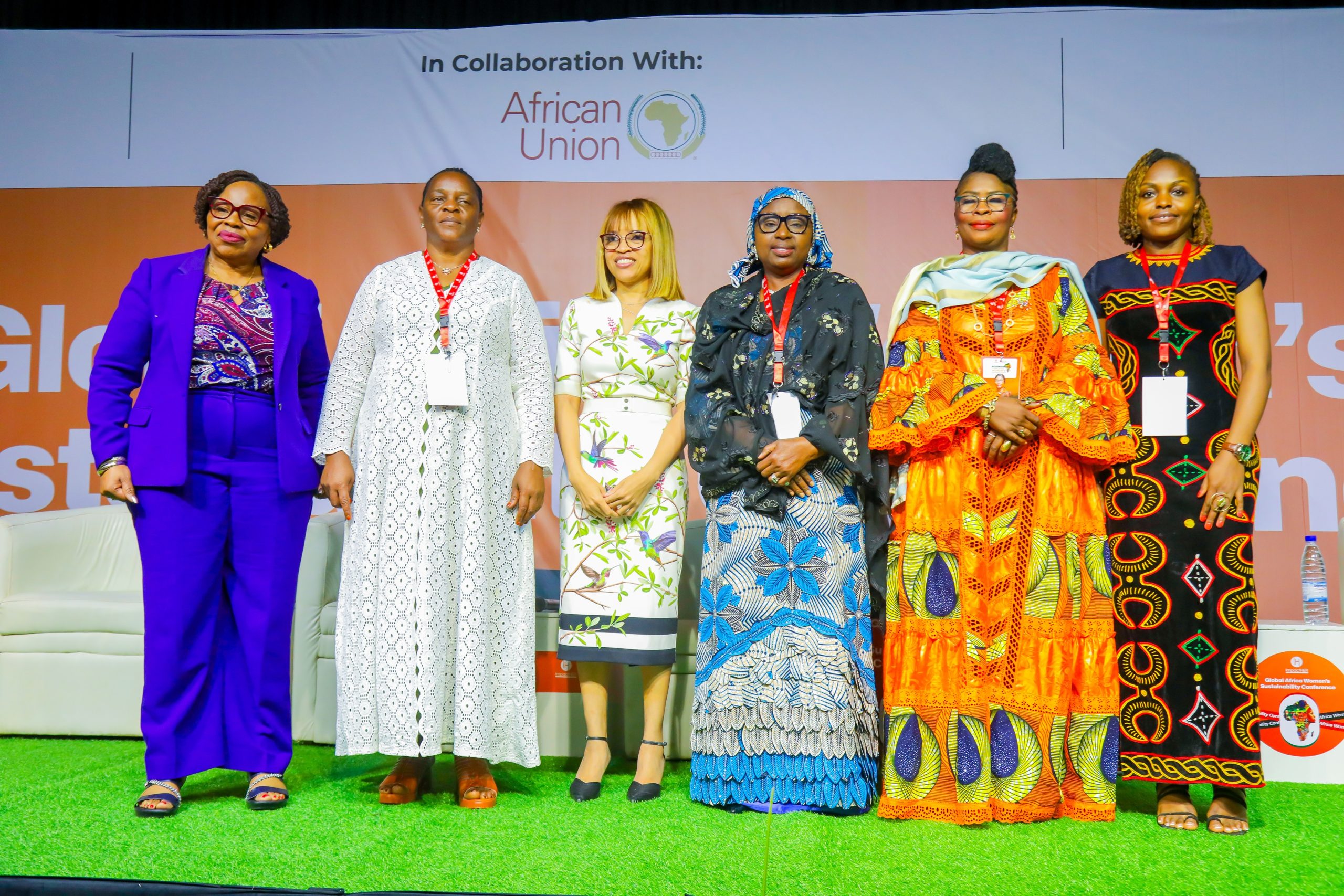
ImpactHER Africa, Africa’s foremost non-governmental organisation dedicated to empowering female business owners has scaled up women-led economic transformation for entrepreneurs across Africa with a momentous gathering of over 5000 female business owners drawn from 58 countries who converged on Abuja to discuss how they can become major players in the 5 trillion global green economy.
The gathering was the 2nd edition of the Global African Women Sustainability Conference with the theme: “Rethink, Reinvest, Regenerate: Women Entrepreneurs As Architects of Global Africa’s Sustainable Future which had in attendance over 10 African ministers, 20 African governments, US mayoral leadership, Latin America government representation, Caribbean government delegations, The African Development Bank, United Nations Conference on Trade and Development and the African Export-Import Bank.
According to Efe Ukala, Founder, ImpactHER Africa, the global green economy is now worth more than 5 trillion dollars a year and is on track to reach 7 trillion by 2030 and it is growing twice as fast as conventional industries. The global African women who already farm regeneratively, build with waste, weave with eco-dyes, and power villages with the sun should be part of the market, not outside it. “Consumers around the world are now willing to pay nearly 10 percent for sustainably produced goods- 10% more. The premium is real and that tells us there is a market. Furthermore, an estimated 70% percent of informal cross-border trade in Africa is conducted by women. This brings us to the question- why are our women stuck in the informal economy?”, she mentioned.
Ukala noted that “Certifications” have posed a barrier to African women’s involvement in global trade. “ The UN Women itself names the barrier: limited capacity to comply with regulatory requirements, with safety standards, with quality standards. Our women have the products. They do not have the paperwork. They have the practice- They do not have the proof. They have the sustainability- they do not have the certificate that lets the world see it. This is the gap the sustainability conference seeks to close. One of the sessions in this conference extensively dealt with “Sustainable Business Foundations” – certifications, standards, and start-up rules. Our women deserve an ISO certification, an export licence and a global buyer for her products”, she explains.
The Ministers from Nigeria, Chad, Uganda, Zimbabwe, Gambia, Sierra Leone, Cote D’Ivoire, Zambia, Gabon, who were active participants in the conference, all pledged to strengthen access to female entrepreneurs in their various countries as they hold the golden torch to Africa’s collective success.
The financial infrastructure company unifies payments, compliance, liquidity, and settlement into a single programmable control plane, processing billions in annualised volume across 16 corridors for 300 plus merchants globally
Passpoint, the financial infrastructure company building the orchestration layer for cross-border financial operations, today announced its formal positioning as the financial orchestration layer for Africa, Europe, and the G20. The announcement marks a defining moment for a company that has spent the past several years building the infrastructure layer that the African and global payment ecosystem has been missing: not another gateway, not another PSP, but the governed control plane that sits above the rails and makes fragmented markets operable as one.
Passpoint today processes millions of dollars in annualised payment volume across more than 300 merchants in 16 corridors spanning Nigeria, Kenya, Tanzania, Uganda, Cameroon, the XOF region, the European Union, the United Kingdom, and the United States. The platform is live, scaled, and used by fintechs, enterprises, gaming operators, remittance providers, marketplaces, and SaaS platforms building and operating across the intersection of African and global payment markets.
The Infrastructure Gap Passpoint Was Built to Close Africa’s payment infrastructure has developed market by market, producing a continent of powerful but fragmented rails. M-Pesa in Kenya. The NIP interbank network in Nigeria. Mobile money operators across francophone West Africa. Electronic Funds Transfer (EFT) system in South Africa. Each rail solves a real problem in its specific market. None of them solve the problem that scaling businesses face when they need to operate across all of them simultaneously, while managing compliance in multiple jurisdictions, FX across multiple currencies, and settlement across multiple time zones.
The businesses attempting to solve this problem through a patchwork of individual provider integrations face a compounding operational burden: engineering teams spending 30 to 50 per cent of their payment-related capacity on maintenance rather than product development, finance teams manually reconciling settlement data across multiple provider dashboards, compliance teams managing separate regulatory frameworks per market, and treasury teams with no unified visibility into liquidity positions across currencies and corridors.
Passpoint was built to replace the patchwork with a single, governed infrastructure layer. A single API integration provides access to every major African payment method alongside G20 rails, with intelligent routing across providers in real time, compliance logic embedded at the transaction layer rather than managed as a parallel manual process, FX management at institutional rates across African and global currency pairs, and unified settlement and reconciliation across all markets and currencies through a single operational interface.
“The payments infrastructure challenge in Africa is not about moving money,” said Kelechi Uchegbulem, Co-founder and CEO of Passpoint. “Every gateway moves money. The challenge is governing it: routing intelligently across fragmented rails, staying compliant across jurisdictions that do not share regulatory frameworks, managing FX exposure across currencies that global providers do not understand deeply enough, and settling predictably across markets that operate on different timescales. We built Passpoint to be the layer that governs all of it. Not a tool you add to your stack. The infrastructure your stack runs on.”
What Passpoint Orchestrates Passpoint’s financial orchestration layer provides six core capabilities through a single integration. Intelligent payment routing selects the optimal path for every transaction at transaction time, based on real-time success rate data, cost, settlement speed, FX efficiency, and compliance status across available providers. Automatic fallback logic executes when primary routing paths fail, before merchants or customers see a failure notification.
Embedded compliance applies jurisdiction-specific regulatory logic, including KYC requirements, AML screening, transaction monitoring, and reporting obligations, automatically at the point of transaction processing. Passpoint holds direct licences from the Central Bank of Nigeria and operates under FINTRAC in Canada, with PSD2-compliant infrastructure across 24 EU countries and the United Kingdom. Multi-currency treasury management provides businesses with real-time visibility into multi-currency balance positions, institutional FX sourcing across African and G20 currency pairs, and control over conversion timing, replacing the passive FX absorption model of standard gateway settlement with active treasury management.
Unified settlement and reconciliation consolidates settlement data across all providers, markets, currencies, and payment methods into a single reporting layer, eliminating the manual reconciliation overhead of managing multiple provider relationships. Real-time operational control gives finance, operations, and technical teams full visibility into payment activity, routing decisions, settlement positions, and compliance status across all markets through a single dashboard and API.
A New Category: Financial Orchestration Passpoint’s announcement is as much a category creation as it is a product announcement. The company is positioning financial orchestration as a distinct infrastructure layer, separate from and above the payment gateway category that has defined African fintech infrastructure for the past decade.
“The businesses building at the frontier of African and global commerce are not asking for a better gateway,” said Adejuwon Oyebanjo, Co-founder and Chief Commercial Officer of Passpoint. “They are asking for control. Control over how their payments are routed. Control over their FX exposure. Control over their compliance posture across multiple regulatory environments. Control over their settlement and their cash position at any given moment. That is what orchestration means in practice: not moving money from A to B, but governing every dimension of the financial operation that sits between A and B. Passpoint gives businesses that control through a single integration, and that changes the economics of operating across African and global markets in ways that individual provider relationships simply cannot.”
The distinction between orchestration and gateway infrastructure has direct commercial implications. Businesses that have made the transition from multi-provider gateway models to Passpoint’s orchestration layer report meaningful improvements across multiple dimensions: higher transaction success rates through intelligent routing and fallback, lower effective FX costs through institutional rate access and conversion timing control, reduced engineering maintenance overhead through consolidated integration, faster market entry through pre-built compliance and rail infrastructure in new corridors, and significantly reduced finance team overhead through unified reconciliation.
Built for Africa. Designed for Global Scale. Passpoint operates at the intersection of two infrastructure realities: the complexity of African payment markets, where fragmentation, regulatory variance, and FX challenges create operational burdens that most global infrastructure was not built to handle, and the standards of global financial systems, where reliability, compliance, and auditability are non-negotiable requirements for enterprise-grade operations. The platform’s corridor coverage spans the highest-priority markets for businesses operating at the African-global intersection. In Africa: Nigeria, Kenya, Tanzania, Uganda, Cameroon, Côte d’Ivoire, Mali, Senegal, Burkina Faso, Togo, Benin, and Guinea. Globally: 24 EU countries, the United Kingdom, and the United States. Each corridor is supported by direct rail access, licensed operational infrastructure, and compliance logic specific to the regulatory environment of that market.
“We are not a European infrastructure company that has added African payment methods to a global platform,” said Uchegbulem. “And we are not an African payment company that has bolted on some international capabilities. We built Passpoint from the ground up for the specific operational reality of businesses that need to work across both worlds simultaneously. That is a different design problem than either of those starting points, and it required a different kind of infrastructure to solve.”
Customer Traction and Market Validation Passpoint’s current merchant base spans the verticals where African and global payment complexity is most acute: fintechs building cross-border payment products, gaming operators collecting deposits and processing withdrawals across African markets, remittance operators running Africa-to-Europe and Africa-to-North America corridors, SaaS platforms collecting subscription revenue from African subscriber bases, marketplaces disbursing to large African seller and worker populations, and enterprises managing cross-border supplier payments across African and global markets.
The platform’s annualised payment volume reflects the scale of the infrastructure problem it is solving: billions of dollars in cross-border financial flows that previously moved through fragmented, manually managed, operationally expensive payment infrastructure, now governed through a single, intelligent, unified control plane.
The African Private Capital Association hosted its sixth Venture Capital (VC) Summit on Monday, kicking off the industry association’s 22nd Annual Conference in Nairobi from 27 – 30 April. AVCA’s annual global gathering brings founders, venture capital investors, corporate venture arms, philanthropic foundations and policymakers together to deepen Africa’s entrepreneurial landscape.
Abi Mustapha-Maduakor, Chief Executive Officer, AVCA, opened the summit by commending the VC industry’s fortitude and ability to execute during tough economic cycles. Abi acknowledged that despite a challenging fundraising environment, “venture-backed exits reached a record high in 2025,” highlighting a pivotal shift in the ecosystem: “The centre of gravity is moving toward local capital, local expertise, and local conviction.”
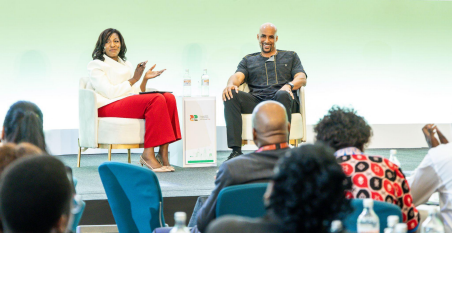
A defining moment of the day was the keynote fireside chat between Boris Kodjoe, Actor, Director, Producer, Investor and Philanthropist, and AVCA CEO Abi Mustapha Maduakor. Boris underscored the role of storytelling in shaping how markets are understood and how capital flows, stating that: “Storytelling is economic architecture – those who control the narrative shape valuation, and perception is what drives investment.”
The summit then turned to the structural questions underpinning venture capital in Africa. During the panel entitled From Hype to Fundamentals: Resetting the African VC Story, panellists, including Tidjane Dème, General Partner, Partech Partners; Sapna Shah, Partner, Novastar Ventures; Fatoumata Bâ, Founder and Executive Chair, Janngo Capital, and Mohamed Eissa, Global Head, Venture Capital and Direct Investments, International Finance Corporation (IFC) exchanged views on whether imported VC models ever fully fit the continent’s realities, reflecting candidly on where expectations diverged from outcomes and assessing what has and has not worked in the market.
Outlining the roadmap for onward growth, veteran VC investor Tidjane Dème, General Partner at Partech Partners, quoted Ido Sum, entrepreneur and Partner at TLcom Capital, saying: “African venture capital isn’t broken – it’s just young.” He added that: “A decade ago, we saw around 30 deals a year; today, that number exceeds 500. We’re still building, and we can’t compare ourselves to a 50-year-old U.S ecosystem just yet. We have time.”
Mohamed Eissa, Global Head, Venture Capital and Direct Investments, International Finance Corporation (IFC), expressed that: “This ecosystem is still very young, but it has grown from about $400 million of annual investment to roughly $4 billion in just over a decade, clear evidence that the capital base is expanding, even if it’s still not enough.”
The summit featured interactive sessions on pathways to exits, with collaboration identified as key to improving liquidity. Industry leaders, including Patricia Rinke, Investment Director, AfricInvest; Ibrahim Sagna, Executive Chairman, Silverbacks Holdings; and Andreata Muforo, Partner, TLcom Capital, outlined the need to look beyond Initial Public Offerings (IPOs) and assessed the role of strategic acquisitions and Mergers and Acquisitions (M&A) as deliberate liquidity strategies.
Building on the sentiments of Boris Kodjoe, who outlined the importance of African diaspora investors participating in the continent’s growth story, Alex Rumanyika, Head, Strategy and Performance, at the National Social Security Fund (NSSF) in Uganda, issued a call to action to African institutional investors to play a more active role in scaling African businesses,
stating: “If we don’t get into this space, it is going to be an existential threat for NSSF and many pension funds. We need to diversify away from overexposure to government assets and into the sectors where jobs are actually being created.”
The VC conference was followed by a dedicated Private Credit Summit introducing leading investors who are expanding the region’s private capital ecosystem with new financing tools, reshaping how the continent competes for global capital. Nathaniel Micklem, Co-Head, Emerging Market Alternative Credit, Ninety One, said, “Private credit is one of the most exciting parts of our asset management platform – but it cannot be built using imported public equity or private-equity instincts. What works in Africa is deploying into stronger, more resilient businesses and sectors, not earlier-stage ventures or smaller SME exposures.”
Walid Cherif, Co-Founder and Managing Partner, BluePeak Private Capital, concluded by saying: “Private credit is especially suited to African markets because companies continue to perform even when exits are hard to achieve. It is an easier conversation today than it was years ago.” He expressed that underwriting must remain thoughtful and selective as managers need to resist pressure to move too fast, because credibility with Limited Partners (LPs) comes from having executed the strategy over time and returned capital, not simply from a compelling market story.
Ibrahim Traoré, the dictator of Burkina Faso, recently declared on state television that “people need to forget about the issue of democracy”, adding: “We have to tell the truth: democracy isn’t for us.” He said that “democracy kills” and invoked Libya as a cautionary tale of bloodshed and instability whenever outsiders attempt to impose the system. “Democracy is slavery”, he concluded.
On this narrow point, Traoré is not entirely wrong.
Democracy, as practised and preached in 2026, harbours serious flaws, which I think are lethal to the conceptual democratic principle.
Democracy does not reliably produce the best leaders. It tends to reward short-term populism, extractive rent-seeking, and tyrannical majoritarian excesses, and is not conceptually geared towards long-term institutional strength and sound policy. Electoral competition can entrench mediocrity or worse, while the promise of the “will of the people” frequently mas\ks the capture of the state by special interests.
Chilean miracle
One need only consider General Augusto Pinochet’s Chile.
The Marxist “democracy” that preceded his 1973 coup had driven the country into economic ruin through hyperinflation, nationalisation, and fiscal recklessness. Pinochet, ruling as a dictator, oversaw the implementation of market-oriented reforms – deregulation, privatisation, fiscal discipline, and openness to investment – that laid the foundations for Chile’s transformation.
Today, long after the return to democracy, Chile remains the most prosperous society in South America, with dramatically reduced poverty and higher living standards than its neighbours. It is difficult to imagine those structural changes surviving the pressures of radical South American democracy.
Democracy, in that instance, had created the conditions for its own near-destruction. Authoritarian intervention, however brutal, created space for recovery.
An apt ad hominem
Traoré is therefore correct to highlight that democracy is no panacea and can, in certain contexts, prove lethal to prosperity and stability. The problem is that Traoré himself – the man – has no business making this argument.
Under his leadership since the September 2022 coup, Burkina Faso has seen the security situation that he used to justify the intervention deteriorate markedly.
Jihadist groups linked to al-Qaeda and Islamic State control large swathes of territory, and reports indicate that government forces and allied militias have themselves been responsible for significant civilian deaths, in some periods exceeding those caused by the insurgents. Over 1,800 civilian fatalities have been documented in incidents involving state actors since Traoré took power, amid a broader escalation of violence that has displaced millions and turned Burkina Faso into one of the epicentres of extremism in the Sahel.
Far from restoring order, the junta has failed to fight off external enemies, has dissolved political opposition, seized assets, and extended the “transition” period indefinitely. This is not the record of a reformer who has earned the right to lecture on democracy’s shortcomings.
Traoré has not cut regulations, welcomed genuine investment, or introduced policies that foster social mobility and private enterprise. Instead, his regime has pursued the familiar post-colonial cocktail of “sovereignty” rhetoric, anti-Western posturing, alliances with Russia, Iran, and North Korea, and a “progressive popular revolution” that prioritises political control over collective prosperity.
Burkina Faso, like much of the region, remains trapped in poverty and instability. Traoré is no Pinochet.
An African tradition
This pattern is depressingly familiar across Africa.
During the struggle against colonialism, the first generation of African leaders routinely invoked the language of self-determination and the popular will.
Kwame Nkrumah of Ghana argued that “freedom is not something that one people can bestow on another as a gift” but is claimed “as their own and none can keep it from them”. He insisted that colonial rule was contrary to the aspirations of the African people.
Julius Nyerere of Tanzania framed the anti-colonial fight as a struggle for human dignity, arguing that “no nation has the right to make decisions for another nation; no people for another people”.
Hastings Banda of Malawi returned from exile declaring he had come “to break their stupid federation and to give you, my people, the Africans of this country, your government and independence”.
Milton Obote in Uganda rallied people around “Self Government Now; One Man One Vote.”
Colonialism was illegitimate because it defied the will of the people. Africans must be allowed to determine their own destiny.
Yet once in power, the same leaders showed little interest in testing or respecting that will.
Nkrumah established a one-party state and declared himself president for life. Nyerere defended single-party “democracy” as more authentically African than Western multi-party systems. Banda ruled as “dictator by consent” under a personality cult. Obote centralised power before being ousted by Idi Amin, whose own brutal regime harboured little democratic pretence.
One can thus rightly ask: But why not then colonialism? Countering with “will of the people” or “self-determination”, under these circumstances, is a nonstarter.
The hypocrisy is astounding.
Anti-colonial rhetoric rested on the principle that imposed rule was unjust precisely because it ignored the people’s desires. Once independence was secured, those desires were sidelined in favour of socialism and other forms of terroristic central control: banning the opposition and equating dissent with treason or “neo-colonialism”.
The result was perfectly foreseeable.
Tanzania’s ujamaa experiments, Malawi’s long stasis under Banda, Uganda’s turmoil: these countries did not become beacons of prosperity under “benevolent dictatorship”. Ghana has shown some improvement in recent decades through more market-friendly turns, but it hardly stands as a dazzling counter-example to the broader post-independence failure.
In truth, the rhetoric of self-determination served only as effective public relations rather than a consistent principle.
It was a tool to eject colonial powers that were benevolent by comparison, and then install local tyrants. Once that authority was consolidated, the “will of the people” became secondary to the ruler’s vision. Colonialism was replaced not by genuine popular sovereignty but by a different flavour of top-down control. There was no categorical difference: it was less about liberation than about who (not as a collective, but as a personality) would wield power.
South Africa
This brings us to the deeper question of benevolent dictatorship.
Recent Afrobarometer surveys reveal a growing impatience with democracy in South Africa itself. In the 2025 survey, support for military rule rose sharply from 28% in 2022 to 49%, while fewer than half of South Africans now actively endorse democracy as the best form of government.
Dissatisfaction with how democracy actually functions stands at around 70%, highest among the poor and unemployed. Many citizens, weary of elections that fail to deliver jobs, safety, or basic services, are increasingly open to the idea of a “strong hand” – provided it fixes what the ballot box has not.
This echoes the 2022 findings where a notable share of South Africans said they would accept living under a dictatorship if basic rights were respected and the country’s problems were actually solved.
The pretence of democracy, it seems, is wearing thin even in the world’s “miracle democracy”.
Democratic gaslighting
If there is one insight worth salvaging from Traoré’s blunt rejection of democracy, it is this: democracy is not the be-all and end-all of good governance. Placing blind faith in it blinds us to how power actually functions in practice.
In South Africa, a supposedly democratic government imposed one of the world’s harshest Covid lockdowns – not to mention years of loadshedding – with minimal parliamentary scrutiny and zero popular consent, citing disaster powers. When challenged, the response was simple: “It’s an emergency.”
Yet when confronted with a genuine, chronic crisis – mass unemployment baked into the economy by rigid labour laws, restrictive regulations, and policy uncertainty – the same government suddenly discovers the limits of its “democratic mandate”. Repealing those laws, which would expand opportunity and mobility, is off the table because “we don’t have democratic approval for that”.
Democracy, in the wrong hands – by nature, the most common type of hands – becomes a convenient tool of gaslighting: extraordinary powers for what rulers want to do, procedural paralysis for what they do not.
South Africans are thus right to become more critical of democracy’s paper-thin claims. The loadshedding and lockdown years exposed how easily elected governments can evade accountability while ordinary people suffer.
“Choosing” a benevolent dictator
But disillusionment should not drive us into the arms of dictatorship.
Every dictator and his entourage believes that he is of the benevolent variety. Traoré presents his rule as a necessary revolution for sovereignty and survival. Others have cast themselves as “fathers of the nation”.
As I have written before, benevolent dictatorship is not an easy egg to unscramble. “Benevolent dictatorship” is not an item one can simply order from the menu of governance options tailored to your preferences.
In fact, the very act of yearning for a “benevolent” strongman – of imagining you can choose when a dictatorship should come about and that it should be beneficial – is itself a democratic impulse, an attempt to steer power through public sentiment.
In reality, dictatorship arrives on its own terms, driven by the incentives of the ruler and his inner circle, not by your wish list for reform. One cannot “choose” benevolence in advance. What emerges is whatever agenda the dictator and his cabal pursue once power is secured: often expansion of control, suppression of rivals, and policies that entrench poverty rather than alleviate it.
Rare exceptions like Pinochet’s Chile (or, in different contexts, Lee Kuan Yew’s Singapore or Paul Kagame’s Rwanda) succeeded because they absolutely went against the grain of dictatorial government, by implementing policies that limited arbitrary state power, encouraged investment, and allowed markets to function. This is precisely the opposite of the statist, anti-market instincts that have dominated much of African governance since independence. These cases were anomalies that can only be appreciated with hindsight, and even they came with heavy human costs.
Most dictatorships deliver repression and economic failure, not enlightened reform.
Neither democracy nor dictatorship – but constitutionalism
We should therefore take Traoré’s critique seriously enough to drop the cult of democracy, but reject his solution. Democracy has its pathologies – it can enable tyranny through the ballot box, reward demagogues, and frustrate necessary but unpopular reforms.
I do not worship at the altar of democracy – its flaws are real and growing. But arguing for dictatorship as the solution is fraught with much greater peril. In Africa especially, where institutional weakness and social distrust are the norm, the call for a strongman too often becomes a licence for predation.
The lesson is not to abandon all restraint in pursuit of an idealised dictator, but to recognise that sustainable progress requires institutional guardrails that neither pure democracy nor unchecked authoritarianism reliably provides.
What matters far more than majoritarian approval or the whims of a strongman are deeper principles: constitutionalism that actually constrains power, limited government that prevents arbitrary rule, federalism and property rights that disperse authority, and a steadfast insistence on the freedom and well-being of the individual over both what the majority happens to believe at any moment and what political elites claim to know best.
Institutions of governance must contain mechanisms that both allow bad leaders to be removed peacefully, and uninformed majorities to be ignored sustainably. These guardrails offer a more reliable path than either the illusions of unchecked democracy or the false promise of enlightened tyranny.
…A fair energy transition for Africa will not be decided by how quickly we install solar panels or sign climate commitments
by Sola Adebawo
Africa’s energy challenge is not a shortage of resources. It is a shortage of governance that works.
The continent holds some of the world’s richest solar potential, vast wind corridors, major gas reserves, hydropower capacity, and critical minerals. Yet Africa still consumes less electricity per capita than in almost any other region. Millions of homes remain unconnected. Industries depend on diesel. Hospitals ration power.
Geology cannot explain this contradiction; only institutions can.
A fair energy transition for Africa will not be decided by how quickly we install solar panels or sign climate commitments. It will be decided by whether our governance systems can convert resources into reliable power, affordable access, and inclusive growth.
Governance is what determines whether projects reach completion or remain abandoned; whether contracts are honoured or disputed; whether investors stay or leave; and whether communities benefit or feel excluded.
Africa is not transitioning from abundance. We are transitioning from scarcity. In that reality, a fair transition must first deliver access, affordability, and reliability. Climate responsibility matters, but development responsibility matters just as much.
This is why good governance sits at the centre of Africa’s energy future.
Good governance doesn’t replace capital. It attracts it. It doesn’t generate power. It enables power generation to survive politics, currency shocks, and institutional uncertainty.
Across the continent, the evidence is clear. Where regulation is predictable, projects move. Where procurement is transparent, financing costs fall. Where institutions are independent, investor confidence grows. Kenya’s clean energy progress, Senegal’s improving power sector credibility, and Uganda’s hydropower expansion came from institutional discipline, not ideology.
Namibia’s energy story is similar: where governance is steady, projects advance. With clear regulation and credible institutions, Namibia has built investor confidence in solar and wind, positioning itself as a disciplined player in Southern Africa’s clean energy transition.
Public budgets alone will never fund Africa’s energy transition. Private capital is essential and urgent.
But capital responds only to credibility. If policies change midstream, money flees immediately.
When politics overrides contracts, confidence collapses. Governance is a matter of economic survival.
A just transition also demands honest balance. Africa’s energy transition cannot precede prosperity; hydrocarbons remain essential until it is secured. Natural gas remains a vital transition fuel. When properly governed, oil and gas revenues can fund renewable energy deployment, grid expansion, education, and healthcare.
The fairness of the transition is determined less by resource choice than by how revenues are managed and reinvested.
A just transition is one where:
Renewables expand access.
Gas stabilises grids.
Oil revenues fund diversification.
Local capacity is built.
Communities see lasting benefit.
Fairness is not speed. Fairness is inclusion.
Africa must not be asked to leapfrog over development stages that others climbed slowly, using the same resources we are now told to abandon. The transition must respect history while preparing for the future.
Governance goes beyond systems. It is about leadership. Leadership that protects institutions, resists short-term politics, and understands that energy is the backbone of national survival.
Africa’s energy wealth is real. But wealth becomes prosperity only when governance converts it into an opportunity for ordinary people.
Our sun will not develop us. Our gas will not industrialise us by accident.
Our wind will not educate our children.
Only governance, focused on fairness and development, can achieve this transformation.
Africa does not reject transition, but insists on one with justice, made possible by good governance.
We reject transition without justice.
And good governance is what makes a just transition possible.
Sola Adebawo is the General Manager – Government, Joint Venture and External Relations, Heritage Operational Services Limited
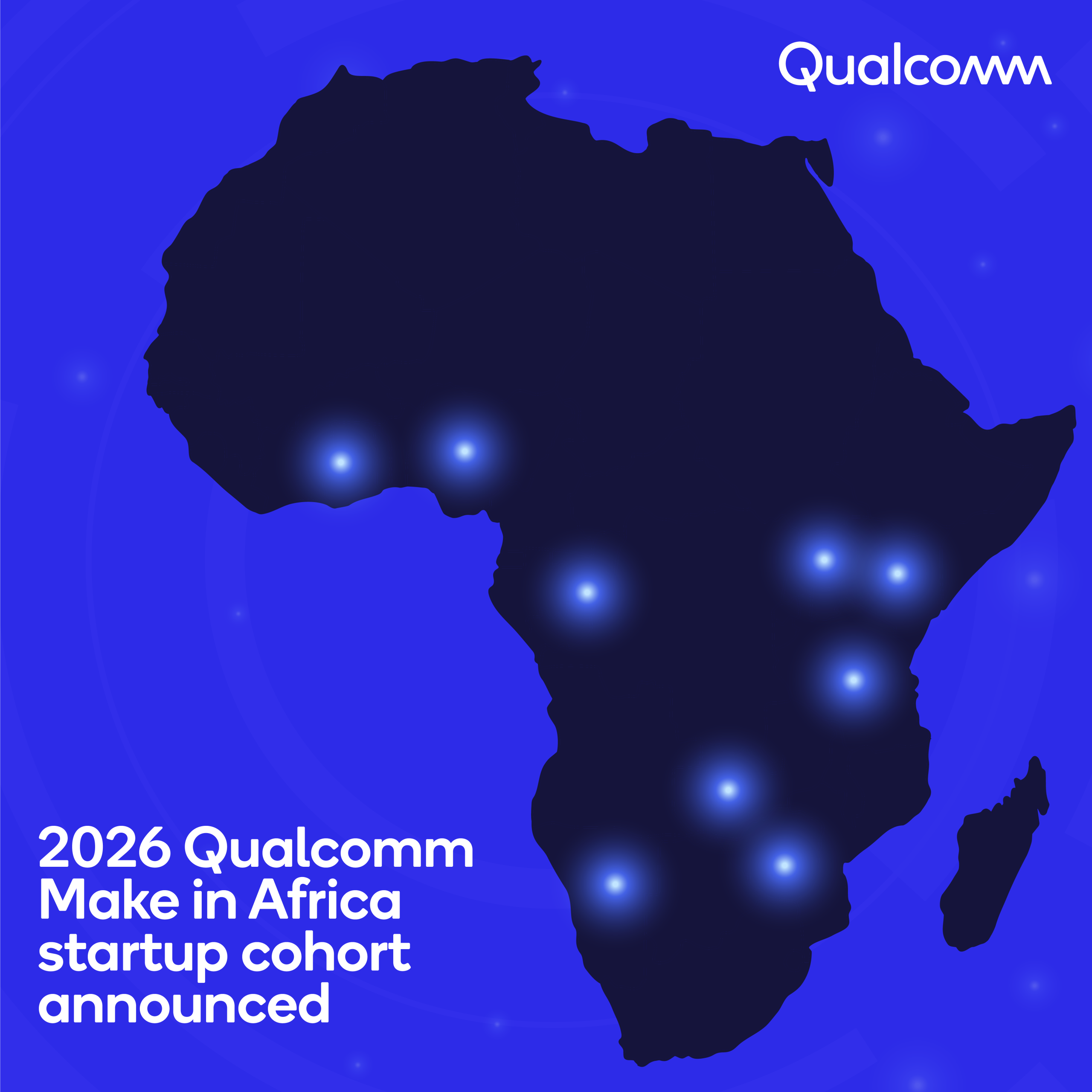
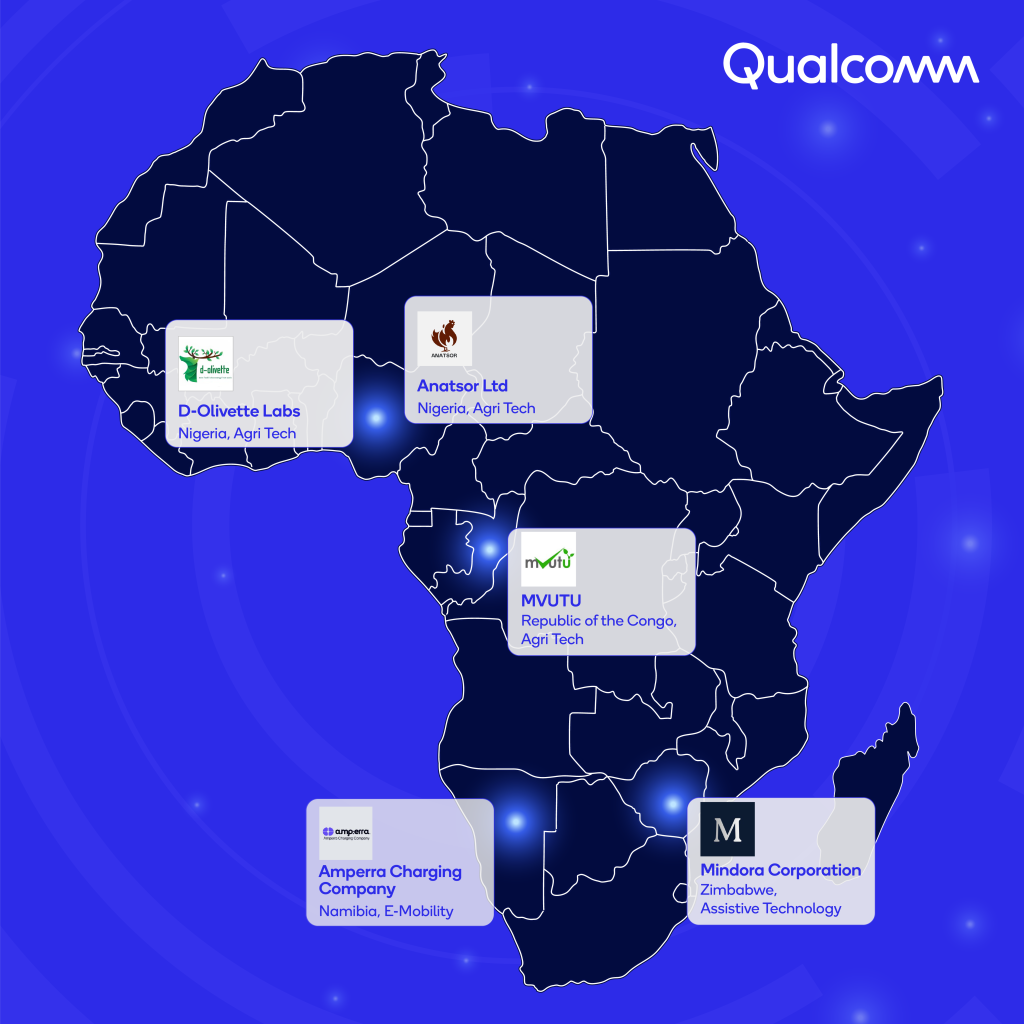
Two Nigerian companies, Anatsor Ltd and D-Olivette Labs have been shortlisted for the Qualcomm Make in Africa 2026 cohort. They were announced alongside other African companies earlier today.
In a statement released by Qualcomms Incorporated, 10 startups were selected to participate in the fourth year of the Qualcomm® Make in Africa Mentorship Program. This initiative is part of the Qualcomm Africa Innovation Platform, which supports the development of Africa’s deep-technology ecosystem. It provides mentorship and training programs, with a focus on advanced connectivity and processing technologies such as Edge AI/ML, compute, IoT, and Qualcomm’s AI development platform from Arduino.
Highlights:
At the program’s Finale, one startup will be awarded a Social Impact Fund grant from Qualcomm for Good.
All participating startups will be eligible for a $5,000 stipend upon successful completion of program requirements.
Qualcomm provides the startups with a variety of resources such as product design guidance on Arduino AI platforms, business coaching, access to engineering consultation, and free IP education such as L2Pro Africa.
For this year’s edition of the one-of-a-kind equity-free African mentorship program, 10 early-stage startups were chosen from a record number of over 1,200 applications from over 45 African countries, based on their ability to apply advanced connectivity and processing technologies to innovative end-to-end systems solutions. The industries represented by the startups include agriculture, assistive technology, smart cities and utilities, smart infrastructure, EV transportation, and education.
The 2026 cohort includes the following startups (listed in alphabetical order):
Amperra Charging Company (Namibia): AI‑driven, grid‑adaptive smart EV charging platform designed to enable scalable electric mobility across Africa
Anatsor Ltd (Nigeria): Integrated digital poultry management system that improves productivity, health tracking, and farm efficiency
D-Olivette Labs (Nigeria): Bio‑intelligence platform delivering data‑driven insights for sustainable and efficient agricultural production
Mindora Corporation (Zimbabwe): Braille keyboard solution that improves digital accessibility for visually impaired users
MVUTU (Republic of the Congo): Solar‑powered IoT cold storage solution that reduces post‑harvest losses for smallholder farmers
QualiKeeper Investments Ltd (Zambia): Affordable AIoT livestock monitoring system designed for low‑connectivity rural environments
SafeSip (Tanzania): Smart water access and monitoring solution that ensures safe, reliable drinking water in urban and peri‑urban areas
Sesi Technologies Ltd (Ghana): AI‑powered field device that enables early cocoa quality assessment and transparent supply chains
TWave Ltd (Uganda): Automated, solar‑powered fish feeding system that optimizes aquaculture productivity
Zerobionic (Kenya): Assistive robotics solutions designed to enhance inclusion and independence for persons with disabilities
“This year’s startups’ achievements are a powerful testament to Africa’s flourishing innovation ecosystem,” said Wassim Chourbaji, President, Middle East and Africa, and Senior Vice President, Government Affairs, Europe, Middle East and Africa at Qualcomm. “Four years into Qualcomm Make in Africa, what stands out is not only the growing number of applications we receive, but the increasing sophistication of the solutions being built. These startups are pushing the boundaries of what technologies such as Edge AI and 5G can enable, and how they can be deployed at scale across the continent. Qualcomm is proud to support and help guide this next wave of African high-tech innovation, from early design and product development to real-world commercialization, and I look forward to seeing where these startups go next.”
Participants will receive free edge-AI capable platforms from Arduino, alongside 1:1 technical mentorship and business coaching. “Arduino® UNO™ Q and the upcoming Arduino® VENTUNO™ Q give the 2026 Qualcomm Make in Africa cohort a fast path from idea to intelligent machine,” said Fabio Violante, Vice President and General Manager of Arduino, Qualcomm Technologies Inc. “By bringing perception, decision-making, and actuation onto a single, affordable board, founders can prototype and deploy edge‑AI solutions directly where challenges exist — in farms, clinics, factories, and cities.”
They will also access engineering consultations for product development and guidance on protecting intellectual property. This includes patent filing consultation from Adams & Adams, Africa’s leading IP law firm, and free IP courses through L2Pro Africa – an IP e-learning platform designed to empower startups, SMEs, and researchers in Africa to protect, secure, and maximize their innovations.
At the end of the mentorship cycle, startups will be eligible for the Social Impact Fund through Qualcomm for Good, supporting societal and market impact through wireless technology. All participants will also receive a $5,000 stipend upon successful program completion. Finally, those who file patents during the program can claim up to $5,000 in filing fee reimbursements.
Reflecting the program’s relevance across the continent, the African Telecommunications Union (ATU) returns as a partner for the fourth consecutive year. “The ATU’s key mandate is to ensure that Africa’s telecommunications ecosystem serves Africa’s people. Qualcomm Make in Africa embodies that same principle by putting cutting-edge technology directly in the hands of African innovators to solve African challenges. Having seen firsthand the quality of the startups this program produces, returning as a partner in 2026 was not a question of if, but of how we could deepen our contribution. We look forward to seeing this cohort carry that work forward,” said Secretary General, John Omo.
A groundbreaking international study led by Nigerian geneticist, Dr. Adeniyi Charles Adeola has solved a millennia-old biological mystery, revealing that Africa’s resilient indigenous pigs are not local in origin but are descendants of ancient travelers from the Iberian Peninsula (modern-day Spain and Portugal).
The research, titled “Integrated mitogenome and Y chromosome analysis untangles the complex origin of African pigs,” was recently published in the prestigious journal iScience. The findings rewrite the history of African agriculture, suggesting that the continent was integrated into global maritime and land-based trade networks far earlier than previously understood.
African indigenous pigs are often described as the “tough guys” of the livestock world. Raised primarily by smallholder farmers in Sub-Saharan Africa, these animals possess an extraordinary ability to survive on poor-quality forage, endure harsh tropical climates, and resist devastating local diseases, including the African Swine Fever Virus (ASFV).
Despite their importance to food security and rural livelihoods, the origins of these 49 recognized breeds remained shrouded in confusion. Previous theories suggesting they descended from North African wild boars were debunked when genetic markers failed to align.
To crack the code, Dr. Adeola—an evolutionary and conservation geneticist with appointments at the Kunming Institute of Zoology in China and Bayero University, Kano, led a team that performed “genetic archaeology” on pigs across Benin, Cameroon, The Gambia, Nigeria, Tanzania, and Uganda. By analyzing mitochondrial DNA (maternal) and Y-chromosome (paternal) sequences, the team traced a lineage known as sub-haplogroup E2.
The DNA analysis revealed a stunning three-part historical narrative of migration and adaptation:
Act I: The Arrival (5,250 Years Ago): A founder population of domestic pigs arrived in West Africa from the Iberian Peninsula. Dr. Adeola suggests these animals were brought by ancient maritime traders, fundamentally transforming local food systems over five millennia ago.
Act II: The Great Eastern Trek (1,980 Years Ago): After thousands of years of stability in the West, a group of these pigs migrated eastward overland. This movement mirrors broader patterns of human settlement across the continent, eventually populating what is now Eastern Africa.
Act III: The Modern Expansion (500 Years Ago): In the last five centuries, the population underwent a rapid boom. This period also saw the introduction of Asian pig genetics and limited interbreeding with wild boars, resulting in the highly adaptable “super pigs” found today.
“We’re not just tracing pigs; we’re tracing people,” Dr. Adeola explained. “Their journey is our journey, written in the genome. It’s a powerful reminder of how deeply our histories are intertwined with the animals we live alongside.”
The study suggests that pigs serve as a living archive of human innovation. The fact that these animals survived a 5,000-year journey across varied landscapes is a testament to the sophisticated trade and migratory networks managed by ancient African civilizations.
The discovery comes at a critical time. Currently, over half of Africa’s indigenous pig breeds have an uncertain conservation status, and 5% are already endangered. Modernization, climate change, and the influx of imported commercial breeds threaten to wipe out these unique genetic lineages.
Dr. Adeola emphasized that mapping these genomes is essential for food security. By identifying the genes responsible for disease resistance and climate resilience, scientists can develop better strategies for sustainable farming.
“These animals are part of our heritage,” Dr. Adeola concluded. “By preserving their genetic diversity, we ensure that future generations of farmers have livestock capable of surviving an increasingly unpredictable environment.”
…Innovative Peace Renewable Energy Certificate (P-REC) Aggregation facility to unlock new hard-currency revenue for mini-grids, targeting 856,000 people across 14 frontier countries
The African Development Bank Group’s Board of Directors has approved a $5.65 million reimbursable grant from the Sustainable Energy Fund for Africa (SEFA) to pilot the Peace Renewable Energy Certificate (P-REC) Aggregation Facility, a pioneering initiative that will, for the first time, deploy renewable energy certificates as a direct funding instrument for a portfolio of mini-grids across Africa’s most fragile and energy-poor countries.
Co-financed with the Nordic Development Fund, which committed an equivalent of $5.65 million, the $11.3 million facility will be managed by Camco Clean Energy, a climate and impact fund manager, and Energy Peace Partners, a US-registered non-profit that developed the Peace Renewable Energy Certificate label. The certificates come exclusively from small-scale mini-grid projects in conflict-affected and energy-poor communities, and are voluntarily purchased by multinationals looking to put their corporate sustainability spending where it drives the greatest social and environmental impact.
The facility will enter into long-term purchase agreements with qualifying mini-grid developers across 14 frontier countries—Burundi, Central African Republic, Chad, the Democratic Republic of Congo, Ethiopia, Liberia, Mali, Niger, Nigeria, Sierra Leone, Somalia, South Sudan, Sudan, and Uganda. It will provide developers with upfront cash payments in exchange for the rights to the certificates produced by the project. The facility will subsequently sell those certificates to global corporate buyers, channelling hard currency back to developers in markets where commercial financing is very limited.
Some 856,000 people across these 14 countries are expected to gain first-time access to reliable electricity as a result, roughly half of them women, through approximately 240,000 new connections and 71 megawatts of new renewable energy capacity.
The project is fully aligned with Mission 300, the joint African Development Bank and World Bank initiative to connect 300 million Africans to electricity by 2030. NDF is contributing to the ambitious energy access targets of Mission 300 through their sizable renewable energy portfolio and as a member of the Development Partner Coordination Group.
“Lack of access to capital for rural electrification continues to be a major hurdle for universal energy access in the African continent, particularly in countries experiencing conflicts and fragility. I am proud that SEFA is backing this innovative, first-of-a-kind facility testing a new climate finance product capable of unlocking new sources of commercial funding for private sector led mini-grids. This is the kind of market-making needed to advance Mission 300 objectives.” João Duarte Cunha, Manager, Renewable Energy Funds Division and Sustainable Energy Fund for Africa, African Development Bank Group
“Countries in Sub‑Saharan Africa facing fragile and conflict‑affected situations urgently need support and access to clean, reliable energy solutions. At NDF, we are proud to contribute to the Innovative Peace Renewable Energy Certificate (P‑REC) Aggregation Facility, which helps bring small‑scale, off‑grid renewable energy to communities with no, limited or disrupted energy access. By supporting this initiative, we also strengthen the role of Nordic climate leadership—working in partnership, through innovation and responsibility, to advance sustainable energy solutions where they are needed most.” Satu Santala, Managing Director, Nordic Development Fund (NDF)
“PAF will provide additional low-cost, non-dilutive capital to energy access projects in fragile states. In doing so, it will provide more communities with access to the benefits of clean energy, boosting jobs, opportunities, and living standards. Camco is pleased to be working with EPP, SEFA and NDF on this important initiative.” Geoff Sinclair, CEO, Camco
“The majority of people on the continent without access to electricity live in fragile and conflict-affected countries where renewable energy projects can have outsize impacts – improving health, education, safety and security outcomes. The P-REC Aggregation Facility, based on EPP’s Peace-REC label, can accelerate that transition by converting corporate climate ambition into upfront capital for renewable energy developers who would otherwise struggle to close their projects.” Sherwin Das, Managing Director, Energy Peace Partners
…With Brent crude escalating above $100 per barrel in March and diesel costs spiraling, coal is re-entering the conversation as a domestic, financeable power solution for small businesses under pressure
Africa continues to face significant implications from the ongoing Gulf war, with Brent prices fluctuating from $81 per barrel on March 3 to $112 on March 12 and back down to $98 on March 25. But rising crude prices pose challenges beyond imports, with African economies that rely heavily on diesel-fired power generation now facing both unreliable supplies and higher fuel costs. This challenge is most felt by small to medium-sized enterprises (SME), which now face a punishing rise in power costs at a time when margins are already under pressure.
In this environment, coal-fired power generation deserves renewed attention. With reserves estimated in the hundreds of billions of tons, Africa’s coal market stands to offer the fiscal relief many African SMEs require. As geopolitical tensions continue to mount across the Gulf and prices face even greater fluctuation in the near-term, the question is no longer whether coal-fired power generation is politically fashionable, but how African economies can utilize the resource to stabilize power costs, preserve foreign exchange and support business continuity.
Escalating Fuel Prices Pose Significant Challenge for African SMEs
Prices at the pump have escalated in recent weeks, leaving diesel-reliant businesses faced with even greater fiscal pressure. This comes as diesel generation has become a default for many SMEs operating across Africa, owing to unreliable grid infrastructure. Even the continent’s biggest economy South Africa has seen businesses move to diesel as constrained grid capacity and loadshedding impacts power access. Supply disruption at the Strait of Hormuz and escalating crude prices have placed further strain on the fuels so many African SMEs rely on.
Nigerian fuel prices have reached upwards of ₦1,000 per liter in March 2026, due to price hikes by the Dangote Refinery and fluctuations in international markets. This represents a 39.5% increase since February, the second highest increase globally. Zimbabwean fuel prices have surged to record highs, with diesel averaging $2.18 per liter and petrol also exceeding $2 per liter. The country currently features the highest fuel prices across all SADC nations. Botswana also faces potential fuel price increases, while Ugandan fuel prices continue to experience volatility, with prices varying by location and supplier.
Why Coal Matters for SME Competitiveness
Coal offers the lifeline so many African SMEs need. Countries such as Nigeria, Zimbabwe, Botswana and Uganda all possess significant coal reserves and the shift to coal-fired power generation can not only help reduce the dependence on imported fuels but create a more predictable electricity cost structure for local businesses. Nigeria holds 9.8 billion cubic meters (bcm) of coal reserves, Zimbabwe is home to 502 million cubic meters (mcm), Botswana has 1.6 bcm and Uganda possesses 800 mcm.
For African SMEs, affordable and reliable electricity is often the difference between expansion and stagnation. Coal-fired power can offer a lower-cost alternative that supports manufacturing and commercial growth. It also opens the door to more bankable long-term planning, while offering stability during times of global supply shocks. With many African countries already integrating coal within their broader energy systems, scaling up generation and distribution could directly impact sovereign resilience.
“When African businesses are being crushed by imported fuel costs, using domestic coal to keep factories running and SMEs alive is not a step backward – it is a rational act of economic self-defense,” states NJ Ayuk, Executive Chairman, African Energy Chamber.
AEW 2026 Puts Coal Back into the Conversation
This is precisely why African Energy Week (AEW): Invest in African Energies 2026 remains such an important platform. Over the past several years, the event has hosted discussions around coal, including the application of clean coal technologies and the role of coal in broader power generation strategies. At a time when energy security, industrialization and affordability are moving back to the center of policymaking, those conversations are becoming more urgent.
Rather than approaching coal through an ideological lens, AEW 2026 provides a venue to examine where and how it can fit into Africa’s power mix in practical terms. That includes discussions around cleaner technologies, efficiency gains, financing models and the role coal can play in supporting productive sectors that cannot function on intermittent or high-cost power alone. AEW 2026 returns to Cape Town from October 12-16, 2026.
…Kaspersky Expert Training is used by numerous organisations and academic institutions to advance their skills in battling against cybercrime
As part of a joint initiative with AFRIPOL, Kaspersky provided cybersecurity training courses for law enforcement representatives from 23 African countries, unfolding the fundamentals of Security Operations Center (SOC) activities and advanced threat hunting techniques.
As cyber threats continue to grow in scale and complexity, strengthening law enforcement agencies’ technical capabilities has become a global priority. Through knowledge-sharing programmes, technology companies can contribute practical expertise gained from real-world cyber investigations and threat analysis. Such collaboration helps equip law enforcement professionals with the skills and tools needed to investigate digital crimes more effectively and strengthen cybersecurity capabilities.
From November 2025 to March 2026, around 40 African officers from 23 countries* received “Security Operations and Threat Hunting” training, provided as part of the cooperation agreement between Kaspersky and AFRIPOL signed in 2024. These countries include Algeria, Benin, Cameroon, Comoros, Eswatini, Ethiopia, Gabon, Gambia, Ghana and Kenya. Others are Liberia, Libya, Malawi, Mali, Mozambique, Namibia, Nigeria, Rwanda, South Africa, South Sudan, Uganda, Zambia, and Zimbabwe.
During the training, African officers gained practical knowledge of Security Operations Center (SOC) activities and modern cyber-defence practices. The programme covered key aspects of threat detection and incident investigation, including how to identify malicious activity in Windows and Linux environments, analyse attacker tactics, techniques and procedures (TTPs) and use threat intelligence to uncover advanced threats.
As part of the training, a series of online Q&A sessions were organised, providing participants with the opportunity to engage directly with experts and course authors from Kaspersky’s Security Services team. These sessions allowed attendees to clarify complex topics, discuss practical cases and receive additional insights, reinforcing the learning experience and ensuring a deeper understanding of key cybersecurity concepts.
“Cybercrime today is highly sophisticated, borderless and constantly evolving, which means no single organisation can tackle it alone. This is why cooperation and knowledge sharing between the private cybersecurity sector and law enforcement agencies are so critical. Our long-standing collaboration with AFRIPOL demonstrates the value of this approach. Over the years, Kaspersky and AFRIPOL have worked together to better understand the cyberthreat landscape across Africa and to support international efforts aimed at disrupting cybercrime. By continuing to invest in training and capacity building, we aim to support law enforcement professionals with the expertise they need to investigate digital crimes effectively and contribute to building a safer and more trusted digital environment for everyone,” says Yuliya Shlychkova, Vice President, Public Affairs, at Kaspersky.
“Strengthening the capabilities of law enforcement agencies is essential to effectively address the growing complexity of cybercrime across the African continent. Initiatives such as this training programme play an important role in equipping officers with the practical skills needed to investigate cyber incidents, analyse digital evidence and respond to emerging threats. Cooperation with partners from the private cybersecurity sector, such as Kaspersky, helps law enforcement agencies stay informed about the latest threat trends and investigative approaches. We highly value this collaboration and the opportunity it creates to further develop the cybercrime response capabilities of AFRIPOL member countries,” says Dr Mohammed Benaired, Head, Training and Capacity Building Division at AFRIPOL.
In 2024, to further enhance global efforts to combat cyber offenses, Kaspersky and AFRIPOL signed (http://apo-opa.co/4taXNTz) a cooperation agreement in preventing and fighting cybercrime. Covering a period of five years, the document formalises and facilitates cooperation between the company and the law enforcement agency in sharing threat intelligence data on the latest cybercriminal activities and entails the provision of assistance and know-how in information security analysis.
Kaspersky Expert Training is used by numerous organisations and academic institutions to advance their skills in battling against cybercrime. Since the inception of this online training programme, Kaspersky experts have trained more than 3,000 specialists from 50 countries around the world. Providing their expertise with 12 educational courses, they share their insights on advanced tactics and strategies in Reverse Engineering, Threat Hunting, Incident Response and more – each divided by the level of students’ experience. Learn more here https://apo-opa.co/4bugdIL.
…Nigeria, Gabon, The Gambia, Guinea, Guinea Bissau retained on the list
The United States of America has expanded its visa bond program to apply to a total of 50 countries on April 2 and will require foreign nationals from these countries to post a bond of $15,000 before receiving B1 or B2 visas for business and tourism in the United States. The bond will be returned to visa recipients who return home in compliance with the terms of the visa and the bond or does not travel.
Preventing Illegal Visa Overstays: The visa bond program has already proven effective at drastically reducing the number of visa recipients who overstay their visas and illegally remain in the United States.
Nearly 1,000 foreigners have been issued visas under the program, and 97% of bonded travelers have returned home from the United States on time.
By contrast, in Biden’s last year in office, more than 44,000 visitors from the 50 current Visa Bonds countries overstayed.
The State Department’s April 2 action will apply the visa bond policy to 12 additional nations.
The Department may continue to place Visa Bonds on countries based on a range of immigration risk factors.
Saving Taxpayer Dollars: The expanded visa bond program saves the American taxpayer hundreds of millions of dollars every year.
It costs the U.S. taxpayer over $18,000 on average to remove an alien illegally present in the United States.
The Department of State is saving U.S. taxpayers up to $800 million per year that would otherwise be required to remove these aliens who overstay.
Nations Included in the Visa Bond Program:
The new countries included in the visa bond program are Cambodia, Ethiopia, Georgia, Grenada, Lesotho, Mauritius, Mongolia, Mozambique, Nicaragua, Papua New Guinea, Seychelles, and Tunisia.
These countries join 38 nations that are already included in the visa bond program. Those countries are Algeria, Angola, Antigua and Barbuda, Bangladesh, Benin, Bhutan, Botswana, Burundi, Cabo Verde, Central African Republic, Cote d’Ivoire, Cuba, Djibouti, Dominica, Fiji, Gabon, The Gambia, Guinea, Guinea Bissau, Kyrgyzstan, Malawi, Mauritania, Namibia, Nepal, Nigeria, Sao Tome and Principe, Senegal, Tajikistan, Tanzania, Togo, Tonga, Turkmenistan, Tuvalu, Uganda, Vanuatu, Venezuela, Zambia, and Zimbabwe.
…By collaborating with JA Africa, Delta contributes to building a scalable pipeline of confident, skilled young women prepared to lead in their communities and industries
Delta Air Lines, in partnership with Junior Achievement (JA) Africa has successfully graduated 61 high-potential African girls from the 2026 LEAD Camp, formally inducting them into the 10 Million African Girls (10MAG) community, a long-term leadership and opportunity platform advancing young women across Africa.
Held in Accra from March 2–8 in recognition of this year’s International Women’s Day (IWD) theme “Give to Gain,” the 2026 camp convened 61 participants from Eswatini, Ghana, Nigeria, Mauritius, Rwanda, South Africa, Uganda, and Zambia. The initiative reflects Delta and JA Africa’s longstanding commitment to expanding access to leadership development, economic participation, and cross-border exposure for emerging female leaders.
The LEAD Camp exemplifies Delta Air Lines’ investment in community partnerships that drive educational access and workforce readiness across its international markets. By collaborating with JA Africa, Delta contributes to building a scalable pipeline of confident, skilled young women prepared to lead in their communities and industries.
“Sustainable progress begins with access — access to knowledge, networks, and opportunity. Our partnership with JA Africa transcends traditional training; it establishes a structured pathway that allows young African women to engage meaningfully in the global economy. Inducting this year’s cohort into 10MAG reflects our long-term commitment to expanding opportunity across the continent.” indicated Ed Bastian, Chief Executive Officer of Delta Air Lines.
Throughout the week, participants engaged in immersive, skills-based learning designed to strengthen executive presence, decision-making, entrepreneurial thinking, and future-ready competencies. The curriculum integrated leadership development, emotional intelligence, financial capability, advocacy, and career pathway exploration through direct engagement with corporate leaders, policy professionals, and industry practitioners.
This approach aligns with global development priorities. According to UNICEF’s Skills4Girls framework, investing in life skills, digital literacy, STEM exposure, and leadership development is critical for preparing adolescent girls to participate fully in evolving labour markets. Research consistently shows that equipping girls with both technical and soft skills improves their transition into higher education, entrepreneurship, and the workforce while optimising long-term economic resilience.
A highlight of the programme was the “Give to Gain” Social Impact Challenge, where participants worked in cross-country teams to design practical solutions addressing tangible community issues. Finalist teams presented their projects during the graduation ceremony, demonstrating problem-solving, collaboration, and measurable impact thinking, while also highlighting creativity, innovation, and a commitment to driving meaningful change in their communities.
Reflecting on the graduation and induction, Simi Nwogugu, President & CEO of JA Africa, said: “Graduation is just the beginning. LEAD Camp equips young women with leadership capability and strategic exposure, while 10MAG ensures ongoing mentorship, scholarships, and entrepreneurial pathways. By combining these elements, we are cultivating a generation of women prepared to lead in boardrooms, build thriving enterprises, and shape policy across Africa.”
The graduation ceremony marked not an endpoint but a transition. Each participant was inducted into the 10 Million African Girls (10MAG) community, a structured platform that provides ongoing mentorship, scholarships, entrepreneurial incubation, and professional networking. This ensures sustained engagement and positions participants within a broader ecosystem of opportunity and accountability.
Since its inception, the LEAD camp platform has evolved into a pan-African convening point for emerging female leaders. The 2026 edition further reinforced the strategic alignment between Delta Air Lines and JA Africa in delivering structured, measurable leadership development across borders.
As the 61 graduates return to their respective countries, they do so equipped not only with training but with networks, accountability, and a defined pathway to continued growth through 10MAG.