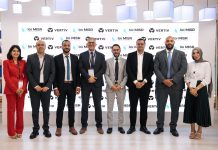















Over the last six months, Airtel Africa’s pioneering artificial intelligence (ai)- powered spam detection service, Spam Alert, detected more than 205 million spam SMS messages in 13 (thirteen) of its markets.
The Spam Alert Service, which is available to all subscribers at no cost, identifies and prefixes the SMS with “SPAM Alert” and provides real-time updates. The immediate impact is the elimination of the need to download additional applications to manage spam.
Airtel Africa has so far rolled out the service in 13 of its 14 markets, namely Nigeria, Kenya, Zambia, Uganda, Gabon, Congo Brazzaville, Malawi, Madagascar, DRC, Rwanda, Tanzania, Chad and Niger. Seychelles will launch soon.
Overall, spam messages have been reduced by 12% since the launch of the Airtel Africa SPAM Alert service, with Nigeria recording the highest drop of 84%.
Airtel Africa CEO Sunil Taldar said, “We are proud to pioneer an advanced tech solution powered by AI to tackle spam messages, which are a major concern in Africa as smartphone penetration increases. This free service demonstrates our commitment to consistently innovating to deliver an unmatched experience and safer network to our customers.”
Airtel Africa’s spam alert service uses AI to analyse and classify SMS messages as “Spam alerts” based on various parameters, including the sender’s usage patterns and real-time SMS frequency.
…As part of this attack, Facebook users receive messages containing a link disguised as a notification that their account has been blocked
Since late August 2025, the Kaspersky Global Research and Analysis Team (GReAT) has been observing a new malicious campaign leveraging a stealer — a type of malware designed to steal passwords and other account information. The StealC v2 infostealer is being spread through Facebook messages. More than 400 incidents have been identified to date, targeting users across multiple countries, including confirmed cases in Kenya, Angola, Ethiopia, Niger, Uganda and Zambia, among other African* countries.
As part of this attack, Facebook users receive messages containing a link disguised as a notification that their account has been blocked.
Clicking the link opens a fake support page claiming that the user’s account has been blocked due to suspicious activity. To “restore access,” users are prompted to use the “Appeal” button, which initiates the download of a malicious script that installs the StealC v2, a dangerous malware offered under a Malware-as-a-Service model, on the victim’s device. The malware itself steals passwords, cookies, screenshots, as well as cryptocurrency wallet data.
“Cybercriminals often exploit users’ fear of losing account access and a perceived sense of urgency. This pressure can lead individuals to act without caution, increasing the risk of infection by malware such as StealC v2. Users should remain vigilant and always verify the authenticity of messages before clicking any links,” comments Marc Rivero, lead security researcher at Kaspersky’s Global Research and Analysis Team.
StealC v2, first observed in 2025, significantly enhances the malware’s capabilities and elevates the risk to both individual and corporate users. The original StealC, which emerged in 2023 on dark web platforms, quickly became a sought-after tool among cybercriminals thanks to its accessibility, capabilities and ease of access.
To be protected from phishing, Kaspersky recommends corporate and individual users:
Practice caution when clicking links. Sometimes emails and websites look just like real ones. It depends on how well the criminals did their homework. But the hyperlinks, most likely, will be incorrect, with spelling mistakes, or they can redirect you to a different place.
Look out for urgency or threats. Phishing attempts frequently try to create a sense of urgency or fear. Be cautious of emails demanding immediate action, such as changing a password or providing personal information.
Verify unsolicited messages, calls, or links, even if they appear legitimate. Never share 2FA codes.
Use Kaspersky Next (in corporate environments) or Kaspersky Premium (for individual use) to block phishing attempts.
While total disclosed funding fell to $2.2 billion – down 25% from the $2.9 billion raised in 2023 – the numbers alone don’t tell the full story. Beneath the slowdown lies a deeper transformation: a shift from chasing valuation milestones to building operationally resilient businesses that solve fundamental problems.
The funding contraction mirrored global trends, as higher interest rates and tighter capital allocation reshaped venture capital markets. Yet Africa’s downturn was not purely negative. In the second half of 2024, the ecosystem saw renewed momentum from large-scale rounds, notably from Moniepoint (Nigeria) and TymeBank (South Africa). Unlike earlier unicorns that focused on aggressive user acquisition, these companies built their success on hybrid business models, blending digital technology with physical infrastructure.
They were not alone. Fintech players like OPay (Nigeria), Wave Mobile Money (Senegal), and MNT-Halan (Egypt) have also demonstrated that control of both the digital layer and key offline touchpoints (agent networks, payment terminals, or physical kiosks) creates defensible advantages in African markets.
Why Operational-First Wins in Africa
The African market’s structural realities (fragmented infrastructure, cash-heavy economies, and regulatory complexity) make purely digital solutions difficult to scale sustainably.
In Kenya, Buupass tackled bus and rail ticketing by first digitising operators’ backend systems, eliminating paper-based inefficiencies and cash leakages before rolling out consumer-facing booking options.
To tackle this, they developed a Bus Management System (BMS) that digitised inventory, sales, and fleet tracking, enabling operators to modernize their backend systems. They also dealt with fragmented, offline-heavy travel ecosystems by forming partnerships with major players like Safaricom and M-Pesa, providing access to reliable hosting, digital payments, and trust validation, key to onboarding high-value clients like Kenya Railways.
Today, BuuPass processes approximately 12,000 transactions daily and has established partnerships with major transportation providers across Kenya, Uganda, Tanzania, Rwanda, and South Africa. Their growth came not from viral marketing or user acquisition funnels, but from solving fundamental operational challenges for transport operators.
In West Africa, Logidoo approached cross-border trade by introducing consolidated cargo solutions through their relationship, cutting average transit times by roughly 40% along key China–West Africa and Europe–West Africa corridors.
This improvement in shipping speed and cost-efficiency for clients demonstrated how operational excellence and better physical logistics design can unlock scale across cross-border trade.
Similar strategies are emerging in other sectors. These companies prove that solving operational bottlenecks can be more powerful than just building flashy products.
Funding Shifts by Sector and Geography
According to Africa: The Big Deal, fintech remained dominant in 2024, attracting about 47% of total startup funding, but the fastest-growing slices of investment went to logistics, mobility, and healthtech. Logistics startups, for instance, secured over $400 million across disclosed equity and debt rounds, reflecting investor appetite for infrastructure-heavy models.
Geographically, Nigeria maintained its lead in funding volume, followed by Kenya, Egypt, and South Africa. However, emerging hotspots like Morocco, Senegal, and Tanzania posted year-on-year increases despite the continent-wide slowdown, most of these driven by targeted sector plays in logistics, mobility, and energy.
The market correction exposed common weaknesses. Startups that scaled aggressively without building sustainable revenue streams struggled to survive the funding winter. A recurring failure pattern emerged: expanding to multiple markets before achieving operational stability in one, burning through capital on marketing rather than infrastructure, and relying on vanity metrics (downloads, active users) over unit economics.
According to Hiruy Amanuel, Managing Director at Gullit VC, the ecosystem has developed its own success indicators, “I’ve learnt to be wary when early-stage startups rush to scale without focus or financial discipline. That kind of premature expansion, often without the infrastructure to support it, can be fatal. We’ve seen too many founders chase growth metrics or investor hype, only to fall apart because the fundamentals weren’t there.”
Beyond Fintech
Transport and logistics players are building their own fleets. Healthcare startups are embedding themselves into pharmacy and clinic networks. Agri-tech companies are setting up physical aggregation centers to secure supply chains. Even e-commerce platforms are moving into warehousing and last-mile delivery.
This evolution signals something deeper: in African markets, technology works best when it complements, not replaces, the physical systems people already use.
Looking Ahead…
If 2015–2020 was Africa’s “unicorn era,” 2024–2027 is shaping up to be its “infrastructure era.” The next wave of winners will be companies that master operational execution while using technology to enhance reliability, transparency, and scale.
The result is an ecosystem that’s becoming less dependent on external validation and more focused on creating lasting value within African markets. These trends indicate a maturing landscape that prioritizes solving real problems over chasing global tech trends.
The success of companies like BuuPass, Logidoo, Moniepoint, and TymeBank provides a blueprint for the next generation of African startups. The winning formula combines technological sophistication with deep operational expertise, creating businesses that are both scalable and defensible.
For founders, this means longer timelines to profitability but stronger defensibility once scale is achieved. For investors, it means assessing physical assets, partnerships, and local execution capabilities with as much rigor as product and code.
Africa’s startup ecosystem is no longer solely defined by valuation milestones. Its coming of age is marked by companies that solve real problems, create lasting economic value, and build the scaffolding for future innovation.
And that, more than any unicorn headline, may prove to be the measure that matters most.
As a historian, I take history seriously, and I’m highly critical of inaccurate interpretations of it because I understand how politicians in general, and racial nationalists in particular, weaponise it to justify unjust policies that marginalise minorities and steal their property.
There are many examples of this, but one close to home in Africa is Uganda, where the late dictator Idi Amin expelled the Indian minority in 1972. He distorted history and simplified it to portray Indians as mere “exploiters” who had all collaborated with the British Empire to oppress Ugandan “natives.” This skewed narrative fostered a climate that justified their eventual expulsion. However, it’s worth noting that Amin never presented a balanced or nuanced account of Ugandan history that recognised Indians as complex individuals, many of whom arrived as British labourers, not colonial administrators, (even though the colonial system placed them above indigenous Ugandans), and eventually grew into a successful community largely through their own efforts.
This is what racial nationalists do. They flatten history, erase nuance, and construct simplistic narratives that blind many to inconvenient truths and lead them to embrace unjust policies.
In response to this concerning trend in history, I wrote an article for BizNews in November last year that challenges a simplistic and inaccurate narrative in South African political discourse, which frames all white people as owners of stolen property by reducing their complex history of property acquisition to a story of violence and dispossession.
I wrote it not because there were no instances of property dispossession before the South African state took shape in the early 20th century, nor because laws such as the 1913 Natives Land Act and the 1950 Group Areas Act didn’t exist at some point in history. I wrote it because, as a concerned citizen, I have long been aware that we live in a country where racist and divisive racial nationalists have beaten the drum of “white land thieves” for so long that it has ingrained itself into the minds of many people. It’s become common to casually label all white people as thieves, to view them as enemies, and to treat them accordingly.
I understand that this framing, which has persisted for well over two decades, has dehumanised white people over time and fostered a climate where cruelty towards them can be tolerated at best, and where retribution can be justified at worst in the name of justice.
Of course, no single article was going to change this, and I was fully aware of that when I wrote it. But what I hoped for was to encourage more honest and mature reflection on our country’s history. Because, to put it plainly, if we do not begin to call out the dehumanisation of white people for what it is, it could lead to (dare I say) untold horrors in future.
Here, I submit to those who will accuse me of “fear-mongering” and “pathologising black people” to consider the fact that we live in a deeply polarised society, where white people have been collectively cast as villains holding on to “privileges” and as obstacles to genuine “transformation”. I also submit to them that this notion of a “silent centrist majority” in our country must be seriously interrogated in light of a young generation of black people that has been systematically radicalised, and the reality of millions of black South Africans who vote for political organisations that openly antagonise white people and romanticise the idea of inflicting cruelty on them.
We have arrived at a point where the national project of reconciliation that Mandela and others initiated in the 90s also requires serious re-examination. This project was meant to be anchored in an honest and mature reading of history. One that recognised past injustices but also our shared humanity and the possibility of peaceful coexistence in our diversity. Some might argue that we seemed to be on the right path at first, but the reality today tells a different story. We can no longer afford to ignore or wish away the deep divisions. Even the African National Congress, which was supposed to lead this project of reconciliation, has abdicated its position and aligned itself with political forces that are openly calling for ethnic-based violence.
Part of the reason why federalism and even secession have entered re-entered national discourse is not because of racism or intolerance, but because of deeper questions around belonging and space for minorities in a context where collective hostility towards them continues to grow.
I could argue that one possible way forward lies in a more honest and mature reinterpretation of history that refuses to dehumanise a group and the gradual re-socialising of society to embrace this truth. But in a country where educational institutions have been captured by radical forces, and where racial nationalists have every incentive to keep fanning the flames of division in pursuit of their destructive political agenda, I seriously doubt such a project can even get off the ground.
Perhaps I’ll end this reflection here for now, with the uncomfortable truth that this piece will almost certainly attract sharp criticism and a barrage of derogatory insults directed at me. If there is anything to take away from it, it is this very fact.
Ayanda Sakhile Zulu holds a BSocSci in Political Studies from the University of Pretoria and is an intern at the Free Market Foundation.
The Africa Centres for Disease Control and Prevention (Africa CDC) welcomed the approval of the first-ever malaria treatment specifically formulated for infants.
The news is “a major advance in closing a critical gap in care for Africa’s youngest and most vulnerable”, Africa CDC said in a press release.
The new treatment, called Coartem Baby, is dedicated to newborns and infants weighing less than five kilogrammes.
In the absence of a dedicated treatment, infants were until now treated with adjusted doses of medicines for older children, “raising the risk of overdose and toxicity”, according to Africa CDC.
“The approval of the treatment is a major step forward in the fight against malaria. It ensures that even the smallest and most vulnerable infants now have access to safe and effective treatment”, said Africa CDC Director- General, Dr Jean Kaseya.
Africa CDC also praised the eight member states where the medicine was trialled. Those include Burkina Faso, Cote D’Ivorie, Kenya, Malawi, Mozambique, Nigeria, Tanzania, and Uganda.
The organisation said these countries’ “leadership underscores Africa’s growing role in driving health innovation.”
The new treatment is expected to be introduced in the eight African trial countries within weeks. Africa CDC said it would continue working with the member states involved, to ensure that every child gets access to the treatment.
Malaria caused 597,000 deaths globally in 2023, with almost all of them in Africa, according to the World Health Organization’s (WHO) most recent figures. WHO said children under 5 accounted for about 76% of all malaria deaths in Africa.
Results from a newly published study highlight the growing spread of drug resistance across 14 African countries, underscoring the urgent need to strengthen laboratory testing, data systems, and health planning to tackle hard-to-treat infections.
The study, known as the Mapping Antimicrobial Resistance and Antimicrobial Use Partnership (MAAP), is the largest of its kind ever conducted in Africa. It was led by a coalition including the Africa Centres for Disease Control and Prevention (Africa CDC), the African Society for Laboratory Medicine (ASLM), One Health Trust, and other regional partners.
Researchers reviewed more than 187,000 test results from 205 laboratories, collected between 2016 and 2019 across Burkina Faso, Eswatini, Ethiopia, Ghana, Kenya, Malawi, Mali, Nigeria, Senegal, Sierra Leone, Tanzania, Uganda, Zambia, and Zimbabwe.
Drug resistance occurs when bacteria change in ways that make antibiotics—medicines used to treat infections—less effective. This means that common infections become harder to treat, more expensive to manage, and more likely to spread.
The study examined bacteria that commonly cause serious illness, such as E. coli, Staphylococcus aureus, and Klebsiella pneumoniae. One of the most concerning findings was that resistance to a powerful group of antibiotics, known as third-generation cephalosporins, was especially high in Ghana and Malawi.
In six countries, more than half of the Staphylococcus aureus samples were resistant to methicillin—an antibiotic commonly used in hospitals. In Nigeria and Ghana, resistance levels exceeded 70%.
The research also showed that some groups are more likely to have drug-resistant infections. People over the age of 65 were 28 per cent more likely to have resistant infections than younger adults.
Patients already admitted to hospitals had a 24 per cent higher risk, likely due to increased exposure to antibiotics. Previous use of antibiotics was also linked to higher resistance.
However, the study also revealed serious gaps. Fewer than 2 per cent of health facilities were equipped to test for bacterial infections, and only 12 per cent of drug resistance records were linked to patient information. Without this kind of data, it is more difficult for health officials to understand how and why resistance is spreading.
The quality of data varied between countries. Senegal had the strongest systems, while Sierra Leone struggled with data collection. Many laboratories still use handwritten records, and most lack reliable digital systems.
Supported by the UK’s Fleming Fund and the US Centers for Disease Control and Prevention (CDC), the study calls on governments to make drug resistance a national priority by investing in better laboratories, routine testing, and stronger digital systems. Without action, the threat of drug resistance could reverse decades of health and development gains.
“For African countries, AMR remains a complex problem, leaving countries with a million-dollar question: ‘Where do we start from?’ This study brings to light groundbreaking AMR data for African countries. We must act now—and together—to address AMR,” said Dr Yewande Alimi, the One Health Unit Lead at Africa CDC.
The Emerging Africa & Asia Infrastructure Fund (EAAIF), a Private Infrastructure Development Group (PIDG) company managed by Ninety One, today announced its anchor investment in Axian Telecom’s USD 600 million 5-year bond issuance. EAAIF invested USD 40 million as part of a USD 160 million anchor investment alongside the International Finance Corporation (IFC), British International Investment (BII), DEG, and Proparco. The transaction’s orderbook saw a final 2x oversubscription, attracting over USD 1.3 billion in demand, underscoring strong investor confidence in Axian Telecom’s growth trajectory and Africa’s vibrant digital sector.
EAAIF’s investment will support, among other key initiatives, Axian Telecom’s capital expenditure across its subsidiaries – driving economic growth and providing improved digital infrastructure to millions of people. Operating across Madagascar, Senegal, Tanzania, Togo, Uganda, Democratic Republic of Congo, and Comoros, Axian serves over 40 million mobile customers with digital infrastructure, including mobile broadband networks, fibre optic cables, towers, subsea cables, and data centres. Its impressive revenue growth – approximately 2.5-fold between 2020-2023 – ranks it among the Financial Times’ fastest-growing companies in Africa, reinforcing EAAIF’s commitment to identify and back fast-growth, ambitious businesses that are vital to digital economies.
Recognising that connectivity is key to the future of work, EAAIF has long been a leading force in developing Africa’s digital infrastructure – from telecom towers to green data centers. The transaction deepens EAAIF’s partnership with Axian Telecom, having previously acted as co-anchor for its maiden USD 420 million bond issuance, which supported the company’s expansion in frontier economies across the region, including Tanzania, Madagascar, and Togo. EAAIF has consistently led the development of bond issuances to support cutting-edge infrastructure in Africa, anchoring key transactions for digital champions with strong regional footprints. The Fund has also invested in pan-African data centre developers to help meet the continent’s surging demand for climate-aligned technology innovation.
Africa’s young, tech-savvy, and rapidly growing population is driving demand for mobile and digital services. While fixed broadband remains limited due to high costs and infrastructure gaps, the continent has a unique opportunity to leapfrog outdated systems and build a digitally empowered future. Through partners like Axian Telecom, EAAIF is helping scale telecom infrastructure across emerging markets, laying foundations for connectivity that spans nations, strengthens communities, and supports the ambitions of people across Africa in an increasingly connected world.
This bond issuance also helps to strengthen Africa’s nascent debt capital markets. For telcos, issuing bonds provides access to substantial, long-term capital, often at a lower cost than traditional loans, enabling large-scale network expansions and technology upgrades. It also attracts international investors, deepening market liquidity and confidence. EAAIF’s ongoing support for corporate bond issuances – including over USD 320 million allocated to telecom bonds, contributing to more than USD 6.2 billion raised in total – highlights its role in strengthening Africa’s digital economy and expanding funding options for high-growth businesses.
Hassan Jaber, CEO of Axian Telecom, said:“We are honoured by the trust placed in us by EAAIF and our fellow anchor investors. Their support for this bond issuance is a strong vote of confidence in our long-term vision and the impact of our work. This financing enables us to scale innovative digital infrastructure across our markets and to bring transformative connectivity to millions, fostering inclusive growth and strengthening AXIAN Telecom’s role in advancing Africa’s digital future.”
Tidiane Doucoure, Director, Emerging Market Alternative Credit, Ninety One, the Fund Manager of EAAIF, said: “The development of African capital markets is and will remain a priority for PIDG and Ninety One. Expanding access to digital services unlocks new economic opportunities, and greater financial inclusion, which are crucial drivers for intra-African trade and entrepreneurial growth. This oversubscribed transaction underscores the immense potential of African businesses and the growing confidence of global investors in the region’s digital future and champions like Axian Telecom.”
US Secretary of State, Marco Rubio, announced the official end of USAID, eliminating the world’s largest humanitarian aid agency just days after The Lancet medical journal warned the closure would cause 2.4 million preventable deaths every year.
The landmark Lancet study found USAID programs saved 92 million lives in low- and middle-income countries over the past two decades, including 30.4 million children under five. Without these programs, researchers project 14 million additional deaths by 2030 from the closure of the agency founded in 1961.
“Unless the abrupt funding cuts announced and implemented in the first half of 2025 are reversed, a staggering number of avoidable deaths could occur by 2030,” the Lancet warned.
The US did not heed the warning.
In a State Department memo titled “Make Foreign Aid Great Again” announcing the shutdown, Rubio laid into USAID, stating its “charity-based” model was against American interests, that it spawned “a globe-spanning NGO industrial complex at taxpayer expense,” and attacked countries and regions – notably Sub-Saharan Africa – for not repaying the US with UN votes despite billions in aid.
The move marks the final chapter in a rapid dismantling of the agency relied upon for health and survival by millions of the world’s most vulnerable people. That saga began in January, when Elon Musk, the world’s richest man, famously tweeted he had skipped “some great parties” to put USAID “into the wood chipper,” telling the agency: “Time to die.”
The Trump administration had previously cancelled 83% of its aid operations earlier this year, throwing the international aid world into chaos. What remains of US aid operations will be “targeted and limited,” and be folded into the State Department, the memo said.
“USAID viewed its constituency as the United Nations, multinational NGOs, and the broader global community—not the U.S. taxpayers who funded its budget or the President they elected to represent their interests on the world stage,” Rubio wrote, adding that the agency “has little to show since the end of the Cold War.”
‘No one has died’
US Secretary of State Marco Rubio told Congress no one is dying from tens of billions in cuts to foreign aid.
Rubio’s State Department letter makes no mention of humanitarian concerns, instead reflecting the transactional view that has underpinned the Trump administration’s trade policy and America First foreign policy approach.
As the Lancet estimates millions will die, the architects of USAID’s dismantling tell a different story: no one is, has or will die.
“No one has died because of USAID [cuts,]” Rubio told Congress in late May, months after the majority of its operations were already terminated. “No children are dying on my watch.”
Musk echoed the same sentiment in March: “No one has died as a result of a brief pause to do a sanity check on foreign aid funding. No one.”
That’s not true.
In Sudan, where US-supported soup kitchens were forced to close, mothers report watching their babies starve while older children died begging for food, according to interviews by the Washington Post. Critical medical supplies never arrived after funding stopped, doctors said, and the absence of US-funded disease response teams has made it harder to contain deadly cholera outbreaks.
In Uganda, where USAID has long provided HIV medication, the sudden cuts left thousands without access to life-saving antiretroviral drugs, according to the New York Times.
Thousands of organizations running health clinics, vaccination centres, food distribution sites, water purification drives, and other life-saving activities will be forced to shut down, cutting off basic services.
In 2023 alone, USAID provided essential healthcare to 92 million women and children. Those services are gone.
International aid organizations, including UN agencies and major charities, are struggling to cope with the loss of more than $60 billion in US funding. Facing steep staff cuts and slashed budgets, none are positioned to quickly replace USAID’s operations or maintain the same reach to vulnerable populations.
USAID’s Health Legacy
Elon Musk, who was named a “special government employee” by the Trump administration, secured the president’s backing to eliminate USAID, the country’s foreign aid agency, sending shockwaves through global humanitarian efforts.
That “sanity check” on foreign aid has since morphed into a total halt. This is particularly dramatic in the health sector, where the US has been the backbone of aid – totalling nearly a third of all health aid globally – for decades as the Lancet illuminates what will be lost.
The Lancet analysis found that higher levels of USAID funding—primarily directed toward low and middle-income countries, particularly in Africa—were associated with a 15% reduction in all-cause mortality and a 32% reduction in deaths of children under five.
The agency’s programs achieved remarkable reductions across multiple disease categories: a 65% reduction in HIV/AIDS deaths (saving 25.5 million lives), 51% reduction in malaria deaths (8 million lives), and 50% reduction in deaths from neglected tropical diseases (8.9 million lives).
Among the programs affected by the cuts is the President’s Emergency Plan for AIDS Relief (PEPFAR), which has saved an estimated 26 million lives through HIV treatment and prevention. Its collapse would have immediate, devastating consequences: in just three months, nearly 136,000 babies – about 1,500 each day – would be born with HIV as pregnant women lose access to transmission-prevention medication.
Significant decreases were also observed in mortality from tuberculosis, nutritional deficiencies, diarrheal diseases, lower respiratory infections, and maternal and perinatal conditions.
“Is [USAID] a good use of resources? We found that the average taxpayer has contributed about 18 cents per day to USAID,” James Macinko, a health policy researcher at UCLA and study co-author told NPR. “For that small amount, we’ve been able to translate that into saving up to 90 million deaths around the world.”
Charity is bad
Low-income countries on average depend on foreign aid for one-third of their national health spending. Eight of the world’s poorest countries—South Sudan, Somalia, Democratic Republic of Congo, Liberia, Afghanistan, Sudan, Uganda and Ethiopia—rely on USAID for over 20% of their total foreign assistance.
Facing their highest debt burdens in decades, many of the world’s poorest nations are unlikely to be able to compensate for the budget hole blown open by USAID’s withdrawal.
Former President Barack Obama called the decision to dismantle USAID a “colossal mistake,” saying the agency’s efforts to prevent disease, fight drought and build schools made it synonymous with America itself. “To many people around the world, USAID is the United States,” Obama said.
Citing two anecdotes – a Zambian man who told American diplomats teaching his countrymen to “learn to fish” instead of receiving US aid, and an Ethiopian woman praising two-way investment schemes – Rubio said the new model will provide “targeted and limited” aid, while favoring nations who demonstrate an “ability and willingness to help themselves” and welcome US investment.
“The charity-based model failed because the leadership of these developing nations developed an addiction,” Rubio said. “That ends today, and where there was once a rainbow of unidentifiable logos on life-saving aid, there will now be one recognizable symbol: the American flag.”
The United States flag has for decades been on the center of all aid packages distributed by the agency.
The National Football Leaguehosted a women’s flag football coach education clinic in Cairo, Egypt as part of an ongoing strategy to accelerate the development and growth of the game across Africa.
36 participants from Egypt, Nigeria and Morocco received both classroom and on-field learning, as the clinic looked to improve the skills of new and experienced coaches – helping to promote and enable further long-term flag football engagement and participation on the continent.
Expert coaches delivering the sessions included:
Ameena Soliman – Philadelphia Eagles’ Director of Football Operations and Pro Scout
Afia Law – NFL Flag international development lead
Elisa De Santis – French national flag team captain and IFAF and NFL Global Flag Ambassador
Kris Durham – Head of Development at the NFL Academy Europe-Africa
Jordan Mabin – Football Development Manager at the NFL and former NFL player
Fast-paced and accessible for all, flag football is spearheading extraordinary participation growth worldwide with more than 20 million players in 100 countries and women and girls driving some of the largest growth in participation.
The women’s flag football coach education clinic in Cairo follows one held in Ghana in April 2025, which saw 50 coaches and officials from Cameroon, Egypt, Ghana, Ivory Coast, Kenya, Morocco, Nigeria, South Africa, Tunisia, and Uganda attend the event as football development efforts continue to focus on engaging and upskilling more flag football coaches across the region.
The NFL also hosted a series of wraparound activities in Cairo including:
Led by two-time Super Bowl Champion and NFL Africa Lead Osi Umenyiora, the NFL hosted a football talent identification event with prospects from 5 different African countries, including Egypt, Nigeria, Cameroon, Kenya and South Africa. Athletes showcased their skills and abilities with the potential to advance to the NFL Academy Europe-Africa program in Loughborough, U.K. or the International Player Pathway (IPP) program — two core pillars of the NFL’s global football development initiatives.
In collaboration with the International Federation of American Football (IFAF) and the Egyptian Federation of American Football (EFAF), U13 teams of boys and girls from Africa competed in an NFL Flag Continental Championship. The tournament saw Egypt claim the title to become the first ever African youth continental champions.
Earlier in the week, 11 teams from eight nations, spanning the African continent, participated in Africa Flag – the first of IFAF’s continental championships series for 2025, with Nigeria crowned champions across both the men’s and women’s event. The tournament is the starting point for what will be the biggest and most important competition cycle in flag football history, culminating in the Olympic Games LA28.
Governments have been advised to impose ‘sin taxes’ on tobacco, alcohol and other unhealthy products to offset the severity of cuts to official development assistance (ODA), World Health Organization (WHO) Director General Dr Tedros Adhanom Ghebreyesus told a tuberculosis meeting on Thursday.
US President Donald Trump formally requested his country’s Congress to cancel previously approved budget allocations amounting to $9.4 billion on Tuesday.
This would officially endorse the cuts already made to the US Agency for International Development (USAID) and US President’s Emergency Plan for AIDS Relief grants by Elon Musk’s Department of Government Efficiency (DOGE), as well as cuts to UN agencies including the WHO, UN Children’s Fund (UNICEF), UN Development Program (UNDP), and the UN Population Fund (UNFPA),.
“In the past few months, I have spoken to many ministers, and the impact on their programmes of the sudden cuts in official development assistance is severe,” Tedros told a WHO Town Hall meeting on tuberculosis.
“We are seeing treatment interruptions, clinics closed, health workers losing their jobs, disruptions and more – not just for TB, but for malaria, HIV, neglected tropical diseases, vaccinations, maternal and child health, sexually transmitted infections, family planning and so on.”
The WHO’s advice to countries trying to raise domestic resources to offset the cuts is to start immediately with the “sin taxes” while, in the longer-term, implementing social health insurance and community-based health insurance, Tedros added.
‘Reject rescission package’
Meanwhile, the Global Health Council urged US Congress to reject the rescission package, describing it as “a systematic effort to diminish the longstanding role of the United States as a global health leader” that puts lives at risk.
The One Campaign also called on Congress “to reject rushed attempts to override their previous decisions and to continue supporting smart, effective international assistance programs.”
One Campaign added that the rescissions package “gives scant detail about the nature and impact of the proposed cuts. When lifesaving assistance is at stake, Congress needs real details. For example, the package cuts nearly a billion dollars from health and infectious disease funding which deserves more explanation than 11 vague sentences.”
Trump claims the cuts are aimed at “wasteful foreign assistance spending” to “eliminate programs that are antithetical to American interests”.
Speaking in the US Senate on Thursday, Democratic Senator Dick Durbin asked “why in the world would we cut such low cost but impactful programmes?”
“If there were international programmes that were ineffective, and I admit such work can be difficult and with mistakes, the place to fix them is through the regular appropriations process, not the wholesale gutting of a complete programme like USAID.”
Gutting of USAID
USAID staff offload emergency supplies.
The Trump administration wants to rescind $500 million of the USAID’s global health programs for “activities related to child and maternal health, HIV/AIDS, and infectious diseases”, claiming that this would not reduce treatment but “eliminate programs that are antithetical to American interests and worsen the lives of women and children, like ‘family planning’ and ‘reproductive health,’ LGBTQI+ activities, and ‘equity’ programs.”
Projections from March indicated that up to 29,000 Ugandan health workers had lost or were at risk of losing their jobs due to cuts in foreign assistance.
Irene Atuhairwe, Seed Global Health’s Country Director in Uganda, said: “As Uganda’s health workers and Ministry of Health were mounting an effective, coordinated response to contain the Ebola outbreak, the sudden freeze of US foreign assistance created serious challenges.
“Health workers lost their jobs, and contact tracing and surveillance efforts had to be scaled back. With limited resources and reduced staffing, health officials were forced to narrow their efforts, potentially increasing the risk of further spread,” added Atuhairwe;
“Diseases like Ebola don’t stay within borders. It takes just one infected traveller boarding a plane or crossing borders for a local outbreak to go global. The very abrupt cuts to foreign assistance have made all of us less safe,” she added.
There were more than 50 USAID-funded staff dedicated to outbreak response in Uganda, but that number was reduced to just six, who are now responsible for preparedness and response efforts for Ebola, Marburg virus, mpox, and bird flu.
The Trump administration also wants to rescind $400 million of the $6 billion appropriated for HIV programmes, namely the PEPFAR grants administered via USAID.
Numerous African HIV treatment programmes receiving PEPFAR grants through USAID have had to scale down or close because their grants have been terminated, potentially affecting 20 million people.
Also on the rescinding chopping block is $2.5 billion in USAID development assistance to “end extreme poverty and promote resilient, democratic societies”, and $496 million for international disaster assistance in response to natural disasters, conflicts, and other emergencies.
Trump wants to rescind $1.7 billion from the Economic Support Fund for “countries of strategic importance to the US”, claiming this has been used “to fund radical gender and climate projects.” However, it has largely assisted countries transitioning to democracy and for Middle East peace talks.
Trump also wants to jettison the entire $125 million allocated to the Clean Technology Fund, as it invests in “climate-friendly projects in developing countries that do not reflect America’s values or put the American people first”.
The fund provides low-cost finance for “promising low-carbon technologies in developing countries”, including “renewable energy, energy efficiency, sustainable transport, and green industry projects.”
International organisations and programmes
The entire $437 million allocated to international organisations and programmes is up for rescission, which would eliminate funding for the UNICEF, UNDP, UNFPA and the Montreal Protocol, which regulates ozone-depleting substances.
“Eliminating these programs will do real harm,” said Global Health Council President and CEO, Elisha Dunn-Georgiou.
“These are not fringe initiatives. They make the world safer, healthier, and more just. When the US invests in equitable, inclusive, and evidence-based global health programs, we don’t just improve lives abroad – we strengthen public health security, global cooperation, and America’s reputation as a principled and effective leader.”
The council urged people to “push back against efforts to politicise public health”, noting that “these proposed cuts are about ideology, not money. And they put lives at risk.”
…TotalEnergies is balancing risk, technology and long-term value in key markets across the continent
Mike Sangster, Senior Vice President for Africa at TotalEnergies, outlined the company’s multi-energy strategy in Africa at the Invest in African Energy (IAE) 2025 Forum in Paris. Speaking during a one-on-one conversation with America Hernandez, Energy Correspondent at Reuters, Sangster said that the company is committed to producing more energy in a sustainable manner.
In the oil sector, TotalEnergies continues to invest in established markets such as the Republic of Congo and Angola as well as in emerging markets such as Namibia, Uganda and South Africa. According to Sangster, TotalEnergies’ African portfolio constitutes half of the company’s operated production globally. “The largest part of our exploration budget is also in Africa,” he said.
In South Africa, the company hopes to start drilling in 2026. The company is currently awaiting the requisite permits. In Namibia, the company is spearheading efforts to produce first oil by 2029 through its Venus project. A field development plan is currently underway, with plans to make a final investment decision by Q4, 2026. Given the complexity of the deepwater project, Venus will target oil production.
“The site is extremely remote, 300 km offshore and at a depth of 1,900 m,” Sangster said, highlighting that much of the associated gas discovered would need to be reinjected.
Monetizing Africa’s natural gas resources through LNG deployment and flare reduction represents a core part of TotalEnergies’ African strategy. “Part of our growth target is focused on LNG,” Sangster stated, adding that “we finished routine flaring in Nigeria, Gabon and Angola. In the Republic of Congo, we will eliminate flaring this year.”
In Nigeria, TotalEnergies is ramping up gas investments to support both local energy needs and exports. “It’s important to monetize gas and its reservoirs,” Sangster noted. “In Nigeria, there are significant reserves and we are actively developing this sector. There are high-quality fields that can also serve export markets.”
Beyond oil and gas investments, TotalEnergies’ broader energy strategy includes the development of renewable energy projects. Sangster reiterated TotalEnergies’ rebranding from an oil major to a multi-energy company, stating that “It makes sense to expand integrated energy activities. We have invested in renewables, green hydrogen and even mining in Africa. The future of our industry is integrated energy combined with new technologies to meet growing demand sustainably.”
Meanwhile, TotalEnergies is committed to supporting capacity building across the markets in which it operates. Sangster explained that through projects such as Tilenga, TotalEnergies has generated around 20,000 direct jobs in Uganda and Tanzania. We are also training 200 local people. These are high-paying jobs that will be there for the next 20 years.”
In Nigeria, TotalEnergies works closely with local educational institutions to transfer skills and enhance capacity building. “In Nigeria, we have the Petroleum Institute, and we’re fully committed to developing [capacity] in the country,” Sangster said. These initiatives not only support the development of projects, but create tangible opportunities for local communities.
…Weeklong Celebration of Basketball, Entertainment, Culture, And Community Returns to Kigali, Rwanda July 26-August 2; Kizz Daniel, Uncle Waffles and Timaya to Perform, with Additional Acts to be Revealed Soon
Giants of Africa, a non-profit organization dedicated to empowering African youth through basketball, alongside its founder Masai Ujiri, Vice-Chairman and President of the Toronto Raptors, has announced Giants of Africa Festival 2025. Returning to the vibrant city of Kigali, Rwanda from July 26-August 2, the event will bring together 320 young athletes from 20 African nations, and more than 20,000 spectators for a week of community, culture, basketball, education, and entertainment. The festival will unite communities, spark potential, and drive transformative change across the continent.
“Like these kids, I grew up on the continent,” says Ujiri. “As Africans, we know the landscape of what the kids go through. We know they dream just like we did and it really inspires me because, those kids have so much more talent and intelligence, they have ways to communicate now that we didn’t. This festival is about showing them there is a path. We want them to never stop dreaming.”
Giants of Africa Festival 2025 will begin with an exhilarating Opening Show, as the athletes unite in an inspiring parade to kick off the weeklong celebration. South African international DJ sensation, Uncle Waffles, MTV Video Music Award-winning choreographer, Sherrie Silver, and Rwandan singer and songwriter, Kevin Kade will bring electrifying performances as Ujiri and special guests welcome all to the festivities. The awe-inspiring event will mark the beginning of life-changing journeys for Africa’s leaders of tomorrow.
Taking place across Kigali Sports City’s BK Arena, Amahoro National Stadium, Petit Stade, and Paralympic Gymnasium, the festival will showcase the full potential of Africa’s sports and entertainment ecosystem, highlighting its social and economic value for the next generation and the continent at large. Giants of Africa Festival 2025 will also serve as the grand opening of Zaria Court. Founded by Ujiri, the new mixed-use sports, entertainment, and cultural district includes an 80-room hotel, sports bar, basketball court, event space, retail outlets, gym, five-a-side football pitch, and outdoor public areas.
The festival will conclude with a spectacular Closing Concert featuring performances from Nigerian Afrobeats artist Kizz Daniel and award-winning Nigerian singer/songwriter Timaya. Celebrity guests in attendance throughout the week will include Chris Tucker, Candace Parker, Robin Roberts, Chiney Ogwumike, Didier Drogba, Michael Blackson, Boris Kodjoe and more. Additional performers for both the Opening Show and Closing Concert will be announced in the coming weeks.
Since 2003, Giants of Africa has empowered youth through basketball, hosting camps and building courts across 20 African countries. The foundation not only teaches game fundamentals but connects young people with inspirational mentors who show how determination, leadership, and integrity can transform dreams into reality. Also central to their mission is basketball’s unique power to transcend barriers and unite diverse communities. The Giants of Africa Festival is a culmination of this vision, featuring a weeklong youth basketball camp and tournament that brings together young men and women from 20 nations. Youth campers will represent Senegal, Nigeria, Cameroon, Mali, Ivory Coast, Ghana, Burkina Faso, Benin, Gabon, Rwanda, Kenya, Uganda, South Sudan, Tanzania, D.R. Congo, Somalia, Ethiopia, Morocco, Botswana, and South Africa. Giants of Africa and NBA/WNBA coaches and personnel will lead training sessions, with assistance from local coaches from the participating countries. A round-robin tournament will determine which countries and players will compete in the festival’s championship and all-star games.
This year, Giants of Africa will also present its inaugural Threads of Africa Fashion Show, celebrating culture, fashion, and design from across Africa. The show will spotlight the work of three talented fashion designers, each from a different region of the continent. Cameroon’s Hortense Mbea (Afropian: https://apo-opa.co/4d97Od4), Niger’s Alia Baré (Alia: https://apo-opa.co/3GMuRyk), and Rwanda and South Africa’s Nyambo (Masa Mara: https://apo-opa.co/4377tTx) will each present their new collections, and come together for a moderated discussion.
Additionally, festival highlights include the International Youth Day Forum, presented in partnership with the Imbuto Foundation, Ministry of Youth and Arts and ALX, bringing together over 2,000 Rwandan youth and festival campers to hear from esteemed leaders. The Women’s Community Outreach Program will take place in Rwanda and across all 20 represented countries, offering leadership and education sessions in local communities to empower women and girls with knowledge, resources, and inspiration.
Giants of Africa Festival 2025 follows the inaugural Giants of Africa Festival(https://apo-opa.co/42RZZFe) which took place in Kigali in 2023 in celebration of the non-profit’s 20th anniversary. The event united over 250 youth basketball players from 16 African nations, drew in over 14,000 spectators, and saw an estimated $1.5M invested into Kigali’s local economy. The festival culminated in a closing concert featuring performances from Afrobeats icon, Davido, Queen of Afrobeats, Tiwa Savage, Rwanda’s own Bruce Melodie, and South African superstar, Tyla. It was a beacon of unity, inspiration, and transformation that ignited the continent. Building upon their bold ambitions, Masai Ujiri and Giants of Africa are poised to make an even more powerful statement in 2025.
Tickets for Giants of Africa Festival 2025’s Opening Show and Closing Concert will go on sale beginning Thursday, May 8 at 3:00PM Central Africa Time. To learn more about the festival, its other initiatives and to purchase tickets or VIP and corporate packages, please visit www.GOAFestival.org or email info@giantsofafrica.org.
…The World Health Organization (WHO) estimates that 94% of global cervical cancer deaths occur in low- and middle-income countries, with sub-Saharan Africa heavily affected
HPV is fuelling high cervical cancer rates in sub-Saharan Africa despite the availability of effective vaccines. Yet uptake remains low, driven largely by vaccine hesitancy. In South Africa alone, most participants (71%) were hesitant to receive at least one of the vacines in the country, according to the Vaccine Confidence Report by MSD and Prof. Hannelie Meyer, Head of the South African Vaccination and Immunisation Centre.The report was launched at the European Society of Clinical Microbiology and Infectious Diseases and during the SSA HPV Media Roundtable held during World and Africa Immunisation Week (24–30 April 2025).
Cervical cancer, caused by persistent infection of HPV, is one of the leading causes of cancer-related deaths among women in sub-Saharan Africa. The World Health Organization (WHO) estimates that 94% of global cervical cancer deaths occur in low- and middle-income countries, with sub-Saharan Africa heavily affected.
Studies indicate that, globally, about 12% of women with normal cervical cytology are found to have an HPV infection. This prevalence doubles to around 24% in sub-Saharan Africa. Young women under 25 are particularly vulnerable, with an HPV prevalence rate of 43.9% in Africa compared to the global rate of 19.2%.
A 2023 report indicated that cervical cancer ranks as the 13th most frequent cancer among women in Egypt and the 9th most frequent among women aged 15 to 44 years. In Kigali, Rwanda, before the national HPV vaccination programme, 54% of women aged 19 years and younger were found to have received an HPV-positive result. The high mortality rate in Ghana further demonstrates the burden, with approximately 3,000 women diagnosed with cervical cancer annually, resulting in around 2,000 deaths each year. [6]
Vaccine hesitancy, defined as a delay in acceptance or refusal of vaccines despite their availability, remains a challenge in the fight against preventable diseases such as cervical cancer. Misinformation, cultural beliefs, and accessibility issues further compound the low uptake of HPV vaccines. As global health organisations and local health authorities strive to eliminate preventable diseases, understanding and addressing vaccine hesitancy has never been more urgent.
Understanding vaccine hesitancy
The Vaccine Confidence Report highlights several drivers of HPV vaccine hesitancy, including safety concerns, mistrust in healthcare systems, and misinformation on social media. According to Prof. Meyer, despite clear scientific evidence, many still believe vaccines are harmful. “This reluctance is troubling,” she said, “given the direct link between HPV and cervical cancer. Addressing these fears with credible information is vital to reducing the burden in sub-Saharan Africa.”
An external study titled ‘Vaccine Hesitancy and Trust in sub-Saharan Africa’ published in Scientific Reports in May 2023 examined vaccination behaviours and attitudes across six sub-Saharan African countries: Ghana, Kenya, Nigeria, South Africa, Tanzania, and Uganda. The study found that only about 10% of respondents reported receiving at least one HPV vaccination. Vaccine hesitancy rates varied across countries, with South Africa exhibiting the highest rate at 17.15% and Kenya the lowest at 8.3%.
Impact of misinformation, funding gaps and immunisation disruption Misinformation remains a major driver of vaccine hesitancy in Africa, especially through online platforms. It has shaped public attitudes and eroded trust in immunisation programmes. At the same time, shifting global priorities and economic pressures have led to reduced funding for vaccination efforts, limiting access in low-income communities. “Routine immunisation has saved millions of lives,” said Dr Alima Essoh, Regional Director of the Preventive Medicine Agency for Africa (AMP Africa). “When misinformation and resource constraints disrupt these efforts, we risk undoing decades of progress.” Expanding HPV vaccination is critical to reducing cervical cancer, but it requires tackling misinformation head-on and improving access across the continent.
Broader implications for public health
While HPV vaccination remains a key focus, vaccine hesitancy extends to other preventable diseases. The World Health Organization (WHO) has set a target to eliminate cervical cancer as a public health concern by 2030, which includes ensuring that 90% of girls are fully vaccinated against HPV by age 15.According to Prof Meyer, vaccine hesitancy threatens to derail this goal and broader efforts to achieve high immunisation rates for other preventable illnesses such as measles, polio, and influenza.
Rethinking the fight against HPV-related cervical cancer: Community action and vaccine confidence
Efforts to eliminate HPV and reduce HPV-related cervical cancer in Africa necessitate innovative, community-driven solutions. Dr Sabrina Kitaka, Senior Lecturer at Makerere University, states that engaging and accessible tools, such as comic books and school-based vaccination, have significantly enhanced vaccine uptake among young people. She adds that reminder systems, such as SMS and automated phone calls, help ensure adolescents complete the HPV vaccine schedule. If implemented on a large scale, these strategies could strengthen vaccine coverage across the region. She further states that, tackling vaccine hesitancy will require a coordinated approach involving governments, healthcare workers, civil society, and the private sector. This means improving health communication, building trust through local partnerships, and tailoring outreach to meet communities where they are.
“There is no time to waste,” says Prof. Meyer. “We must work together to share accurate information, address concerns, and make vaccines truly accessible. Only then can we protect future generations from preventable diseases.”
…Since 2023 participation in flag football has surged with Egypt and Nigeria seeing increases of 149% and 85%, respectively
The International Federation of American Football (IFAF) is delighted to announce Egypt as the host nation for the inaugural 2025 IFAF African Flag Football Championships – AFRICA FLAG 2025.
AFRICA FLAG 2025 will take place from June 20-21 in Cairo, Egypt, welcoming elite men’s and women’s national teams from across Africa for the first time at an IFAF Continental Championships. As participation in flag football continues to grow rapidly throughout the continent, this inaugural event offers a pathway to qualification for the 2026 IFAF Flag Football World Championships and represents a significant milestone on the journey towards flag football’s historic Olympic debut at the Olympic Games Los Angeles 2028.
“With the announcement of the first ever IFAF Continental Championships in Africa, we are taking another step in the global development of our sport,” said IFAF President Pierre Trochet. “Looking ahead to flag football’s historic Olympic debut at LA28, our Continental Championships provide a fantastic platform to further accelerate the sport’s regional growth at grassroots and elite levels. Egypt will be a great host, and we are certain AFRICA FLAG 2025 will play its part in inspiring new athletes and fans across a continent that has already produced a rich heritage of American football talent.”
Hosted in partnership with the National Football League and Egyptian Federation of American Football (EFAF), various youth football development events will take place in Cairo in conjunction with the upcoming Championships — expanding the league’s NFL Africa program to Egypt for the first time, creating more opportunities for young athletes from across the continent to play American football.
In collaboration with IFAF and EFAF, U12 teams of boys and girls from Egypt, Ghana, Kenya and Nigeria will compete in a multi-day NFL Flag Continental Championship, facing off in the championship game on June 23. NFL Flag is the official flag football program of the NFL — working to bring the non-contact version of American football to young athletes worldwide.
The NFL will also host a football talent identification event with prospects from across Africa. Athletes will showcase their skills and abilities with the potential to advance on through the NFL Academy Europe-Africa program in Loughborough, U.K. or the International Player Pathway (IPP) program — two core pillars of the NFL’s global football development initiatives.
A number of current NFL players will join these events in Egypt, including New York Giants’ Bobby Okereke (Nigeria), Minnesota Vikings’ Brian Asamoah II (Ghana) and NFL free agent Dieter Eiselen (South Africa). Okereke, Asamoah II and Eiselen are supporting football operations for national federations in the lead up to and during the Championships, as well as NFL Africa’s youth football programming.
“I’m excited and inspired to lead the NFL’s efforts in Africa and to again expand our programming to a fifth country: Egypt — an innovative market for sport, with incredible talent,” said two-time Super Bowl Champion and NFL Africa Lead Osi Umenyiora. “Back-to-back days of NFL Africa events alongside the IFAF Continental Championships in Egypt helps showcase the aspirational pathways for talented young athletes across the continent, as we look ahead together to flag football in the LA Olympic Games in 2028. It will be a great weekend of football, and one that will create a powerful legacy as we introduce more and more young athletes to our game.”
AFRICA FLAG 2025 will reinforce the acceleration of flag football’s growth across the continent. At the record-breaking 2024 IFAF Flag Football World Championships, Cameroon made history as the first African nation to compete on the global stage. Since 2023 participation in flag football has surged with Egypt and Nigeria seeing increases of 149% and 85%, respectively. In Nigeria, the national federation’s outreach program has already engaged more than 13,000 young people, highlighting the sport’s expanding reach and appeal.
IFAF and the NFL are working hand-in-hand to develop and grow flag football across the continent, collaborating to create meaningful educational pathways for coaches and officials delivering flag across Africa. This commitment was reaffirmed at the recent three-day flag football coach education and officiating clinic in Ghana (April 11-13). The clinic welcomed new and experienced coaches and officials from 10 African countries — Cameroon, Egypt, Ghana, Ivory Coast, Kenya, Morocco, Nigeria, South Africa, Tunisia and Uganda — enabling further long-term engagement and participation in the sport in the region.
As part of the NFL Africa program, the league has also undertaken NFL Flag development, talent identification camps and fan events across Ghana, Kenya, South Africa and Nigeria since 2022.
“We are extremely proud to be hosting the first ever AFRICA FLAG 2025 in Cairo and to be writing Egypt into flag football’s history books,” said EFAF Founder Ali Rafeek. “Hosting this tournament allows us to put a spotlight on our talented athletes and to show the next generation what’s possible in this sport — whether you’re picking up a football for the first time or dreaming of the Olympics.”
“AFRICA FLAG 2025 is a huge moment for the continued growth of flag football across our continent,” said Egyptian Women’s National Team Quarterback Amira Nader. “It’s an opportunity to showcase the incredible talent and passion rising throughout Africa and take a meaningful step towards making history at LA28. As the first-ever Continental Championships, this event will inspire the next generation to pick up a football and believe anything is possible.”
IFAF continues to reinforce structured and competitive pathways for flag football, with the Continental Championships as an important stepping stone in the journey towards the 2026 IFAF Flag Football World Championships. The record-breaking 2024 edition of the IFAF Flag Football World Championships was the culmination of IFAF’s biggest-ever international cycle of flag football competition and brought together elite athletes representing 31 nations from five continents at the most competitive and thrilling tournament to date. Flag football is played by 20 million athletes in more than 100 countries, and with an ever-expanding African presence, these events will serve as key milestones on the road to LA28.
Details regarding AFRICA FLAG 2025’s participating nations as well as the 2025 Continental Championships for other regions will be announced in the coming weeks, offering teams from around the world more opportunities to compete and prepare for the journey toward LA28.
For more details on the Championships, visit the IFAF website (https://apo-opa.co/42LiURK) or follow us on social media.
…With the opening of the Abuja AATC, Afreximbank continues its mission to promote intra-African trade and investment opportunities, laying the groundwork for a more prosperous and integrated African economy
Multilateral Bank, African Export-Import Bank (Afreximbank) has officially commissioned its first Afreximbank African Trade Centre (AATC) in Abuja, Nigeria, ushering in a transformative era for trade and investment in Africa.
During the grand commissioning ceremony, speakers, including Hon. Dr. George Akume, Secretary to the Government of Federation, Nigeria representing H. E. Bola Ahmed Tinubu GCFR, President and Commander-in-Chief of the Armed Forces, The Federal Republic of Nigeria, highlighted the AATC’s strategic importance, its pivotal role in shaping Africa’s economic future and the significant impact it is poised to make on Africa’s trade and investment landscape.
Speaking at the Ceremony, Dr. Akume stated, “Afreximbank African Trade Centre (AATC) is a landmark project that embodies our shared commitment to advancing Intra-African Trade, fostering economic integration and unlocking a vast potential of our continent. This occasion is a realisation of a bold vision for Africa’s economic future. AATC stands as a testament to the power of collaboration, resilience and forward-thinking leadership. It is more than a physical structure; it is the beginning of innovation, a hub for entrepreneurship and a catalyst for sustainable development.
He added, “This centre will serve as a critical platform for trade facilitation, capacity building and investment promotion – key pillars of Africa’s economic transformation. Afreximbank’s role in shaping Africa’s trade landscape cannot be overstated because the institution has consistently demonstrated its commitment to breaking down barriers, bridging financing gaps and empowering African businesses to be competitive. All these have been accomplished through flagship projects such as the AfCFTA adjustment fund that is managed by Afreximbank’s subsidiary, Fund for Export Development in Africa (FEDA), PAPSS and other Trade Finance Programmes. The AATC located in Abuja represents yet another milestone in this journey and this aligns perfectly with Nigeria’s strategic priorities under the Federal Government’s eight-point agenda, particularly in the areas of job creation, economic diversification, and regional integration. As we commission this remarkable edifice today, let us renew our resolve to be the stronger, more interconnected and prosperous Africa.”
Prof. Benedict Oramah, President and Chairman of the Board of Directors of Afreximbank, echoed this sentiment, remarking, “The Abuja AATC is the first of several AATCs being developed across Africa and the Caribbean. Some would be Afreximbank owned while others would be supported through a franchise-scheme. With these, we expect to create a sizeable network of AATCs that will act as the lighthouses to guide the interconnections and flow of trade and investments within continental Africa and between Africa and Caribbean regions. This AATC Abuja has been a 41-month journey, one built on hope and determination. Like the other AATCs, the Abuja AATC would serve a multi-purpose goal; it will serve as a platform for fostering deeper regional and continental integration and house Afreximbank’s permanent regional office, bringing a three-decade-old aspiration to fruition. This AATC will also offer a technology incubation hub, an SME incubation facility, a Digital Africa Trade Gateway, a conference and exhibition facility and a business hotel.”
Prof. Orama thanked the Federal Government of Nigeria for its support noting that the relationship between the Bank and Nigeria has been truly mutually beneficial and most cordial. “Over the last three decades, successive governments have accorded unflinching support to Afreximbank, responding most positively to capital calls, creating a congenial environment for its smooth operations while providing the Bank significant domestic policy support that helped to execute many of the development programmes in Nigeria.” He said.
With the opening of the Abuja AATC, Afreximbank continues its mission to promote intra-African trade and investment opportunities, laying the groundwork for a more prosperous and integrated African economy.
Over 500 distinguished guests attended the commissioning ceremony, notably, Hon. William F. Duguid, J.P. Senior Minister, Prime Minister’s Office, Republic of Barbados, Hon. Sylvester Grisby, Minister of State for Presidential Affairs, Liberia, Hon. Adebayo Olawale Edun, Minister of Finance and Coordinating Minister of the Economy, Nigeria and his counterpart, Hon. Dr. Jumoke Oduwole MFR, Minister of Trade and Investment, Federal Ministry of Trade and Investment, Nigeria as well as Nigeria’s former Vice President Hon. Namadi Sambo. Hon. Bockaire Kalokoh, Deputy Minister of Finance of Sierra Leone and Hon. Sheilla Chikomo, Deputy Minister Foreign Affairs and International Trade, Zimbabwe represented their respective countries. The event was also well attended by business leaders led by billionaire entrepreneur Mr. Aliko Dangote, Founder and Chief Executive of the Dangote Group, Mr Tony Elumelu, Chairman of Transcorp Group, policymakers, pan-African CEOs, and entrepreneurs.
Their presence showcased a shared vision and determination to enhance trade across Africa, as they pledged to work together to leverage the AATC for the continent’s economic transformation.
The Abuja AATC comprises two interconnected nine-storey towers. One tower features world-class commercial A-grade office spaces, a trade and exhibition centre, a conference centre, a technology and SME incubator, a Digital Trade Gateway and a trade information services hub. The adjoining tower boasts a 148-room business hotel, seminar and meeting rooms, a wellness centre, a restaurant and other ancillary facilities. These features are designed to provide a comprehensive ecosystem for trade and business activities, catering to the diverse needs of African businesses. It will also host office spaces for local and international financial institutions and policy organisations, ensuring a complete support system for trade and business activities.
The AATC building is expected to achieve gold – and potentially platinum – Leadership in Energy and Environmental Design (LEED) certification by the United States Green Building Council (USGBC), a globally recognised standard for sustainable building design and construction. This certification will make the Abuja AATC one of the few certified buildings in Nigeria and West Africa, underscoring its commitment to environmental sustainability.
The global architect Messrs SVA International developed a multifaceted global design, drawing inspiration from the concept of a bazaar, which reflects the vibrant feature of daily life in many African cities. Construction of the USD120 million project commenced in November 2021 on a prime piece of land measuring 5,856 square meters and achieved completion in 41 months.
The Abuja Afreximbank African Trade Centre (Abuja AATC) is the first of seven planned AATCs across Africa, including Kampala, Uganda, Harare, Zimbabwe, Cairo, Egypt, Yaoundé, Cameroon, Tunis, Tunisia, and Kigali, Rwanda. In addition, Afreximbank recently broke ground in Bridgetown, Barbados, to construct the first AATC outside of Africa. Through franchising and licensing arrangements, the Bank intends to partner with relevant institutions and economic development organizations to establish non-Bank owned ATCs in the rest of Global Africa. These AATCs will serve to link buyers, sellers, suppliers, service providers, enterprises, governments, chambers of commerce, financial institutions, economic development organisations and the general African and global trade and investment community.