Category: Features

Featured posts

  • Feature: The agreements that Tinubu should return to Nigeria with from France

    Feature: The agreements that Tinubu should return to Nigeria with from France

    by Ayo Akinfe

    For Tinubu’s French trip to be considered a success, he needs to come back from that global financial summit in Paris with the following agreements in his back pocket

    [1] Our insecurity crisis has spiralled out of control. We need a whole mechanised division of the Nigerian Army trained into a commando unit of special forces up to the standards of the US Navy Seals or British SAS. They must become the world’s leading force at hostage rescue. We have seen the rest of the world offer this to Ukraine, so there is no excuse

    [2] We need at least $10bn invested in cattle ranches, dairy plants, animal feed compounders and leather factories to address our chronic Fulani herdsman crisis. Again, we all see how the rest of the world is throwing money at Ukraine without an qualms

    [3] Nigeria currently only generates 7,000MW of power compared with say Egypt’s 24,700MW and South Africa’s 58,000MW. We desperately need investment in this sector. We need the industrialised world to pledge an annual investment sum of at least $5bn in the sector

    [4] Any supplier of finished goods who receives a contract to supply any Nigerian government with finished goods over $1m must commit to opening a manufacturing facility in the country. Failure to do so should be classified as money laundering

    [5] All the pharmaceutical giants that have developed a Covid-19 vaccine must commit to opening a manufacturing plant in Nigeria to supply the African continent

    [6] Governments of industrialised nations must offer automobile manufacturers generous tax rebates to encourage them to site their new generation of electric car factories in Nigeria

    [7] Nigeria is the world’s major producer of at least 10 agricultural crops and is among the top 10 producers of about 50 other tropical products. Industrialised nations must offer their food processors export credits to come and open processing plants in Nigeria

    [8] To industrialise, a nation needs power, crude oil, steel and manpower. Of all these areas, the one place where Nigeria is totally lacking is steel as we do not produce one tonne. As a matter of utter urgency, steel manufacturers must be offered tax rebates of up to 80% to locate to Nigeria as without it, we will remain perpetually under-developed

    [9] All of Nigeria’s foreign debts must be converted into investment grants. We have an annual infrastructural deficit of $100bn and a paltry budget of about $33bn, so simply cannot afford to be servicing loans. Basic arithmetic shows that our economy cannot accommodate paying all these foreign loans

    [10] All G-7 nations must pledge to ensure that 10% of all investment by their industrialists comes to Africa as from 2024. To facilitate this, they must offer them a combination of tax rebates, export credits, green credits, relocation allowances, etc

  • Cybersecurity skills shortage: Recession or stress?

    Cybersecurity skills shortage: Recession or stress?

    The economic landscape has seen many technology companies lay off vast numbers of employees, but for cybersecurity, the picture looks very different

    In 2023, there have been so many layoffs in the technology industry that TechCrunch labelled it a “reckoning” in its extensive list released late April. To date, across numerous organisations that include Microsoft, Google, Amazon, Dropbox and Zoom, to name but a few, there have been nearly 169,000 layoffs. Meta is expected to lay off 10,000 roles in the next few months and Disney 7,000. And yet, in cybersecurity there are still more “jobs open than people to fill them”.  According to Anna Collard, SVP Content Strategy & Evangelist at KnowBe4 AFRICA, the biggest challenge facing the cybersecurity profession right now is not the sudden loss of a job, but the long-term impact of skills shortages and stress.

    “The cybersecurity skills shortage has meant that fewer roles in this profession have been affected by the layoffs,” she says. “However, there is ongoing job security anxiety for people in the technology industry, regardless of their roles. Cybersecurity professionals are juggling high-demand jobs that are intensely stressful, and they rarely switch off. Security is a 24/7 job where nobody notices the hard work done until something goes wrong.”

    A fact echoed by a recent report on the state of SecOps and automation, which found that 93% of security professionals said their alerts had doubled over the past five years. 56% handle around 1,000 alerts a day. 83% have alert fatigue. Cybersecurity personnel are batting down the defences and battling it out daily but, as Collard points out, the moment they slip up, it becomes a blame game, which can make this an intensely toxic environment.

    This is reflected in the Tines State of Mental Health in Cybersecurity 2022 report which reiterated this reality. Around 27% of professionals believed their mental health had declined over the past year, 66% experience stress at work, 64% say their work affects their mental health and 58% are on medication to manage their mental wellbeing. Only half are in good physical health, with a mere 42% getting a much-needed eight hours of sleep a night.

    “This shifts the conversation from plugging the gaps to making cybersecurity significantly healthier for those entering into the profession,” says Collard. “The holes left by limited access to skilled people are not going to be filled if security remains a space where stress goes to thrive. Amidst the recession and the economic crisis, cybersecurity roles remain empty, which says that the problem may not exclusively be lack of skills development.”

    Cybersecurity is a fascinating industry and for those who love a challenge and thrive on problem solving, it is a space where they can shine. But not if that is at the expense of their health. There are plenty of stories, told around the cybersecurity campfire, of a CISO having a heart attack in the middle of a security incident, or shortly after. The Tines survey found that nearly 30% of cybersecurity professionals believed their mental health was getting worse.

    “Cybersecurity is fun,” says Collard. “It is interesting and dynamic. But these benefits are often overshadowed by that sense of dread that something is about to go horribly wrong. Incidents are unexpected, stressful and often leave teams exhausted, and there is no time to rest before the next incident hits. Cybercriminals are very well rewarded for their diligence when it comes to exploiting every vulnerability they can find. Cybersecurity teams have to chase these vulnerabilities and threats to ensure nothing is left to chance.”

    To minimise the risk of losing talented security people, companies need to look beyond the gaps and skills and into providing truly holistic support to their security professionals. This goes beyond upskilling. Now, security teams need mental wellness support that kicks the toxic blame-game dynamic out of the door.

    “If you want to attract more people into cybersecurity, you need to put controls in place that minimise the stress and emphasise the value of your people,” concludes Collard. 

  • DRINKING IT ALL IN: Beverage Trends in Africa

    DRINKING IT ALL IN: Beverage Trends in Africa

    Multiple factors shape the evolving beverage consumption patterns in Africa

    African beverage trends are driven by innovation and culture, from the cherished rituals of traditional tea and coffee to the emerging popularity of carbonated soft drinks and fruit juices. Africa’s beverage market is evolving rapidly, reflecting changing consumer preferences and the impact of various socio-economic factors.

    Smollan representing some of the world’s most loved FMCG and commerce brands, gives a glimpse into Africa’s dynamic beverage consumption landscape – the driving forces, and the cultural significance they hold.

    Multiple factors shape the evolving beverage consumption patterns in Africa. Economic growth has led to an expanding middle class with increased purchasing power, allowing consumers to explore a wider range around choices. The influence of social media and exposure to global trends have also played a pivotal role as consumers are now more aware of new products and flavours. Furthermore, Africa’s cultural diversity has resulted in a mosaic of preferences, with regional variations shaping beverage consumption trends. 

    Rich and robust teas from Kenyan purple to North African mint and Red Rooibos down south, capture a unique market with deep African roots steeped in ancient traditions and rituals. This market is projected to reach a CAGR of 5.5% between 2022 and 2027 according to a recent Mordor Intelligence report. So too, coffee holds an entrenched space from the cultural significance of the Ethiopian coffee ceremony to the birth of café culture in countries like Kenya, one of the world’s most prolific producers, and Morocco with Arabic coffee their national drink. Africa is certainly holding its own – from gaining recognition for their superlative teas, to robust coffee production and rising consumption levels. These beverages go beyond mere flavours and act as social lubricants, fostering community bonds, embodying the spirit of hospitality.

    So too, with the global fruit juice market valued at US$ 147.5 Billion in 2022 according the IMARC Group, Africa significantly contributes to this growing sector, with brands such as Nigeria’s Chivita 100%, a “no added sugar, no preservatives and no artificial colours or flavours” – recently awarded brand of the decade at the ‘West African Brand Awards’. While further south, Ceres Fruit Juices, are widely consumed in Africa and imported to over 80 countries with the U.S., their largest market.

    Global beverage giants have keenly observed the continent’s immense potential and invested in expanding their presence – for example, testament to the surge in consumption of carbonated soft drinks. Local bottling plants and efficient distribution networks have been established, making these beverages readily accessible to a larger population. Urbanisation, improved living standards, and growing disposable incomes have significantly driven African consumers’ escalating demand for these types of drinks. So too, the rise of locally manufactured brands offering a quality taste at a fraction of the cost, has created a competitive environment for global brands.

    Warren Brett Cluster Executive, SEA Region, Smollan Tanzania said, “The fusion of traditional and international beverages reflects the dynamic nature of African consumption, with a blend of a much-loved heritage on the one hand and innovation on the other. We are seeing large-scale growth across multiple markets, with Coca-Cola and Pepsi in the carbonated sector, and Diageo, Heineken and ABInbev driving alcoholic beverage growth.”

    Alcoholic beverages are prominent in African culture and are enjoyed during social gatherings and celebrations. Traditional beverages like Nigerian palm wine, sorghum beer from Zambia, and tchapalo millet beer from Côte d’Ivoire have been cherished across the continent for ages. With globalisation and urbanisation at play Western alcoholic beverages, including beer and spirits, have entered the market. “

    Manufacturing is generally done locally, and while they have the strength of that and brand building on their side, we bring the expertise to deliver on execution through enabled technology. Ultimately creating a line of sight for the decision-makers to be able to pivot the business around sustaining volumes and low margins. An evolving, dynamic landscape that is set to keep us on our toes with a long-term picture in mind, and that really drives us,” said Brett.

  • For the Records: Evolution of Debt Landscape over the past 10 Years in Africa- Akinwumi Adesina

    For the Records: Evolution of Debt Landscape over the past 10 Years in Africa- Akinwumi Adesina

    Keynote Speech by Dr. Akinwumi A. Adesina, President, African Development Bank Group, Delivered at the Paris Club on June 20, 2023

    Your Excellencies, ladies, and gentlemen.

    Thank you for inviting me to speak at this important session on the evolution of the debt landscape over the past 10 years.

    The total external debt of Africa was estimated at $1.1 trillion in 2022. This is expected to rise to $1.13 trillion by 2023. This is due to several factors: the carry-over effects of the Covid-19 pandemic on economies and their fiscal space, which led to downgrades of several countries; the rising costs of energy and food prices from the Russian-Ukraine war; and the rising costs of adapting to climate change.

    With the tightening of monetary policies in the US and Europe, interest rates have risen, leading to rising costs of debt servicing. These combined effects have led to 25 countries in Africa being either at the risk of high debt distress or in debt distress. As a result, the external debt service payments due for 16 African countries will rise from $21.2 billion in 2022 to $22.3 billion in 2023.

    The structure of Africa’s debt has changed dramatically in the past decade or more, accentuating a trend that started in the mid-2000s.

    I would like to discuss five trends.

    First, non-Paris Club bilateral creditors and commercial creditors are increasingly becoming major sources of Africa’s sovereign debt. While bilateral debt represented 52% in 2000, this declined to 25% by 2021; commercial debt’s share of total debt increased from 17% in 2000 to 43% in 2021. Yearly bond issuances in Africa increased from an average of $10 billion annually in the early 2000s, to about $80 billion annually by 2016–2020. This trend was spurred by the very low global interest rates, with investors looking for yields in emerging markets.

    Second, there has been a very rapid growth in debt owed to China. The share of China’s debt rose from just 1% of total debt in mid-2000s to 14% of total external debt by 2021. Most of this debt is for infrastructure.

    Third, average interest rates on debt have diverged significantly over time, with multilateral debt at 1%; bilateral debt at 1.2%; China debt at 3.2%; and private debt at greater than 6.2%. The tenure on debt has also widened between creditors.

    Fourth, while the maturity of official debt was 30 years (for 62% of the debt), the tenor for bonds have averaged 10 years. Thus, we now have a more shorter-term debt with higher interest rates.

    Fifth, an increasing percentage of debt is now in form of resource-backed loans. Between 2004 and 2018 30 natural resource-backed loans worth $66 billion were signed by African countries. Most of the loans were backed by oil, minerals, and commodities. The commodity price crash of 2014 threw to 10 out of the 14 countries that used natural resource backed loans into serious debt problems.

    What needs to be done to tackle Africa’s debt?

    First, given the diverse nature of creditors, most now outside of the Paris-Club, it has become more complex to address debt treatment, debt restructuring and debt resolution. The process has become more complicated, as interests of creditors diverge. Need to expand the Paris Club to include the commercial and other-non-Paris club creditors. We need to make the G20 Common Framework work and speedily concluded for Zambia, Chad, Ethiopia, and Ghana, to build momentum for debt treatment for all creditors.

    Second, there is need for greater debt transparency across all creditors.

    Third, given their non-transparent nature, asymmetry of power in negotiations and compromises of countries futures, natural resource backed loans should no longer be used.

    Fourth, we must expand market-derived concessional financing to support countries. This will reduce the level of dependency on expensive short-term debt by countries. The ADF market-option of the African Development Bank Group can help mobilize $27 billion for the low-income countries.

    Fifth, greater use of partial credit guarantees at scale can help countries to access capital markets and issue bonds at lower coupon rates and longer maturities. For example, the African Development Bank used partial credit guarantees of $375 million to support the issuance of $500 million Panda bond by Egypt. We also used a partial credit guarantee of EUR 195 million to de-risk a EUR 350 million sustainable development loan from Deutsche Bank to Benin.

    Sixth, the SDR re-channeling to the African Development Bank can be leveraged by the Bank by 3–4 times to deliver greater financing for African countries. The financial model for SDR re-channeling, with a liquidity support agreement, developed by the Bank and the Inter-American Development Bank has now met the reserve asset status of the IMF. What is needed is for 5 countries to provide SDRs to the Bank. A $5 billion allocation will be turned into $20 billion of financing for Africa. A $50 billion allocation to multilateral development banks will deliver $200 billion of new lending to countries.

    Finally, efforts should be made to tackle systemic risks in Africa. Africa is the only region without liquidity buffers to protect it against shocks. To change this, the African Development Bank and the African Union are working together to establish an African Financial Stability Mechanism. Such a homegrown mechanism will mutualize our funds and ensure that we avoid spillover effects that come from global shocks.

    Let’s make sustainable debt work well for countries.

    Let’s support greater domestic resource mobilization for countries.

    Let’s coordinate better and lower the time and costs of overly long debt resolutions. The debt treatment of the 1990s took over a decade to conclude, which led to the lost decade in Africa’s development.

    Hope delayed is hope denied.

    Thank you very much.

  • Feature: The Bilateral Summit between Tinubu and Macron

    Feature: The Bilateral Summit between Tinubu and Macron

    By Ayo Akinfe

    President Tinubu is currently in France for the New Global Financial Pact summit. I expect that afterwards, he and President Macron will have a brief bilateral summit where the following requests will be made

    Ayo Akinfe

    [1] Nigeria needs French automobile companies Citroen and Renault to come and open manufacturing and assembly plants in Nigeria immediately as Peugeot did in Kaduna. We need them to make Nigeria the centre of electric car manufacturing

    [2] Pharmaceutical giant Sanofi should come and open a facility in Nigeria to manufacture a coronavirus vaccine. The French government should offer them a massive tax rebate for doing so

    [3] French creditors should wipe off all Nigeria’s public debts. Our states simply cannot afford to pay back these debts in this harsh post-coronavirus environment

    [4] France should grant 50% tax rebates to any of its companies that invests in excess of $1bn in Nigeria

    [5] French agricultural companies Agrocomm, the Soufflet Group and Louis Dreyfus should each commit to opening a mega cattle ranch in Nigeria. That will help immensely to combat Nigeria’s current insecurity crisis

    [6] Power giant, Électricité de France (EDF) should commit to building a 30,000MW hydro-electric power plant in Nigeria by 2025. Make it Africa’s largest hydro-electric facility with the capacity to expand and supply the rest of the continent with electricity

    [7] French banking giant, Crédit Agricole should offer Nigerian farmers, food processors and exporters loans at rates no higher than 5%

    [8] Consumer goods company L’Oréal should open a manufacturing facility in Nigeria large enough to serve the entire African market. We are among the most fashion conscious people on earth and for decades, companies like L’Oreal have just been bleeding us dry

    [9] Entrepreneur federation, the Mouvement des entreprises de France, should set its members a target of investing at least $10bn annually in Nigeria

    [10] The Mouvement des entreprises de France should also commit to training at least 5,000 Nigerian workers and professionals annually under an industrial exchange training programme

  • Feature: Tinubu urged to set target for Nigeria’s Investors

    Feature: Tinubu urged to set target for Nigeria’s Investors

    By Ayo Akinfe

    When Tinubu gets back from Paris the next set of people he needs to meet with are Nigeria’s investors who he needs to summon to Aso Rock and agree investment targets with

    [1] One of the weaknesses of any developing economy is that she lacks a class of entrepreneurs and local investors who can step up national production whenever there is a need for it. To understand this, immediately after the attack on Pearl Harbour on December 1942, that the chairmen on the three major US automobile companies were immediately summoned by President Franklin Roosevelt to the White House and given production targets

    [2] Totally unprepared for war, lacking military equipment and not having any stockpiles, the US was in trouble. President Roosevelt told the chairman of Ford, Chrysler and General Motors to go out and mass produce weapons, they did exactly that

    [3] South Korea is another country who can also always rely on its enterprueners called Chaebols whenever it needs to step up production. In fact, Samsung accounts for 20% of South Korea’s gross domestic product (GDP)

    [4] Nigeria has her own class of Chaebol leaders like Aliko Dangote, Innocent Chukwuma, Allen Onyeama, Femi Otedola, Mike Adenuga, Tony Elumelu, Abdul Rabiu, Cletus Ibeto, Folorunsho Alakija, etc. However, no government has been able to use them to grow the economy significantly

    [5] In the US for instance, in December 1941, President Roosevelt told the US big three in plain language that they had to turn their factories into war machines or the US would be crushed. These three gentlemen did not disappoint him as they delivered big time as they took the mass production of armaments to unprecedented heights

    [6] It took the US automobile industry 18 months to get up and running but when they did, they out-produced everybody else by such a gulf that there was only going to be one winner in the war. General Motors became the largest military contractor on earth, manufacturing 119,562,000 shells, 206,000 aircraft engines, 97,000 bombers, 301,000 aircraft propellers, 198,000 diesel engines, 1,900,000 machine guns and 854,000 military trucks.

    [7] Chrysler had never made tanks before but the company built a factory from scratch. Known as the Detroit Tank Arsenal, this Chrysler plant made roughly as many tanks during the war than all the Nazi factories combined

    [8] For its part, Ford, which became the nation’s third largest military contractor, built a production facility called Willow Run, the largest factory under one roof in the history of the world, churning out 18,482 B-24 Liberators bombers. So many labourers worked at Willow Run, the government had to build a city from scratch. It was named Bomber City, providing the workforce with homes and infrastructure near the factory

    [9] Nigeria finds herself in a similar war situation today with falling crude oil demand. President Tinubu needs some chief executives he can call to Aso Rock and ask them to fill the vacuum by manufacturing 2m tractors, 5m electricity transformers, six 10,000MW power plants, 500,000 railway carriages, 200m tonnes of processed foods, 100m tonnes of clothing materials, etc to save the Nigerian economy

    [10] Unfortunately, 60 years after independence, there are no such industrialists and manufacturers a Nigerian president can call on at the drop of a hat who can deliver a plan within 18 months. Nigeria’s rich made their money shamelessly importing finished products and distributing them, looting government funds or getting government contracts. Is our problem really bad political leadership? Let us see if Tinubu can turn this around

  • Feature: To make the Service Chiefs effective, Nigeria needs a new Security Vote Amendment Bill

    Feature: To make the Service Chiefs effective, Nigeria needs a new Security Vote Amendment Bill

    By Ayo Akinfe

    To make his changing of the service chiefs effective, Tinubu needs to get the National Assembly to pass a new Security Vote Amendment Bill

    [1] First of all, the federal government needs to make a statement on the activities of armed Fulani herdsmen, who operated with such impunity under President Buhari. They were no longer just armed robbery but something of an industry taking over the country’s motorways

    [2] What made them particularly frightening was the ethnic dimension of the scourge. Traditionally, armed robbery in Nigeria has been multi-ethnic and equal opportunity but this recent pandemic is more or less wholly Fulani as the perpetrators only speak Fulfude. To remedy this anomaly, we need new laws past fast by our National Assembly

    [3] What I struggle to get my head round is how did these guys manage to open camps all over Nigeria where they train their members and build hostage detention centres without anybody noticing. Kidnapping actually started off as a localised business in the southeast but it appears the Fulani have now taken over and turned it into a nationwide phenomenon

    [4] When Evans and his gang were in business, they were a wholly Igbo operation, kidnapping Igbo victims across the southeast, so it did not have any ethnic dimension to it. We dismissed it as an “Igbo problem.” Today, we are paying the price for this negligence

    [5] Over the last eight years, armed Fulani kidnappers have forest dens in virtually every state of Nigeria from where they attack any motorway. They have exploited the growth of online banking in Nigeria to the maximum by getting the families of victims to transfer money into accounts without making contact

    [6] What I do not get is why nobody tracked these funds. At some stage, the kidnappers have to withdraw the money from the bank, which is where the police should be waiting for them. As things stand, the kidnappers are free to do as they please with no hindrance whatsoever

    [7] Every state in Nigeria has a police commissioner with men under his command. Is there anything stopping them raiding these camps, closing down these bank accounts and policing these motorways to end this scourge?

    [8] I hope President Tinubu realises that it is only a matter of time before this sparks another major ethnic crisis? Just imagine what will happen if Ipob youths storm a Fulani camp in the southeast. They will cleanse the place of these criminals and before you know it, there will be reprisals in northern Nigeria. Alas, within a week, we will have a full blown ethnic cleansing catastrophe on our hands

    [9] Over the long term, what bothers me most is that we have set an ugly precedent of one ethnic group being able to act with impunity and in defiance of the law simply because the president is one of theirs. This ugly trend can set off a chain reaction with other ethnic groups following suit in the future. It could also lead to the Fulani reluctant to ever allow anyone who is not one of theirs become president. Their leaders will be under pressure not to risk being “in opposition.”

    [10] President Tinubu now needs to get the National Assembly to pass a Nigerian Security Vote Amendment Bill, paying money directly to state police commissioners instead of governors. Let this at least be the start of the fightback

  • Facts You Need To Know About The New DIG, Frank Mba

    Facts You Need To Know About The New DIG, Frank Mba

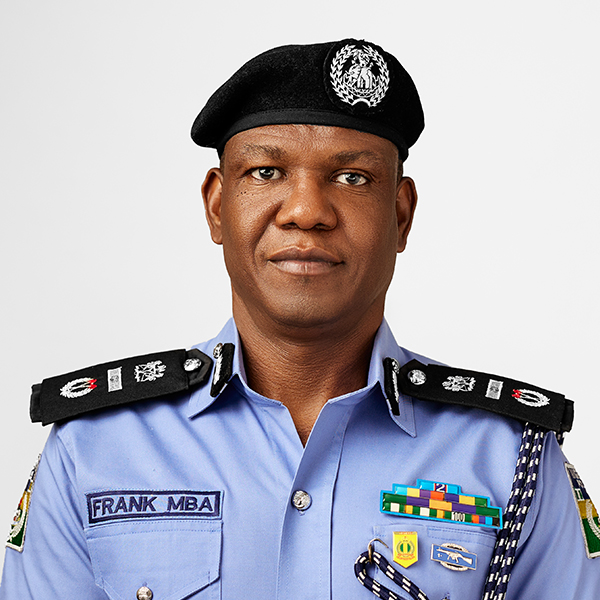
    Following Friday, 16 June 2023, the Police Service Commission’s approval of the appointment of a former 3-time Force Public Relations Officer, Frank Mba, psc, mni, LLB (Hons), BL, LLM (Dundee), FCPA, FCECFI, fnipr, mipra as Deputy Inspector- General of Police, DIG, many have hailed the promotion as a welcome development.

    A consummate, refined and vastly experienced cop with 31 years in service of the Nigeria Police Force, Mba has transversed different departments of the force in strategic areas of investigations, operations, administration and public relations/communications. Commenting on the promotion, the spokesman of the Police Service Commission, Ikechukwu Ani, explained that Mba is the most senior police officer from the South-East zone of the country.

    According to Ani, “DIG Mba will represent the South-East zone in the Police Executive Management Committee and replace the retired DIG John Amadi who before his retirement represented the zone”. Currently, Mba has been deployed to head the Department of Research and Planning of the force.

    Here are 10 things you need to know about the new Deputy Inspector General of Police in order to appreciate his Sterling qualities.

    1.      Mba was born in Lagos State 51 years ago and joined the Nigeria Police Force (NPF) in 1992 as a cadet officer. He was trained at the Nigeria Police Academy, Kano, where he finished as the best graduating cadet. Thereafter, he commenced his policing career, rising through the ranks to his present status as a Deputy Inspector General of Police.

    2.     He spent 7 years as an Inspector before he was promoted in 1999 to an ASP and to a DSP in 2003.Through commitment and hardwork, MBA got promotion to an SP in 2008 after 5 years and to CSP in 2012.He was promoted to an ACP in 2014 and later to a DCP in 2018.Mba rose to the rank of a CP in December 2020.Three years after in March 2023, he was decorated as an Assistant Inspector-General of Police.

    3.     He is an alumnus of the University of Lagos, Akoka, where he obtained his LLB (Law) Degree. He attended the Nigerian Law School, Abuja and won the Justice Kayode Eso’s award for Best Student in Professional Ethics. He was subsequently called to the Nigerian Bar in 2002. He equally attended the University of Dundee, Scotland, United Kingdom in 2005 for his Master’s degree in Law (LLM), graduating with Distinction. DIG Mba is also an alumnus of the prestigious FBI National Academy, Quantico – USA.

    4.     In addition, he holds a Certificate in National and International Security from Harvard University, USA. He is a Member of the National Institute (mni), having successfully completed the Senior Executive Course at the National Institute for Policy and Strategic Studies, Kuru – Jos in 2022. He also attended the Oxford Strategic Leadership Programme at the Oxford Business School, University of Oxford, United Kingdom.

    5.     A passionate and versatile officer, he has worked in many challenging Police Units and Departments in Nigeria, cutting across Investigations, Operations, Administration and Public Relations. These include the Commissioner of Police, Ogun State Command, and the Commissioner of Police in charge of the Border Patrol Force, Department of Operations, Force Headquarters, Abuja.

    6.     A three-time National Spokesman of the NPF and a recipient of the UN Medal, he was a member of the Nigeria Police Contingent to the United Nations Peacekeeping Mission in Liberia between 2006 and 2007.

    7.     Mba had served as the Area Commander in charge of Area ‘J’ Ajah and Area ‘E’ Festac Town, all in Lagos State. He was also an Assistant Commissioner of Police at the State Criminal Investigations Department (CID), Panti-Yaba, Lagos. He equally served at different times and in different capacities at Zone XI Police Headquarters, Oshogbo; State CID, Umuahia; Special Fraud Unit, Ikoyi – Lagos; Force CID, Annex, Kaduna; amongst others.

    8.     DIG Frank has attended some of the finest Law Enforcement trainings, within and outside Nigeria. These include: Countering Violent Extremism and Police Leadership Course at the International Law Enforcement Academy, Roswell, New Mexico, USA (2018); Strategic Leadership and Command Course, Police Staff College, Jos (2017); Crisis and Disaster Management Course, Galilee International Management Institute, Israel (2013); Managing the Media in Crisis Situations, School of Media and Communications, Pan Atlantic University, Lagos (2013); International Visitors Leadership Program on International Crime Issues, Washington DC (2010); General Criminal Investigation Course at the International Law Enforcement Academy, Botswana (2009); Middle Management Course on Global Peace Operations in Vicenza, Italy (2008); amongst others.

    9.     He is a Fellow of the Nigerian Institute of Public Relations (NIPR); Fellow, Chattered Institute of Local Government and Public Administration of Nigeria (CILGPAN); Fellow, Chattered Examiners of Criminology and Forensic Investigation Inc., USA (FCECFI); Member, International Institute of Certified Forensic Investigation Professionals, USA (CFIP); Member, FBI National Academy Associates Inc. (FBINAA); Member, The International Emergency Management Society (TIEMS); amongst others.

    10.    Before his appointment as the DIG in charge of Research and Planning, he served as the Assistant Inspector-General of Police in charge of the Force Criminal Investigations Department (FCID), Lagos Annex, Alagbon, Ikoyi – Lagos.

  • Feature: Nigeria and Britain needs to sign a bilateral agreement

    Feature: Nigeria and Britain needs to sign a bilateral agreement

    By Ayo Akinfe

    I hope Tinubu realises that he simply has to negotiate a bilateral trade deal with our former colonial masters Britain that will guarantee shelf space for Nigerian goods maybe starting with fruit

    [1] One huge problem the UK will face now she is outside the European Union (EU) is that she will no longer enjoy duty-free supply of fruits and vegetables from the Mediterranean region. Trust the Spanish, Italians, Greeks, French and Portuguese, they will demand full market price for all the tropical fruits they sell to the UK from now on

    [2] Companies like Sainsbury’s, Tesco, Asda, Iceland, etc now have to buy their fruits from Southern Europe at global market prices. With the EU protection gone, Nigeria should be able to compete for access to the UK market alongside Southern European suppliers

    [3] Nigeria is actually a significant fruit producer globally. We are the seventh largest pineapple producer (1.6m tonnes), sixth largest papaya producer (837,000 tonnes), 10th largest mango producer (917,000 tonnes) and 10th largest guava producer (790,000 tonnes)

    [4] We need to start thinking about how to get our produce on to UK supermarket shelves. Matters that need addressing include supply guarantees, meeting international food safety standards and avoiding damage in transit

    [5] President Tinubu needs to appoint a minister for foreign trade, who in turn needs to treat this as a matter of national urgency. He needs to get Nigeria’s main fruit producers to sit down with the likes of Sainsbury’s, Asda, Tesco, Iceland, etc to thrash out supply deals

    [6] Maybe we should start off by compiling a list of Nigeria’s top 10 fruit producers. Which farmers lead the way when it comes to the production of pineapple, bananas, mangoes, oranges, papaya, etc

    [7] Our supply costs are lower than many other global fruit producers due to lesser wages. Also, the fact that we are just below Europe gives us a competitive edge over suppliers in Asia and the Americas. Post-Brexit, fresh Nigerian fruit should be arriving in the UK every day in the hundreds of thousands tonnes

    [8] What our producers need is refrigerated trucks to convey their fruit from farm to port, government approved warehouses that are secure and refrigerated and then training on modern pest control methods and international food safety standards. In return, they should be asked to offer supply guarantees underwritten by the Nigerian government for long term deals

    [9] I want to see President Tinubu and Prime Minister Sunak sign a 10 year fruit supply deal that compels the likes of Sainsbury, Safeway, Tesco, etc to stock Nigerian produce

    [10] I always try to remain optimistic, so live in hope that over the coming months, President Tinubu will seize the initiative and grab the moment. He should consider this the chance in a lifetime

  • Feature: Charting Africa’s Financial Connectivity Pathway

    Feature: Charting Africa’s Financial Connectivity Pathway

    by Elvis Eromosele

    Payment is an important driver of commerce and socio-economic development. The evolution of payment is revolutionizing society today. 

    Across the African continent, technology intertwines with tradition forging a path toward financial inclusion. As digital payment infrastructure expands, businesses flourish and communities thrive. The once-insurmountable challenges of accessing financial services are being overcome, opening doors of opportunity for individuals and enterprises alike.

    From the bustling streets of Nairobi to the vibrant cities of Johannesburg, and the ancient wonders of Egypt to the thriving markets of Nigeria, a transformative wave is sweeping across Africa. In this digital age, the continent is witnessing a revolution in the realm of financial connectivity, propelled by the remarkable rise of digital payment systems. 

    Indeed, digital payment adoption is rapidly gaining momentum, reshaping the way transactions take place. Today, digital payment solutions are weaving their way into the fabric of everyday life, revolutionizing the economic landscape. With a growing population embracing the convenience of mobile wallets and contactless transactions, Africa is charting a course toward a cashless future.

    The continent has moved quickly from cards to the latest emerging digital solutions. Now that Contactless is on the board how prepared is Africa to engage, mingle and progress?

    Is Africa ready to step into a realm where innovation intertwines with progress, and where the potential for a more inclusive and prosperous future takes centre stage? The Digital PayExpo 2023, where visionaries, regulators, and industry experts converged to chart Africa’s transformative journey into the contactless revolution provided a scintillating insight into the future.

    Adeyinka Adeyemi, Managing Director/CEO, INTERMARC Consulting, organiser of the forum in his welcome address revealed that the theme of this year’s event The Future is Contactless was chosen in recognition of the trajectory of digital payment. 

    According to him, “We are here to further our understanding of the impact, implications and direction of financial technologies, particularly to glean into the future of contactless payments.”

    Right off the bat, the speakers conceded that financial inclusion has improved across the country with digital payment as the catalyst driving it. They argued that the regulators continue to play a crucial role in fostering confidence in the financial industry, particularly the Nigeria Deposit Insurance Corporation (NDIC) through the insurance of deposits and the Central Bank of Nigeria (CBN) proactive and forward-looking policy.

    Bello Hassan, Managing Director and Chief Executive Officer, NDIC, delivering his keynote address emphasized the importance of financial inclusion and highlighted the significant progress made in recent years. He urged regulators to leverage innovation and digitalization to further enhance the function of the emerging digital economy. He pointed out that the introduction of eNaira and insurance for deposits in the financial sector were among the strategies discussed to foster confidence in digital payments and improve financial inclusion.

    Musa Jimoh, Director, Payment Systems, CBN, highlighted the fact that regulators face a dilemma of keeping up with the speed of technological advancements. He stressed that risk mitigation and consumer protection should be top priorities to build trust in the digital payment ecosystem. He noted that it is important that issues around restitution and chargeback mechanisms are addressed effectively to allay consumer concerns.

    Elias Igbinakenzua, MD, Globus Bank, provided insights into the future of banking, which is rapidly evolving towards a digital-first approach. He revealed that the transition from cards to digital payments was driven by smartphone adoption, increased internet penetration, and technological advancements. According to Igbinakenzua, “Efficiency, enhanced personalization, mobile banking dominance, open banking, and collaboration with fintech companies are crucial factors for future success.” 

    Experts, during the panel sessions, discussed the transformative potential of blockchain technology in the financial sector. They emphasized the need for banks to collaborate with fintech companies, leveraging big data analytics to offer personalized services and seamless customer experiences across various touchpoints. The consensus was that collaboration rather than competition between banks and fintechs was the key to success.

    Education and awareness campaigns were deemed essential to address the lack of awareness and device limitations that hinder the adoption of contactless payments. The need for greater collaboration between tech entrepreneurs and the government, as well as the establishment of common regulatory frameworks for AI, was equally highlighted.

    Experts equally emphasized the need for robust security measures, employee education, strong customer authentication, and the creation of alternative credit scores to minimize risks. Collaboration among industry players and the implementation of safety nets such as SIM PINs were identified as crucial steps in ensuring the integrity of digital transactions.

    The Digital PayExpo 2023 highlighted the transformative power of contactless payments and the importance of collaboration, education, and innovation to achieve financial inclusion in Nigeria.

    As the digital banking landscape continues to evolve, industry players must embrace technology, strengthen security measures, and provide seamless customer experiences. With concerted efforts from regulators, banks, fintech companies, and consumers, Nigeria’s digital payment ecosystem is poised for significant growth, shaping the future of the nation’s and indeed Africa’s economy.

    Contactless payment refers to a method of making secure and convenient transactions without the need for physical contact between a payment card or mobile device and a payment terminal. It enables users to make payments by simply tapping their contactless-enabled cards or devices, such as smartphones or smartwatches, near a contactless payment terminal.

    With the popularity of mobile payments, contactless credit cards and other payment systems taking off in recent years, it is clear that this trend will not be slowing down anytime soon.

    The consensus is that contactless payment will spurn a tale of innovation and progress in Africa’s transformative journey. As more and more people tap into the potential of this technology, unlocking new possibilities and paving the way for a more inclusive and prosperous future. The stage is set, the momentum is building, and Africa is ready to embrace the contactless revolution.

    The transformative payment journey for the entire African continent has begun! 

    Elvis Eromosele, a Corporate Communication professional and public affairs analyst lives in Lagos.

  • Feature: Tinubu is faced by Relatively Minor Problems

    Feature: Tinubu is faced by Relatively Minor Problems

    by Ayo Akinfe

    If we want to put everything into perspective, Tinubu is faced with relatively minor problems

    [1] Do you know they June 6 was D-Day, when in 1944, history was created? In an unprecedented act of bravery, courage, valour, creativity, audacity and initiative, some 150,000 men were landed on an 80km stretch off the Normandy coast of France within 24 hours

    [2] By far the biggest amphibious military landing ever, this opening of the Western front during the war, showed what man can do when he sets his mind to it. Having to move all the necessary tanks, lorries, humans, equipment, supplies, food, fuel etc involved, required precision logistics, competence, efficiency and organisational capability

    [3] Do you know that two mobile ports were even built and shipped across the English Channel? An oil pipeline was also laid within 24 hours

    [4] For me, D-Day is a testament to the human can-do spirit. No matter the odds we face, we can overcome them with the willpower. France was heavily fortified by the Germans with what was known as an Atlantic Wall that involved the laying out of military pillar boxes and machine gun posts, yet the allies got through

    [5] Some 10,000 allied troops died on D-Day, cut down by machine gunfire from the German defenders of Normandy. Despite this, they just pressed on. They poured out across the five beaches named Juno, Sword, Omaha, Gold and Utah

    [6] Can I also pay special tribute to the Red Army of the Soviet Union for making D-Day possible. Their sweeping victories at the Battle of Stalingrad and the Battle of Kursk meant that two thirds of the German military were in the Eastern Front, weakening manpower availability on the Western Front

    [7] At Kursk alone, the Red Army lost about 250,000 men. They paid for the liberation of Europe in blood and men. Kursk was the greatest tank battle ever seen and to be honest, we will never witness anything like it again. Both sides lined up about 1,000 tanks each and for about a week, they stood toe-to-toe, wiping out each other. At the end of it, World War Two was practically over for Germany

    [8] When I look at Nigeria and her relatively minor problems, I despair at our lack of spirit. Boko Haram, corruption, or Fulani herdsmen do not pose one tenth of the risks the Germans did in World War Two but alas, rather than confront our problems, we just complain

    [9] Where there is a will, there is a way. D-Day just proves that the main reason why countries like Nigeria remain under-developed is because their people hide behind real and imaginary excuses when confronted with problems rather than face them. If we do not blame bad leadership, we will blame the devil, other ethnic groups, our colonial masters who left some 60 years ago or the angels of Lucifer. Everybody but ourselves

    [10] After World War Two, the infrastructural challenges Europe faced are also 10 times greater than what we face in Nigeria today. They had less power, all their bridges were blown up, cities lay in rubble, ports were in ruins and the masses starved. Yet, they did not complain but just got on with it. Within 10 years, Europe was back to herself. Let today be a cold reminder to us that our biggest challenge remains ourselves. Over to you, President Tinubu!

  • Feature: The new CBN Governor should cap Bank lending rate at 5% for certain industries

    Feature: The new CBN Governor should cap Bank lending rate at 5% for certain industries

    By Ayo Akinfe

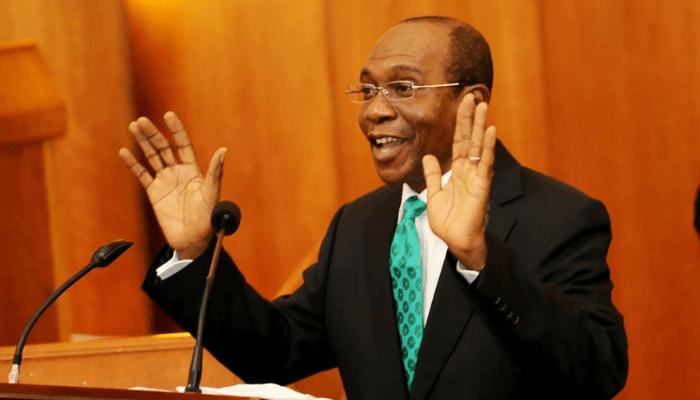
    Sacking Emefiele is meaningless unless it leads to a change of CBN policy. A new governor who will cap bank lending at 5% for certain key industries like this is required

    [1] Investment in agriculture, acquaculture and animal husbandry

    [2] Investment in power generation

    [3] Manufacturing of household consumer goods like laptops, fridges, TVs, etc

    [4] Production of industrial goods like transformers and machinery

    [5] Food processing

    [6] Steel processing

    [7] Railway and road expansion

    [8] Housing development

    [9] Automobile manufacturing

    [10] Producing pharmaceuticals

    These are all areas in which we are desperately lacking at the moment and if we want to get out of this rut, production in these sectors need to be put on a war footing. Nigeria basically has to manufacture her way out of poverty and to do this, industrial capital needs to be made widely available at rates close to zero.

    It is only a matter of time before Nigeria collapses on our collective heads unless we start manufacturing. If I had my way, the lending rate for all the above items would be capped at 2%.

  • Feature: Leadership and FirstBank’s Successful Transitioning to ‘Click’ banking

    Feature: Leadership and FirstBank’s Successful Transitioning to ‘Click’ banking

    In December 2015, the share price of First Bank of Nigeria Limited was trading around N4.8 band. About seven years later, precisely last December, the value held tightly to N15, growing by over threefold amid general asset and economic doldrums.

    The steep rise in the valuation of the financial institution deviates remarkably from the average performance of FUGAZ, an acronym describing the top five Nigerian banks by market capitalisation. In the past seven years, the share prices of the leading banks appreciated by an average of 90 per cent as against over 200 per cent growth seen in FirstBank.

    Deflated by the bank’s exceptional performance, Access Holdings, GTCO, UBA and Zenith stocks posted about 60 per cent growth. The performance of the entire banking sector also flattens out when compared with FirstBank, which raises questions about the fundamentals of the bank and its growth trajectory.

    In terms of inflation-adjusted return on investment, FirstBank shareholders are among the investors that emerged from the turbulent years with a positive real rate of return. Was it a stroke of luck? Does the market reward poor performance?

    Of course, stocks sometimes thrive on mere greater fool theory, thus triggering an asset bubble. But the positive share movement of the premier bank is but only one of the many high growth indicators.

    In first quarter of 2023, the bank’s non-performing loan (NPL) ratio came down far below the five per cent regulatory threshold, which means so much difference when placed in a historical context. As at December 2015, its NPL ratio was over 45 per cent, a telling reflection of the level of effort that went into cleaning its books in the intervening years. For analysts, the cleanup, which was done without raising fresh capital, explains what disciplined, focused and forthright leadership could achieve.

    On cleanup process, the Bank CEO, Dr. Adesola Kazeem Adeduntan, said the institution was “its self-created AMCON”, referring to the Asset Management Corporation of Nigeria set up in the aftermath of the 2008 financial crisis to buy up the threatening toxic assets of Nigerian banks.

    Indeed, what the management of the bank has done in the past seven years is not remarkably different from the role of AMCON, since its creation in 2011, except that the former raised fresh capital for its humongous responsibility whereas the bank did not. Also, the FirstBank experience was internal; and it did face a tougher task in terms of the proportion of its assets that had gone bad.

    At the height of the financial crisis in 2008/2009, the NPL ratio rose to 37.3 per cent, from 9.9 per cent on record in 2007. On the other hand, the premier bank was carrying over 45 per cent NPL on its book as at January when Adeduntan took the reins of its leadership as the managing director.

    All through the process, the bank did not raise fresh capital for the housecleaning programme, meaning the shareholders’ value was not diluted in the process.

    Investors may have also kept in view other impressive qualitative metrics such as pre-tax return on equity (RoE), a measure of net income in proportion to shareholders’ equity, which moved from 0.6 to 17.3 per cent at the end of last year’s financial cycle. Also, pre-tax Return on Asset (RoA) climbed from 0.1 to 1.6 per cent while the cost of risk was also down to 1.7 per cent last year, from 10 per cent recorded in its 2015 financial.

    At the end of this month, Adeduntan would have spent 7.5 years in office and he would be 30 months short of the tenure limit requirement. Already, he is the longest-serving chief executive of the institution, which is known for its short-term leadership tradition. Casual observers consider him as fortunate, but deep analysts think differently – the bank has been fortunate to have had him.

    The lender, which predated ‘Nigeria’, and played the most active financial role in the structuring of the country’s pre- and post-Independence economy, may have just got its groove back under the current management. The books are clean and the NPL is trending downward, faster than the industry average. But beyond, its top and bottom lines are all out of the woods and climbing.

    Its total assets, for instance, have increased by 167 per cent in the past seven years, meaning that its asset size has almost tripled, which also outperformed the industry growth. In terms of liquid asset to total asset ratio, it is also ahead of most of its peers. This suggests that while the quality of its assets has increased remarkably, with the NPL ratio falling by 88 per cent in less than a decade, the bank’s asset growth has not stalled, which speaks volumes about the quality of its risk management approach.

    Currently, FirstBank had in its portfolio of about 41 million customer accounts, an extraordinary 276 per cent lift from its 2015 record. The figure is about 30 per cent of total bank accounts held by Nigerian banks. Customer depositors also jumped by as much as 153 per cent to 10.6 trillion.

    The growth seen is also robbing off on the bottom line with the profit before tax (PAT) increasing by N137 billion in the period. That translates to over 1300 per cent, probably contributing majorly to the sudden spike in the share of the bank.

    Perhaps, owing to its long history dating back to when banks were mostly associated with corporate and public sector financial infrastructure, FirstBank was mostly seen as a go-to for savers and borrowers. But that seems to have changed with its many smart digital channels. For its management, that is deliberate.

    “Our goal is to transform the bank from lending-based to a transaction-based financial institution,” the chief executive pointed out.

    Yes, its transformation is no longer a dream. From zero share of corporate e-bill payments, it has shoved its competitors behind to take hold of 42 per cent of the market. The bank, in the words of its managing director, has pivoted from brick and mortar to “brick and click”, making payment seamless and a click away for individuals, corporate as well as public entities.

    “We have built a very formidable trade and cash management platform that we call FirstDirect, which allows corporate banking customers, from the comfort of their home, to initiate a trade transaction and complete it. You have a single view, giving you an interface where you can add your different accounts and transact,” Adeduntan explained.

    FirstMobile, a standalone digital bank, has also emerged as a household name in the financial technology ecosystem. In 2015, when the platform was still at its teething age, its users were about 60,000 a number that soared to over six million (a growth of over 10,000 per cent). That has contributed immensely to the changing tradition of banking with FirstBank, as about 85 per cent of its transactions are now initiated via digital windows.

    FirstMobile appears to have hit the bull’s eye in the bank’s reinvention drive and effort to appeal to younger demographics. But the platform itself is merely one of the potpourris of telecommunication-driven initiatives it has taken on to get the young depositors on board. FirstOnline users have also grown from about 90,000 to over one million within the timeframe just as its USSD, which targets feature phone users, is even more successful with users increasing by close to 3,000 per cent in seven years to 14.7 million.

    Overall, its digital banking has evolved in both volume and public impression. Ease, convenience and reliability have moved the customer base from its tiny 0.6 million to 22 million.

    Indeed, FirstBank is transmuting into a transaction-led institution. Last year, the volume of transactions hit 17 million, 8.5 times what it was in 2015 when it experienced some corporate turbulence. But the growth is not only in volume terms, as its non-interest income ratio hit 40.6 per cent for the first time last year, which aligns with the strategic direction of the current management in weaning the group from excessive credit risk exposure.

    Over the years, most Nigerian banks have consolidated their global outlook. FirstBank has led the pack with its 40-year United Kingdom subsidiary, which is bigger than some of its competitor wholesale operations back home. But some of the pro-offshore Nigerian banks had been accused of extroversion and ego-seeking as most of the outposts were nothing but cost centres.

    In the past few years, the assumption has been deflated; and the performance of the African subsidiaries of FirstBank is among what could be changing the tide. Before the 2015 change of the guard, the subsidiaries’ operations left had created a gaping hole in the PBT of the consolidated account. Last year, they contributed a combined 21.3 per cent to the group’s pre-tax profit.

    But that was not because there was no risk out there. In the heat of the Ghanaian government debt crisis, Adeduntan revealed, FirstBank took the least impairment among Nigerian banks that were exposed to the crisis “not because we saw it coming but because we have consistently done the right thing and adopted best risk management practice”.

    There is also a humane side to his management approach. Today, FirstBank is among the highest-paying Nigerian banks and offers the most attractive conditions of service, including training, accelerated career growth and many more. In 2021, its efforts were compensated with the Great Place to Work Award. Today, the once-touted conservative bank is attracting young and upwardly mobile professionals with the average age of its employees estimated at 39 years.

    Being the longest-serving managing director of the pre-colonial financial behemoth, Adeduntan has the leverage of time and experience to enforce its transformational agenda. But he had also prepared for the job. At KPMG where he co-pioneered the firms’ financial risk management advisory services, he trained in almost all areas of human endeavors – presentation, people management, business writing and all sorts. On assumption of office, he was bold and firm in his decision to headhunt, institute new work culture, clear career growth blockages and challenged the status quo.

    His courageous outing in the past seven and half years has transformed an institution once considered one of least prepared for the age of “brick and click” banking into the Usain Bolt of the emerging financial technology space.

    Culled from Guardian Newspaper
  • Feature: Can any Governor enter the Guinness Book of Records through the Production of Agricultural Crops

    Feature: Can any Governor enter the Guinness Book of Records through the Production of Agricultural Crops

    By Ayo Akinfe

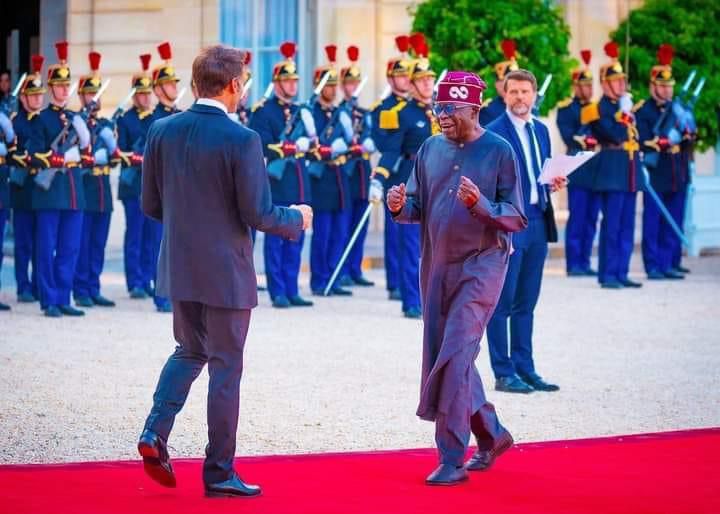
    Let us see which of these new governors will join in the trend of entering the Guinness Book of Records by setting new records with the production of agricultural crops.

    [1] Who will raise maize output in his state so Nigeria’s current crop of 10m tonnes matches Mexico’s 28m tonnes

    [2] Which governor will increase tomato production so Nigeria’s current output of 4m tonnes matches Pakistan’s 16.6m tonnes

    [3] Who will increase rice production in his state so Nigeria’s current crop of 6m tonnes matches Thailand’s 25m tonnes

    [4] Who will boost sugarcane production to enable our current 1.3m tonnes to match South Africa’s 15m tonnes

    [5] Which governor will boost cocoa production so Nigeria’s current crop of 328,263 tonnes matches Ghana’s 883,652 tonnes

    [6] Who will help raise plantain production from the current 3.09m tonnes to match Cameroon’s 4.31m tonnes

    [7] Who will help increase pineapple production from the current 1.5m tonnes to match Costa Rica’s 2.9m tonnes

    [8] Which governor will help raise timber production from the current 69m tonnes to match Indonesia’s 119m tonnes

    [9] Which of our governors will help increase Nigeria’s palm oil production from the current 1.2m tonnes to match Malaysia’s 20m tonnes

    [10] Surely one governor has plans to help increase Nigeria’s milk production from the current 523,599 tonnes to match Pakistan’s 45.6m tonnes

    These expansion plans must be accompanied by a no-nonsense value-added programme. President Tinubu should send legislation to the National Assembly making it illegal to export raw commodities.

    Under no circumstances whatsoever must raw primary commodities be exported without at least 50% value addition.