Category: Features

Featured posts

  • Unleashing Market Dynamics: The Game-Changing Impact of Dangote Cement Plc’s Share Buyback

    Unleashing Market Dynamics: The Game-Changing Impact of Dangote Cement Plc’s Share Buyback

    Dangote Cement Plc made an announcement to the Nigeria Exchange Limited regarding the initiation of its Tranche 1 Shares Buy-Back Programme on July 7, 2023. 

    The program involves the purchase of 168,735,593 fully paid ordinary shares, which represents 1% of the total current issued shares. The buy-back program will commence on July 17, 2023, and will be completed within two days or until the entire tranche size has been acquired. 

    The shares will be purchased from the open market at the NGX. These repurchased shares will be held as treasury shares, in compliance with CAMA regulations. 

    The execution of Tranche 1 is not expected to have a significant impact on the company’s financial position. Shareholders of Dangote Cement who wish to participate in Tranche 1 are advised to seek guidance from their stockbrokers or registered capital market operators authorized by the SEC for assistance in submitting trades on the NGX’s trading platform.

    In response to the recent disclosure of Dangote Cement Plc.’s Tranche 1 Shares Buy-Back Programme, investors have raised inquiries about its potential influence on the company’s market price and performance. As a result, this report aims to provide an insightful exploration of share buy-back programs and their consequential effects on investor benefits and the company’s overall performance.

    Recall that the Securities and Exchange Commission (SEC) had approved the establishment of a new share buy-back Programme for Dangote Cement Plc.

    According to the corporate disclosure, the Programme will expire on 12 December 2023, 12 months from the date of the shareholders’ resolution. The share buyback Programme will be executed under the approval granted by the company’s shareholders at an extraordinary general meeting held on 13 December 2022.

    Dangote Cement Plc ran its most recent share buyback Programme (Tranche 1) in January 2022 where the company repurchased a total of 170,003,074 fully paid-up ordinary shares of 50 Kobo each, representing 1% of the currently issued shares. The Programme lasted for two trading days, commencing on 19th January 2022 and was completed on 20th January 2022.

    ESSENTIAL HIGHLIGHTS FOR INVESTORS!

    KEY HIGHLIGHT:

    • Dangote Cement Plc.’s decision to initiate a share buy-back program comes as a strategic move to address its heavy leverage and uplift investor sentiment. 
    • A share repurchase reduces the total assets of the business so that its return on assets, return on equity, and other metrics improve when compared to not repurchasing shares.
    • Reducing the number of shares means earnings per share (EPS) can grow more quickly as revenue and cash flow increase.
    • One of the reasons for the share buyback is to increase long-term shareholder value. Also, the exercise is expected to support the cement manufacturer’s continuous capital structure and balance sheet optimization process.
    • This means that repurchasing shares while improving financing and balance sheets efficiency is expected to reduce the cost of capital and enhance investors’ value.
    • Dangote Cement’s share price has risen 16.4 per cent to N285 since the company completed its first share repurchase on 31 December, 2020, hitting a high of N300 on 16 May, 2022 and a new high of N360.70 on 11 July, 2023 after the announcement of the Third Share Buy-Back Programme in three years.

    SHARE BUY-BACK

    A share buyback program, also known as a stock repurchase program, is a strategy employed by a company to repurchase its own shares from the open market or directly from shareholders. This process involves the company using its available cash or borrowing funds to buy back outstanding shares.

    The purpose of a share buyback program can vary depending on the company’s objectives. 

    Here are some common reasons why companies may initiate share buybacks:

    Enhancing Shareholder Value

    By reducing the number of outstanding shares, a share buyback program can increase the ownership percentage and earnings per share (EPS) for existing shareholders. This can potentially lead to an increase in the company’s stock price and overall shareholder value.

    Capital Allocation

    Share buybacks provide an alternative to distributing excess capital to shareholders instead of paying dividends. It allows the company to return cash to shareholders without incurring immediate tax liabilities for investors, as the repurchased shares can be sold at a later time when desired.

    Signal of Undervaluation

    When a company announces a share buyback program, it can be interpreted as a signal that the company’s management believes the stock is undervalued. This can instill confidence in the market and attract investors who perceive the buyback as a positive indicator of the company’s prospects.

    Dilution Mitigation

    Share buybacks can offset the dilution caused by the issuance of additional shares for employee stock option plans or convertible securities. By repurchasing shares, the company can reduce the dilutive effect and protect the proportional ownership interests of existing shareholders.

    Excess Cash Utilization

    Companies with significant cash reserves may initiate share buybacks as a means to utilize excess cash efficiently. If the company has limited investment opportunities or believes that its own shares are a better investment than other available options, a buyback program can be a way to deploy the excess funds.

    ADVANTAGES OF A SHARE BUY-BACK PROGRAMME:

    Enhanced Shareholder Value: By repurchasing its own shares, a company can reduce the number of outstanding shares in the market. This reduction in the supply of shares can increase the earnings per share (EPS) and potentially boost the company’s stock price, thereby benefiting shareholders.

    Efficient Capital Allocation: Share buy-backs can be a strategic way for a company to utilize excess cash or surplus funds. Rather than sitting on idle cash or making risky investments, a buy-back program allows the company to deploy capital efficiently by investing in its own undervalued shares. 

    Signal of Confidence: A share buy-back program can be seen as a positive signal to investors, indicating that the company believes its shares are undervalued. This can instill confidence in the market, attracting new investors and potentially improving the company’s reputation.

    Flexibility in Capital Structure: By repurchasing shares, a company can adjust its capital structure, leading to a more favorable debt-to-equity ratio. This can enhance financial stability, increase borrowing capacity, and potentially improve credit ratings.

    DISADVANTAGES OF A SHARE BUY-BACK PROGRAMME:

    Misallocation of Resources: If a company spends a significant amount of its capital on share buybacks, it may divert funds away from other areas that require investment, such as research and development, new projects, or acquisitions. This could hinder long-term growth prospects.

    Overvaluation Risk: If a company repurchases its shares at inflated prices, it may lead to an overvaluation of the stock. This could result in future difficulties if the stock price declines, potentially causing losses for shareholders.

    Opportunity Cost: Funds utilized for share buy-backs could have been allocated to dividend payments, reinvesting in the business, or pursuing strategic initiatives. Shareholders who rely on dividends as a source of income may prefer consistent dividend distributions instead of buy-backs.

    Market Perception: Depending on the market’s interpretation, a large share buy-back program could be viewed negatively as an indication that the company lacks growth opportunities or is uncertain about its future prospects. This perception may erode investor confidence.

    CONCLUSION – OUR TAKE ON THE MATTER

    In conclusion, the announcement of Dangote Cement Plc’s share buy-back program positions the company favorably, generating positive expectations among investors. This development is expected to have a constructive impact on the company’s market performance, with potential positive reactions in the equities market both in the upcoming trading session and leading up to the specified buy-back date.

    A Closer Look at the Dangote Debt Chart

    Dangote Cement Plc’s decision to initiate a share buy-back program comes as a strategic move to address its heavy leverage and uplift investor sentiment. With a high level of debt, the company aims to utilize this program to enhance its financial position and instill confidence among investors.

    By repurchasing its own shares, Dangote Cement can allocate surplus funds towards reducing outstanding shares in the market. This reduction in shares not only improves the company’s debt-to-equity ratio but also signals to investors that the management is actively taking steps to address leverage concerns.

    A share buy-back program of this nature can generate positive sentiment among investors, showcasing the company’s commitment to enhancing shareholder value. As Dangote Cement Plc repurchases shares at potentially attractive prices, it demonstrates its belief in the underlying value of its stock, which can bolster investor confidence.

    Furthermore, by reducing the number of outstanding shares, the buy-back program can lead to an increase in earnings per share (EPS) and potentially drive the company’s stock price upward. This can attract new investors who are drawn to the improved financial stability and the positive market perception resulting from the share buy-back program.

    Overall, Dangote Cement’s strategic share buy-back program serves as a proactive measure to address heavy leverage, while simultaneously working to boost investor sentiment by enhancing financial stability. Historical Data Reveals Investor Delight: Dangote’s Share Buy-Backs Trigger Positive Market Response

    The story of Dangote’s Share Buy-Back Programmes unfolds with remarkable market responses. In the first announcement back in December 2020, the stock price soared by an impressive 16.95%, reaching N245. The second announcement witnessed another surge, propelling the market price by 6.18% to N275. However, the most recent revelation on July 7, 2023, led to an astonishing jump to N300.10, showcasing a remarkable 3.48% surge. Not stopping there, the stock broke new ground, hitting a remarkable 52-week high of N360.70 on July 11, 2023, marking an exceptional 24.38% increase from its starting point of N290 on July 6, 2023.

    We expect a further upsurge in market price of Dangote Cement on or after the completion date of the share repurchase Programme. 

    The tale of Dangote’s share buy-back impact is one of rising prices and newfound highs, illuminating the fervor and optimism embraced by investors. These substantial price escalations signify the market’s unwavering enthusiasm and confidence in Dangote Cement Plc.’s strategic moves, as each share buy-back announcement kindles a surge in market performance, pushing the boundaries of new peaks.

    Investing in Dangote Cement Plc following the share buy-back news holds several advantages. Here are additional reasons why it is a good opportunity for investors:

    1. Value Enhancement: The share buy-back program indicates that the company perceives its shares as undervalued. This belief can instill confidence among investors, as it suggests that Dangote Cement Plc is committed to enhancing shareholder value.
    2. Potential Price Appreciation: By reducing the supply of outstanding shares in the market, the buyback program can create a favorable supply-demand dynamic. This reduction, combined with positive market sentiment, may lead to an increase in the company’s stock price, offering the potential for price appreciation.
    3. Efficient Capital Deployment: With surplus funds allocated towards repurchasing shares, Dangote Cement Plc demonstrates efficient capital allocation. By investing in its own undervalued shares, the company utilizes its resources optimally, which can generate long-term benefits for shareholders.
    4. Enhanced Financial Position: The buy-back program allows Dangote Cement Plc to adjust its capital structure and potentially improve its debt-to-equity ratio. This can strengthen the company’s financial position, enhance stability, and potentially improve credit ratings, which can be appealing to investors.
    5. Confidence in Future Prospects: The share buy-back program serves as a positive signal, indicating that Dangote Cement Plc is confident in its future prospects. This confidence can be infectious among investors, attracting new interest and potentially bolstering the company’s reputation.

    Considering these factors, investing in Dangote Cement Plc following the share buy-back news presents an opportunity for investors to benefit from potential value appreciation, efficient capital deployment, and improved market sentiment surrounding the company’s performance.

  • Special Report: Suspension of the Nigeria 2023 Finance Act

    Special Report: Suspension of the Nigeria 2023 Finance Act

    The huge tax burden has no doubt been a clog in the wheel of the overall performance of businesses over the years. There have been numerous fora expressed concern on the escalation of taxes, including excise duties and its adverse implication on the business operating environment.

    The intervention of the president signing the suspension of the five per cent Excise Tax on telecommunication services; suspension of Excise Duties on Tobacco (30% ad valorem rate with the introduction of specific rate of N4.2/stick of cigarette for 2022; N4.7 per stick for 2003; and N5.2/stick in 202); Beer (N40/lite in 2002; N45/lite in 2023 and N50/lite 2024); and Wine/Spirit (20% ad valorem rate with a specific rate of N50/litre in 2022) as proposed in the 2022 Fiscal Policy Statement. 

    The suspension of 10% Green Tax by way of Excise Tax on Single Use Plastics (SUPs), including plastics containers and bottles; Import Tax Adjustment (IAT) of 2% on imported motor vehicles of 2000cc to 3999cc and 4% on 4000cc engines. The new Orders will, no doubt, support the efforts at improving the operating environment and mitigate the high cost of doing business in Nigeria, particularly with the aftermath of the removal of fuel subsidy.

    Furthermore, in the bid to curb multiple taxations as complained by a cross-section of

    Nigerians and the business community, President Bola Tinubu has signed four Executive Orders, which include the suspension of the 5% Excise Tax on telecommunication services as well as the Excise Duty escalation on locally manufactured products. The suspension which now defers the commencement date of the changes contained in the Act from May 23, 2023 to September 1, 2023. This is to ensure adherence to the 90 days minimum advance notice for tax changes as contained in the 2017 National Tax Policy.

    Numerous businesses are currently grappling with the challenges posed by rising costs, shrinking profit margins, and underutilization of capacity. These difficulties stem from multiple macroeconomic factors as well as the impact of the Naira redesign policy. One of the main priorities of this administration is to streamline our tax system and its collection methods. The President, in his inaugural speech, expressed his intention to simplify and make the tax system more business-friendly. It is important to recognize that effective revenue management involves more than just tax collection; it begins with our economic policy. The ultimate goal is not to burden the impoverished with taxes.

    Rather than focusing on taxing production, the government aims to foster increased productive activities and boost production capacity. Subsequently, the focus will shift towards taxing citizens’ consumption, aligning with their economic planning objectives. Additionally, the government seeks to enhance public trust by implementing a comprehensive plan to improve tax collection and compliance management. It is important to note that there are currently no plans to introduce new taxes. Instead, the emphasis is on enhancing the collection process and ensuring compliance with existing tax regulations.

    Effects of the Suspension of the 2023 Finance Act

    Below are various effects of the suspension of the 2023 Nigeria finance act:

    1. Uncertainty: The recent suspension of the 2023 finance act can create uncertainty and confusion among businesses, individuals, and investors. The act typically contains provisions related to taxes, tariffs, incentives, and other financial regulations. When suspended, it may be challenging for stakeholders to understand the applicable rules and plan their financial activities accordingly.
    2. Business Competitiveness: Adjustments in taxation or regulatory measures within a finance act can enhance the competitiveness of businesses. Lowering tax rates or reducing compliance burdens can attract investment, encourage entrepreneurship, and promote economic growth.
    3. Delayed Reforms: The Finance acts often include measures aimed at improving the economy, promoting investment, and enhancing fiscal policies. The suspension of the act could delay the implementation of these reforms, potentially impacting economic growth and development.
    4. Investment Incentives: The suspension of specific tax provisions may attract domestic and foreign investments. By offering tax incentives or exemptions, the government can encourage investment in targeted sectors, promoting job creation, infrastructure development, and overall economic progress.
    5. Revenue Collection: The Finance Acts generally outline tax policies and regulations. The suspension of the act may affect the government’s ability to collect revenue effectively. It could lead to a decrease in tax compliance as individuals and businesses may be uncertain about their obligations or take advantage of the lack of clear guidelines.
    6. Investment Climate: Investors often rely on the stability and predictability of financial regulations to make informed decisions. The suspension to the finance act can create a negative perception of the investment climate, potentially deterring both domestic and foreign investors.
    7. Compliance Simplification: Finance acts often introduce complex tax regulations and compliance requirements. Suspending or revising such acts can lead to simplified and clearer tax frameworks, reducing administrative burden and compliance costs for individuals and businesses. This can encourage greater tax compliance and reduce the likelihood of tax evasion.
    8. Budget Implementation: The Finance act is closely tied to national budgets, as they outline revenue sources and expenditure plans. Suspending the act may disrupt the implementation of the budget and hinder the government’s ability to execute its planned programs and projects for the fiscal year in which the budget was prepared for.

    It’s important to note that the effects of suspending a finance act can vary depending on the specific provisions and the duration of the suspension.

  • MAN expresses concern over skewed implementation of National Mass Metering Programme (NMMP) Phase II

    MAN expresses concern over skewed implementation of National Mass Metering Programme (NMMP) Phase II

    local meter manufacturers and assemblers displaced from World Bank funded project

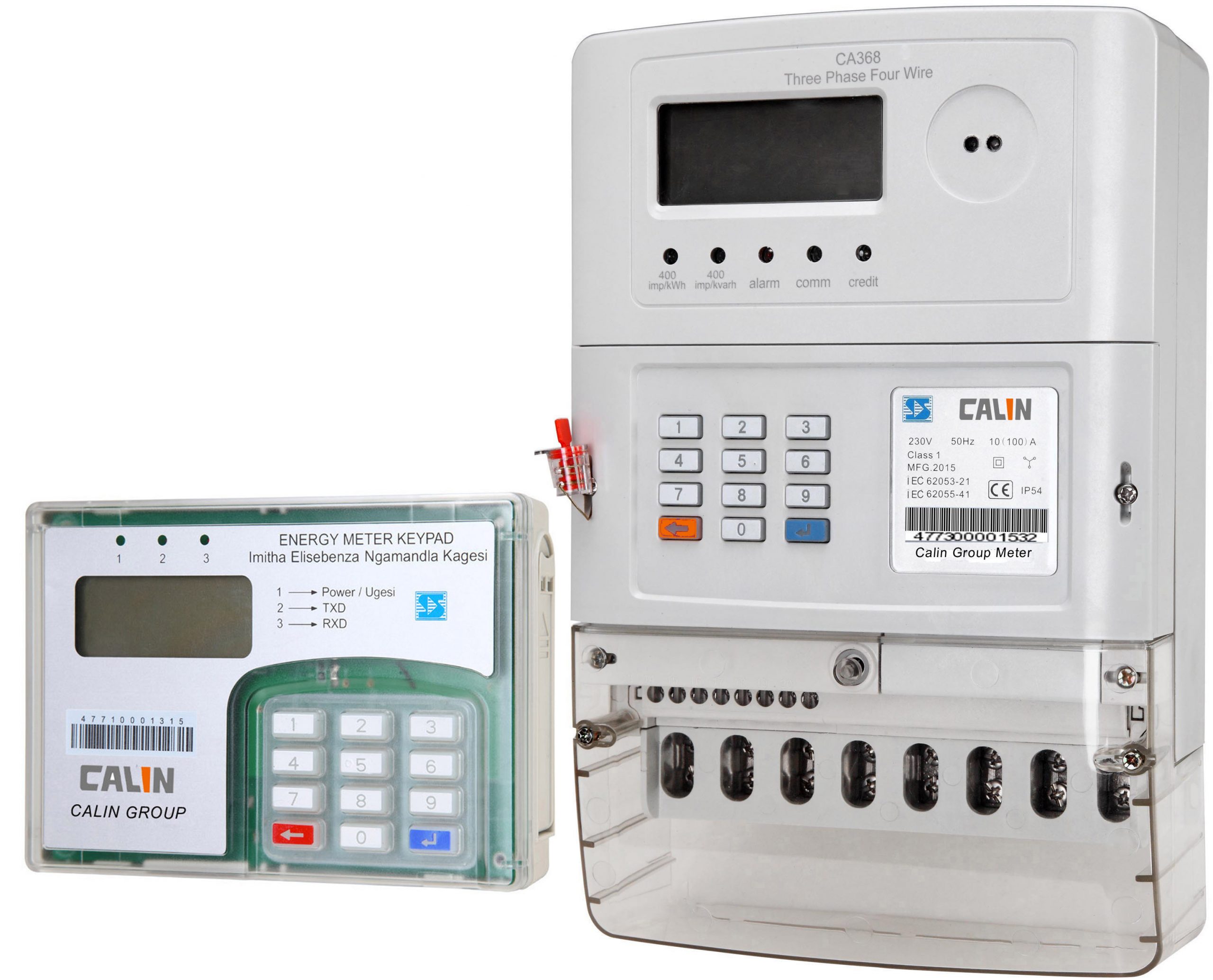
    The Manufacturers Association of Nigeria (MAN) has expressed concern over the impending displacement of local meter manufacturers and assemblers in downstream of the power sector in the process of the government’s implementation of the NMMP Phase II World Bank-funded supply of 1.2 million smart energy meters.

    According to the statement signed by the Director-General of MAN, Segun Ajayi-Kadri, The advertised financial requirements and the technical specifications by the Transmission Company of Nigeria (TCN) appears to be skewed against local manufacturers as they are outrageously stringent and negate the CBN guidelines for the implementation of National Mass Metering Programme (NMMP). This is a federal government intervention in the power sector to accelerate energy meter supply in the country to bridge the metering gap and ought to be in sync with our overall national economic development objectives.

    This portends grave danger for the power sector as we may be witnessing a repeat of the ugly scenario in 2012 when local manufacturers were sidelined in the meter supply and the nation was greeted with supply of substandard meters supplied by the foreign companies that were awarded the contract that were later removed from the network. The position of the TCN that installation will provide employment opportunities to Nigerians will completely pale into insignificance when compared with a ratio of 1 to 10 jobs that will be created if local manufacturers are included in the scheme.

    It should be recalled that, in keeping with the Federal Government’s backward integration policy and the advent of the NMMP intervention, manufacturers have made huge investments in expansion of manufacturing capacities, trained and promoted highly skilled workforce to meet the demands of the power sector as envisaged in the NESI.

    The seeming intentional denial of the local manufacturers does not take into cognizance their sterling performance of the nascent local manufacturing, vis:

    i) Deployment and installation of a total number of 611,231 energy meters across the country between January 2019 till 31st January, 2021. This is corroborated by the report of the Regulatory Agency, the Nigeria Electricity Regulatory Commission (NERC) under the Meter Assets Provider (MAP) initiative of the federal government.

    ii) The deployment and installation of 1million energy meters across the country under the phase zero of the National Mass Metering Programme (NMMP). This is under the Federal Government intervention aimed at increasing the metering rate to eliminate the inglorious and arbitrary estimated billing and strengthening the local meter value chain, as well as creating jobs. Ofcourse this has also helped in reducing collection losses and increasing financial flows to achieve 100% market remittance obligations of the Discos and improving network monitoring capability and availability of data for market administration and investment decision making.

    It should recall that our members have been denied the opportunity to fully execute the contract for the supply and installation of 4m energy meters under the Phase 1 of the NMMP scheme. This was due to the unrealistic terms that arbitrarily fixed the contract prices extremely and far below the approved regulatory prices of energy meters in the country. Additionally, the contractual term of payment after the supply and installation of the meters have not been adhered to, thereby jeopardizing the financial capabilities of our members participating in the scheme.

    MAN opines that the subsisting Executive order 003 on the patronage of made-in-Nigeria products and the avowed policy of the government to give priority and first consideration to local businesses should have made the government to interrogate the world bank documents and actively consulted/engaged Nigerian stakeholders in the sector with a view mainstreaming their inputs. This is clearly the cardinal aspiration of the NMMP scheme, which is to strengthen the local meter value chain by increasing local meter manufacturing, assembly and deployment capacity and to support Nigeria’s economic recovery by creating jobs in the local meter value chain.

    As a nation that aspires to make progress and improve the well-being of its people, it is unconscionable that we continuously make the same mistakes. The overbearing government control over energy meter procurement and pricing has continued to limit meter availability and almost treacherously hindered the factualization of the forces of demand and supply in determining the prices of meters. It has stifled the emergence of healthy competition in the meter manufacturing and pricing ecosystem, which should have created more job, upscaled technology, innovation and skills, and an expansive value chain across the country.

    The Association counsel that the excellent constitutional amendment that enlisted power generation and transmission in the concurrent list should be complemented with the liberalization of the distribution end of the value chain. The energy meter procurement and pricing should be liberalized. There is no doubt that Nigerians are in dire need of and are desirous of procuring meters, they have only been limited by the unwarranted and stringent processes of applying for energy meters by the DisCos, as well as the indiscretion of some of their operatives.  We are convinced that the liberalization of the distribution end of the value chain will eradicate these bottlenecks and give a fillip to the efforts of government to bridge the metering gap and ensure just electricity billing regime.

  • Feature: How Unilever Is Harnessing Purpose for Business And Societal Good

    Feature: How Unilever Is Harnessing Purpose for Business And Societal Good

    Unilever Nigeria is a century in Nigeria this year. This makes it the longest-serving manufacturing organisation in the country. Unilever Nigeria is committed to utilizing its business as a force for good. Its goal is to generate positive outcomes for both the environment and society. The company is currently implementing various initiatives to minimize its ecological footprint, enhance the well-being of consumers, and foster a more diverse and inclusive work environment. By prioritizing sustainability, health, hygiene and inclusion, Unilever Nigeria is actively contributing to a brighter future for the planet and its inhabitants.

    Introduction

    In today’s interconnected world, businesses have the unique opportunity and responsibility to drive positive change. There are pressing societal challenges that only the innovative acumen of businesses can hope to relieve. This is precisely why business and purpose is the new mantra to drive change, engender transformation and ensure sustainability.

    Business and purpose go beyond financial success. It emphasizes the need for companies to actively contribute to solving societal issues such as poverty, epidemic outbreaks, illiteracy, unemployment, and more. Businesses that price sustainability appreciate the need to embrace and indeed embed purpose in their business model.

    The Unilever Compass

    One company that seems to be ahead of the curve with its strategy of business and purpose is Unilever. Through its Compass commitments that drive its sustainability strategy, it has demonstrated that merging business with purpose is possible.

    Unilever today presents a compelling case for embracing the idea of business as a force for good. Its operation highlights the benefits of pursuing both profit and purpose. The Unilever Compass is the group’s strategy to implement its business and purpose agenda through innovation. The Compass is founded on three core pillars: Brands with Purpose Grow; Companies with Purpose Last; and People with Purpose Thrive. Building on these pillars, the Compass has three commitments: Improve the health of the planet; Improve people’s health, confidence, and well-being; and Contribute to a fairer, more socially inclusive world. The three commitments are subdivided into eight commitments and 32 further commitments.  

    In Nigeria, these commitments are localized and tracked year on year and reported in the annual sustainability report. 

    Improve the Health of the Planet (Climate Change)

    Unilever’s urgency to tackle climate change, reduce plastic waste and protect nature has never been greater than it is today. Specifically, it aims to reach net zero emissions by 2039. To achieve this, it is transitioning to renewable energy across its operations, finding new low-carbon ingredients and expanding its plant-based product range.

    Unilever Nigeria has embarked on a multifaceted decarbonization journey to reduce emissions from its operations and products. The company is transitioning to renewable energy sources at its various plants to reduce CO2 emissions on site. 

    To efficiently manage emissions data, the company has implemented measures such as metering all utility usage points and providing training to technical operators responsible for handling environmental data. In 2022, it achieved significant progress in energy savings, with 14,461 GJ saved and CO2 emissions were reduced by 1,257,746.67 kg. 

    Waste-Free World

    Unilever’s commitment to plastic solutions by 2025 is in three stages: to cut the use of virgin plastic by 50 per cent; to collect more plastics than the company puts out in the environment; and achieve 100 per cent reusable, recyclable and compostable plastics across its operations by 2025.

    In line with this commitment, Unilever Nigeria has partnered with Wecyclers since 2014. The partnership has effectively created sustainable collection mechanisms that have led to consistent growth. Over the years Wecyclers has championed its kiosk collection model, accounting for over 5,000 tons of recyclables being diverted from oceans and landfills. Also, it contributed to the growth of the Unilever franchise model, which has accounted for an additional 4,000 tons of recyclables collected and the creation of new jobs. 

    In a demonstration of its resolve to provide more opportunities for plastic waste to wealth, Unilever Nigeria and impact investor Bridges Fund have signed a 2-million-dollar funding agreement with social Wecyclers to expand plastics recycling in Nigeria. It is a new and highly innovative finance mechanism called a “Development Impact Bond” arranged with the French investment bank Societe Generale. This will create thousands more jobs turning the plastics waste that commonly ends up on the streets into raw material for industry.

    Improve People’s Health, Confidence and Wellbeing 

    This compass commitment in Nigeria aims to improve people’s health, confidence, and well-being through actions related to reducing salt intake and improving food diversity.

    Unilever aims to help people reduce their salt intake. To achieve this, it strives for 85 per cent of its food portfolio to ensure that consumers do not consume more than 5g of salt per day. This is being driven through the “Eat for Good” campaign. The target of reaching 25 million consumers with the message was exceeded, as 28 million consumers were reached by the end of 2022. Additionally, the company launched 100 per cent natural bouillon cubes in the Knorr portfolio to cater to the needs of consumers seeking healthier alternatives.

    To improve food diversity and encourage the incorporation of vegetables into staple dishes, several initiatives have been undertaken. These include teaching consumers how to make top dishes healthier through recipe inspirations, activating the top dish jollof with diverse and healthy recipes, and conducting low-cost wet sampling initiatives to offer healthy meals to low-income earners. The targets include influencing a shift in behaviour towards consuming more diverse and nutritious meals and reaching 1 million adults with the Knorr Eativist Campaign.

    Pepsodent Brush Day and Night School Programme

    The Pepsodent Brush Day and Night School Programme aim to promote good oral hygiene among children and adults in Nigeria. In commemoration of World Oral Health Day in 2022, Pepsodent reached 952,275 children in primary schools with free oral health education and products, including toothpaste and toothbrushes. Since the programme’s inception over seven years, Pepsodent has educated over 6 million children in Nigeria on the importance of brushing daily with free products and oral kits to encourage the habit.

    Pepsodent continues to promote good oral hygiene in Nigeria through various initiatives such as school programmes, mobile dental clinics, oral health education conferences, and consumer engagement through digital and traditional media. 

    Contribute to a Fairer, More Socially Inclusive World

    Unilever Nigeria is committed to creating a socially inclusive workplace and promoting equity, diversity, and inclusion. The company aims to have five per cent of its workforce comprised persons with disabilities (PWDs) by 2030, starting with a one per cent target in 2022. To achieve this, the firm partnered with associations and non-profits advocating for the inclusion of PWDs and established an employee support network called “Enable” for colleagues with disabilities.

    It has implemented the Africa Disability Pathway programme to build the capability of its employees to work with PWDs and made accessibility enhancements on its sites. Unilever Nigeria also encouraged self-declaration of disability status on the HR management platform.

    Pioneering New Work Models

    Unilever is pioneering new models to provide employees with flexible employment options by 2030. It plans to increase the FLEX platform’s usage, allowing employees to have flexible job experiences and acquire skills from other Unilever companies without changing their physical location. The FLEX platform has seen a total of 51 per cent registered users, with 40 per cent actively engaging with the platform. The organisation is committed to increasing FLEX opportunities and roles created and filled in Nigeria by 10 per cent in 2022.

    Additionally, Unilever focuses on reskilling or upskilling their employees with future-fit skills by 2025. The goal is to have 80 per cent of employees with a future fit plan, which identifies relevant future career skills. The firm provides vocational training for shopfloor employees, emphasizing entrepreneurial skills, and offers capability building in e-commerce for the sales team. The target is to achieve a 20 per cent increase in learning through the degree platform.

    Conclusion 

    The concept of business as a force for good benefits society as a whole, fosters long-term success, enhances brand reputation and ensures sustainability. Unilever, with its Compass strategy and unwavering commitment to sustainable practices and achieving key targets, exemplifies its dedication to building a brighter future for the planet, its customers, and its employees.

    The firm is harnessing the power of its people, brands and partnerships to help tackle the most pressing issues and make sustainable living commonplace. 

  • Feature: Federal Executive Council must work towards self-sufficiency

    Feature: Federal Executive Council must work towards self-sufficiency

    by Ayo Akinfe

    As we await the formation of the Federal Executive Council this week, I hope Tinubu realises that he needs a team that can make Nigeria self-sufficient regarding the manufacturing of the following basic consumer items within the next four years

    [1] Steam irons
    [2] Wristwatches
    [3] Mobile phones
    [4] Laptop computers
    [5] iPads
    [6] Plasma Television sets
    [7] Refrigerators
    [8] Handbags
    [9] Generators
    [10] Bicycles

    [1] I do not think it is asking too much for us as a nation to produce 50m units of each of these items annually

    [2] No doubt there are a lot of prototypes out there but alas, how do we get from prototype to mass production?

    [3] This is clearly the biggest weakness of the Nigerian economy. Our president cannot invite say a dozen manufacturers to Aso Rock and tell them he wants 2m units of any of these items within three months and be guaranteed delivery

    [4] When I look at our constant running to China for the most basic things, it is easy to see why. There is a total lack of manufacturing capacity in the Nigerian economy.

    [5] From what I can see, the only company in the whole of the country with the capacity to mass-produce, say 1m units of any product is Innoson Motors

    [6] Why has someone like Dino Melaye not been asked for instance to invest his immense wealth in manufacturing?

    [7] My advice to President Tinubu would be to make the recruitment, production and support of manufacturers his main priority for now during his first four years

    [8] I do not see how else we will end this import dependency without such an aggressive programme. All the federal government needs to do immediately is provide security and power to kickstart the programme

    [9] With crude oil on the way out, we simply need to produce what we consume. If we cannot produce these items, then we simply have to stop using them

    [10] I also want to see the Tinubu administration launch a national reorientation programme that will get Nigerians to stop consuming luxury items we do not manufacture. We have not earned the right to such goods. As far as I am concerned, such shameless and unbridled consumerism is economic sabotage as it makes us perpetually import-dependent

  • Report: The Impact of Excise Duties Suspension on the Telecommunication Sector

    Report: The Impact of Excise Duties Suspension on the Telecommunication Sector

    Nigeria’s heavy reliance on oil revenues is well-known, and there is a pressing need to reduce dependence on oil by seeking alternative sources of income to diversify the economy. To address this, the Nigerian government has been actively working on increasing taxation in the non-oil sector in recent years. While this is a commendable step, it is vital to strike a delicate balance to prevent an excessive tax burden that could impede the growth and competitiveness of non-oil industries.

    To address this concern, the previous administration, led by President Muhammadu Buhari, introduced a reform through the Finance Act in 2022. This act, approved by the President, implemented the 2022 Fiscal Policy Measures and Tariffs Amendments (FPM 2022) with effect from 1 April 2022. By replacing the previous FPM 2021, the FPM 2022 outlines the following measures and changes:

    1. ECOWAS Common External Tariff (CET) Supplementary Protection Measures (SPM): These measures allow ECOWAS countries to conditionally adjust the tariffs on certain imports or exports in line with national interests. The 2022 SPM introduces Import Adjusted Tax (IAT) on 172 tariff lines, and prohibits certain goods originating from non-ECOWAS member states.
    • Excise duty rates on non-alcoholic beverages and telecommunication services following the recent tax law amendments, and updated excise duties on alcoholic beverages, cigarettes and tobacco products. A grace period till 1 June 2022 was given for the implementation of the new excise duty rates.

    TOBACCO

    The Fiscal Policy Measures (FPM) 2022 increased the ad-valorem excise rate on tobacco to 30%, in addition to a specific amount per stick which would graduate on a yearly basis from 2022 – 2024. This follows a similar structure introduced in 2018. Tobacco and cigarettes containing tobacco were also removed from the Import Adjustment Tax

     Previously  FPM 2022 
    201820192020202120222023
    20% + N120% + N220% + N2.9030% + N4.230% + N4.730% + N5.2

    Source: PWC-Nigeria, Futureview Research

    EXCISE DUTIES ON NON-ALCOHOLIC BEVERAGES 

    The Finance Act (FA) 2021 introduced a framework for excise duties on “non-alcoholic, carbonated and sweetened beverages”. The FPM 2022 specified the rate at N10 per litre, for non-alcoholic beverages, fruit juices, and energy drinks, and sets out the CET codes for the affected items.

    Apart from raising revenue, the federal government has communicated that the “sugar tax” is aimed at reducing sugar consumption and promoting the health of Nigerians. 

    Alcoholic beverages (beers, stouts, spirits and wine) The FPM 2022 also increased excise duties on beers, stouts, wines, and spirits. All items have specific amounts applicable per litre and which graduate on a yearly basis from 2022 – 2024. Beer and stouts also attract 20% excise duties over the period, in addition to the flat amounts. Alcoholic beverages were also taken off the import adjustment tax list in 2021.

    TELECOMMUNICATION SERVICES

    The Fiscal Policy Measures (FPM) 2022 introduced excise duties of 5% on postpaid and prepaid telecommunication services, further to the recent amendment of the Customs and Excise Tariff, Etc.

    (Consolidation) Act via the Finance Act 2020.

    Other Points from the FPM 2022.

    • Goods from outside the ECOWAS customs union can now be imported into a country and re-exported to other countries. Exporters are to obtain approval from the Federal Ministry of Finance, Budget and National Planning (FMFBNP) and pay an export surcharge of 2.5% on the present value of the goods.
    • Importers who had entered into an irrevocable Trade Agreement and opened a Form M prior to 1 April 2022 will continue to operate under the previous import duty regime for 90 days commencing from 1 April 2022. Agreements entered after 1 April will operate under the new regime.
    • The Fiscal Policy Measures (FPM) 2022 also extends the approved list of critical medical supplies that are exempted from import duty and VAT till 31 December 2022. This exemption is subject to receiving a letter of support from the Federal Ministry of Health, and an Import Duty Exemption Certificate (IDEC) from the FMFBNP through the IDEC Portal.
    • Containers of iron or steel for compressed or liquefied gas have been removed from the revised import prohibition list.

    NEW FISCAL POLICY REGIME 

    Under the new administration of President Bola Ahmed Tinubu, Nigeria has witnessed significant policy changes within the first 40 days in office. These changes include the complete removal of fuel subsidy, the unification of the foreign exchange (FX) system, the enactment of the electric bill into law, and various other reforms. However, these policy actions have led to challenges for ordinary citizens, with rising inflation rates and increased costs of investment. The average Nigerian is facing ongoing struggles as the economy adjusts to these changes.

    Hence this decision; the President on Thursday, 6th of July, 2023, signed four (4) executive orders in response to various concerns raised by stakeholders. The Special Adviser on Special Duties, Communications and Strategy disclosed this while briefing the state house media in the Presidential Villa. 

    According to him, the Executive Orders are also designed to address the concerns of manufacturers and other stakeholders regarding recent tax changes in the country.

    The Executive Orders highlighted by Mr. Dele Alake include the following:

    1. The Finance Act Order, 2023, defers the commencement date of the changes contained in the Act from May 23, 2023, to September 1, 2023.
    2. The Customs Excise Tariff Amendment Order, 2023, shifts the commencement date of tax changes from March 27, 2023, to August 1, 2023.
    3. Suspension of the 5% Excise Tax on telecommunication services and excise duty on locally produced products. 
    4. Suspension of the newly introduced Green Tax on Single Use Plastics and the Import Tax Adjustment levy on certain vehicles.

    HOW WOULD THE EXCISE DUTIES SUSPENSION IMPACT THE TELECOM SECTOR?

    The removal of 5% excise duties in the telecommunication sector is likely to have a positive impact on both the sector itself and the final consumer.

    For the telecommunication sector, the elimination of these excise duties can lead to several benefits. Firstly, it will boost the revenue of the companies in the sector as consumers will get more value on their money when making voice calls and using internet data. This will result in higher profits and overall growth for these companies.  

    Secondly, it will contribute to increased profitability for telecommunication companies. With reduced costs resulting from the removal of excise duties, companies may have more resources available to invest in infrastructure development, network expansion, and technological advancements. This can result in improved services, enhanced network coverage, and better customer experiences.

    Additionally, the removal of excise duties can foster competition within the telecommunication sector. With lower tax burdens, companies may have more flexibility to invest in marketing, promotions, and service enhancements. This can lead to increased competition among providers, driving them to offer better quality services, more attractive pricing, and innovative offerings to attract and retain customers.

    For the final consumer, the removal of 5% excise duties can bring about several positive outcomes. Firstly, it may lead to reduced prices for telecommunication services. With lower tax burdens, telecommunication companies may pass on cost savings to consumers, resulting in more affordable service plans and packages. This can make telecommunication services more accessible to a broader range of consumers, including those in lower income brackets.

    Furthermore, the improved competition among telecommunication providers, driven by the removal of excise duties, can lead to better service quality, increased coverage, and improved customer support. Consumers may benefit from improved network reliability, faster internet speeds, and enhanced customer service experiences.

    Overall, the removal of 5% excise duties in the telecommunication sector is expected to have a positive impact on both the sector itself and the final consumers. It can contribute to increased profitability, investment in infrastructure, and competition among providers, leading to improved services, affordability, and customer experiences for telecommunication consumers.

  • Feature: Women Appointees in Tinubu’s Ministerial list

    Feature: Women Appointees in Tinubu’s Ministerial list

    by Ayo Akinfe

    With Tinubu’s ministerial list expected this week, I hope that at least a third of his appointees are women as part of an ambitious gender-balancing programme

    [1] President Tinubu should forward a bill to the National Assembly that will scrap all laws which limit a woman’s right to inherit family property

    [2] Child marriages will become criminalised immediately with a minimum of ten year prison sentence for convicted criminals

    [3] 50% women’s representation will be guaranteed in all elected and appointed positions as from 2024

    [4] Free smear tests will be made available in all states of the federation

    [5] Free childcare will be made available for working mothers in all 774 local government areas. Dedicated childcare centres will be built as part of this programme

    [6] Paid maternity leave will be a statutory right across Nigeria. Also, the federal government will provide free maternity centres in every local government area

    [7] Free breast cancer screening and treatment will be available in every state capital

    [8] Free sanitary towels will be given out to all secondary school girls

    [9] Sex with a minor becomes statutory rape carrying a five year prison sentence

    [10] Domestic violence carries a minimum of a five year sentence.

  • Feature: The Lake Chad Security Plan

    Feature: The Lake Chad Security Plan

    by Ayo Akinfe

    Given that security is the government’s number one challenge at the moment, I hope Tinubu and his service chiefs agree on a Lake Chad security plan which looks something like this

    [1] An unprecedented Blitzkreig operation will be unleashed over the next few weeks to recapture those parts of Borno State still not under government control. A pincer movement will be launched in conjunction with the Chadian army to recover the entire area

    [2] Nigeria will expand the Lake Chad Basin Force into a fully-fledged Ecomog Army of about 20,000 men

    [3] Borno and Yobe states will each get a mechanised division of the Nigerian Army of 10,000 troops

    [4] The Nigerian Navy will establish a Lake Chad Naval Command fully equipped with speed boats, amphibious troops and heavy guns

    [5] This government will create a dedicated anti-terrorist Nigerian Air Force unit with its base in Borno State

    [6] Nigeria’s military fighting in the northeast will be decentralised with each division having its own independent air, naval and infantry capacity

    [7] Nigeria will get a special commando unit of at least battalion strength, equipped up to the competence levels of say, the US Seals, the British SAS or the French Commandoes

    [8] Nigeria will start manufacturing her our own milo hardware. It is naive to think that we will get the equipment we want, when we want it, in the quantities we desire and at the prices we want on the open market

    [9] The government will launch a massive hearts and minds campaign in the northeast, dropping leaflets in every village. Ordinary people need to know they are safe if they offer the Nigerian military intelligence and information

    [10] Local people will be trained on how to resist the terrorists. They, for instance, will be trained on acts of sabotage like blowing up bridges, poisoning wells, blocking roads, and adulterating their petroletc, kind of similar to how partisans were during World War Two.

  • Feature: Nigeria need a Directorate of Reverse Engineering

    Feature: Nigeria need a Directorate of Reverse Engineering

    By Ayo Akinfe

    I am desperately waiting for Tinubu to create a Nigerian Directorate of Reverse Engineering to end this our shameless and parasitic dependency on imports

    [1] We are just over a month into the new government and we are still waiting for President Tinubu to name his new ministers. However, if he is serious about lifting 100m people out of poverty, he needs to come up with a plethora of unprecedented job-creating initiatives

    [2] Whoever gets appointed as science and technology minister will be key as this person needs to take Nigeria by the scruff of the neck and turn her into one huge manufacturing plant. Together with the ministers of trade & industry and agriculture, the science and technology minister must be prepared to work 18 hours a day every day for the next four years

    [3] You know, in Greek mythology, it was believed that humans were created by the gods as slaves to build their cities and temples but man rebelled, freed himself and decided to do his own thing. It appears that the African was not part of this rebellion and simply lacks that defiant spirit to create and alternative world to the one in which he finds himself. We are content to remain the slaves of the gods. No wonder religion has taken such deep root in our society

    [4] Nowhere else is this docility and lack of initiative more pronounced than in the area of technology. Every serious nation on earth has a department or directorate of reverse engineering that looks at technological developments and seeks to clone them. This is done with automobiles, aircraft, battle tanks, ships, assault rifles, machine tools, trains, etc. No people who want to progress socio-economically sit back and refuse to dismantle and develop technology they currently enjoy

    [5] Since the Nigerian Civil War, the Nigerian Army has been using the Soviet T-55 battle tank, while the Nigerian Air Force has been using their Mig fighter jets. How come it never occurred to us to reverse engineer these machines and start manufacturing them? During the Cold War, these tanks were deployed to Czechoslovakia and Poland but guess what? They both started manufacturing T-55s. Nigeria is currently going to the Czech Republic to buy obsolete Soviet era T-72 tanks for millions of dollars to confront Boko Haram

    [6] I swear we are an embarrassment to the African continent as the antiquated Cold War T-72 is an upgrade on the T-55, which sells for about $500,000 on European black market. Surely, it would have been 10 times more cost effective to manufacture our own tanks. Just imagine how much revenue we would generate if we manufactured tanks for all of Africa’s armies

    [7] Nigerians drive around in Toyota and Mercedes SUV jeeps, fly about in Gulfstream private jets, use Honda speedboats in their thousands but yet, it has never occurred to us once to reverse engineer and manufacture these products. If you want to really know how dumb we are, check this out – we are the world’s largest buyer of medium size generators but do not manufacture them in Nigeria. Now this is not a human trait and goes against that spirit of the early Homo Sapiens in Greek mythology who refused to act as slaves for the gods

    [8] With the growth of software and as computer-aided design (CAD) has become more popular, reverse engineering has become a viable method to create a 3D virtual model of an existing physical part of a machine. In lay man’s terms, this means that the reverse-engineering process involves measuring an object and then reconstructing it as a 3D model. This is not rocket science and and any engineering university undergraduate should be able to reverse engineer say a Nissan Qashqai or a Toyota Rav 4. Our intellectual laziness is so frightening at times, it scares me

    [9] You know, if extra-terrestrial aliens were to invade earth today, Nigeria, as the world’s largest black nation would have to be one of the countries they visit. I suspect they would actually launch their invasion from Nigeria as we are the least equipped or prepared of all the world’s large nations. Basically, we are the soft underbelly of the human race

    [10] If we want to be honest and objective, a nation that cannot defend her against a rag tag army of Boko Haram religious fanatics and illiterate Fulani nomads deserves to be conquered by a master specie and converted into slaves to build their economies. It is totally unacceptable for a nation of 200m people not to manufacture their own weaponry, automobiles, aircraft, shipping vessels, battle tanks, etc

  • Feature: Motorcycles can transform the Nigerian economy

    Feature: Motorcycles can transform the Nigerian economy

    by Ayo Akinfe

    I challenge Bola Tinubu to combat Nigeria’s urban transportation nightmare with a twin policy of introducing rail networks and launching an aggressive motorcycle manufacturing programme

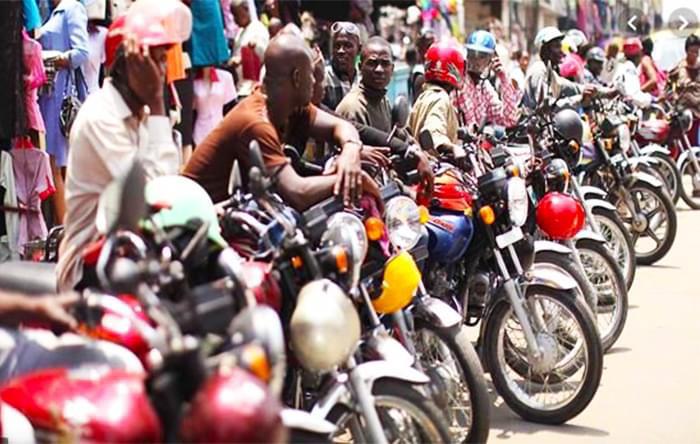
    [1] If we were right-thinking people, the motorcycle could radically transform the Nigerian economy. By my calculations, Nigeria is the world’s fifth largest user of motorcycles behind India, Vietnam, Indonesia and China, yet despite that we do not manufacture one machine

    [2] According to Nigeria’s National Motorcycle and Tricycle Riders Association, there are 8m Okadas in use nationwide. I put Okadas or commercial motorcycles at half of the total number used in Nigeria, meaning that the total in operation across the country adds up to about 15m

    [3] China remains the world’s leading motorcycle exporter, controlling 29% of the total global market and raking in $6.1bn annually. Japan follows with an 11.6% market share worth $2.4bn, while India is third with an 8.5% market share worth $1.8bn

    [4] What I find totally unacceptable, despicable and downright criminal is that Nigeria is not a major motorcycle manufacturing economy. Any year one economics student will tell that given the high level of demand, skilled workforce available and abundance of raw materials locally, Nigeria is tailor-made to be one massive motorcycle manufacturing plant

    [5] Do you know that if motorcycles were manufactured in Nigeria, it would dramatically reduce their costs further, expanding the market and boosting sales significantly. It costs less to manufacture motorcycles in Nigeria than in India, Japan or China

    [6] Most West African countries do not have roads as good as Nigeria, so they are much more dependent on motorcycles than we are. If we had a massive motorcycle manufacturing plant that churned out, say 1m bikes a year, they would all easily be sold within Ecowas alone

    [7] Within Nigeria, just think of all those farmers who cannot get to their farms in the rainy season. They will use their motorcycles on a daily basis and only need to bring in trucks at harvest time when they need to move their produce to market

    [8] Those of you who have been to Cameroon will know that the roads there are simply atrocious. Nigeria could probably sell 1m motorcycles to Cameroon alone in a year as they do not have expansive motorways like the Lagos-Ibadan Expressway, the Lagos-Badagry Expressway of the Sagamu-Benin Expressway. Their towns are linked by single-lane roads, which can become impassable during the rainy season

    [9] We Africans use motorcycles for everything, using it to carry goods, livestock, other motorcycles, as taxis and even to pull cars. Why one governor has not gone to say Honda, Yamaha, Triumph, Suzuki, Kawasaki etc, to say come and open a plant in Nigeria is totally beyond me. President Bola Tinubu should invite the chief executives of all these companies to Abuja and read them the riot act – Open a plant here or get the hell out of our market!

    [10] As a people, are we not tired of being perennial consumers? Surely there is something wrong with us that we are content to be born-importers, only exporting primary raw products like crude oil and cash crops. We need to draw a line in the sand and say that as from today, anything we purchase, we give ourselves five years to manufacture it. Anything we cannot manufacture, then let us do without it until we can. Something radical needs to be done to change our mindset!

  • Feature: Govt need to mitigate the soaring cost of living and the escalating operating and production costs- CPPE

    Feature: Govt need to mitigate the soaring cost of living and the escalating operating and production costs- CPPE

    The Centre for the Promotion of Private Enterprise [CPPE] has released its review for half-year 2023 and the outlook for the second half of the year. The review which is signed by the Director/CEO, Dr Muda Yusuf stated the government should need to mitigate the soaring cost of living and the escalating operating and production costs.

    The report states that the Nigerian economy was impacted by diverse global and domestic variables in the first half of the year. Major global factors were the Russian-Ukraine war which continues to exacerbate energy costs and fueling inflation globally; the persistent monetary tightening in the advanced economies aimed at curbing a rather protracted inflationary pressure; and the worsening geopolitical tension triggered by the war in Ukraine. There is also a growing fragmentation of the global economy amid increasing anti-globalization sentiments, especially in the United States and Europe.

    The tight global monetary conditions had made access to global capital costly and difficult for developing economies.  It also triggered global capital flow reversals from emerging economies. The phenomenon has weakening effect on the domestic currencies of the developing countries.  These global headwinds had a dampening effect on economic growth in the first half of the year. 

    On the domestic front, the major headwinds to growth were the naira redesign policy of the central bank, persistent dysfunctional foreign exchange policy, the political transition processes, weak recovery of oil production and the intractable challenge of insecurity in parts of the country.

    ECONOMIC GROWTH PERFORMANCE

    The GDP growth remained weak and fragile as it slowed to 2.31% in the first quarter of 2023, from 3.5% in the fourth quarter of 2022. Key sectors that contracted included agriculture which contracted by 0.9%, the first time in about a decade. The livestock subsector was the worst hit as it contracted by a staggering 30.6%.  Other sectors that contracted include oil refining which contracted by 35.8%;  textiles, 3.7%; rail transportation, 49%; and Insurance, 8%.

    Sectors that posted positive growth numbers were manufacturing, which grew by a marginal 1.6%; food and beverage, 3.9%; chemical and pharmaceutical, 6.2%;  vehicle assembly, 5.4%; road transport, 8%; ICT, 11%; financial institutions, 25%; and real estate, 1.7%.

    OUTLOOK FOR THE SECOND HALF

    It is laudable that the Tinubu administration is charting a new and positive course for the economy which portends bright prospects for recovery and growth.  Already there are clear indications of elevated investor confidence, improvement in the government fiscal space, higher prospects of exchange rate stability in the near term, and positive expectations of better economic governance.  The short to medium-term outlook for forex liquidity is very good and prospects of increased capital inflow is very bright.

    However, there is an urgent need to address the social outcomes of the recent reforms, especially the inflationary pressure induced by the fuel subsidy removal. Urgent measures need to be put in place to mitigate the soaring cost of living and the escalating operating and production costs, especially for businesses.

    Inflationary pressures may intensify in the near term, the exchange rate may come under pressure in the short term as forex demand backlog exerts pressure on the official forex window.  But the pressure is expected to ease before the end of the year.  This would pave way for an equilibrium exchange rate which would be more tolerable and sustainable. Meanwhile, the CBN should put in place a sustainable intervention framework to moderate the volatility in the forex market.

    With a better fiscal space, the outlook for lower fiscal deficit, moderation in the growth of public debt, reduction in debt service burden, and an improvement in the macroeconomic stability are very positive. All of these would impact on economic growth prospects in the second half of the year.

    Meanwhile, the Tinubu administration needs to promptly deploy measures to mitigate the current headwinds inflicted by the current reforms.  The interventions should be a mix of direct interventions, tax incentives for low-income employees and small businesses, reduction in import duty on some critical intermediate products for key sectors of the economy, import duty concessions for the transportation, health, power and energy sectors.  The improved fiscal space created by the reforms should make these mitigating measures feasible and they have to be implemented urgently in order to give the current reforms a human face.

  • Feature: Nigeria should be a Major Producer and Exporter of Exotic Furniture

    Feature: Nigeria should be a Major Producer and Exporter of Exotic Furniture

    Given our love for exotic furniture it is a crime against humanity that Nigeria is not a major producer and exporter. I hope Tinubu has plans to correct this anomaly

    Ayo Akinfe

    [1] Given that 45% of Nigerian timber exports are rosewood, a highly prized wood used for the production of luxurious furniture we need to ban its export immediately

    [2] By 2025, Nigeria must match Brazil’s production of 11bn kg of timber production

    [3] In each of our 36 states, there must be at least five pulp, laminated wood, sawmill, plywood, furniture or paper mill factories

    [4] Chile generates at least $2bn a year from timber products. Nigeria must seek to match that by 2025. By 2030, we should aim to become the number one exporter of timber products

    [5] Nigeria’s river basin authority will dredge of all of the country’s waterways to enable them transport logs

    [6] For every tree that is felled, three must be planted to replace it

    [7] Every state must declare a green belt within its territory where lumbering is restricted. This is to enable our tree population grow

    [8] All towns and cities with a forestry products facility will be linked by a railway network

    [9] All the major furniture manufacturers will be invited to come and open shop in Nigeria. They will be given five year tax holidays and 99 year land leases to open plantations, processing plants and factories that manufacture finished products

    [10] A special forestry products bank will be opened to advance loans to any local carpenter who wants to use his innovative skills to start factories or the production of special products

  • Feature: Why South-East Governors Forum should visit Aso Rock

    Feature: Why South-East Governors Forum should visit Aso Rock

    By Ayo Akinfe

    I hope the next group to pay a visit to Aso Rock are the South East Governors Forum who present an ambitious retail-to-manufacturing conversation programme to President Tinubu

    [1] It is no secret that the governors of Nigeria’s five states in the southeast geo-political zone are presiding over the plight of Nigeria’s most industrious group of people. However, this energy and ingenuity is being wasted in the highly-limited retail sector, when if unleashed into manufacturing could fetch Nigeria five or six manufacturing conglomerates

    [2] A visit to Onitsha or Aba is all it will take to convince anyone that the raw energy and creativity to create dozens of Siemens’, Mitsubishi’s, Daewoo’s, Tata Industries, etc is there but this potential is not being properly harnessed. If we had the 25m people of the southeast geo-political zone engaged more in manufacturing than retailing, Nigeria’s economy would quadruple in size within 10 years

    [3] Look at the gross domestic product (GDP) of the southeast- Anambra ($8bn), Enugu ($7bn), Abia ($6bn), Imo ($5.8bn) and Ebonyi ($3.4bn). They have a combined GDP of just $30.2bn which is peanuts compared with Lagos State’s $150bn. I ask how can Lagos State have a GDP that is five times the combined total of that of the entire southeast geo-political zone?

    [4] For me, the answer is very straightforward. In Lagos, there is an enabling environment and conducive terrain for industrial growth to thrive and if we want to be honest with ourselves, such conditions do not exist in any of the other 35 states of Nigeria. In the southeast, the problem is that the emphasis is on becoming rich rather than manufacturing. Basically, we need to reset the thinking of the southeast businessman

    [5] To address the matter, I want the South East Governors Forum to open a university of industry and commerce where retailers will be trained to think and act differently. The emphasis will be on getting them to manufacture all the products they sell

    [6] Your Nnewi man imports automobile spare parts from China, your Orlu man buys malaria drugs from India and your Ohafia man buys clothing from Italy. They all retail them in large markets across Nigeria. What stops 500 of these retailers forming a cooperative that will open a factory to start manufacturing all their goods? They should also acquire patents, buy equity stakes in global giants and woo investors to open plants in Nigeria

    [7] I would call this new institution the Louis Ojukwu University of Commerce and Industry. I would bring leading manufacturers from all over the world there to train our people on how to manufacture goods. Its slogan would be: “Anything we can sell, we can make.”

    [8] This university would also train all these petty artisans on customer service. It will cut out all the current petulance where an automobile spare parts trader will threaten to slap his customers’ face for daring to haggle with him. Also, gone will be phrases like: “Nna, oga but you no talk say na original you wan buy di time wey you first come.”

    [9] Apart from cooperatives being formed in each sector to create massive industrial manufacturing conglomerates, these retailers and artisans will also be trained to form smaller supply companies that manufacture component parts for the industrial giant. For instance, in the automobile sector, if we have a manufacturing giant called Ogbunigwe Motors, smaller businesses would be encouraged to manufacture windscreens, wipers, headlamps, leather seats, etc to supply it with

    [10] I would expect the South East Governors to then float a Michael Okpara Industrial Development Bank to fund this project. It should have a role similar to the African Development Bank. If you recall, Eco Bank was set up by Ecowas to perform a similar function across West Africa.

  • Feature- Tax Rights and Tax Obligations: Two Sides of the same coin

    Feature- Tax Rights and Tax Obligations: Two Sides of the same coin

    by Rachel Jantiku

    It is common knowledge that taxation plays a vital role in the economic development of every country, whether developed, developing or underdeveloped, and Nigeria is no exception. Government at all levels depends on the tax it collects to run the affairs of the State and it is the duty of every taxable citizen to contribute their quota to this effect. Without taxes, there can be no country.

    According to the Constitution of the Federal Republic of Nigeria 1999: Section 24 (f) of 1999 Constitution (as amended) it states that “it shall be the duty of every citizen to declare his income honestly to appropriate and lawful agencies and pay his tax promptly”. This is a legal requirement and it is fundamental to the successful operations of the country. Mind you, it is not an option or a recommendation but an obligation of every Nigerian citizen.

    Some Nigerian Tax laws and Regulations which require compliance to tax payment include: Federal Inland Revenue Service (Establishment) Act (FIRSEA), Cap F36 LFN 2007; Personal Income Tax (PITA ), Cap P8, LFN 2004 as amended; Petroleum Profit Tax Act (PPTA), Cap P13, LFN 2004 as amended; Companies Income Tax (CITA), Cap C21, LFN 2004 as amended; Value Added Tax Act (VATA), Cap V1,LFN 2004 as amended; Tertiary Education Trust Fund (Establishment, Etc) Act (TETFEA) 2011 as amended; Stamp Duties Act (SDA), Cap S8, LFN 2004 as amended; Capital Gains Tax Act (CGTA), Cap C1, LFN 2004 as amended; National Information Technology Development Agency Act and the provisions of the Finance Act 2019, 2020, 2021 and 2023. These laws have provided the legal framework containing various tax obligations of a taxpayer.

    Every taxpayer has certain rights such as: right to non-discrimination, transparency and accountability, adequate notice and information, redress, compliance assistance amongst others. But with these rights come responsibilities and obligations that must be fulfilled in compliance with the country’s tax laws. Some taxpayers fall short in fulfilling their tax obligations not necessarily because they want to but for lack or poor understanding of these obligations. This piece aims at shedding light on the key tax obligations of taxpayers in Nigeria.

    The obligations of Nigerian taxpayers include, but are not limited to the following: registration for tax: Taxpayers are obligated to register with the appropriate tax authorities, depending on the type of tax they are liable for. This includes obtaining a Taxpayer Identification Number (TIN) from the Federal Inland Revenue Service (FIRS) for companies and the Joint Tax Board (JTB) for individuals.

    Another obligation expected of taxpayers is record keeping. Taxpayers are required to maintain accurate and up-to-date records of their financial transactions, including income, expenses, assets, and liabilities. These records are essential for filing tax returns, substantiating deductions, and complying with tax audits. Record keeping is not common practice among small businesses. Yet it is the foundation for fulfilling your tax obligations. If you do not keep your records, how would you know what taxes you are meant to pay?

    It is also the obligation of a taxpayers to file tax returns within the prescribed timelines. Individuals are required to file their Personal Income Tax (PIT) returns annually, while companies must file their Corporate Income Tax (CIT) returns within six months after the end of their financial year. Other tax returns, such as VAT returns and WHT returns, may also be required depending on the taxpayer’s activities. All too often, taxpayers think that if they do not make profits, or do not have a turnover above N25 million, then they are not required to file. This is not true. Filing returns is to be made whether or not you made profits or losses. As long as you are a taxpayer, you ought to file returns with the relevant tax authority.

    Flowing from this obligation is the obligation to pay taxes—the most commonly spoke about obligation. Taxpayers have an obligation to pay the taxes they owe to the relevant tax authorities. This includes the timely remittance of Personal Income Tax, Companies Income Tax, Value Added Tax, Withholding Tax, and other applicable taxes. They also owe it as an obligation to comply with tax deductions. Employers and businesses that make payments subject to withholding tax (WHT) must deduct the appropriate tax amount at source and remit it to the tax authorities. This includes deducting WHT from salaries, contracts, dividends, interest, and other relevant payments.

    Furthermore, taxpayers are required to provide accurate information and documentation as requested by tax authorities. This includes providing supporting documents for deductions, exemptions, and claims made on tax returns as well as cooperating with tax audits and investigations, providing requested information and records, and responding to inquiries in a timely and accurate manner.

    To crown it all, taxpayers must comply with all relevant tax laws and regulations which includes staying updated on changes in tax laws and fulfilling their obligations accordingly.

    By understanding and diligently leaving up to tax obligations, individuals and businesses actively participate in the development and progress of the country, ensuring a more prosperous, greater and equitable society for all.

    Rachel Jantiku, is a researcher and writes from Abuja.

  • Feature: Nigerians need Tinubu to launch Vision 2030

    Feature: Nigerians need Tinubu to launch Vision 2030

    By Ayo Akinfe

    Now that Tinubu has held his first meeting with international investors he needs to go back and launch Vision 2030 to force the pace of development

    [1] Originally launched by the regime of General Sani Abacha, Vision 2020 was a great concept. It sought to make Nigeria one of the 20 largest economies in the world, able to consolidate its leadership role in Africa and establish itself as a significant player in the global economic and political arena

    [2] Let us take stock of where we are today. According to the World Bank, we are the world’s 28th largest economy with a gross domestic product (GDP) that varies between $375bn and $450bn depending on global oil prices

    [3] We actually achieved number 22 on the global economic chart during the Jonathan era when oil prices hit $140 a barrel and we were producing 2.7m barrels a day but have since slid down the table

    [4] Nigeria is the world’s sixth largest agricultural producer

    [5] Literacy rates stand at around 60% compared with say 5% post-independence

    [6] We have about 155 universities compared with just the one at independence, my alma mata, the great UI

    [7] We are now the world’s number one producer of cashews, egusi, yam, cassava, sheanuts, kolanuts, cocoyam and bitter leaf

    [8] We failed to realise Vision 2020 because we simply did not diversify our economy. We remain a mono-economy dependent on crude oil and add very little value to the primary products we export

    [9] President Tinubu needs to come up with a new document. His Vision 2030 programme simply has to make value-addition, manufacturing, diversification and exports its key components. We do not produce enough, we consume what we do not produce and end up having to borrow to meet our needs

    [10] My question is are Nigerians ready for the harsh medicine that will make Vision 2030 a reality? It will mean banning the import of luxury items to force local production, imposing production quotas on industries, prosecuting traditional rulers if kids in their domains do not go to school, taxing faith houses, reducing owambes and putting that energy to productive use, maybe getting alumni associations to take over some aspects of education, giving Gucci an ultimatum to open a factory in Nigeria or be declared an enemy of the people, giving our elite and bourgeoisie investment quotas as Julius Caesar did in Ancient Rome and forcing states governors to meet export targets or they face statutory impeachment. Are we ready for this?