Category: Features

Featured posts

  • Military Option for the Restoration of Democracy in Niger Has Multiple Implications- CPPE

    Military Option for the Restoration of Democracy in Niger Has Multiple Implications- CPPE

    ECOWAS’ decision to pressure the military junta in Niger to restore constitutional democracy in that country is a welcome development.ย  Our President, His Excellency Bola Ahmed Tinubu, GCFR being the current chairman of ECOWAS, is saddled with enormous leadership responsibility at this crucial time in the regionโ€™s history.

    However, any contemplation of military intervention should consider the wider social, economic, welfare and security implications for the countries of the sub-region and their citizens.ย There are far-reaching macroeconomic, trade and security and geopolitical ramifications which should be carefully considered. The risk of high collateral damage is also very high.ย 

    This is a defining moment for ECOWAS, which calls for rigorous thinking, robust consultation, sound diplomatic judgment, a deep sense of history and an exhaustive evaluation of the many ramifications. It is also critical for ECOWAS to consider the geopolitical dimensions of the unfolding developments in the sub-region.

    TRADE IMPLICATIONS

    One of the key mandates of ECOWAS is the promotion of economic integration.ย  Military actions among member states would surely negate this fundamental objective. It would perpetuate fragmentation of the region and trade within the region will be severely impacted.ย  This has grave consequences for the economies of member states and the welfare of the citizens.

    Already the recent border closure is beginning to adversely impact traders on both sides of the divide.ย The truth is that sanctions are typically a double-edged sword which is why it needs to be cautiously and strategically applied.

    SECURITY IMPLICATION

    There is a risk that the fragile security situation in the sub region may further deteriorate in the event of a military assault on Niger.ย  Current acts of terrorism in the region require concerted efforts by ECOWAS countries to tackle them. Nigeria needs the cooperation of its neighbours to confront terrorism in the country effectively.

    A fragmented region cannot present an effective front to deal with the growing challenge of insecurity in the region.  The countries in the region may become more vulnerable in the event of intra-regional conflict and fragmentation.

    It is instructive that the Sahel is rapidly becoming a theatre of geopolitical competition between Russia and the West.  The Sahel is currently the hotbed of global terrorism.  It is not in Nigeriaโ€™s interest to get deeply involved in the military adventures in the zone, with Mali, Burkina Faso, and Niger being major theatres of their operations. This could further complicate matters for the entire sub region.  Nigeria should avoid getting entangled in these geopolitical dynamics. 

    COST IMPLICATIONS

    The financial cost of a military campaign could be quite staggering and unpredictable. There are valuable lessons to learn from the Nigeriaโ€™s military operations in Liberia and Sierra Leone over two decades ago. Nigeria was the arrowhead of the then Economic Community of West African States Monitoring Group [ECOMOG], the intervention force at the time.ย  We lost over 500 soldiers during the Liberia war with hundreds sustaining various degrees of injuries. The war became protracted, lasting for about 7 years [1990 to 1998].ย  At the peak of the war, there were 16,000 ECOMOG troops in Liberia, 80% of them were Nigerian troops.ย  The cost to Nigeria of the Liberia war was an estimated $8 billion dollars.ย 

    Shortly after the Liberia military operation, Nigeria led another military intervention in Sierra Leone to restore democracy in that country following the coup that toppled the then-democratically elected President, Tejan Kabbah.

    The story of Nigeriaโ€™s military campaign in Sierra Leone was not different. Nigeria spent over $4 billion and lost about 700 soldiers. The war lasted about five years from 1998 to 2002.

    The lesson here is that the cost of military interventions can be very prohibitive. Similar military operation at this time may cost considerably higher, given the inflationary trend over the past 25 years.  At the very minimum it would cost Nigeria a minimum of $2 billion annually to prosecute a military operation in Niger, taking into account the prevailing geopolitical dynamics in the Sahel. It will be difficult to accommodate such huge financial commitment at this time without putting a serious strain on our fiscal operations and foreign reserves.

    With the benefit of hindsight, it is doubtful whether Nigeria got any significant benefit from the military interventions in both Liberia and Sierra Leone.  Yet the operation was a huge financial burden on Nigeria. The costs to Nigeria were colossal. Military spending in a war situation is largely in foreign currency.  It could therefore be a major drain on the Nigeriaโ€™s reserves.

    The loss of lives was also a tragic outcome of the war.  At the end, there was no concrete benefit for Nigeria for expending so much of its financial and human resources.  Of course, we were consoled by the perception of Nigeria in the comity of nations as the โ€˜giantโ€™ of Africa. 

    THE ECONOMIC IMPLICATIONS OF A MILITARY OPTION IN NIGER

    • Nigeriaโ€™s current balance of payment position is weak and may be unable to support any major military engagement outside our shores.ย  Our external sector is fragile, posing a profound challenge of currency volatility.
    • The worsening of the external sector would adversely impact investors’ confidence, weaken growth prospects and decelerate the pace of economic recovery.
    • In a war situation, there are inherent risks of destruction of assets, damage to infrastructures, disruption of the livelihoods of innocent citizens, softening of investorsโ€™ confidence, deceleration of investment growth, aggravation of country risk and the dampening of GDP growth prospects.

    FISCAL DEFICIT

    • Recent reforms by the current administration have positively impacted the fiscal consolidation efforts.ย Prospects of fiscal deficit reduction in the near term look very bright.ย  However, in the event of a military intervention in Niger, these gains may be eroded. The reason being that we would see an escalation in the defence budget which would trigger a surge in fiscal deficit, worsening of inflationary pressures and a spike in debt levels and related debt service burden.ย  ย ย 
    • Resources that would have been used for the funding of critical infrastructures such as roads, electricity, education health, railway system would be deployed to funding military operations.ย  While it may be easy to determine the commencement of a military campaign, it is often difficult to predict the duration, scope, intensity, dimension and ultimate cost.ย  Military operations are typically dynamic.ย  Underlying assumptions may change as military operations progress. And this may have significant budget implications.
    • If Nigeria decides to go ahead with a military campaign in Niger, our defence spending may have to increase substantially possibly by 100% or more.ย  Over 70% of the spending would have to be foreign exchange. ย Though the military option would be an ECOWAS decision, ย the burden of prosecuting the operation would have to be borne substantially by Nigeria.ย  These are scenarios we need to worry about.
    • Characteristically, it is difficult to predict what the scope of a military engagement because of the dynamic nature of such operations. ย Extant strategies may, therefore, not capture all the variables, many of which may be unforeseen.ย  The ECOMOG story is a classic example.
  • Feature: 10 things to look out for in the Falcons going forward

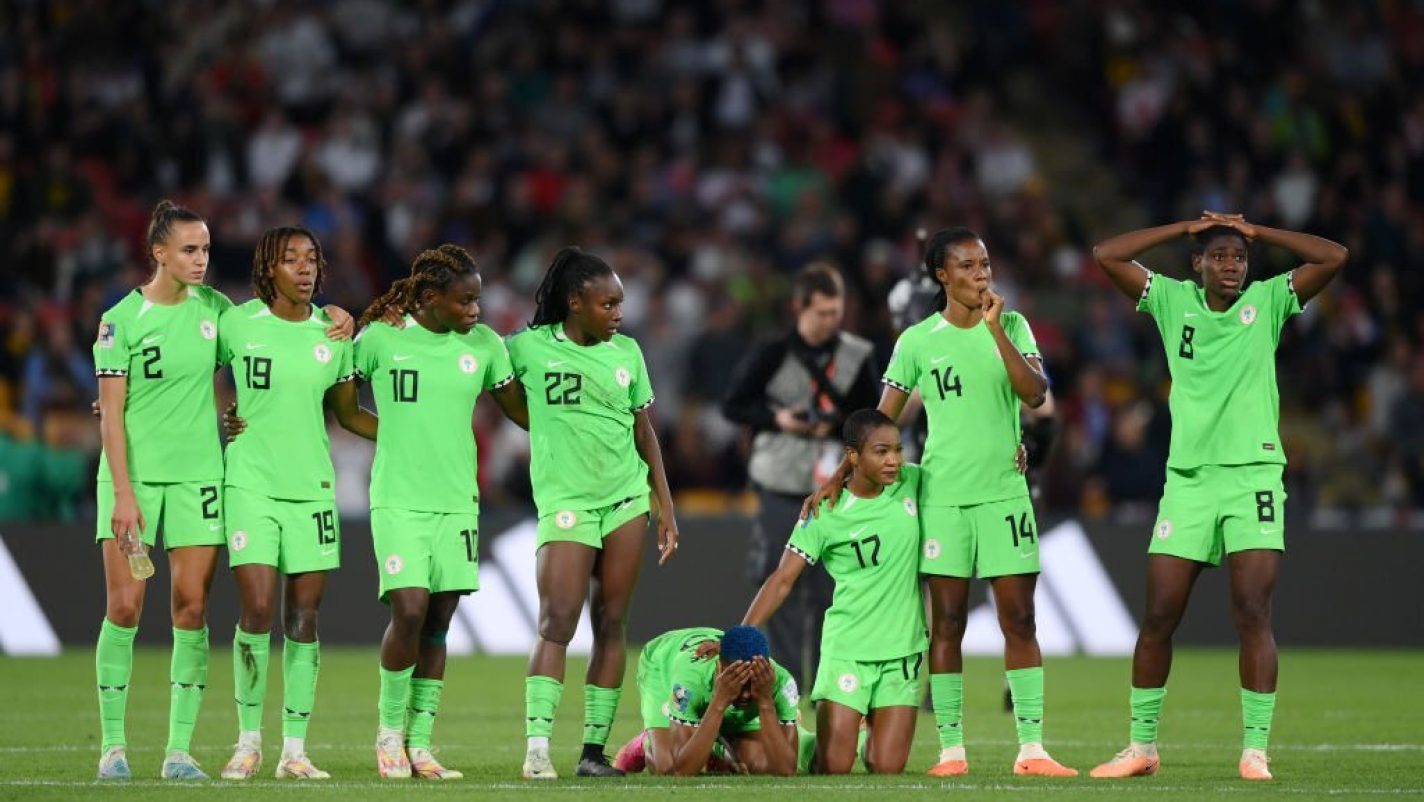
    Feature: 10 things to look out for in the Falcons going forward

    by Ayo Akinfe

    [1] Randy Waldrum and the NFF appear to agree that he should stay on

    [2] Most of the team are still young and should be around come the next World Cup in 2027

    [3] It is only the likes of Oparanozie, Oshoala, Kanu, Onome, Onumonu, Ohale and Ayinde that will need to give way over the next four years

    [4] In 2022, Nigeria’s U20 girls, the Super Falconets got to the quarter-finals of the World Cup. Tosin Demehim and Deborah Abiodun came from that squad

    [5] By next year, a few more members of that U20 team will come through

    [6] Earlier this year, the Nigerian U17 women’s team, the Super Flamingoes, came fourth in the World Cup. Some of these girls will come through too

    [7] The bedrock of the team are all under 23 – Nnadozie, Alozie, Demehin, Abiodun, Ucheibe and Ajibade

    [8] With the Olympics taking place next year, youngsters from the U17 and U20 teams need to be gradually drafted in

    [9] If Waldrun can get the girls to keep their defensive discipline and then get some firepower upfront, we will be fine

    [10] Is it just me but it appears that Nigerian female footballers are better at following instructions than men. If this were the Super Eagles, they would never have maintained that defensive discipline throughoutย theย tournament.

  • Feature: Niger Republic can be the Nuclear Power House of West Africa

    Feature: Niger Republic can be the Nuclear Power House of West Africa

    Ayo Akinfe

    Niger Republic is the worldโ€™s seventh largest uranium producer making it a country that can provide the whole African continent with nuclear power. Nigeria desperately needs to merge with her northern neighbour

    [1] As things stand, Nigeria only generates about 7,000MW of electricity and to industrialise, she needs about 50,000MW. Basically, this means Nigeria needs to generate power from several sources and the most economical is nuclear energy

    [2] Nuclear plants are different to other energy plants such as coal and natural gas because despite being a thermal generation process, they do not need to burn anything to create steam. Nuclear plants are extremely environmentally friendly with virtually no carbon footprint

    [3] In a nuclear plant, uranium atoms are split in a process called fission, which requires low-enriched uranium fuel. Uranium fuel is formed into pellets, one of which can produce as much energy as one tonne of coal, three barrels of oil or 17,000 cubic feet of natural gas. Niger Republic can provide us with all the uranium we need

    [4] Thanks to nuclear fission, heat and neutrons are released from uranium as the atoms split. These neutrons hit other uranium atoms causing them to split, continuing the cycle. This released heat causes water within the reactor to boil, which in turn creates the steam that powers the turbines, which powers the generators to make electricity. It is actually a very straightforward process

    [5] As nuclear power does not need to burn anything to create steam it does not emit greenhouse gases like methane or CO2. Once a nuclear plant is up and running, the electricity it produces is inexpensive due to the low cost of uranium. Unlike wind and solar, nuclear is a consistent, reliable source of energy, which can run uninterrupted for up to a year

    [6] Nuclear plants, like all thermal generation, produce waste. However unlike other waste streams it is radioactive but 97% of the waste produced is considered low or intermediate-level waste and as such is easily disposed of. Many of the fears we harbour are exaggerated and are simply scare-mongering

    [7] Globally, the nuclear industry produces 34,000mยณ of high-level waste a year but counter to what many people believe, it does not take forever to degrade. It is generally stored in interim storage facilities, where within just 40 years its radioactivity levels decrease to one-thousandth of the level

    [8] I agree that the potential for disasters such as Chernobyl and Fukushima is a constant concern when considering nuclear power as they both had devastating effects upon their environments. However, it is important to remember that together with Three Mile Island, they are the only major incidents in over 17,000 cumulative reactor-years of commercial nuclear power operation in 33 countries

    [9] Nigeria should be sending a team of scientists to Beirut and Chernobyl to study what was wrong with their storage facilities there which led to the blast. This team should then visit other nuclear sites to see how they manage to keep radiation in check and prevent leakages

    [10] If we want to match South Africaโ€™s 51,000MW of generated electricity within a short space of time, we simply need to go for nuclear power. To go from 7,000MW to 51,000MW takes a lot of initiative and risk. Hydro, gas, wind and solar can be part of the plan but nuclear energy can generate more electricity with less stress

  • โ€œTinubuโ€™s ultimatum to Niger Republic is Hasty and Ill-Advisedโ€- LCCI

    โ€œTinubuโ€™s ultimatum to Niger Republic is Hasty and Ill-Advisedโ€- LCCI


    After the ultimatum issued by the Governments and Heads of State of the Economic Community of West African States (ECOWAS) on the 30th July, 2023, to the military junta in Niger on the restoration of democratic order or be faced with the use of military force.

    The Lagos Chamber of Commerce and Industry believes that President Bola Tinubu’s plan to deploy Nigerian troops in Niger to force out the coupists in the country is hasty and ill-advised.

    According to a statement signed by the President and Chairman of the Council, Asiwaju Michael Olawale-Cole, the Chamber, however, aligns itself with the regional body’s decision to restore democratic order in Niger, one of the world’s poorest countries through dialogue to achieve the objective.

    The Chamber proudly recalls the game-changing role ECOWAS through the ECOWAS Monitoring Group (ECOMOG), led by gallant Nigerian soldiers, played decades ago. Copied and praised by the United Nations (UN), ECOMOG was to become a model of peace enforcement for the rest of the world. The challenges in many spheres that the ECOWAS region faces today are succinctly quite different. Like seasons, time has changed. Economic growth in the sub-region is abysmally poor due to a high birth rate, weak productivity, manpower shortage and technological challenges.

    Today’s world is more polarised, and the propensity to engage in military conflict is high. In today’s world, countries’ actions and decisions are driven mainly by their strategic intents as they pursue their goals and objectives. At the Chamber, we are stressed to expose the strategic intentions and their benefits behind the inclination to use military force, whether in the near- or far-terms.

    In addition, the Chamber cautions that there may be certain undercurrents the ECOWAS leadership may not be aware of between the leaders and the populace in Niger.

    Currently, Nigeria has its political and economic challenges caused by insurgency by Boko Haram and weak security infrastructure. If we do not have the security paraphernalia to deal with Nigeria’s insecurity challenges, it would be detrimental to Nigerian society and economy to deploy troops to Niger. We understand the need of the Nigerian president, President Bola Tinubu as the Chairman of ECOWAS to make an impact. However, strategic dialogue would serve the purpose better. Nigerian troops should focus on solving our security problems, as this would promote trade, attract investment, and enhance economic development.

    While the Chamber backs the cutting off electricity supply to the country as one of the measures to bring the junta to its knees and the negotiating table, we do not support any decision to deploy Nigerian troops as part of the regional military force to Niger. Such a decision may have wider geographical implications. Besides, the consequences of war, if allowed to start, are likely too expensive for the weak economies of the member-states of the ECOWAS, especially at this time.

    We believe top-level political, consultative, and diplomatic engagements with the putschists will likely be more effective for the needed peace in the sub-region. We, therefore, urge the ECOWAS leaders to explore these routes to resolve the Nigerien impasse.

    Also the Nigerian Senate advised that Nigeria and the Economic Community of West African States (ECOWAS) should take other steps to reverse the coup. They have rejected the option of military action in the poor West African nation.

  • Feature: How Innovation and Convenience is Transforming the Nigerian Shopping Experience

    Feature: How Innovation and Convenience is Transforming the Nigerian Shopping Experience

    by Lere Awokoya

    Technology has amplified the insatiable human desire for consumption, propelling consumers to pursue a shopping experience that combines convenience and innovation. Gone are the days of physically scouring multiple stores searching for a specific item. Consumers yearn for the seamless ability to browse vast digital catalogues, compare prices, read reviews, and effortlessly make well-informed purchasing decisions.

    This trend is evident in recent findings by the National Retail Federation (NRF), which show that consumers fully grasp the vital role of convenience in shaping their shopping preferences. The survey reveals that over 90% of consumers are inclined to choose a retailer based on convenience, relying on them to streamline the process and save valuable time and effort in their fast-paced lifestyles.

    Empowering Consumers and Businesses

    The evolution of innovation has continually improved on the shopping experience for both consumers and sellers, empowering them in numerous ways. For consumers, it has brought about a significant shift in the shopping landscape, granting access to a vast array of products and services that were once out of their reach. With the ability to research, compare, and make informed decisions, consumers have become discerning shoppers, confident in their choices. This empowerment enhances the shopping experience and drives economic growth and social development.

    Moreso, the rise of e-commerce has levelled the playing field for businesses and entrepreneurs, providing them with an equal opportunity to showcase their offerings to a global audience. The expansion of digital platforms has opened up new markets for businesses. A study by the International Trade Centre found that small and medium-sized enterprises (SMEs) that engage in international e-commerce are 7% more likely to survive than those that don’t. Through innovative and convenient solutions, businesses can reach customers beyond geographical boundaries, allowing even small enterprises to compete with larger players.

    Pioneering the Retail Revolution

    In Nigeria, the retail industry is experiencing a remarkable evolution in buying behaviour, driven by the relentless penetration of e-commerce and the sweeping tide of technological adoption.  Consequently, businesses must obsess about their customers to keep up with their rapidly changing demands, tastes and preferences. At the same time, embrace new technologies that will enable agility, efficiency and creativity; these are some of the essential ingredients for winning in such a dynamic business environment.

    One of the key players in this retail revolution is Jumia Nigeria. The company has transformed the Nigerian shopping experience over the past 11 years. The outbreak of the COVID-19 pandemic in 2020 also acted as a catalyst, accelerating the growth and adoption of e-commerce in Nigeria. The combination of the e-commerce boom and the unprecedented challenges posed by the pandemic ushered in a new era of dynamic growth and innovation in the Nigerian retail industry.

    Driving Innovative Transformation

    As Jumia marks its 11th anniversary in Nigeria, it is a moment to reflect on the transformative power of innovation in reshaping the shopping experience for millions of Nigerians. In 2012, the brand set out in Nigeria with a bold vision: to give every consumer access to a wide range of products at their fingertips, irrespective of location or socio-economic background.

    One game-changer and notable contribution  by the company is the renowned Jumia Black Friday, an annual shopping event that offers mind-blowing discounts and deals across a wide range of products and categories. As indicated in a Statista report, Nigeria’s e-commerce market reached a valuation of around $2.5 billion in 2021 and is projected to experience an annual growth rate of 14.7% from 2021 to 2025. This annual Black Friday shopping event significantly influences this trend, shaping consumer habits and offering customers easy access to discounted products and a rewarding shopping experience.

    Jumia’s triumph in Nigeria also mirrors the ongoing digital revolution unfolding within the financial space in the country. There has been a recent surge in the availability and creation of digital payments, furthering financial inclusion and reducing dependence on cash transactions. The companyโ€™s venture into the digital payments sphere with JumiaPay offers a secure and seamless method for customers to make online payments, eliminating the need for cash transactions and enhancing financial inclusivity. 

    The companyโ€™s commitment to driving innovation is also demonstrated in its track record of incorporating groundbreaking partnerships to deliver optimal customer experience. Notably, Jumia recently partnered with Trove, Nigeria’s first micro investing platform to provide a seamless experience for customers looking to diversify their portfolios. By combining e-commerce and investment capabilities, the company continues to position itself as a comprehensive platform that caters to various financial needs, contributing to the overall digital transformation in Nigeria.

    Boosting Economic Growth and Entrepreneurship

    Jumia’s commitment to innovation has not only brought convenience to the customer but has also opened up economic prosperity opportunities for numerous individuals in the country. The e-commerce platform has become a launchpad for local entrepreneurs, enabling them to conveniently reach a broader customer base and grow their businesses. Through our seller program, we have also provided opportunities for small and medium-sized enterprises (SMEs) to thrive in the digital era, empowering over30,000 MSMEsand brands to reach millions of consumers in Nigeria.

    Furthermore, Jumia’s impact extends beyond the borders of major cities. Noteworthy contributions include the JForce initiative, a nationwide network of sales consultants, who earn commissions for successful orders placed for friends, family or others in the offline space. JForce has continued to serve as a source of income for hundreds of thousands of Nigerian youth who possess basic online shopping skills, especially in rural communities.

    In Nigeria, Jumia’s homegrown success story serves as an inspiration and a reminder that local solutions can be both relevant and rewarding. As Jumia commemorates its eleventh year, the company remains dedicated to providing tailored digital solutions for the Nigerian consumer and continues to redefine the e-commerce landscape. Additionally, the company’s profound impact on the local economy through job creation and collaboration with local partners showcases its unwavering commitment to developing the Nigerian economy.

    By leveraging technology that fosters innovation, prioritising a customer experience that provides ease and convenience, Jumia continues to pave the way for a future in which the Nigerian e-commerce industry thrives, leading to prosperity of the nation’s economy.

    Lere Awokoya is the Chief Marketing Officer of Jumia Nigeria

  • Feature: How BrandXchange is Empowering Nigerian Consumers

    Feature: How BrandXchange is Empowering Nigerian Consumers

    by Elvis Eromosele

    In todayโ€™s fast-paced world, consumers are the driving force behind any successful business. They invest their hard-earned money in goods and services with the expectation of a satisfactory experience. However, not all brands live up to their promises, leaving consumers disappointed and disheartened.

    Addressing this issue, BrandXchange, an innovative platform, has taken the bold step of empowering Nigerian consumers to give feedback on brands across various categories. Through their Consumer Value Awards (CVA) program, consumers now have a voice in determining the value of brands in 2023.

    BrandXchangeโ€™s initiative seeks, in the short term, to protect consumers and eventually transform the consumer experience in Nigeria.

    Understanding the Need for Consumer Empowerment

    The driving force behind BrandXchangeโ€™s mission lies in understanding the significance of consumer feedback. Feedback, according to experts, serves as constructive criticism that enables organisations to make necessary changes for growth.

    By empowering Nigerian consumers with the ability to voice their opinions and experiences, BrandXchange strives to hold brands accountable for their promises. There is no better definition of feedback. Plus, this approach ensures that consumer concerns are addressed, resulting in better products and services and boosting consumer confidence.

    The Journey of BrandXchange

    Founded by Akonte Ekine, Chief Executive Officer and Chief Analyst, BrandXchange began its journey in the marketing communication practice. However, Ekineโ€™s personal experiences with inadequate service compelled him to transform the platform into an advocate for brand excellence and consumer rights. His passion for empowering consumers led to the creation of the Consumer Value Awards, where consumers can nominate and vote for their preferred brands.

    The first edition of the Consumer Value Awards was a resounding success, with an impressive turnout of attendees and positive feedback from regulatory bodies. BrandXchangeโ€™s efforts were commended by the Advertising Regulatory Council of Nigeria, the Federal Competition and Consumer Protection Commission, Nigeria Broadcasting Commission, National Food and Drug Control Agency, and Nigeria Communications Commission. This recognition bolstered the platformโ€™s credibility and motivated them to refine the awards process for future editions.

    The Criteria for Entry and Assessment

    BrandXchangeโ€™s awards are open to all brands, and consumers have the power to nominate brands based on their personal experiences. The voting process spans over three months, during which brands are encouraged to promote themselves to consumers for support. Transparency is maintained throughout the process, as voting results are published in real-time on the platformโ€™s website.

    For the second edition of the 2023 Consumers Value Awards (CVA), as of the first week in July, over twenty thousand consumers had cast votes in the fifty-two different categories of brands listed as value-for-money brands. The awareness is growing, acceptance is rising and the consumers are beaming.

    The theme for this year’s edition, scheduled for Lagos on Thursday, September 7, 2023, is Consumer Satisfaction Index. 53 brands are expected to be honoured with Badges of Best Value-for-Money during the prestigious event.

    Challenges Faced and Future Initiatives

    BrandXchange acknowledges that any venture comes with its set of challenges. Initially, the initiative faced scepticism and credibility concerns, but by ensuring transparency and sincerity, it has gained trust among consumers and industry players.

    The endorsement from several regulatory agencies, last year, also helped in no small measure.

    Going into the future, BrandXchange plans to engage regulators in consumer management, encouraging better collaboration between regulatory bodies to safeguard consumer rights. Additionally, it seeks to recognize and commend state governments and individuals who champion consumer protection through legislation and exemplary actions.

    Conclusion

    BrandXchangeโ€™s commitment to empowering Nigerian consumers through the Consumer Value Awards reflects the growing need for consumer protection in todayโ€™s competitive market. By providing consumers with a platform to voice their experiences, the initiative drives brands to improve their products and services.

    This movement is essential in fostering a culture of accountability and quality assurance among brands, ultimately leading to a more satisfying consumer experience. As the platform evolves with the market, it promises to inspire companies and regulators alike to prioritize consumer protection and raise the bar for service excellence in Nigeria.

    Elvis Eromosele, a corporate communication professional and public affairs analyst, lives in Lagos. He can be reached via elviseroms@gmail.com

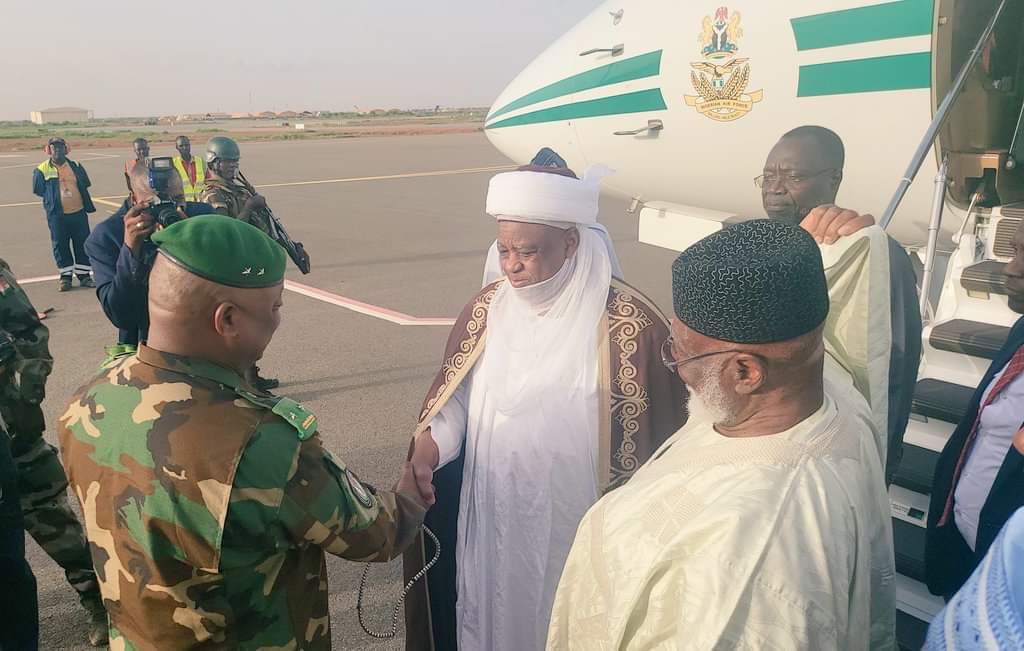
  • Feature: Talking Points for Gen Abdulsalam Abubakar and the Sultan of Sokoto at Niamey, Niger Republic

    Feature: Talking Points for Gen Abdulsalam Abubakar and the Sultan of Sokoto at Niamey, Niger Republic

    As the Nigerian delegation led by Abubakar Abdulsalam and the Sultan of Sokoto arrives in Niamey for talks, I hope they have an action plan that looks something like this

    [1] Learning from the European Union (EU), Africa as a continent needs to see how the creation of the community has delivered peace, prosperity, economic growth and technological advancement. Europe can only compete with the US and China if it is united. Had Africa developed organically, we would not have had this current large number of nation states

    [2] Many African nations are unviable and not sustainable. Nigeria has to address this matter going into the 22nd century. We are the continentโ€™s giant and cannot shirk our responsibilities. Africa does not need more than 12 nation states

    [3] Of the 42 landlocked countries in the world, 16 are in Africa. This represents about a third of the total and for me is totally unacceptable. Nigeriaโ€™s foreign policy has to be geared towards altering this

    [4] We need to find a way to amalgamate our nation states peacefully and open up Africa to unprecedented economic growth

    [5] Aliko Dangote was recently talking about the difficulties he always faced when negotiating with so many African nations. If we significantly reduced the number of countries, we would remove a lot of impediments to growth and then on the basis of that create a genuine free trade area and common market of 12 sovereign nations

    [6] With so many weak and small nations, world powers are having a field day in Africa. There are only few African nations that can for instance refuse to accept US rice, Chinese cement or French wine. Nigeria needs sort this out, so please address the matter President Bola Tinubu

    [7] President Tinubu needs to exploit this Niger Republic crisis and establish a West African Customs Service that will check goods coming into our main ports like Dakar, Abidjan, Tema, Lome, Cotonou and Apapa. Tag all containers that arrive at our ports so we know which ones are destined for the Nigerian market. As things stand, over 70% of the goods that come into West Africa are ultimately destined for Nigeria

    [8] The Economic Community of West African States (ECOWAS), needs to reach an agreement with the likes of China, India, Pakistan and Thailand that have made West Africa their dumping ground. Maybe we should insist that all their shipments go to one port, so we can monitor them from there. Personally, I would dredge say Calabar and make it the dedicated Asian port. All Asian goods coming into the West African region should go there and from Calabar be distributed to their destined markets

    [9] ECOWAS only has a combined GDP of $675bn compared with Indiaโ€™s $2.5trn. We should demand trade concessions until we grow the ECOWAS economy to at least $1trn. For instance, we should ask for the introduction of WTO trade laws that compel any country exporting goods in excess of $1m into any region to open a manufacturing facility there

    [10] All automobile manufacturers should be banned from shipping finished cars into the ECOWAS market. If they want to sell their cars there, then they should open local assembly plants. If you ask me, Nigeria and Benin Republic should commence merger talks immediately with a view to amalgamating both nations by 2025 at the latest

  • Feature: Nigeria should start a fair relationship with the Chinese

    Feature: Nigeria should start a fair relationship with the Chinese

    Ayo Akinfe

    With Putin desperate for African allies at the moment, President Tinubu should be telling the whole world that Nigeria is only open to fair relationships. Maybe start with this Chinese programme

    [1] With regards to the COVID-19 vaccine, Nigeriaโ€™s government wants a commitment that a pharmaceutical plant to manufacture the drug will be built in Nigeria. In addition, Nigeria wants sole distribution rights of the vaccine across Africa

    [2] Nigeria wants a platoon of an elite division of Chinaโ€™s special forces like The Leopards, The Siberian Tigers or the Night Tigers deployed to Borno State to help eliminate Boko Haram and the terrorist threat once and for all

    [3] Nigeriaโ€™s government wants Chinaโ€™s big four automobile manufacturers SAIC Motor, Dongfeng, FAW and Chang’an to open a joint venture manufacturing facility in Nigeria. It must produce at least 1m units annually and Nigeriaโ€™s government will be happy to take out a minority stake in the venture which will manufacture a unique electric African car. Maybe call it the Madiba

    [4] Each of these automobile companies must also open global assembly plants in Nigeria to assemble cars for worldwide distribution. At the very least, they must employ 20,000 Nigerians

    [5] CRRC Corporation Limited (CRRC) is the worldโ€™s largest rolling stock manufacturer. It must open a manufacturing facility in Nigeria to build train carriages for the entire Europe, Africa and Middle East region

    [6] China Power Investment Corporation supplies about 10% of Chinaโ€™s electricity. This state-owned company is engaged in the development, investment, construction, operation and management of power plants and power generation in 27 Chinese provinces. We want them to build six hydroelectric power plants in Nigeria at Lokoja, Idah, Yola, Asaba, Makurdi and Baro. Between them, they must generate 50,000MW of electricity

    [7] TBEA is China’s largest transformer manufacturer. We find it totally unacceptable that it has no manufacturing facility in Nigeria and by 2025 we want a plant up and running

    [8] China is the worldโ€™s largest steel manufacturer with approximately 10 times the steelmaking capacity of the US. Do you know that in 2015, Chinese steel exports represented approximately one quarter of all global sales. President Tinubu should get a firm commitment that China will get the Ajaokuta and Aladja steel plants up and running producing at least 5m tonnes before the end of this year

    [9] Chinaโ€™s Beijingโ€“Shanghai railway line is 1,318km long and is the world’s longest high-speed line ever constructed in a single phase. It runs at 380km per hour. This year, the Chinese premier must be invited to Nigeria to lay the foundation stone for a similar Lagos to Abuja high speed railway line

    [10] China has 34 major ports and more than 2,000 minor ports. We do not want that many. All we ask for is that China build six deep sea along our 853km Atlantic coastline at Ayetoro, Warri, Brass, Opobo, Ikot-Abasi and Calabar. They must be able to take pamanaxes of any size

  • Feature: Tinubu can launch a helicopter gunship Diplomacy Plan on Niger Crisis

    Feature: Tinubu can launch a helicopter gunship Diplomacy Plan on Niger Crisis

    By Ayo Akinfe

    For decades, Britainโ€™s foreign policy was centred around the concept of gunboat diplomacy. This Niger crisis gives President Tinubu to follow suit and launch a similar helicopter gunship diplomacy plan.

    [1] Nigeria has a very weak foreign policy as her Ecowas neighbours defy Abuja at will and with impunity. Across Mali, Guinea, Chad, Burkina Faso and now Niger Republic, military juntas have seized power in defiance of Nigeria. The penalty for defying Nigeria has to be so severe nobody dares try it

    [2] Unless we want Western nations coming into our backyard to tell us how to live, Nigeria needs to get her act together fast. For starters, ECOWAS has a population of about 425m. Nigeria should be the sole gateway to this huge market

    [3] I sometimes wonder if Nigeria has any foreign policy at all because if she did, it would include immediate regional intervention in any African country where there is a military coup. Nobody would be able to fault West Africans sorting out their own problems as we did in Liberia and Sierra Leone

    [4] Do you also know that 16 of Africaโ€™s 55 countries are landlocked? For me, it is a crime against humanity for a nation to be landlocked and Nigeriaโ€™s foreign policy should include eliminating this scourge across Africa

    [5] Only a dishonest person will argue that it is acceptable for 16 of the worldโ€™s 44 landlocked countries to be in Africa. Maybe we should start by getting Ethiopia and Djibouti to negotiate a merger. Djibouti is not sustainable as a nation state and at the moment, it serves as Ethiopiaโ€™s Apapa anyway

    [6] In West Africa, I see Nigeria merging with Benin Republic, Niger Republic and Cameroon to form the Federal Republic of Songhai. Just imagine what a giant would achieve. I covet Niger Republicโ€™s Sahara Desert landmass, which I want to turn into the worldโ€™s largest solar park. Their uranium deposits would also come in handy

    [7] For now, we need to go back to the drawing board and rethink our foreign policy objectives. I would urge President Tinubu to study the provisions of the Monroe Doctrine in detail

    [8] One of the reasons why I hate the secession argument with every muscle in my body is because it is myopic. Those who advocate the balkanisation of Nigeria fail to realise that small nations like Niger Republic get dictated to

    [9] In Mali, Burkina Faso, Benin Republic, Togo, Guinea, Niger Republic, etc, the governments do what Nigeria tells them to do. I would hate to live in such a country where I am at the mercy of my large neighbour

    [10] This Niger crisis could be Tinubuโ€™s defining moment. He should use it to change Nigeriaโ€™s foreign policy irrevocably. Imagine coming up with a Tinubu Doctrine that keeps the likes of the US and France out of African politics forever

  • LCCI commends FG on Palliatives

    LCCI commends FG on Palliatives

    …expresses concerns over transparent implementatoion of the strategies by Local and State Governments

    The Lagos Chamber of Commerce and Industry (LCCI) has commended President Bola Tinubu on his second State of the Nation address, which outlined a plan to ease the cost of living for Nigerians.

    The LCCI said the President’s address showed leadership, responsibility, and accountability, and that he demonstrated empathy as he unveiled a broad plan to ease the cost of living pains for Nigerians.

    The Chamber also commended the President on the palliative plan to support businesses, the working class, and the most vulnerable, as well as a policy intervention to check rising inflation and ensure exchange rate stability.

    However, the LCCI expressed concern about the role of the State and Local governments as well as transparency in the implementation of the palliative strategies. The Chamber urged the government to ensure smooth and promising implementation of the measures and regularly engage the citizens and the organized private sector to ensure accountability.

    The Chamber also nudged the government to share in the sacrifice made by Nigerians by reducing the high cost of governance in all its tiers and ensuring fiscal leakages and corruption are strategically dealt with.

    The LCCI said the security situation in the country has not been given sufficient attention in the President’s address. The Chamber called on the government to deal with the issue of insecurity because, without security, there can be no prosperity.

    The LCCI also called on the government to track down and apprehend the culprits of oil theft. The Chamber said the fuel subsidy regime is sometimes described as a scam due to the opacity and lack of integrity of the arrangement, and it has indeed become a burden on the economy and a source of enrichment for a select group of individuals.

    The LCCI urged Nigerians to exercise some patience, as emphasized by the President. The Chamber said the degradation of the economy has occurred over several decades and it cannot be reversed within a few short months. It would take a concerted effort by all and focus on the strategic alignment of our national goals for change to occur.

    In conclusion, the LCCI welcomed the President’s State of the Nation address, but it also expressed concern about some of the issues that were not addressed. The Chamber urged the government to take steps to address these concerns in order to ensure the success of the palliative plan and the overall economic recovery.

  • Breathing hope: Tackling lung cancer in Africa and the Middle East

    Breathing hope: Tackling lung cancer in Africa and the Middle East

    World Lung Cancer Day is an important opportunity to raise awareness and collectively push for transformative action

    by Esra Erkomay

    Lung cancer, once rare, is now the highest cause of mortality of cancer worldwide. Responsible for more fatalities than breast, colon, and prostate cancers combined. [1]ย  It claims a life every 18 seconds. In recent years, wealthier countries have recently experienced a significant decline in lung cancer mortality, but in most of the Middle East and Africa, incidence and mortality remains high.

    It is challenging to gather precise figures on the number of people living with lung cancer in the region, but most recent studies show there were at least 120,000 new cases in 2018, with numbers predicted to have grown since then. [2]ย [3] Its strong association with tobacco-use leads many people to assume that lung cancer is a condition that only affects smokers. But this is a misperception. Though smoking increases your disease risk, anyone can get lung cancer.

    The years of life lost to premature deaths, the economic burden of lost productivity and treatment costs, and the long-term effects of illness and treatment on the quality of life of patients and survivors all combine to make lung cancer a serious public health challenge. Our approach to this devastating disease in the Middle East and Africa must change if we are to save lives and improve the overall resilience and sustainability of our health systems.

    World Lung Cancer Day is an important opportunity to raise awareness and collectively push for transformative action. Alongside prioritising lung cancer in National Cancer Control programmes and investing in cancer registries to collect sufficient data on the disease, there are three approaches that governments can take to achieve this.

    Firstly, screening for lung cancer must be expanded, focusing on high-risk groups. As noted in a 2021 report developed for the Lung Ambition Alliance, nearly a quarter of lung cancer deaths in high-risk populations could be prevented through screening. [4]ย It is encouraging to note that advances in artificial intelligence (AI) are making screening more accessible and efficient than ever before. To ensure that emerging economies also benefit from these new technologies, AstraZeneca has joined forces with deep-learning developers QURE.ai to integrate AI diagnostics in the early detection of lung cancer in Turkey, the Gulf, Egypt, Lebanon, Iraq and South Africa. With 30,000 scans already completed in these countries, the partnership aims to increase lung cancer detection at an earlier stage โ€“ improving the patient journey and ultimately reducing lung cancer mortality rates.

    Secondly, cross-border collaboration can help change how we detect and treat lung cancer. Learning from each other’s experiences and mistakes is better for patients and healthcare budgets. Initiatives like Cancer Care Africa, launched in November last year provide valuable insights and build cross-border health ecosystems that address the challenges associated with cancer, including lung cancer. Already, Cancer Care Africa is creating an educational bridge between health care professionals in Egypt and Kenya who work on lung and other cancers, with thousands of health workers benefitting from in-person and virtual peer-to-peer learning which it is hoped can eventually be replicated across the continent.

    Finally, sustainability must be at the heart of our health systems. Research indicates that nearly 1 in 10 cases of lung cancer are caused by outdoor air pollution, which means building environmentally friendly health-ecosystems can directly benefit lung cancer outcomes. [5]  Added to that, prevention and early detection programmes save significant resources and energy in the long run, as can new technologies like artificial intelligence (AI) and virtual appointments. This yearโ€™s COP28 in the UAE is a critical opportunity to strengthen ties between climate and health, and it is exciting to see health firmly on the agenda. By building sustainable health systems, we can ensure equitable access to lung cancer care for all, and vice versa.

    On this World Lung Cancer Day, we call on governments, healthcare providers, the private sector, and NGOs to renew their approach to lung cancer in the Middle East and Africa region. The burden of this disease is formidable, and our collective response must rise to meet it. By implementing effective screening programmes, fostering cross-border collaboration, and investing in sustainable health systems, we can reverse the trajectory of lung cancer and provide hope for patients. Let us unite in the fight against lung cancer and strive for a future where this devastating disease no longer claims the lives of so many.

    Esra Erkomay is the Oncology Lead, Middle East and Africa, AstraZeneca


    [1] https://apo-opa.info/3Qi99oj.
     [2] Jazieh, Abdulrahman R., et al. “Lung cancer in the Middle East and North Africa region.” Journal of Thoracic Oncology 14.11 (2019): 1884-1891. https://apo-opa.info/3q9SDMF.
     [3] Sharma, Rajesh, et al. “Mapping cancer in Africa: a comprehensive and comparable characterization of 34 cancer types using estimates from GLOBOCAN 2020.” Frontiers in Public Health 10 (2022): 744. https://apo-opa.info/47gWOqL
     [4] Lung Ambition Alliance, โ€œLung Cancer Screening: The Cost of Inactionโ€.  July 2021 https://apo-opa.info/47a9qzH
     [5] Cancer Research UK, โ€œHow air pollution can cause cancerโ€. https://apo-opa.info/43PjdZ1. Last accessed 17 July 2023.

  • 2023 West Africa Economic Outlook: regionโ€™s economic growth falls but medium-term forecast suggests return to level above 4%

    2023 West Africa Economic Outlook: regionโ€™s economic growth falls but medium-term forecast suggests return to level above 4%

    report notes that adapting to climate change and the depletion of the regionโ€™s natural resources present an opening for businesses

    West Africa experienced slower economic growth over the past year except for Cabo Verde, The Gambia, Guinea, Mali, and Niger, according to the African Development Bankโ€™s 2023 West Africa Economic Outlook report.

    Launched on Thursday 27 July, the report assessed the economic performance of 15 West African countries, namely: Benin, Burkina Faso, Cabo Verde, Cรดte d’Ivoire, The Gambia, Ghana, Guinea, Guinea-Bissau, Liberia, Mali, Niger, Nigeria, Senegal, Sierra Leone and Togo.

    Titled Mobilising Private Sector Financing for Climate and Green Growth in West Africa, the report provides key economic trends in 2022 as well as medium-term (2023-2024) economic forecasts for the region. It also evaluates strategies to accelerate the mobilisation of private sector financing for climate and green growth in West Africa.

    The report notes that West Africaโ€™s average gross domestic product decelerated to 3.8% in 2022 from 4.4% in 2021, implying that the growth recovery from the 2020 downturn had slowed.

    The report attributes decelerating growth to, among other factors, such successive shocks as the resurgence of Covid-19 in China, a major trade partner for the regionโ€™s countries. Russiaโ€™s invasion of Ukraine has also spurred inflationary pressures on the cost of food, fuel and fertiliser in many West Africa region countries.

    The report further reveals that advanced economies have also tightened monetary policy, which has heightened aversion to risk globally and increased exchange rate pressures.

    Still, it notes, the regionโ€™s GDP growth outlook is positive, and projected to pick up slightly, hitting 3.9% in 2023 and 4.2% in 2024.

    Transition to green growth will require greater resources

    The 2023 West Africa Economic Outlook report notes that adapting to climate change and the depletion of the regionโ€™s natural resources present an opening for businesses and governments to embrace sustainable and green growth.

    According to the report, โ€œWest Africa has enormous potential to achieve green growth, green industrialisation being the most obvious pathway. The rationale for green growth across the region is quite comprehensive: climate change impacts and risks, natural capital depletion, poverty, and food insecurity, as well as limited employment creation and many capital-intensive enclaves.โ€

    Speaking during the launch, African Development Bank Chief Economist and Vice President for Economic Governance and Knowledge Management, Professor Kevin Urama, said multiple challenges had led to rising interest rates and were compounding debt service payments to African countries.

    He explained that these included climate change, inflation driven by higher prices of energy, commodities, and disruption of supply chains, as well as the tightening of monetary policy in the United States and Europe.

    Urama added that greater effort will be needed in Africa to mobilise domestic resources and private sector financing to help countries achieve climate and green growth transitions.

    โ€œAfrica is being short-changed [in] climate financing. The continent will need between $235 billion and $250 billion annually through 2030 to meet investments under its nationally determined contributions. Yet, Africa received only about $29.5 billion in climate financing between 2019 and 2020,โ€ Professor Urama said. 

    Private sector financing to support climate adaptation and mitigation in Africa is estimated at just $4.2 billion from 2019-2020, the lowest of any region of the world.

    Africaโ€™s private-sector climate financing gap is estimated to reach $213.4 billion annually between 2020 and 2030.

    Quoting from the report, Urama said: โ€œAfrica can accelerate its green development transitions by optimising its natural capital, estimated at about $6.2 trillion in 2018.โ€

    He noted that the continent, however, was not getting the best out of its natural resources because of poor valuation, degradation, illicit capital flows and losses from royalties and taxes.

    Also speaking at the report launch, African Development Bank lead economist, Guy Blaise Nkamleu, said four of the regionโ€™s fifteen countriesโ€” Guinea-Bissau, Mali, Liberia, and Nigerโ€” were ranked among the ten most vulnerable countries to climate change and environmental hazards worldwide.

    โ€œTo boost private sector financing for climate change and green growth, innovative instruments and mechanisms need to be deployed by West African governments to attract private sector financing,โ€ Nkamleu said.

    The entire report can be downloaded here(https://apo-opa.info/3Qlu6yU)

  • Listicle: Highlight of President Bola Ahmed Tinibu’s Speech

    Listicle: Highlight of President Bola Ahmed Tinibu’s Speech

    On the 31st of July, 2023, President Bola Ahmed Tinubu, in his capacity as Grand Commander of the Federal Republic, addressed the nation in a broadcast, providing an update on the state of the country.

    1. President Bola Tinubu addresses Nigerians on current economic challenges, emphasizing the need for policy measures to combat them.
    2. He explains the reasons for ending the fuel subsidy, which had become a burden on the economy and a source of enrichment for a select group of individuals.
    3. The removal of the multiple exchange rate system is also highlighted as a crucial step to prevent currency speculation and promote fair economic growth.
    4. To cushion the impact of the economic situation on the people, the government is implementing interventions to support businesses, the working class, and the most vulnerable citizens.
    5. Executive Orders have been signed to address unfriendly fiscal policies and multiple taxes that hinder the business environment, providing buffers and headroom for manufacturing enterprises.
    6. The government plans to invest in the manufacturing sector by funding 75 enterprises with great potential, aiming to kick-start sustainable economic growth and improve productivity.
    7. Emphasis is given to supporting micro, small, and medium-sized enterprises (MSMEs) and the informal sector, with funds allocated to nano businesses and start-ups.
    8. To ensure affordable food prices, strategic reserves of grains will be released to households, and support for agriculture, including farmland cultivation, will be a priority.
    9. The government is introducing an Infrastructure Support Fund for the states to invest in critical areas and revamp healthcare and educational infrastructure.
    10. Efforts to improve public transportation include the provision of CNG-fueled buses and collaboration with labor unions to introduce a new national minimum wage for workers.
  • Feature- Tinubu Ministerial List: What Should Matter!

    Feature- Tinubu Ministerial List: What Should Matter!

    By Adetola Odusote

    The much awaited names of cabinet members of President Bola Ahmed Tinubu administration came out finally on July 27, 2023, sixty days after he was sworn in.

    Tinubuโ€™s first set of nominations was overshadowed by politicians, including ex-governors, serving and former members of the Senate and House of Representatives.

    Twenty-five per cent of the nominees are women while 75% are men. The women are Betta Edu, Doris Aniche Uzoka, Hannatu Musawa, Nkiru Onyeojiocha, Stella Okotete, Nkiru Onyeojiocha, Uju Kennedy Ohaneye, and Iman Suleiman Ibrahim. This still falls short of the affirmative action for gender equality. The National Gender Policy (NGP) has formulated a 35% Affirmative Action (AA) in Nigeria since 2006. This policy demands that 35% of women be involved in all governance processes. The NGP is recognized but is not practiced as the structures and processes to use are not in place.

    By regional representation, South-East has 5 nominees namely Uche Nnaji โ€“ Enugu; Doris Aniche, Uzoka โ€“ Imo; David Umahi โ€“ Ebonyi; Nkeiruka Onyejocha โ€“ Abia; Uju Kennedy Ohaneye โ€“ Anambra.

    South-South has 6 nominees namely: Nyesom Wike โ€“ Rivers; Abubakar Momoh โ€“ Edo;
    Betta Edu โ€“ Cross River; Ekperikpe Ekpo โ€“ Akwa Ibom; Stella Okotette โ€“ Delta; John Enoh โ€“ Cross River.

    South-West has just 4 nominees made up of Olubunmi Tunji Ojo โ€“ Ondo; Dele Alake โ€“ Ekiti; Olawale Edun โ€“ Ogun; Waheed Adebayo Adelabu โ€“ Oyo; leaving out Lagos and Osun states.

    The North-East has Yusuf Maitama Tuggar โ€“ Bauchi; Ali Pate โ€“Bauchi; Abubakar Kyari โ€“ Borno;
    Sani Abubakar Danladi โ€“ Taraba.

    From the North-West we have Badaru Abubakar โ€“ Jigawa; Nasiru Ahmed El-Rufai โ€“ Kaduna; Ahmed Dangiwa โ€“ Katsina; Hannatu Musawa โ€“ Katsina; Bello Muhammad Goronyo โ€“ Sokoto.

    Lastly, we have from the North Central Lateef Fagbemi โ€“ Kwara; Muhammad Idris โ€“ Niger; Iman Suleiman Ibrahim โ€“ Nasarawa; Joseph Utsev โ€“ Benue.

    In the nomination list, Mr. Tinubu left out 11 states namely Adamawa, Bayelsa, Gombe, Kano, Kebbi, Kogi, Lagos, Plateau, Osun, Yobe and Zamfara. The current list has 7 females, 4 ex-governors, 6 ex-lawmakers, 3 serving lawmakers, and 3 presidential advisers.

    The list has received rave reviews in the media. Some political pundits have commended the list while others have criticized it. The argument has been on what informed the choice of who made the list. Some argued that President Tinubu has not given good representation to the women, having nominated only 7 out of the 28 list. Arguments are also rife on the issue of recycling of spent-out politicians who have been in the corridor of power since 1999.

    Compared to the list of Ministers former President Olusegun Obasanjo pulled in 1999 -2007, the Tinubu list does not give vent to technocrats who are not partisans. Pot pouri of opinion is that politicians donโ€™t make good administrators, they compromised principles and non commitant to the state but are self centred.

    Between 1999 and 2007, President Obasanjo worked with some Nigerians who were renowned in their various fields and have been tried and tested at global level. They included: Dr Ngozi Okonjo-Iweala, two-term Minister of Finance, brought in from the World Bank where she served as development economist. Another outstanding performer who was also not a card carrying member of any political party was the Former Minister of Education, Obiageli Ezekwesili, brought in from the World Bank where she served as Vice President for Africa. Did they deliver? Yes they did.

    However the past 24 years of Nigeriaโ€™s democracy has shown that cabinet portfolio performance is never based on the personality, rather it has been on individual capability, competence and the attitude of their principal. We have seen the worst experiences in the last two governments under Presidents Goodluck Jonathan, and Muhammadu Buhari. They failed in their responsibilities to put round pegs in round holes; where they did, they failed to instill the culture of checks and discipline on their cabinet members. The worse corruption was perpetrated under these two leaders just because they allowed ineptitude, laxity, political affiliation and tribal sentiment to becloud their vision and mission statements.

    President Bola Tinubu should therefore be very circumspect in choosing his cabinet members. The list of his 28 cabinet team is made up of both young and old well educated Nigerians. Majority of them are card carrying politicians who have occupied one political office or the other. Some are public administrators whose capacity and competence cannot be established from their previous appointments. They make the list just because they are representing some political interest.

    Others are chosen based on their relationship and support to Tinubuโ€™s presidential ambition. However, it is pertinent for Mr. President to realize that this is not business as usual. His ministers and Special Advisers must be selected and given appropriate portfolios based on the 3Cs of leadership which are Competence, Capability, and Capacity. He has fiducial responsibility to make Nigeria great, having sold his political campaign messaging to Nigerians on the premise of โ€œRenewed Hopeโ€.

    The oath of office he took on May 29, 2023 is to Nigerians and not to his party members, his families and friends. Tinubu needs to get the job of fixing Nigeria done within time. And to get the job done, he must move away from the primordial factors that have made all past efforts fail in moving Nigeria forward.

    Ministers are called to serve, not to come and become lords unto themselves. They are to come and drive the vision of Mr. President, articulate and implement the party manifesto. They are appointed into the cabinet to come and serve the people and provide governance to the citizens.

    However, in the past administrations, we saw a lot of garrulous asperity, indiscipline, low respect to their principal and lack of commitment to the Nigerian project. This was the attitude of some of the Ministers under President Jonathan and President Buhari, who themselves did not show any regard to the plight of Nigerians. The body language of the Commanders-in-Chief determines the attitude and altitude of his ministers in serving the nation.

    Mr. President and his Chief of Staff must devise a mechanism for supervising his ministers, evaluating their performances, and ensuring consequences for their actions and inactions. Ruling Nigeria has gone beyond partisan politics; and Tinubu is now the president of Nigeria, not of APC members. He should show zero tolerance for ineptitude, corruption, political rascality and disloyalty at various arms of government.

    Ex. President Muhammadu Buhari shocked the world when he disclosed on national television on March 13, 2018 that he did not know his Inspector General of Police defied his order.ย  Two months after he directed the then Inspector General of Police, Ibrahim Idris to relocate to Benue State and stop killings by herdsmen, Buhari discovered when he arrived Makurdi that his order was not carried out. Unfortunately, Buhari just laughed it off. Though he summoned the IG to his office a day after, and nothing happened. That kind of body language portrayed a weak leader.

    Tinubu must endeavor to show a different attitude to governance. He must take a clear cut direction from what we have seen; a serious and determined approach to governance. Also, his appointees should be made to cultivate civility in their relationship with the masses. The political brigandage, grandstanding approach and โ€˜me against themโ€™ communication style of past ministers and spokespersons of the president and minister of information as witnessed under the immediate past president, should not be tolerated under this government. 

    The heads of ministries, departments and agencies must be deliberate and purposeful in their actions geared toward delivering best solutions to Nigerian problems. To this end, they must be held accountable for their actions.

    Every member of the cabinet must align with the vision of the president and manifesto of the ruling party. Policies should be peoples-centric, because governance is all about making life comfortable for the electorate. The vote of the people is a mandate for every elected leader and their appointees to manage the resources of the nation on behalf of the people. This is our common patrimony that must be accountably managed. Therefore President Tinubu should know he is responsible to the over 200 million Nigerians that are looking up to him to take them out of Egypt into the Canaan land. God bless Nigeria.

    Adetola Odusote is a Partner, Public Affairs, CMC Connect LLP

    07031233752

  • Feature: Policy Framework for the Transport Minister in Tinubu’s Government

    I for one am eager to see who gets the transport portfolio in Tinubuโ€™s cabinet. Whoever that person is needs to come up with a policy framework that looks like this

    Ayo Akinfe

    [1] Nigeria will have a high speed rail network that will be constructed across the country over the next 20 years linking all 36 states tow national network

    [2] Road maintenance is to be given back to the states. The Federal Ministry of Works will ensure funds are disbursed to state governments to cater for stretches that fall within their domains

    [3] From henceforth, the Federal Ministry of Works will only be responsible for road construction. Once the road is commissioned, maintenance will be handed over to state governors

    [4] We will establish a Nigerian Waterways Management Agency who will be responsible for marine transport. They will dredge the Rivers Niger and Benue and all adjoining rivers such as River Kaduna and create a national maritime network

    [5] All states will be required to establish a state-wide bus service in which the state government will hold a minority stake

    [6] The federal government will hold a 20% stake in the national railway, maritime, coach and bus services

    [7] Currently, 90% of journeys in Nigeria are carried out by road. By 2035, we hope to reduce this to 40% by moving passengers on to trains and waterways

    [8] All freight operators who move their goods on to rail and waterways will get a 20% discount over the next 10 years

    [9] Any urban centre with a population in excess of 2m people will be compelled by law to establish a light railway network at the very least

    [10] A national travel card scheme will be launched, which enables users to travel on state and federal coaches, buses, trains and marine transport